
Other Blog
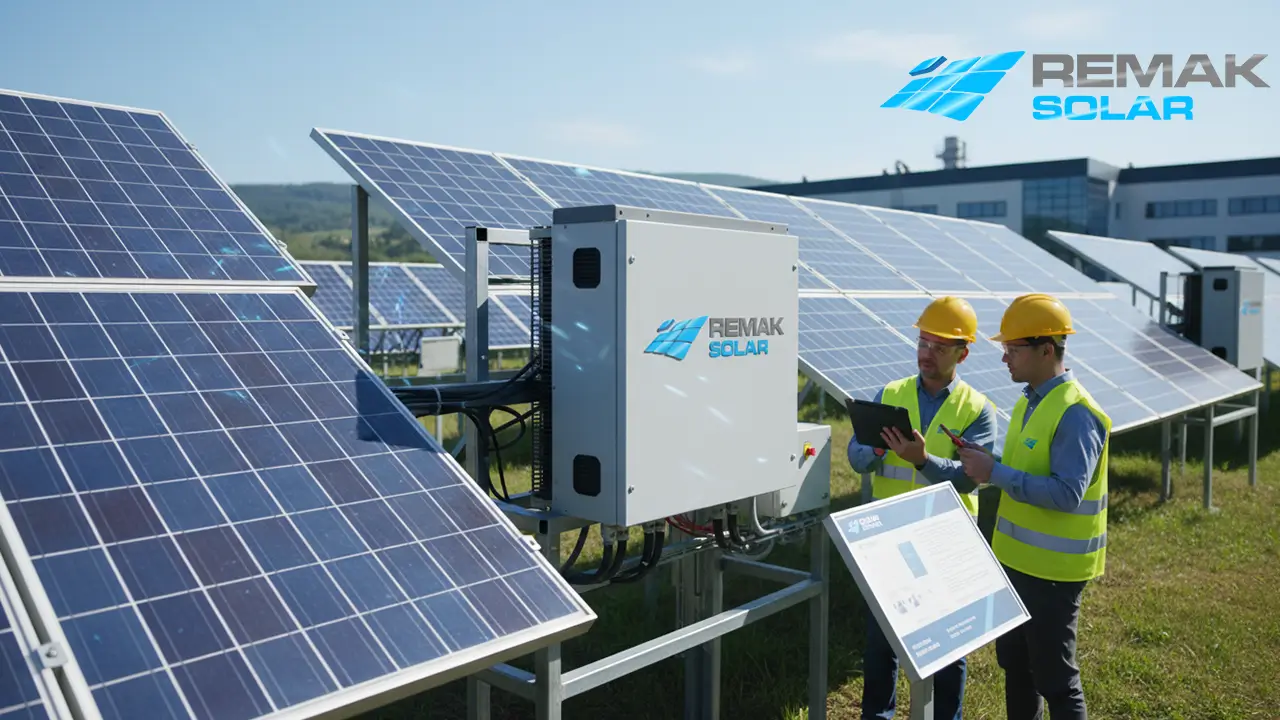
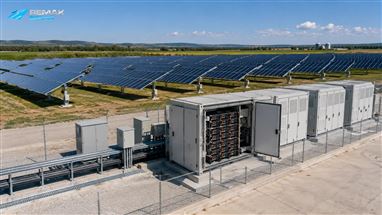
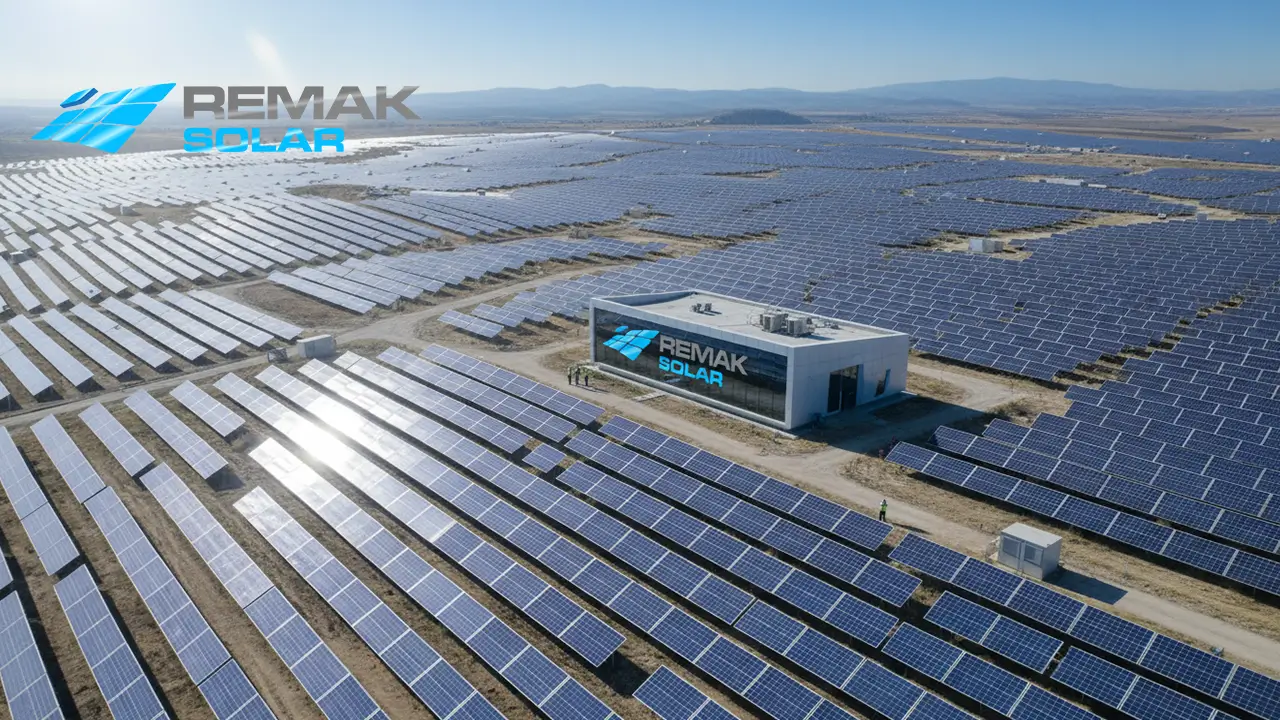
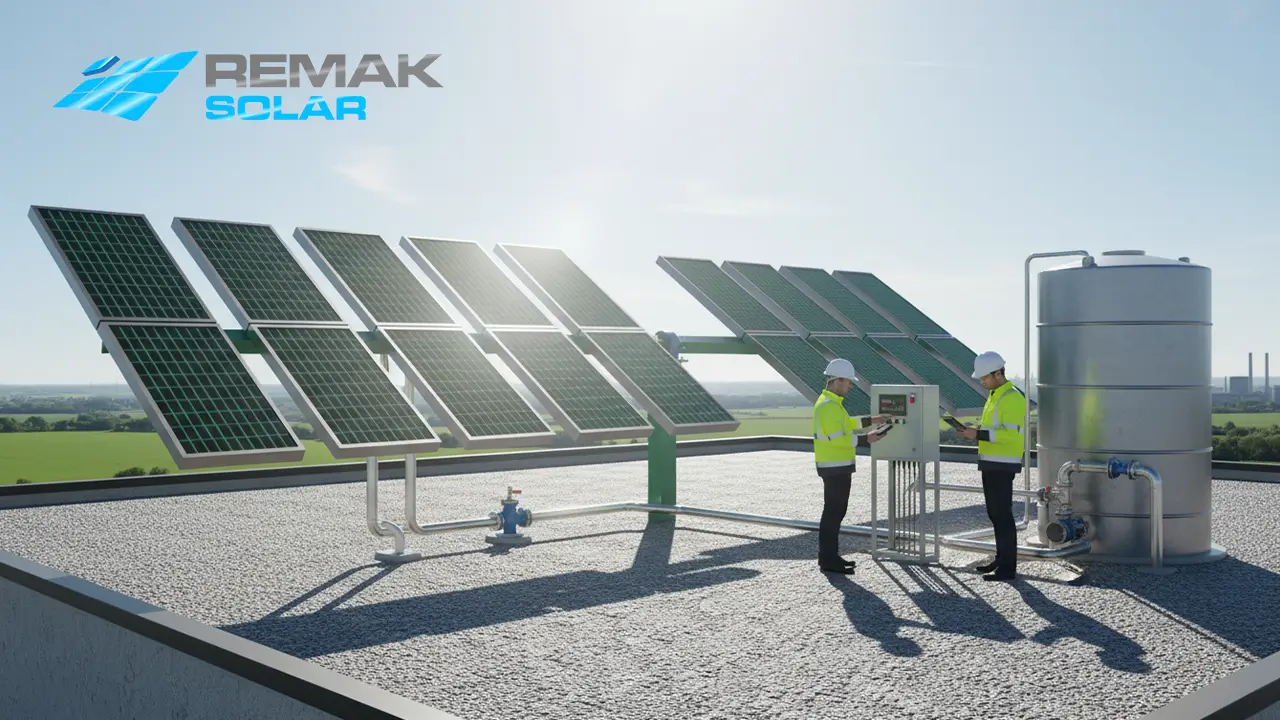
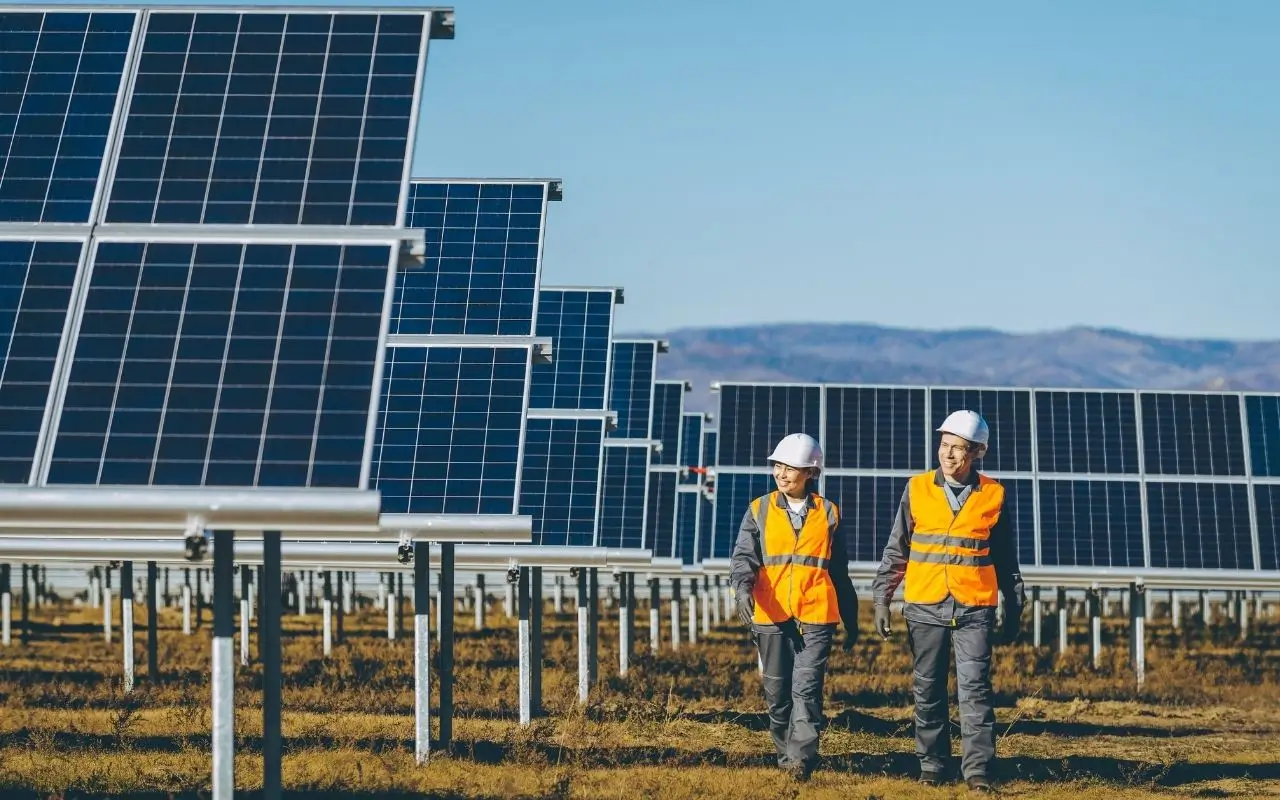
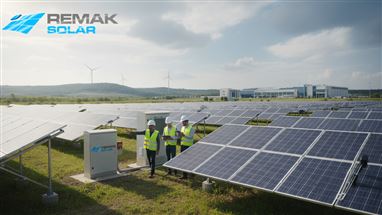
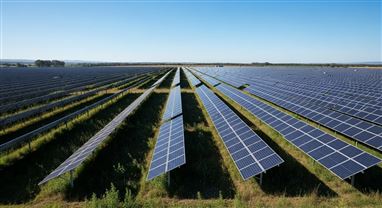
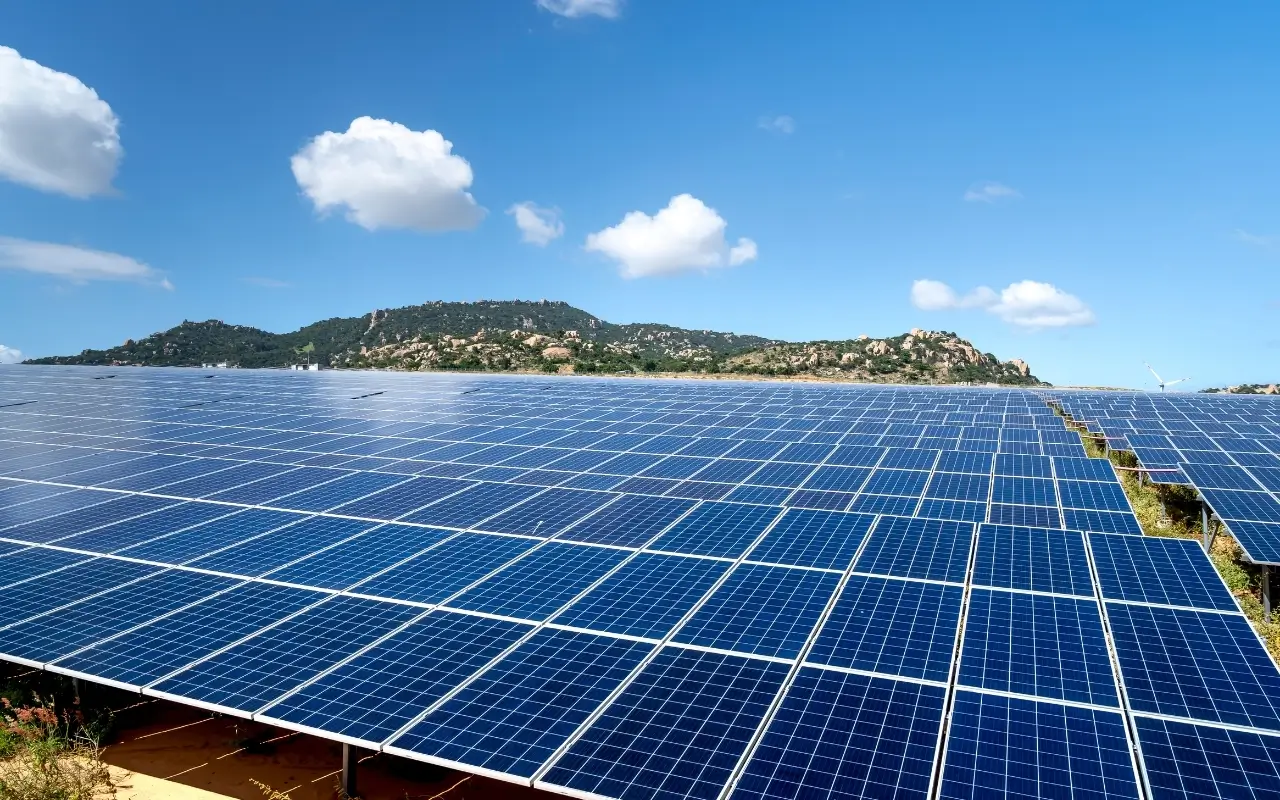
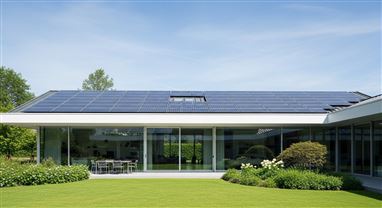
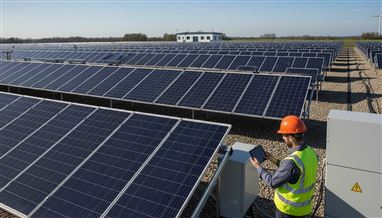
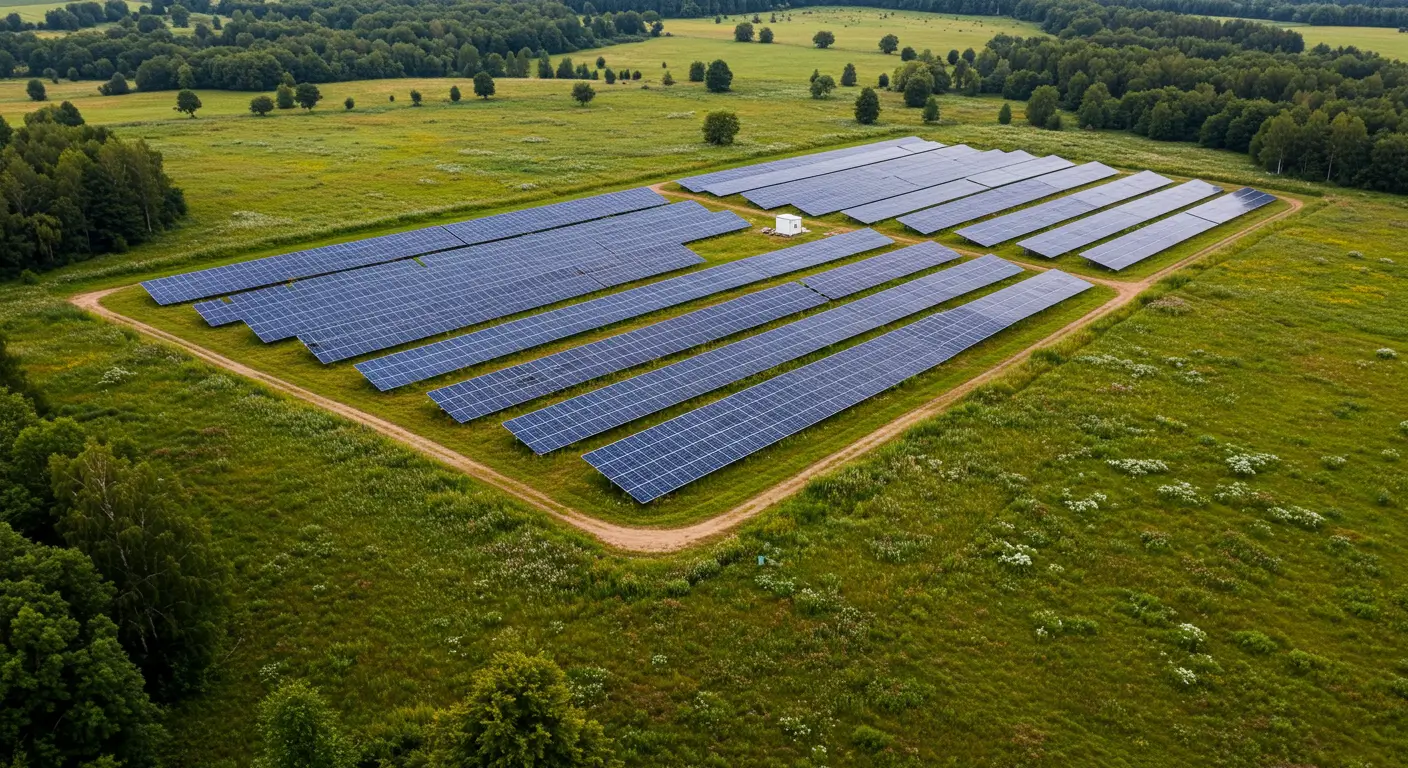
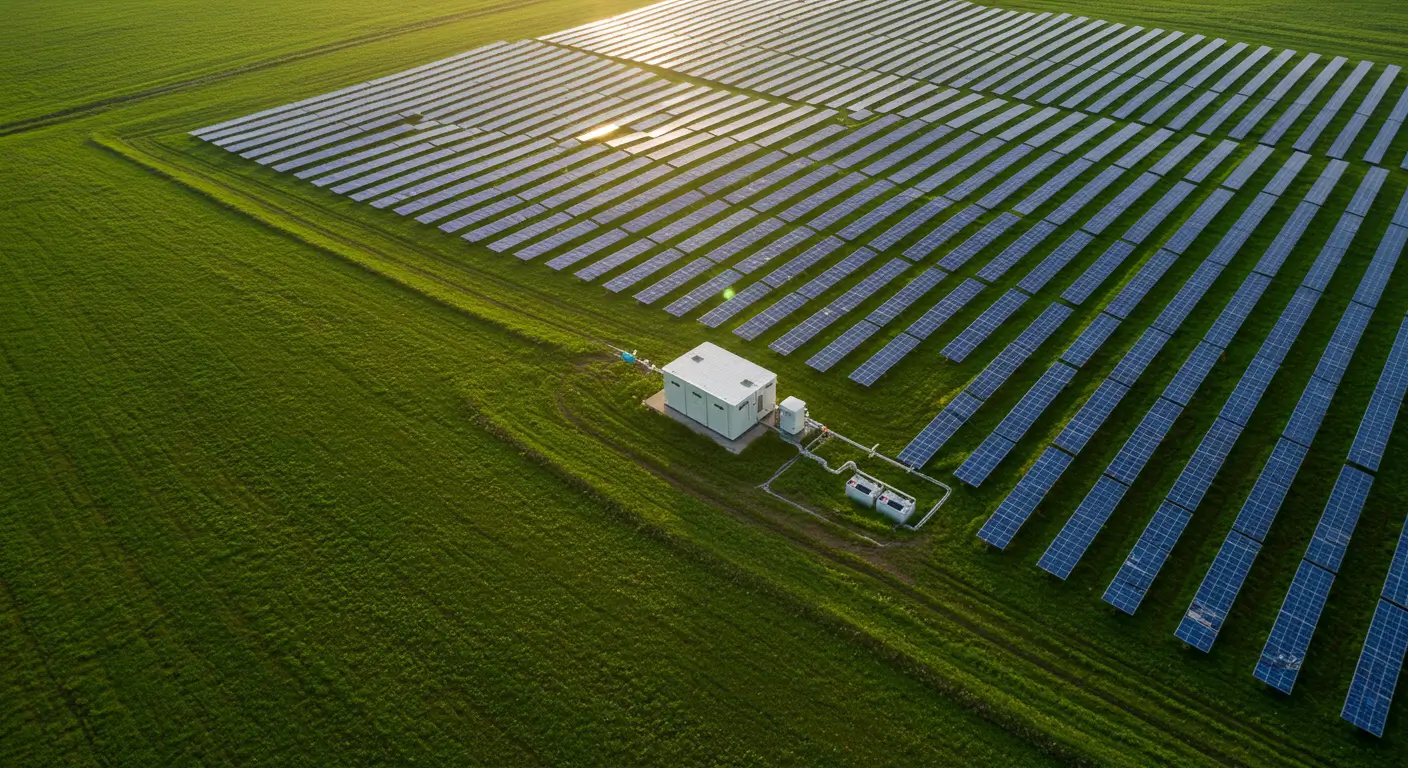
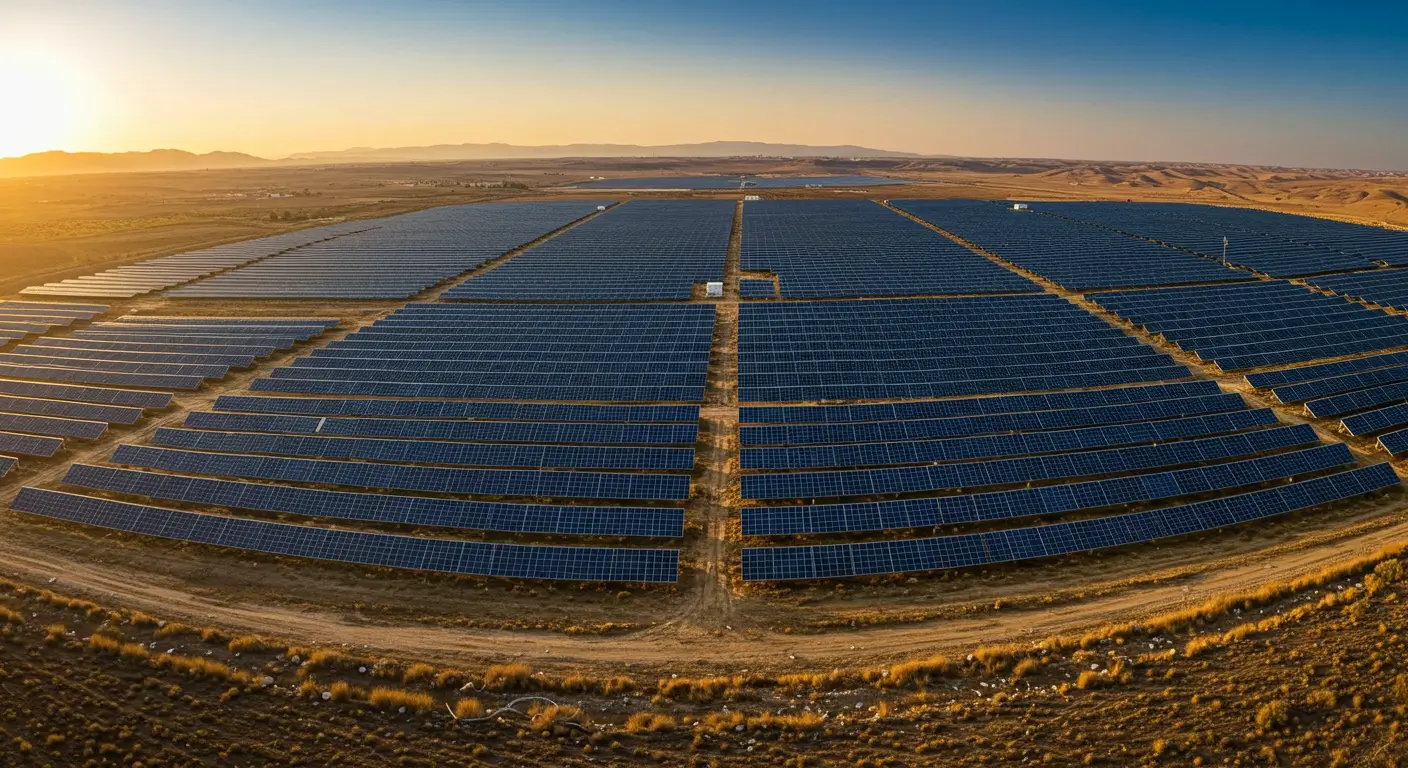
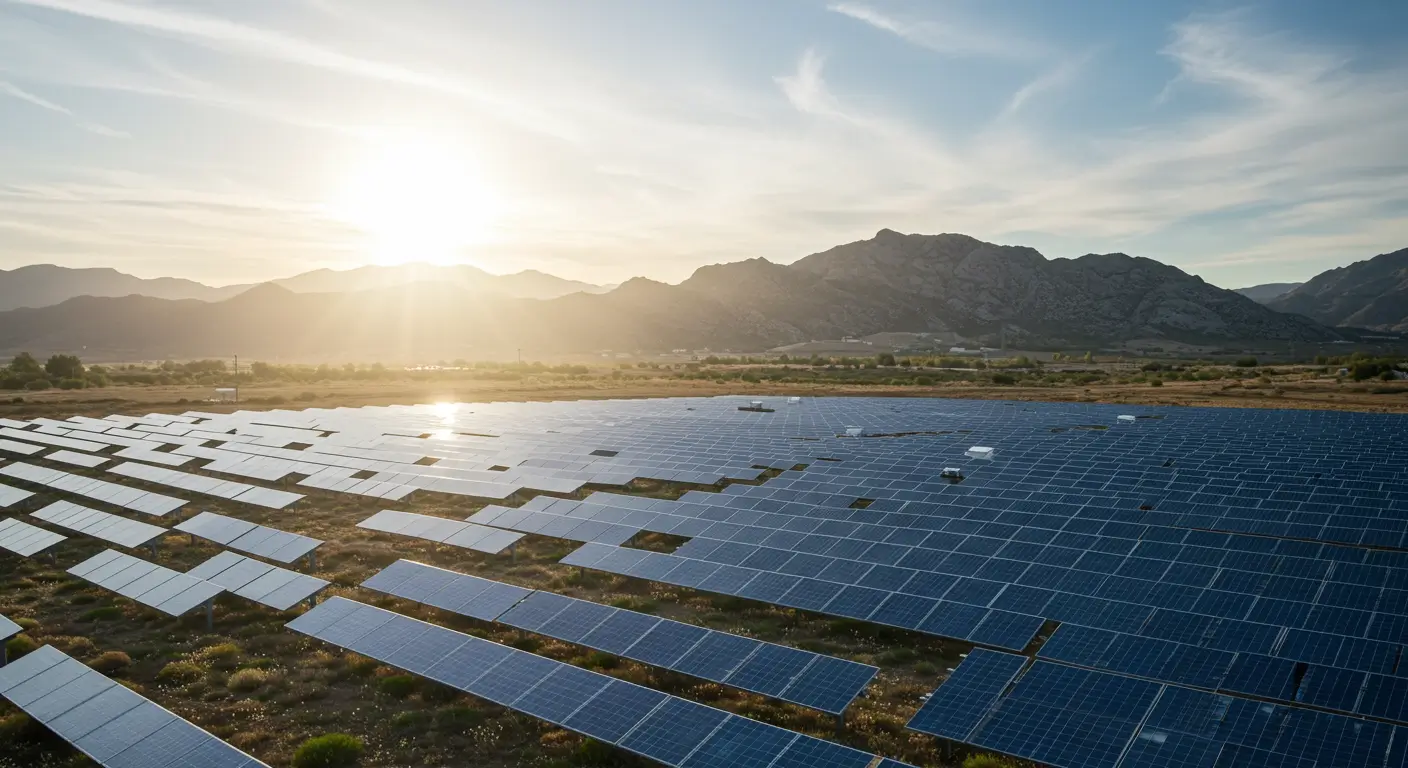
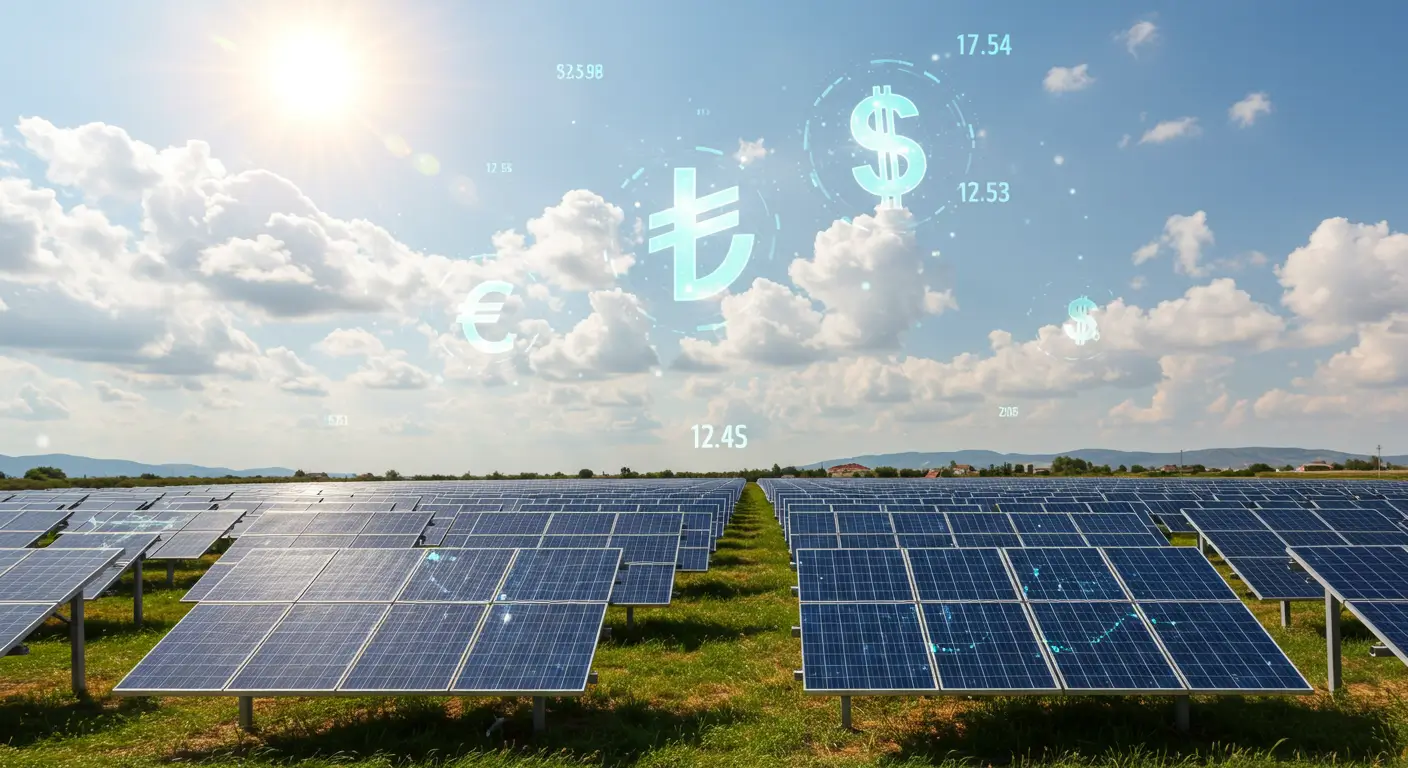
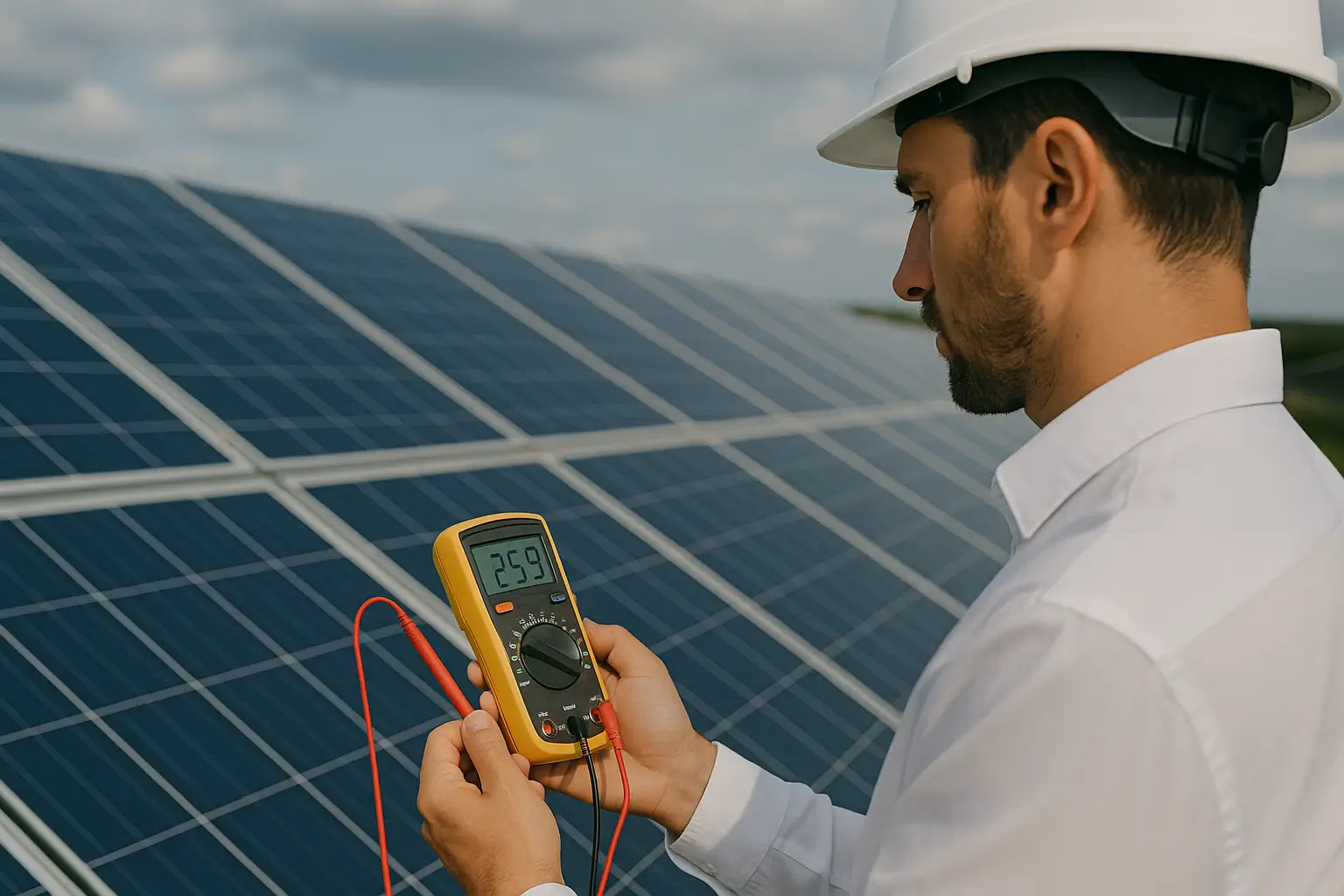
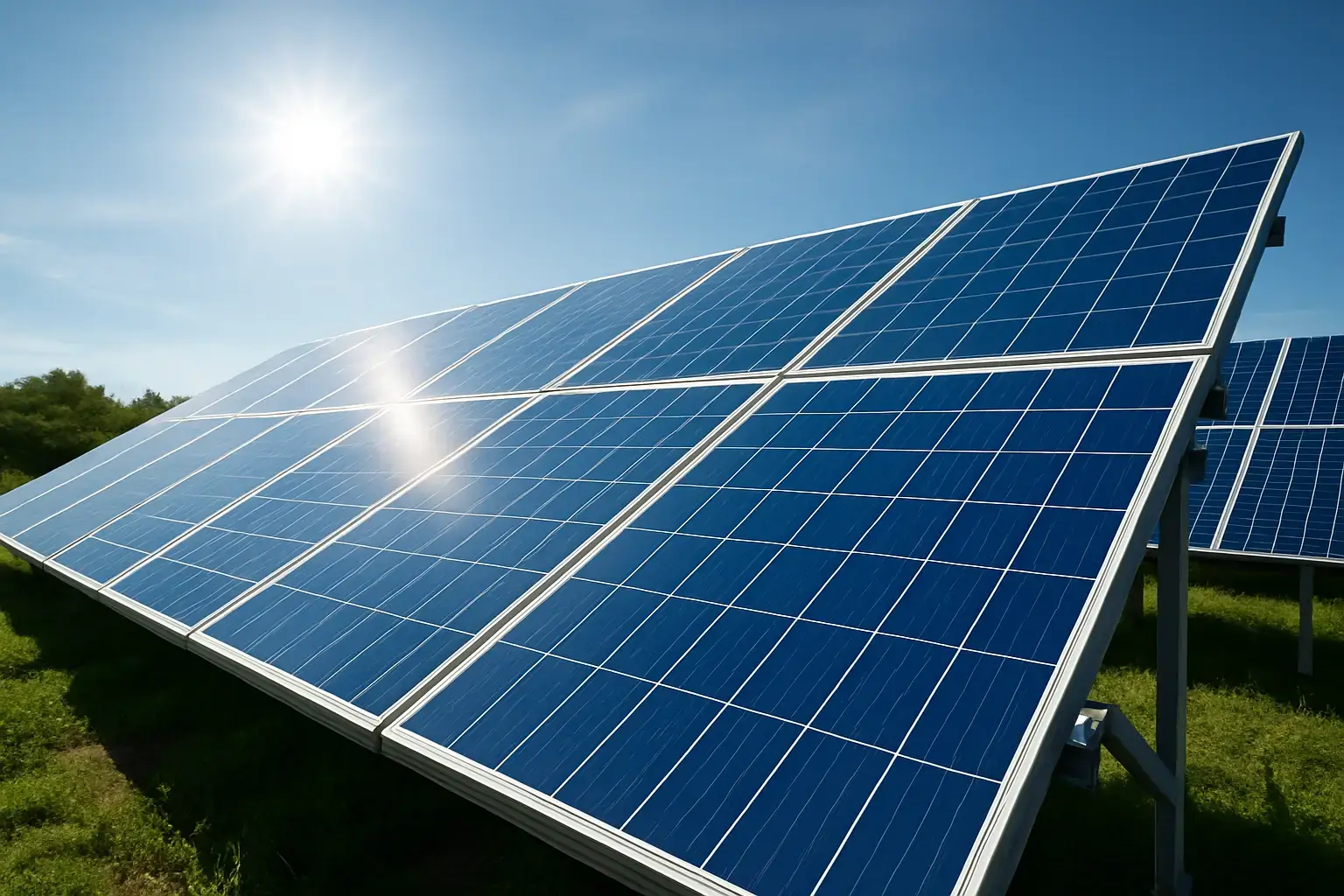
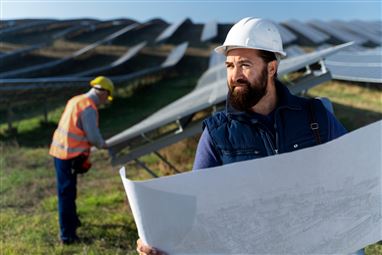
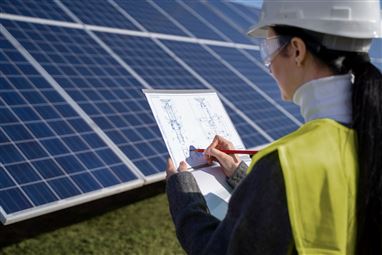
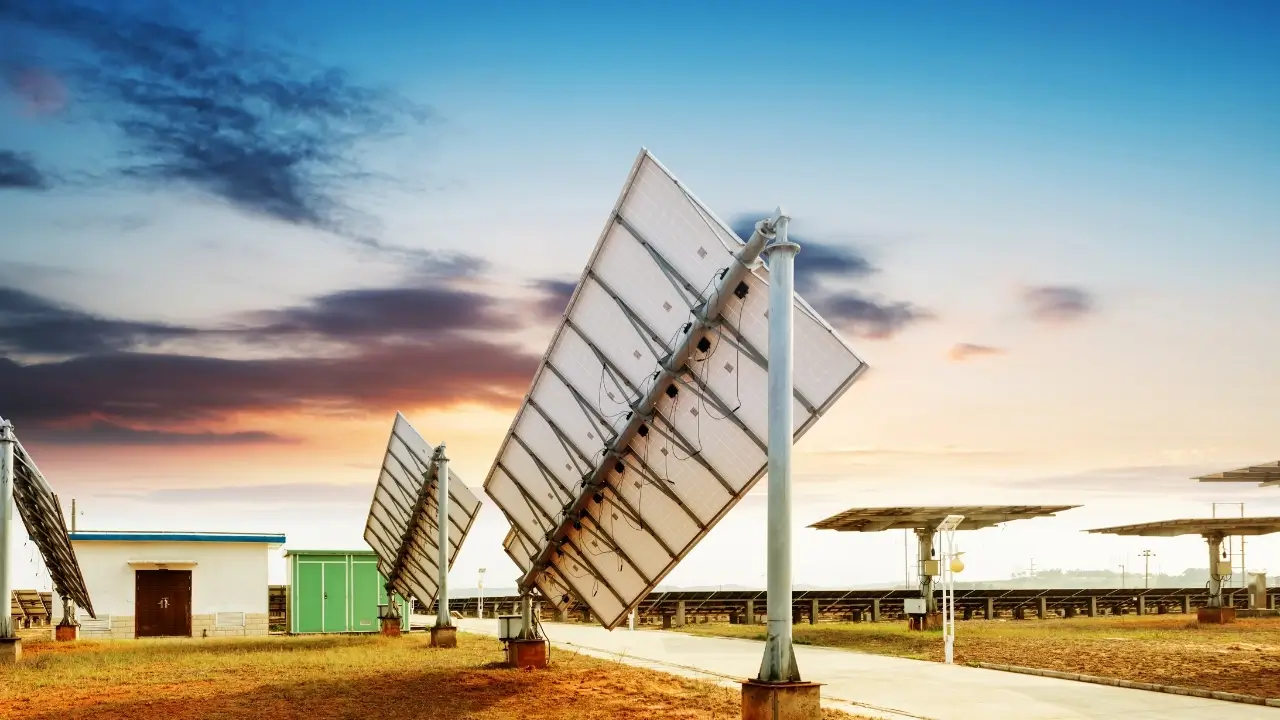
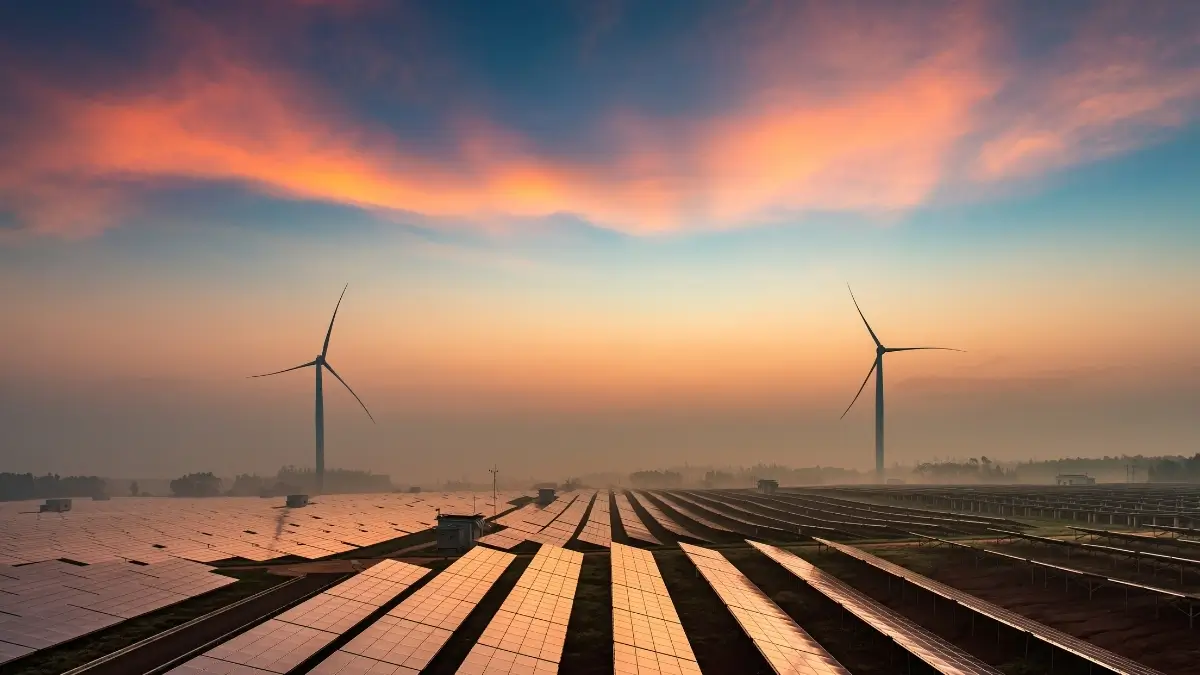
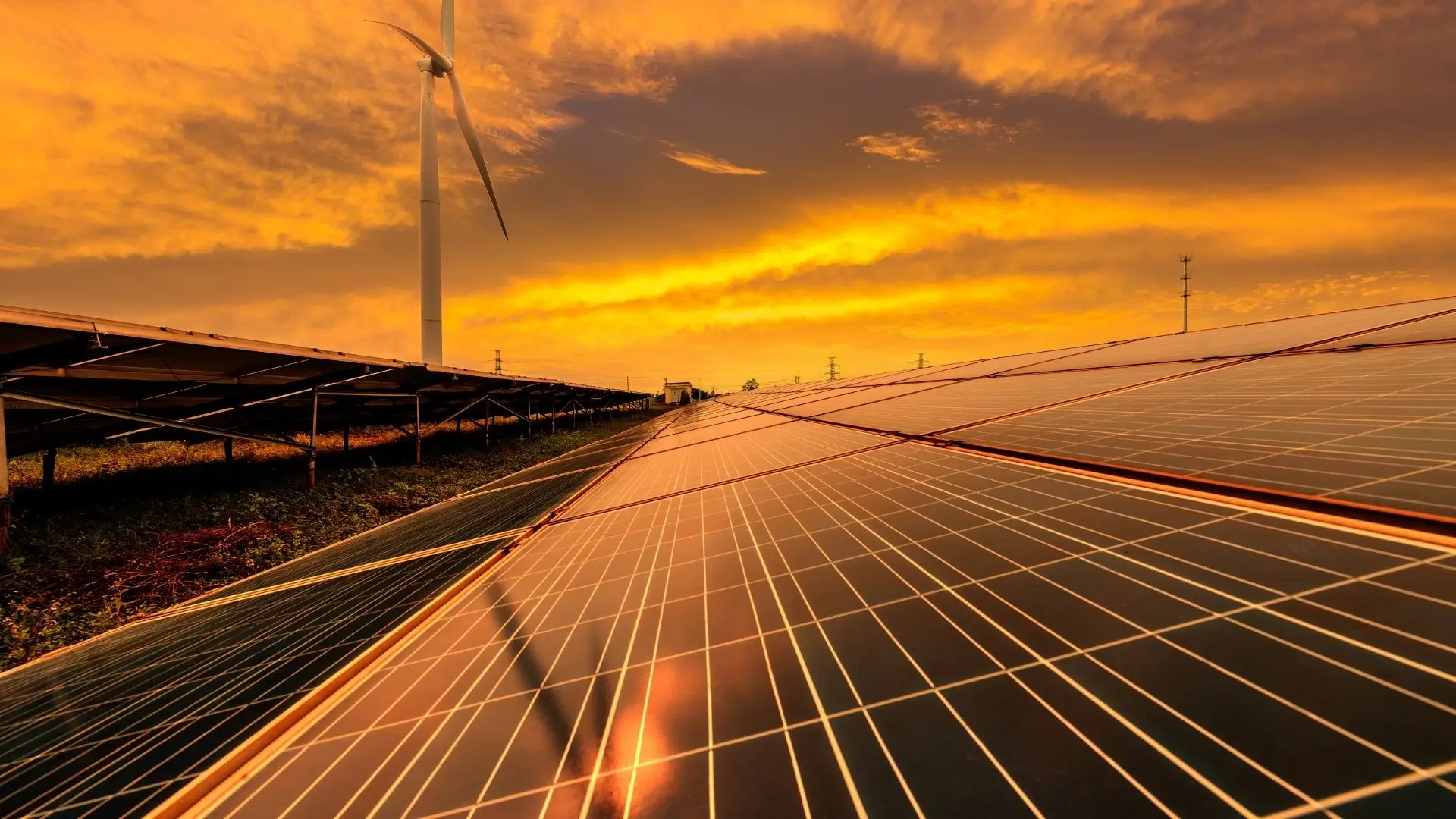
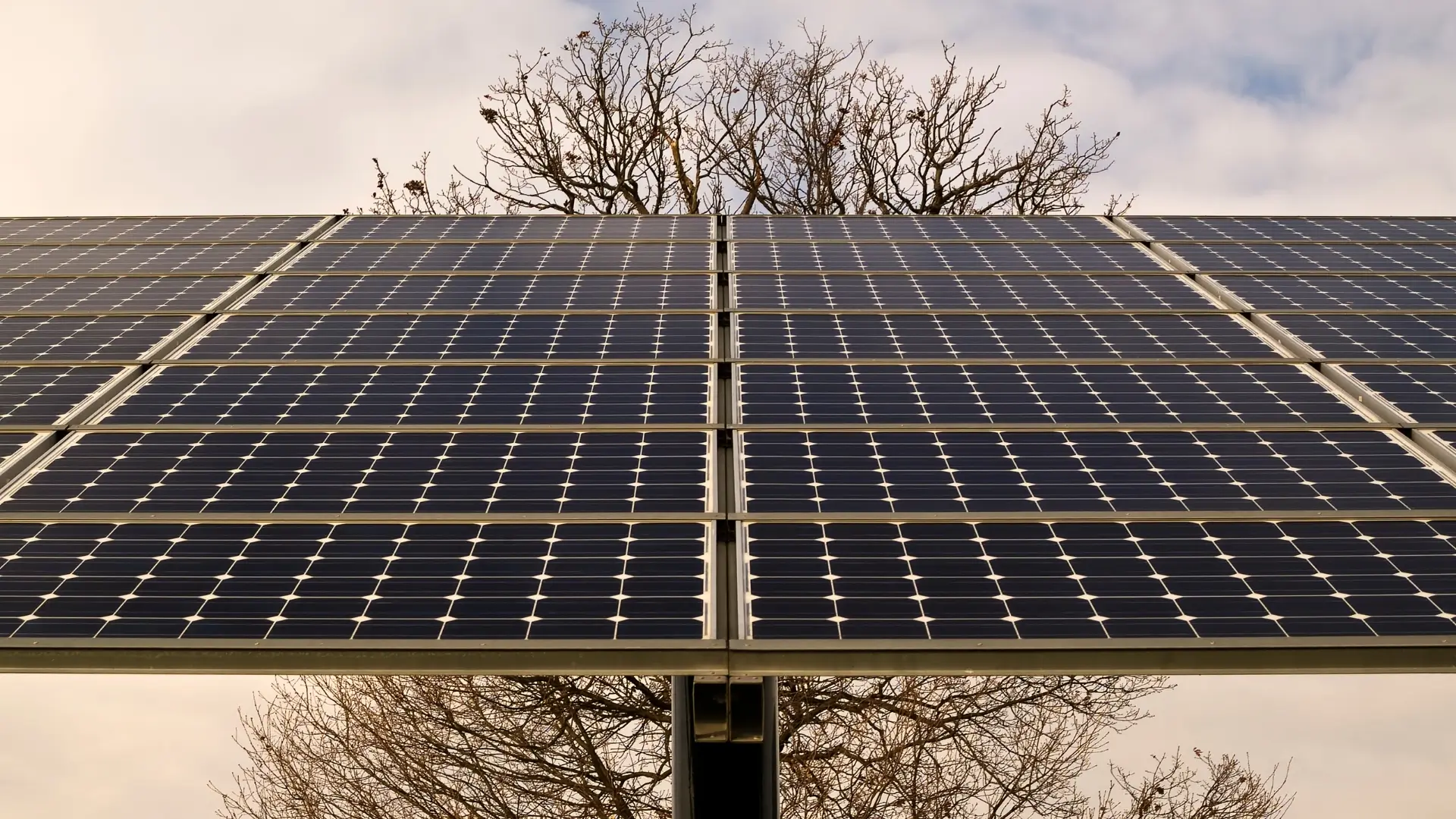
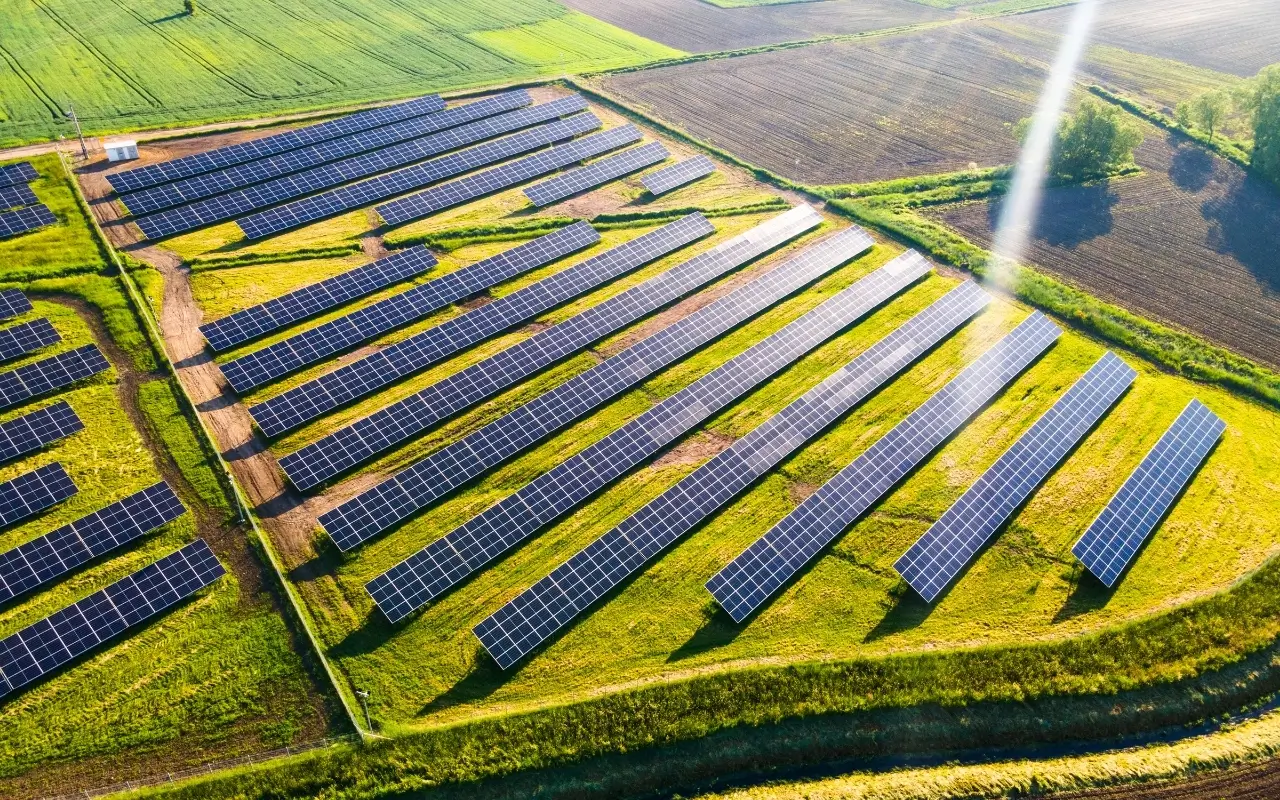
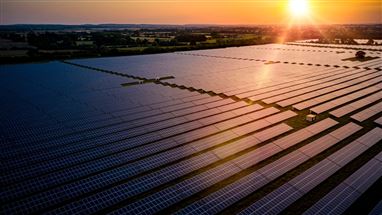
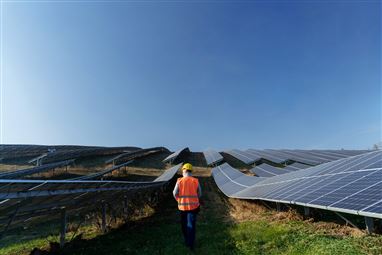
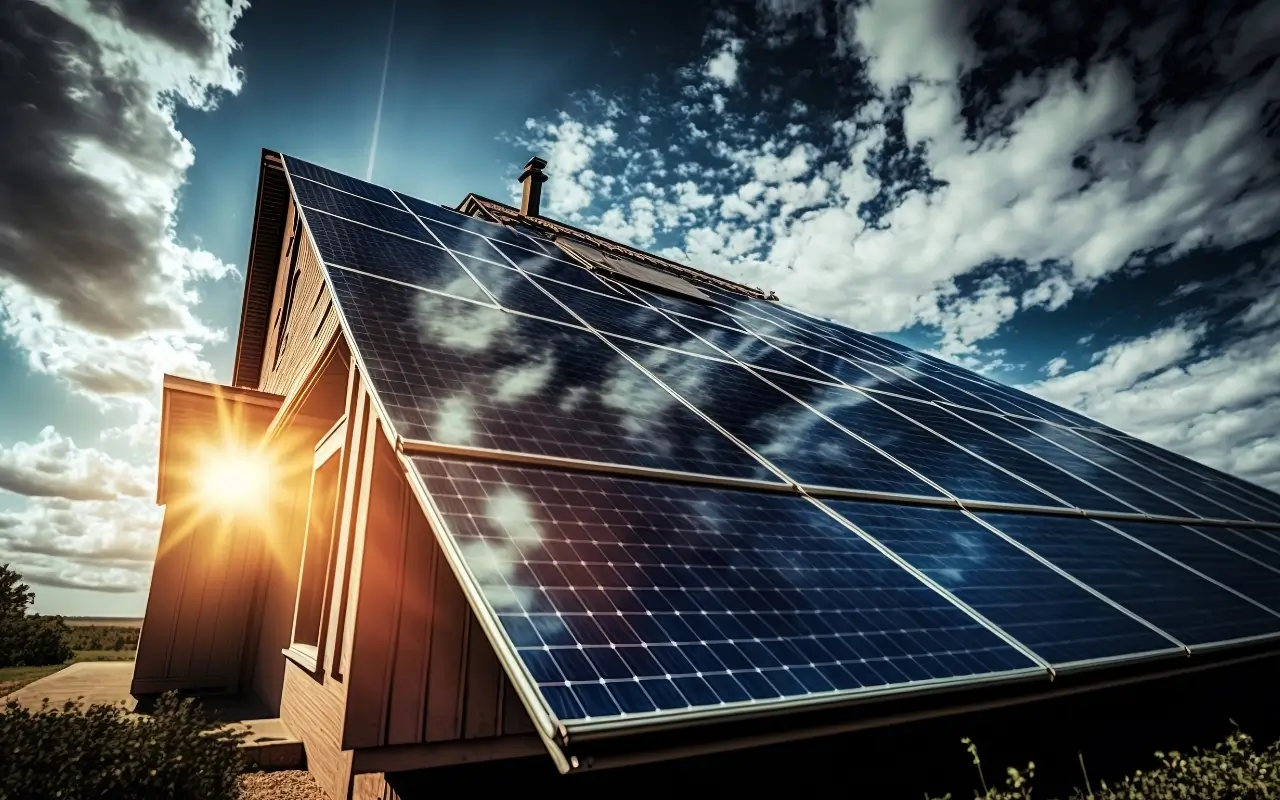
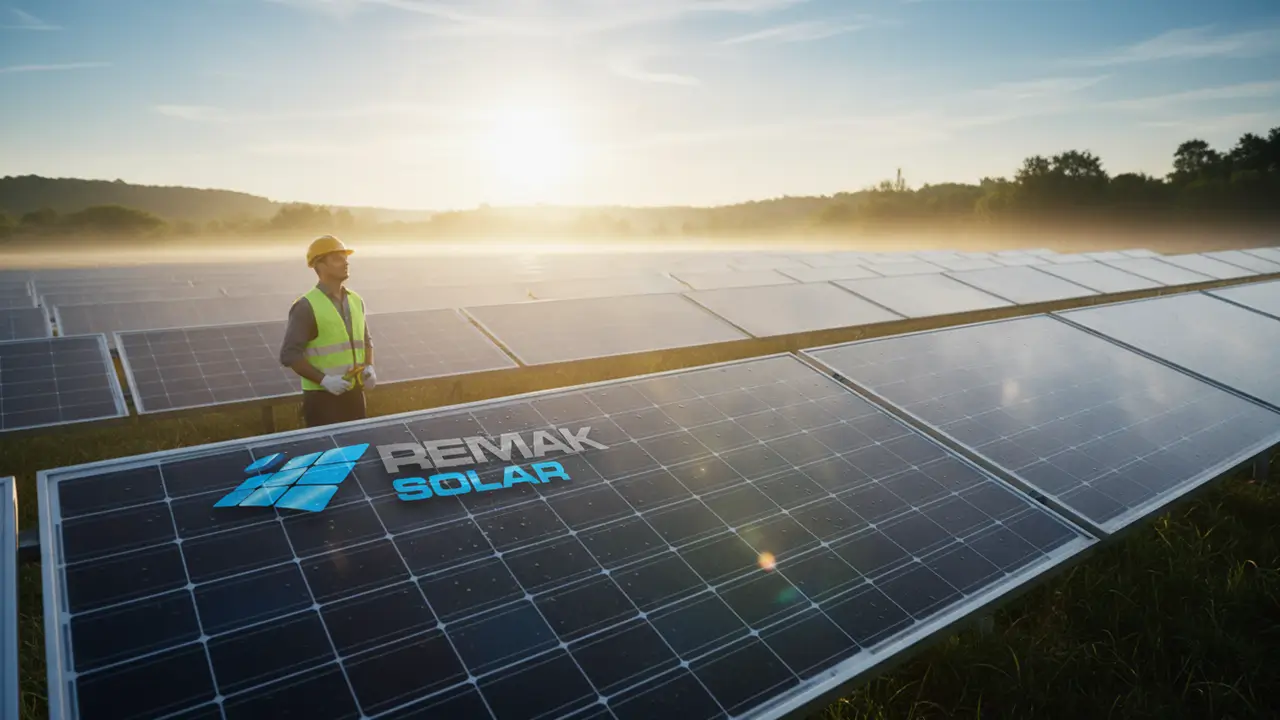
A solar farm, also known as a solar park, is a ground-mounted solar power plant with panels arranged in rows across a large site. The panels sit on support structures driven into the ground or set on concrete foundations. Inverters convert the electricity into a grid-compatible form, and most of it is fed into the grid.
Building a solar farm involves selecting a suitable site, checking the land classification and zoning, securing grid connection rights, preparing the design, choosing fixed-tilt or solar tracking structures, installing the equipment and commissioning the plant. Below we explain these steps, land requirements and common installation mistakes.
How Does a Solar Farm Differ from a Rooftop Solar Plant?
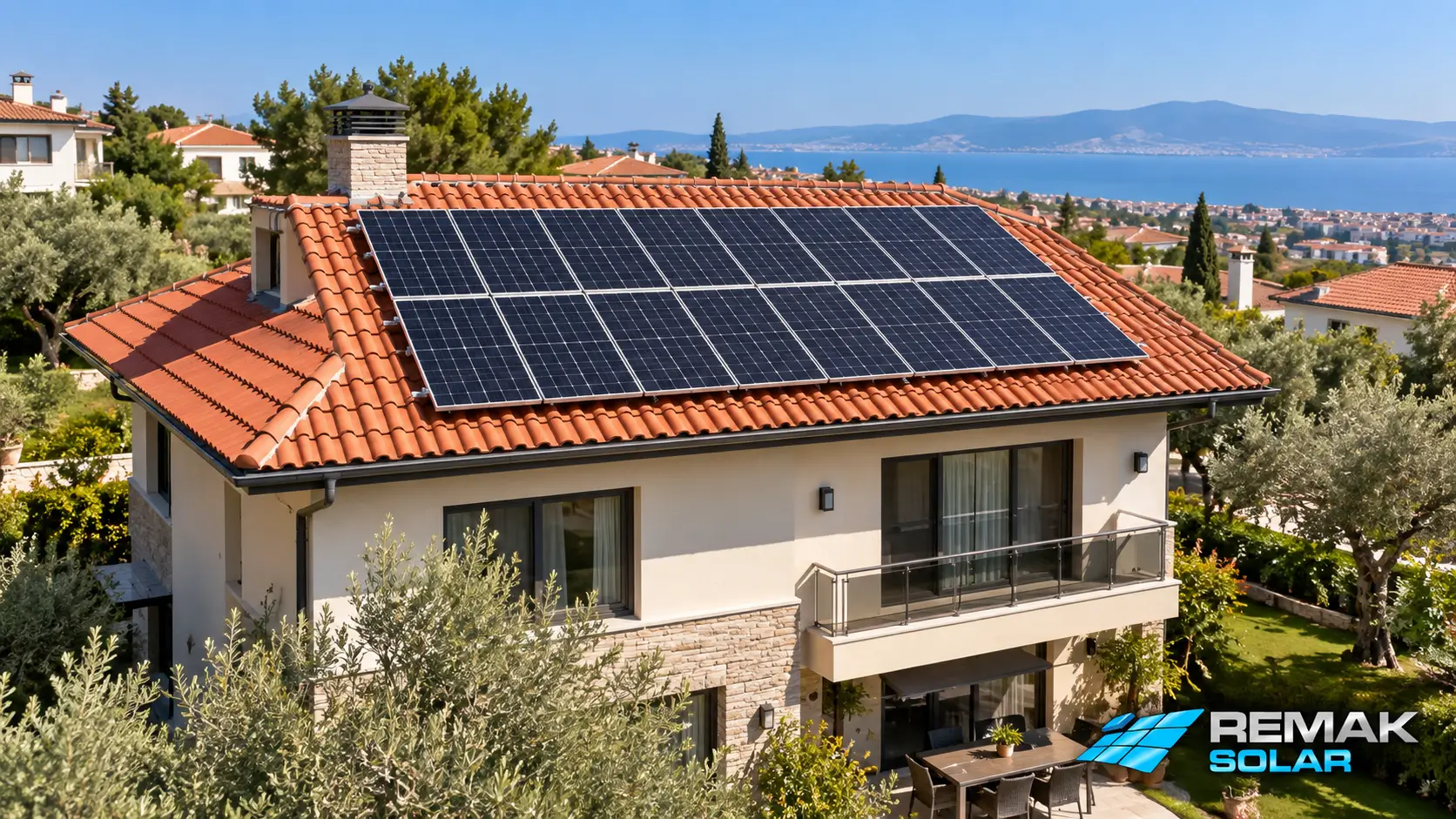
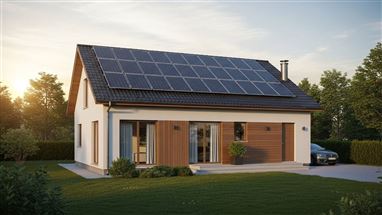
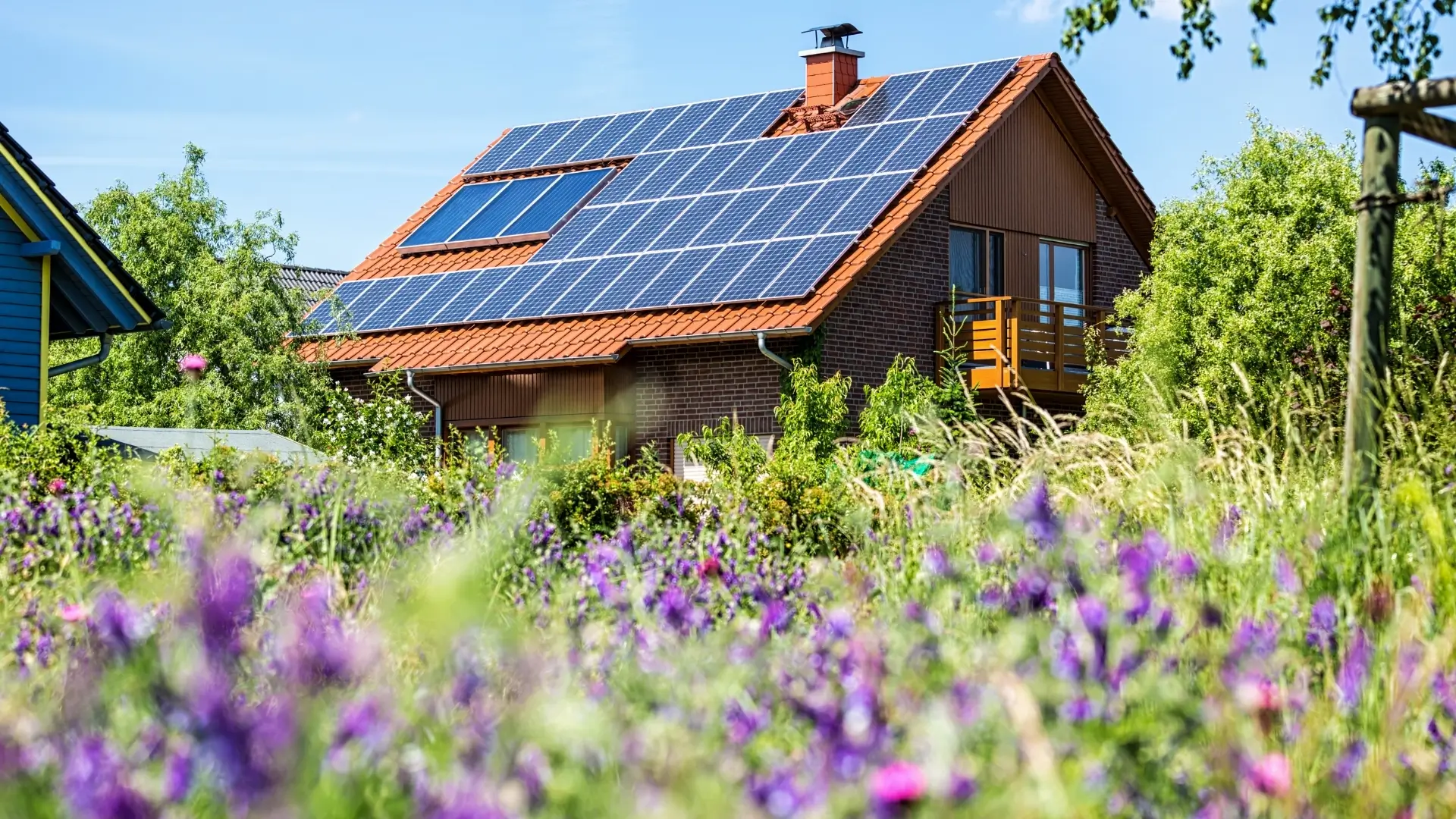
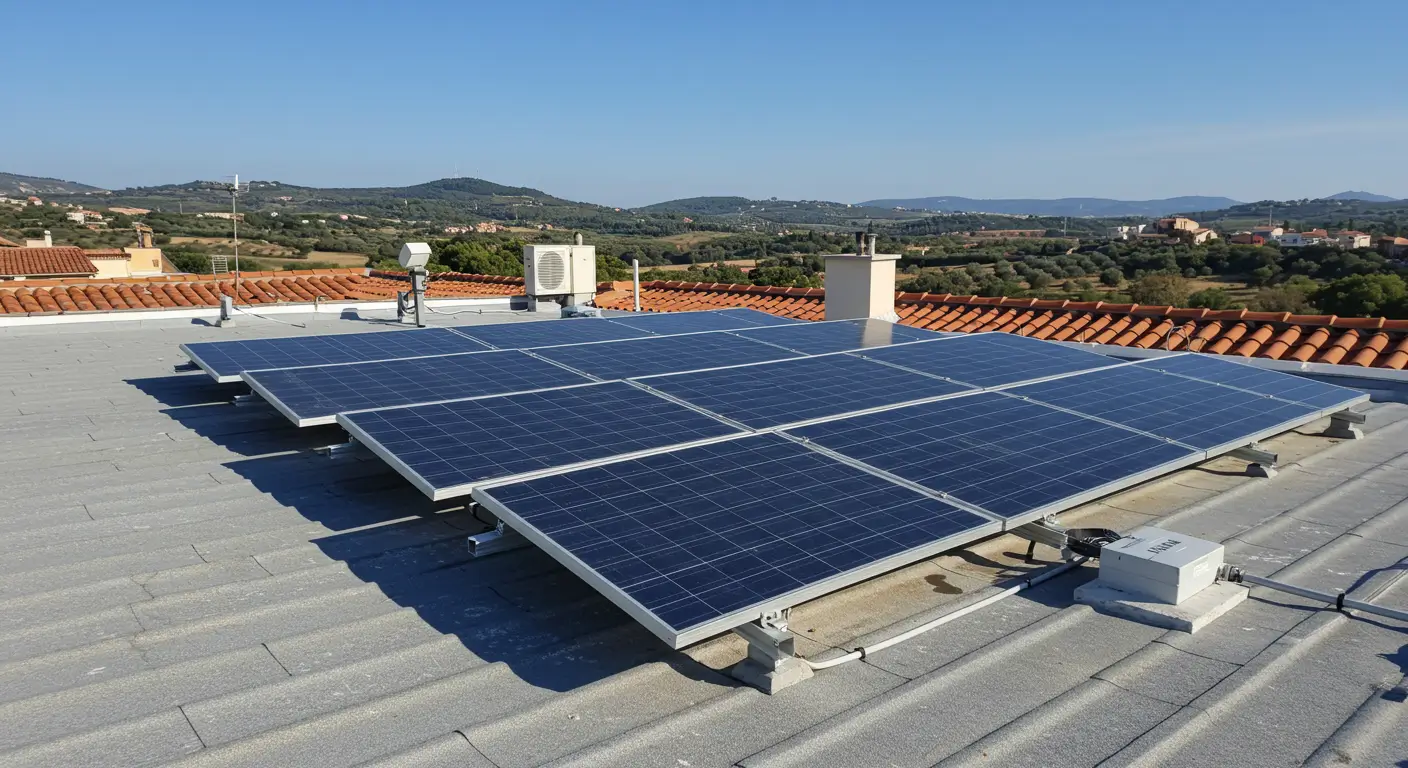
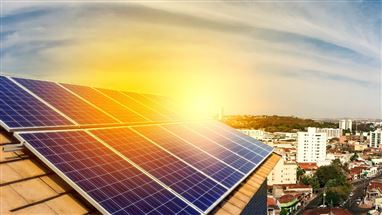
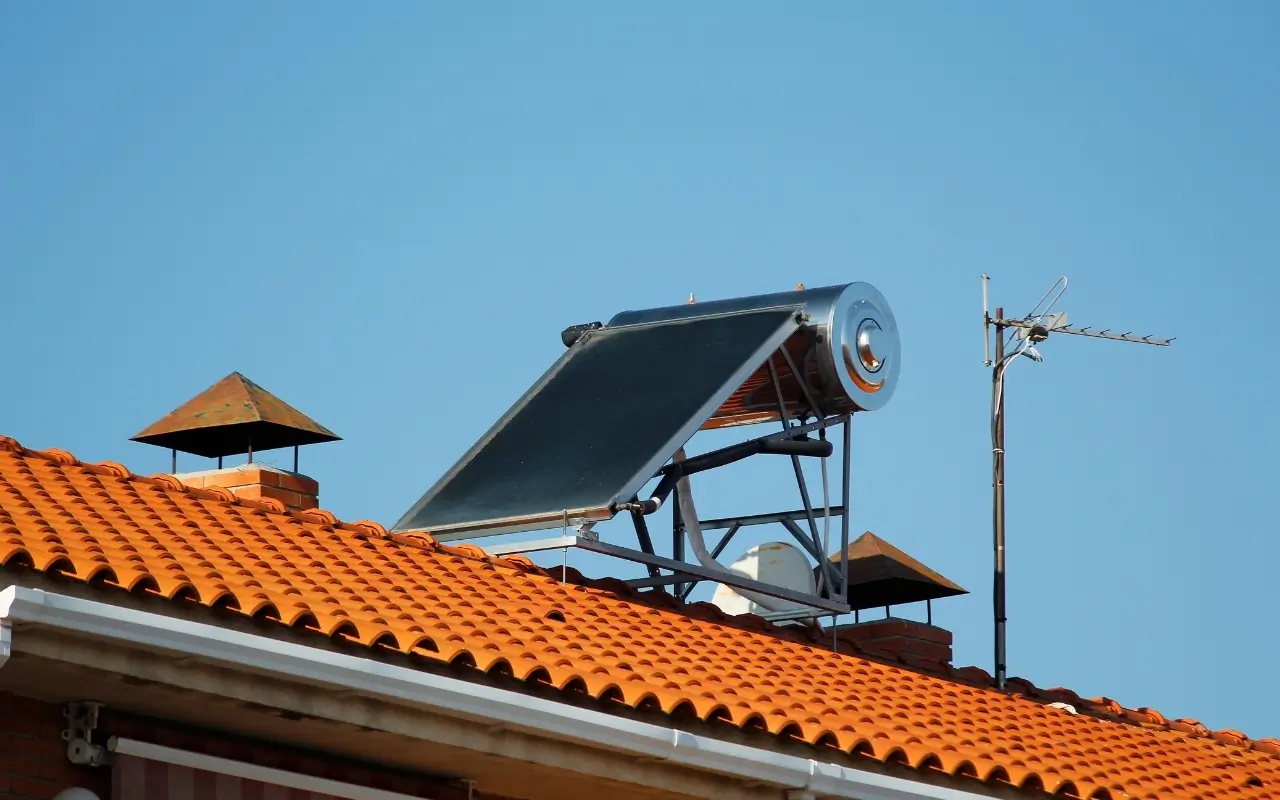
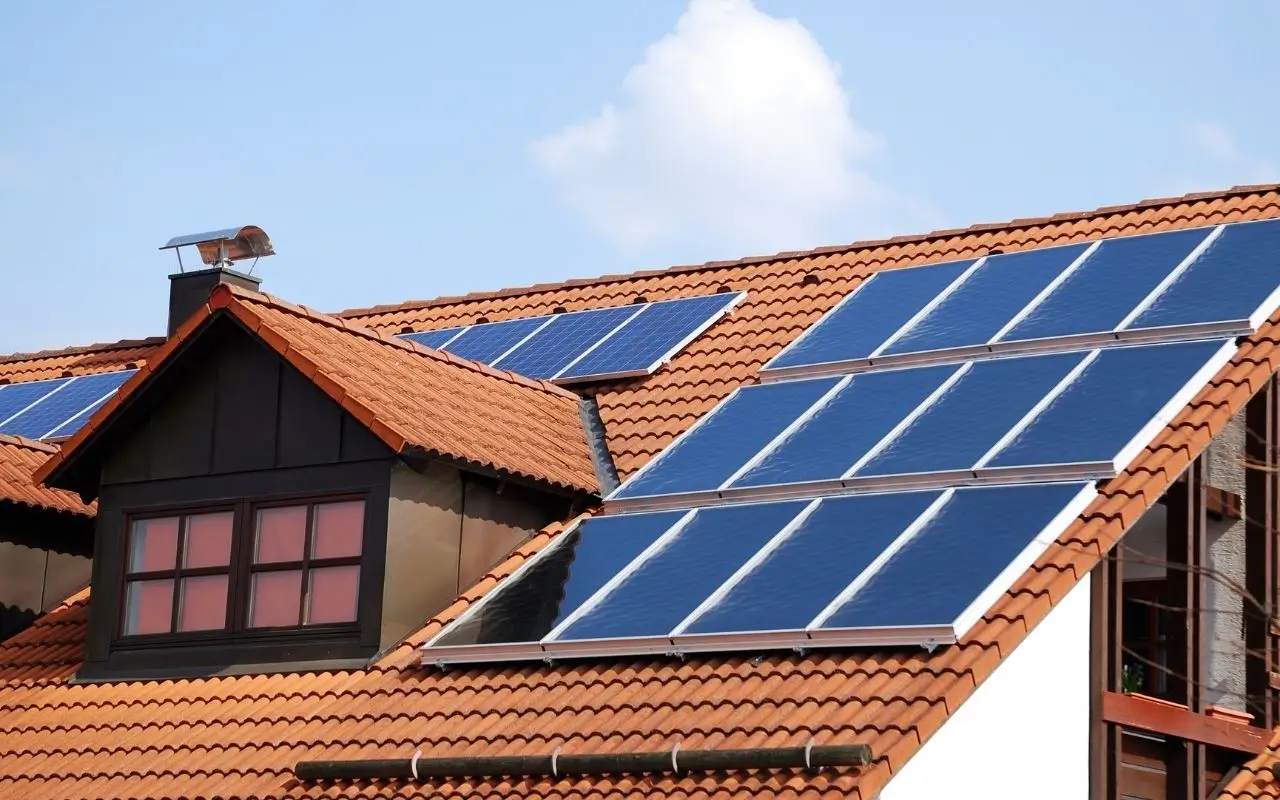
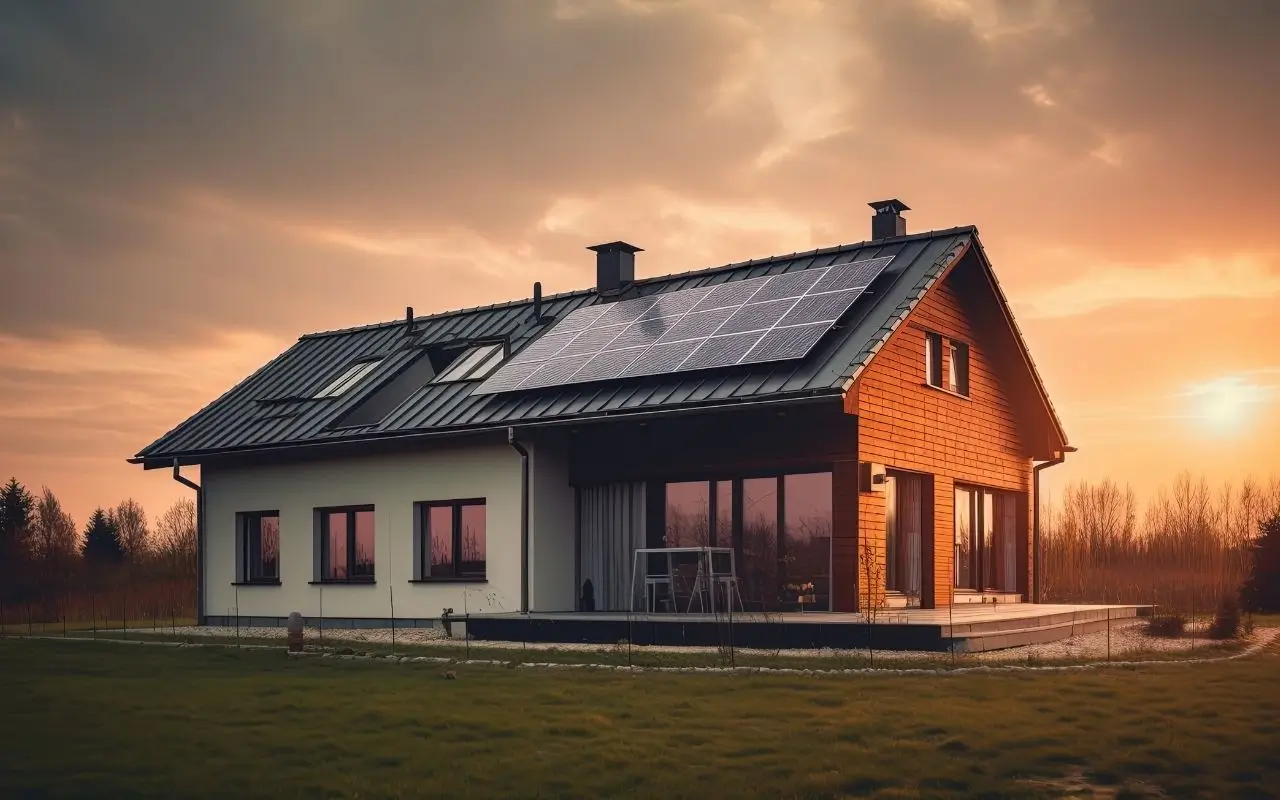
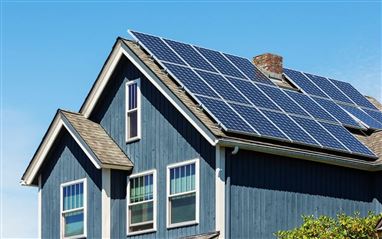
Both are solar power plants, but they differ in location and scale. Rooftop systems primarily supply the building’s own electricity needs and are limited by roof area. Ground-mounted solar farms can reach much higher capacities, offer more flexibility in panel orientation and tilt, and can use solar trackers. We explain how solar plants work in What Is a Solar Power Plant? and cover rooftop installations in What Is Rooftop Solar and Who Is It Suitable For? in detail.
What Are the Components of a Solar Farm?
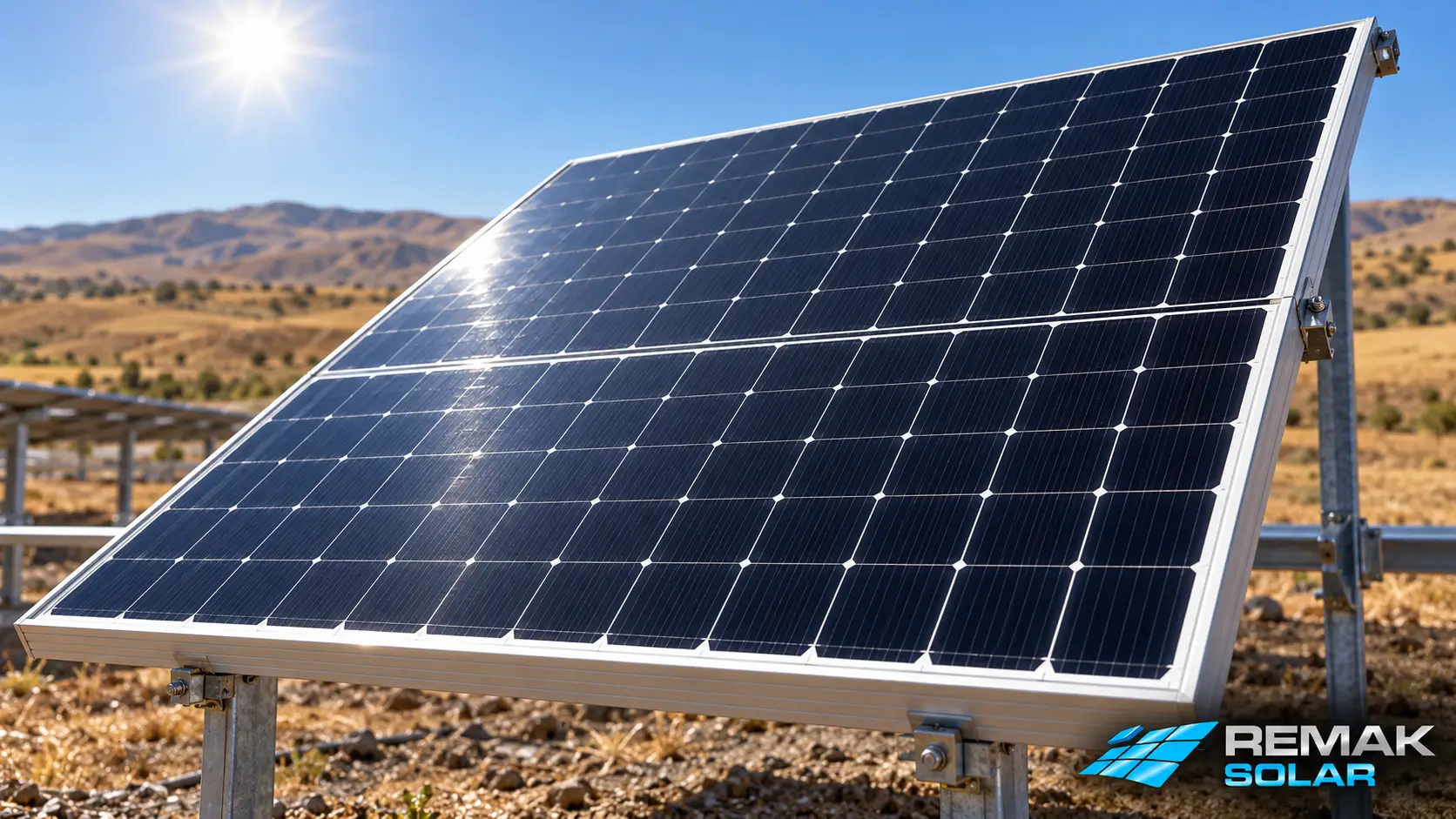
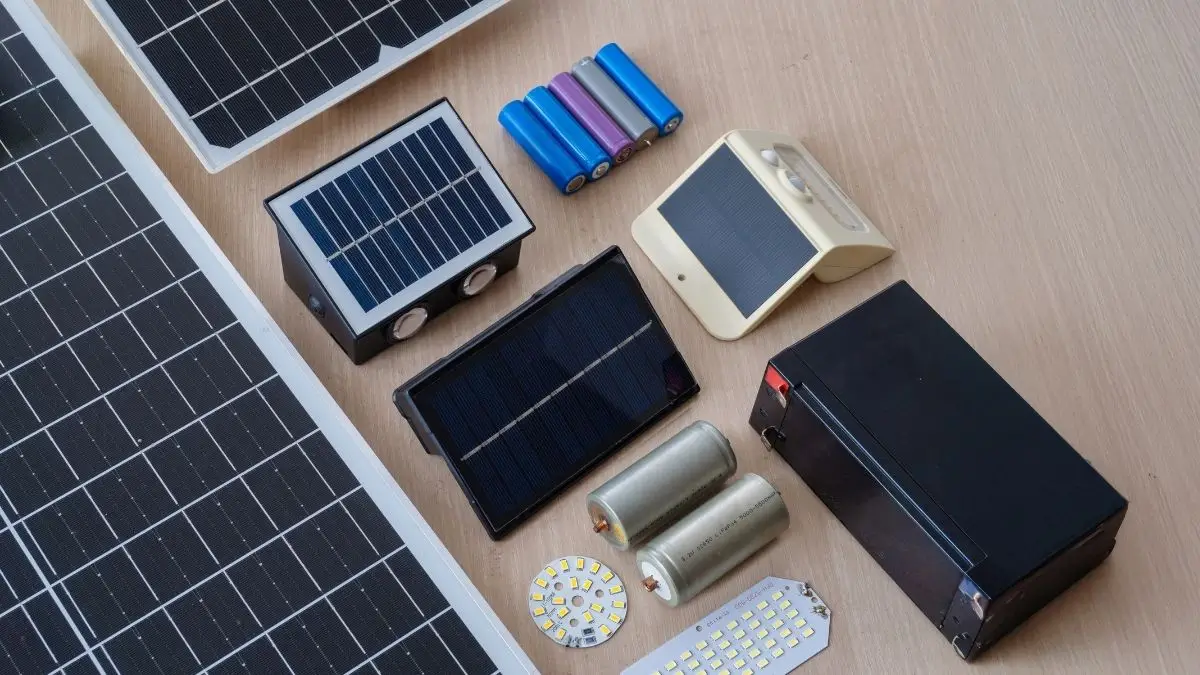
- Solar panels: The main component that converts sunlight into electricity. We compare panel types in What Types of Solar Panels Are Available? in detail.
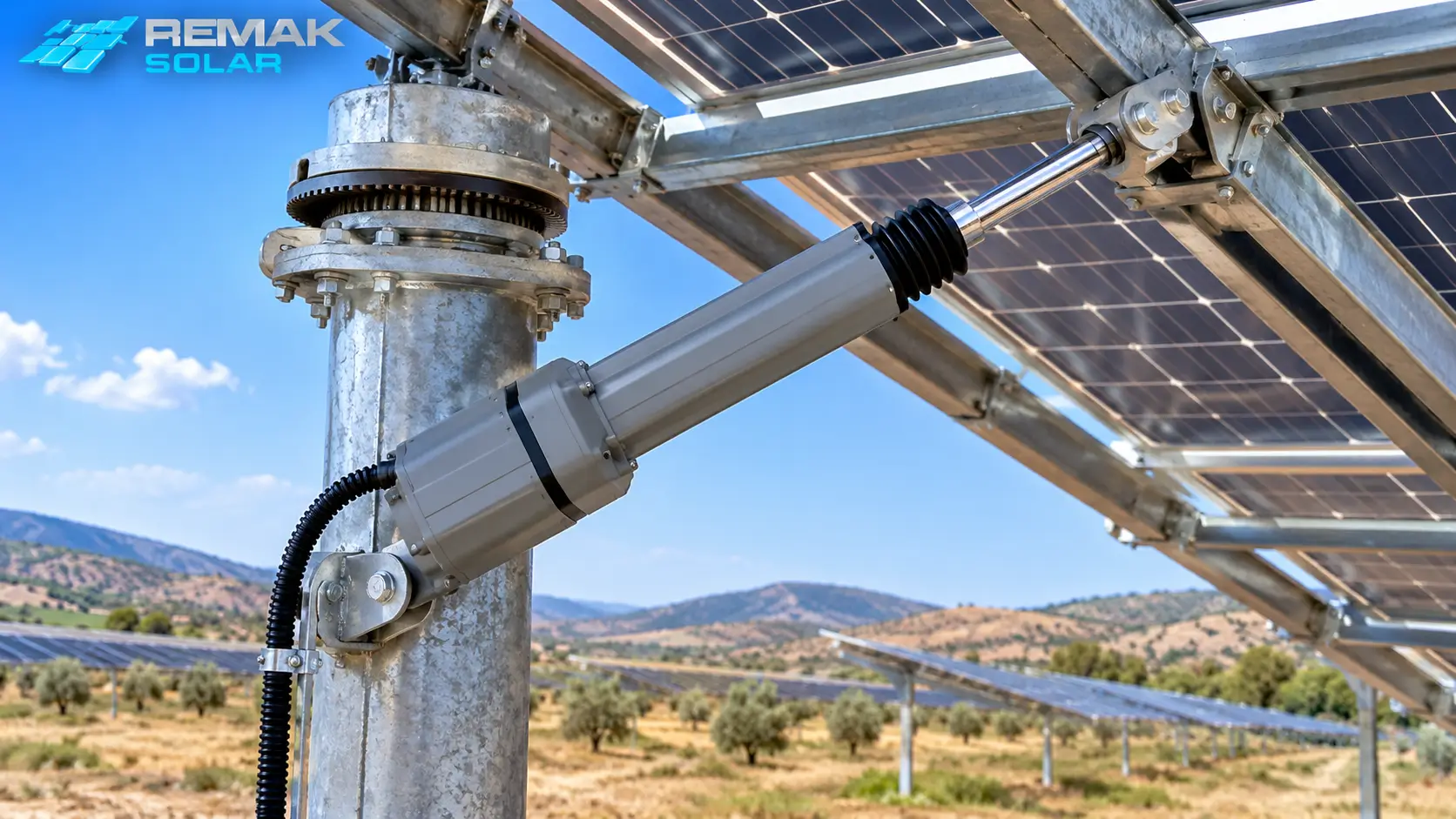
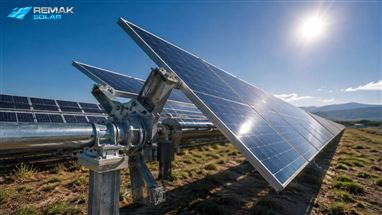
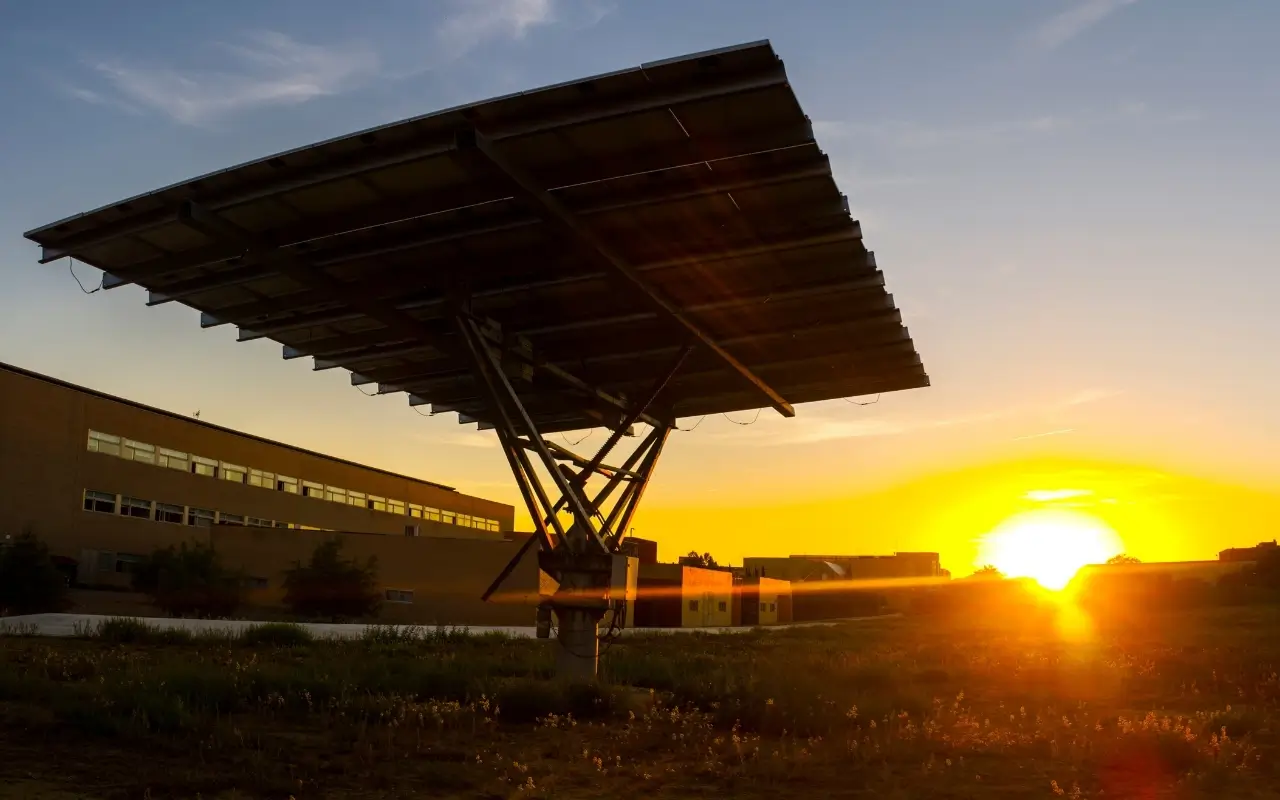
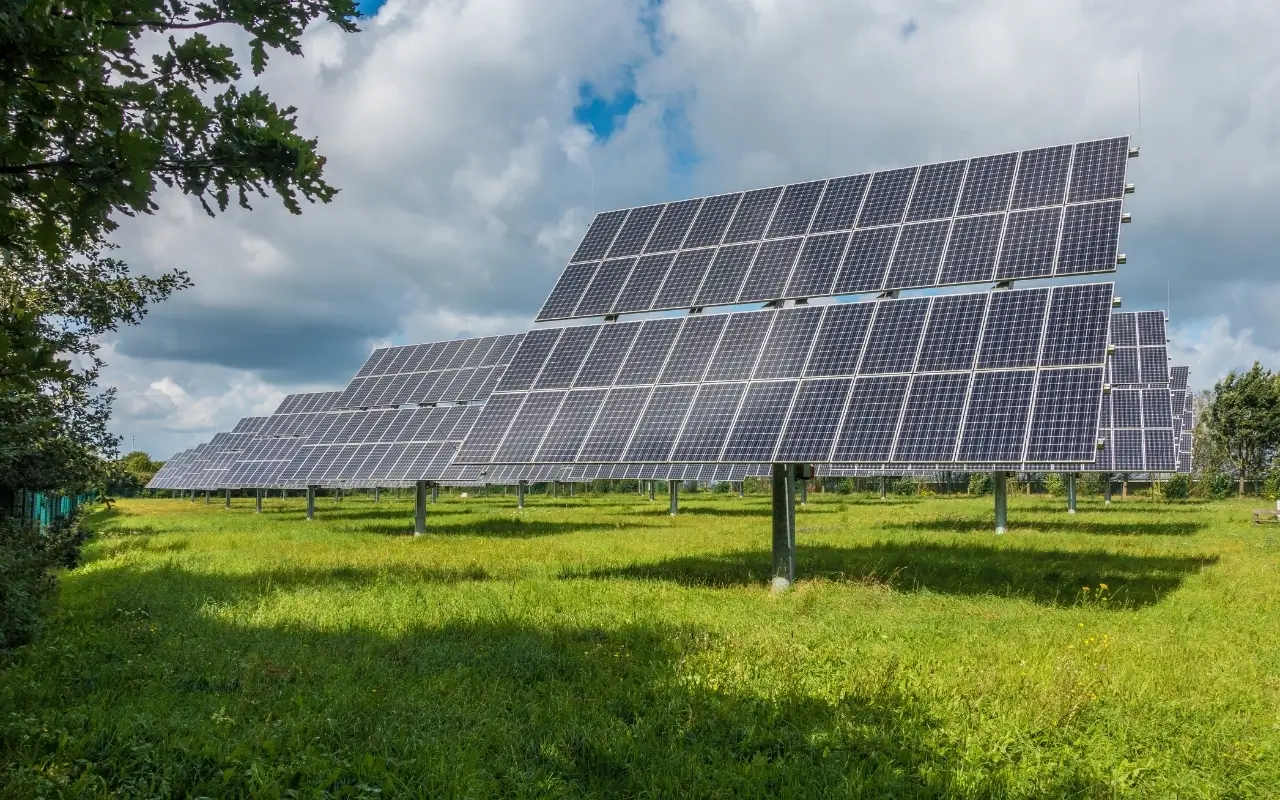
- Mounting structure: The steel structure that holds the panels above the ground. It can have a fixed tilt or incorporate a solar tracker that turns the panels to follow the sun.
- Inverters: They convert the direct current generated by the panels into grid-compatible alternating current. For details, see What Is an Inverter? for more information.
- Cabling, transformers and switchgear: They collect the electricity and raise its voltage to the grid connection level.
- Monitoring and security: Generation monitoring and security measures such as perimeter fencing and cameras.
Fixed-Tilt System or Solar Tracker?
The mounting structure is one of the most important choices. Fixed systems keep panels at the same angle all year. Trackers use a gearbox and motor to follow the sun throughout the day. Single-axis trackers turn the panels from east to west. Dual-axis trackers also follow seasonal changes in the sun’s elevation.
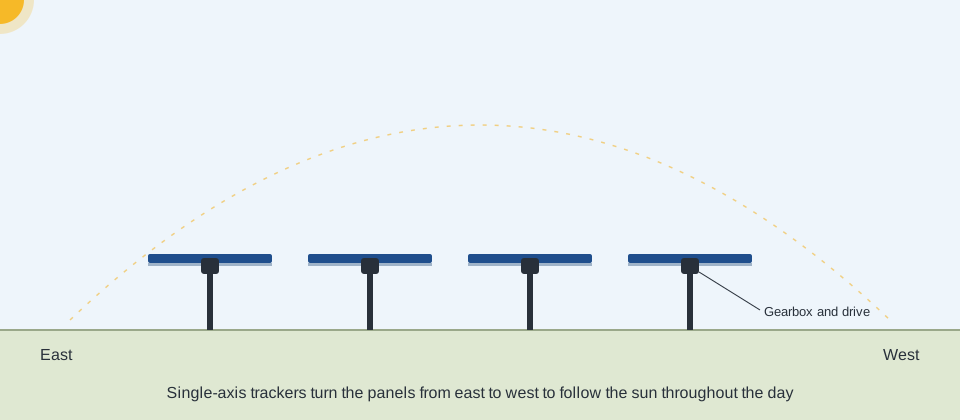
On our technology page, we note that single-axis trackers can increase yield by approximately 21% and dual-axis trackers by approximately 28%. Actual gains depend on site location, sunshine duration and climate. Here is how the systems compare:
| Criterion | Fixed-tilt system | Solar tracking system |
|---|---|---|
| Energy generation | The fixed angle prevents optimum alignment with the sun during part of the day | Tracking generates more electricity from the same number of panels |
| Upfront investment | Lower | Higher because of the gearbox, motor and control panel |
| Maintenance | Less maintenance because there are no moving parts | Moving parts require periodic inspection |
| Terrain suitability | Easier to adapt to different slopes | Generally works best on flat or gently sloping ground |
We compare the two tracker types in Single-Axis vs. Dual-Axis Solar Trackers and explain how they work on our solar tracking system page.
How Much Land Does a Solar Farm Need?
Land requirements depend on installed capacity, panel wattage, row spacing and mounting system. As a rough guide, see How Much Does a 1 MW Solar Power Plant Earn? A 1 MW plant requires approximately 15–20 decares (15,000–20,000 m²), or roughly 50–65 kW of installed capacity per decare.
Site characteristics matter as much as size. Flat or south-facing land, open areas with little shading and locations near a grid connection point are advantageous. For regional differences in sunshine, see Which Regions Make the Most Use of Solar Energy? for more information.
How to Build a Solar Farm Step by Step
- Site and solar resource assessment. Assess the location, slope, orientation, shading and annual solar resource. For an initial estimate, use our solar energy calculator.
- Check land classification and zoning. Agricultural land is subject to special rules. Under the Regulation on the Protection and Use of Agricultural Landdated 4 April 2026, sites for solar power plants generally need to be classified as dry marginal agricultural land. The regulation provides exceptions. Confirm the classification with the Provincial Directorate of Agriculture and Forestry before buying or leasing land.
- Grid connection rights and licensing. Apply under the licensed or unlicensed generation framework according to plant capacity and check local grid capacity. We cover the limits on unlicensed generation in What Is the MW Limit for Unlicensed Electricity Generation? in detail.
- Environmental impact assessment (EIA). An EIA may be required depending on project size and location. The process may result in an “EIA Not Required” decision or a requirement to submit an EIA report.
- Design and equipment selection. Finalise the panel type, inverter configuration, row spacing and the choice between fixed-tilt and tracking structures.
- Site preparation and installation. Conduct a geotechnical survey, anchor the support posts, install the structures and panels, and complete cabling and transformer connections.
- Acceptance, commissioning and operation. After testing and acceptance, the plant starts generating electricity. Regular monitoring and maintenance preserve its performance.
Permitting procedures and regulations can change. Confirm current requirements with the relevant authorities and qualified advisers before investing.
What Determines Solar Farm Costs?
Panel and equipment prices fluctuate with exchange rates and market conditions, so a single price would be misleading. The main costs are:
- Land purchase or lease
- Panels, inverters, cables and transformer equipment
- Mounting structure: fixed-tilt or solar tracking system
- Grid connection line and distance to the connection point
- Design, permits and consulting
- Labour, site preparation and security infrastructure
To assess investment returns, see Solar Energy Returns per Decare, What Is the Payback Period for Solar Energy? and What Is YEKDEM and How Does It Affect Solar Investors? for more information.
Common Solar Farm Installation Mistakes
- Buying land before checking its classification. If the agricultural land classification is unsuitable, the project may stall from the outset.
- Failing to check grid capacity. Without available grid connection capacity, even a suitable site may be unusable.
- Skipping the geotechnical survey. Choosing the mounting structure without knowing the soil’s bearing capacity can cause serious problems later.
- Looking only at the upfront cost. Cheap equipment can mean lower generation and more failures over the plant’s life. Consider total generation and maintenance costs when deciding.
- Overlooking wind and snow loads. Choose the mounting structure for the local climate. This is particularly important for tracking systems. We discuss this in How Climate Affects Solar Tracker Efficiency in detail.
Considering Solar Trackers for Your Solar Farm?
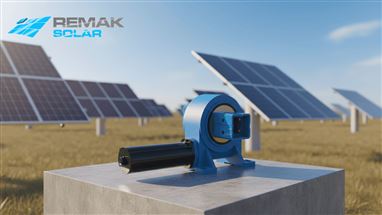
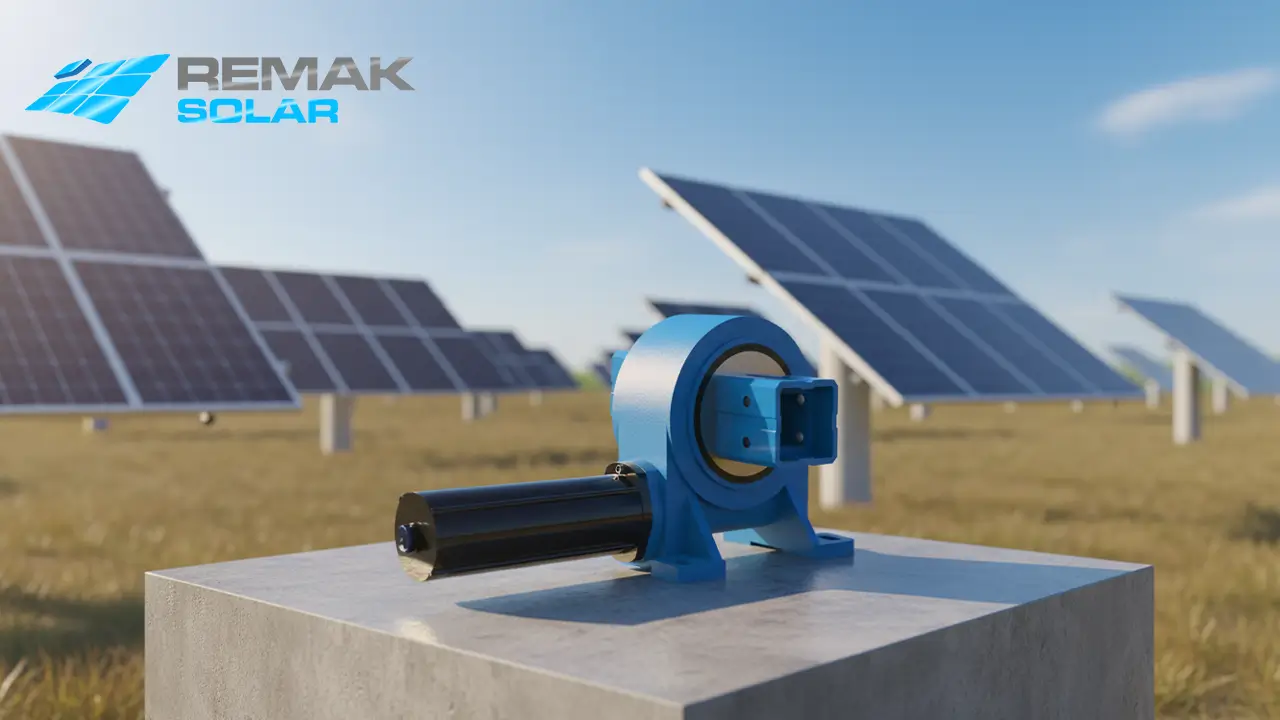
Remak Solar manufactures key tracker components, including gearboxes, control panels, bearing assemblies and profiles, and can supply them as a package. Our single-axis gearboxes include ST7 and RMST130. Browse all our equipment on the Products page or discuss your project via our contact page.
Frequently Asked Questions
Are solar farms and solar power plants the same thing?
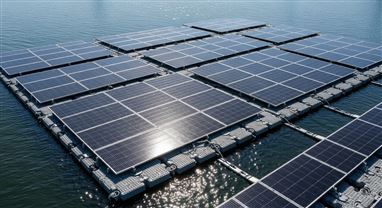
A solar farm is a ground-mounted solar power plant. Every solar farm is a solar power plant, but rooftop and floating installations are different categories. We cover systems installed on water in What Is Floating Solar? in detail.
Can you install solar panels on agricultural land without permission?
No. Permission is required. Agricultural land classification determines eligibility. Under the 2026 regulation, dry marginal agricultural land is the general rule. Separate provisions apply to agricultural uses such as solar power for irrigation. Check with the Provincial Directorate of Agriculture and Forestry before applying.
How many kilowatts of solar panels fit on one decare?
At approximately 15–20 decares per MW, installed capacity is roughly 50–65 kW per decare (1,000 m²). This varies with panel wattage, row spacing and mounting system.
Is it worth using trackers on a solar farm?
On sunny, flat or gently sloping sites, trackers increase generation from the same number of panels. Payback on the extra investment depends on location and electricity sale terms. We discuss the benefits in What Are the Advantages of Solar Tracking Systems? in detail.
How long does a solar farm operate?
Plant life largely depends on the lifespan of the panels and equipment. We explain how panel performance changes over time in How Long Do Solar Panels Last? in detail.
Do Comment