


Other Blog
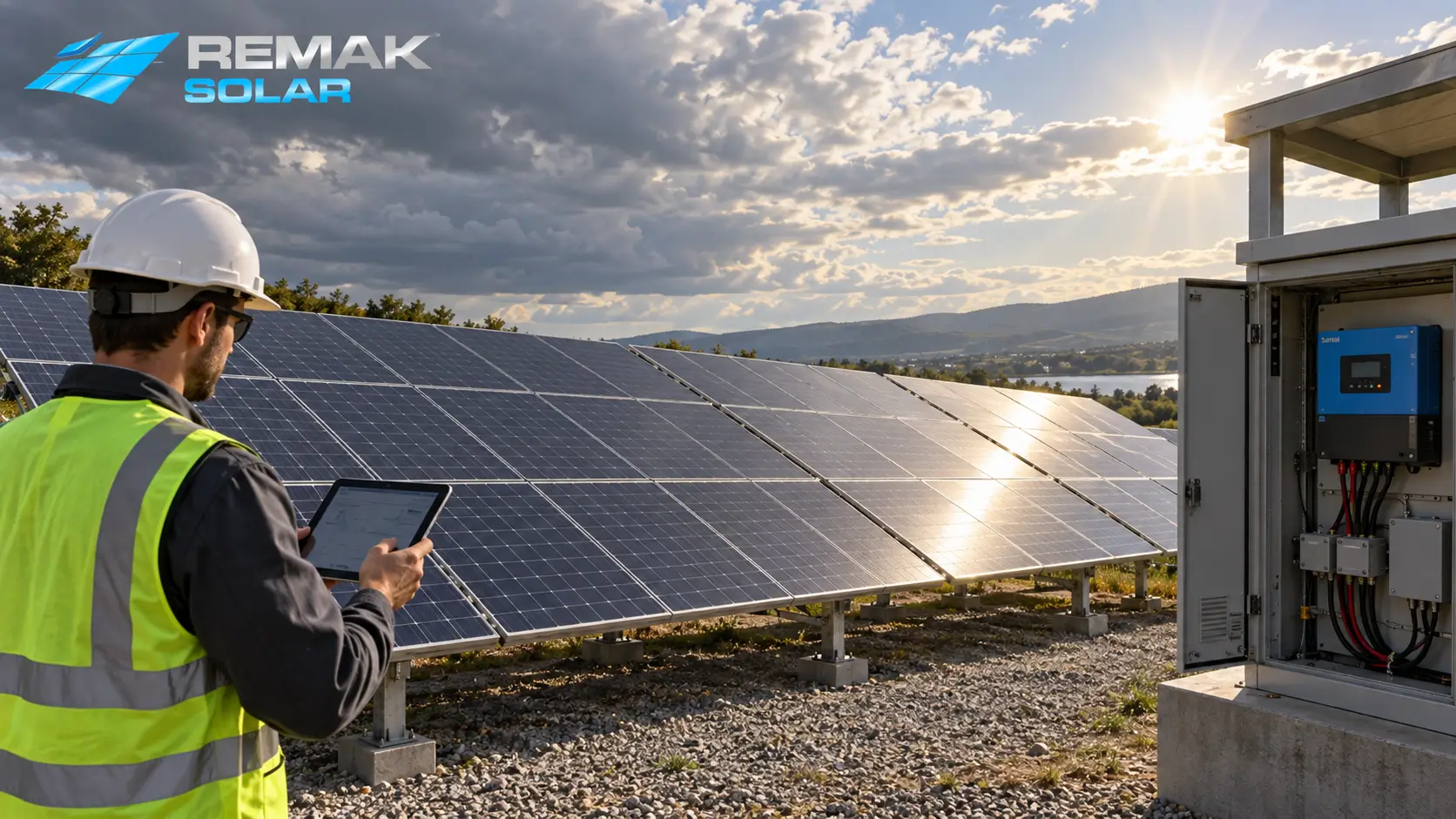
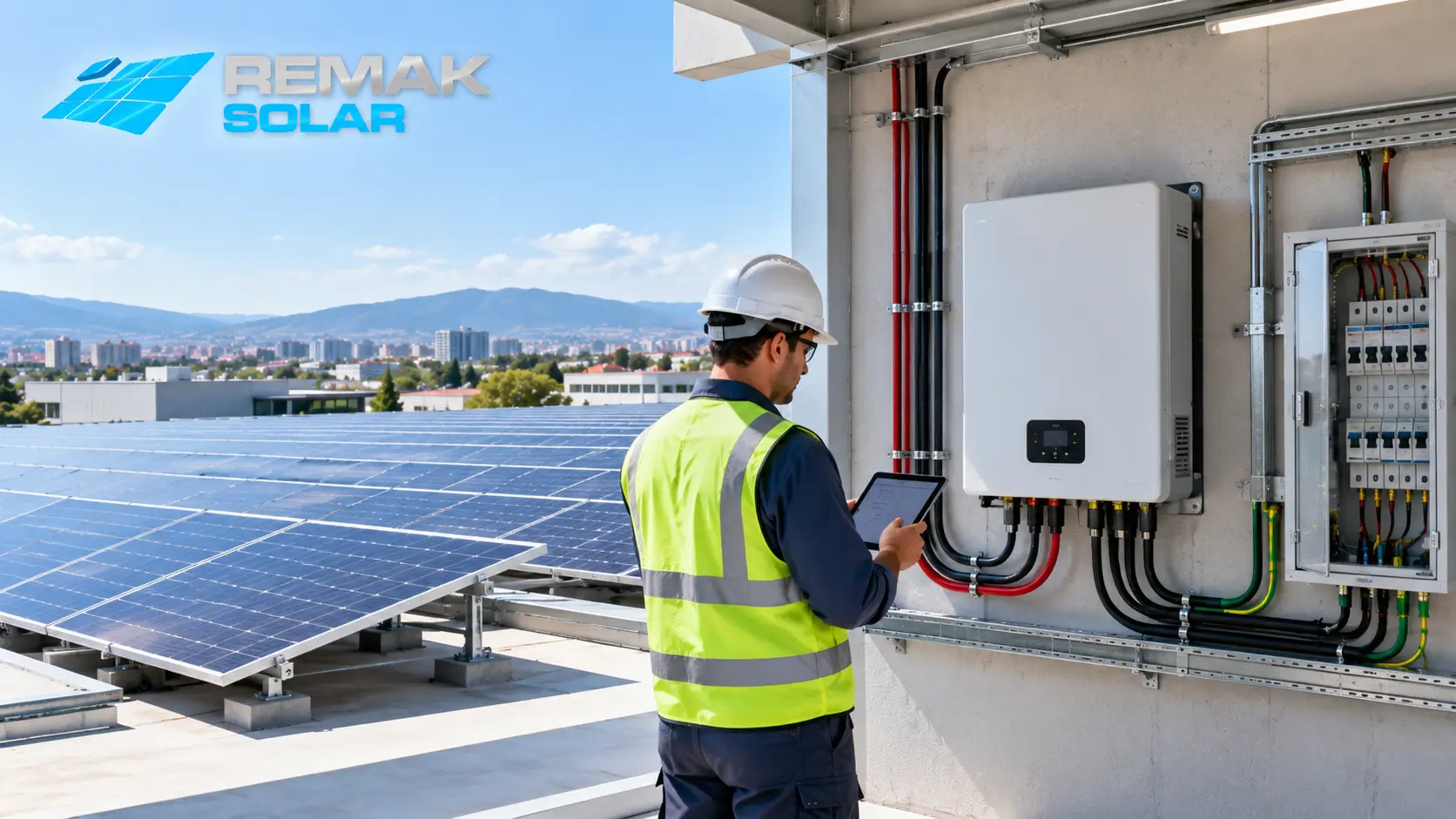
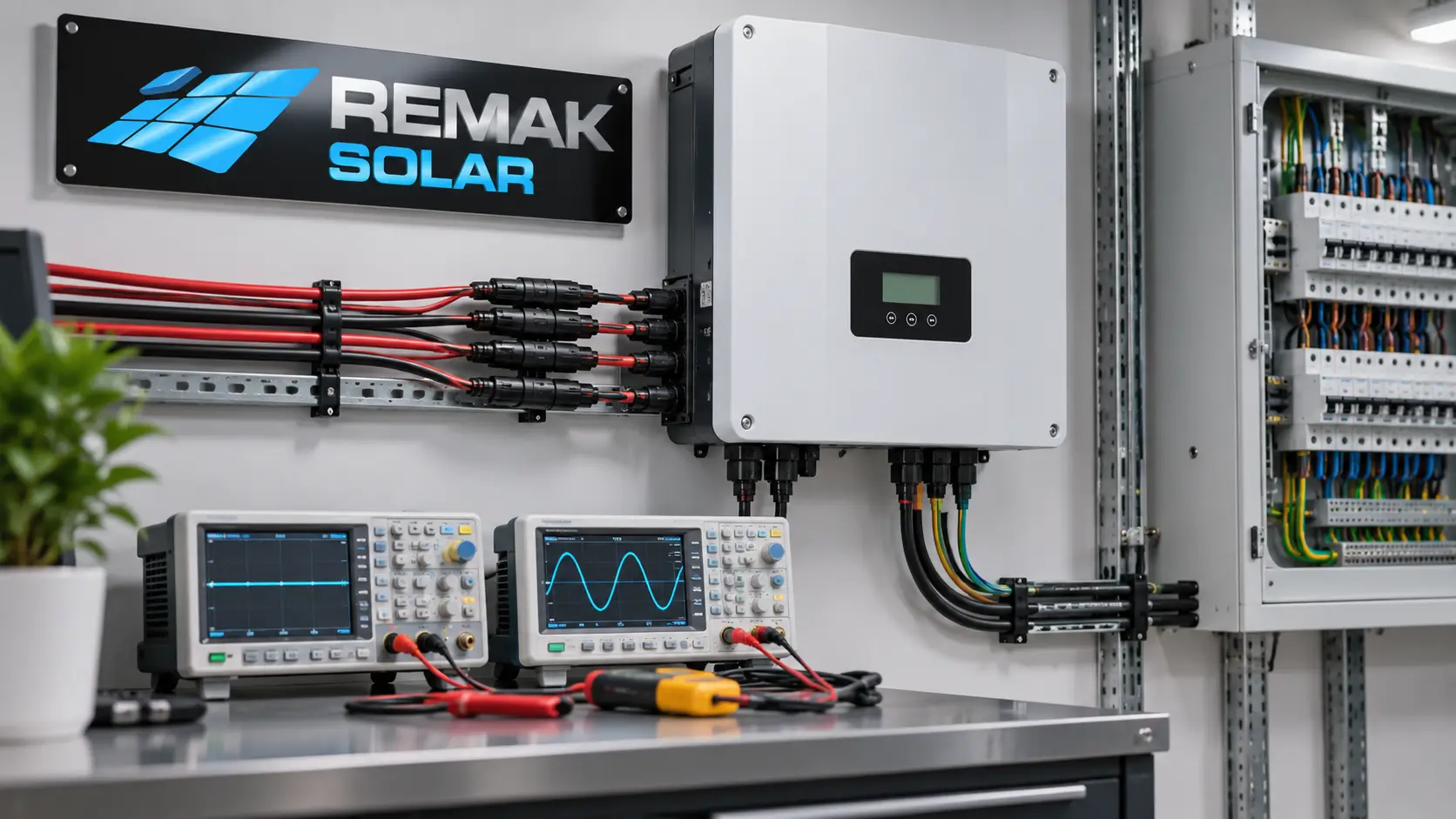
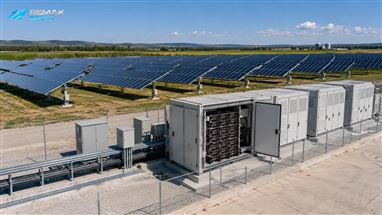
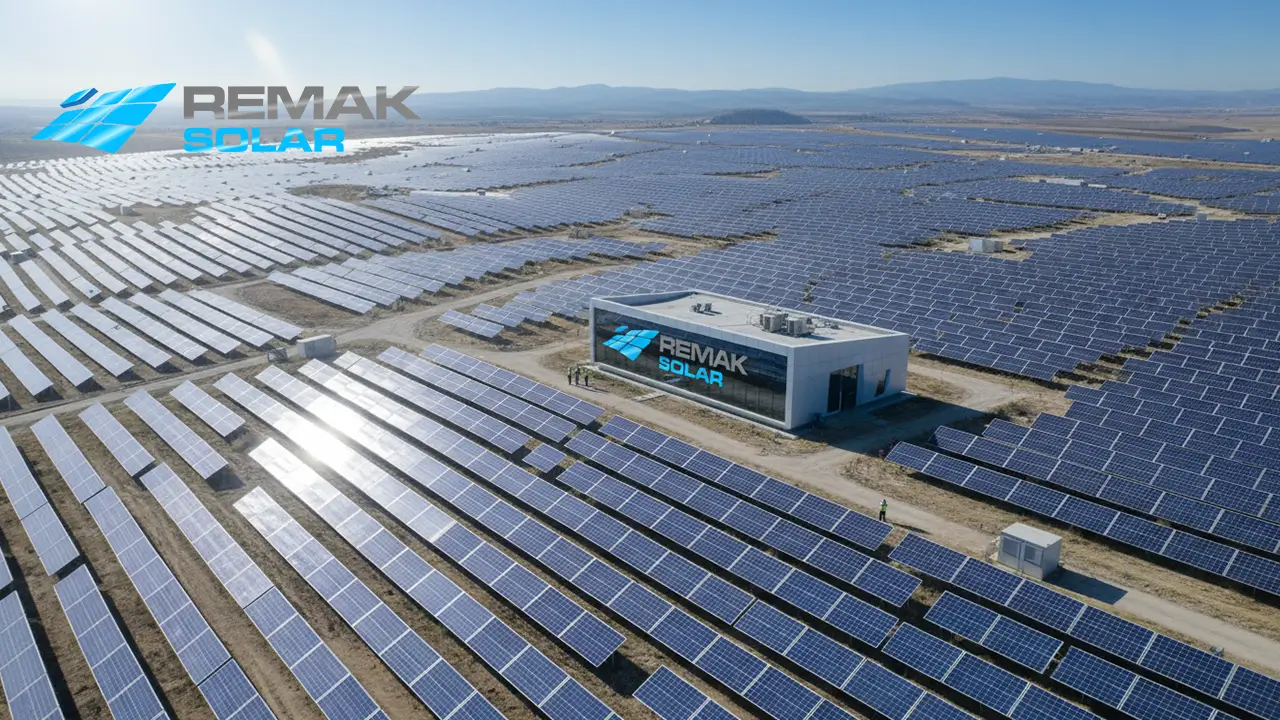

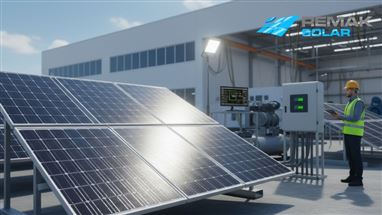
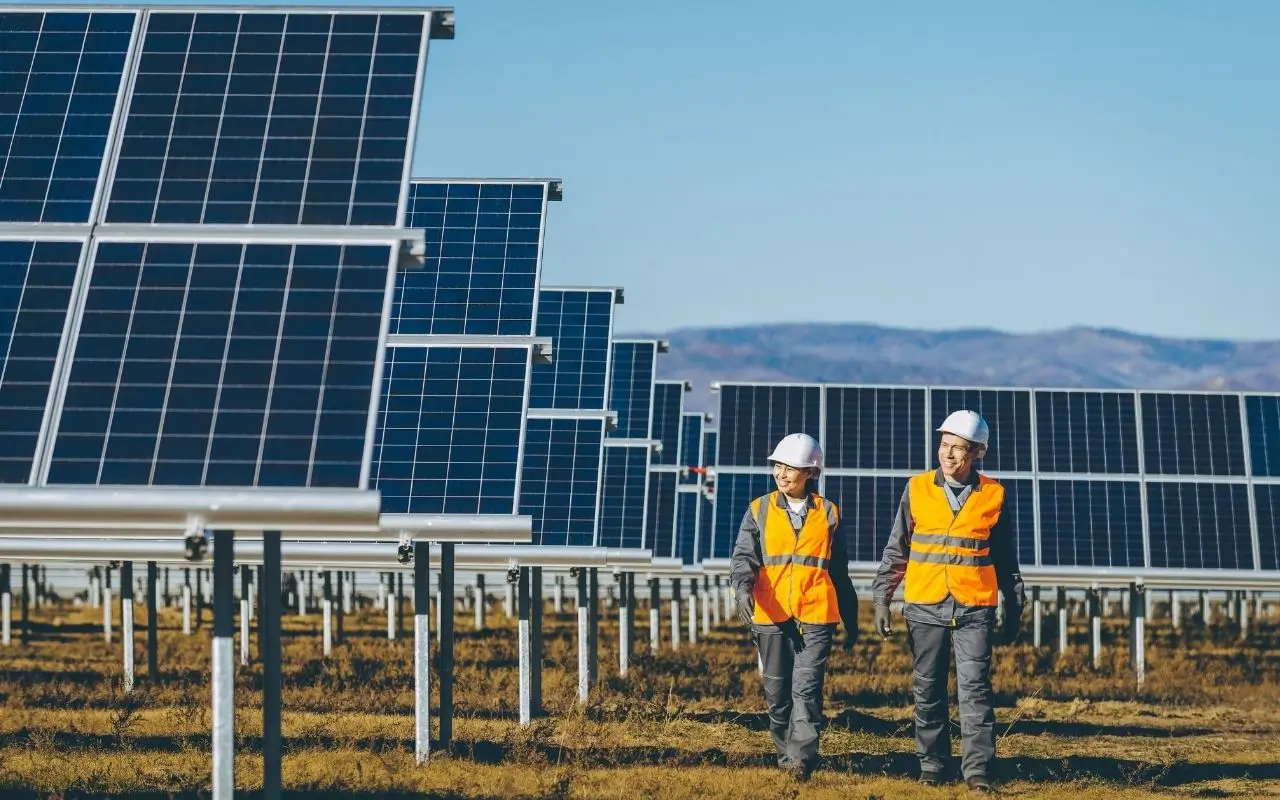

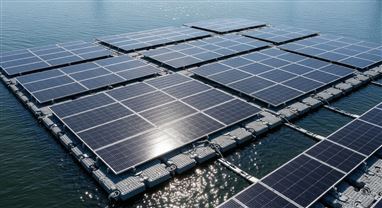
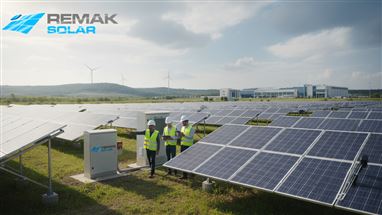
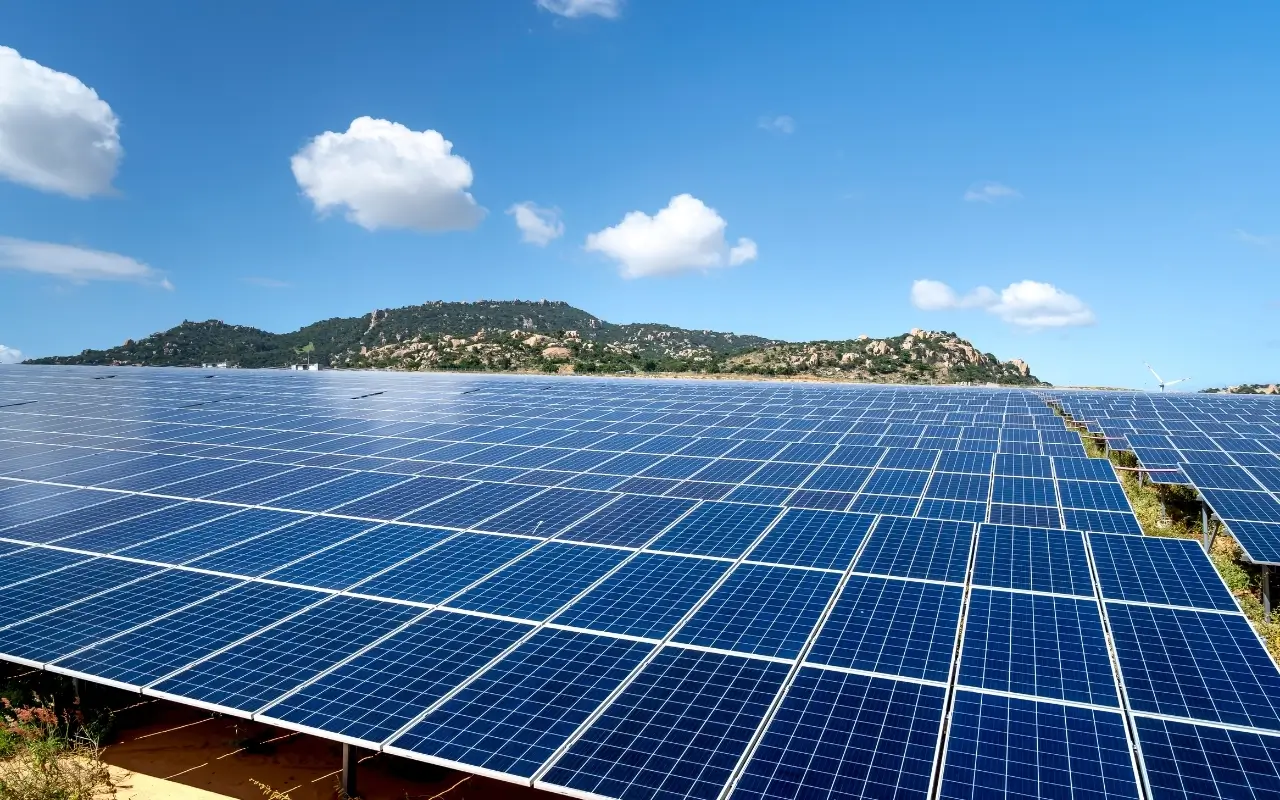
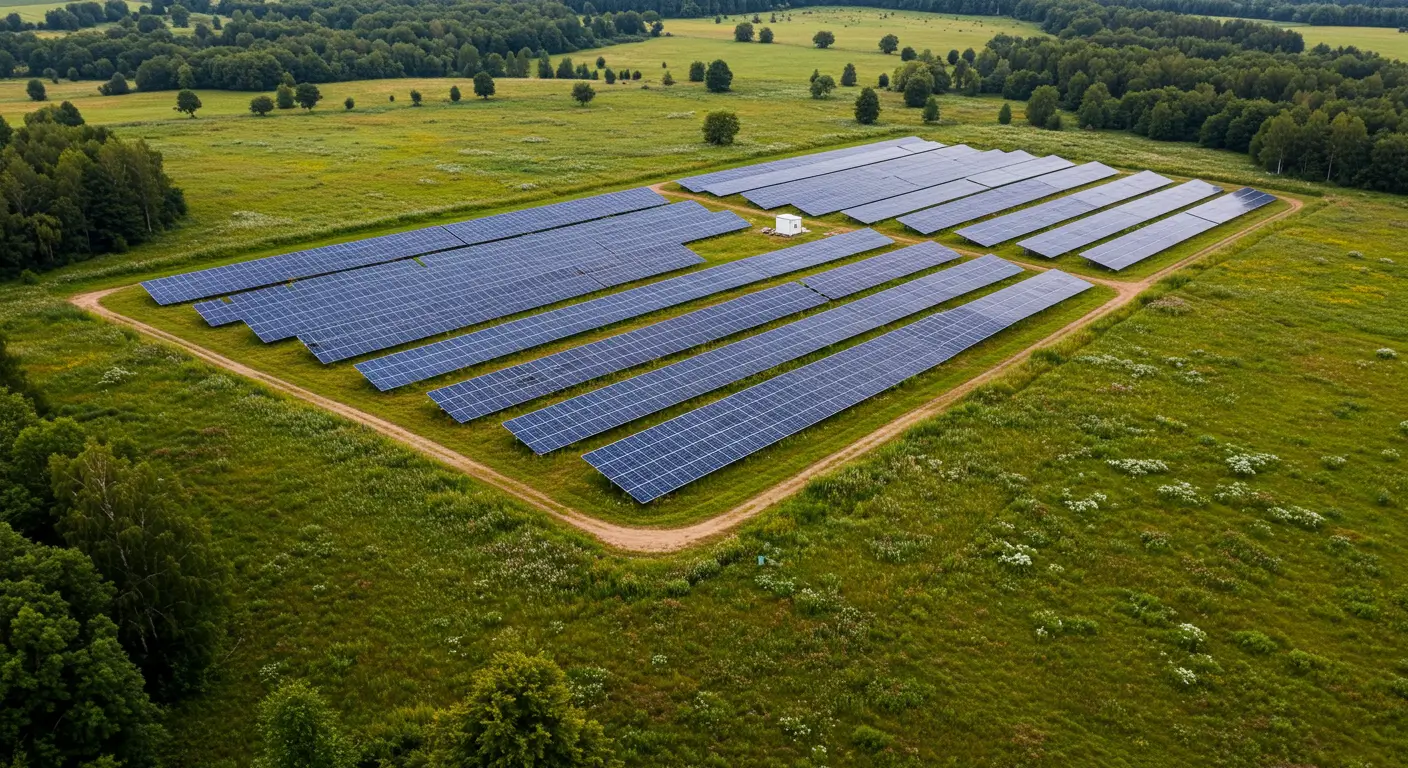


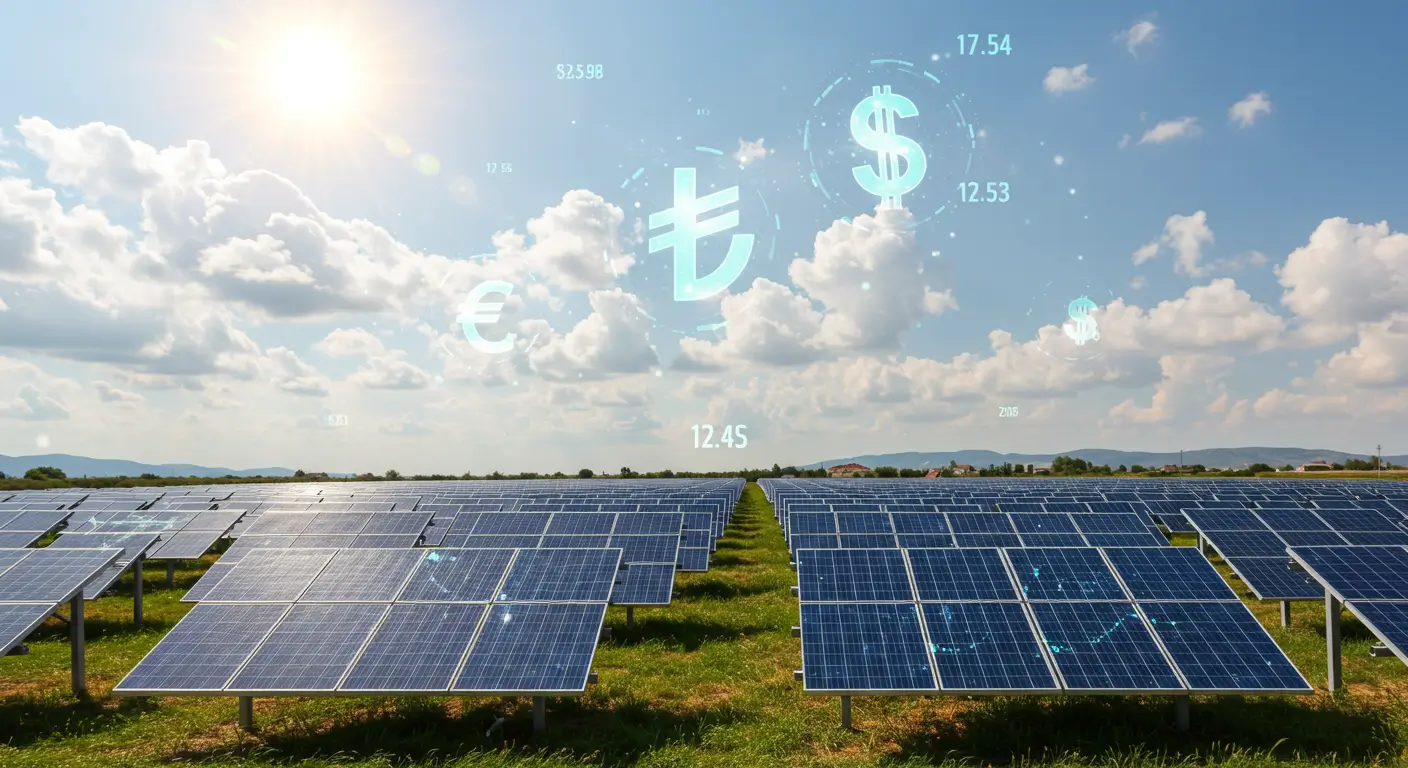
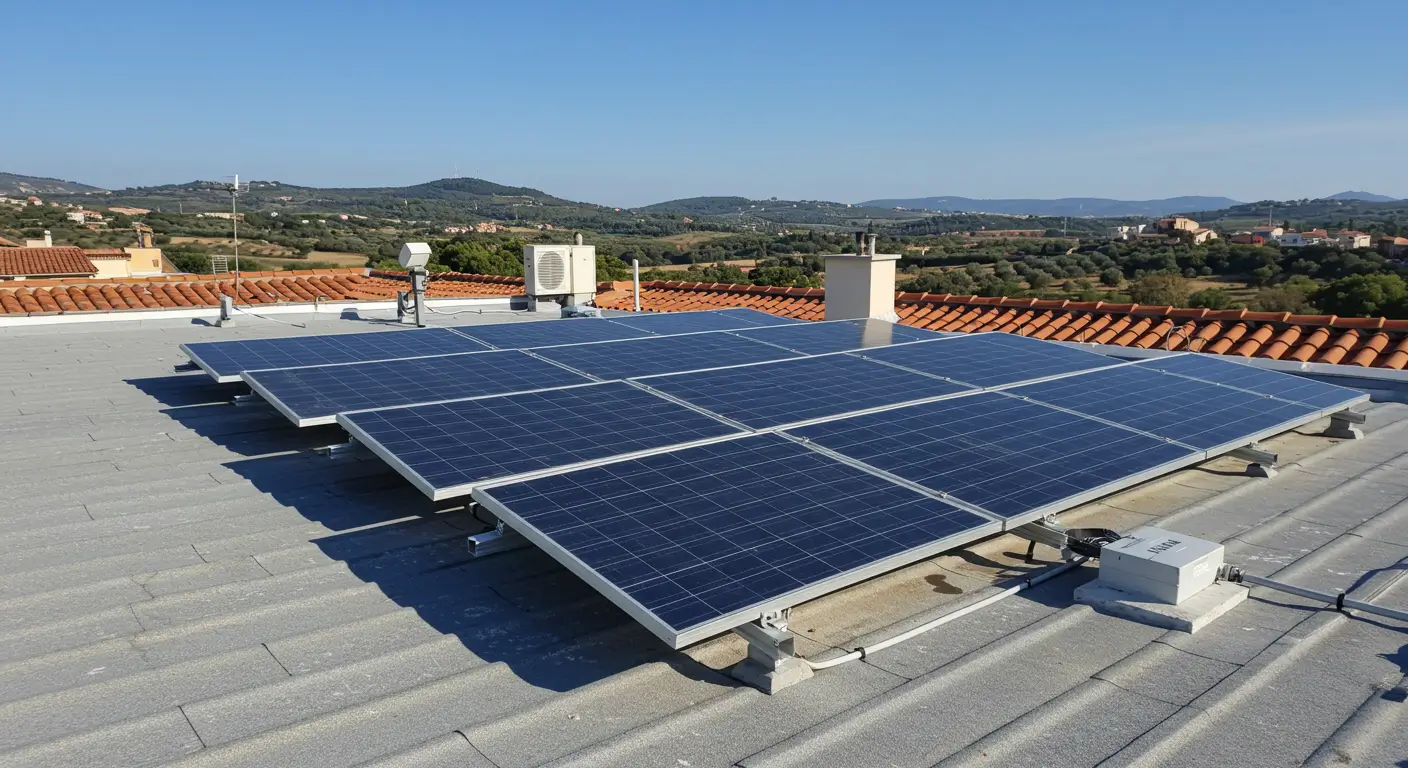
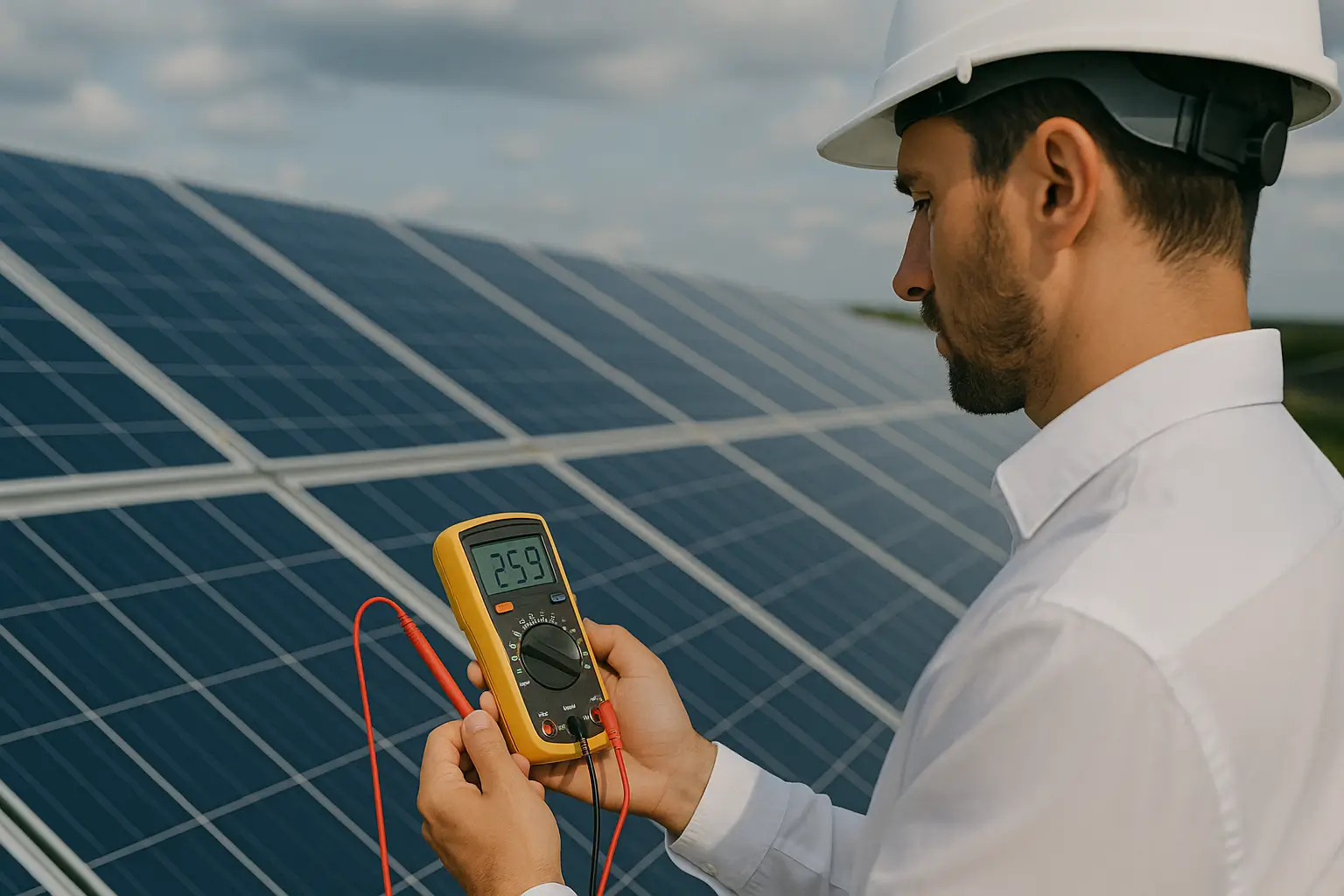
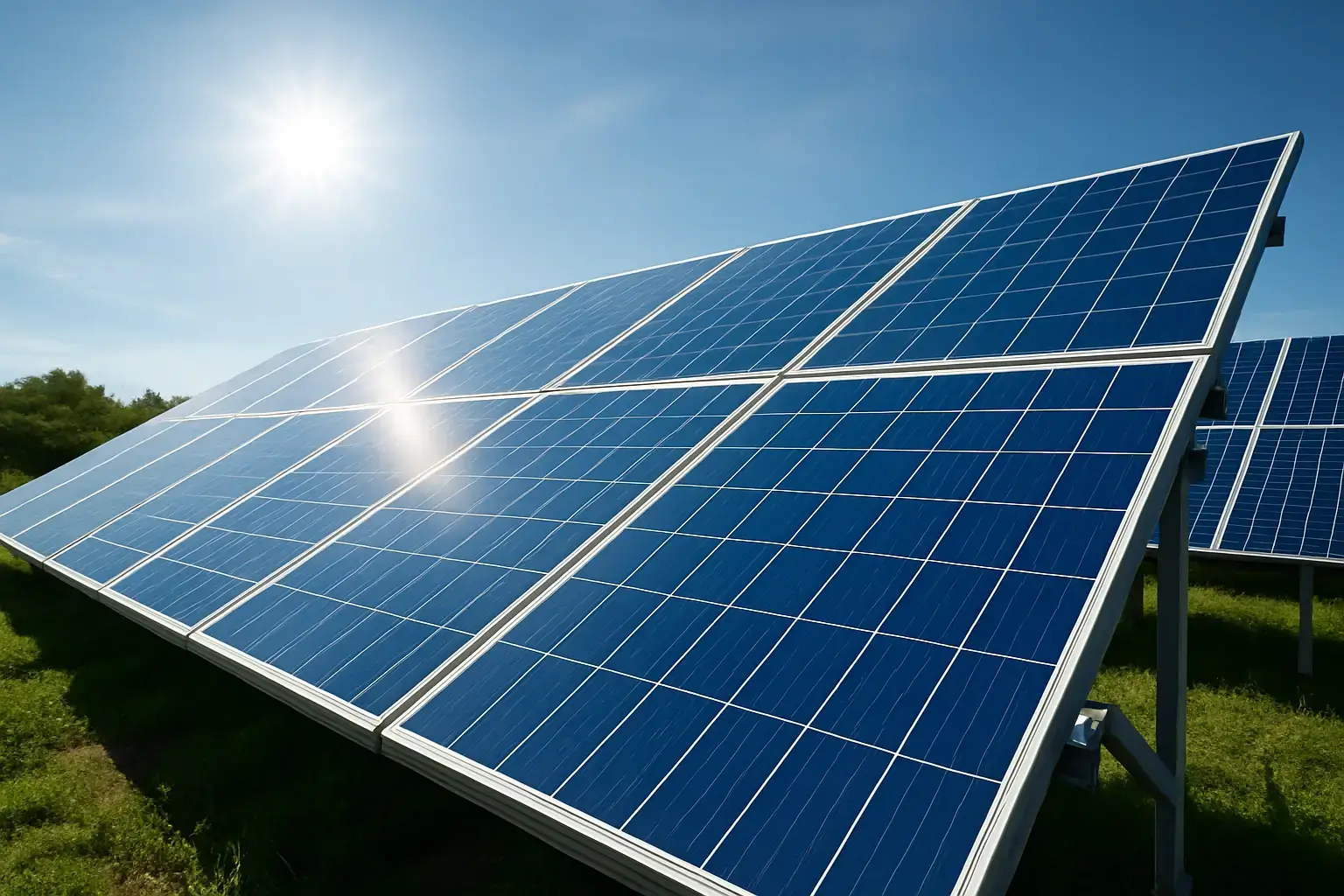






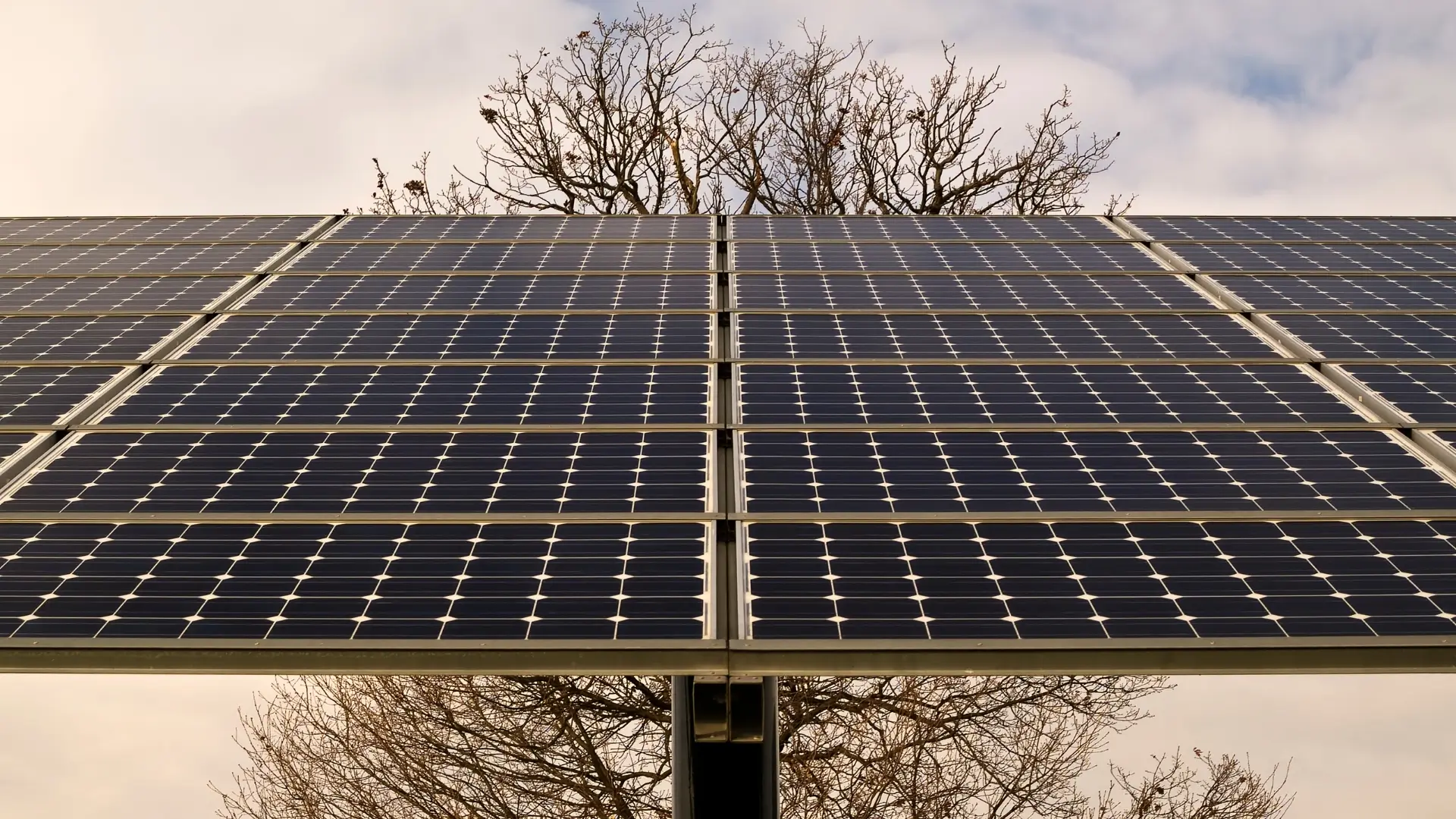
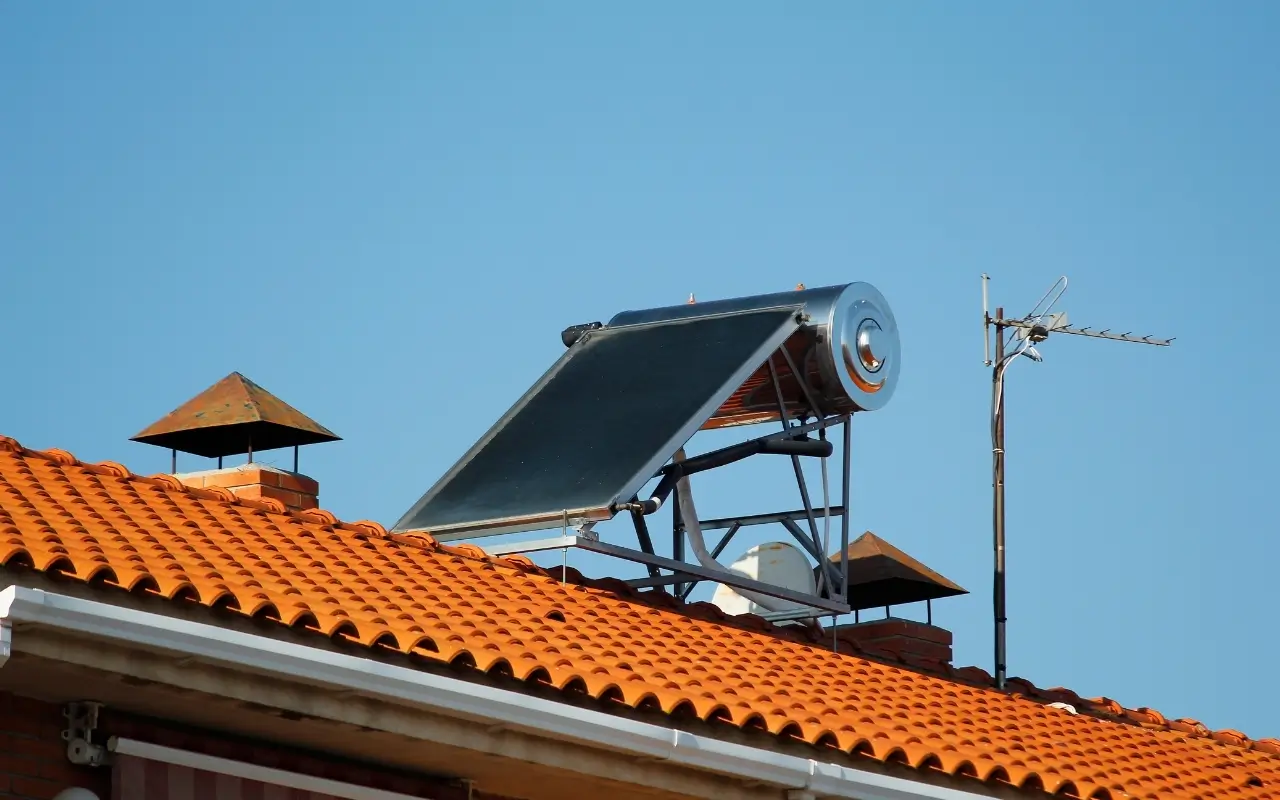
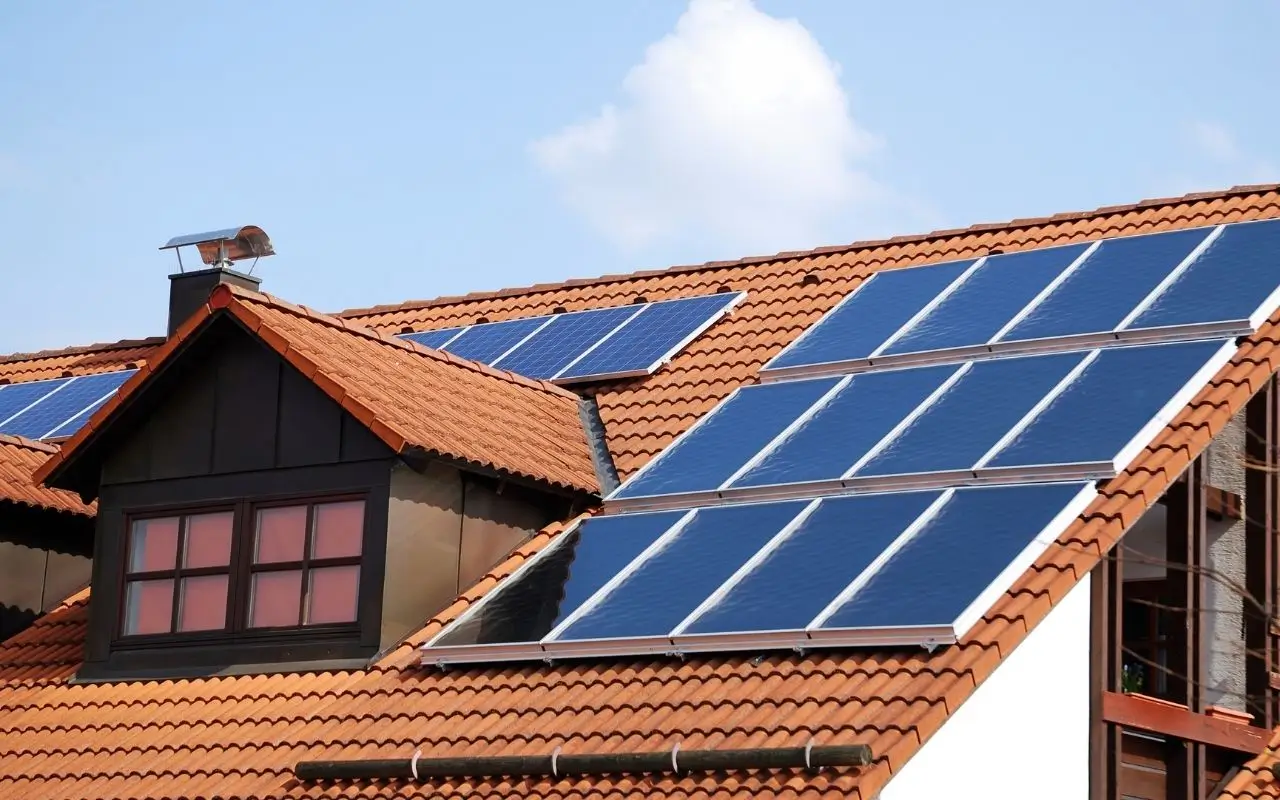

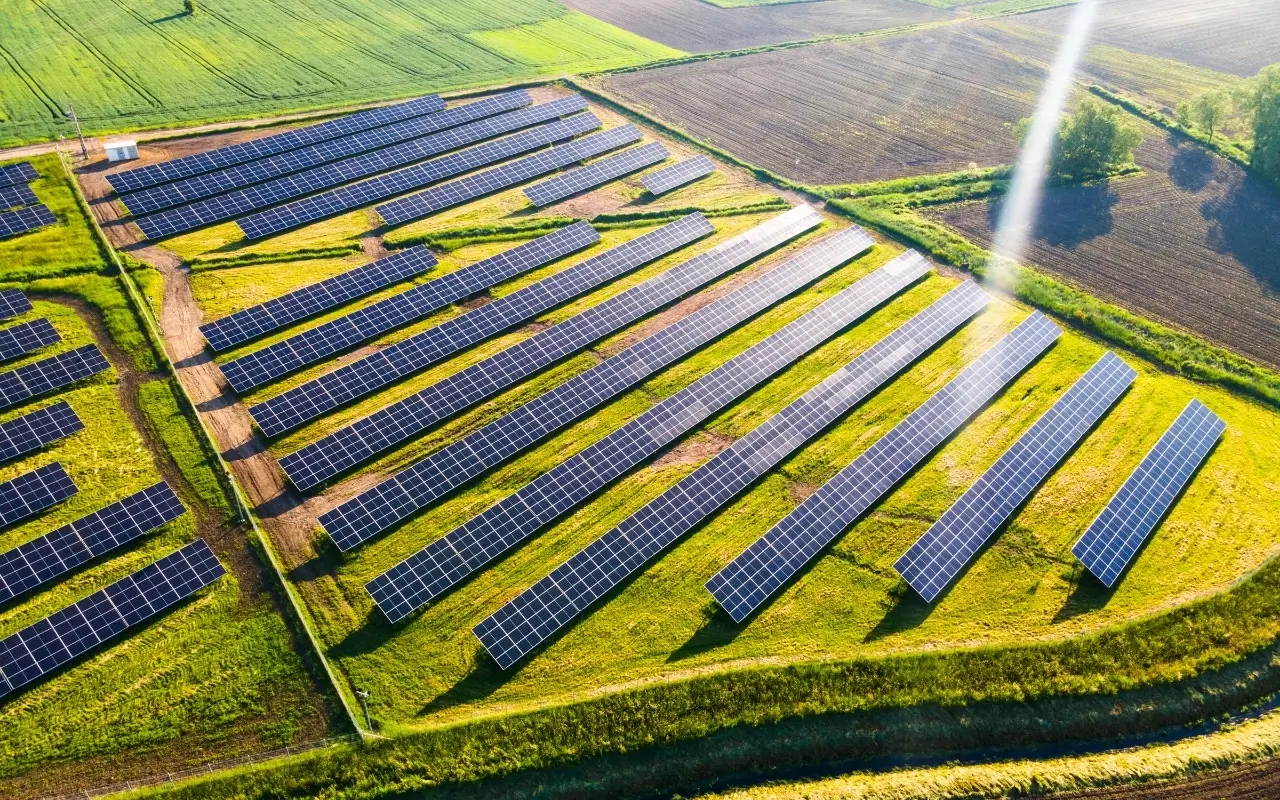
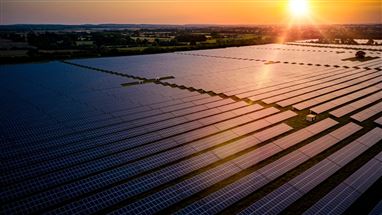
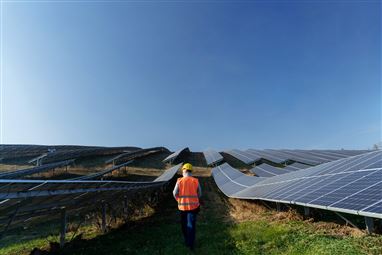
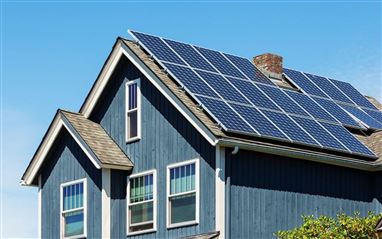
A 1 MW solar power plant becomes a highly profitable investment with proper installation and efficient panel selection. Considering the average sunshine duration in Turkey, a system of this capacity can generate between 1,400,000 kWh and 1,700,000 kWh of electricity annually. These production values correspond to an average monthly output of 115,000 kWh to 140,000 kWh. Depending on the electricity unit price and the region where the facility is located, monthly revenue may range between 400,000 TL and 600,000 TL.
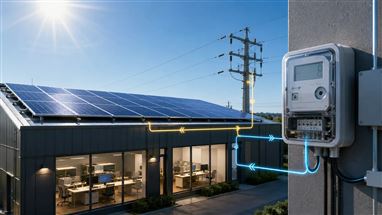
In GES investments, revenue depends not only on production capacity but also on the sales mechanism. A facility selling electricity in the free market earns income based on current market prices, while a facility operating under the net metering system saves costs by reducing its own consumption. Therefore, the monthly return of a 1 MW plant is shaped by factors such as energy prices, sunshine duration, panel efficiency, and inverter performance rather than a fixed figure.
Adjusting the tilt angle of solar panels correctly, avoiding shading, and performing regular maintenance significantly increase efficiency. In addition, modern energy monitoring systems allow real-time tracking of production data, making fault detection easier and preventing losses. These steps shorten the payback period of the investment and ensure sustainable growth in monthly earnings.
How Much Electricity Does a 1 MW Solar Power Plant Produce?
A 1 MW solar power plant generates approximately 1,400,000 kWh to 1,700,000 kWh of electricity annually under Turkey’s average sunshine conditions. This figure varies depending on the region’s sunshine duration, panel efficiency, and system design. Production is higher in regions like the Mediterranean, Southeastern Anatolia, and Central Anatolia, while it is lower in humid regions such as the Black Sea. Under average conditions, monthly production ranges between 115,000 kWh and 140,000 kWh.
The most significant factor affecting production is the annual sunshine duration in the installation area. The tilt angle, orientation, and shading conditions of the panels directly determine performance. Additionally, inverter efficiency, cable losses, and temperature effects can increase or reduce annual production. For this reason, two 1 MW plants installed in different cities may naturally deliver different production results.
Regular maintenance, keeping panel surfaces clean, and continuously monitoring system performance make production stable. With these measures, the plant maintains its efficiency and minimizes energy losses. A properly installed and managed 1 MW solar power system provides stable production for many years and significantly shortens the payback period.
Changes in Returns Based on Sunshine Duration and Region
Revenue from solar power plants depends largely on regional sunshine duration. Turkey’s annual average sunshine duration is around 2,700 hours, but this figure varies significantly across regions. Southeastern Anatolia and the Mediterranean receive high radiation throughout the year, while the Black Sea region has more cloud cover, resulting in lower production. This difference directly affects monthly electricity generation and income potential.
The annual production of a 1 MW solar power plant can reach up to 1,700,000 kWh in Southeastern Anatolia, while in Marmara it remains around 1,400,000 kWh. The Aegean and Central Anatolia regions, with their balanced sunshine duration throughout the year, rank among the most efficient areas for investment. Regional radiation maps and average sunshine hours should be carefully evaluated during investment planning.
Regions with long sunshine durations offer advantages not only in terms of production volume but also investment payback time. High production capacity enables faster profitability despite fixed operating costs. This strengthens the financial appeal of solar energy investment and ensures stable long-term income.
A system design tailored to regional differences directly determines the efficiency of the investment. A setup created with region-specific tilt angles, orientation, and system components maximizes sunshine utilization. This increases energy efficiency while securing the long-term sustainability of the investment.
How Is the Payback Period Calculated in Solar Investments?
The payback period of a solar investment is the most important indicator showing how long it takes for the investment to amortize itself. This period is determined by installation cost, annual electricity production, sales price, and operating expenses. For a typical 1 MW solar power plant, the payback period usually ranges between 4 and 7 years. However, this time may shorten or lengthen depending on the region and fluctuations in electricity prices.
Main factors affecting the payback period in solar investments:
- Installation cost: Panel, inverter, infrastructure, and labor expenses determine total investment cost.
- Annual production capacity: Sunshine duration and panel efficiency directly influence production output.
- Electricity sale price: Selling electricity to the market or through net metering accelerates investment returns.
- Operating and maintenance costs: Low maintenance costs shorten the long-term payback period.
- Incentives and supports: Government grants or tax advantages speed up the investment’s return.
A well-planned solar project with high-efficiency equipment and a strategic location amortizes itself in a short time. Moreover, continuously monitoring system performance reduces production losses and ensures income stability. The payback period demonstrates not only the financial dimension of the investment but also the long-term advantages of transitioning to sustainable energy.
Factors That Increase Efficiency
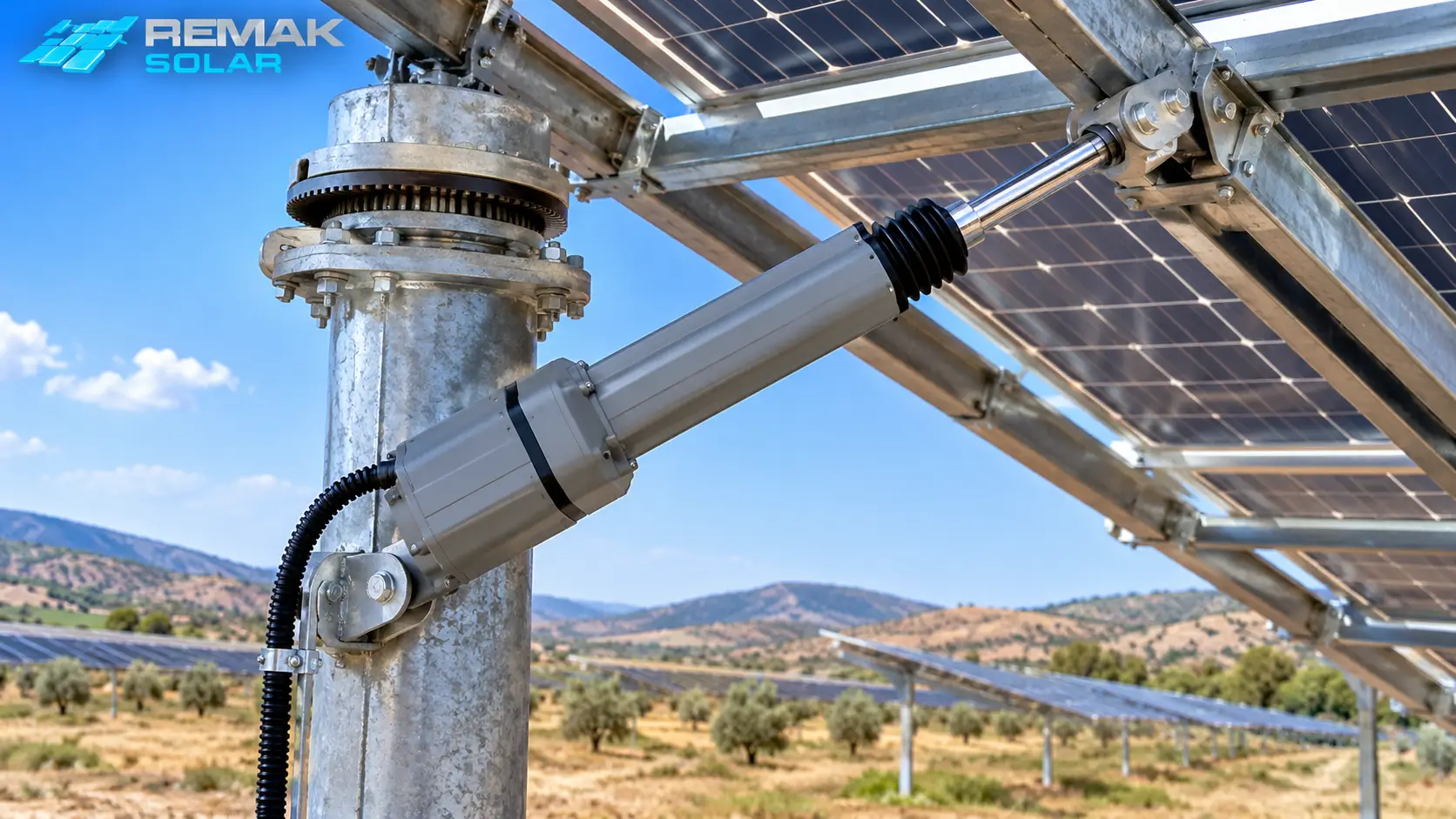
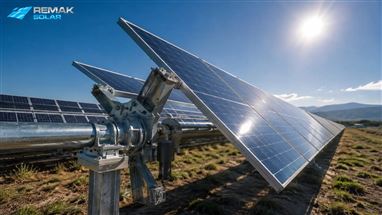
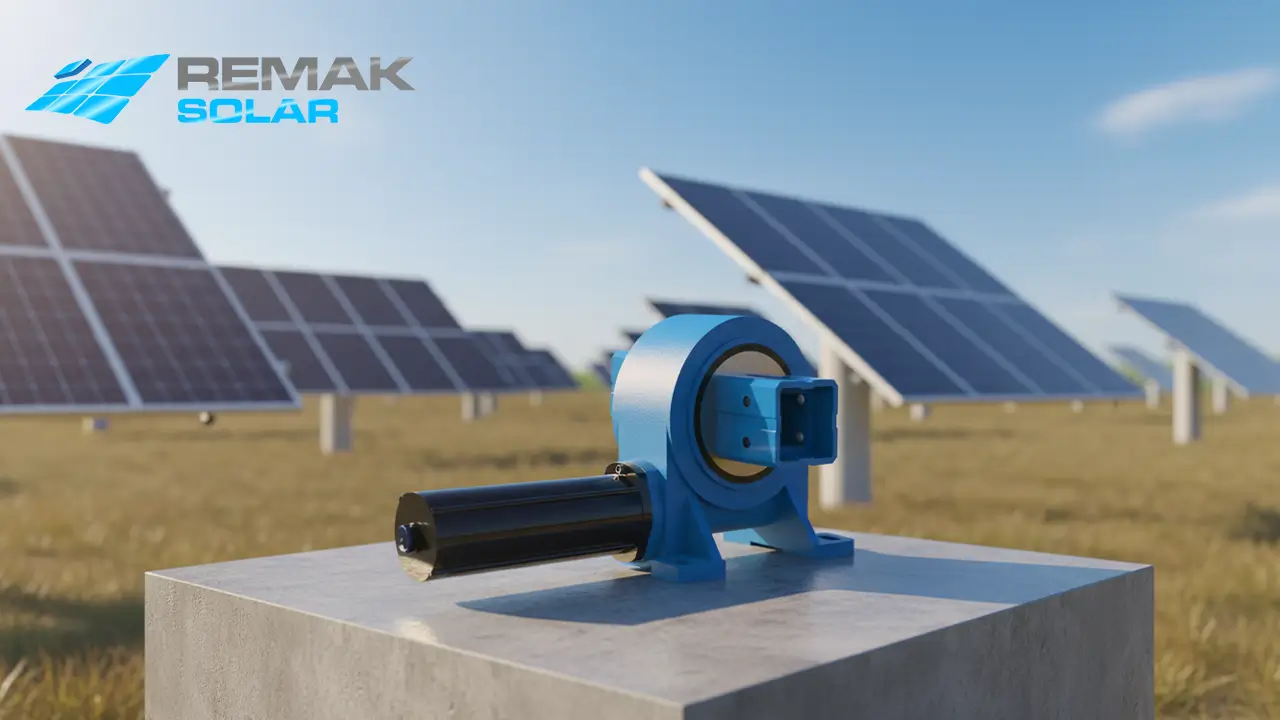
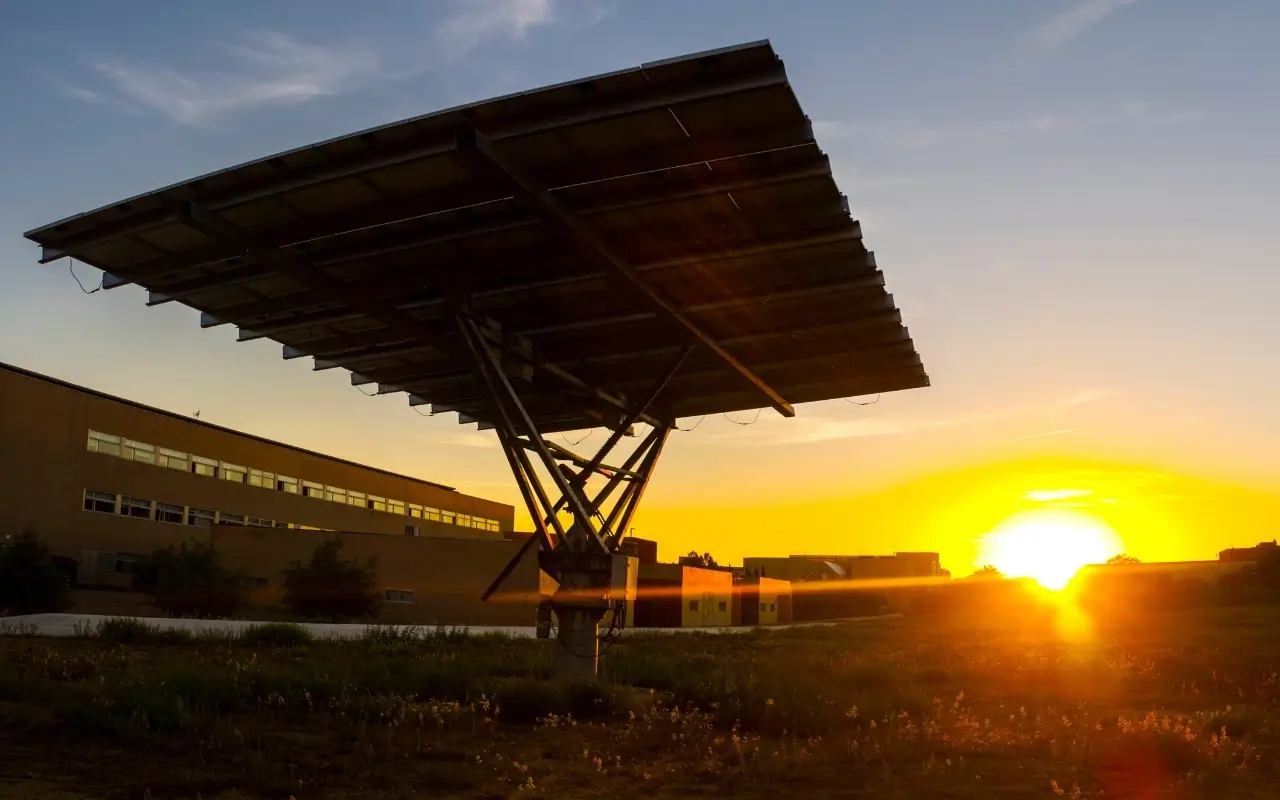
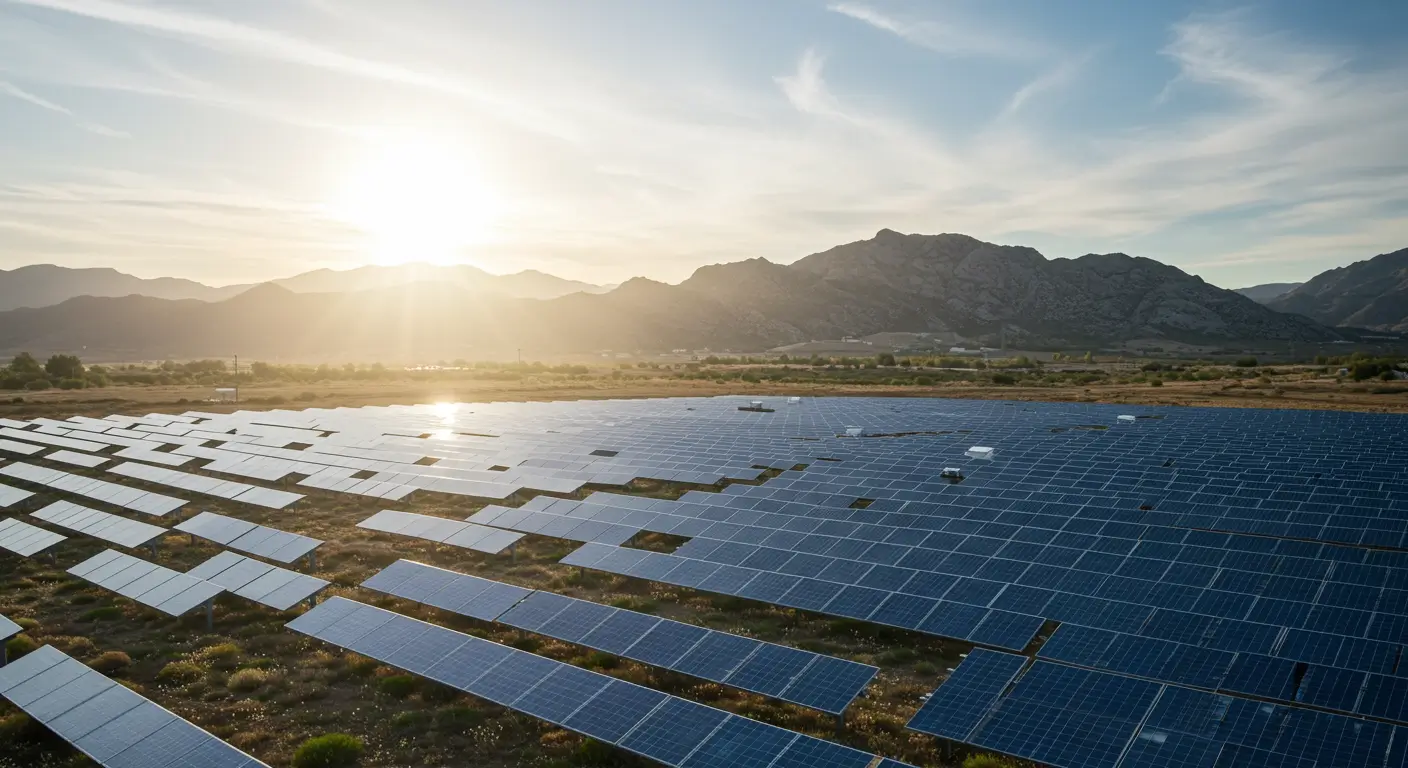
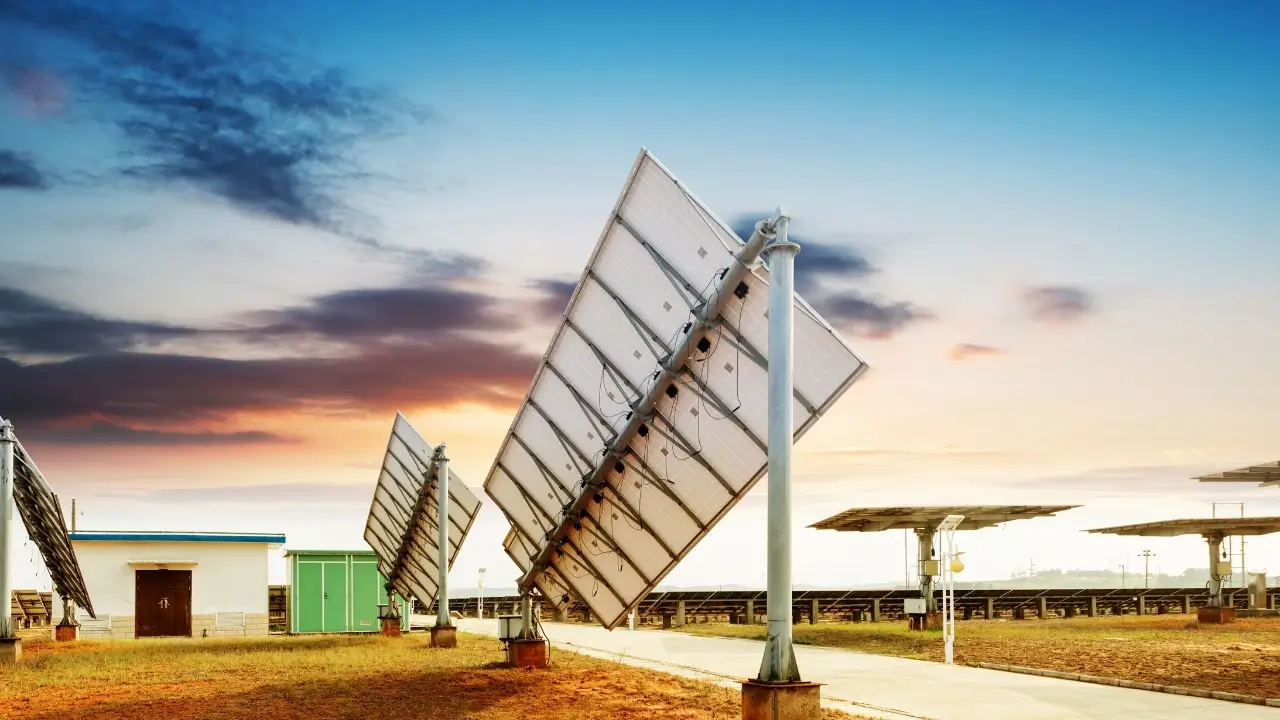
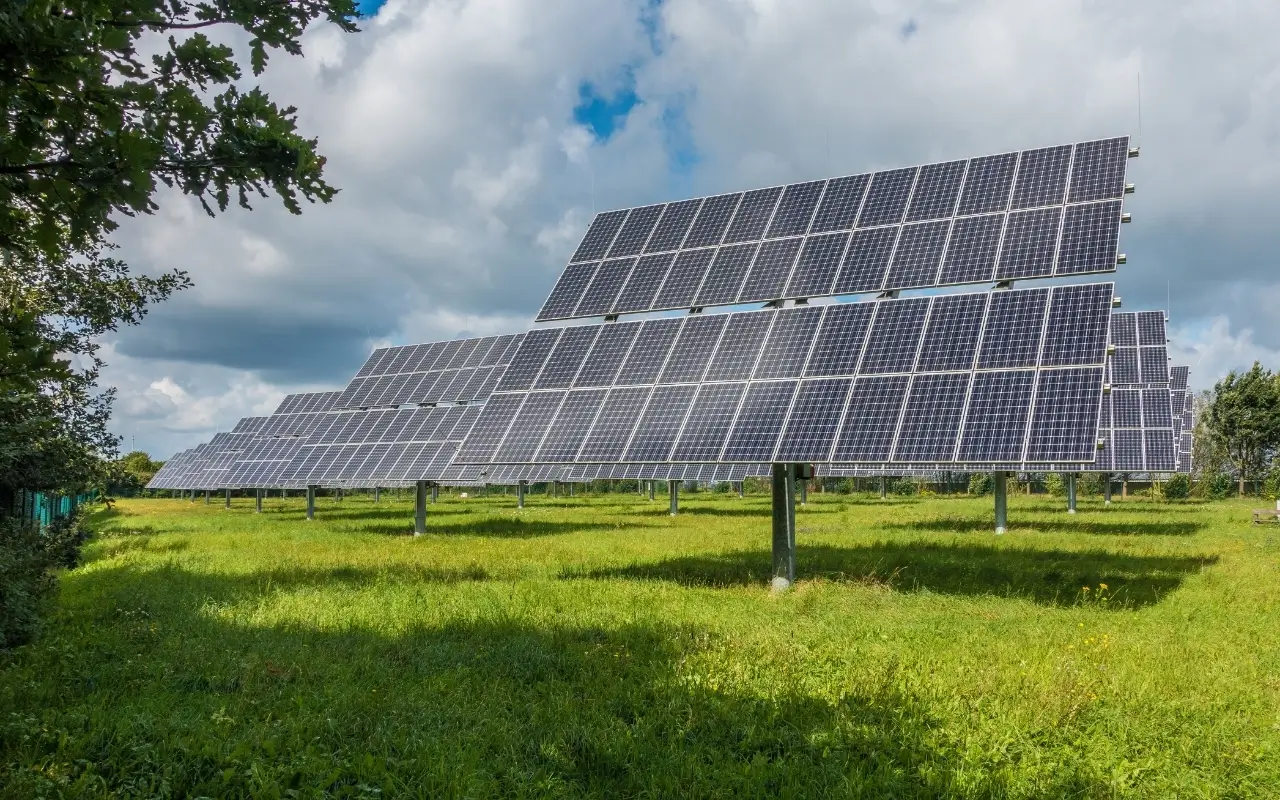
Efficiency in solar power plants is achieved through the harmonious operation of proper equipment selection, system design, and regular maintenance. One of the most effective methods of increasing production is using solar tracker systems that follow the sun throughout the day. This technology adjusts the panel positions according to the sun’s movement and maximizes radiation intake. Compared to fixed systems, this method provides up to 20 percent higher production and accelerates investment returns, especially in large-scale plants.
Main factors that increase solar plant efficiency:
- Solar tracker systems: Allow panels to follow the sun, increasing energy production.
- Panel angle and orientation: Proper tilt and direction ensure maximum sunlight exposure.
- Regular maintenance and cleaning: Prevent dust and dirt accumulation and preserve light absorption capacity.
- Inverter efficiency: High-quality inverters convert generated energy with minimal loss.
- Cable and connection quality: Low-resistance cables minimize energy losses.
- Cooling and air circulation: Prevent overheating to maintain stable performance.
Increasing efficiency means not only boosting production but also reducing energy costs. Modern plants equipped with solar tracker systems ensure more stable year-round production. This strengthens the investment both economically and in terms of sustainability.
Required Land Size and Number of Panels for a 1 MW Solar Plant
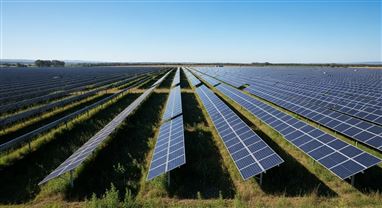
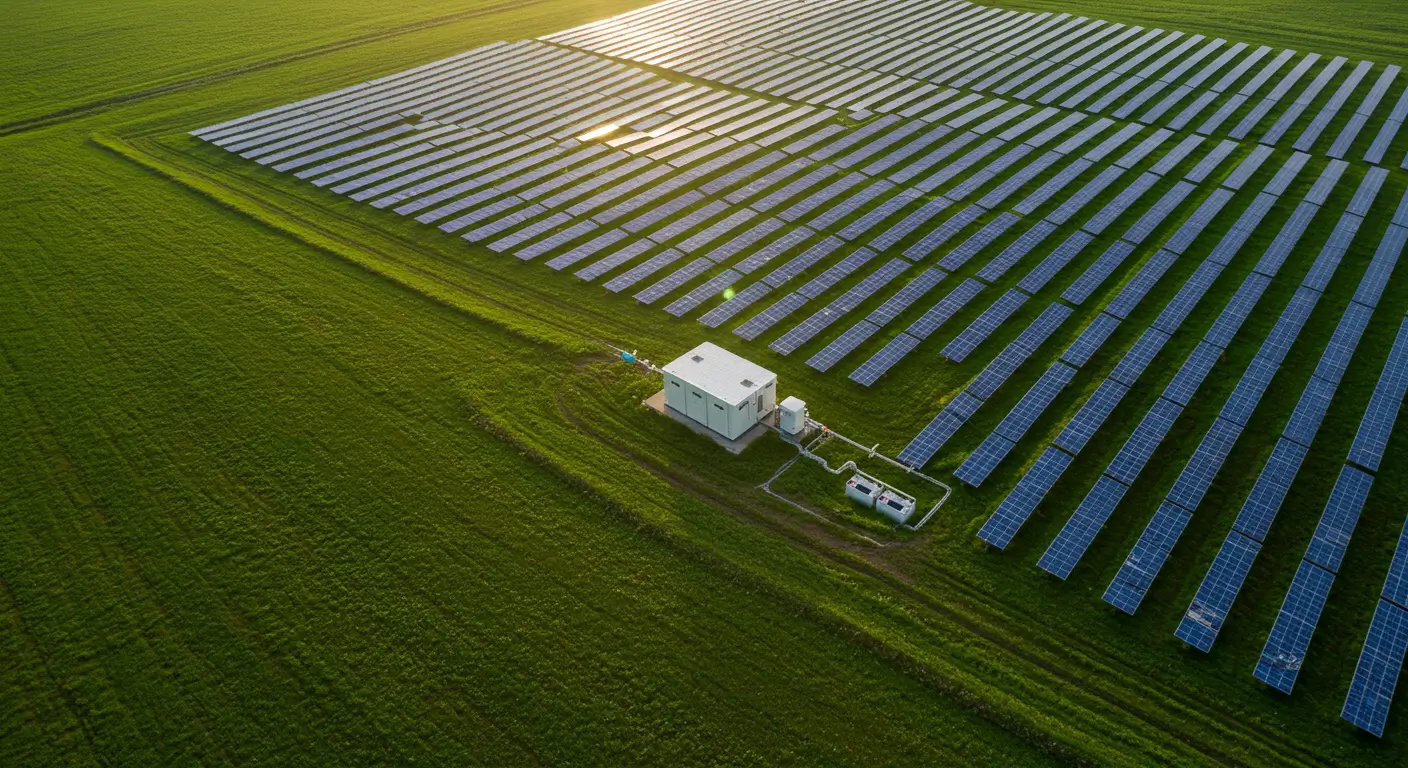
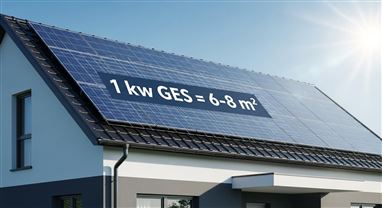
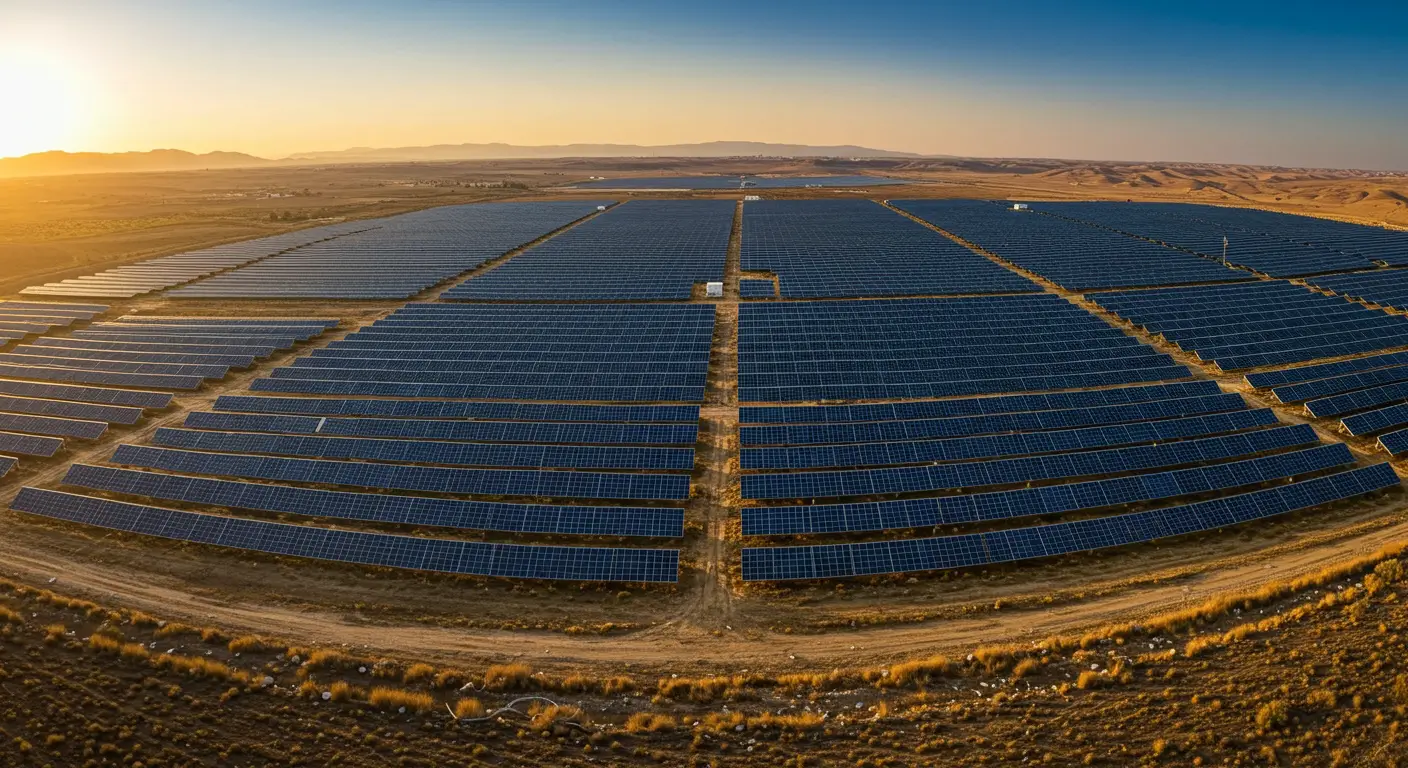
The land size required for installing a 1 MW solar power plant depends on the panel type, mounting system, and layout design. On average, 1 MW capacity requires an area of 15 to 20 decares (approximately 15,000–20,000 square meters). Fixed systems require larger areas, while solar tracker systems have different spacing due to the movement of the panels. Therefore, the slope, orientation, and shading conditions of the land directly influence site selection.
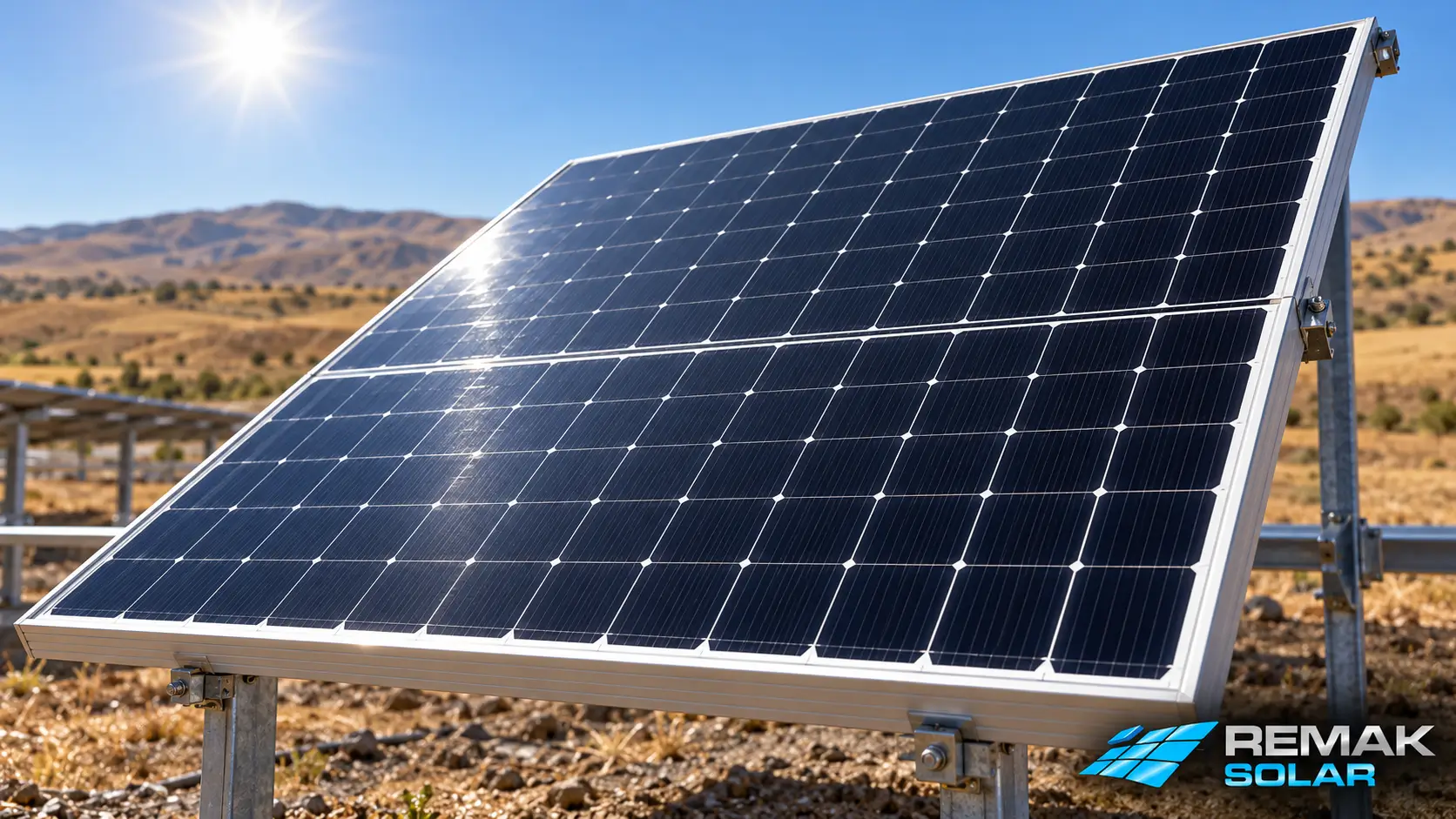
The number of panels is determined by the watt capacity of each panel. Today, the average power of widely used panels is around 550 W. In this case, approximately 1,800 to 1,900 panels are required to achieve 1 MW capacity. As panel efficiency increases, the required number of panels decreases, and the installation area becomes smaller. Inverter selection and cable planning also play a significant role in the layout of the system.
When selecting land, not only the size but also infrastructure access and connection points should be considered. Areas close to the grid, with solid ground conditions and minimal shading, are preferred. A well-planned site layout maximizes energy production and simplifies maintenance processes. When these elements come together, both installation cost and efficiency of a 1 MW facility reach optimal levels.
Is a 1 MW Solar Investment Profitable in the Long Term?
A 1 MW solar power plant is one of the safest and most profitable long-term energy investments, offering stable income and high returns. Since solar energy requires no fuel costs and has low maintenance requirements, it provides steady and predictable profit throughout the plant’s lifetime. With an average payback period of 5 to 7 years, all income generated afterward becomes net profit for the investor. Additionally, rising electricity prices further increase the financial advantages over time.
Solar investments offer significant value not only financially but also environmentally. Reducing carbon emissions and supporting renewable energy production provide major advantages for environmentally conscious businesses and individual investors. Considering long-lasting panels, low maintenance needs, and rising energy demand, a 1 MW facility can generate stable income for up to 25 years. This makes solar energy one of the most profitable and reliable long-term investment instruments.
Do Comment