



Other Blog




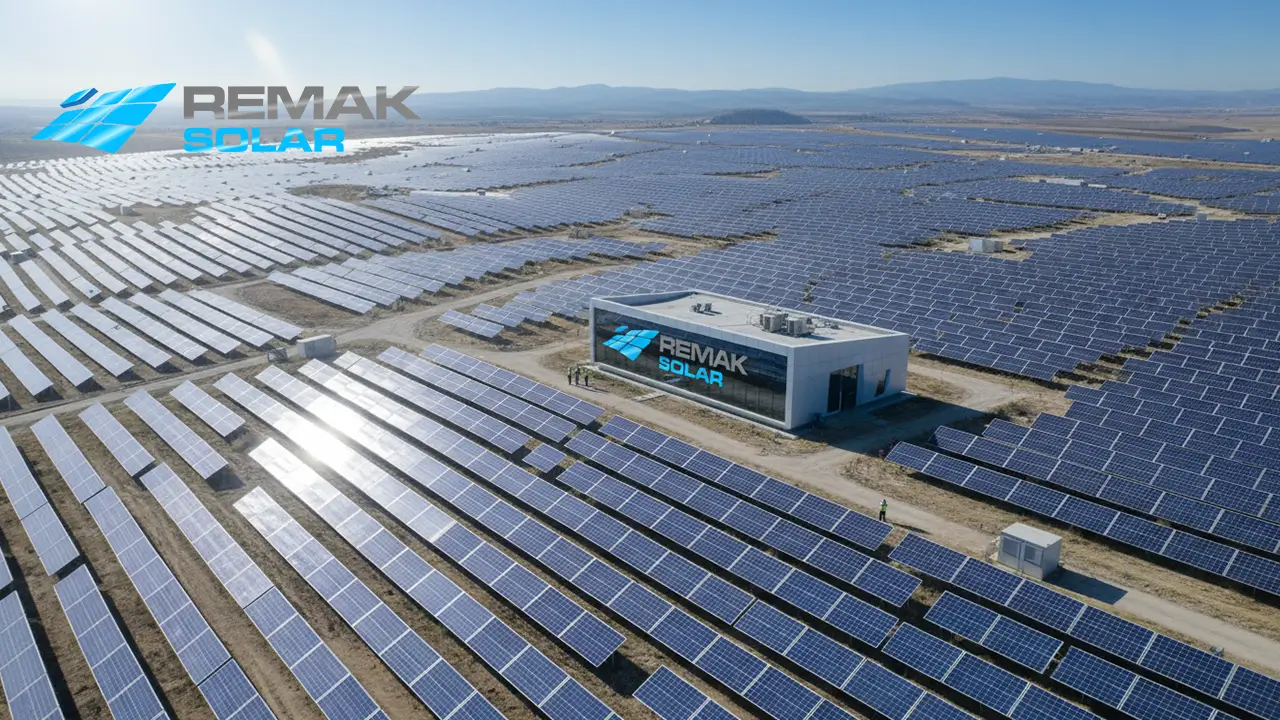





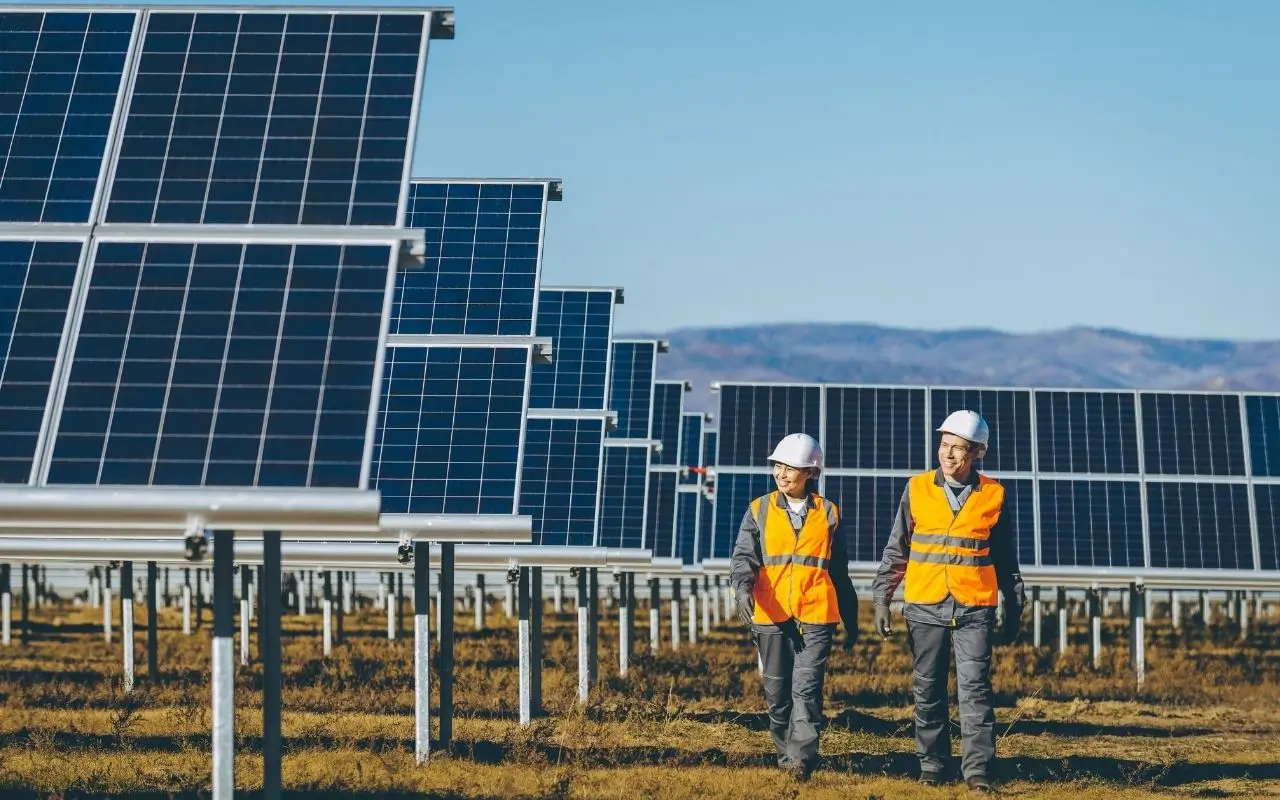


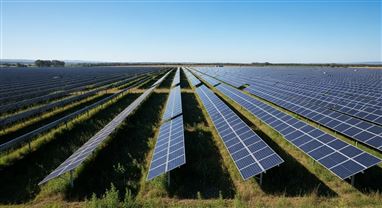

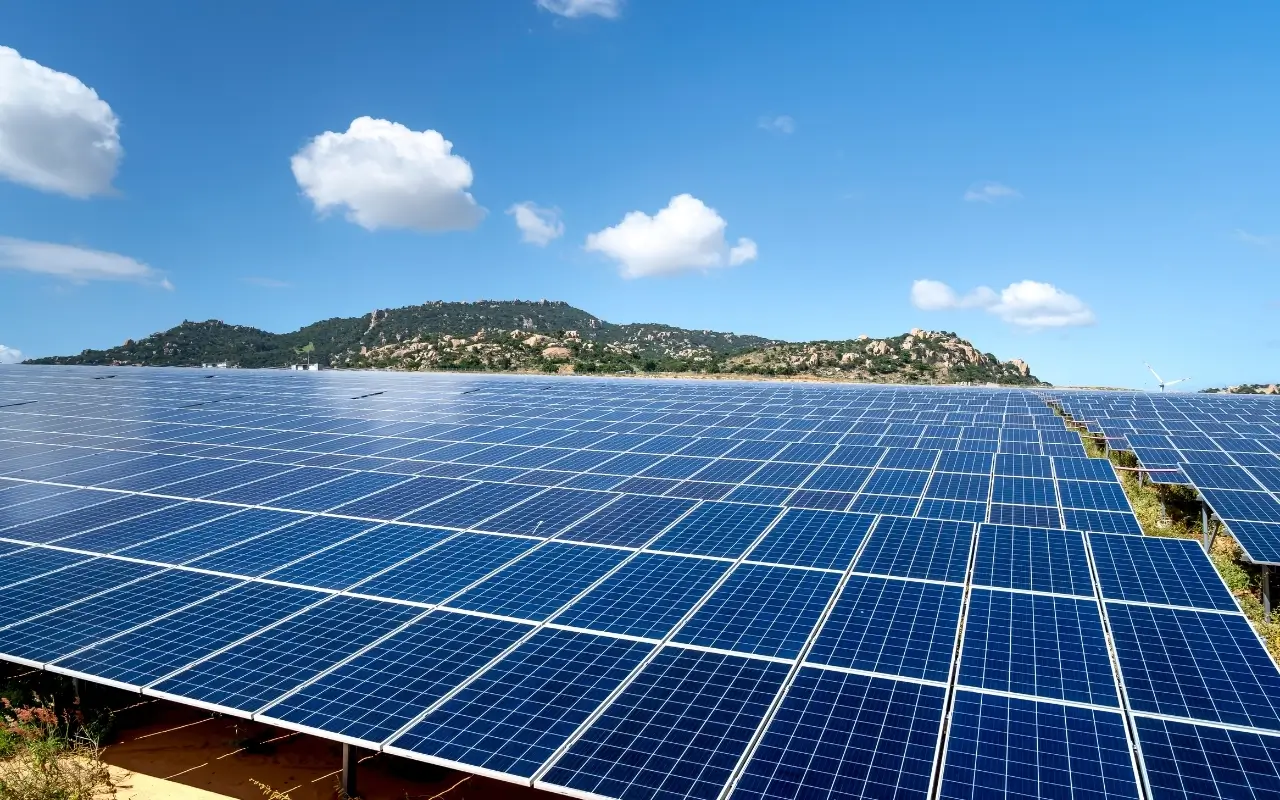

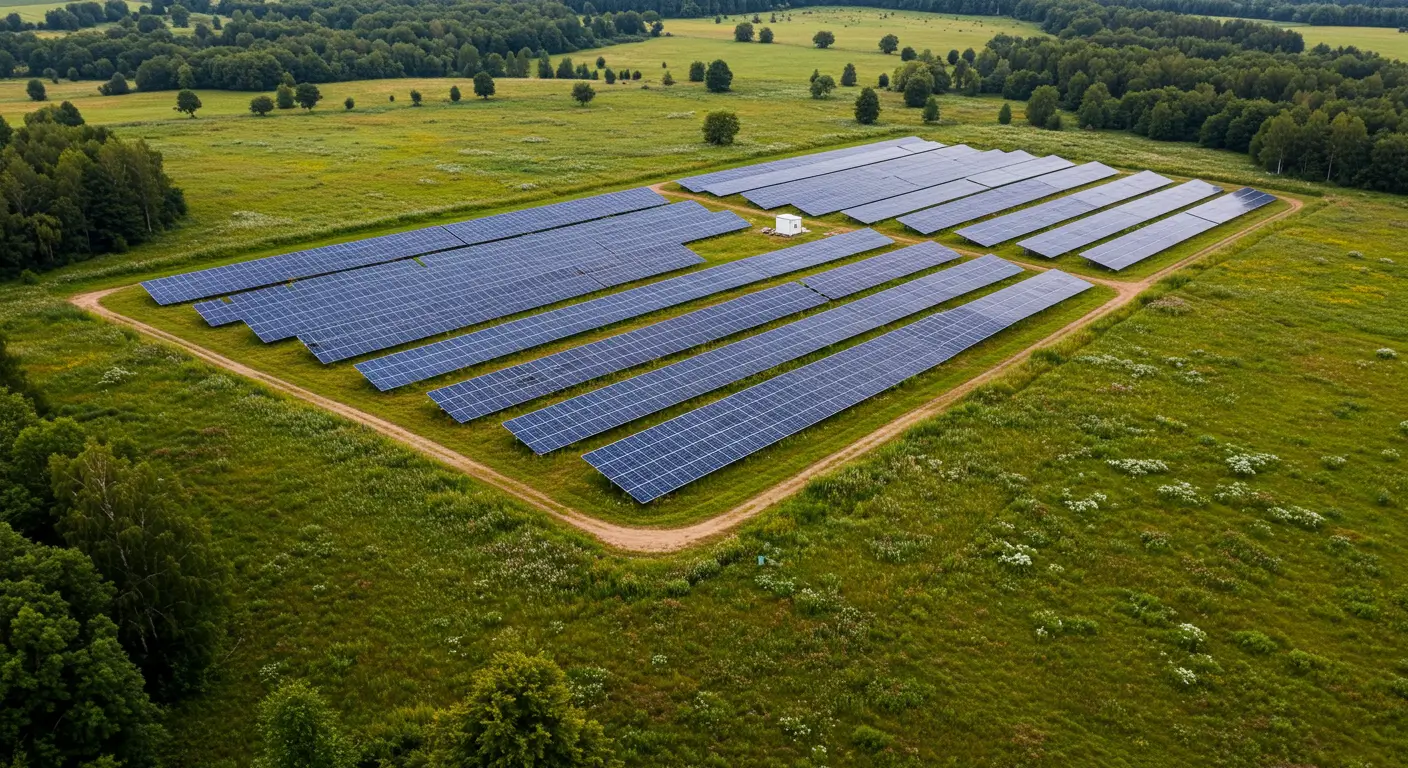
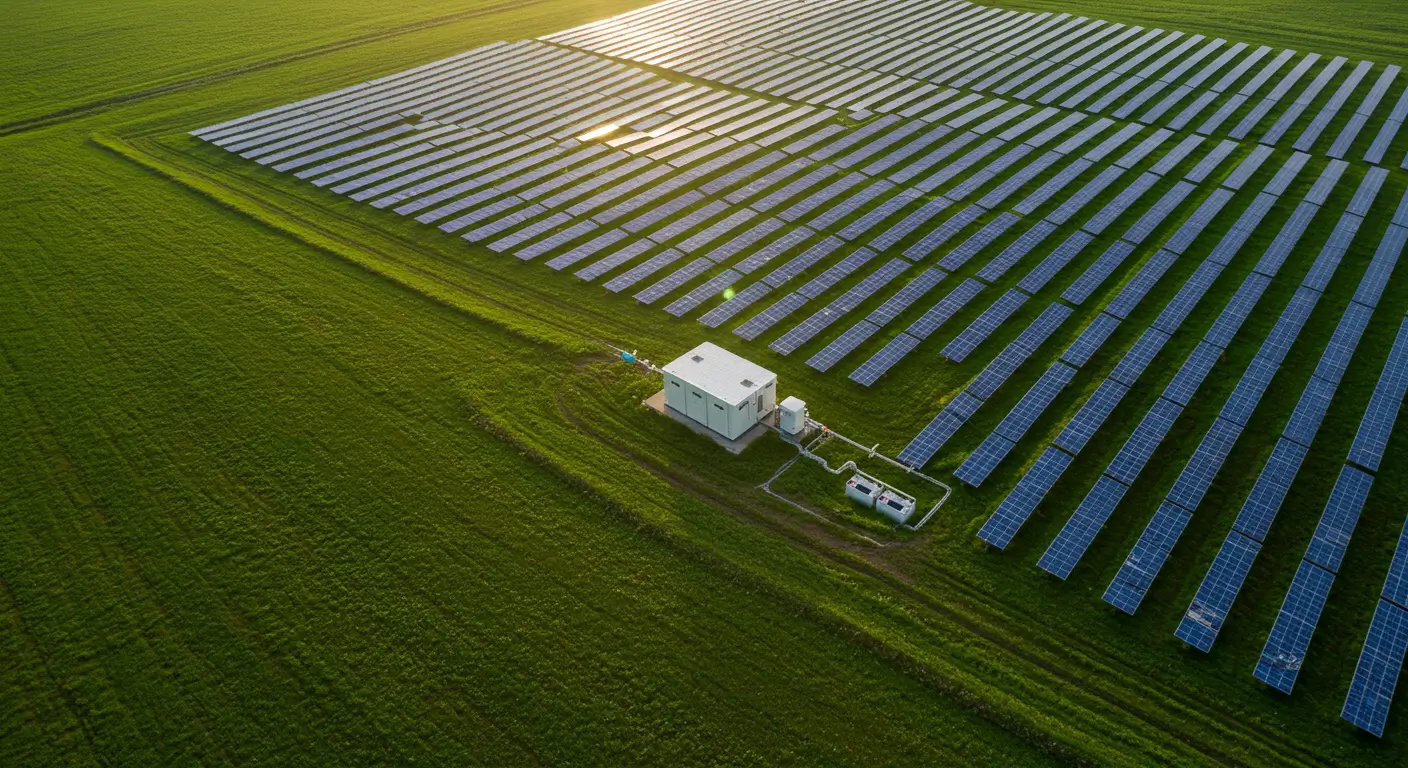


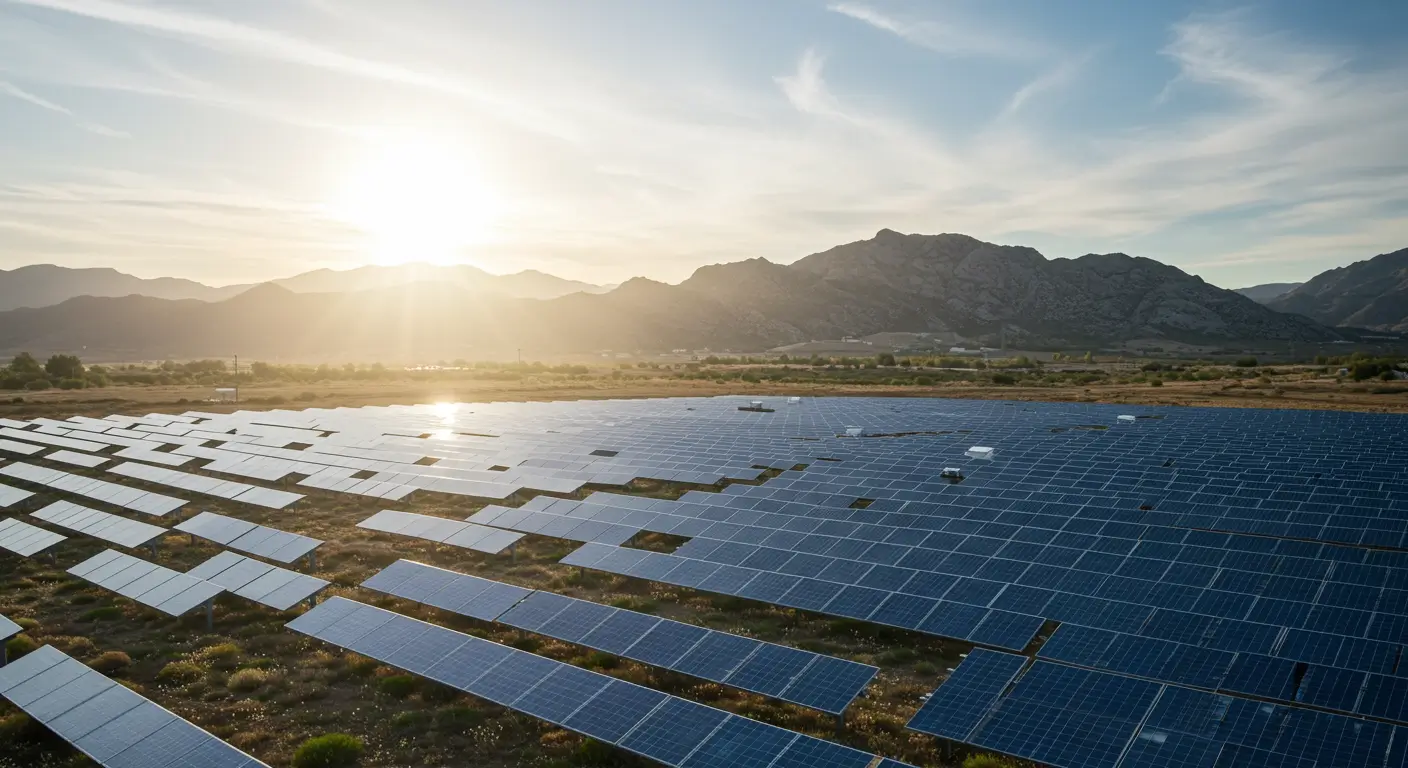

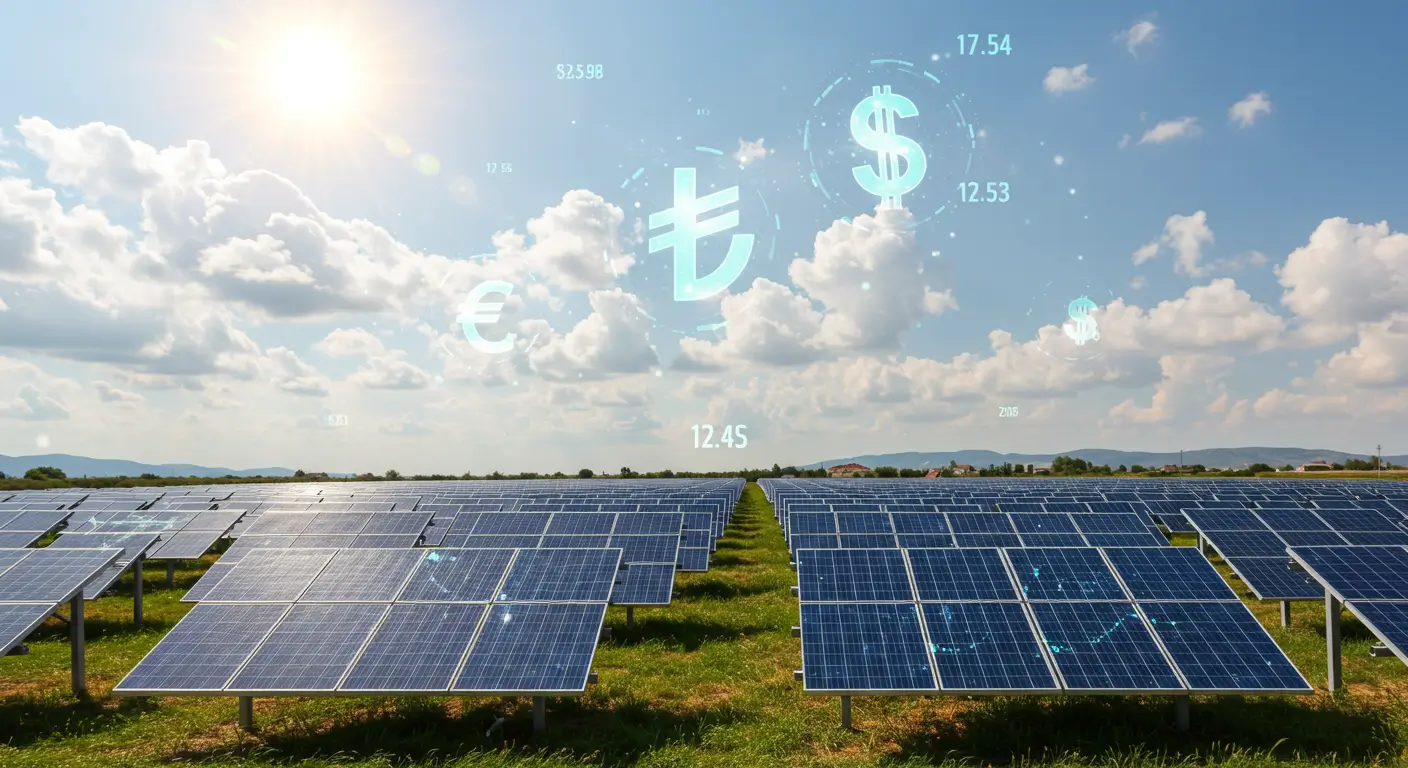




















Solar energy is the most powerful tool for completely breaking dependence on fossil fuels and preventing the release of harmful greenhouse gases into the atmosphere. Unlike coal and natural gas used in conventional power generation, solar panels emit no toxic particles or carbon dioxide while operating. With every kilowatt-hour of clean electricity produced through this technology, the burden on nature is reduced and the carbon intensity that causes planetary warming is directly lowered.
With the integration of photovoltaic systems, the energy production process evolves into a pure conversion entirely free from combustion reactions. A solar power plant or rooftop system operates silently and without pollution for decades from the moment it is installed, preventing thousands of tons of carbon from entering the atmosphere. This process not only preserves current air quality but also returns the time and space nature needs to regenerate the ecosystem.
Turning to this clean source goes far beyond being a personal savings choice; it is a strategic stance against the global climate crisis. As the share of solar-generated electricity in the grid increases, the operational necessity of carbon-intensive, polluting power plants decreases. This step toward a sustainable future is of critical importance for restoring ecological balance and leaving a breathable world for future generations.
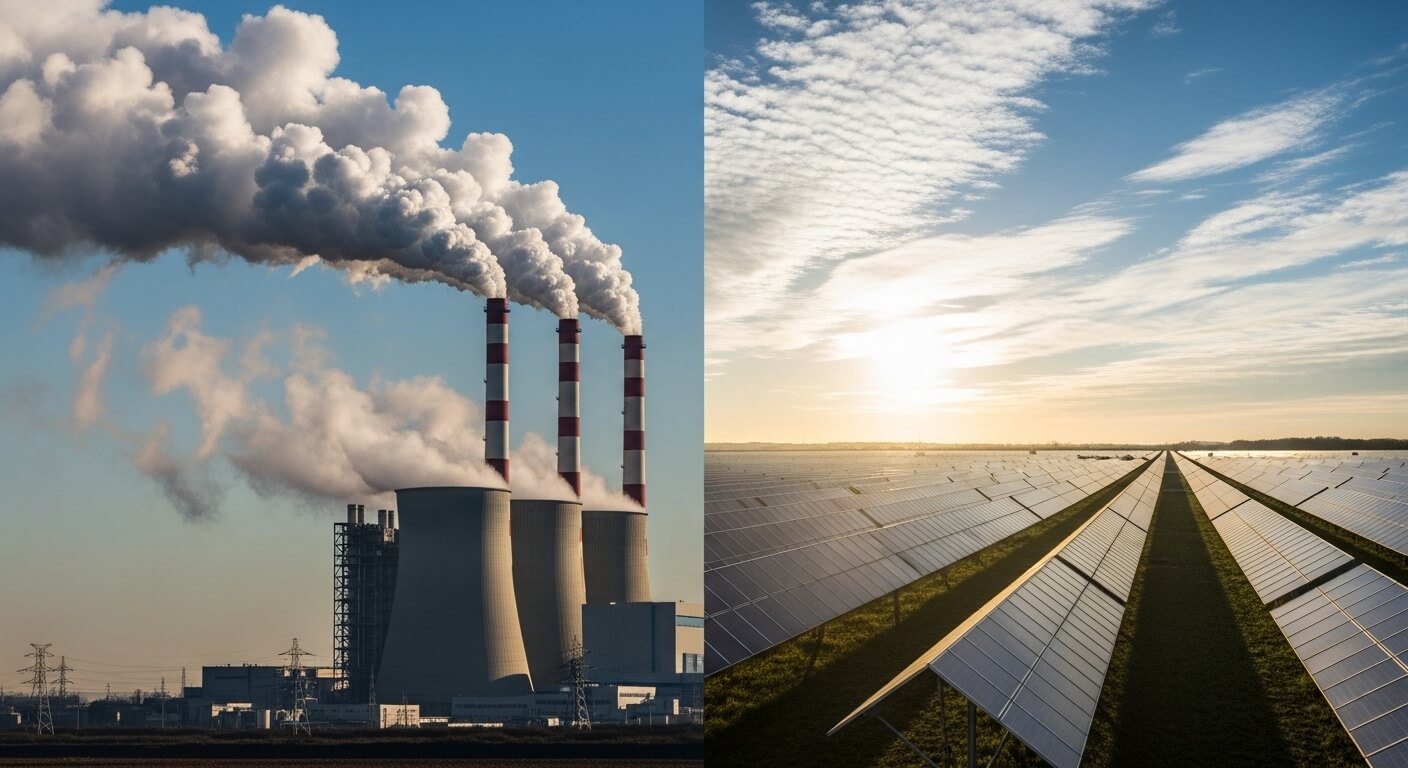
How Much Does Switching to Solar Energy Reduce an Individual’s Carbon Footprint?
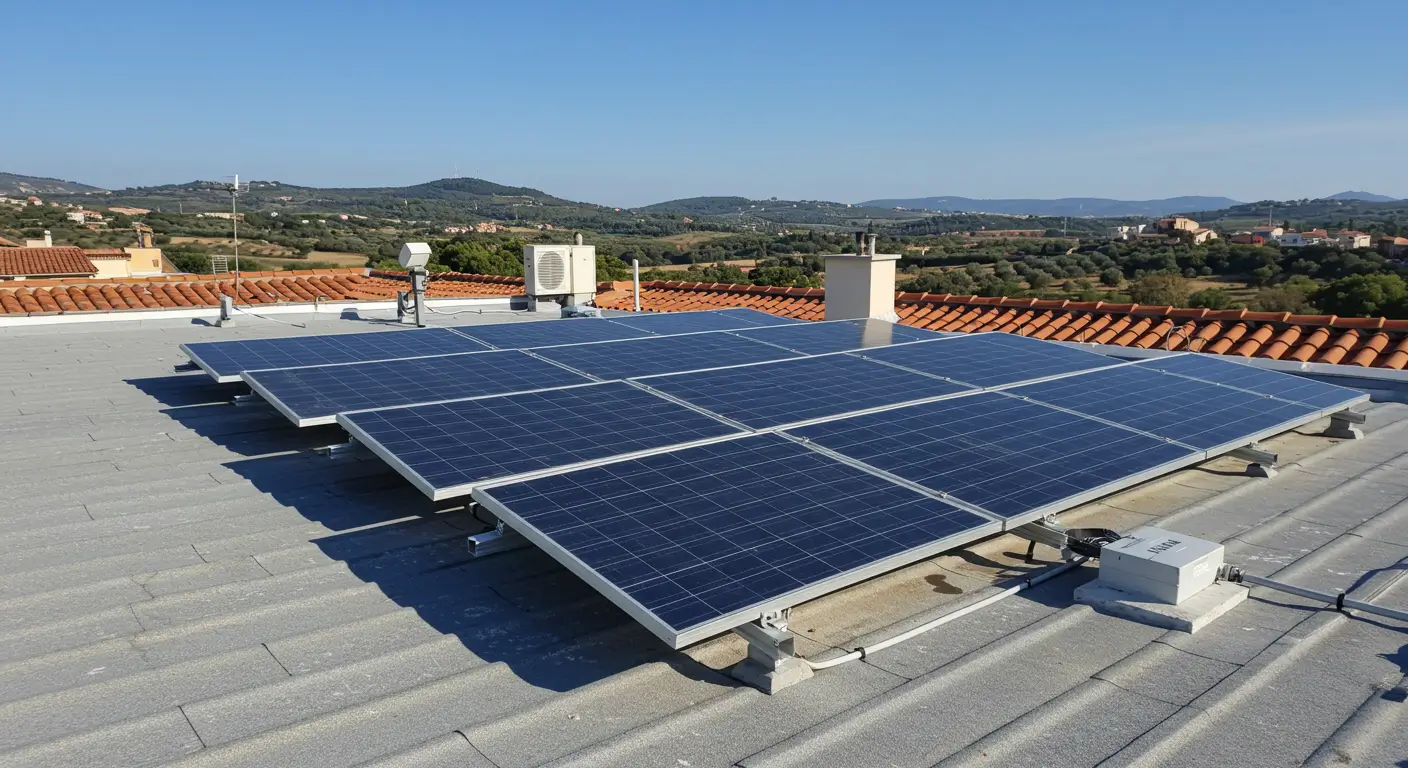
Solar panels installed on your home’s roof radically reduce carbon emissions by replacing grid electricity—typically based on fossil fuels—with a clean alternative. An average household that switches to solar energy directly prevents approximately three to four tons of carbon dioxide from entering the atmosphere each year. This amount is equivalent to nearly all the exhaust emissions produced by a vehicle over the course of a year, or to a pollution load that hundreds of trees could only absorb over many years. Therefore, this change represents one of the most effective and tangible environmental improvement actions an individual can take.
This positive impact begins immediately after installation and continues to grow throughout the panels’ lifespan of more than twenty-five years. Every day, the clean energy produced prevents smoke from rising from thermal power plant chimneys and steadily eases the pressure on nature hour by hour. Unlike depleting resources such as coal or natural gas, power generated from the sun does not require water consumption or create toxic waste during production. This protects not only the air, but also water resources and soil, contributing to the overall ecological balance.
An individual who meets their energy needs through solar power not only balances their electricity bills, but also more than fulfills their responsibility in the fight against the global climate crisis. This transformation positively reshapes household energy consumption habits and forms the foundation of a sustainable lifestyle. This conscious step taken for the future of the planet minimizes personal carbon burden while strongly supporting the goal of leaving a more livable world to future generations.
A Realistic Comparison of the Environmental Impacts of Fossil Fuels and Solar Energy
The extraction and processing of coal, oil, or natural gas from kilometers beneath the earth leave irreversible damage on nature, whereas solar energy exists entirely outside this destructive cycle. The use of fossil resources deepens the climate crisis by emitting particles that degrade air quality, while solar panels operate quietly and protect the atmosphere. The difference between these two energy sources is sharply reflected not only in their production methods, but also in the legacy they leave for the planet’s future.
- Greenhouse Gas Emissions: While coal and natural gas plants emit large amounts of carbon dioxide that heat the atmosphere, solar energy systems release no harmful gases during electricity generation.
- Protection of Water Resources: Thermal power plants evaporate vast quantities of water for cooling, whereas photovoltaic panels require no water to operate and support efforts against drought.
- Air Pollution and Health: Sulfur dioxide and particulate matter produced by burning fossil fuels cause respiratory diseases, while solar energy preserves clean air and poses no threat to public health.
- Destruction of Natural Areas: Mining and drilling fragment forests and natural habitats, whereas rooftop solar installations utilize existing structures without additional intervention in nature.
- Waste Management: Nuclear or thermal waste remains hazardous for hundreds of years, while solar panels are largely composed of recyclable materials at the end of their lifecycle.
When making energy choices, it is essential to look beyond cost tables and consider the ecological bill as well. Fossil fuel–based systems meet immediate energy demands while imposing a heavy price that poisons ecosystems. In contrast, solar technologies operate in harmony with nature’s own balance, addressing today’s energy needs while guaranteeing a clean living environment for tomorrow. This comparison clearly demonstrates which path must be chosen for a sustainable civilization.
How Many Trees’ Worth of Oxygen Savings Does a Home Solar Panel System Provide Each Year?
Solar panels that meet the energy needs of an average home prevent carbon pollution caused by fossil fuels and alone deliver benefits equivalent to those provided by hundreds of trees. The annual output of a standard-sized system creates a protective shield equal to the amount of carbon dioxide that approximately one hundred to one hundred and fifty mature trees can remove from the atmosphere. Even if it is not physically possible to plant a forest in your garden, this rooftop technology effectively creates a clean air zone equivalent to adding hundreds of new trees to nature each year.
When the long-term impact is considered, the contribution provided over the system’s lifespan of more than twenty-five years reaches a level comparable to the oxygen balance created by a small woodland. Clean energy produced silently every day guarantees the environmental improvement that would otherwise require thousands of saplings to grow over many years. This concrete data proves that investing in solar energy is not merely an economic saving tool, but also a powerful ecological ally capable of performing the purification achieved by thousands of trees.
Do Solar Panels Emit Carbon During Their Own Manufacturing Process?
Like any industrial technology, the production of photovoltaic modules requires a certain amount of energy consumption and raw material processing. During the extraction of silicon from mines, its purification at high temperatures, and the final manufacturing stages in factories, a temporary carbon load is released into the atmosphere. This emission during the manufacturing phase constitutes the only source of emissions throughout the system’s entire lifecycle and is an unavoidable industrial reality.
Once installation is complete and the system begins generating electricity, this initial environmental cost is quickly offset. On average, a solar panel fully recovers the energy consumed during its production within one to three years, depending on geographic location. After this critical threshold—known as the energy payback period—the system settles its environmental debt and operates as a purely eco-friendly source for the remainder of its lifespan.
Considering an operational life exceeding twenty-five years, the limited emissions during manufacturing become negligible compared to the total benefits delivered. Unlike thermal power plants that continuously pollute the air by burning fuel at every moment, solar technology leaves only a small footprint during its creation and then protects the atmosphere for decades. This long-term positive impact overwhelmingly outweighs the initial production burden.

The Critical Importance of Solar Power Plants in Achieving the Zero-Emission Target
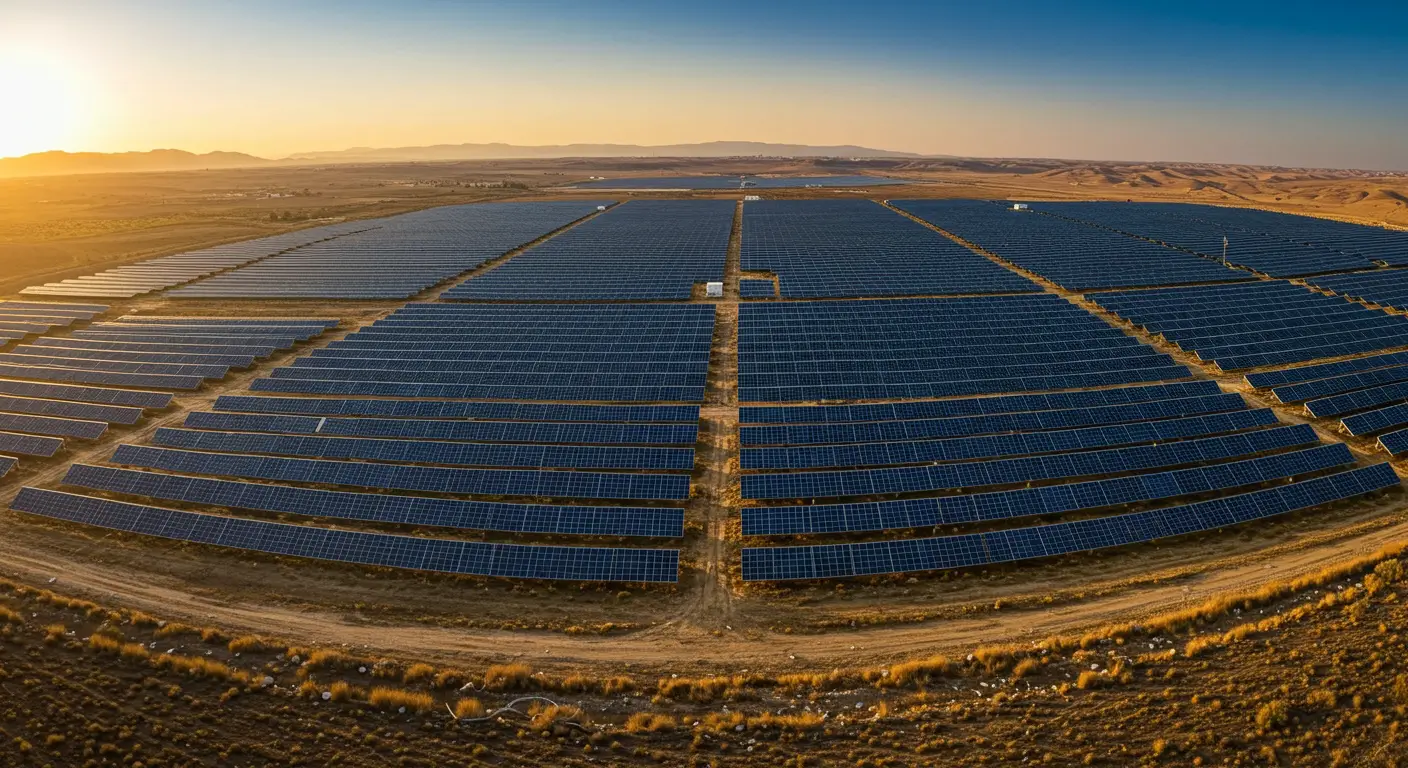
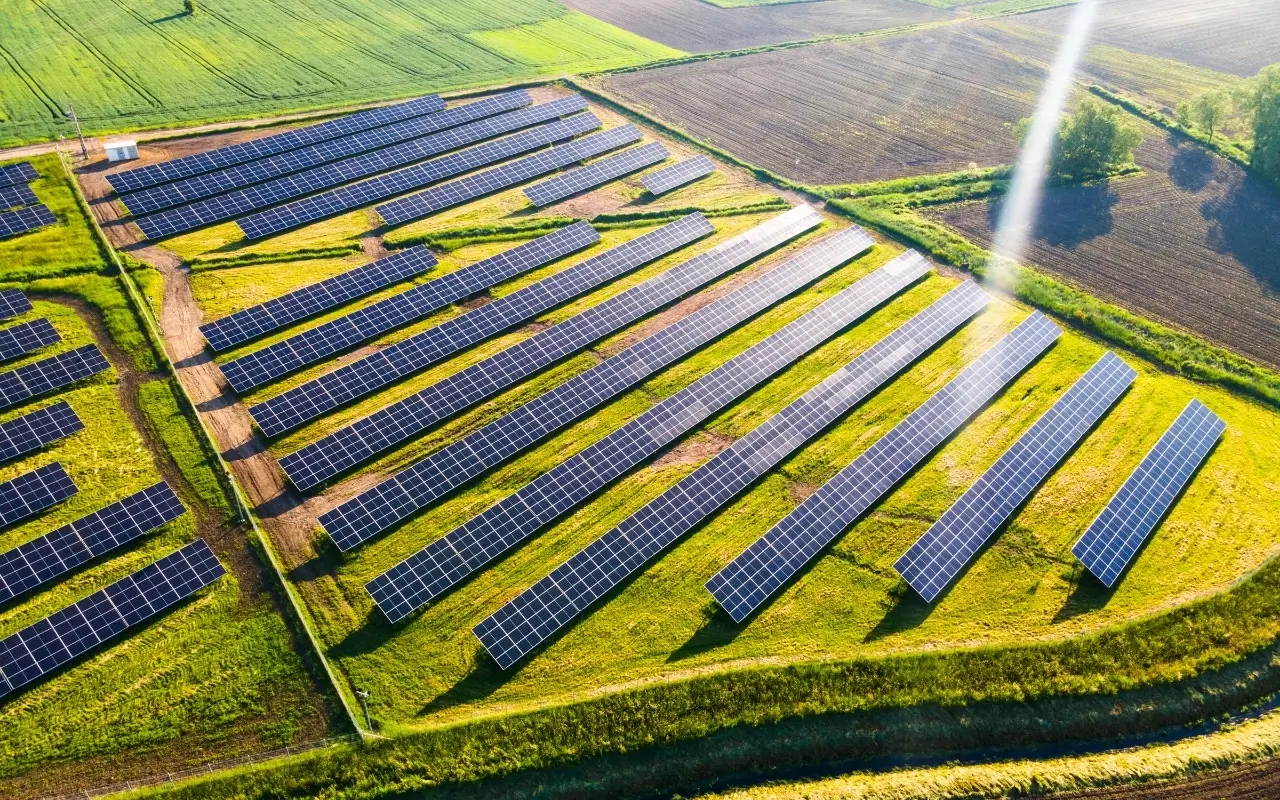
Stopping global warming and creating a carbon-neutral world require a fundamental transformation of the energy infrastructure. At the center of this transformation, solar power plants stand as the most effective force eliminating the polluting production model based on fossil fuels. Their ability to generate massive amounts of electricity without releasing toxic gases into the atmosphere makes these facilities an indispensable foundation of a green future.
Reversing the carbon accumulation that has persisted since the industrial revolution is only possible by increasing the share of renewable sources in the grid. Large-scale photovoltaic fields meet the energy demands of cities and industrial facilities without harming nature. Unlike the uncertainties created by resources such as oil or coal, solar energy offers a sustainable and predictable development model, accelerating the roadmap toward zero emissions.
Fulfilling international commitments such as the Paris Climate Agreement is directly tied to expanding solar energy capacity. Every new plant installation facilitates the decommissioning of thermal power stations and allows the planet to breathe. This strategic investment not only meets today’s energy needs but also preserves ecological balance, guaranteeing the clean atmosphere required for humanity’s continued existence.
Do Comment