
Other Blog
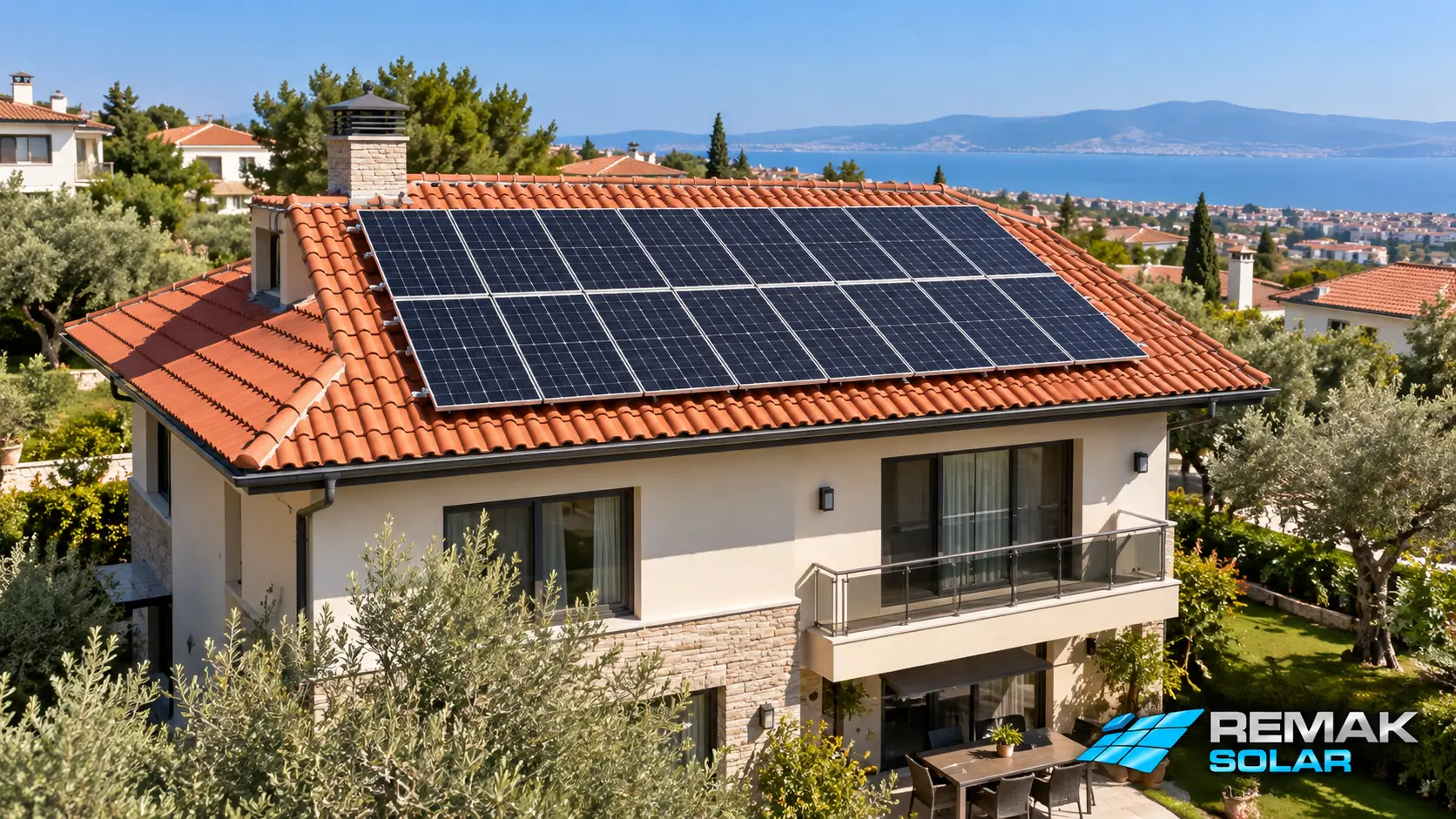
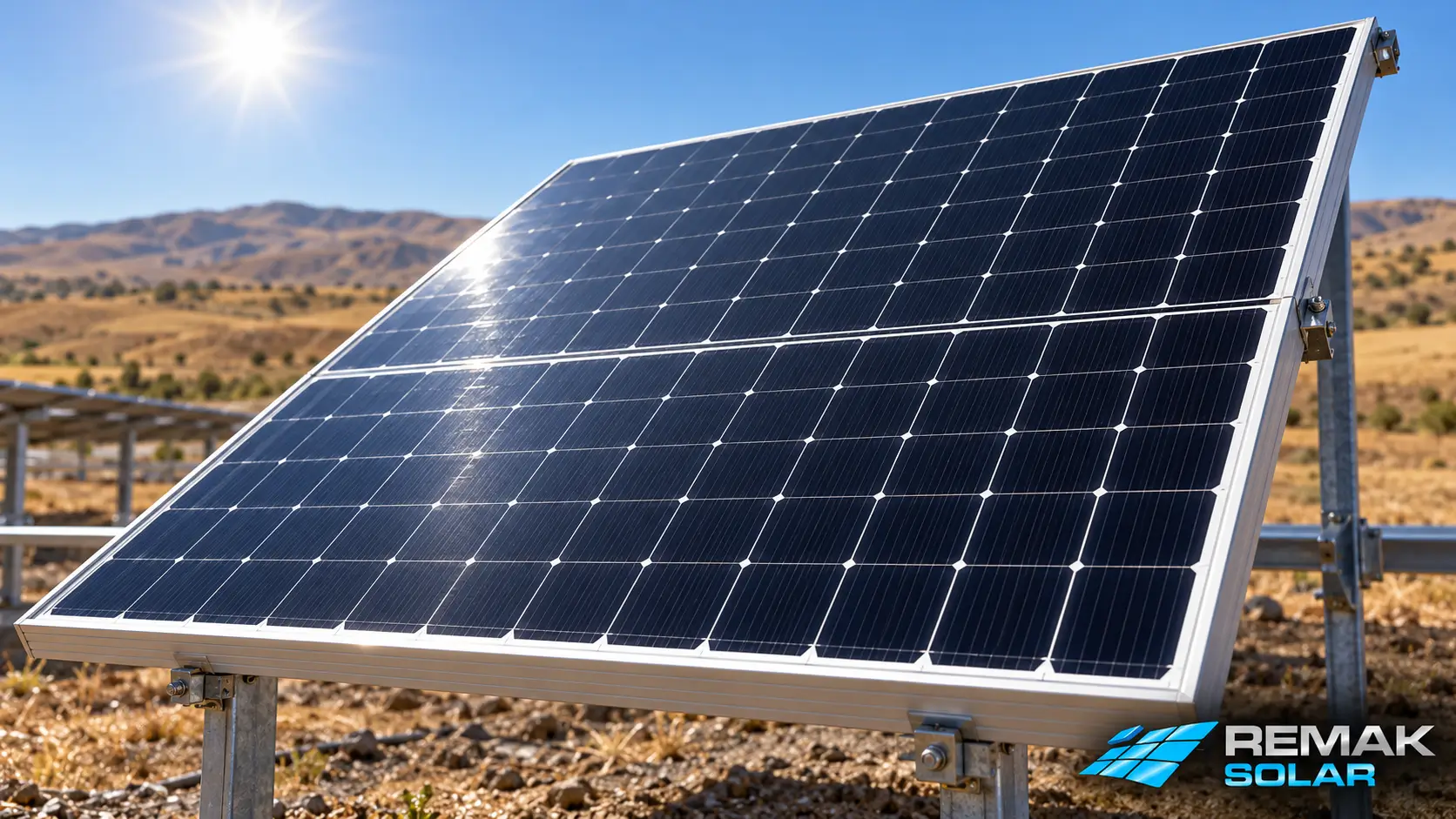
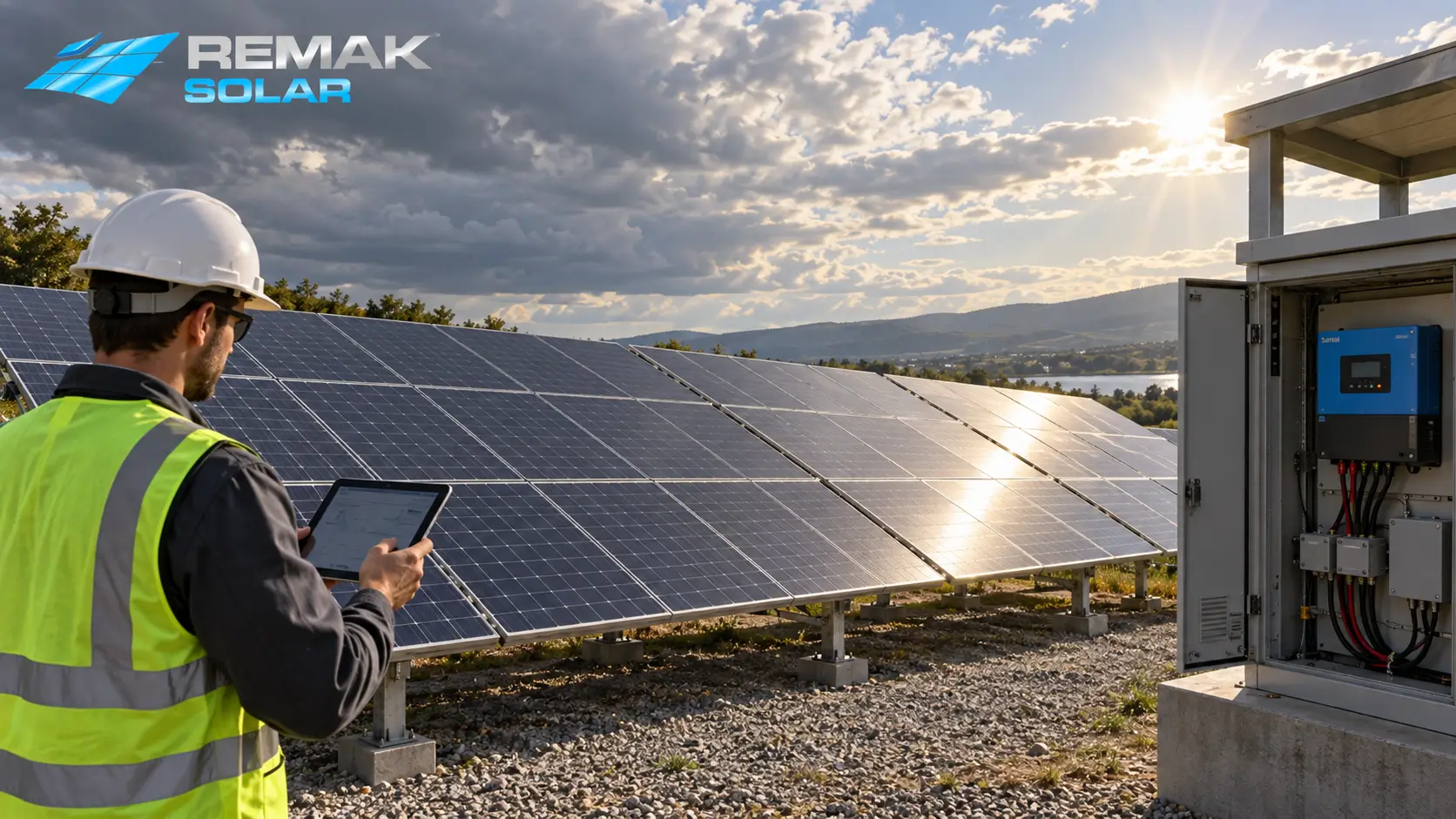
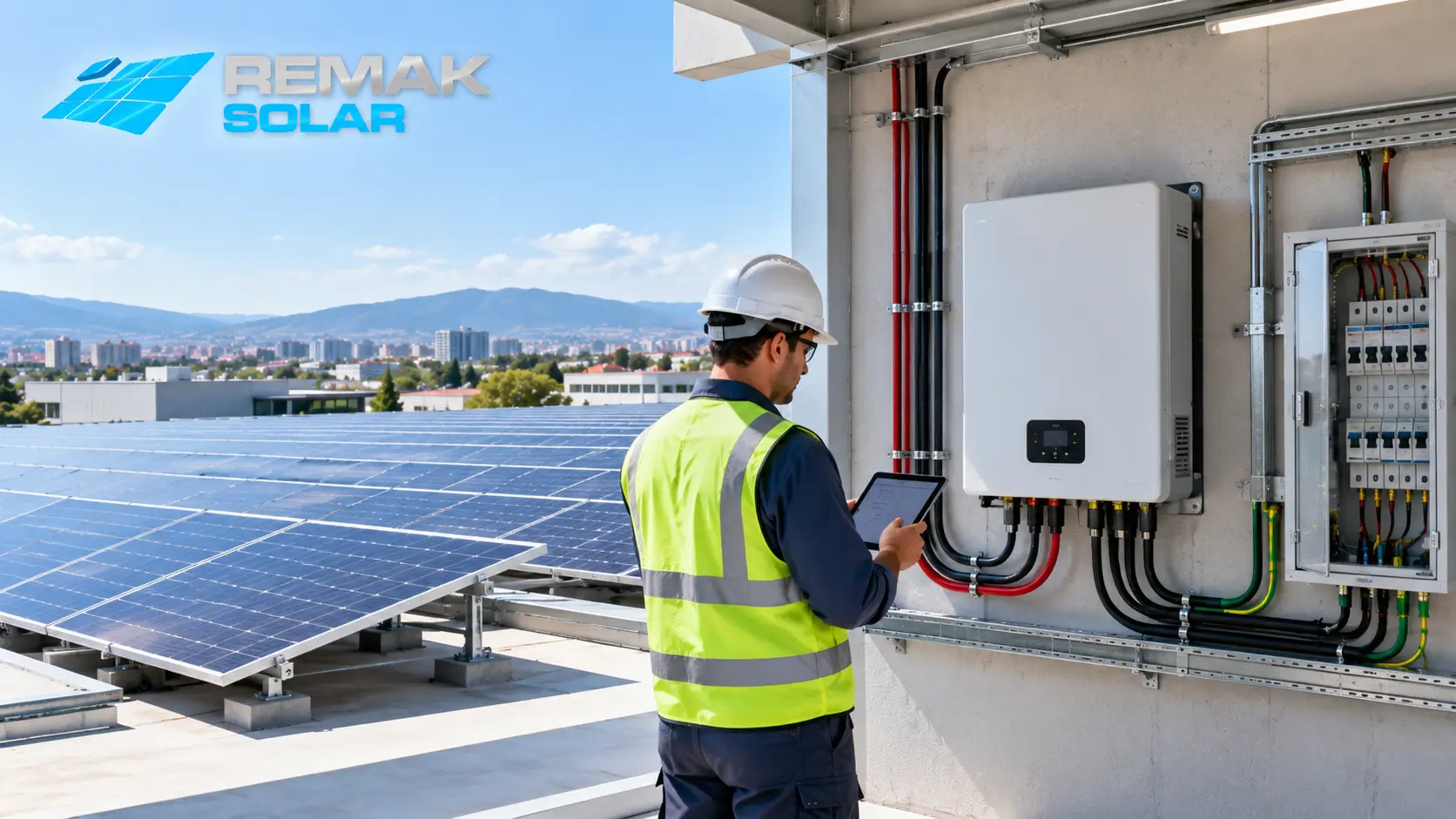
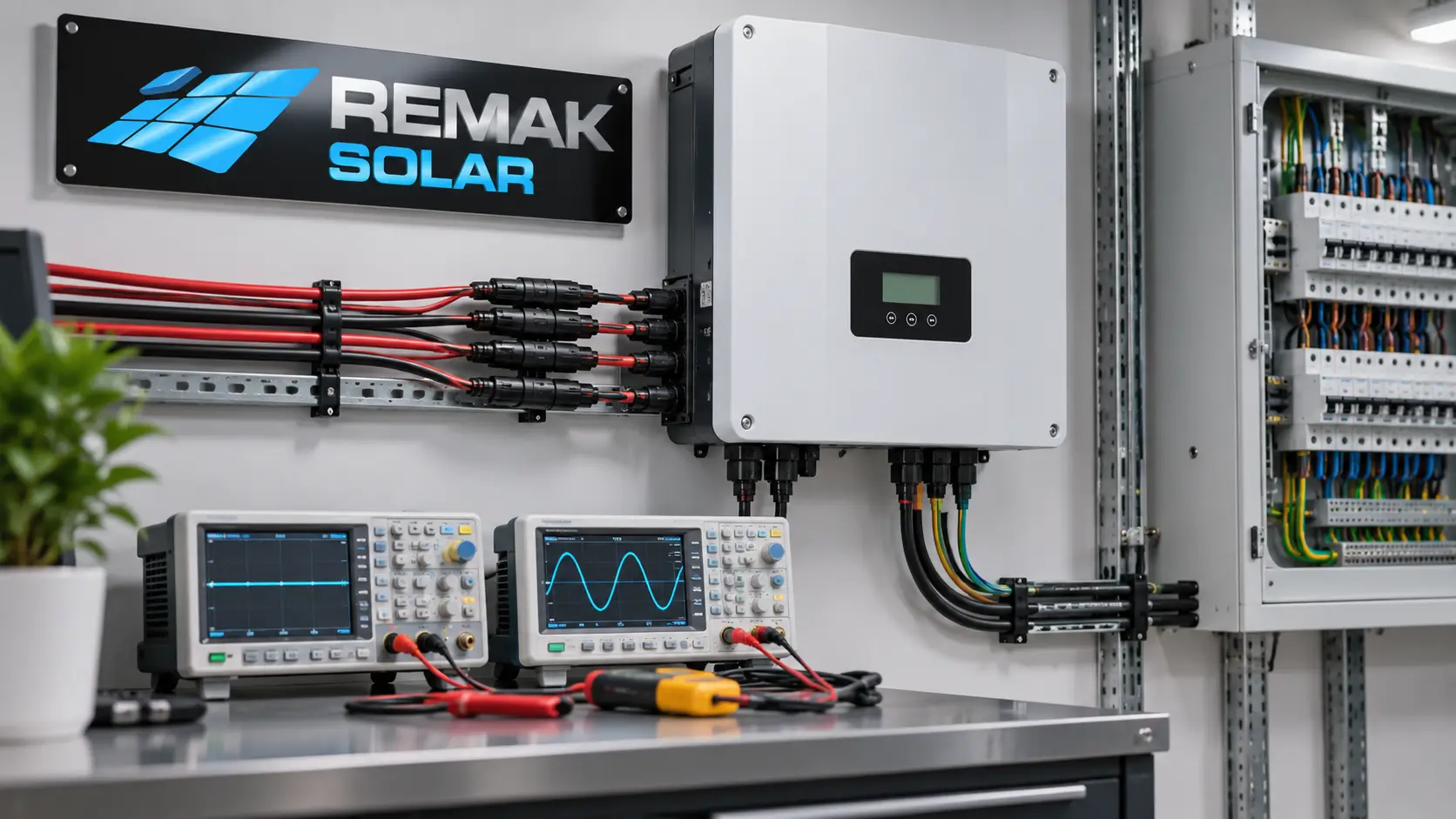
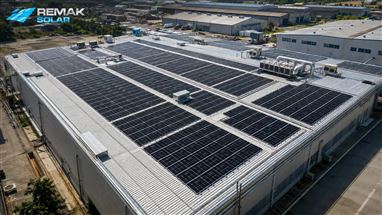
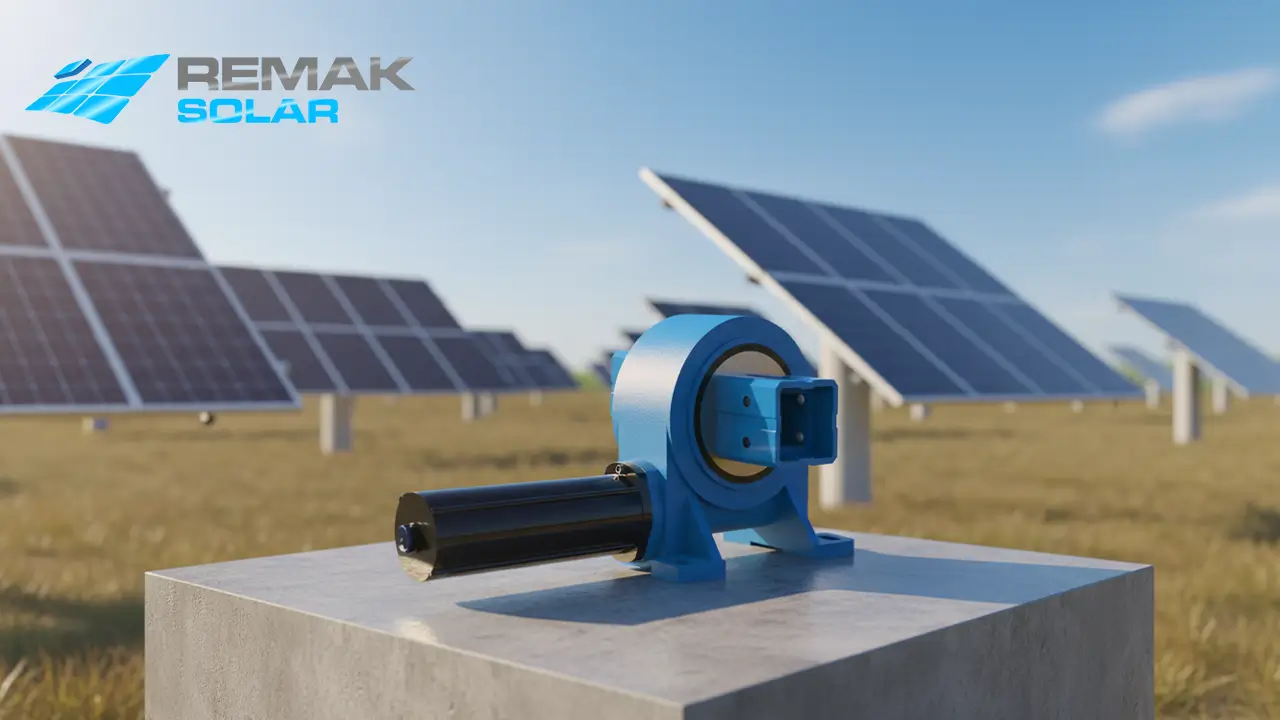
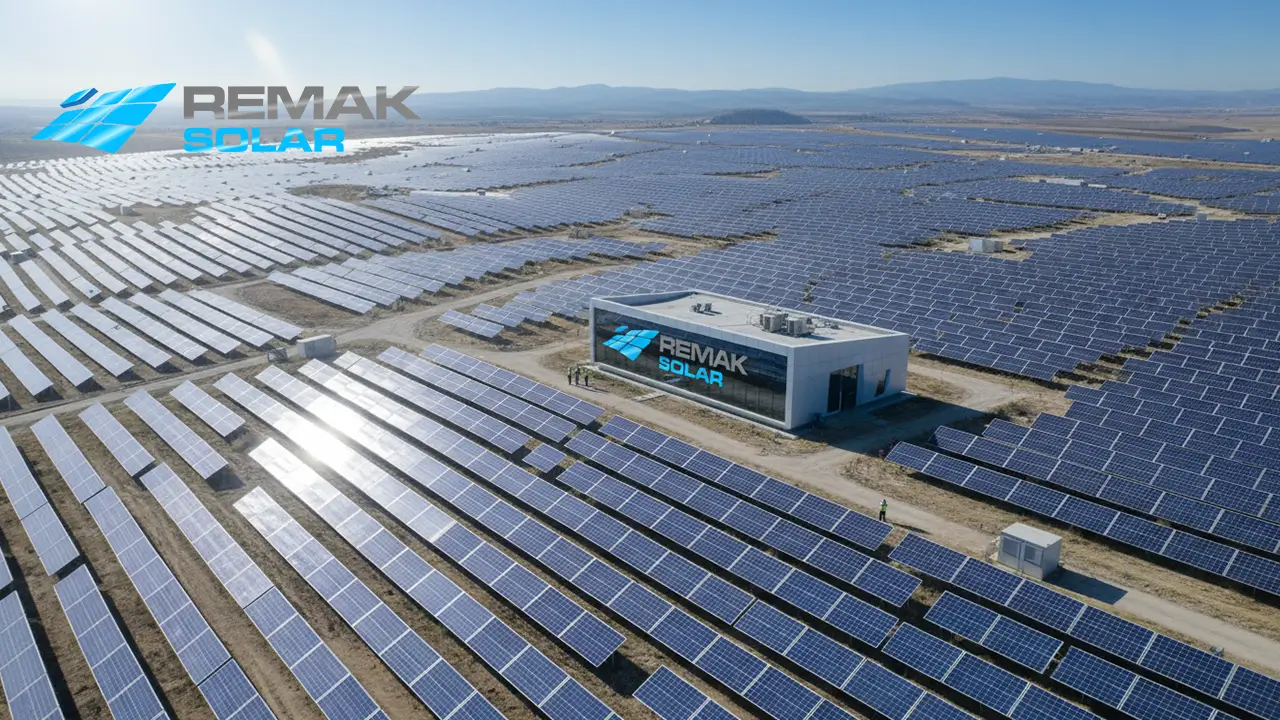
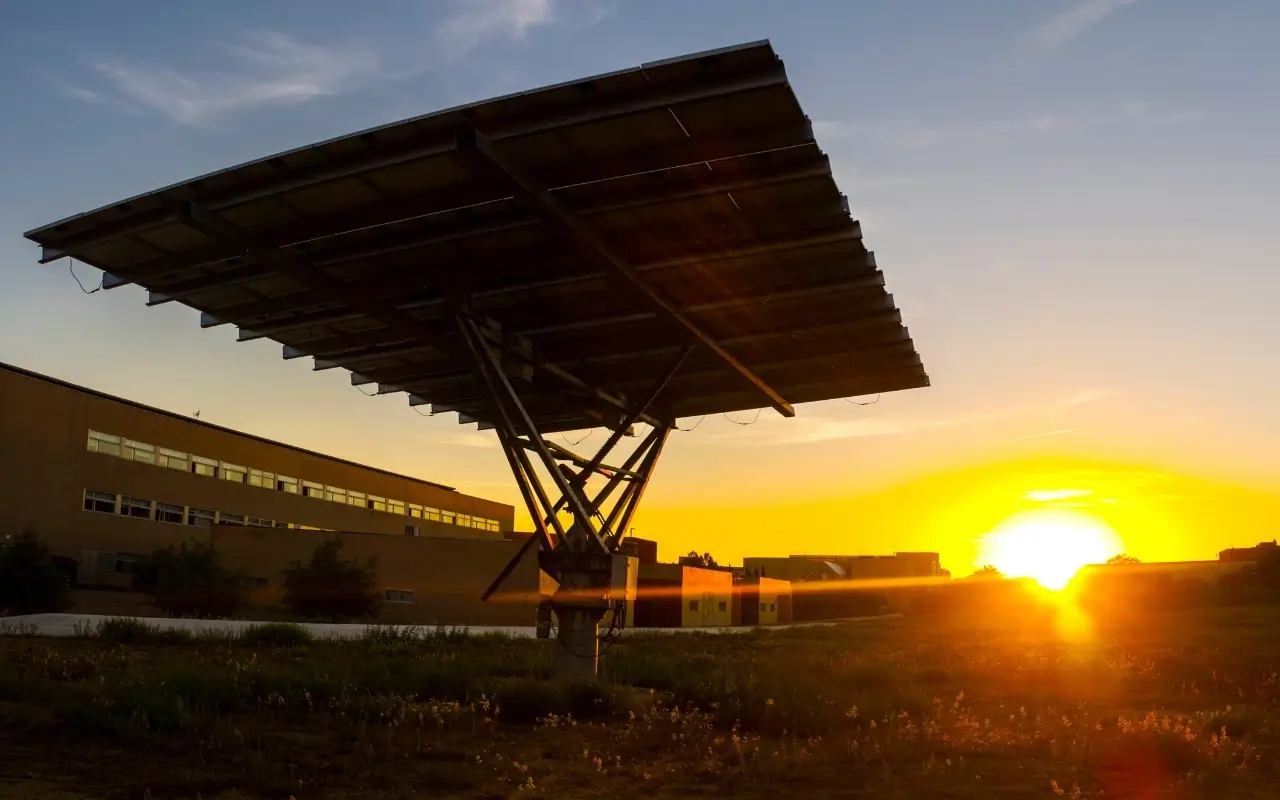
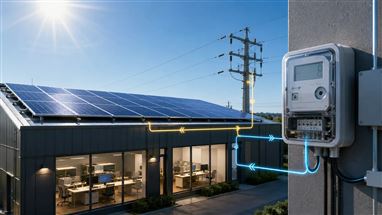
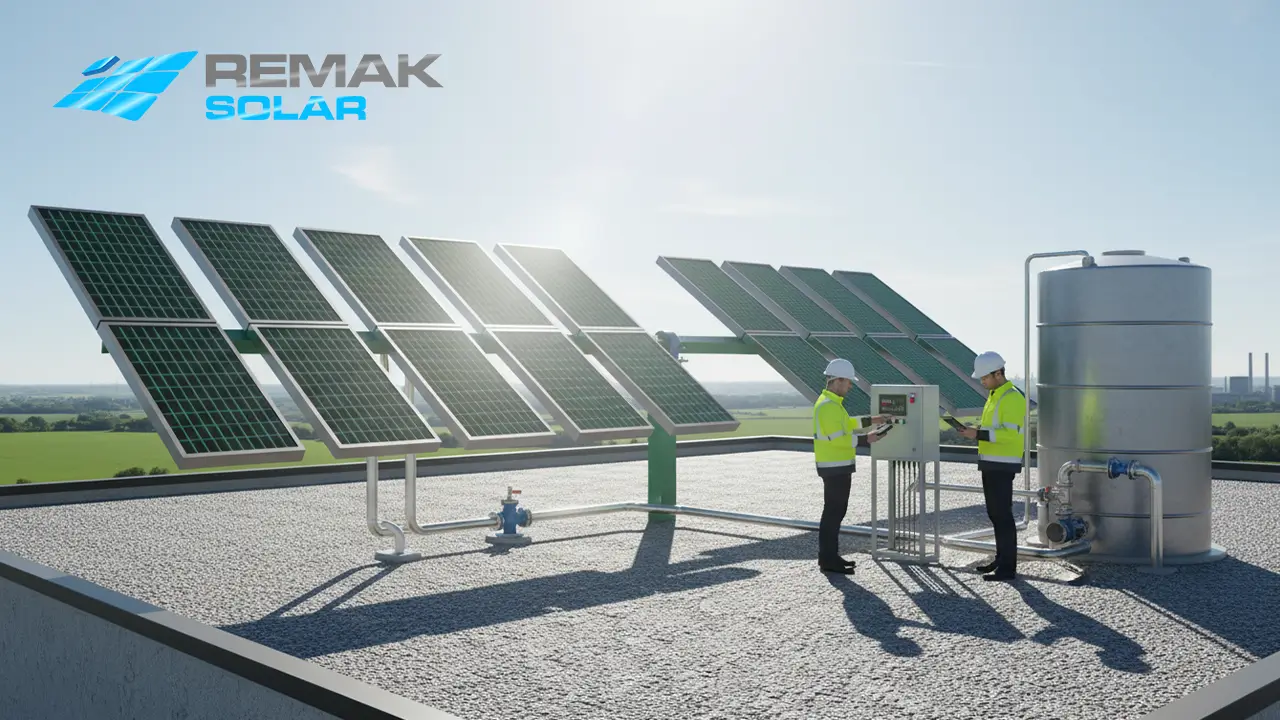
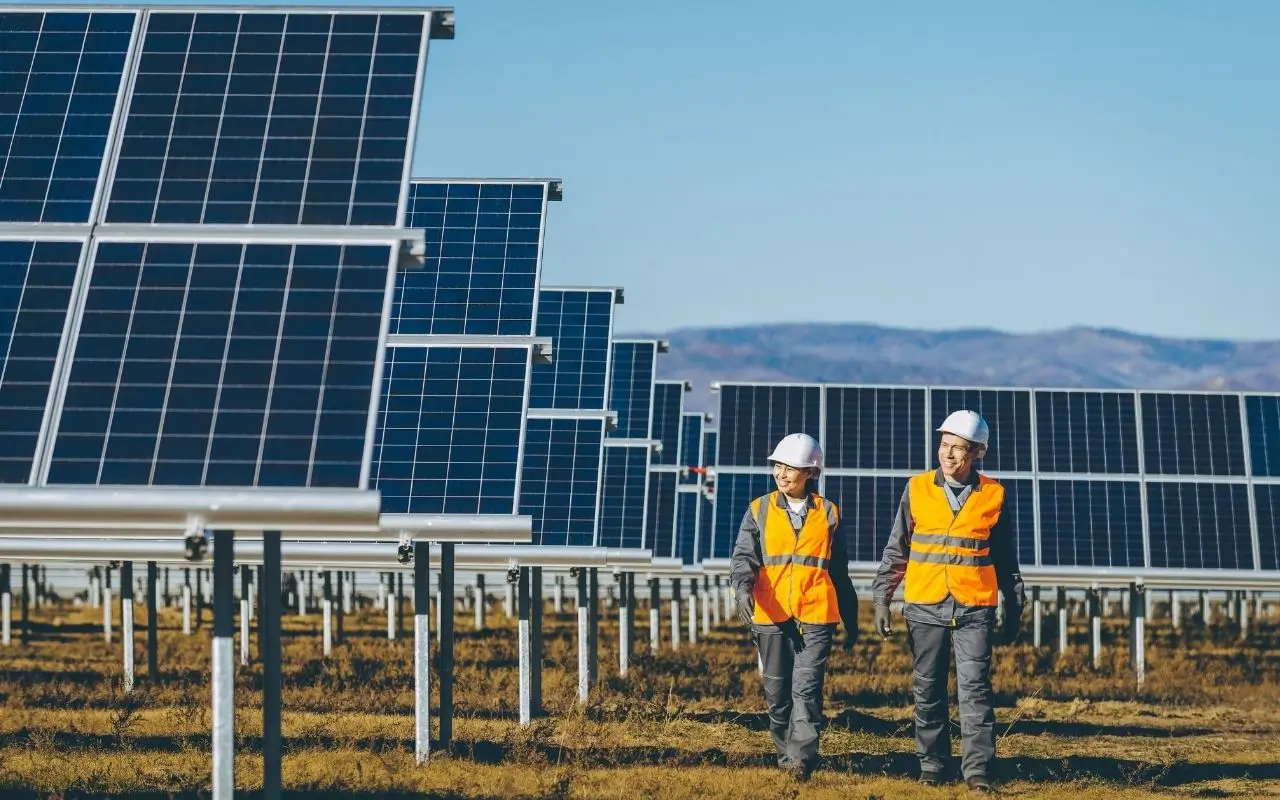
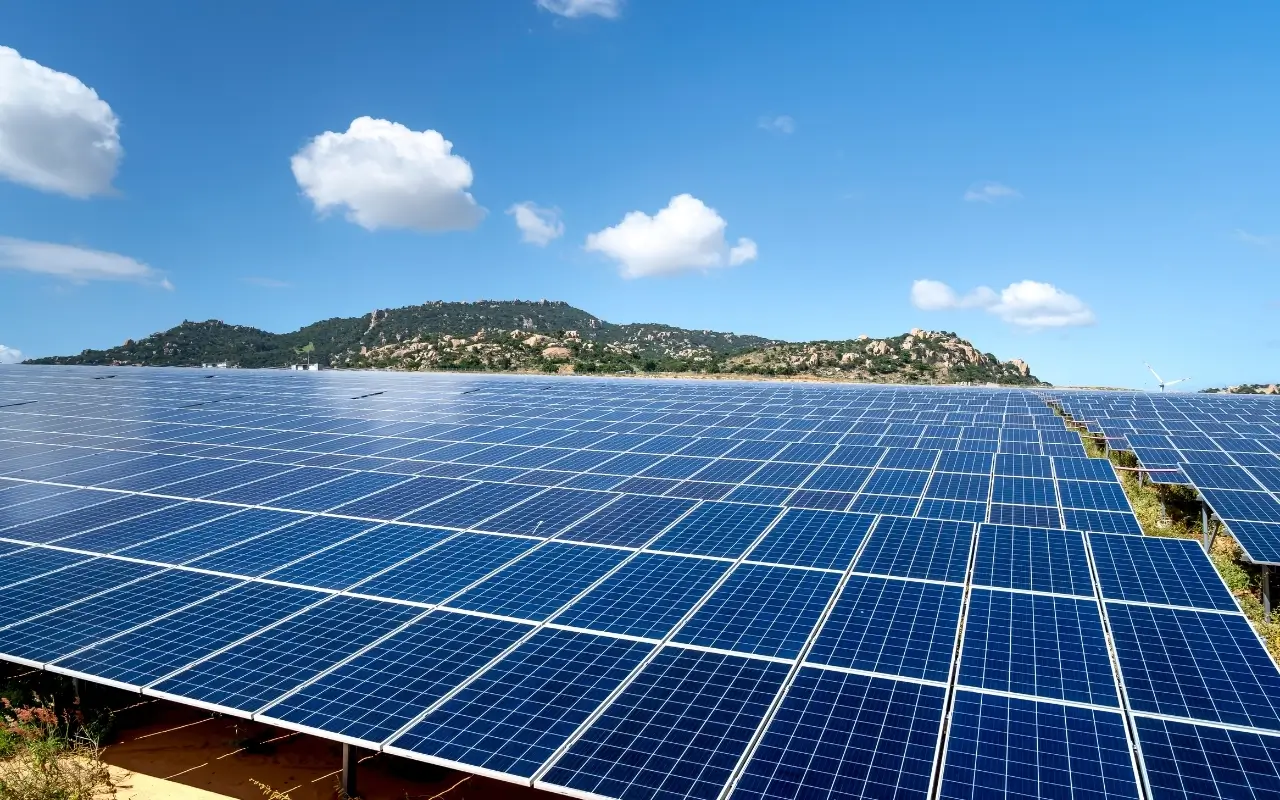
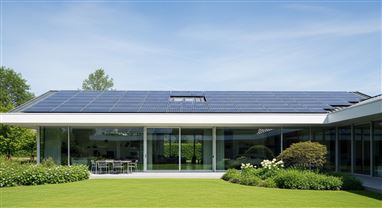
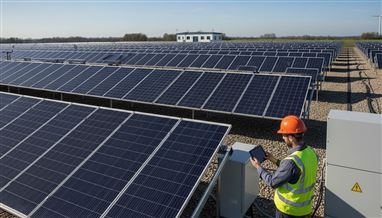
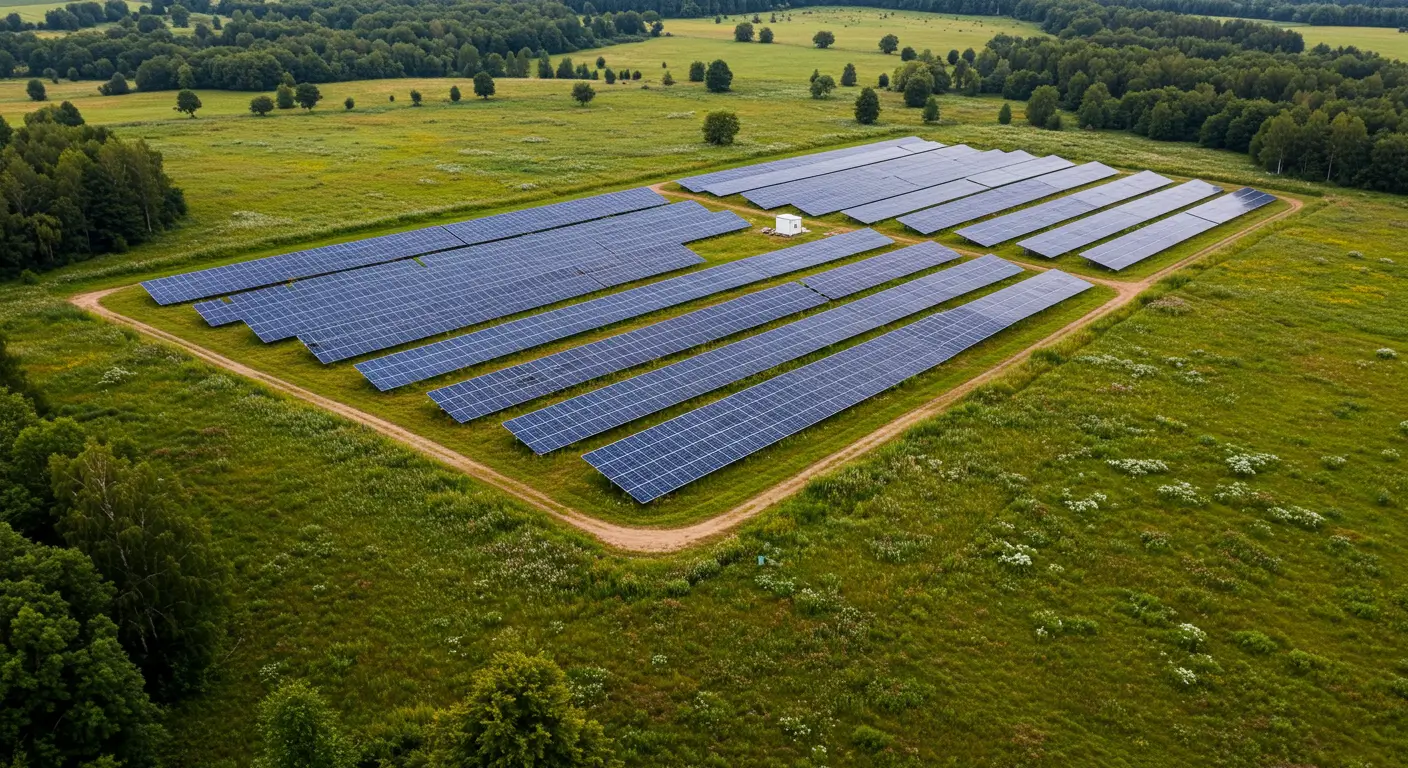
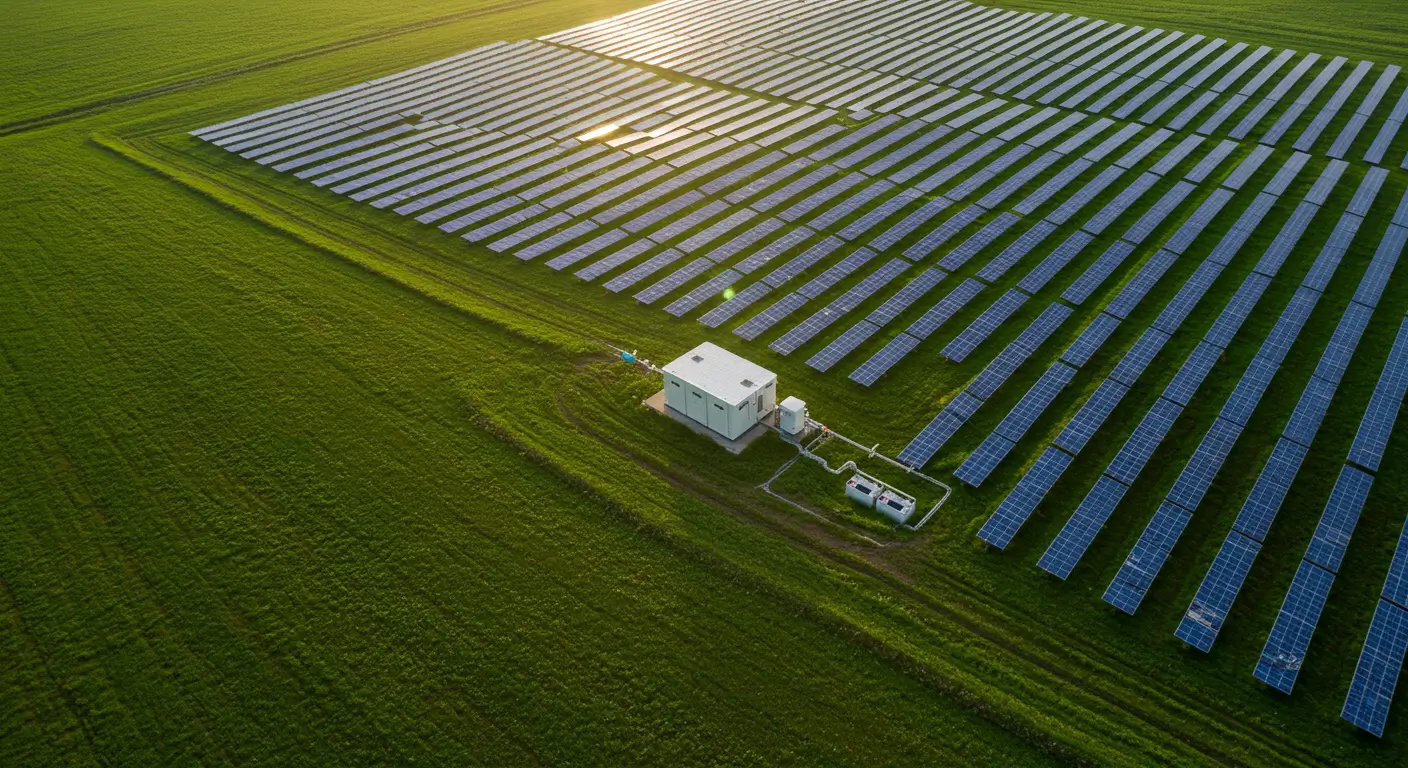
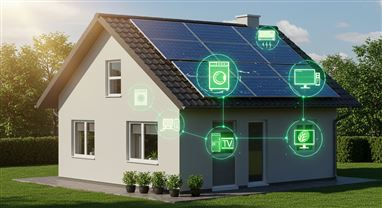
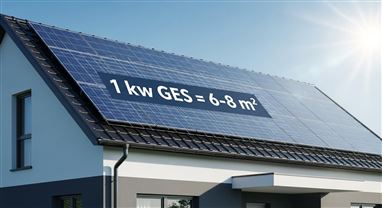
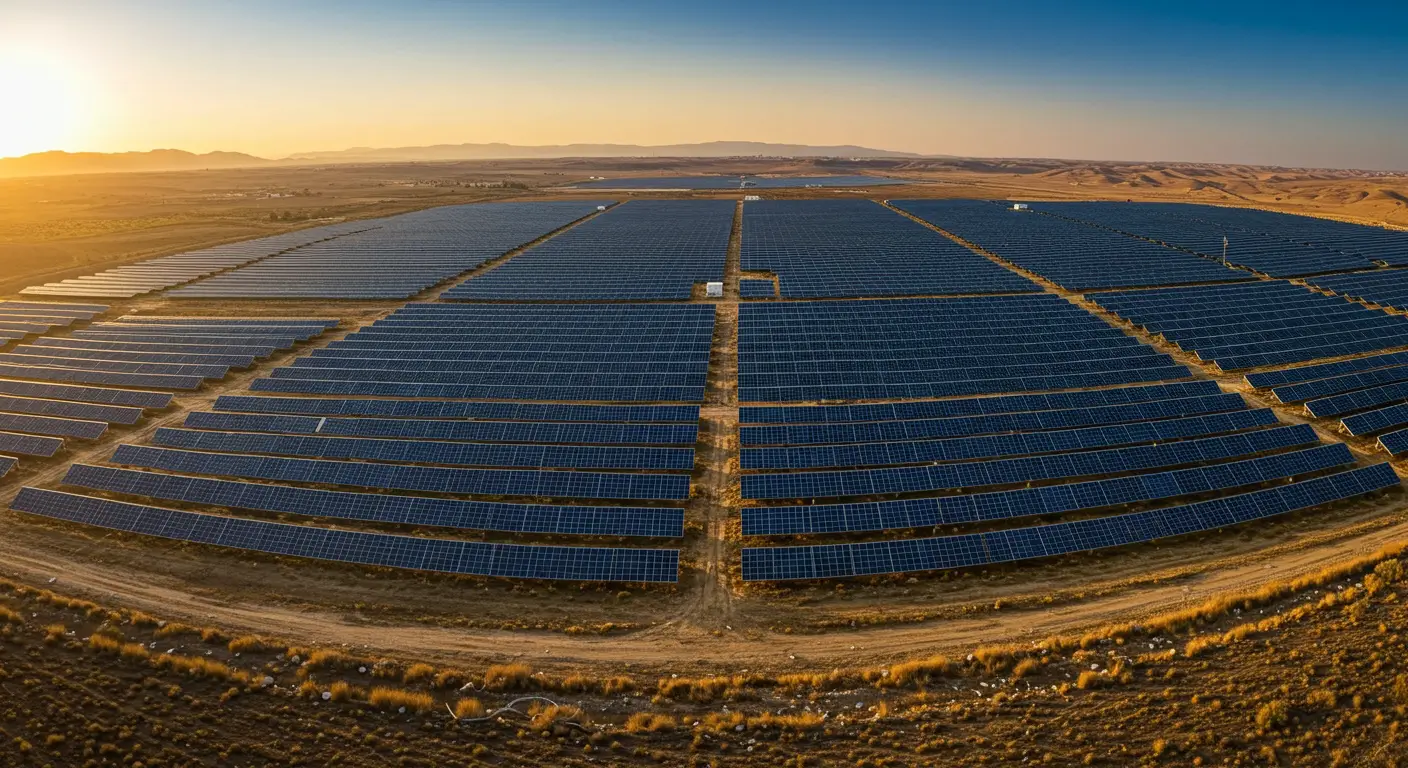
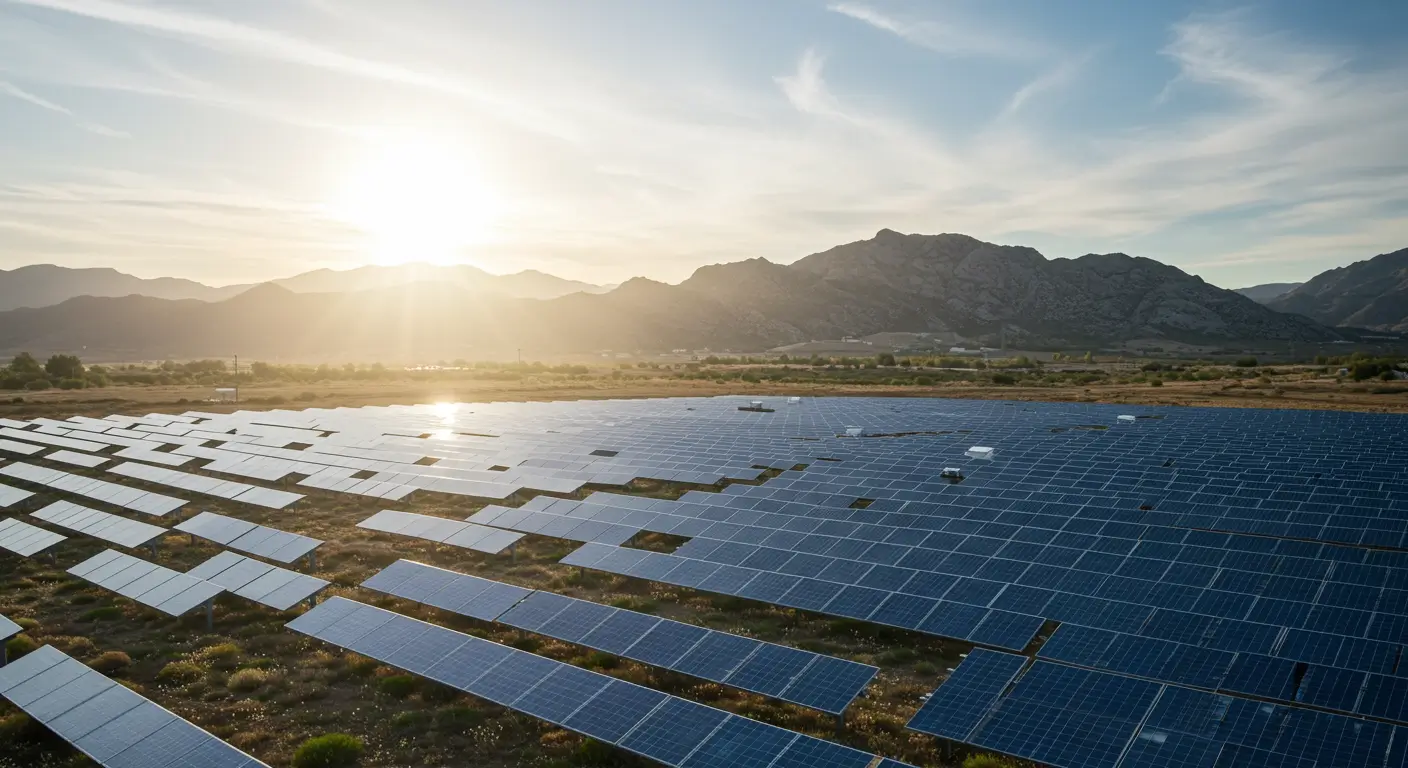
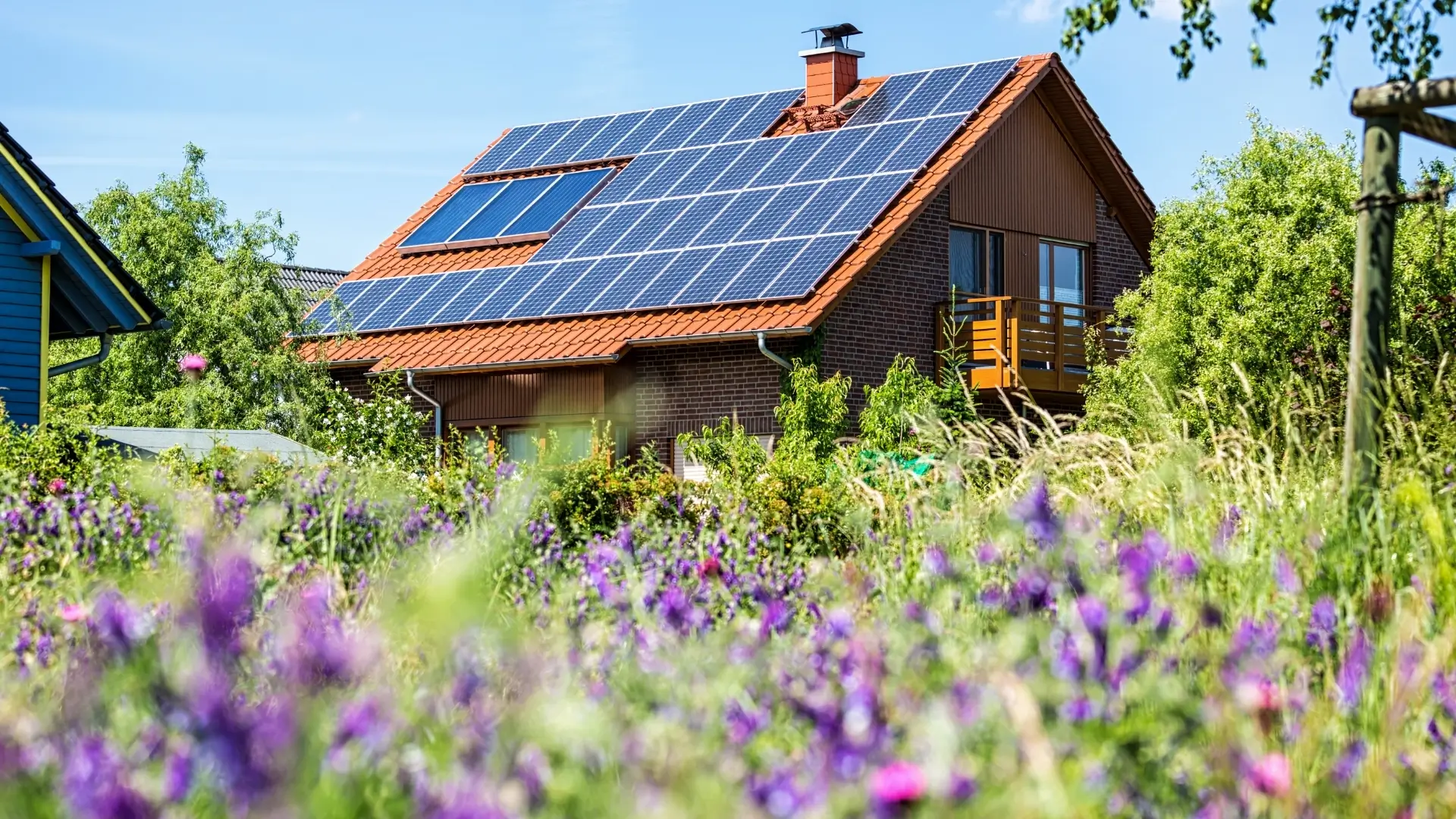
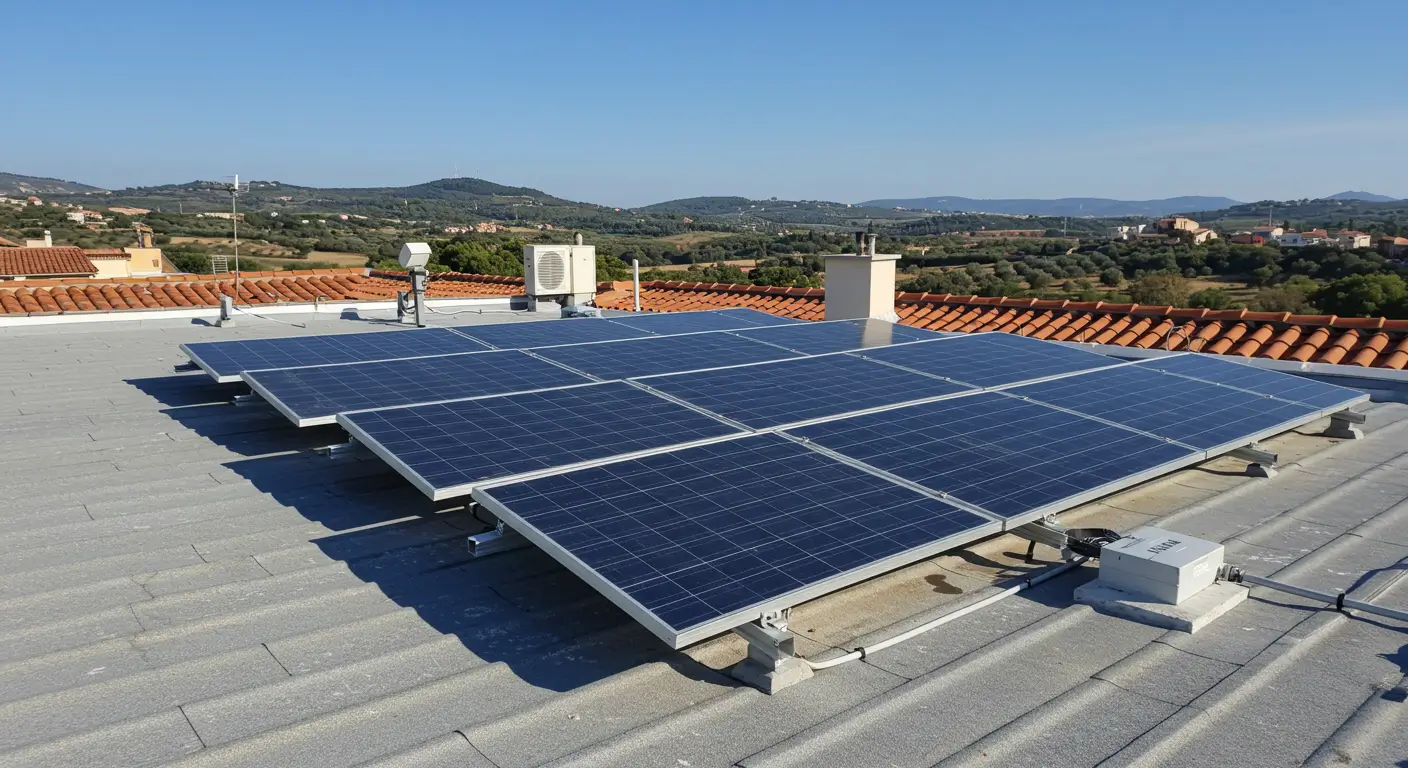
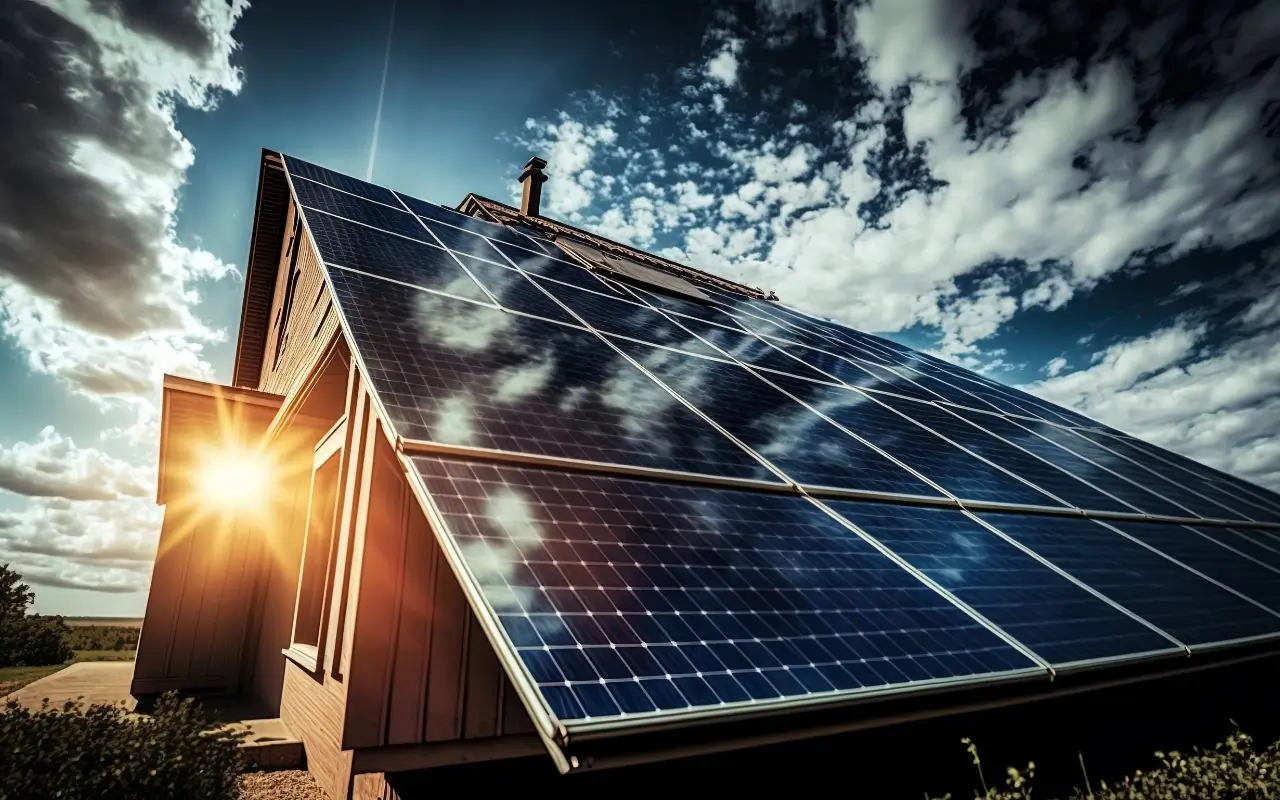
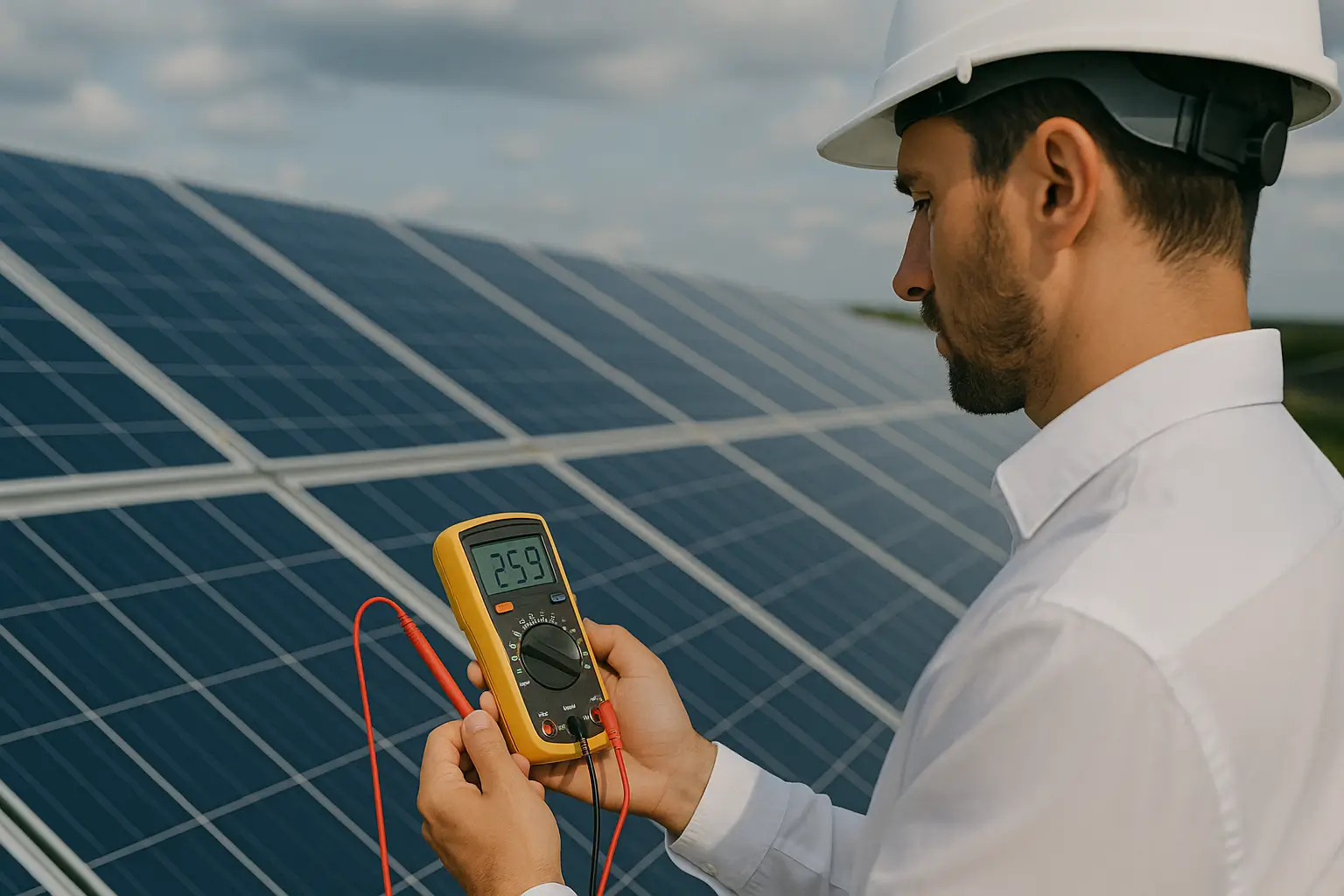
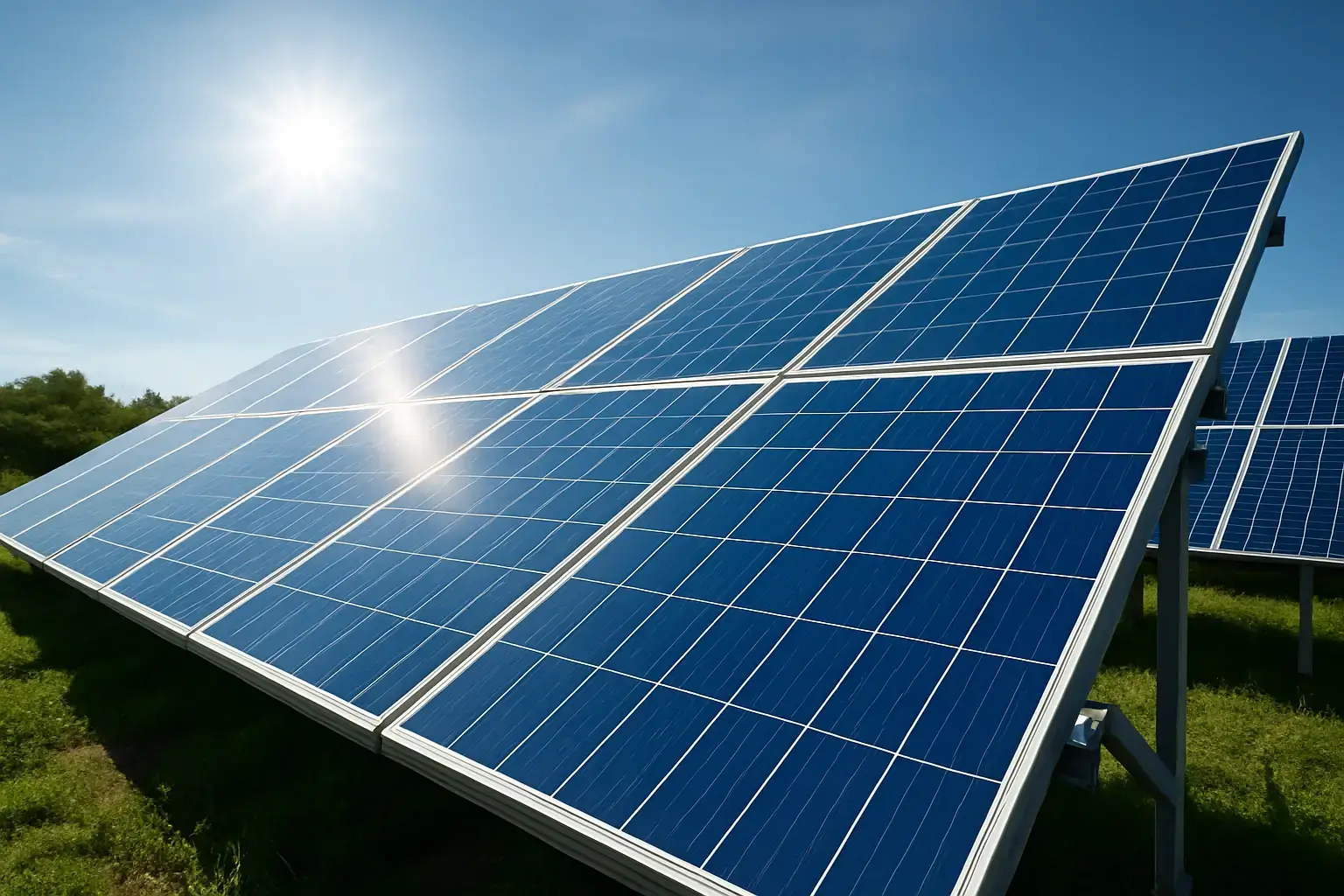
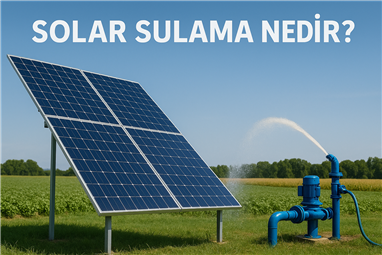
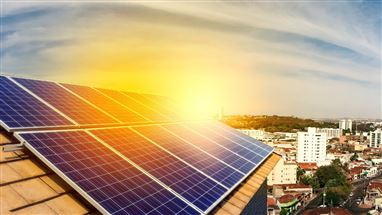
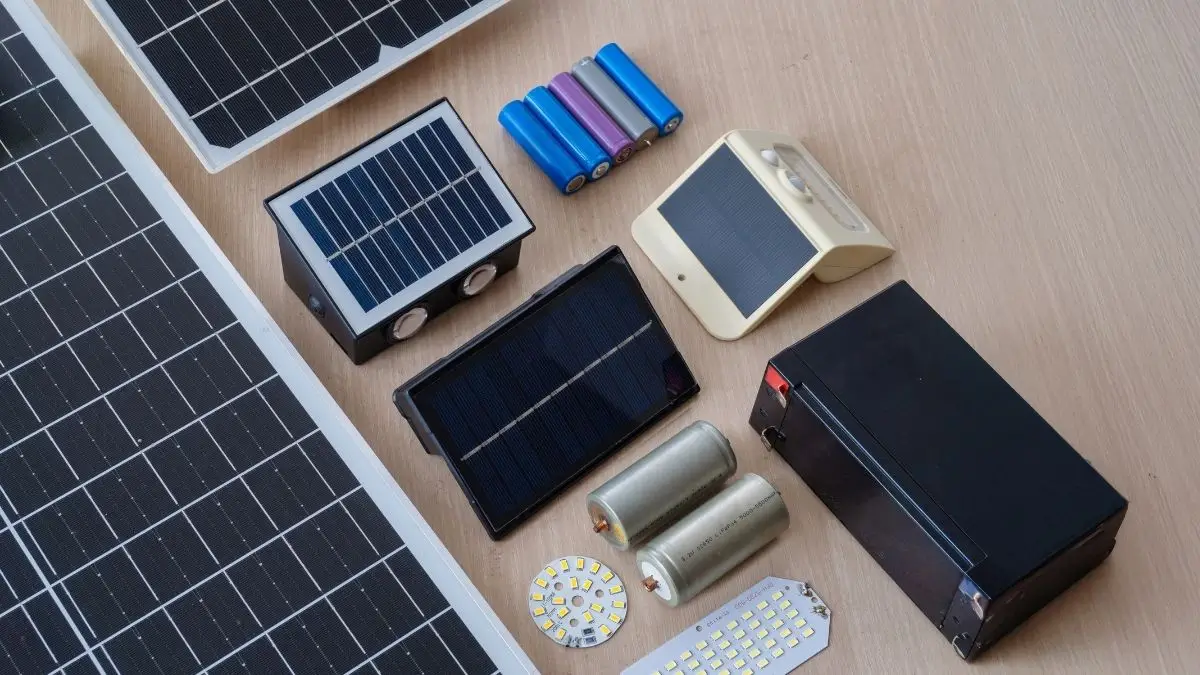
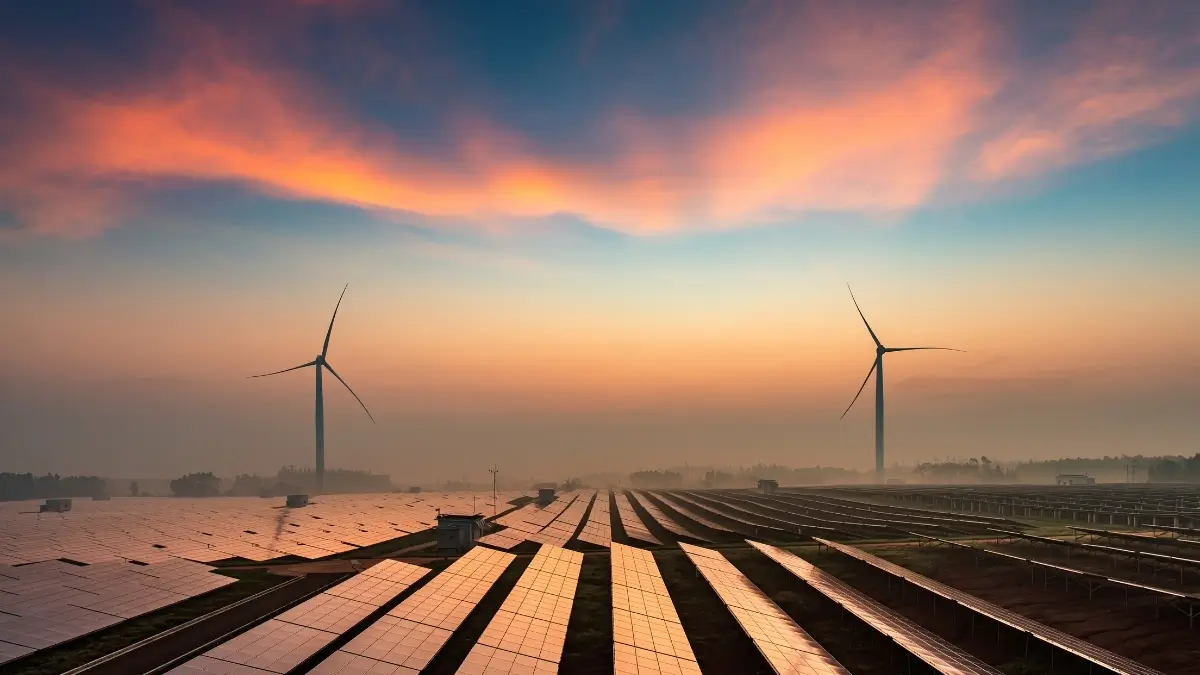
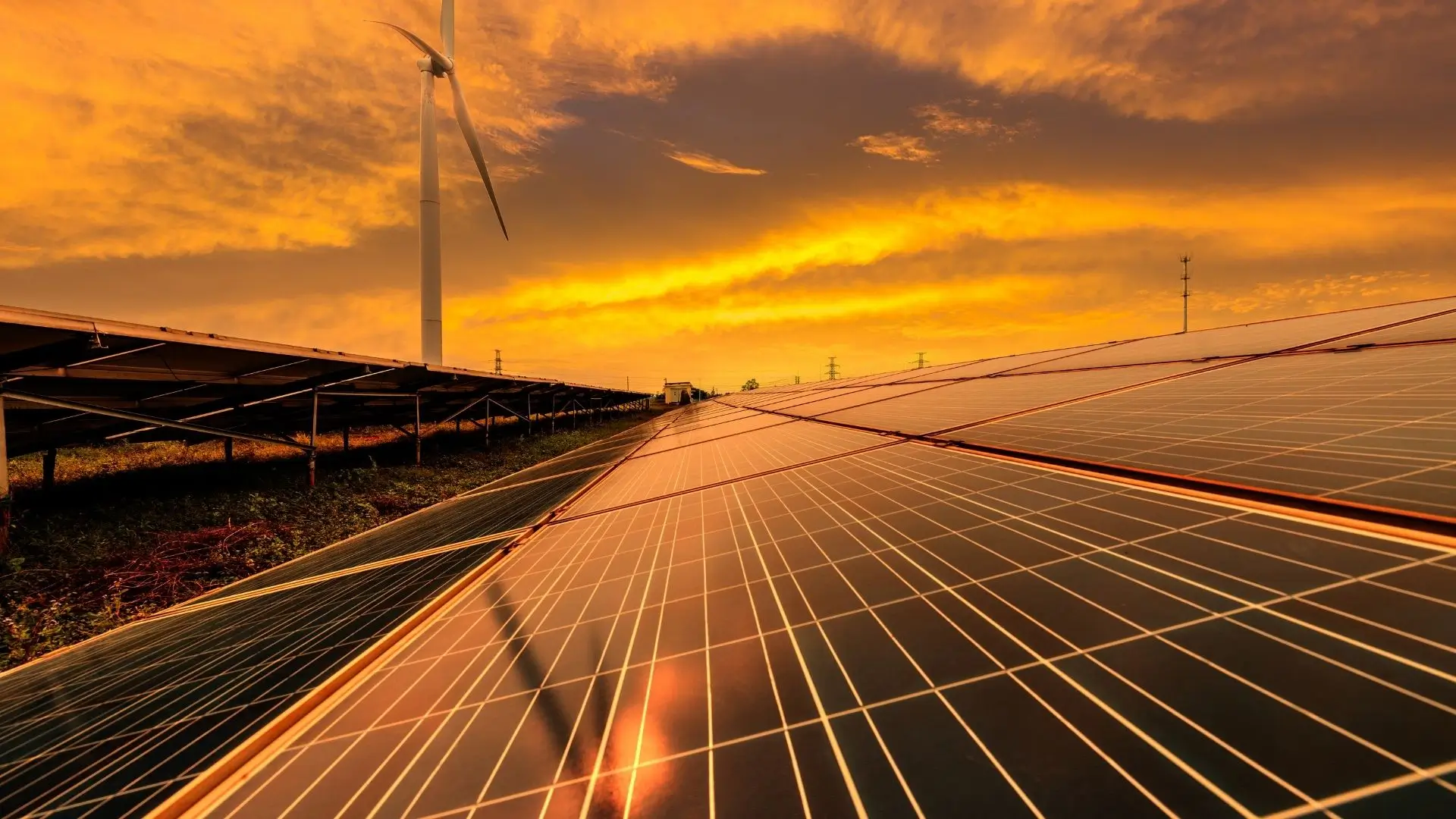
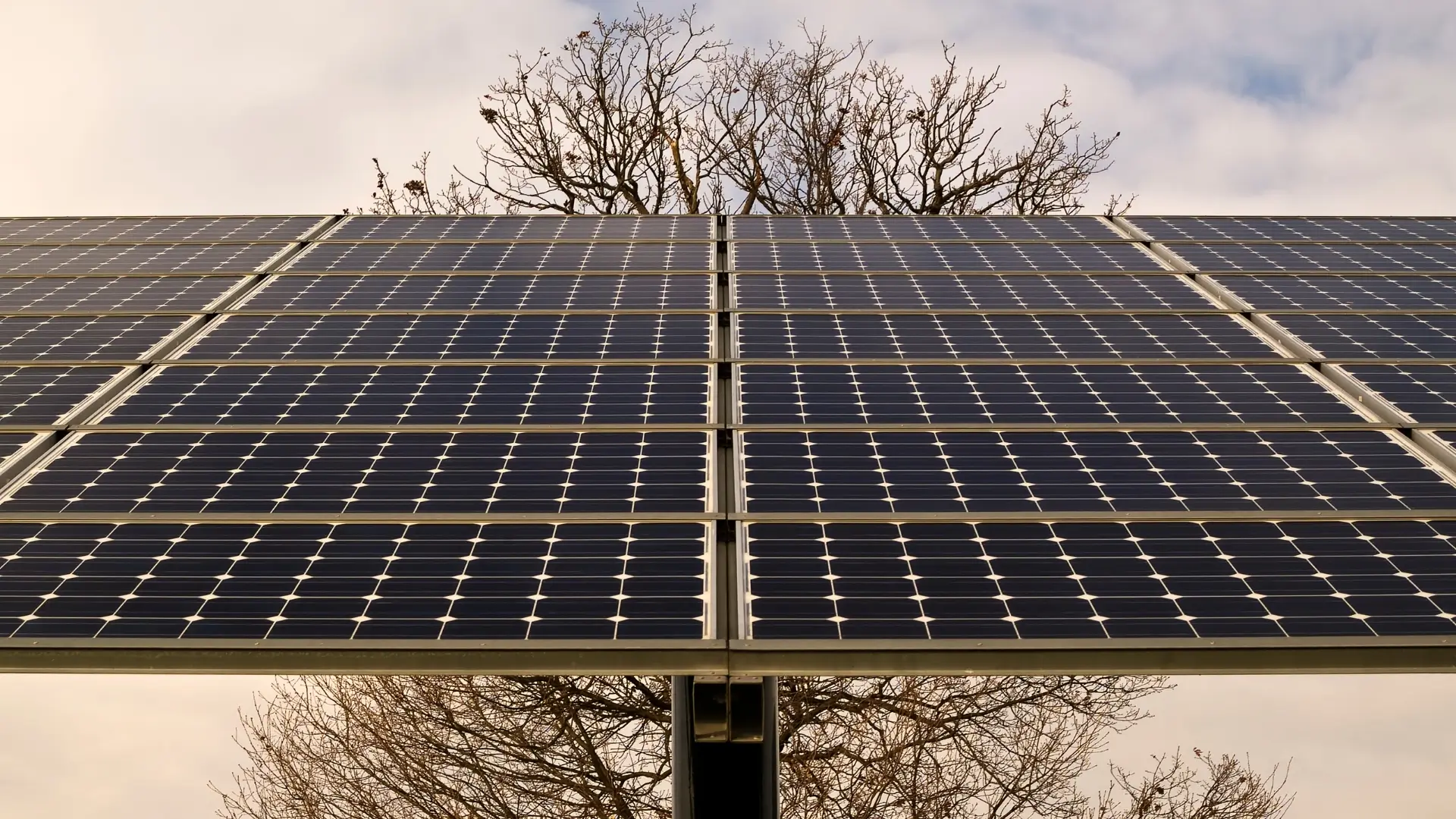
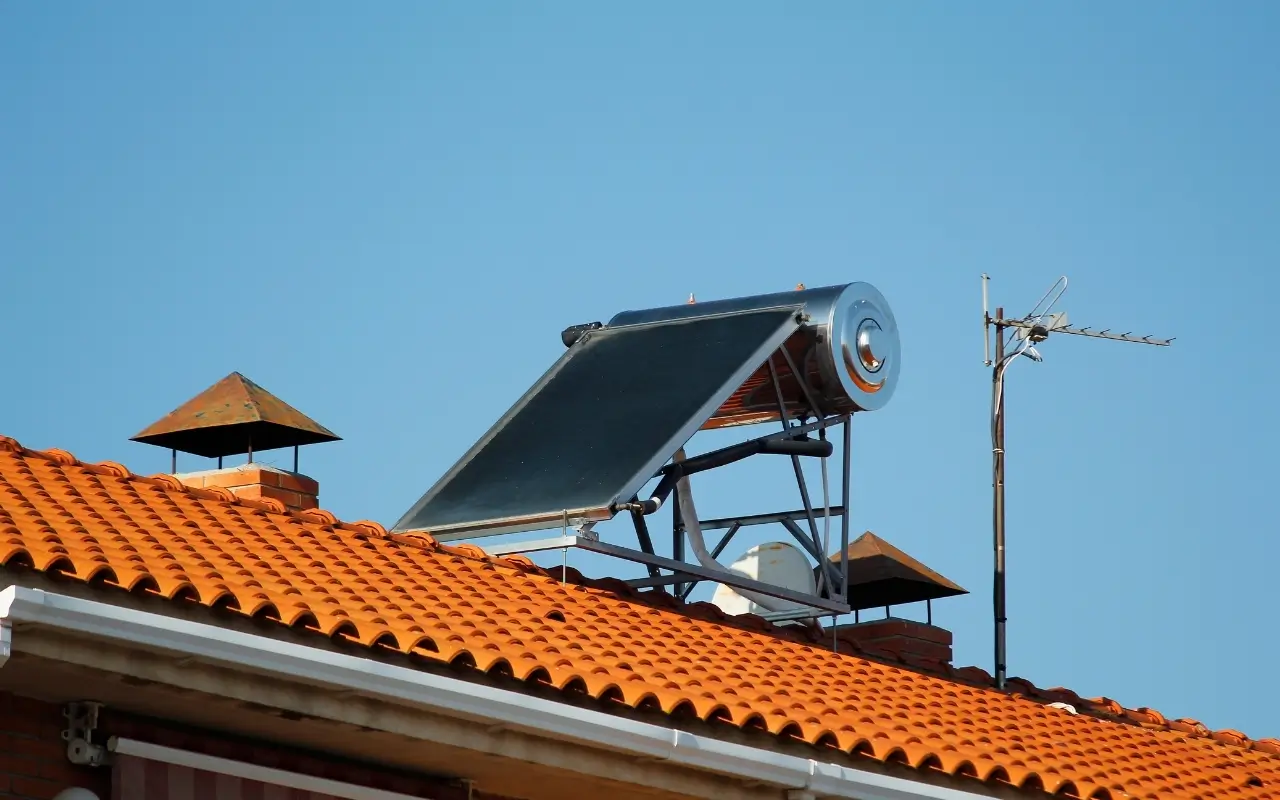
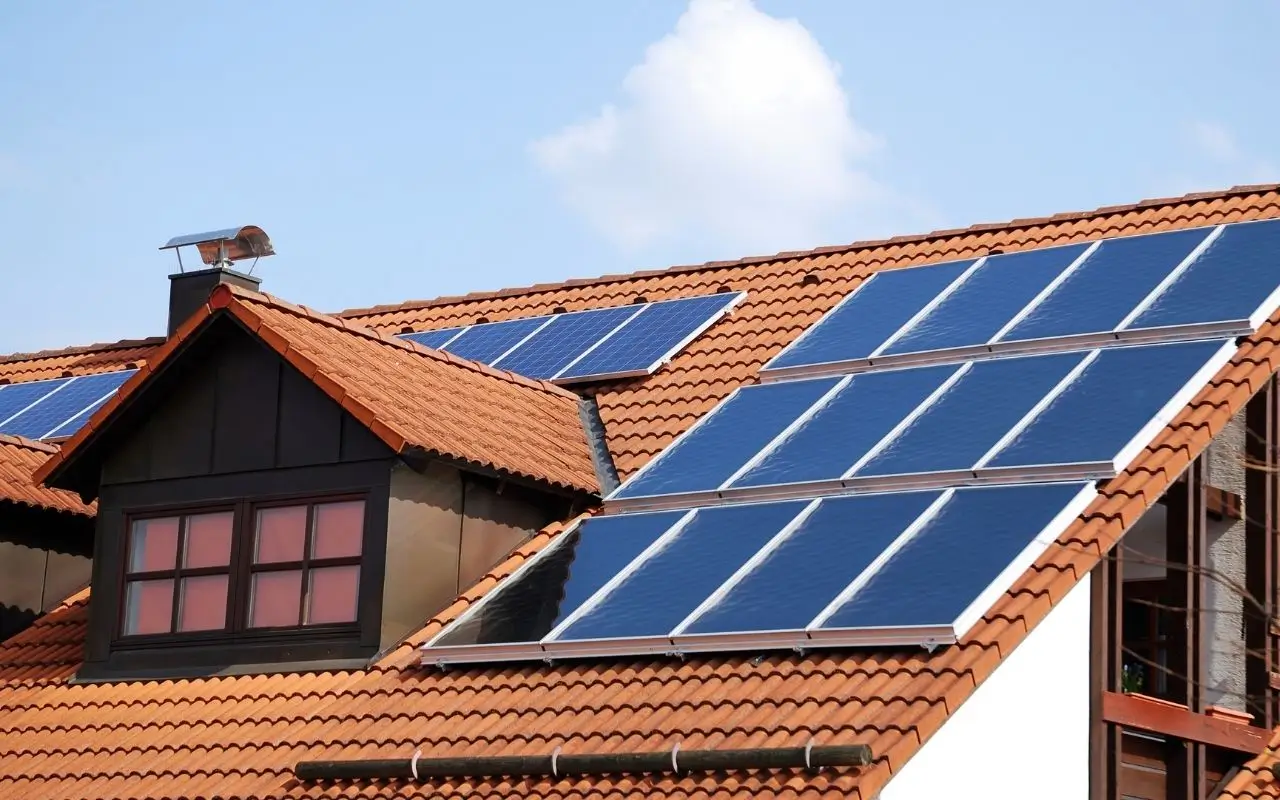
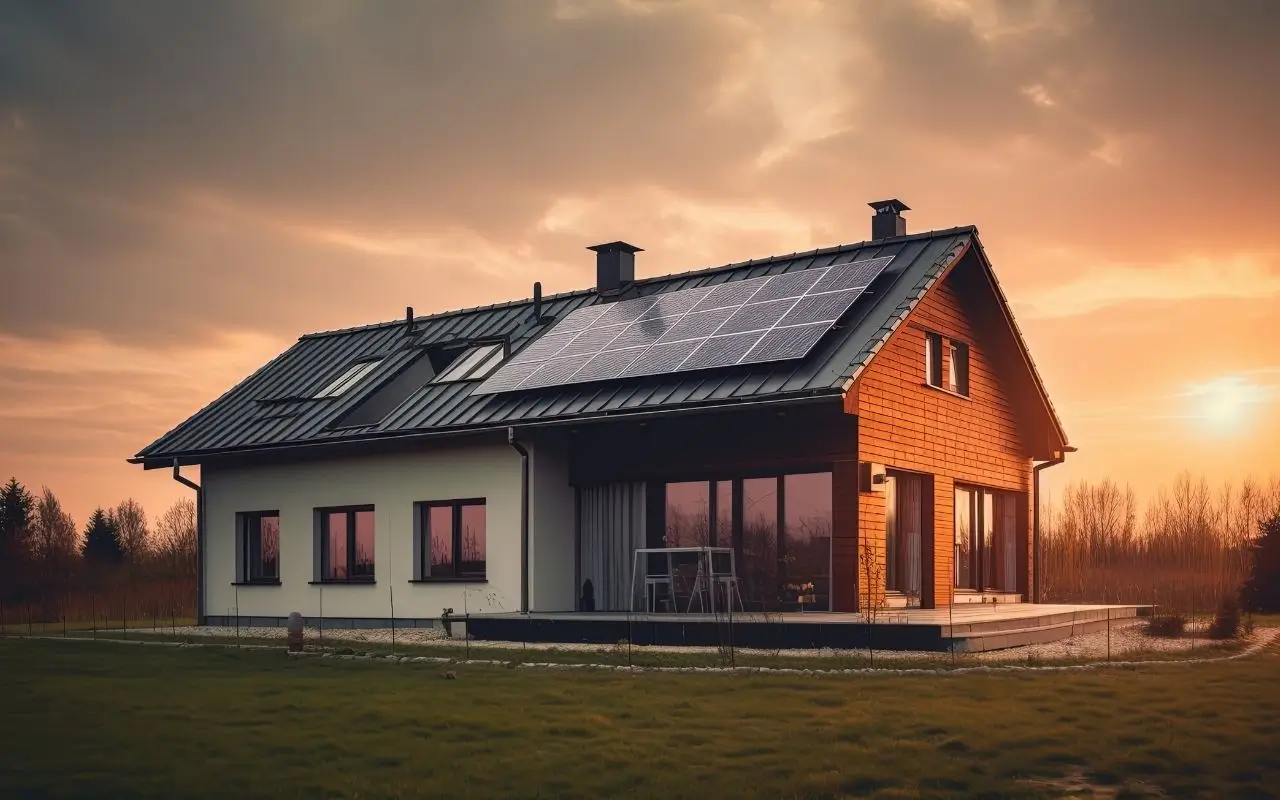
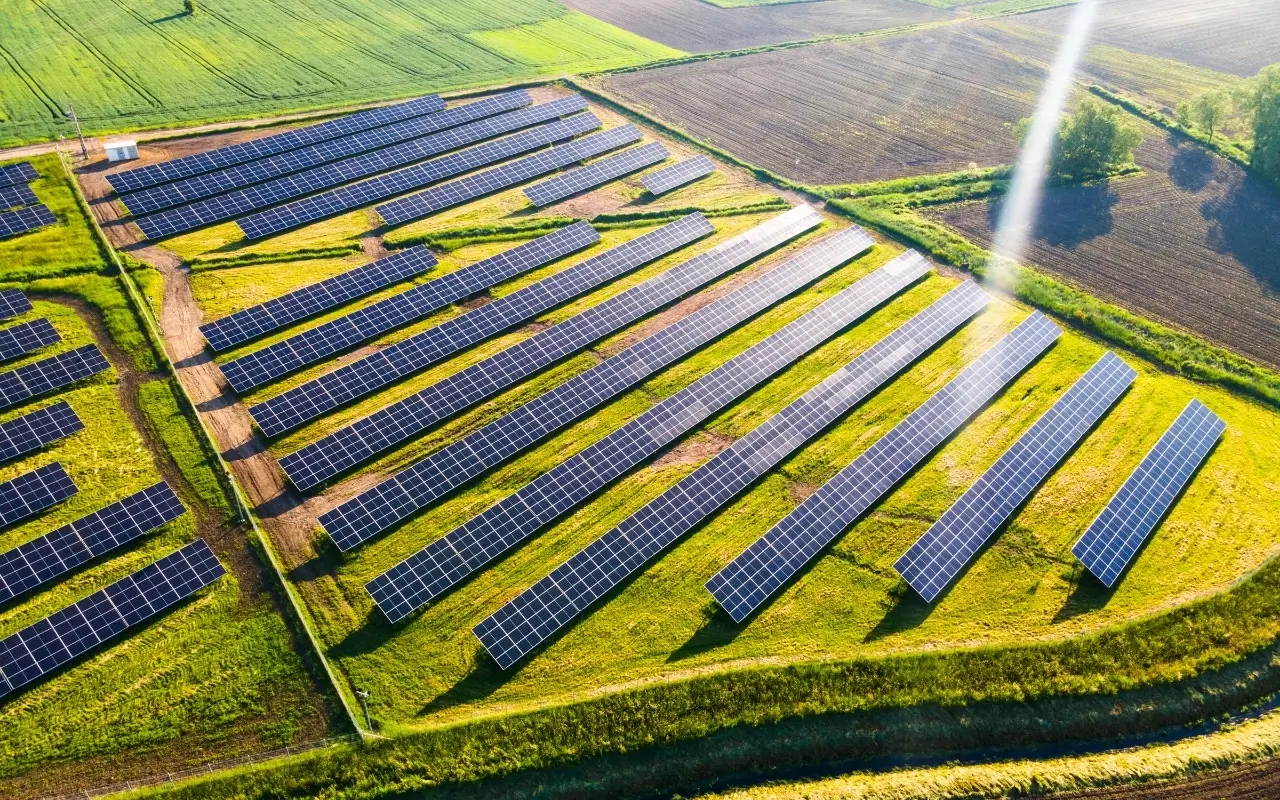
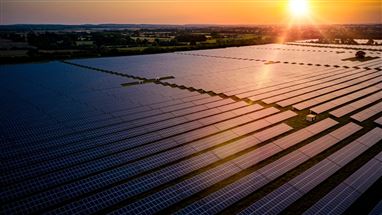
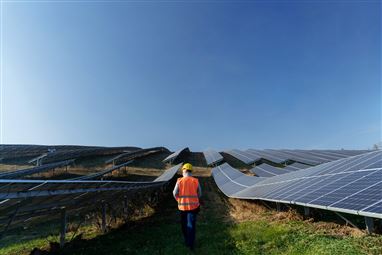
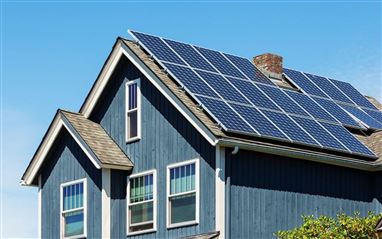
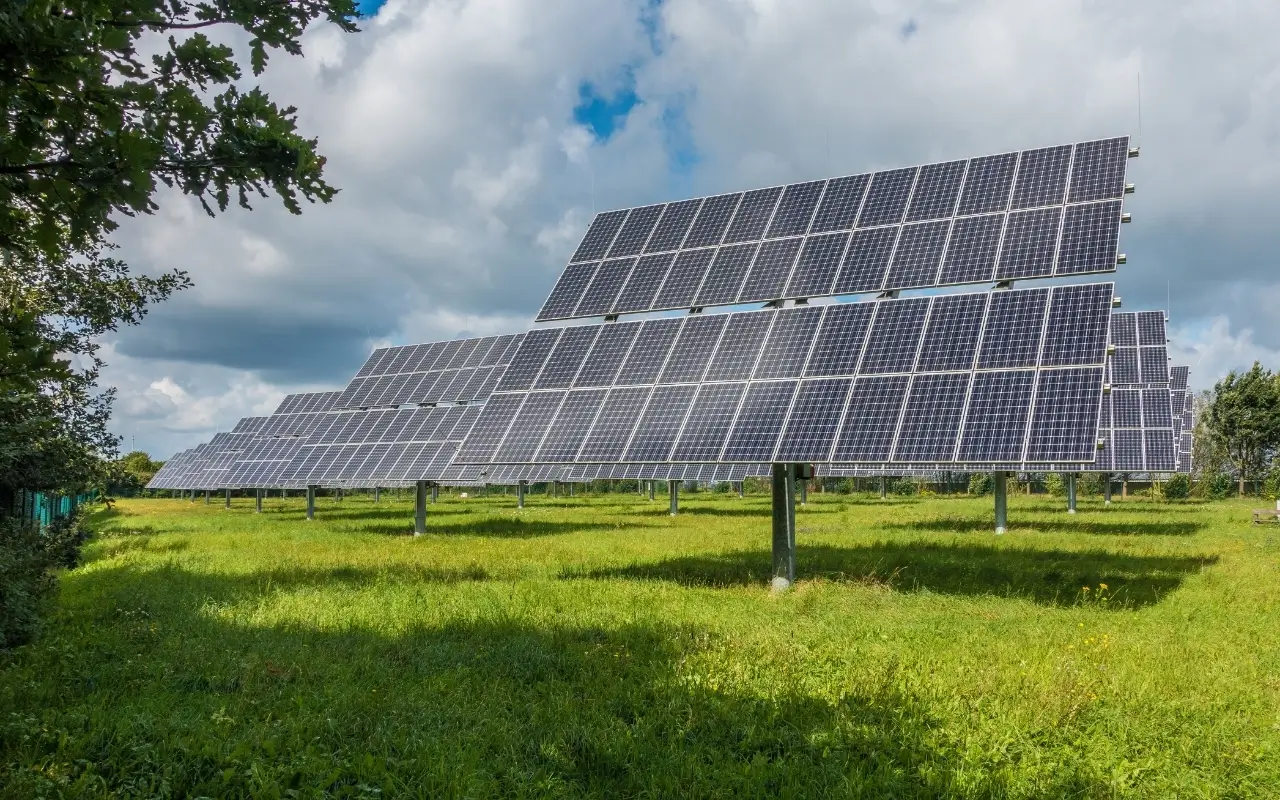
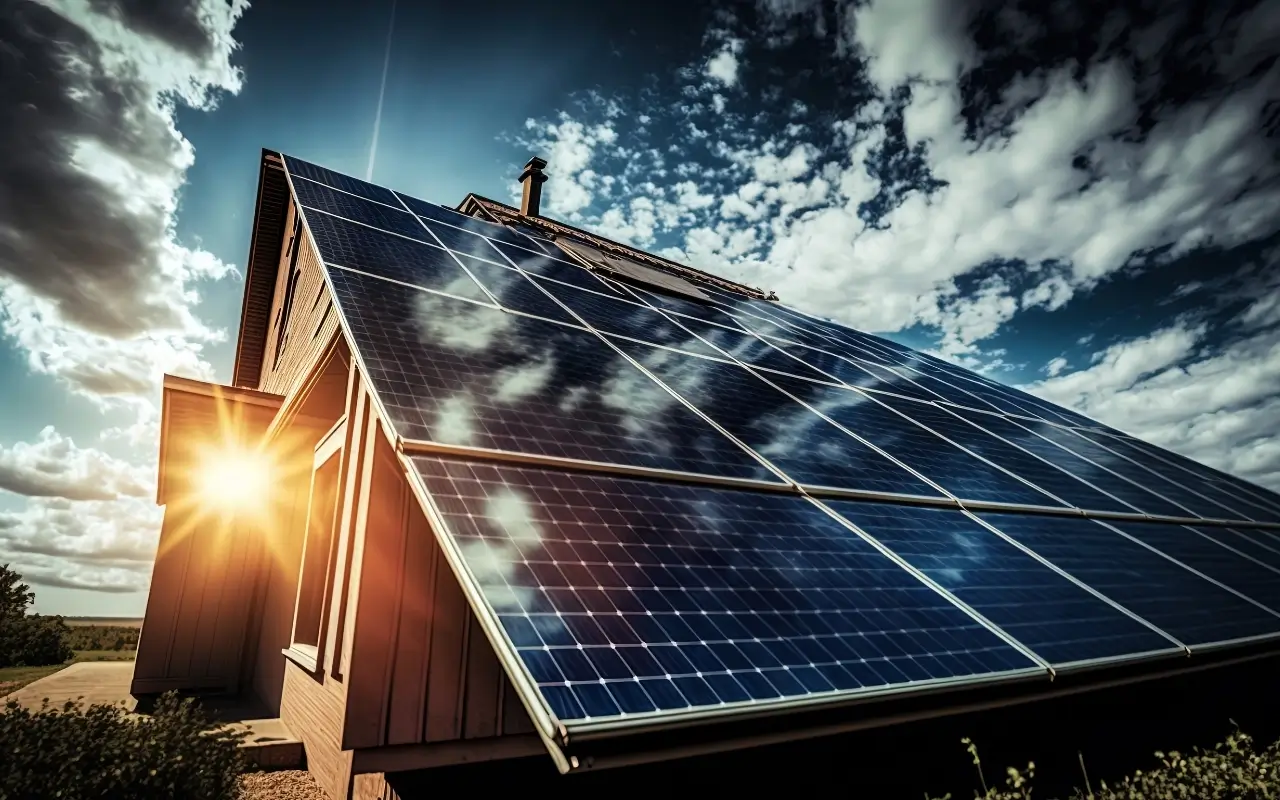
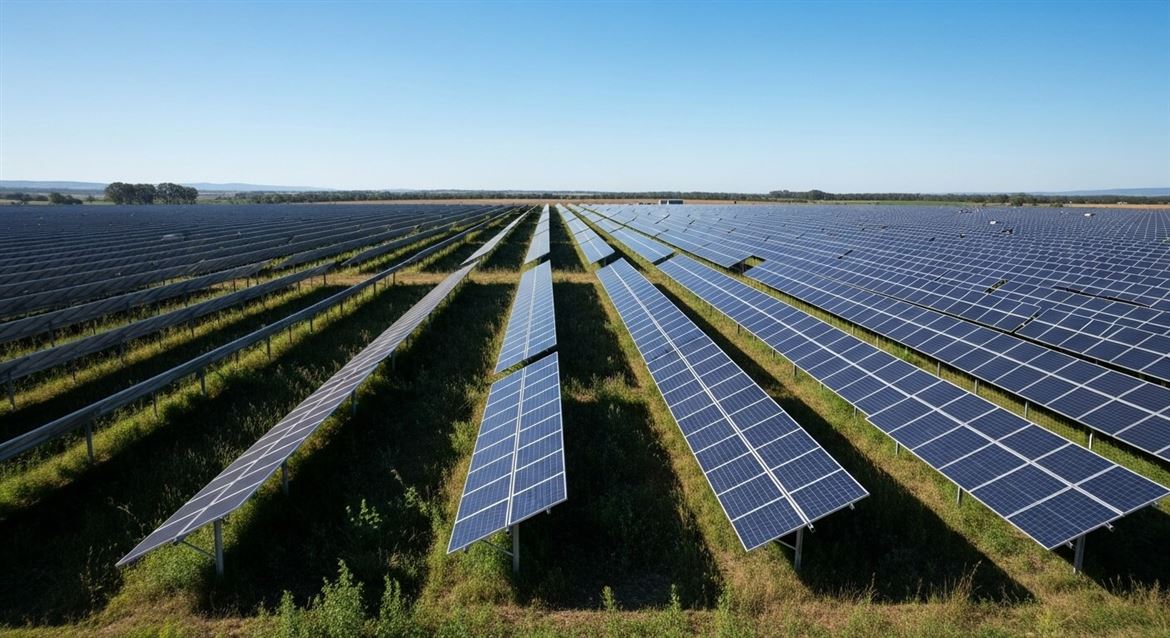
In unlicensed electricity generation, the upper limit for installed capacity has been increased to 5 MW with recent regulations. This capacity provides significant flexibility, especially for users who want to meet their own consumption. Thanks to this limit, a wide range of users, from small and medium-sized enterprises to homeowners, can transition to a more efficient and sustainable production structure.
This production model has attracted great interest in recent years because it simplifies investment processes. Removing the licensing requirement reduces bureaucratic burdens and accelerates investments in renewable energy. As the trend towards solar and wind resources grows, users gain the opportunity both to reduce their energy costs and to establish a more independent consumption structure.
In addition, this system contributes to a more balanced electricity grid. Since the surplus part of the electricity produced can be fed into the grid under certain conditions, it creates additional income potential for producers and strengthens local energy supply. For this reason, unlicensed generation, together with its economic advantages, is becoming a key component of a more sustainable energy transition.
What Is Unlicensed Electricity Generation?
Unlicensed electricity generation is a system that allows electricity production up to a certain capacity without the obligation to obtain a license. This model offers a highly practical solution especially for individuals and businesses that want to meet their own consumption. Thanks to the convenience it provides to investors, the shift towards renewable resources is increasing day by day and the process progresses much faster, as it eliminates complex permitting steps.
This production structure is generally based on natural resources such as solar and wind. In this way, an approach emerges that both reduces energy costs and minimizes environmental impacts. A user who meets their own needs can transfer surplus production to the grid within certain rules, depending on their consumption balance. This makes the system operate more efficiently.
Since the investment process in unlicensed models progresses with lower costs, participation in the energy transition becomes easier. In particular, small and medium-sized enterprises prefer this area to both reduce their bills and take steps focused on sustainability. Regulations provide a framework that aims to make this type of production more accessible.
This approach not only provides economic advantages but also plays a role in strengthening regional energy supply. The inclusion of more producers in the system reduces the load on the electricity grid and supports local generation. Thus, diversity in energy policies increases, while users take a step towards a more independent consumption culture.
What Is the Unlicensed Electricity Generation Limit?
The unlicensed electricity generation limit is the upper power threshold that allows users to generate energy at a certain capacity without the obligation to obtain a license. This capacity generally covers investors who want to meet their own consumption and is applied in line with the framework set by regulations. Clearly defining the limit ensures that investment processes progress in a more predictable way and increases the shift towards renewable resources.
Systems installed within this limit offer a more practical application process and reduce the producer’s bureaucratic burden. A highly attractive structure emerges for businesses that want to lower their energy costs. Since the defined power range affects both the installation phase and the operating model, the limit becomes an important component of a sustainable energy approach.
What Is the Situation of Selling Electricity to the State?
Selling electricity to the state is a process that takes place when surplus production is transferred to the grid within certain rules. This system allows investors engaged in unlicensed generation to monetize the electricity that exceeds their consumption. In the distribution region where the producer is connected, surplus energy is recorded through measurements and payments are made according to the applicable tariffs.
This mechanism is an important step in supporting generation based on renewable resources. A user who meets their consumption from sources such as solar or wind feeds their surplus electricity into the system in a way that contributes to the country’s supply structure. In this way, the producer becomes stronger economically and the local energy balance is positively affected.
This opportunity provided by the state increases the participation of small and medium-sized investors in the energy sector. Producers who complete their installation can continue their sales by following regular measurement and reporting processes. This structure both shortens the investment payback period and contributes to the development of sustainable energy policies.
Is It Possible to Produce Free Electricity?
The concept of producing free electricity basically refers to achieving a cost-free energy flow in the long term by utilizing natural resources. Since resources such as sun, wind or water do not require a usage fee, a continuous energy cycle can be established with proper installation. The low operating costs after the initial investment make this approach attractive and provide a significant advantage to the user.
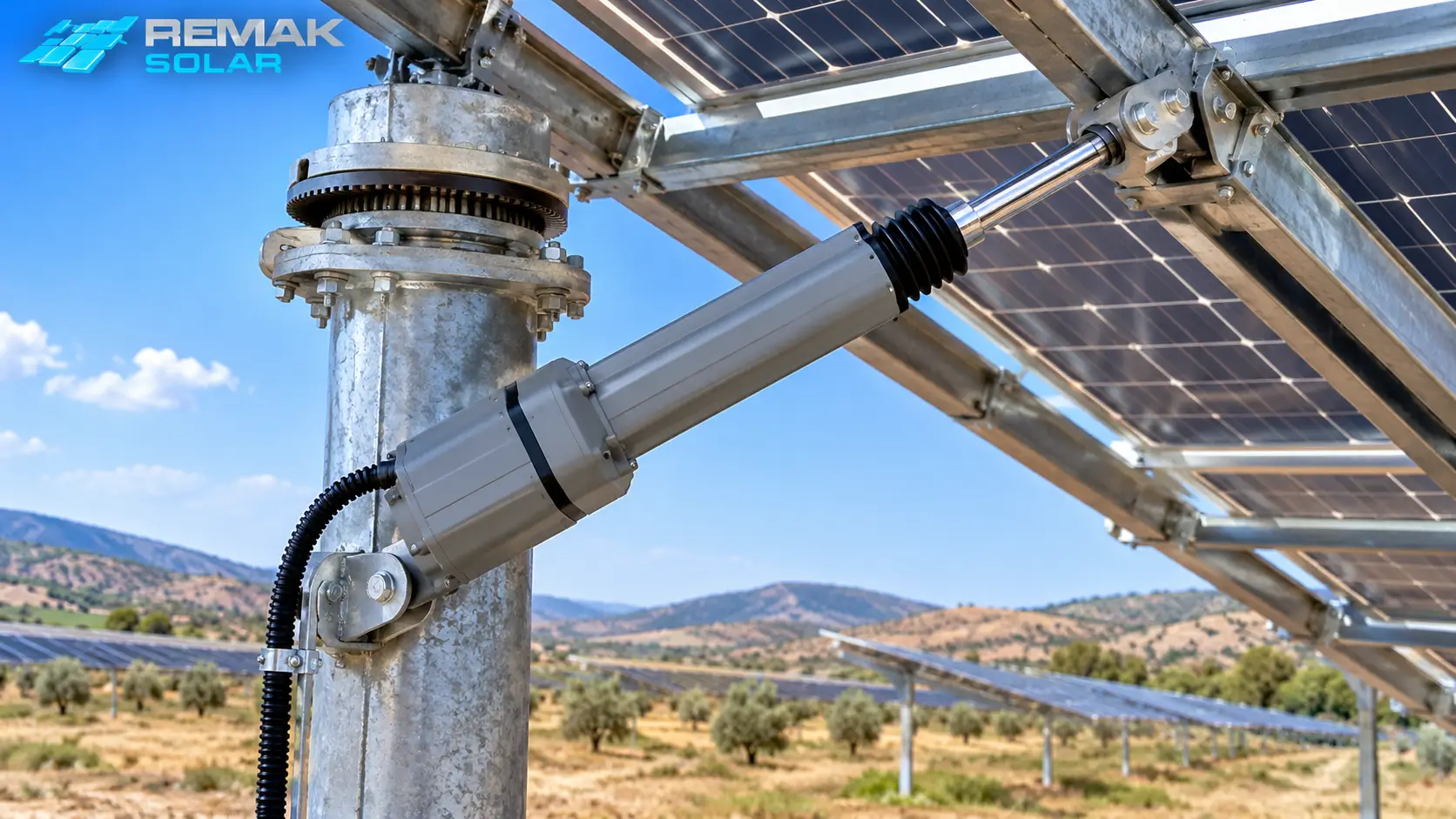
Solar panels are among the most common solutions in this regard. After installation, maintenance needs are quite limited and they provide uninterrupted energy for many years. Wind turbines or micro-hydro systems also offer similar efficiency in suitable regions. In this way, users who meet a large portion of their electricity needs with their own production can significantly reduce their bills.
Although these methods use free resources, they do require a certain budget at the installation stage. However, the savings achieved in the long term support this investment and establish an independent energy structure. Therefore, systems that make use of natural resources become one of the most rational steps in the search for sustainable energy.
Frequently Asked Questions About Unlicensed Electricity Generation
1. Is the application process for unlicensed electricity generation difficult?
No, it is quite straightforward. You apply to the relevant distribution company, complete the required documents and move on to the installation phase after the technical review.
2. How much electricity can I generate with this system?
You can design the system according to your needs, as long as you stay within the defined power limits. Installed capacity is shaped by factors such as roof area or land size.
3. Can I sell the surplus electricity I produce to the state?
Yes, the amount of energy generated above your consumption can be transferred to the grid within the defined rules and you can receive payment in return.
4. Do installation costs pay back over time?
Generally, the system pays for itself within a few years. The rate of savings depends on your consumption profile and system capacity.
5. Is solar energy suitable for unlicensed generation?
It is one of the most preferred resources. It requires little maintenance and offers long service life.
6. Can wind energy also be considered within this scope?
Yes, unlicensed generation is possible with wind turbines in regions with suitable wind speeds. Selecting the right location is a critical factor here.
7. Do I need to have technical knowledge to have the system installed?
No, expert teams design the project, complete the installation and commission the system. There is no requirement for technical knowledge on the user side.
8. Are post-installation maintenance costs high?
They are generally low. Annual inspections are sufficient and the equipment operates smoothly for a long time.
9. Can I build a completely independent energy structure with unlicensed generation?
Depending on your consumption level, you can achieve a largely independent structure. However, grid connection is important for safety.
10. What is the lifespan of the system?
Solar panels operate efficiently for an average of 25 years. Inverters and other equipment also have a long service life, so it can be considered a long-term investment.
Do Comment