
Other Blog
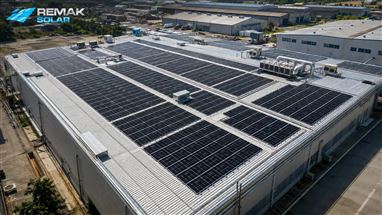
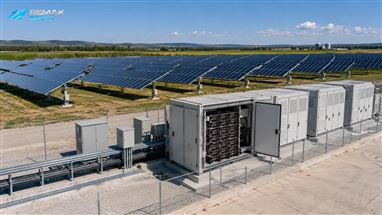
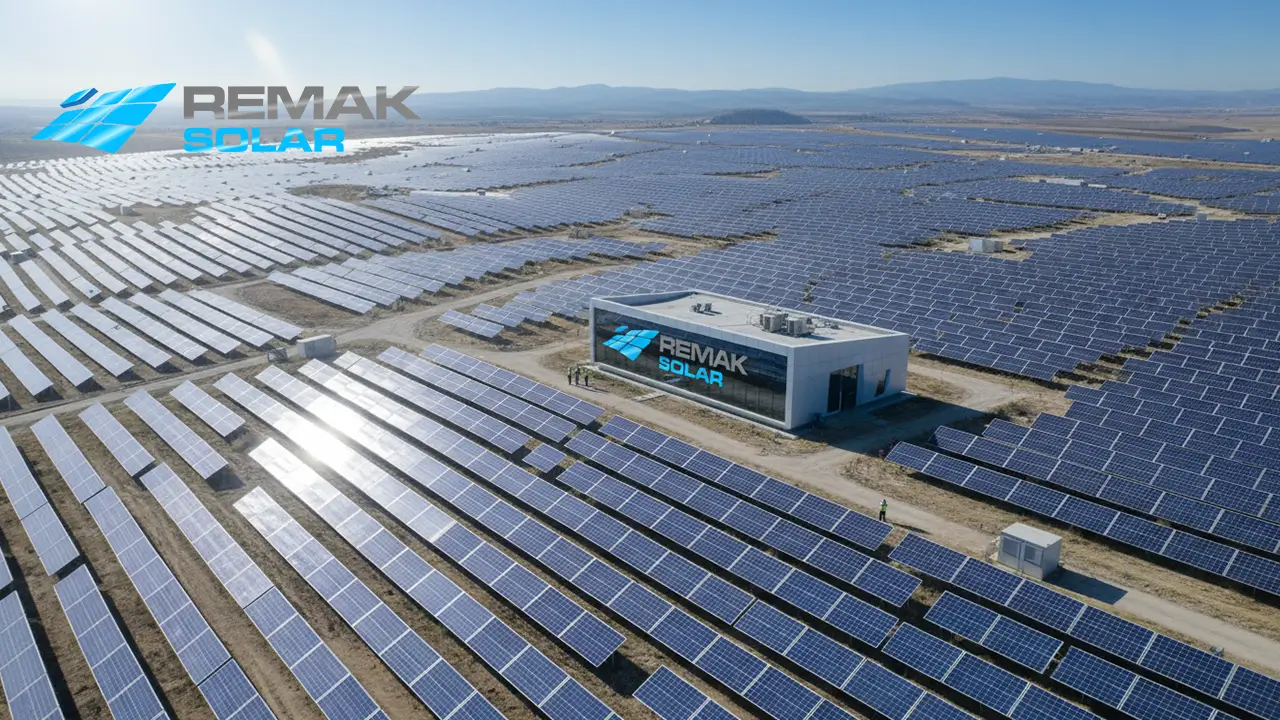
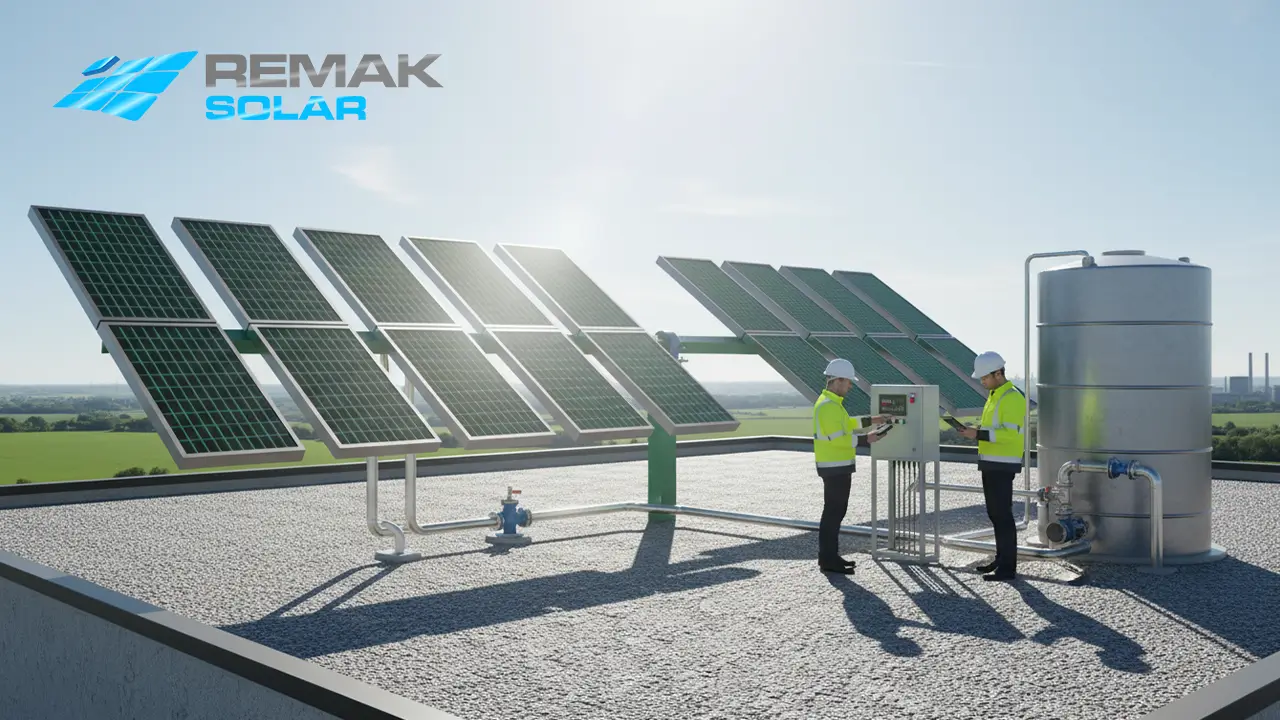
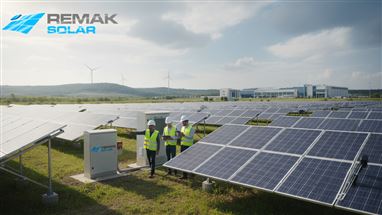
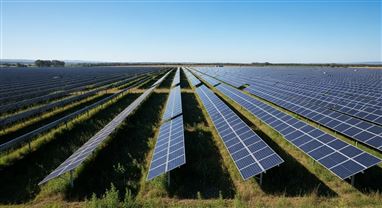
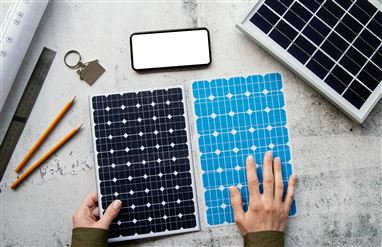
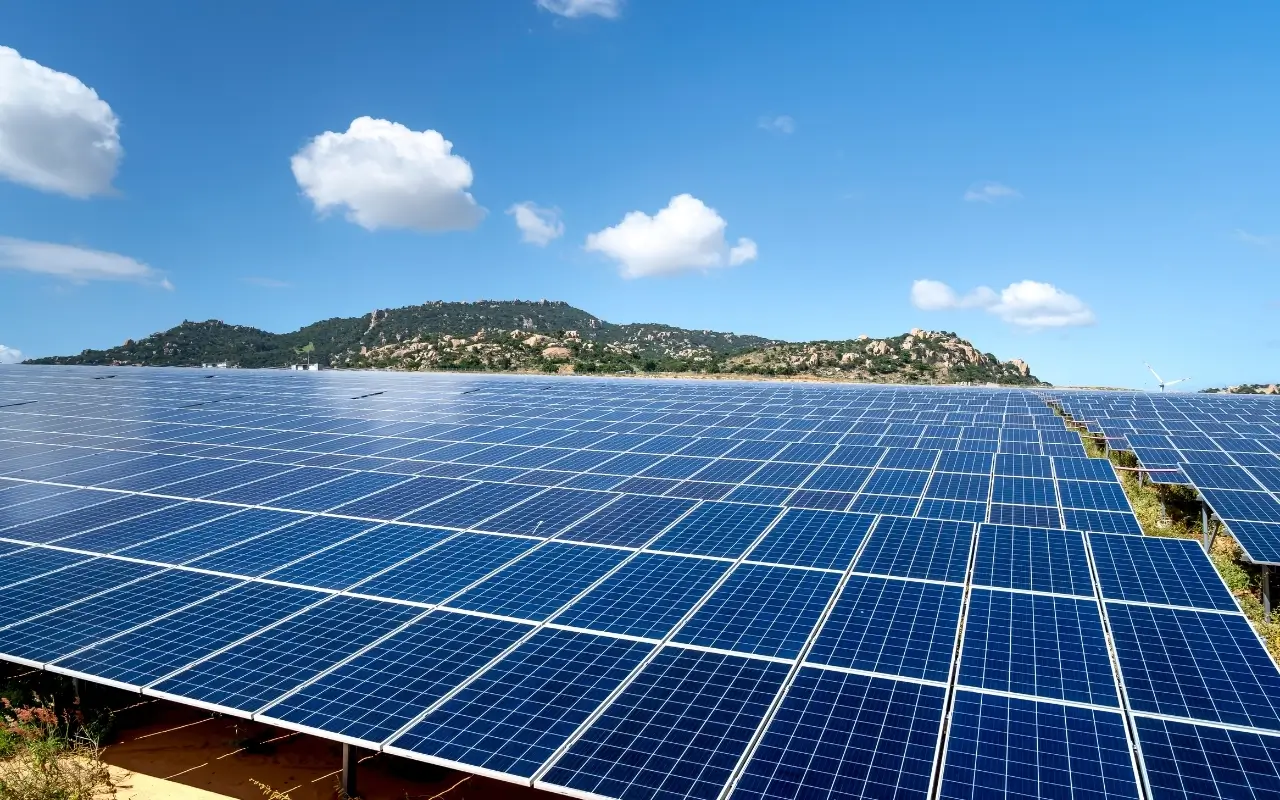
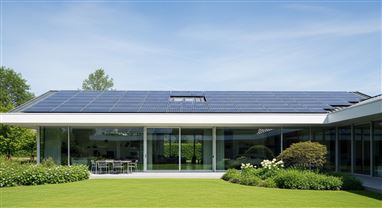
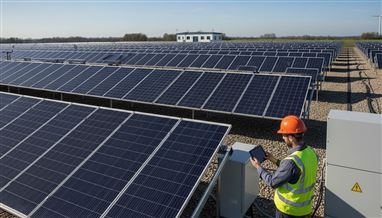
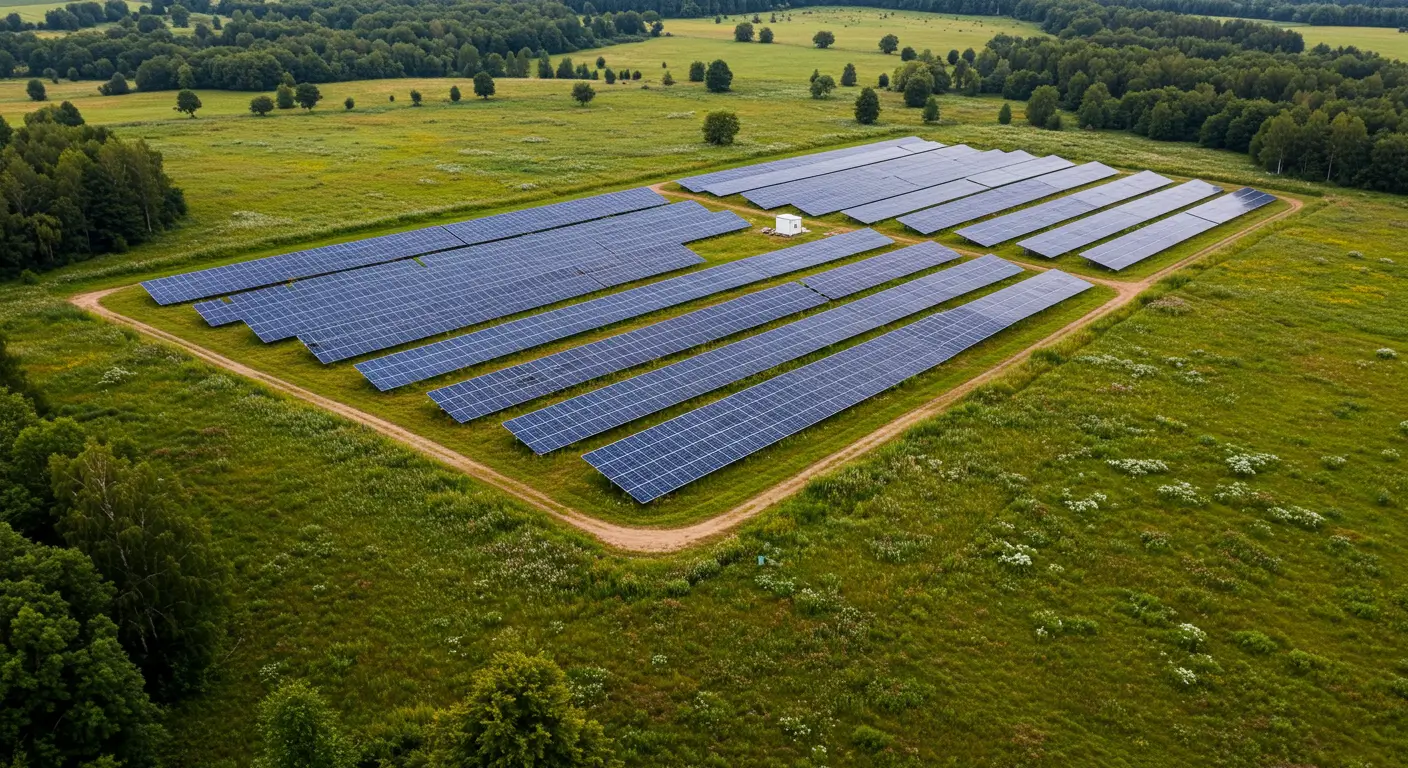
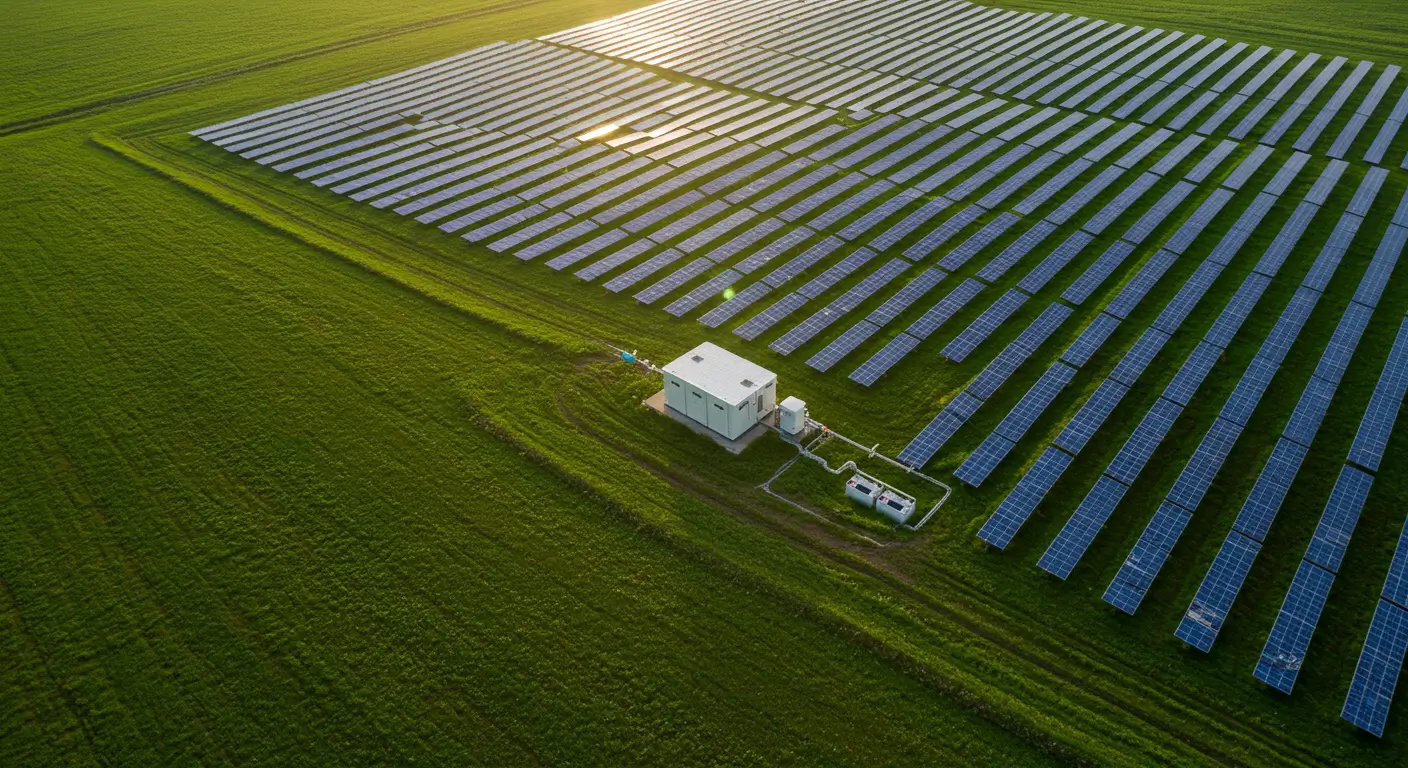
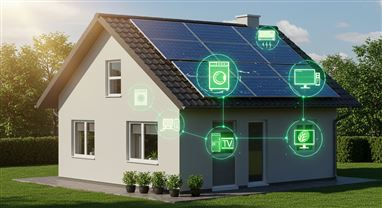
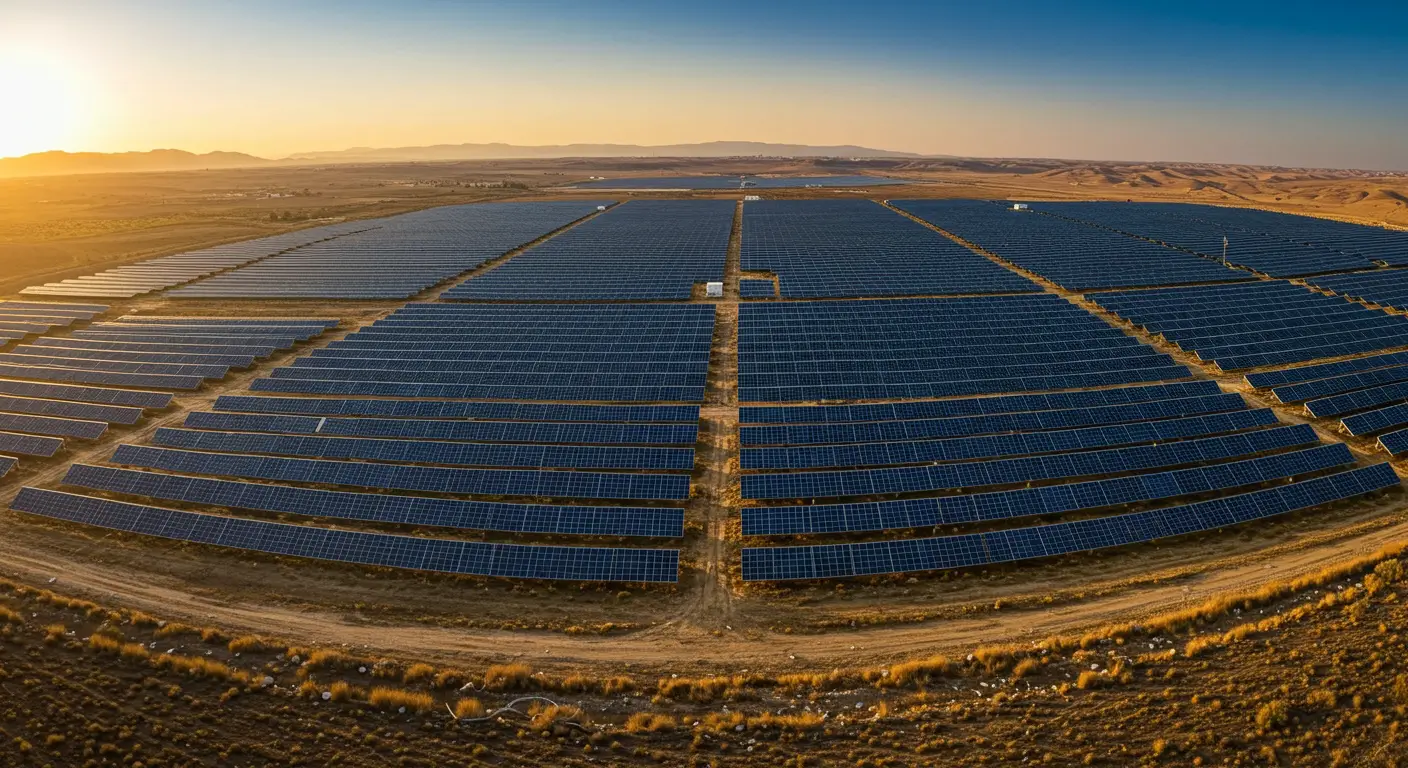
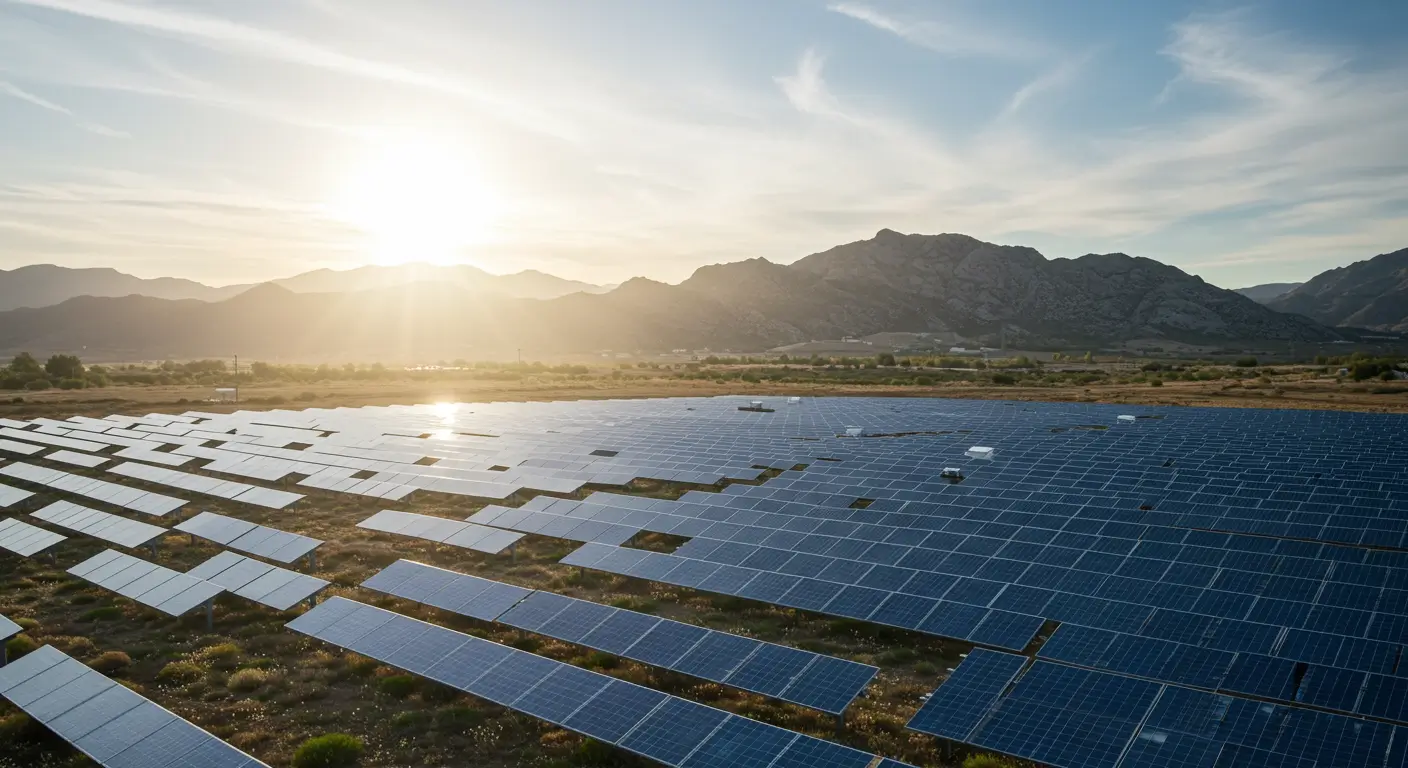
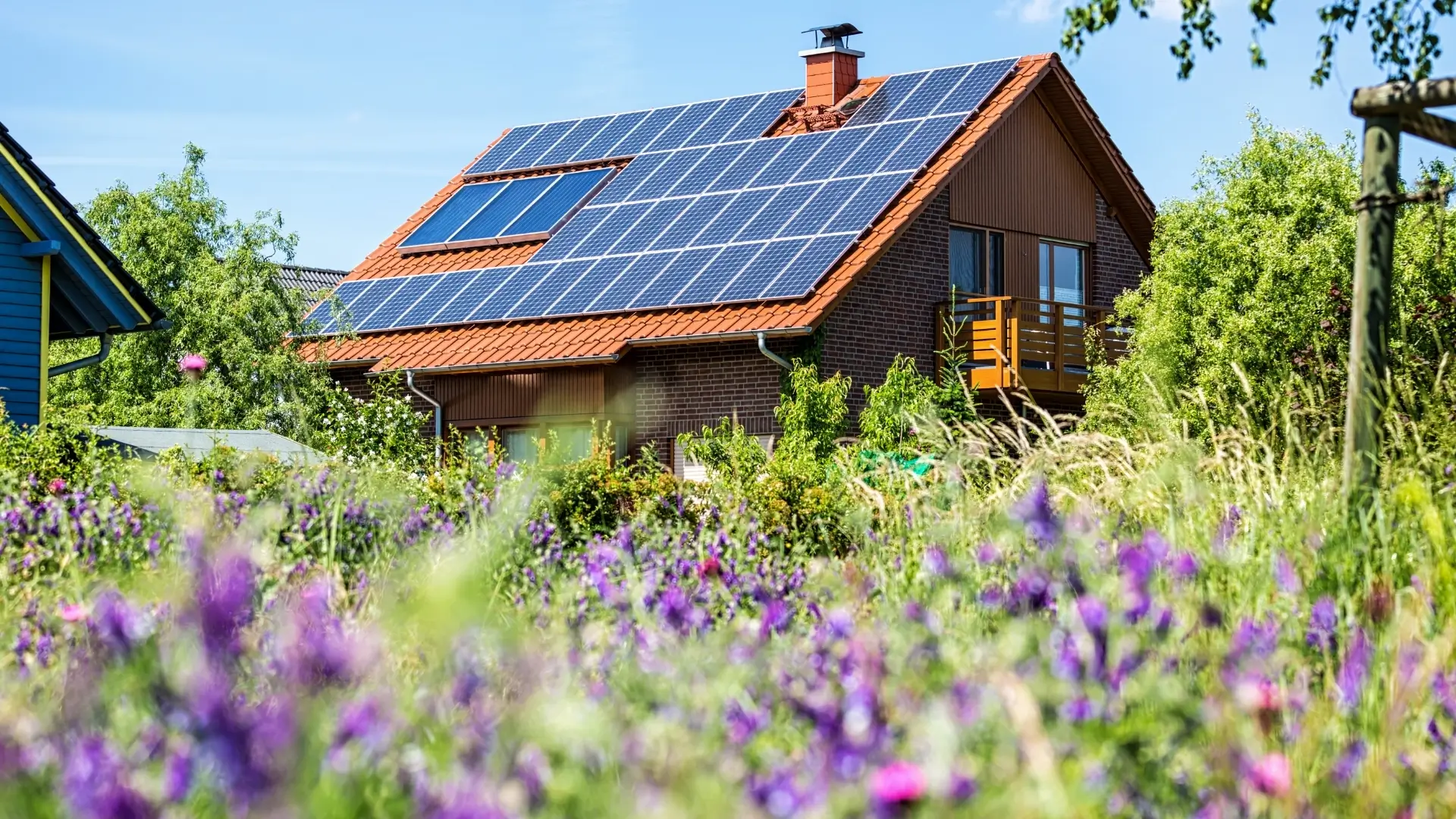
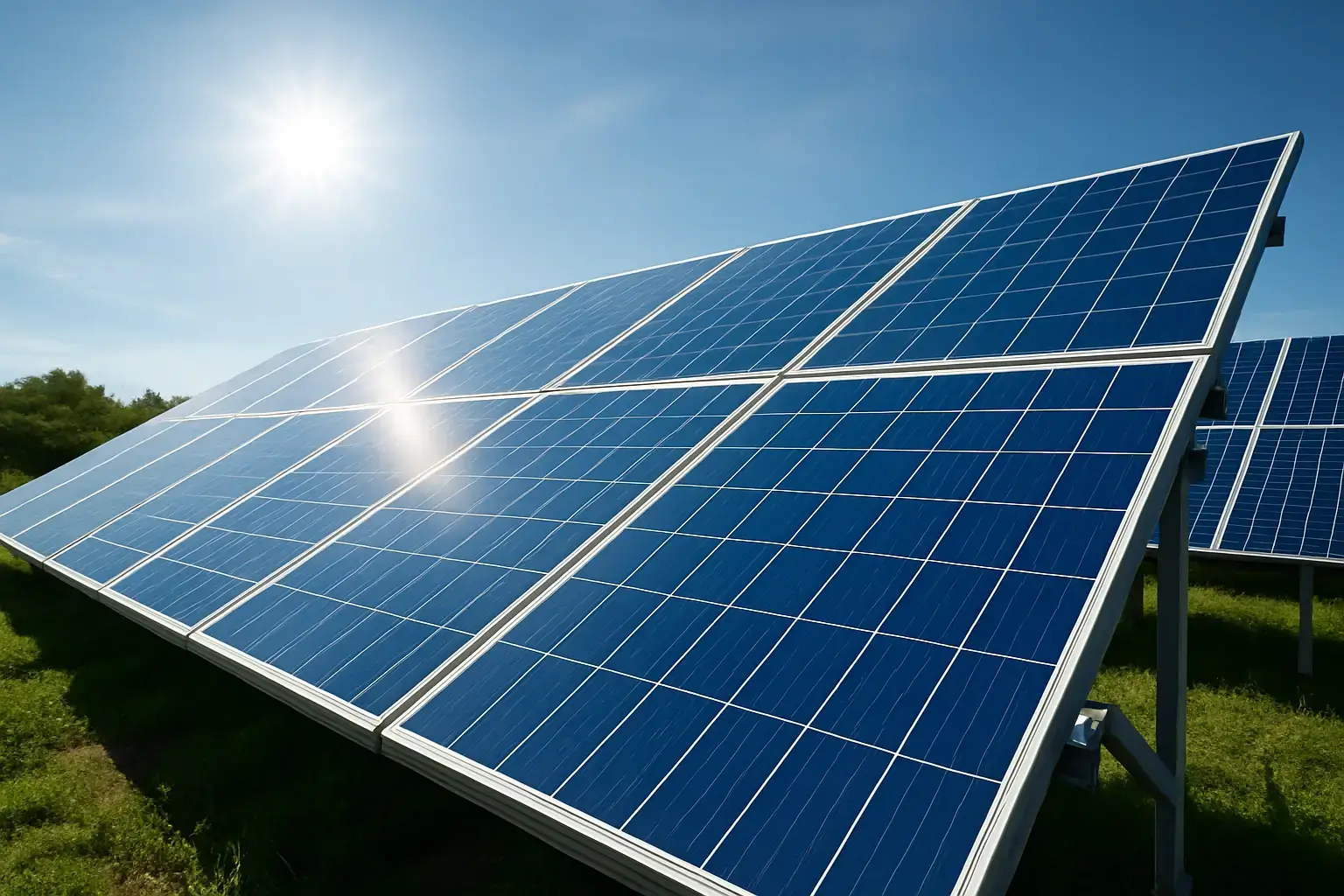
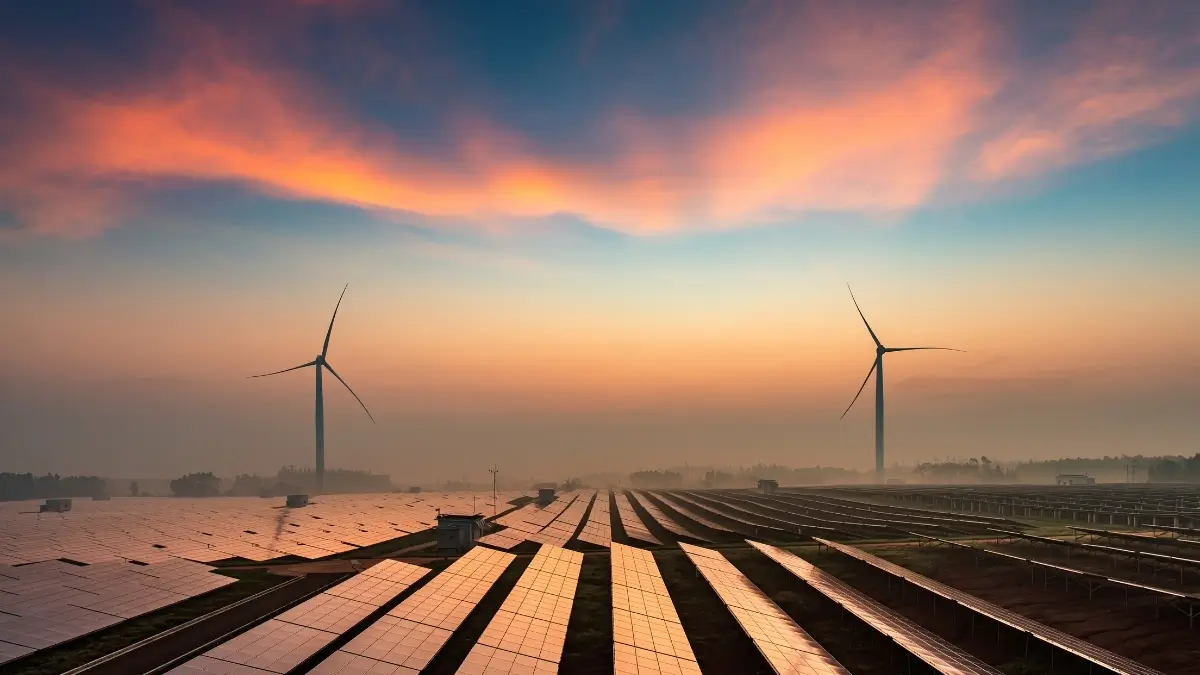
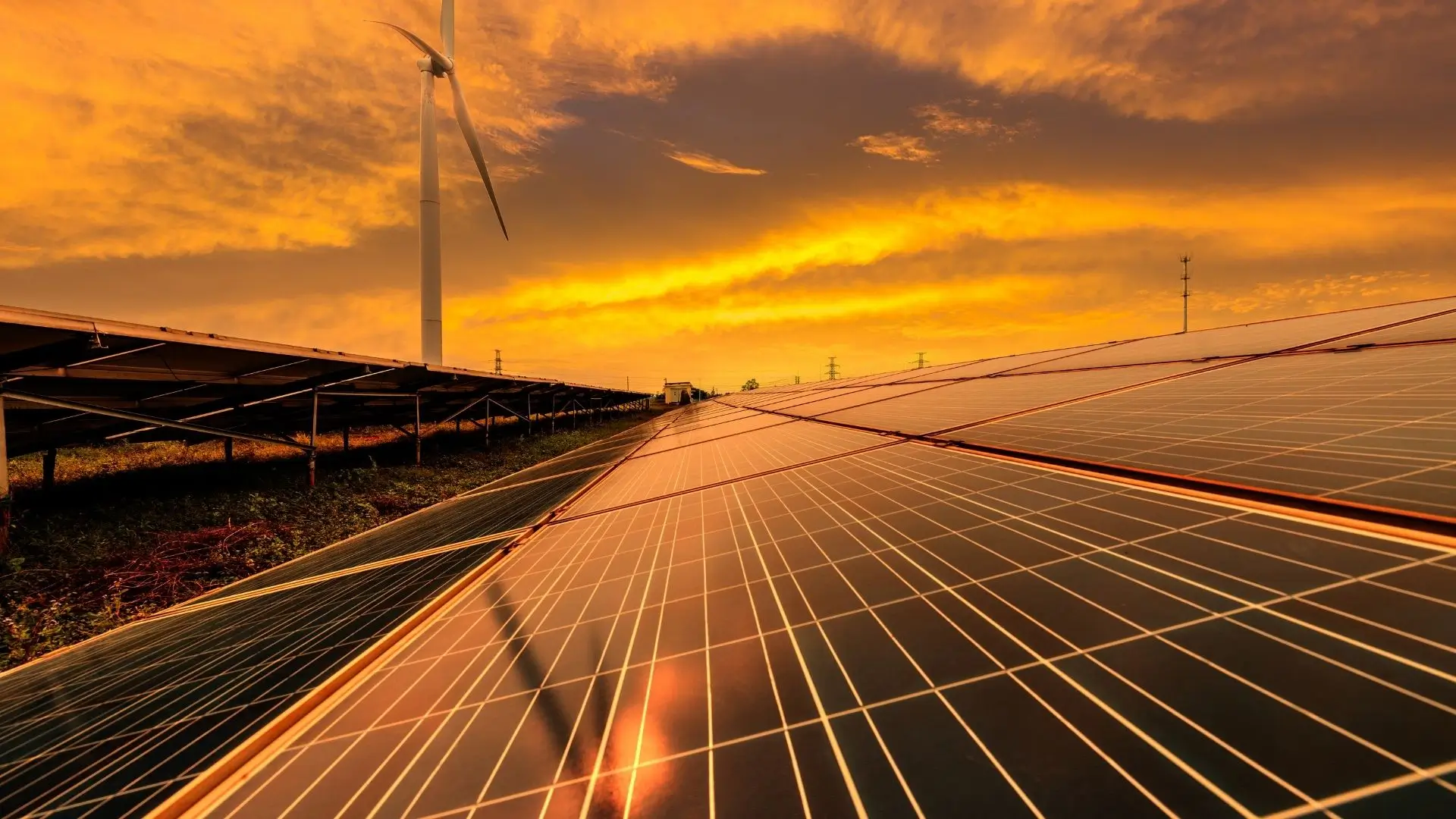
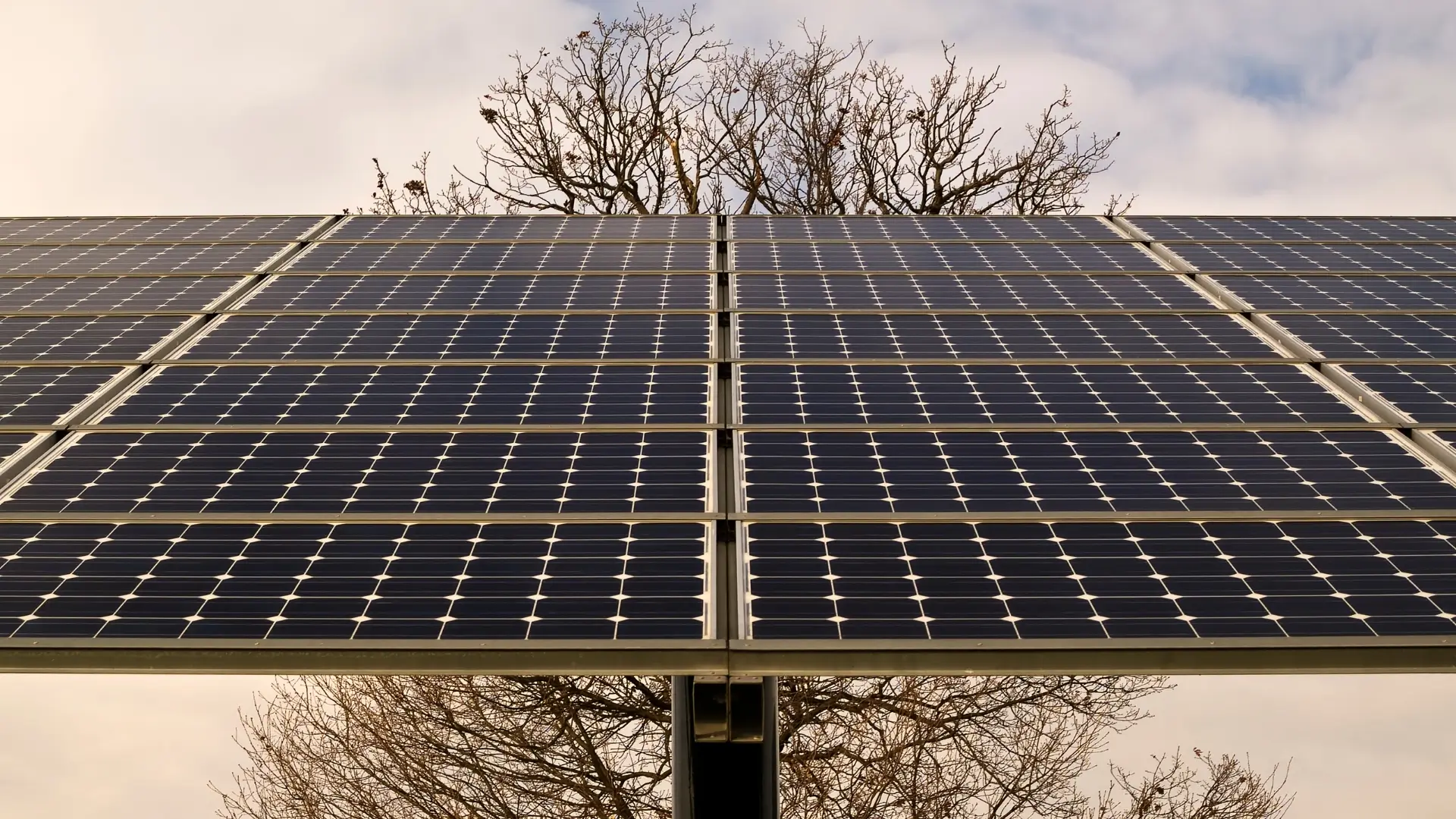
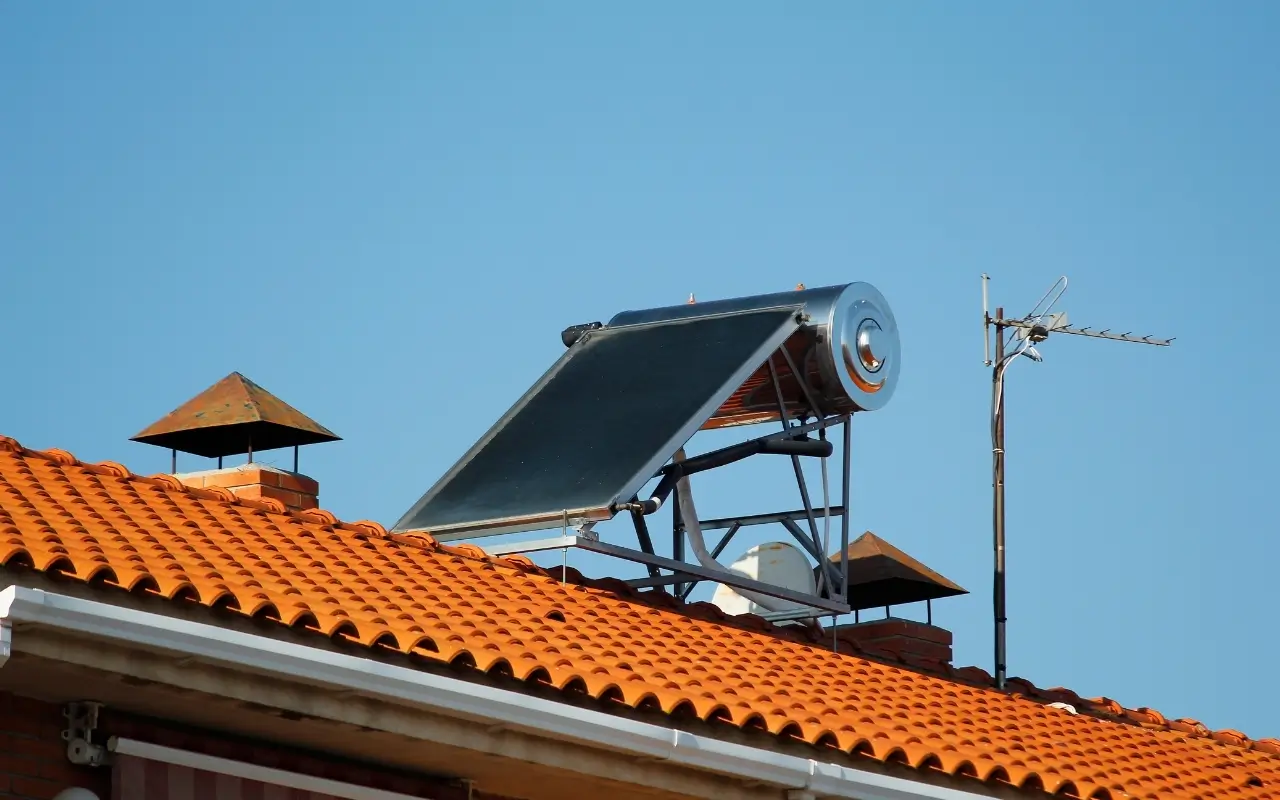
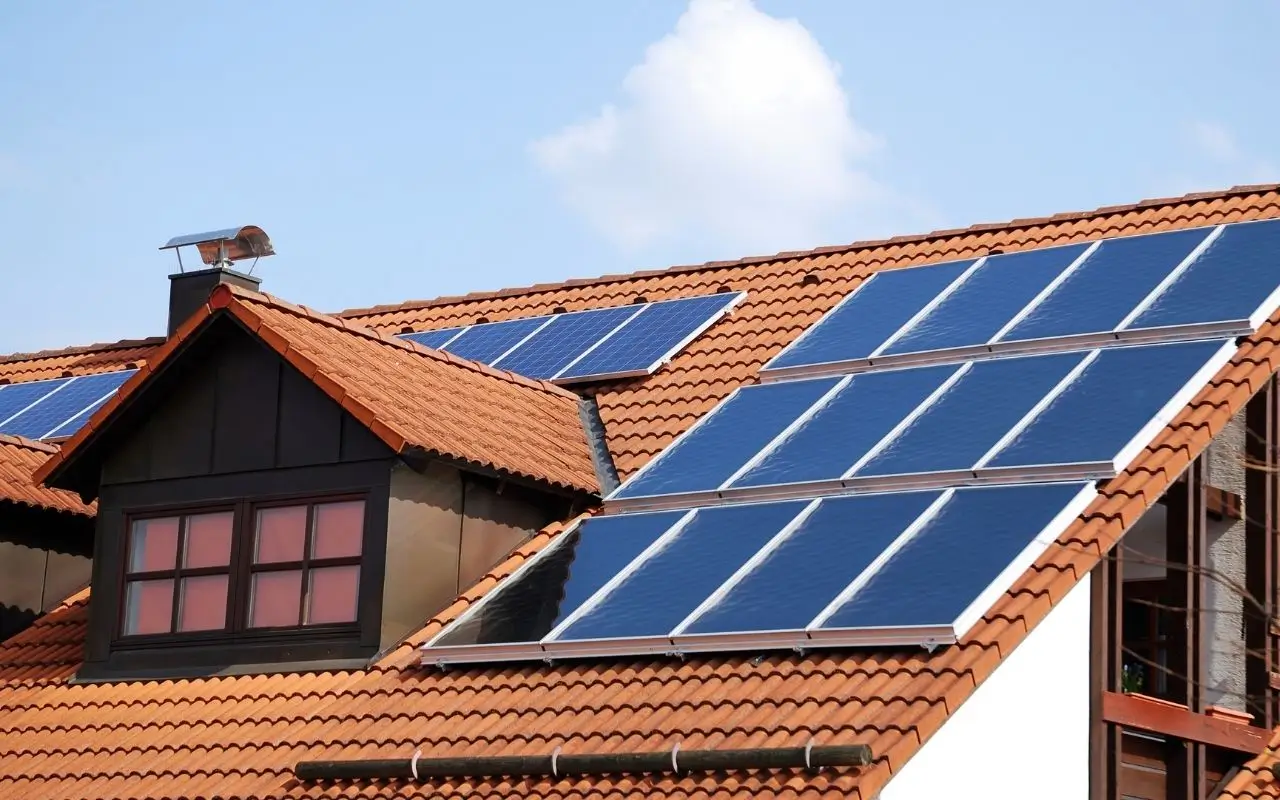
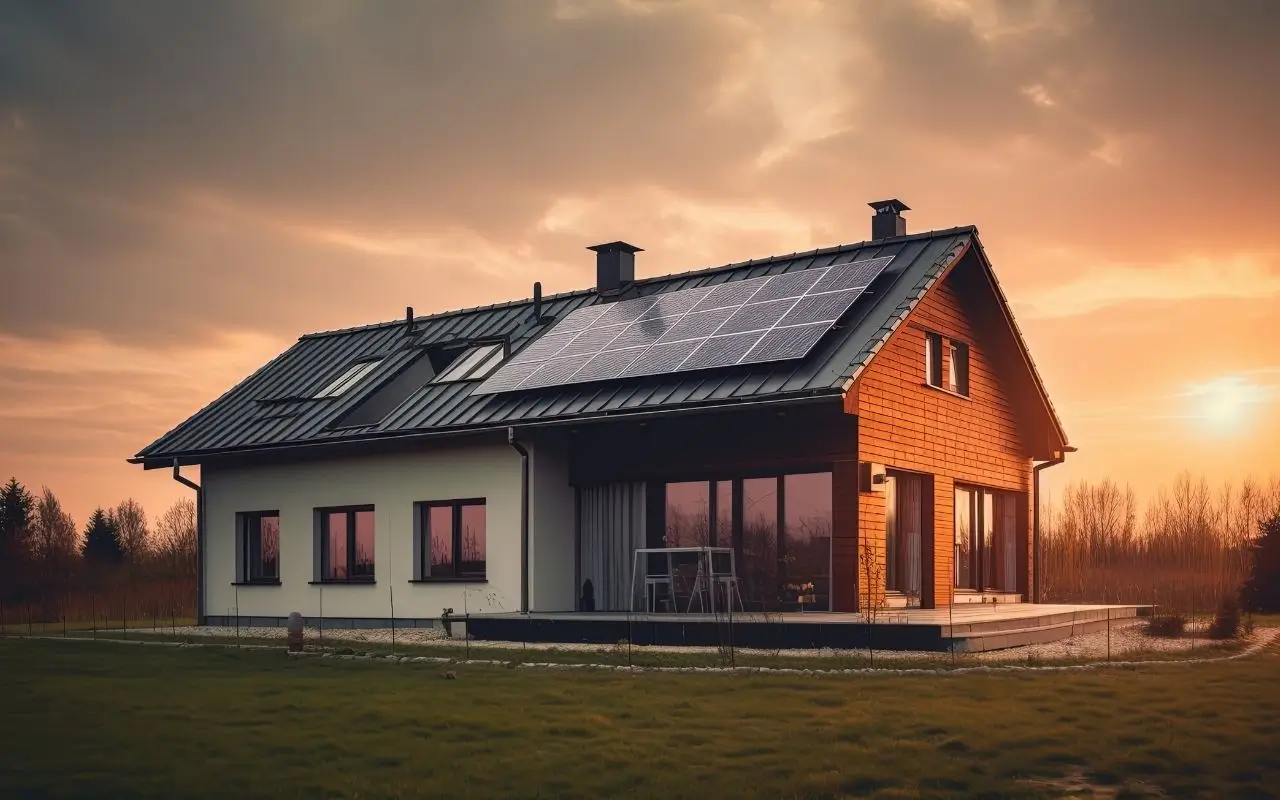
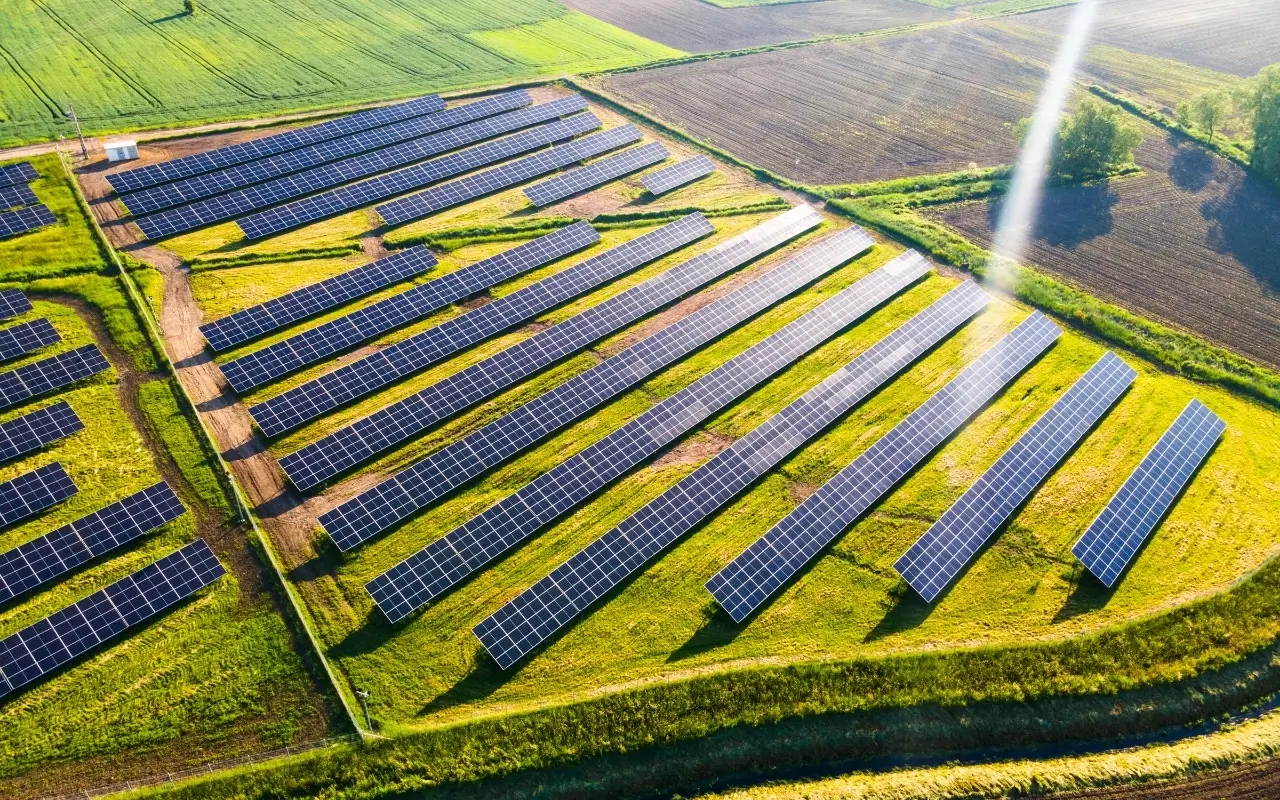
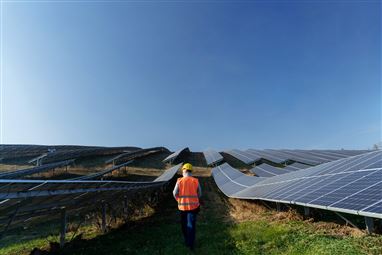
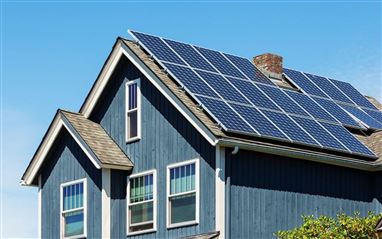
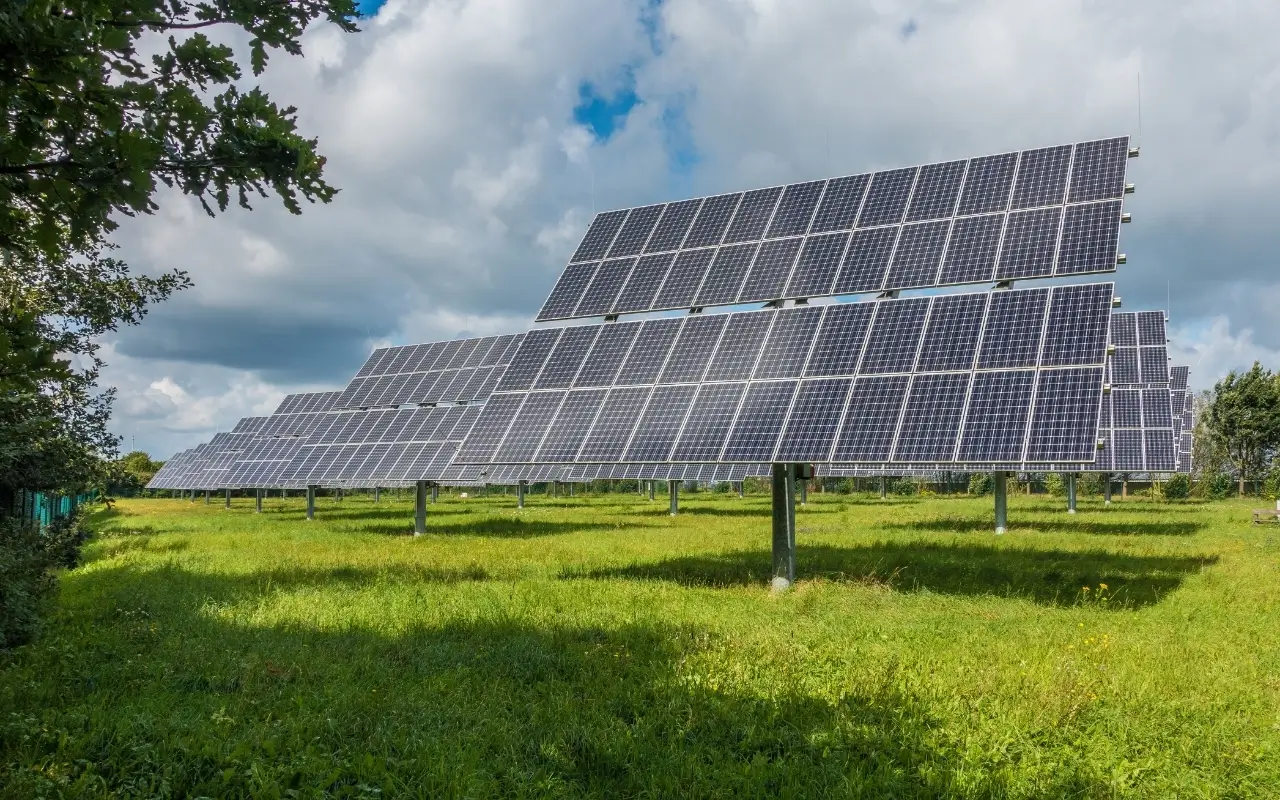
A solar power plant (SPP) is the general name for systems that convert energy from the sun into electricity. The panels used in these plants convert sunlight directly into electrical energy. Low-cost, long-lasting, and environmentally friendly, SPPs are extremely suitable for Türkiye’s climate conditions.
The large-sized solar cells used in SPPs are called Photovoltaic (PV). As one of the cleanest electricity generation technologies, these systems provide investors with a steady income thanks to state-guaranteed purchase prices. Low operating costs also make SPPs an attractive investment.
Pre-calculated areas with detailed measurements are required for SPP installation. Equipment quality and a design suitable for the requested kW value are also of great importance. Preferred across a wide range from small-scale projects to large industrial facilities, SPPs are widely used in agricultural lands, factories, and commercial buildings.
What Is an SPP?
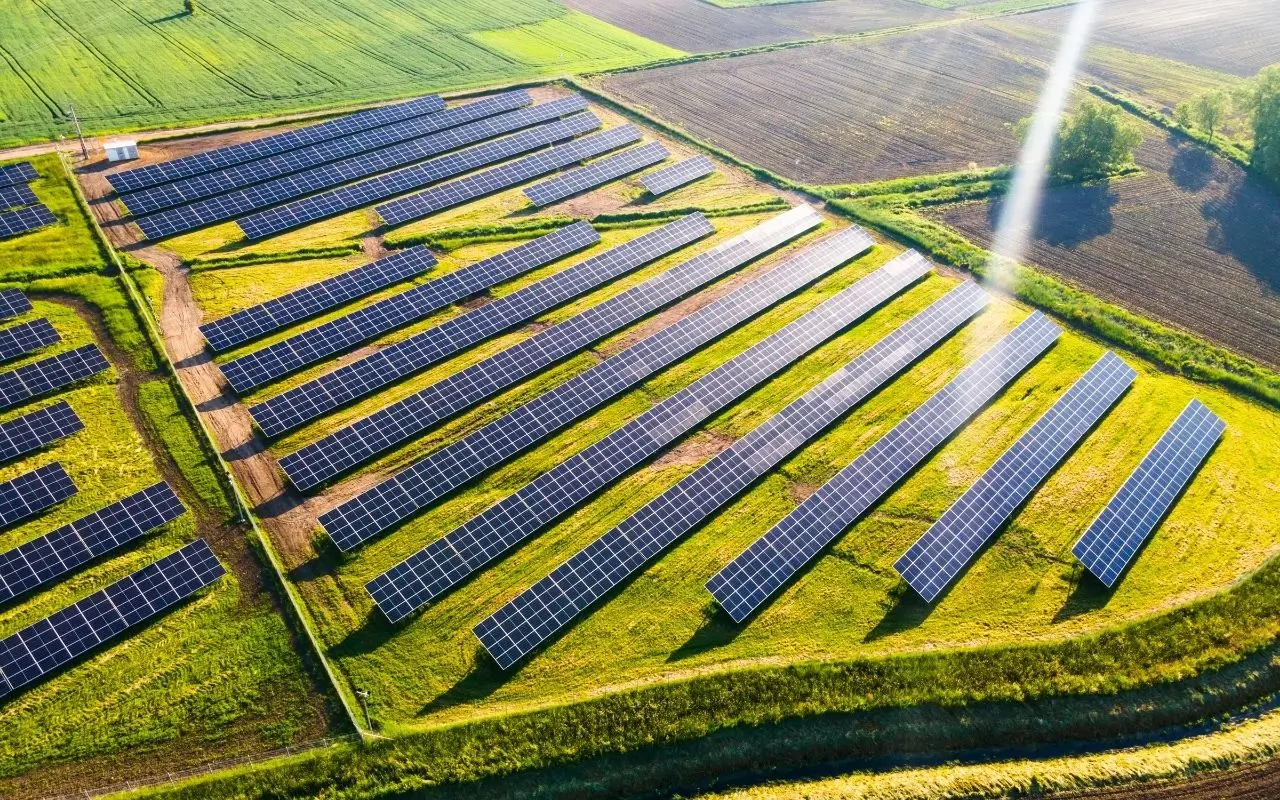
Systems that convert rays from the sun into electrical energy with the help of special technologies are called SPPs. These systems, which do not pollute the environment and operate silently, consist of many components. In addition, their sustainable and renewable nature is increasing the number of SPP projects today. In these systems where photovoltaic technology is used, the rays reaching the panels, namely photons, first strike the semiconductor material. There they react with the crystals and generate electric current.
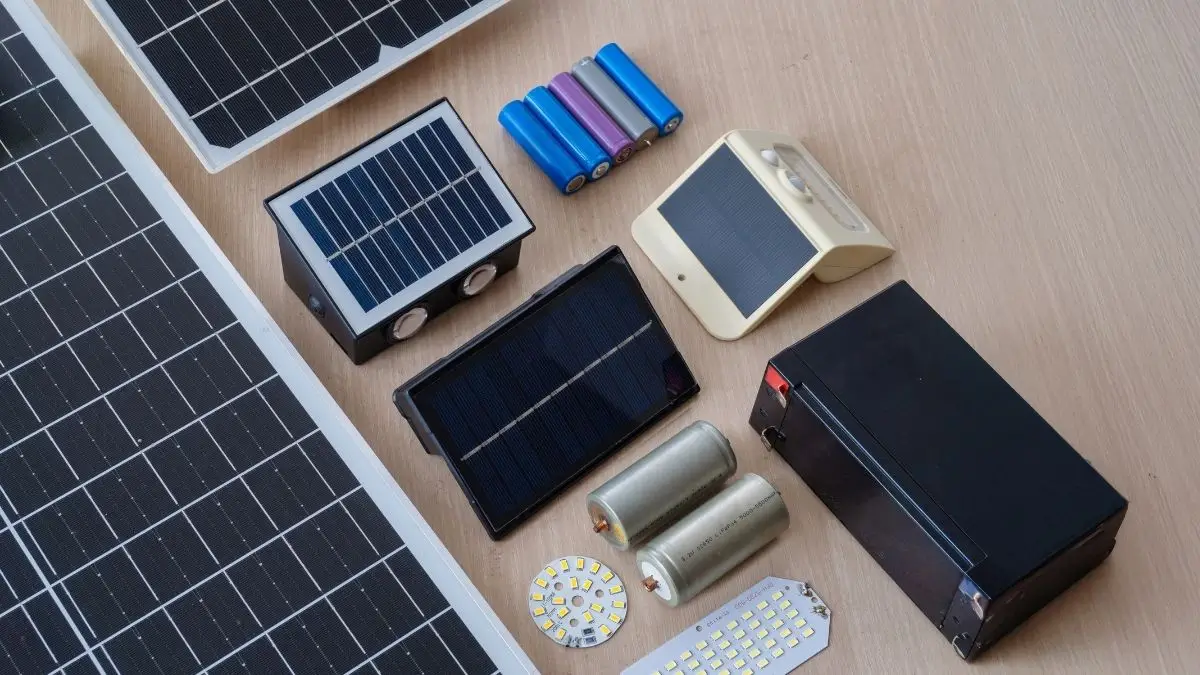
Photovoltaic (PV) solar energy systems, which are used to generate electricity from light photons, are divided into different types according to their purpose of use and their grid connection status. PV systems, which generally stand out as grid-connected and off-grid, are also considered in agricultural pumping applications and hybrid systems. In photovoltaic applications, which do not consist solely of solar energy systems, components such as charging units, batteries, and inverters are also included.
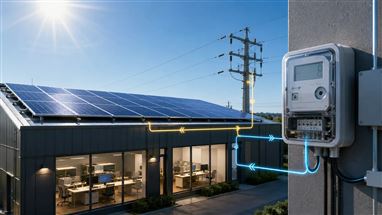
Grid-connected photovoltaic solar energy systems are defined as On-Grid applications. These are systems in which the electricity produced is converted into AC electricity and transmitted to the grid. This application, consisting of a three-phase or single-phase inverter, datalogger, bidirectional meter, and solar panels, works as follows;
- First, the electricity produced by the panels is regulated in the grid-connected inverter.
- Then it is made suitable for transfer to the electricity grid.
- Since no battery is used, a problem in the grid will result in a power outage.
- To prevent such situations, battery support is recommended in photovoltaic systems.
Off-Grid photovoltaic systems, which are separate from the grid, are preferred for regions where there is no electricity grid. The operating principle of these systems, consisting of a charge controller, inverter, solar panel, and battery, is as follows;
- The generated electricity is regulated by the charge controller.
- Then this electricity is stored in batteries.
- The electricity stored as DC is converted into AC electricity via the inverter.
These are the general operating principles of an SPP. The panels interacting with particles of light then release electrons and thus generate electric current. The electricity obtained is generally in direct current form and is converted to AC, that is alternating current, through an inverter and fed into the grid.
Solar power plants can be established with different structures and technologies. These are;
- Concentrating systems: In these systems, sunlight is concentrated with parabolic mirrors or Fresnel lenses and energy is generated.
- Dish engine type systems: Preferred in places where there is no electricity grid.
- Solar power towers: These are tower-shaped systems that offer high efficiency. Their cost is high.
- Photovoltaic systems: These are the most common systems today.
Solar energy systems also have many advantages. If we list these advantages;
- They reduce external dependency in economic terms.
- They increase income obtained from natural resources.
- Maintenance costs are low.
- An SPP can be installed in any area where energy is needed.
- Empty areas such as roofs or fields can be made functional thanks to an SPP.
- Installation is easy.
- Investment cost is low.
- High efficiency is achieved.
- They are renewable energy systems.
- They are environmentally friendly systems.
- They do not produce harmful effects such as carbon monoxide, gas, radiation, harmful smoke, or sulfur that damage the environment.
- It is an unlimited energy source.
There are also many individual advantages for those who want to establish a solar power plant. First of all, since you will not produce carbon dioxide emissions during the electricity generation process, you can make a serious contribution to nature. Since the panels are easily cleaned, rainwater is generally sufficient. The other individual advantages of SPPs, preferred by those who want to engage in electricity trade, are listed below;
- The return on investment period is completed very quickly.
- It benefits from an endless and effortless energy source.
- Türkiye can be preferred for SPP investment because it is in a suitable location.
- Facility installation is safe and fast.
- These systems, which have a long-term warranty and service life, are always durable.
- The value of the property can be increased with an SPP installed on the roof.
- Since you will generate your own electricity thanks to an SPP, you will not be affected by electricity price increases.
By having a solar power plant, you can increase the value of your home or workplace while becoming less dependent on grid electricity. As long-term and low-cost investments, SPPs will also ensure that you are not affected by power outages. Finally, while benefiting from the sun, an unlimited and free energy source, you can shape your long-term investments.
How Much Profit Does a 1-Decare Solar Power Plant Generate?
A 1-decare solar power plant, which provides economic and environmental benefits, is a suitable investment for a start. On the other hand, investors with a sustainable energy source will also significantly reduce their energy costs. It should also be remembered that SPPs, which can be installed in large areas, operate with a high-efficiency principle.
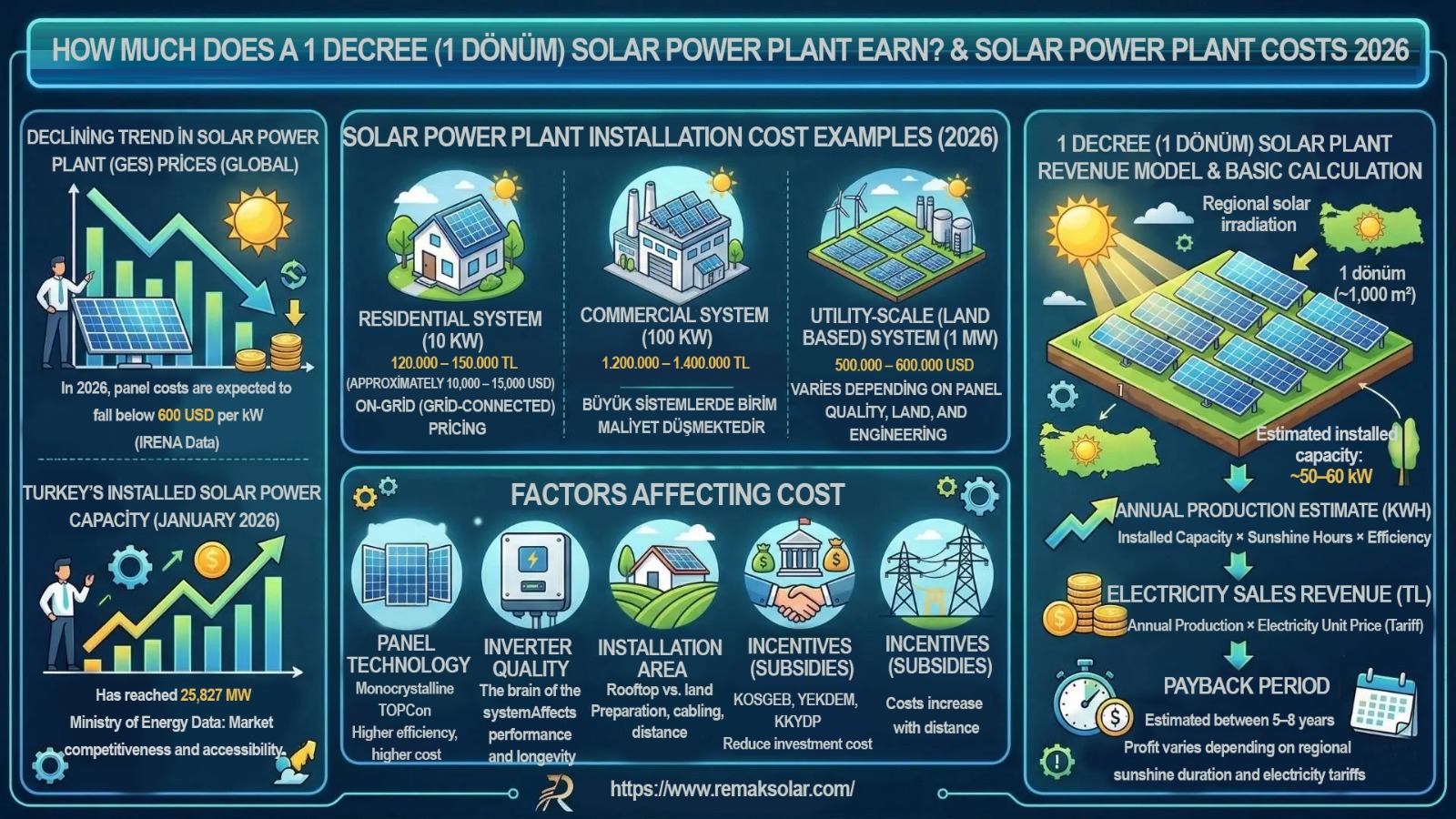
The return on an SPP may vary depending on more than one criterion. Factors such as panel quality, sunlight exposure duration, and geographical location will answer the question of how much profit a 1-decare solar power plant generates. According to 2026 data, the electricity unit price for residential subscribers is approximately 3.11 TRY/kWh including taxes, while for commercial subscribers it is around 3.80 TRY/kWh. These prices increase the attractiveness of SPP investment.
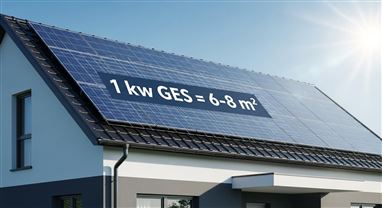
A 1-decare land area is approximately 1,000 square meters. Solar panels with a capacity of up to 100 kW can be installed on such an area. In the central and southern regions of Türkiye, an average annual electricity generation of 1,400–1,600 kWh is expected per 1 kWp of power. Therefore, an SPP investment on a 1-decare area will generate an average of 140,000–160,000 kWh of electricity per year.
2026 Profit Calculation:
| Item | Value |
|---|---|
| Installation Capacity | 100 kW |
| Annual Production | 140,000 – 160,000 kWh |
| Self-Consumption Savings (3.11 TRY/kWh) | 435,000 – 500,000 TRY/year |
| Grid Sales Revenue (~1 TRY/kWh) | 140,000 – 160,000 TRY/year |
| Estimated Installation Cost | 1,200,000 – 1,500,000 TRY |
| Payback Period (Self-consumption) | 3 – 4 years |
| Payback Period (Grid sales) | 7 – 10 years |
Important Note: SPPs installed for self-consumption pay back much faster than systems that sell electricity to the grid. Because when you consume the electricity you produce yourself, you save approximately 3-4 TRY per kWh, whereas when you sell it to the grid, you earn only around ~1 TRY.
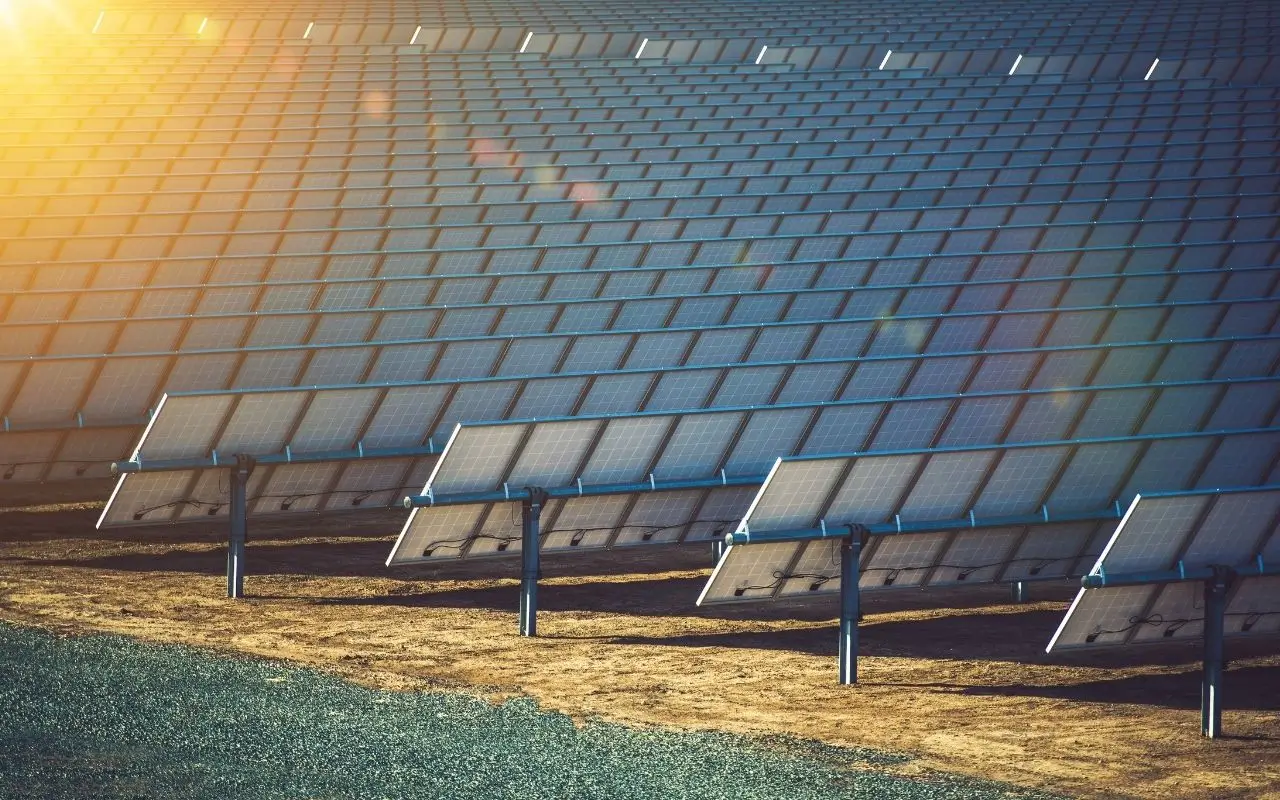
It is recommended to use solar tracking systems together with a solar power plant. These systems increase energy generation capacity by allowing the panels to track the sun throughout the day. Thanks to solar tracking systems, which provide an average efficiency increase of 20% to 30%, up to 180,000–210,000 kWh of energy can be generated per year with a 100 kW system installed on 1 decare of land. This can increase your annual self-consumption benefit to 560,000–650,000 TRY.
Note: The figures shared are estimated values prepared according to 2026 market conditions. A detailed feasibility study is recommended for a precise profit calculation.
How Much Do Solar Power Plant Prices Cost?
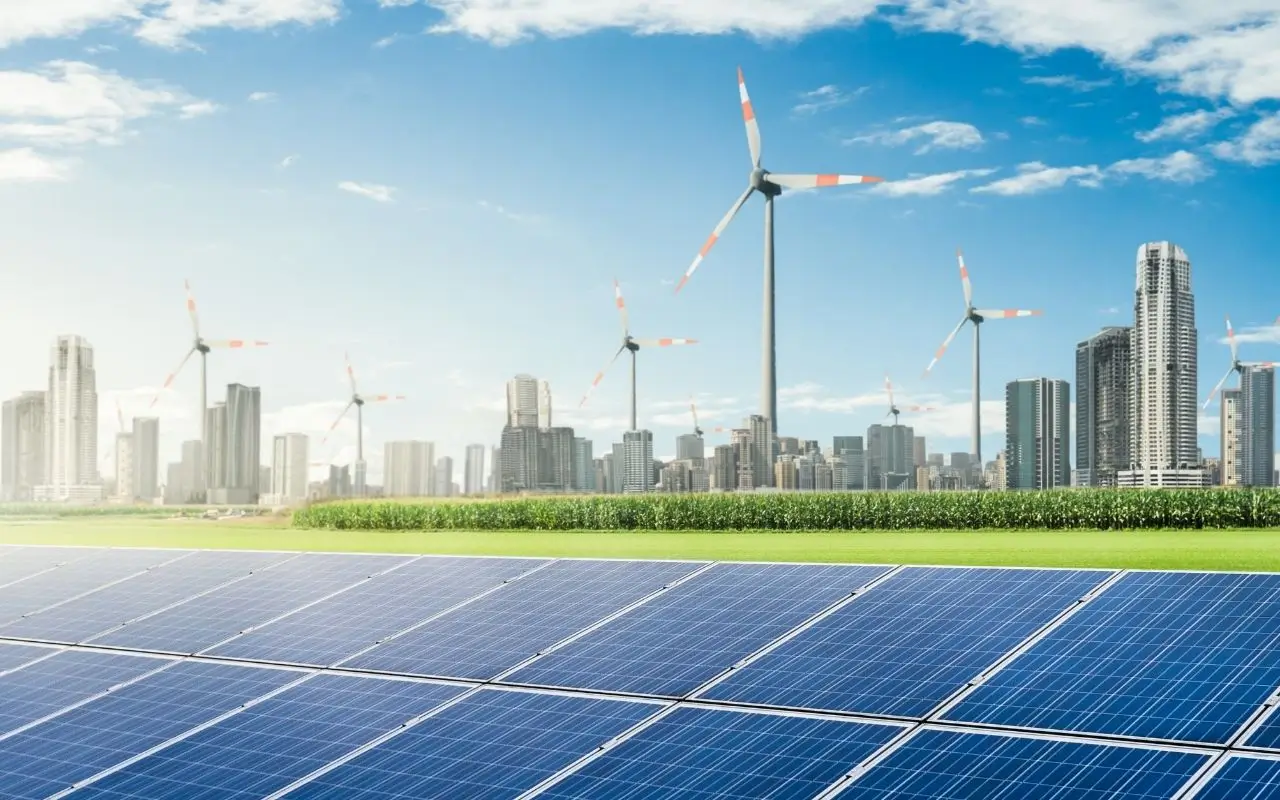
SPP installation costs vary depending on system capacity, the quality of the equipment used, and the installation area. As of 2026, the downward trend in panel prices continues, and this positively affects investment costs. According to the International Renewable Energy Agency (IRENA), global solar panel costs are expected to fall below USD 600 per kW in 2026.
According to 2026 market conditions, the general cost ranges are as follows:
- Residential Systems (10 kW): They vary between 120,000 – 150,000 TRY (approximately 10,000 – 15,000 USD). These prices apply to grid-connected (on-grid) systems.
- Commercial Systems (100 kW): Around 1,200,000 – 1,400,000 TRY. Unit cost decreases in larger systems.
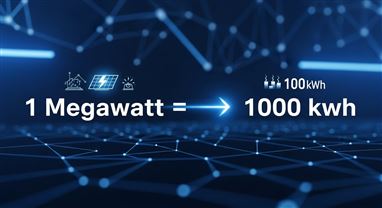
- Ground-Mounted Systems (1 MW): They vary within the range of 500,000 – 600,000 USD. Prices may differ depending on panel quality, land suitability, and engineering services.
According to data from the Ministry of Energy and Natural Resources, Türkiye’s installed solar energy capacity reached 25,827 MW by the end of January 2026. This growth contributes to prices becoming more accessible as competition in the sector increases.
Factors Affecting Cost:
- Panel Technology: The choice of monocrystalline, polycrystalline, or bifacial panel directly affects both cost and efficiency. TOPCon technology panels offer higher efficiency, but their cost also increases accordingly.
- Inverter Quality: The choice of inverter, which is the brain of the system, is decisive in terms of both cost and long-term performance.
- Installation Area: There is a significant cost difference between rooftop and ground-mounted installations. Land preparation, structure, and cabling distance affect cost.
- Incentives: Support programs such as KOSGEB, YEKDEM, and KKYDP can significantly reduce investment costs.
- Distance to Transformer: As the distance between the SPP and the transformer center increases, the cost also rises.
Note: The prices shared are based on 2026 sector data. The final cost becomes clear through site inspection, project work, and an official quotation.
What Is Required to Establish a Solar Power Plant?
The steps to be followed to establish a solar power plant are as follows;
- The land where the SPP will be installed is determined and survey studies are started.
- Together with profitability and cost calculations, the financing method is put into operation. If necessary during this process, support and grant programs are applied for.
- The land preferred for solar energy generation is rented or purchased.
- A Marginal Agricultural Land Report and an Environmental Impact Assessment, that is an EIA Exemption Report, are obtained for the SPP.
- An application is made to the relevant electricity distribution company for the installation process. The requested documents are submitted at this stage.
- The site arrangement process is initiated so that the panels can be placed smoothly on the land to be used for the SPP.
- The required materials are purchased.
- SPP installation is started and the connections of the panels and other equipment are carried out.
There are also certain application documents required for an SPP. These are;
- Identity and signature documents of the applicant, or the signature circular, activity report, and tax certificate of the company designing the SPP
- Generation connection application form
- Title deed of the land or a lease agreement for at least 2 years
- Right-of-use document if the land on which the SPP will be installed is treasury land
- Report proving that the SPP land is marginal agricultural land
- Receipt showing that the application fee has been paid
- Wet-signed document containing all technical details of the SPP
- Energy transmission line project
- Waiver statement
- SPP technical evaluation form
- Application sketch
- Declaration document regarding the prohibition of additional activities
- Document showing that the person approving the project is an electrical engineer
- EIA report for projects of 1 MW and above
- Call letter to be obtained from the distribution company
How Is Suitable Land Selected for an SPP?
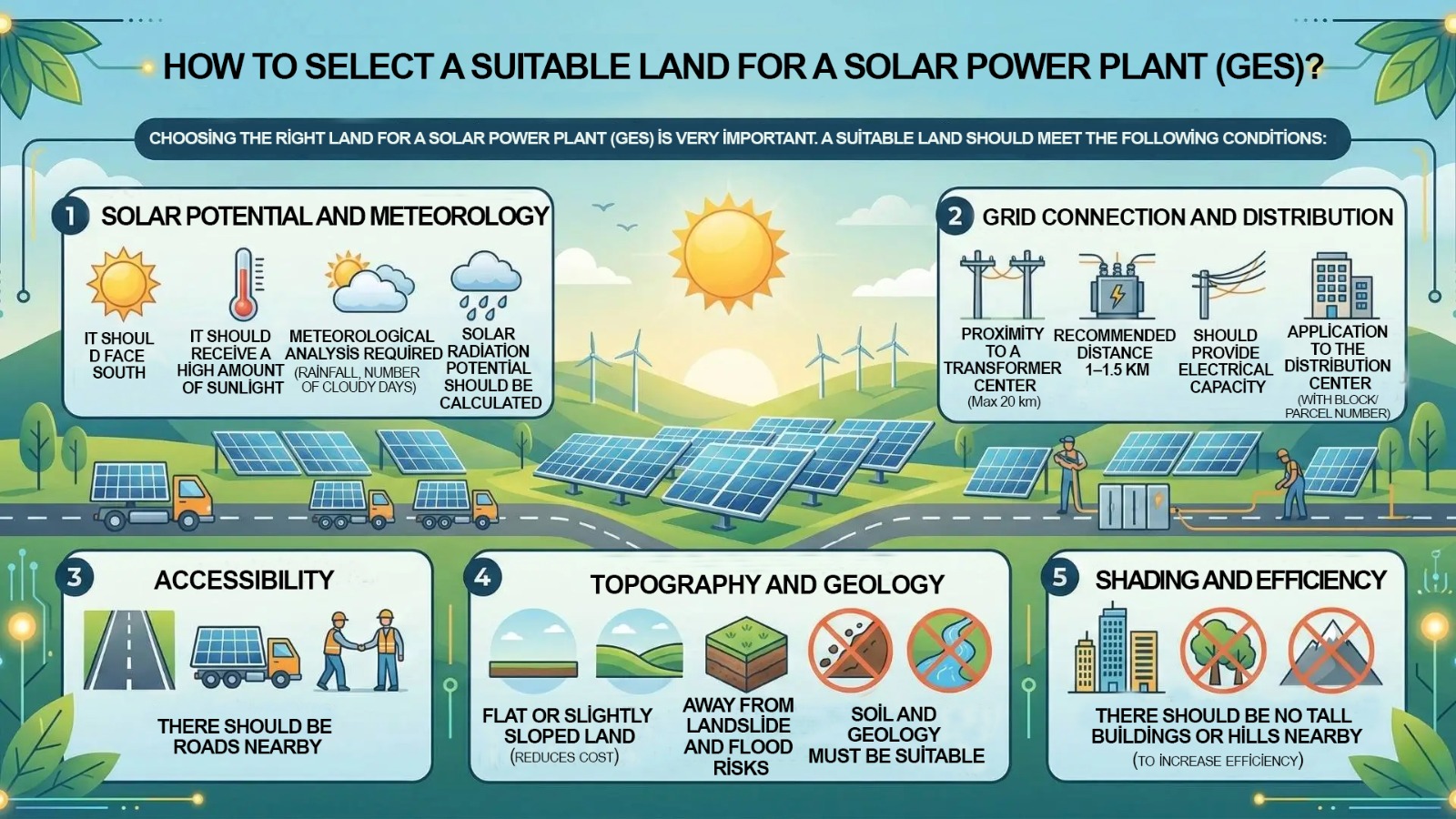
Selecting suitable land for an SPP is very important. Suitable land must meet the following conditions;
- The land where the project will be implemented should face south.
- It should receive substantial sunlight.
- It must be close to the transformer center. Because electricity capacity is provided from the transformer center for the SPP to be installed.
- There should be roads near the land.
- The geological structure of the land should be suitable for an SPP. In this process, even if the area has high irradiation potential, it should not be close to streams or consist of sloped terrain. There is always a landslide risk in such places.
- Attention should be paid to the soil structure during panel installation.
- Sunken or uneven terrain increases the cost of SPP installation.
- There should be no tall structures or hills around the SPP land so that efficiency does not decrease.
In fact, the most important point in selecting suitable land for an SPP is being able to calculate the solar potential of the land. Meteorological studies should be conducted to determine the potential to benefit from solar rays throughout the year. In addition, the number of rainy, cloudy, and average sunny days over the past few years should be examined.
The distance to the transformer center for an SPP should be at most
How Is the Energy Obtained in SPP Projects Increased?
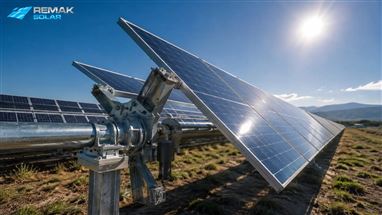
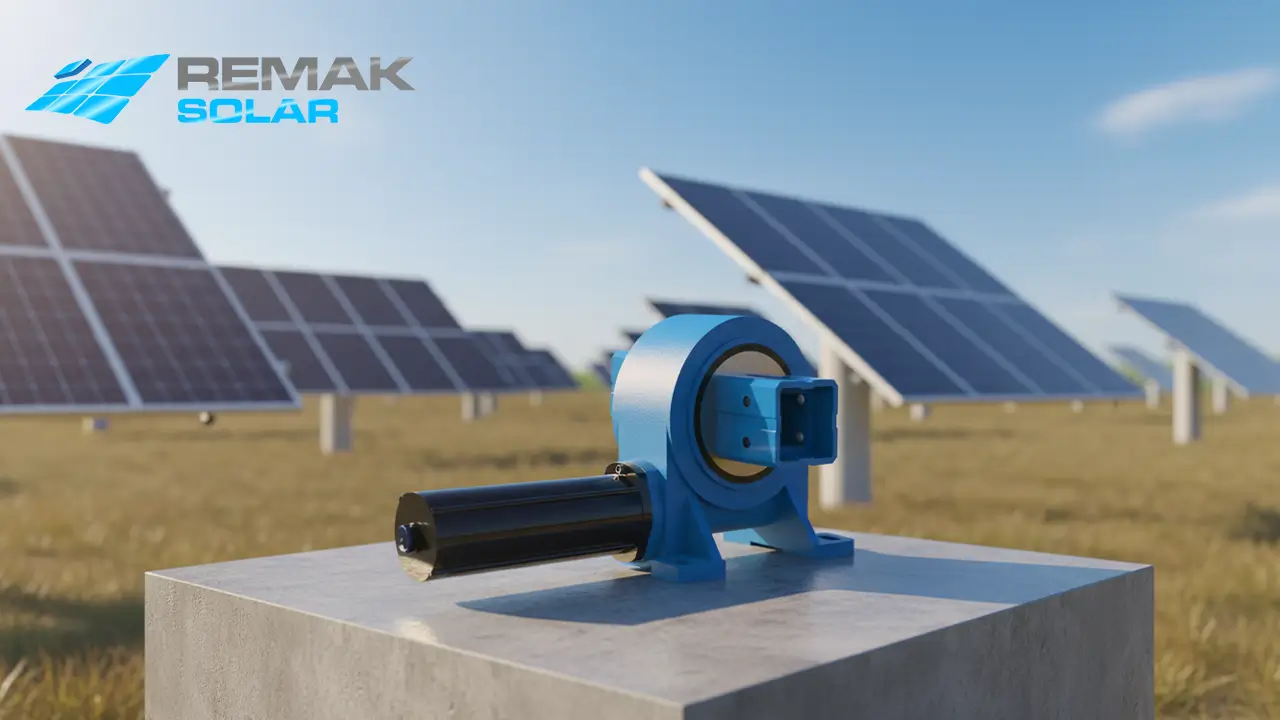
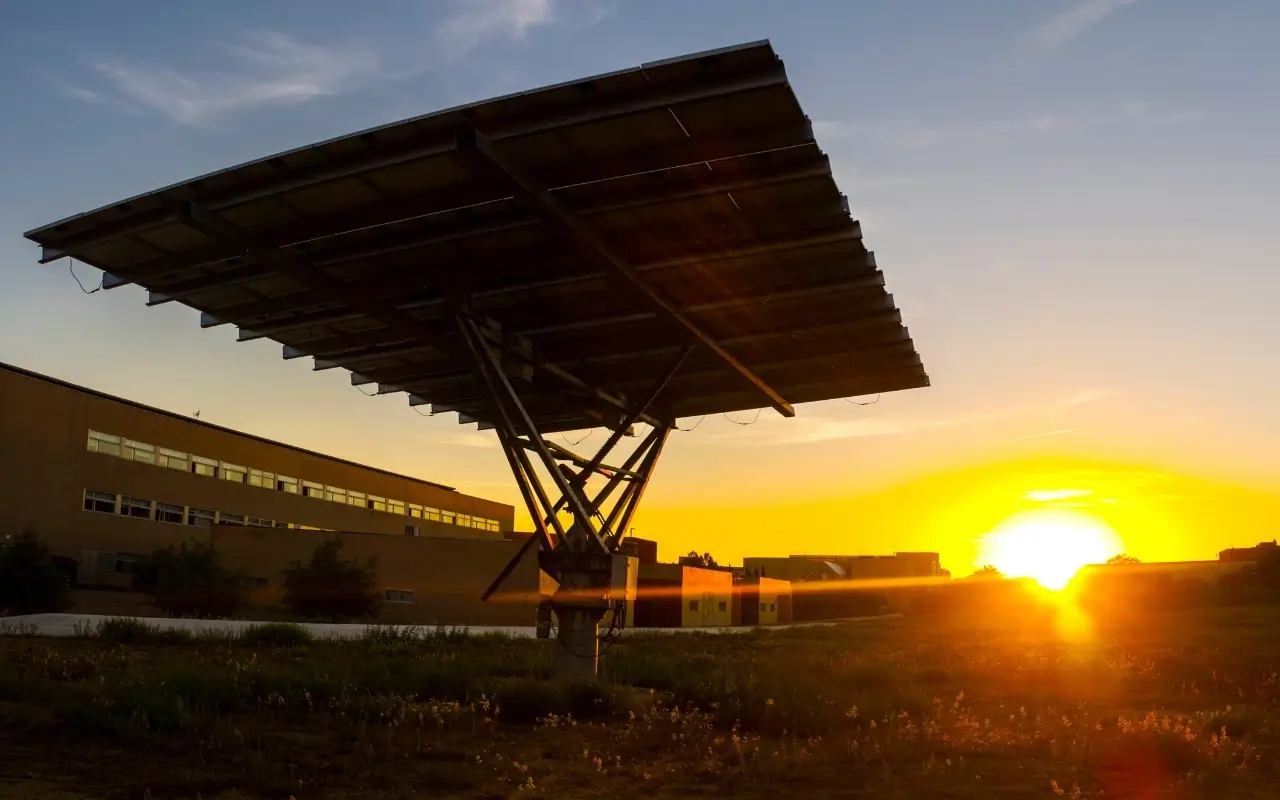
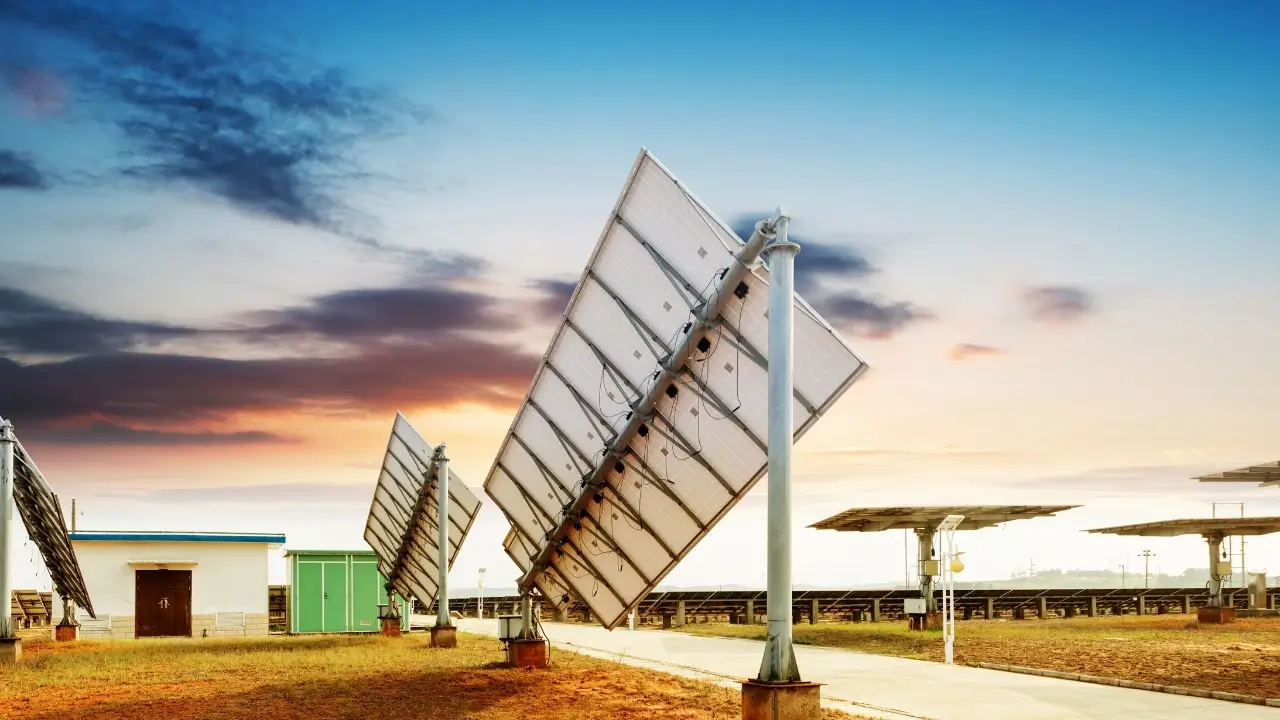
In order to increase the energy obtained in SPP projects, solar trackers should be used. These systems, which increase efficiency by a minimum of 20%, can perform single-axis and dual-axis control depending on the number of axes. In addition, according to the control method, they can be used in two different ways as active-controlled systems and passive-controlled systems. Solar trackers, which allow benefiting from solar energy all day long, are now among the applications accepted and used worldwide.
These systems, which track the sun’s position in order to capture sunlight more efficiently, automatically adjust the angle of the panels. In this way, they receive more sunlight throughout the day and also capture the rays in the best possible way at other times of the day, providing high efficiency. In the morning and evening hours, when the sun is at a low angle, the panels are brought into the ideal position and maximum energy starts to be collected.
Although the initial cost of a solar tracking system may be high, it pays for itself in the long term. While reducing energy costs, more energy is produced compared to fixed panels. This reduces energy bills and enables investments to yield positive returns quickly. These systems are long-lasting and do not require significant maintenance. Solar tracking systems, which can be used for many years, offer effective solutions to energy consumers and producers thanks to these features.
The reason higher efficiency is achieved in these systems is that they directly track the sun and ensure that the light arrives at a perpendicular angle. In addition, less space is needed while tracking the sun. Compared to fixed panels, these systems are seen to use a smaller area to produce energy. When solar tracking systems are used, the wear rate of the panels will also decrease. In other words, the panels can be used for a much longer period.
The types of solar tracking systems and their explanations are as follows;
- Dual-Axis Solar Tracking System: These are systems that allow the panels to move around both the vertical and horizontal axes. It tracks the sun according to seasonal changes and from east to west. Thanks to this, efficiency can be between 30% and 40%.
- Single-Axis Solar Tracking System: In this system, the panels move only around one axis. In other words, this movement continues in the east–west direction. Efficiency can be between 20% and 25%.
The types of solar tracking systems according to their operating methods and their explanations are as follows;
- Passive-Controlled Systems: These are closed-loop operating systems. They ensure that the panels are directed toward the direction where sunlight is present. By using special sensors, the direction where light is intense is detected according to different times of the day, and system control is provided by generating a signal. These systems may be affected by environmental factors.
- Active-Controlled Systems: These systems do not contain sensors. Position information is obtained by using mathematical algorithms and open-loop tracking is performed. Although they have a complex structure, they provide reliable results.
Can a Field Be Leased for an SPP?
When selecting a suitable area for an SPP, you can lease places such as fields or land. Of course, you can install an SPP by paying attention to the processes before and after the lease. During the leasing stage, the necessary legal permits for the land must be obtained. In addition, a written lease agreement must be made between the parties. In this way, after formalizing the field lease, you can bring your project to life. In fact, leasing a field to establish a solar power plant is always cost-effective. Before leasing, it is important to have information about all the characteristics of the land and the legal processes.
Are a Solar Power Plant and a Solar Farm the Same Thing?
The terms solar power plant and solar farm are similar due to their terminology. However, a solar farm covers special projects established over much larger areas. In this sense, while SPP is accepted as a more general term, both terms express the place of solar energy in electricity generation. In recent times, solar farms have been used by countries such as China and Saudi Arabia and have started to be preferred for large investments.
To define the difference between the two terms again;
- A solar power plant is the general name for systems that convert sunlight into electrical energy. It is used in both large and small-scale projects and consists of multiple components.
- A solar farm refers to applications established on large areas and functioning as an SPP. It is used for high-capacity SPPs. In other words, they are very large-scale power stations.
Support and Grant Programs for Solar Farms
There are different grant and support programs for establishing a solar farm. As of 2026, these supports offer significant opportunities for investors.
Under the Green Industry Support Program, KOSGEB provides support of up to 14 million TRY for solar energy investments of industrial SMEs. This support, amounting to 60% of the total budget, is provided as repayable financing. Repayments are made in 6 installments at four-month intervals after a 12-month grace period starting from the project completion date. For provinces in the earthquake region, the support rate can rise to 80-90%.
Within the scope of solar farm support and grant programs:
- YEKDEM: Under the Renewable Energy Resources Support Mechanism, SPPs are granted a 10-year electricity purchase guarantee at a fixed price. Additional incentives are also provided in the case of domestic equipment use. Investors can obtain long-term income assurance within this scope.
- KKYDP: Within the scope of the Rural Development Investments Support Program carried out by the Ministry of Agriculture and Forestry, support of up to 3 million TRY is offered for SPPs. Businesses with fewer than 250 employees and annual turnover not exceeding 125 million TRY may apply. 50% of this support is provided as a grant.
- IPARD III: Under this program carried out by TKDK, grant support of 50%-75% is provided for investments between €5,000 and €3,000,000. It is especially widely used in SPP projects for agricultural irrigation purposes.
Do Comment