
Other Blog
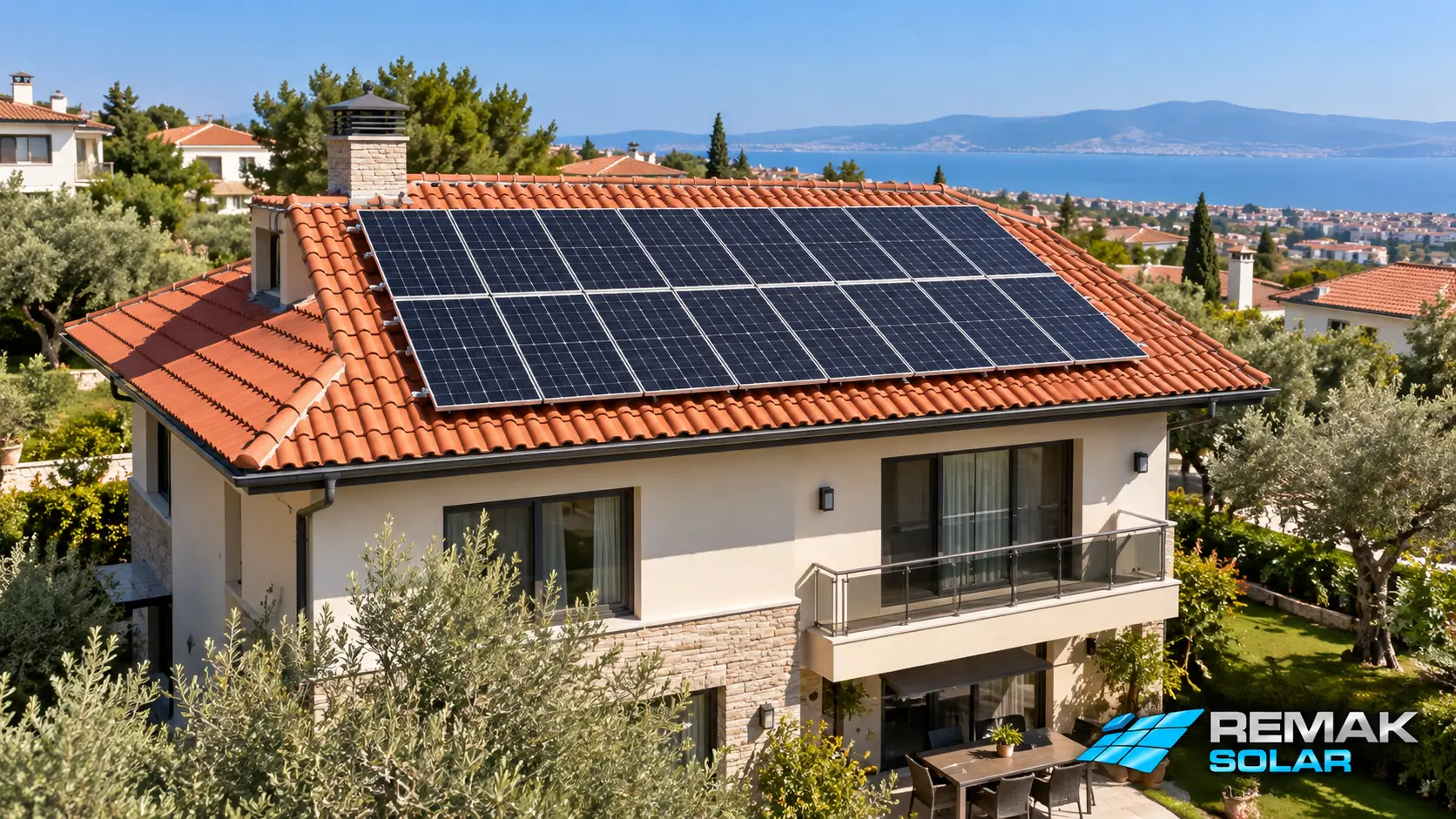
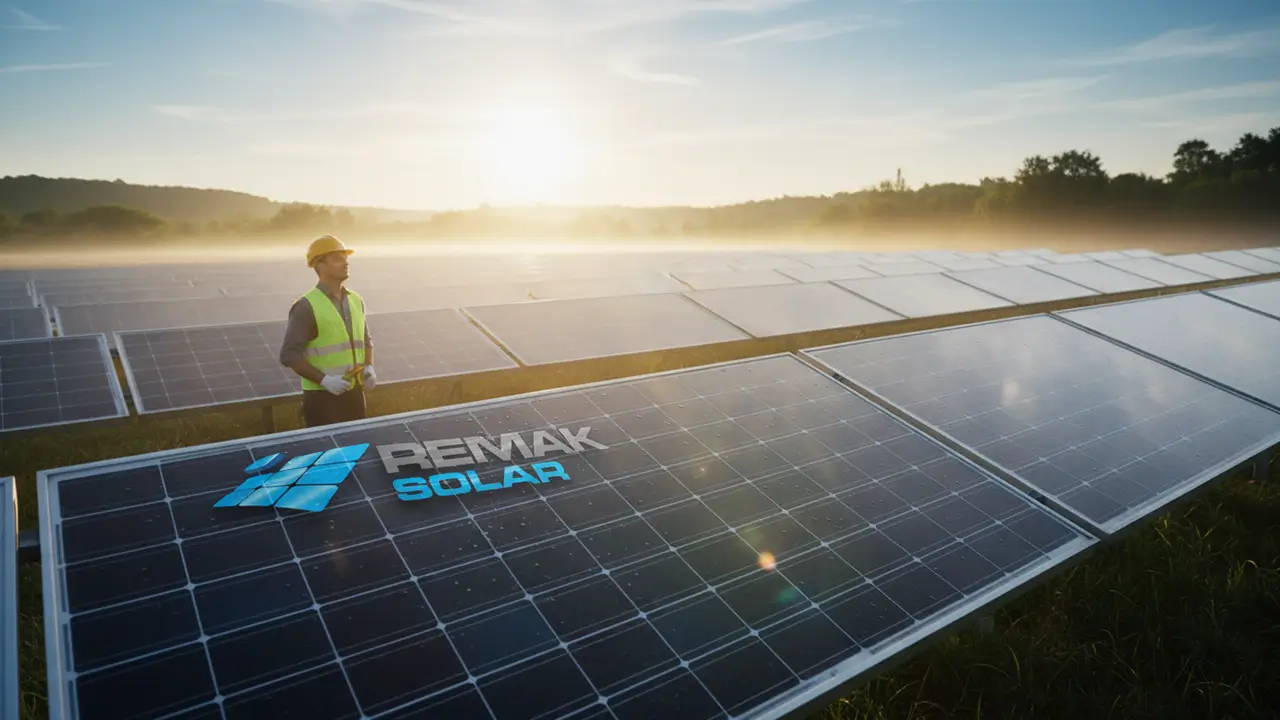
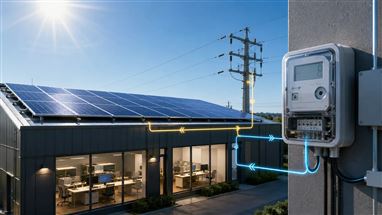
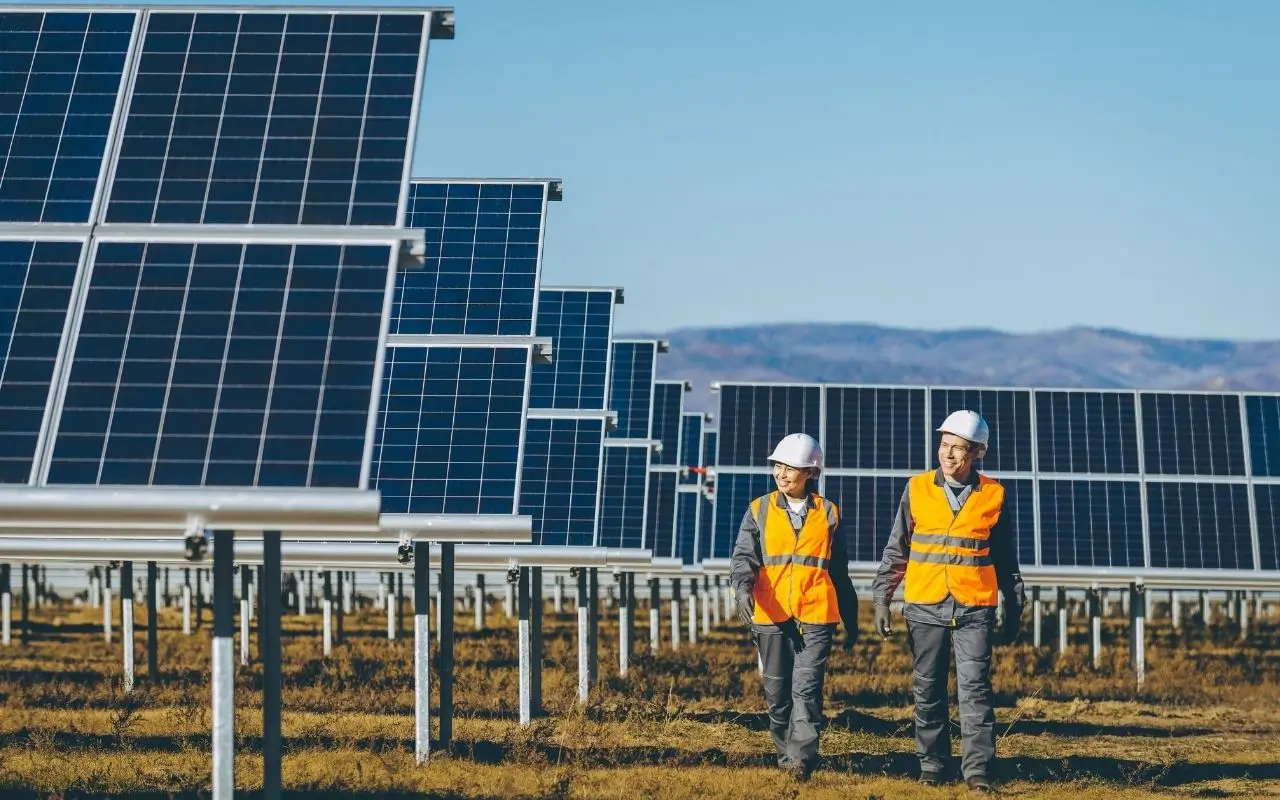
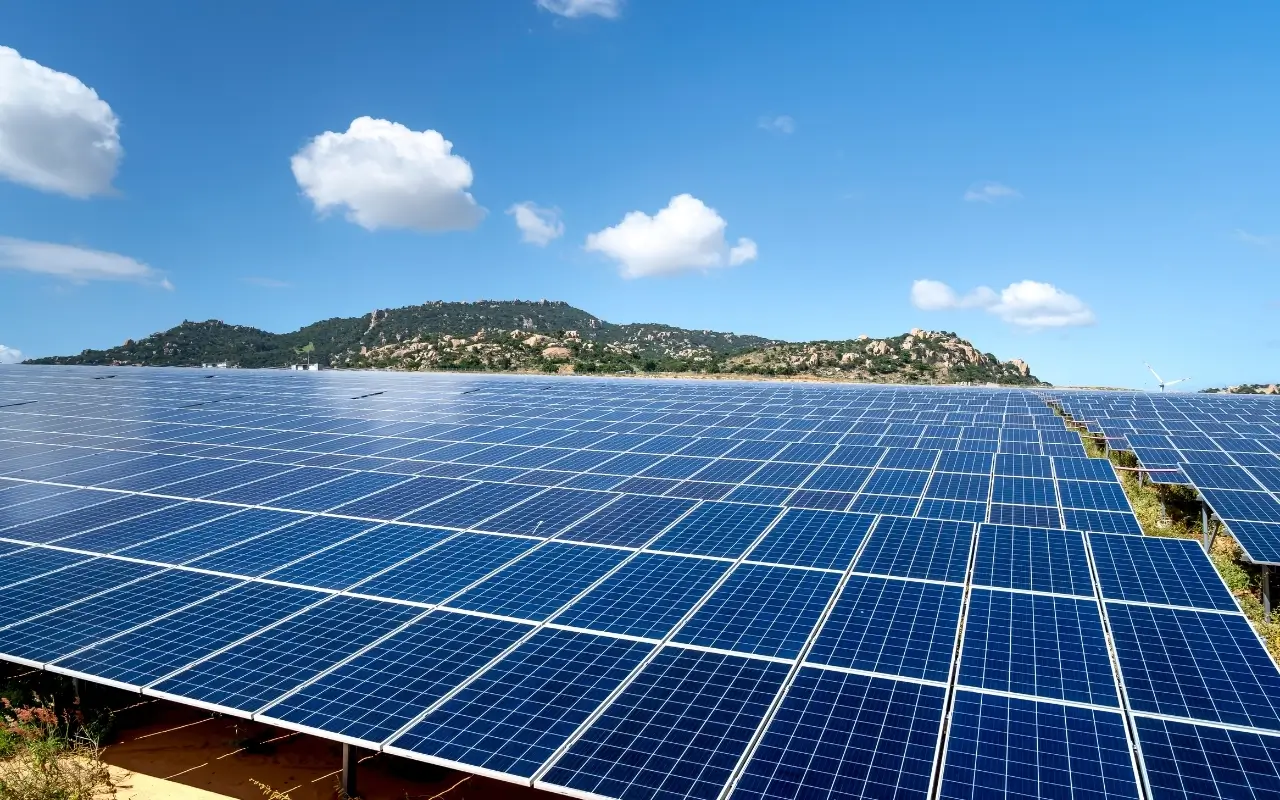
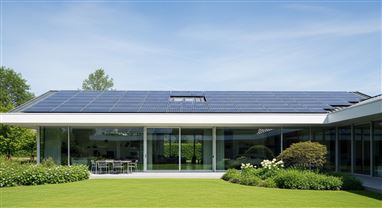
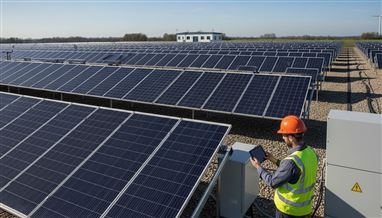
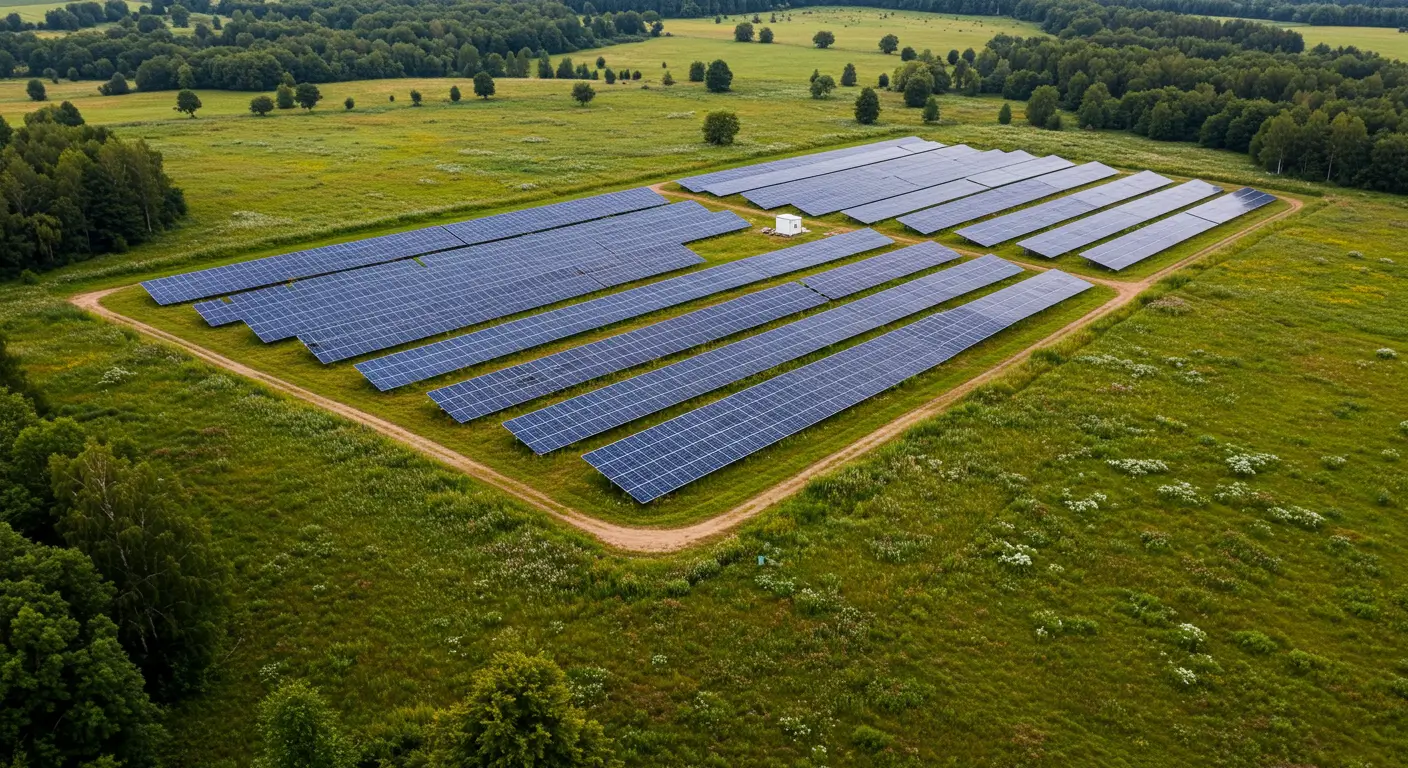
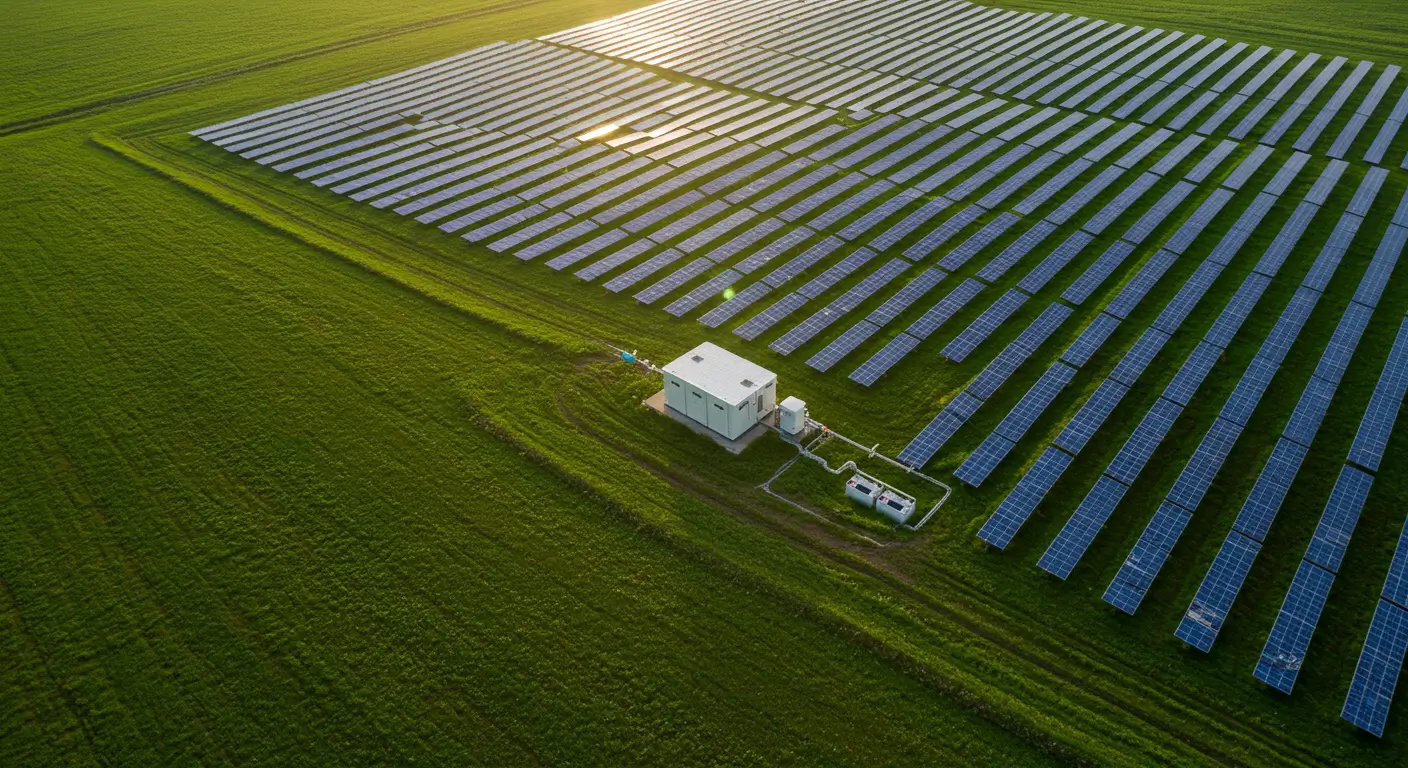
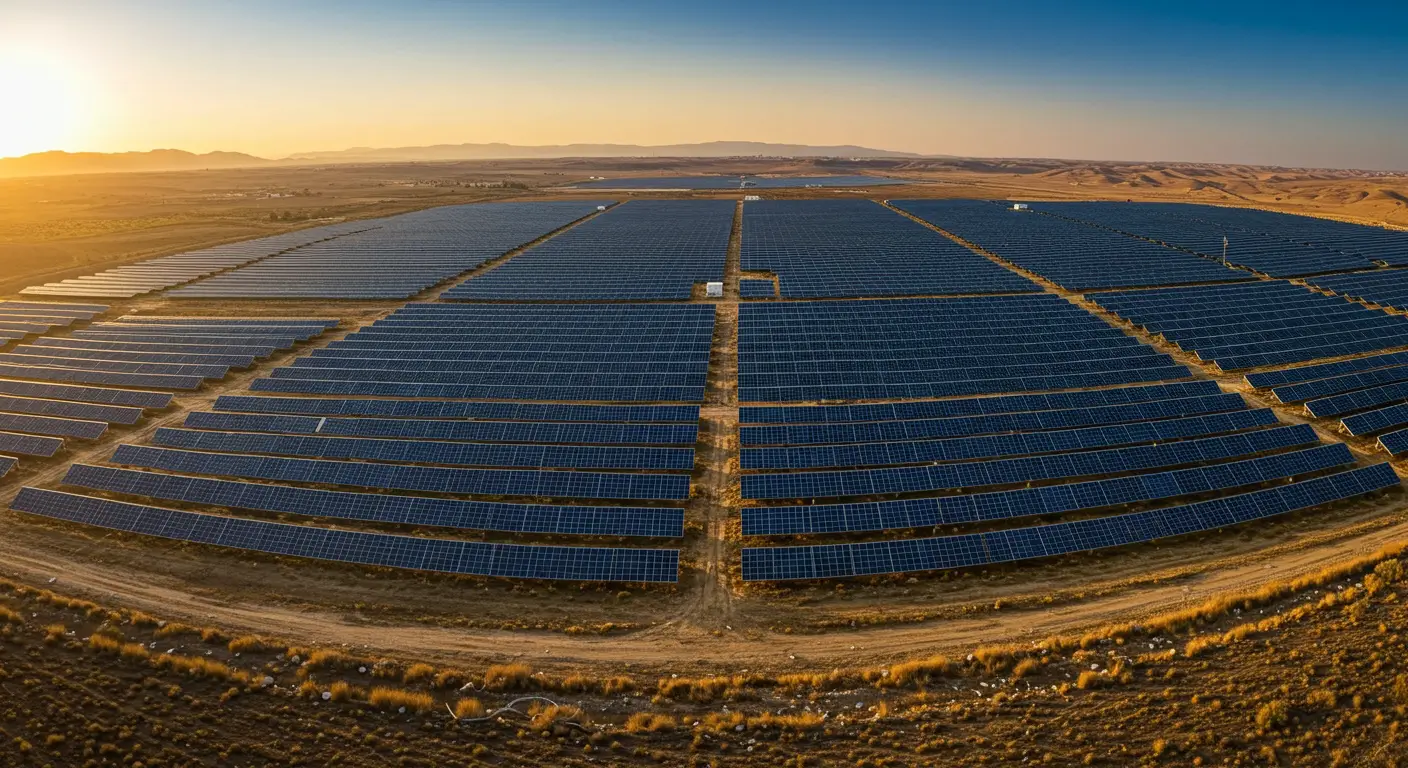
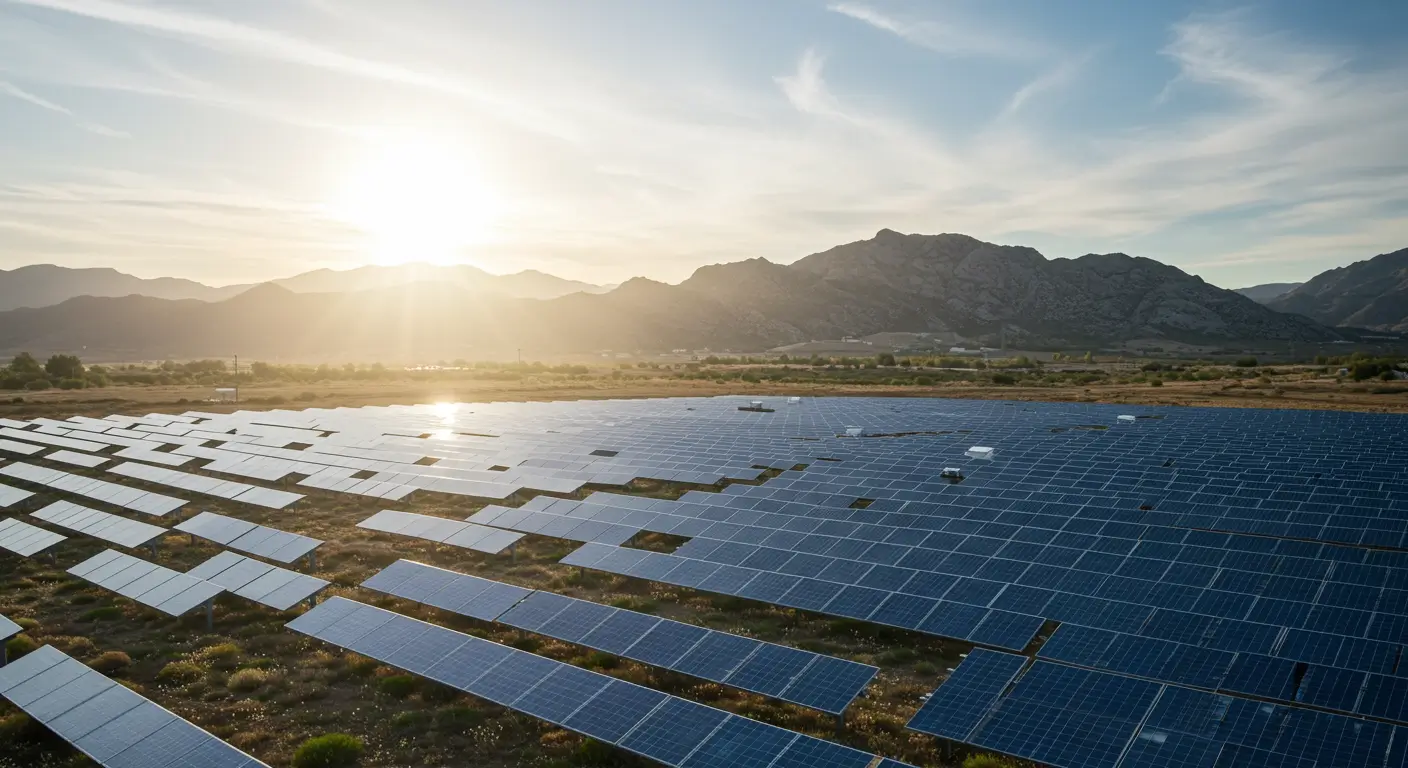
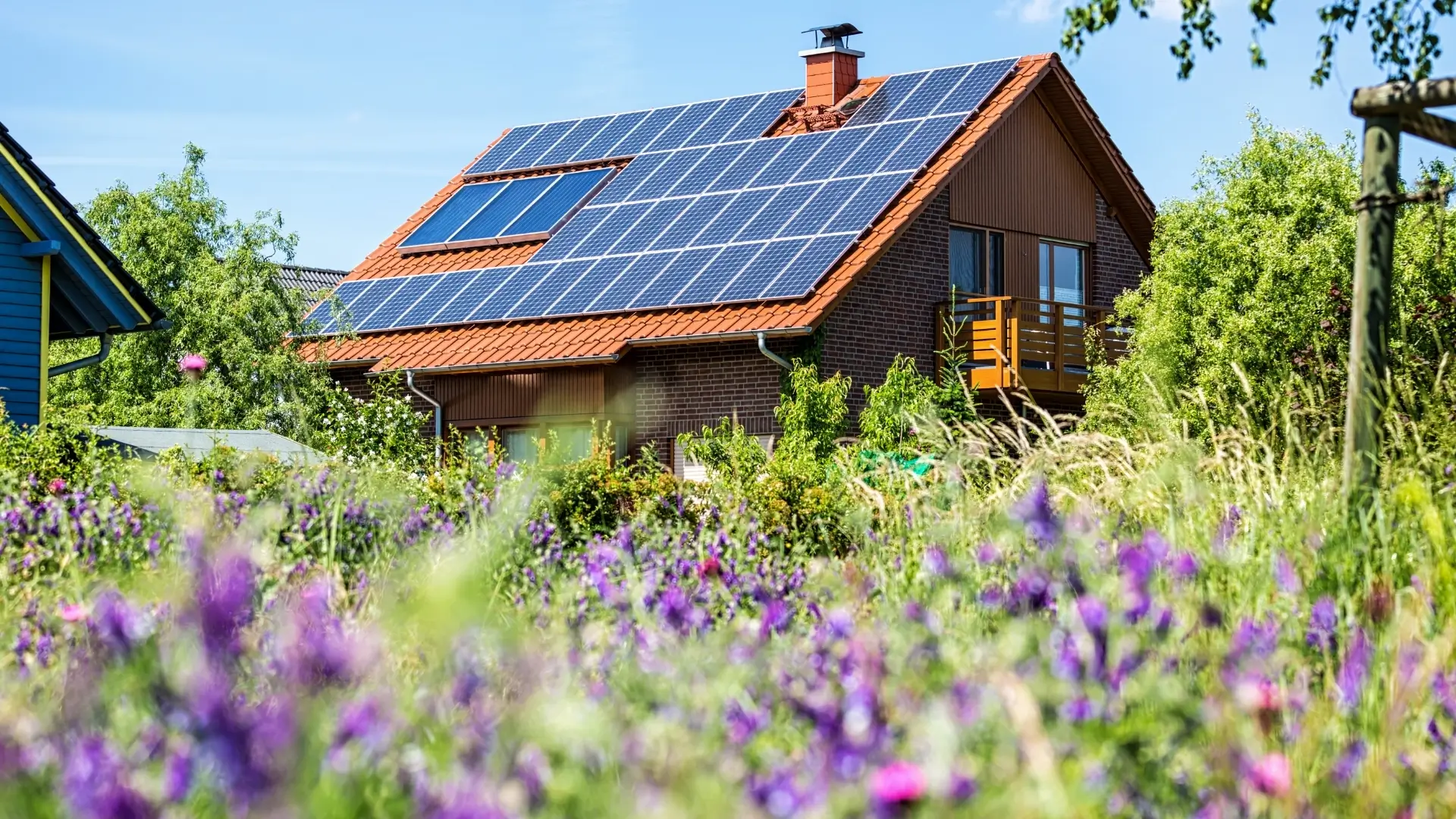
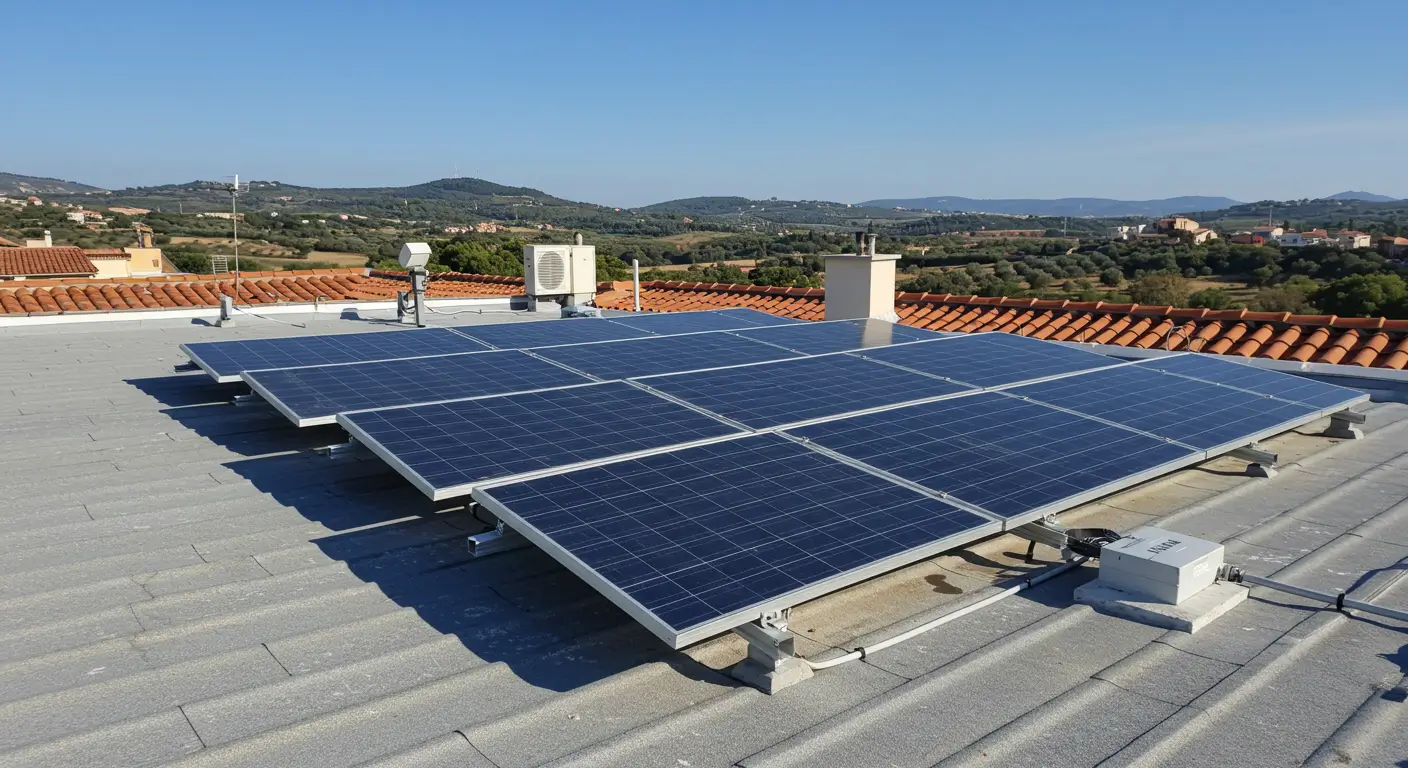
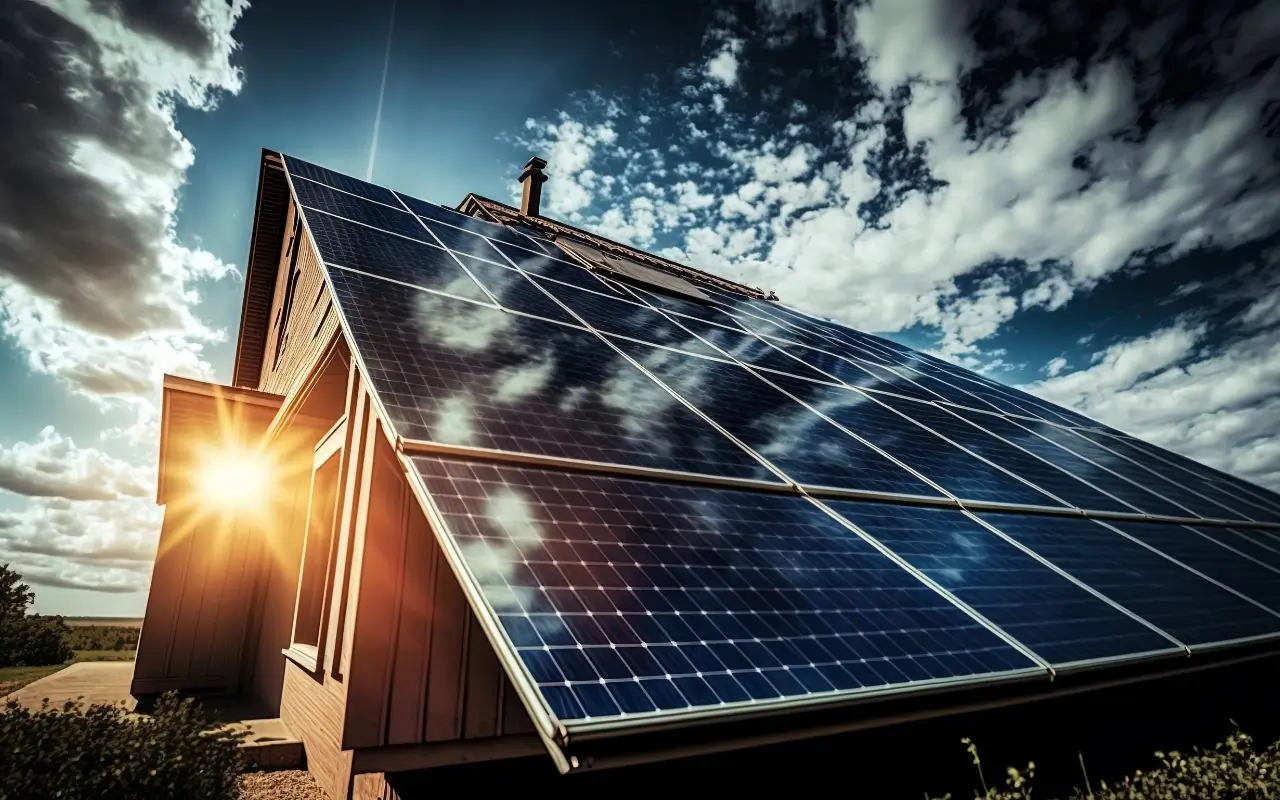
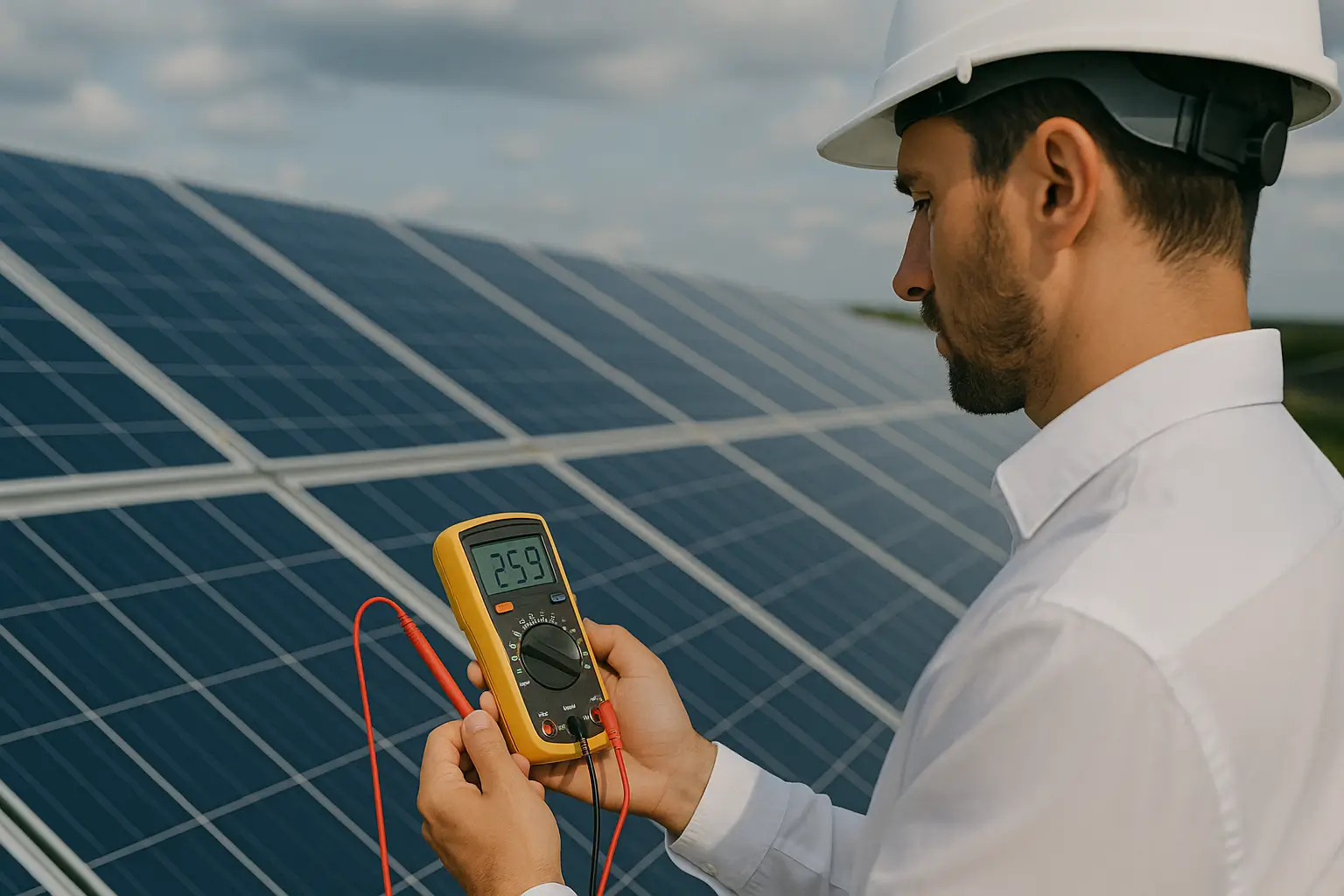
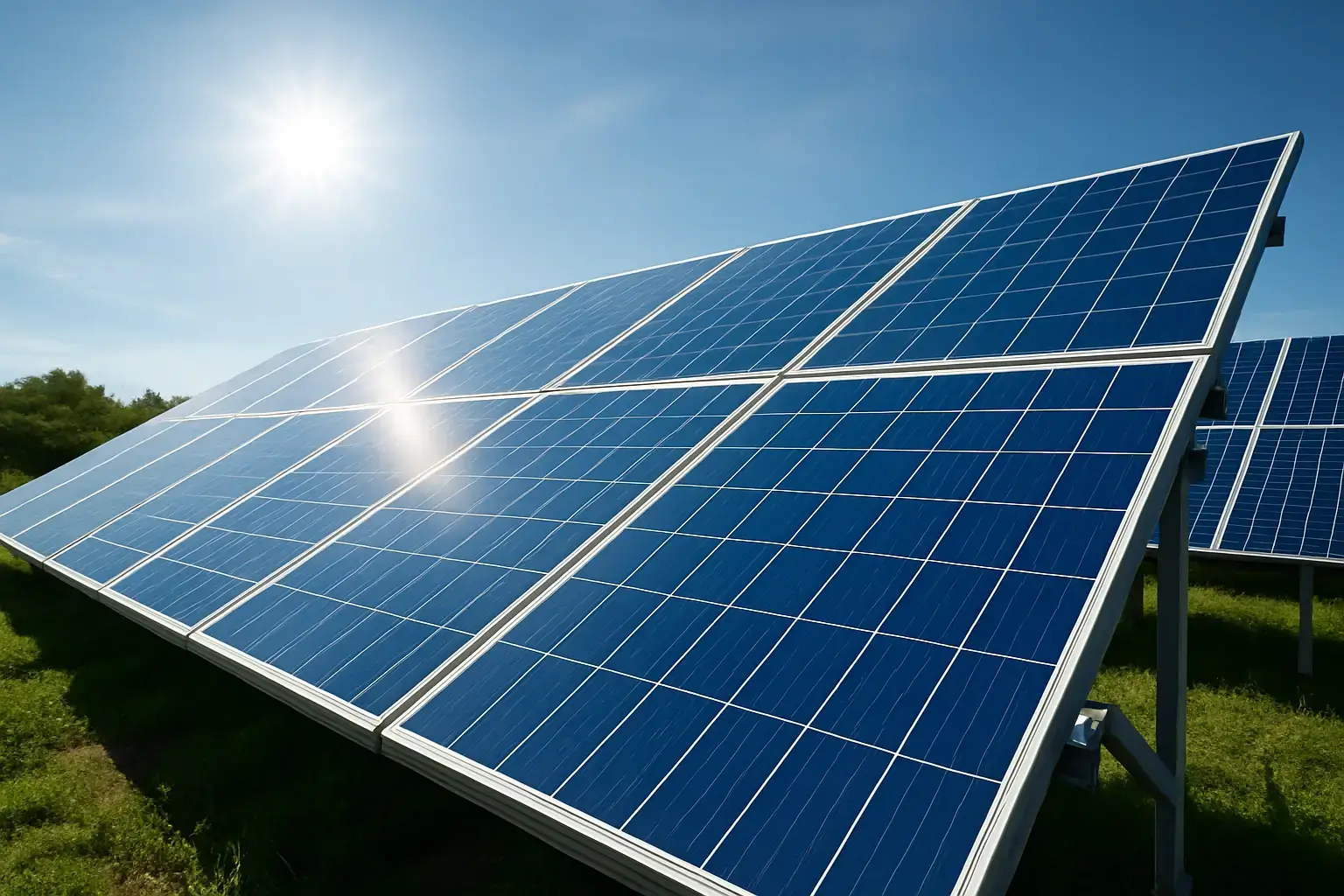
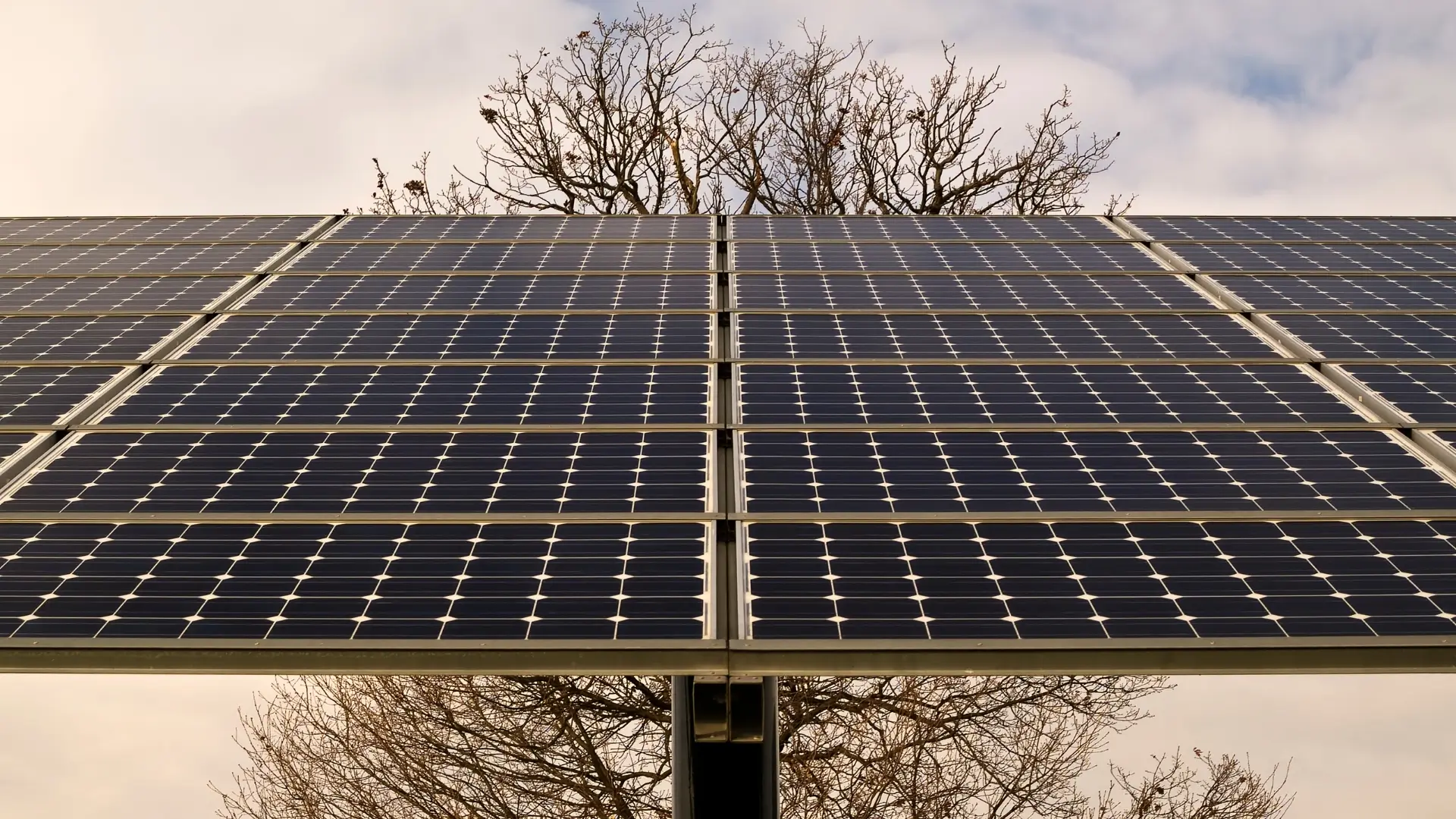
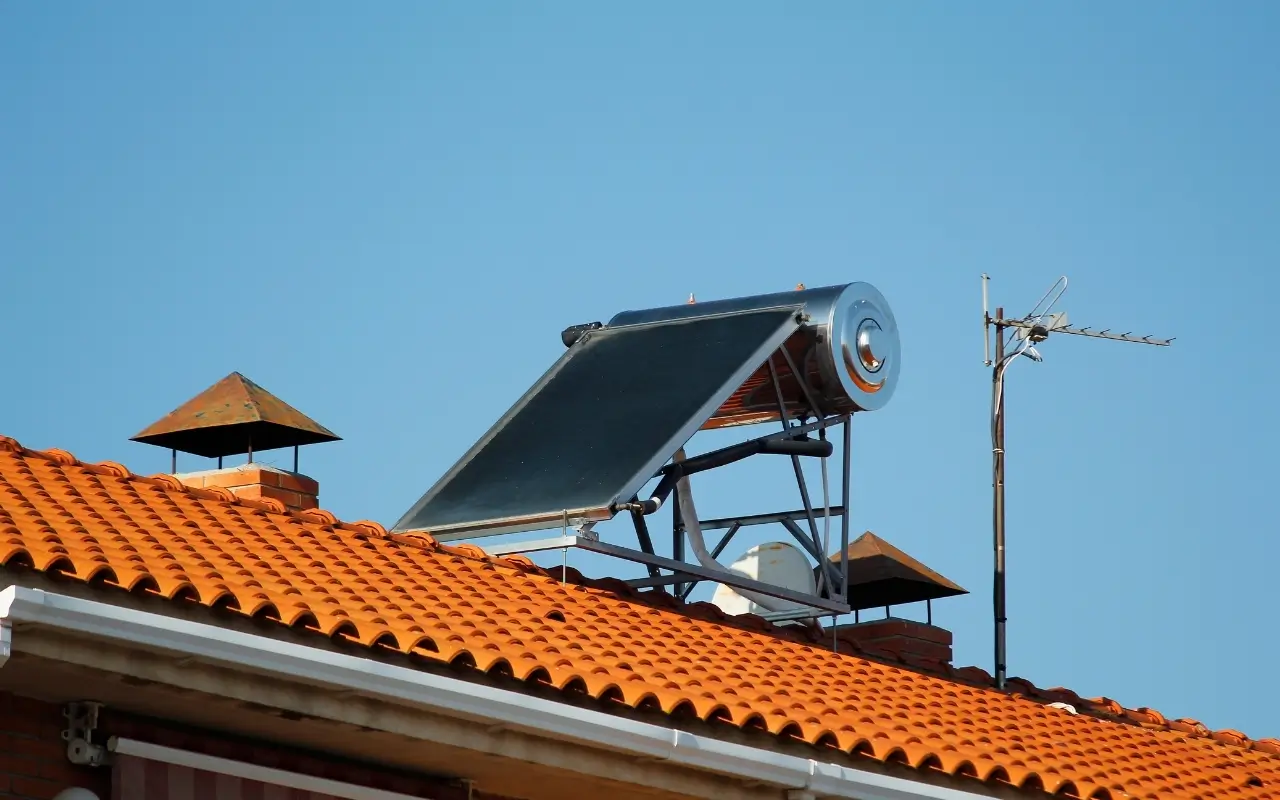
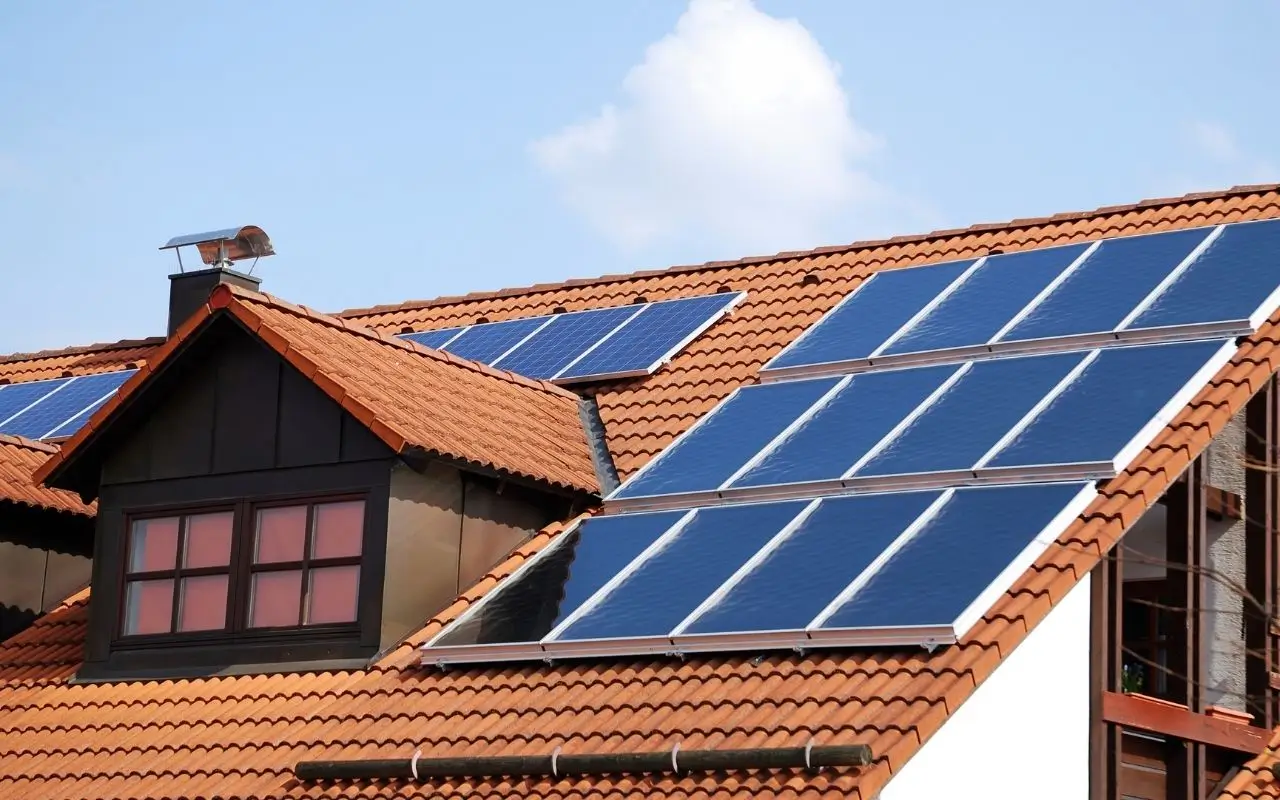
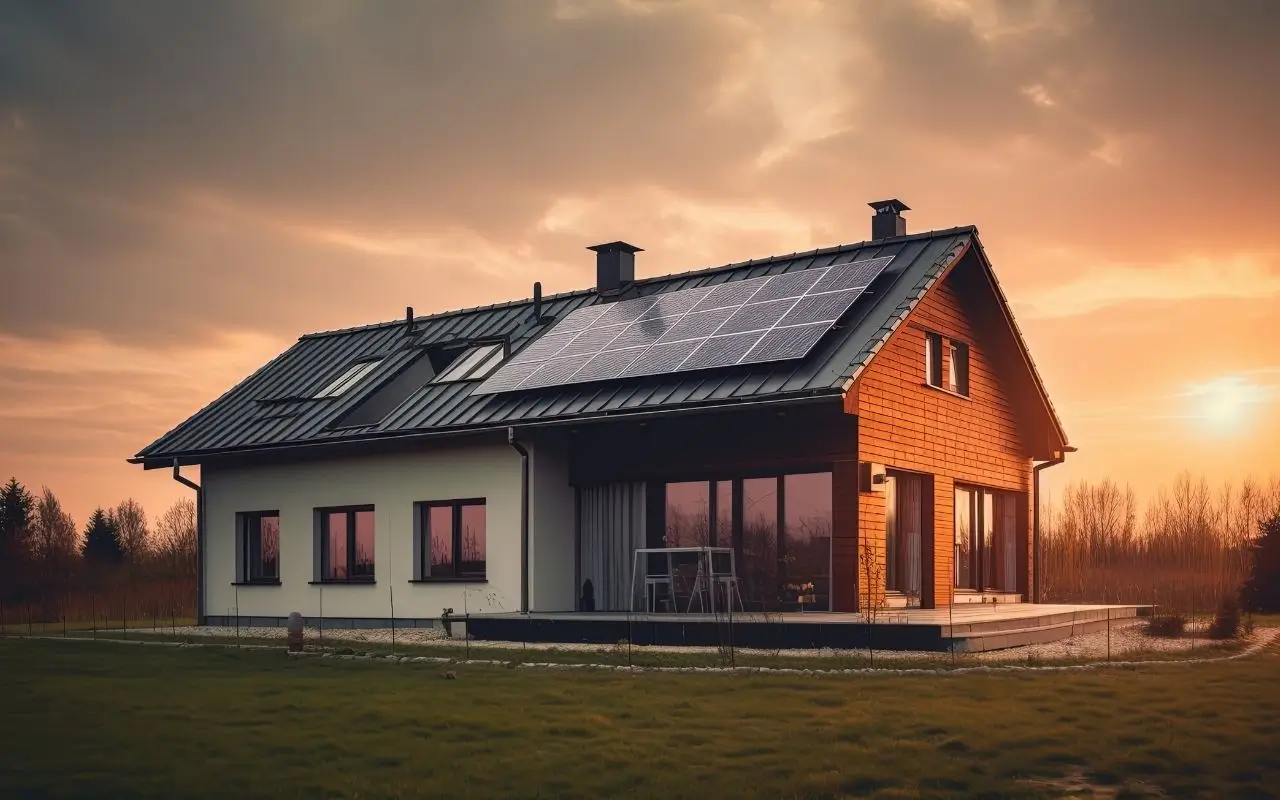
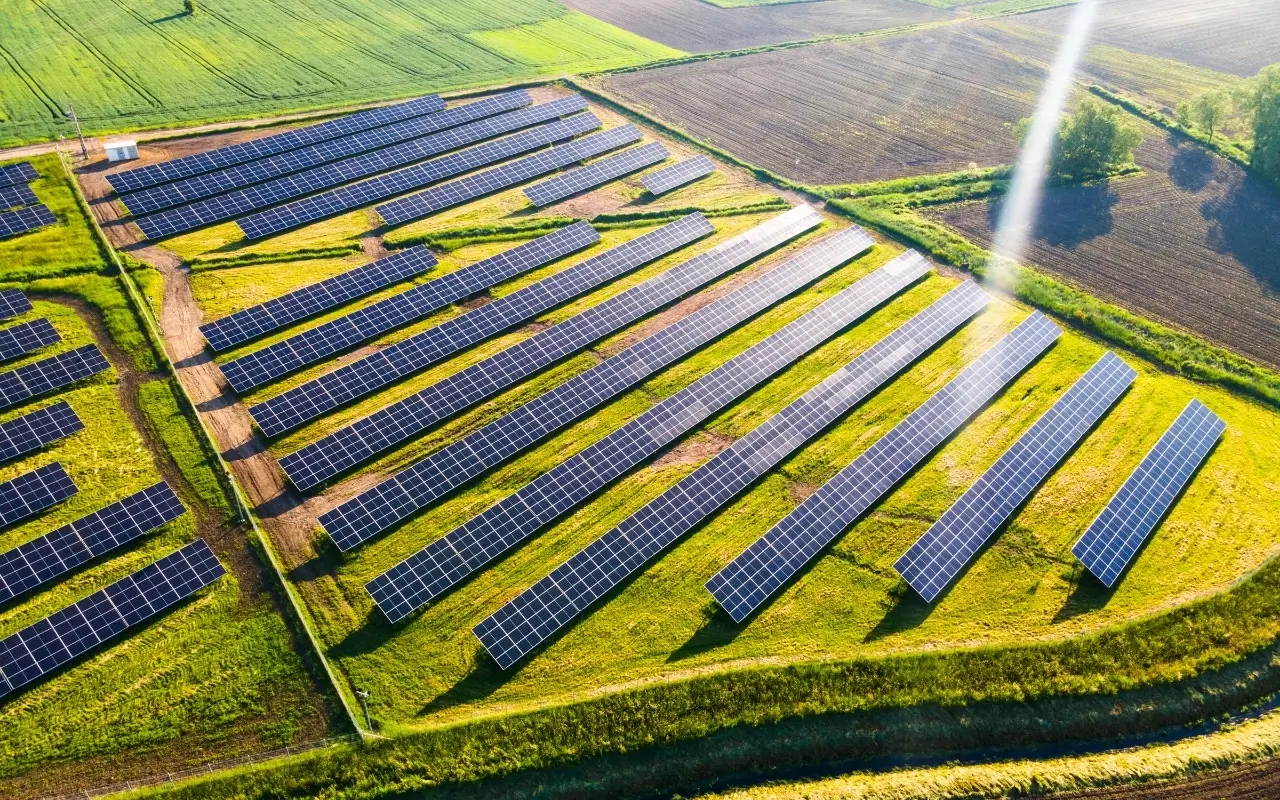
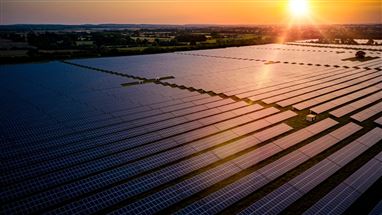
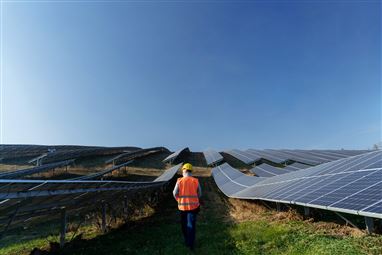
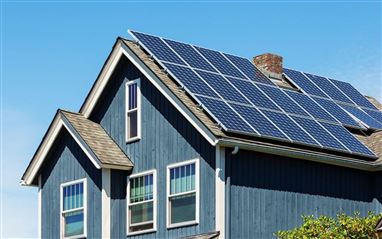
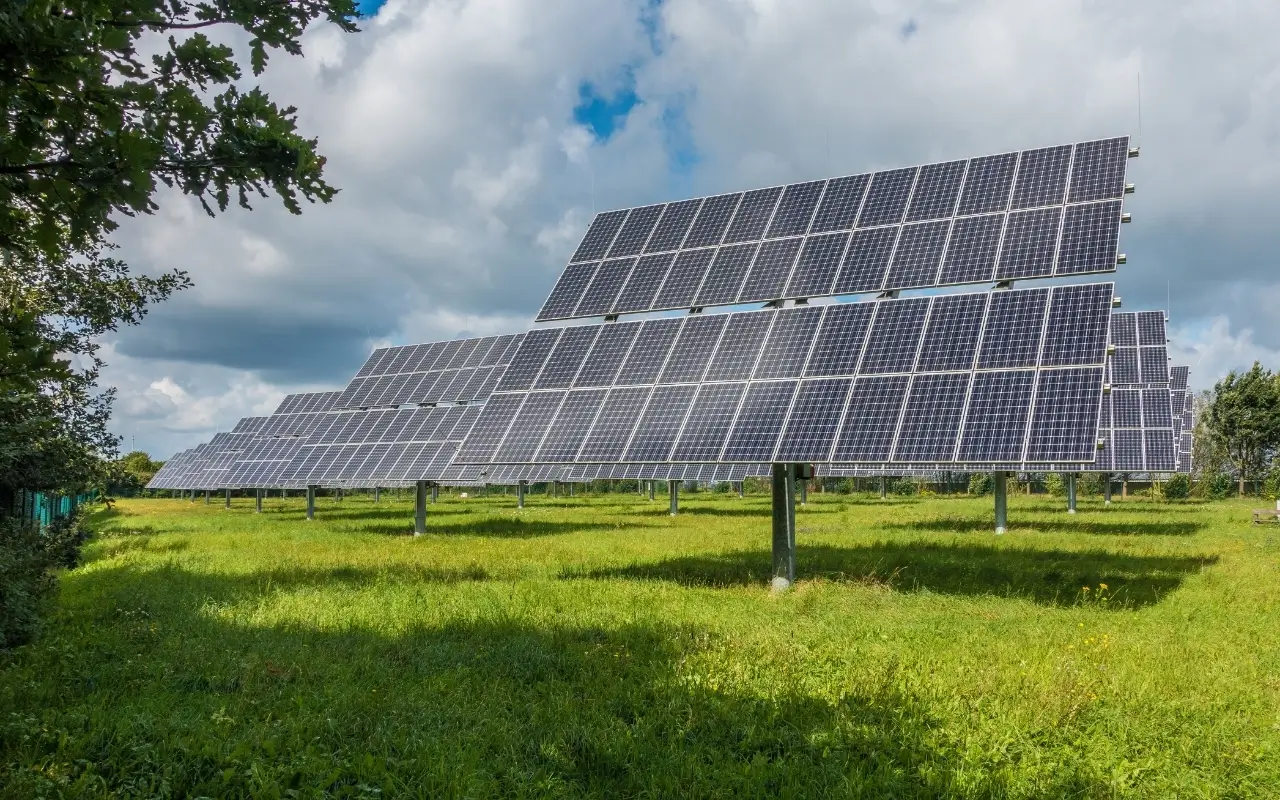
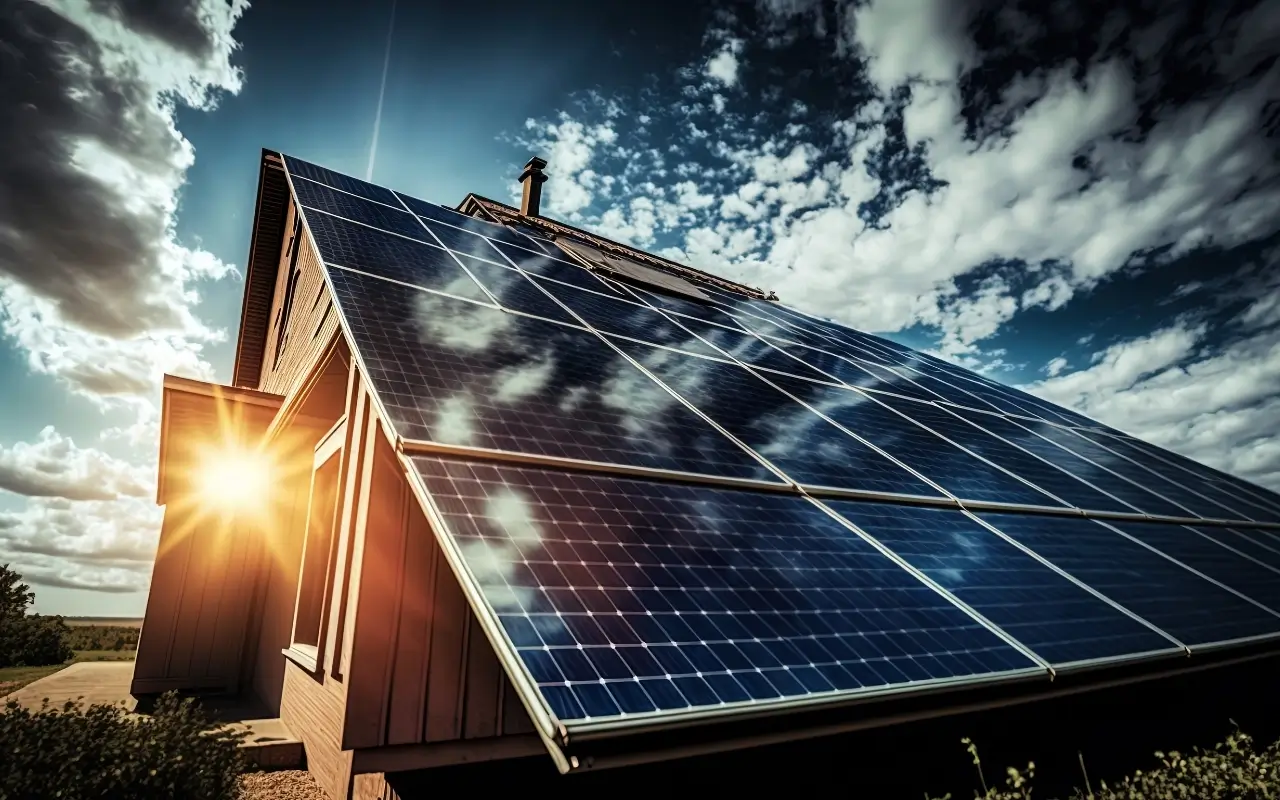
Solar panels are divided into three main groups according to cell structure and manufacturing technology: monocrystalline, polycrystalline and thin-film panels. Under these three groups are subtypes such as half-cut, bifacial and flexible panels. The main differences between them are efficiency, power generated per unit area and the cost balance.
Today, monocrystalline panels are preferred in the majority of rooftop and ground-mounted installations in Türkiye. Polycrystalline panels have largely been phased out, while thin-film technology is used mainly in special applications. Below, we examine in detail where each panel type offers advantages and in which situations it should not be preferred.
Plan your panel selection with efficiency in mind
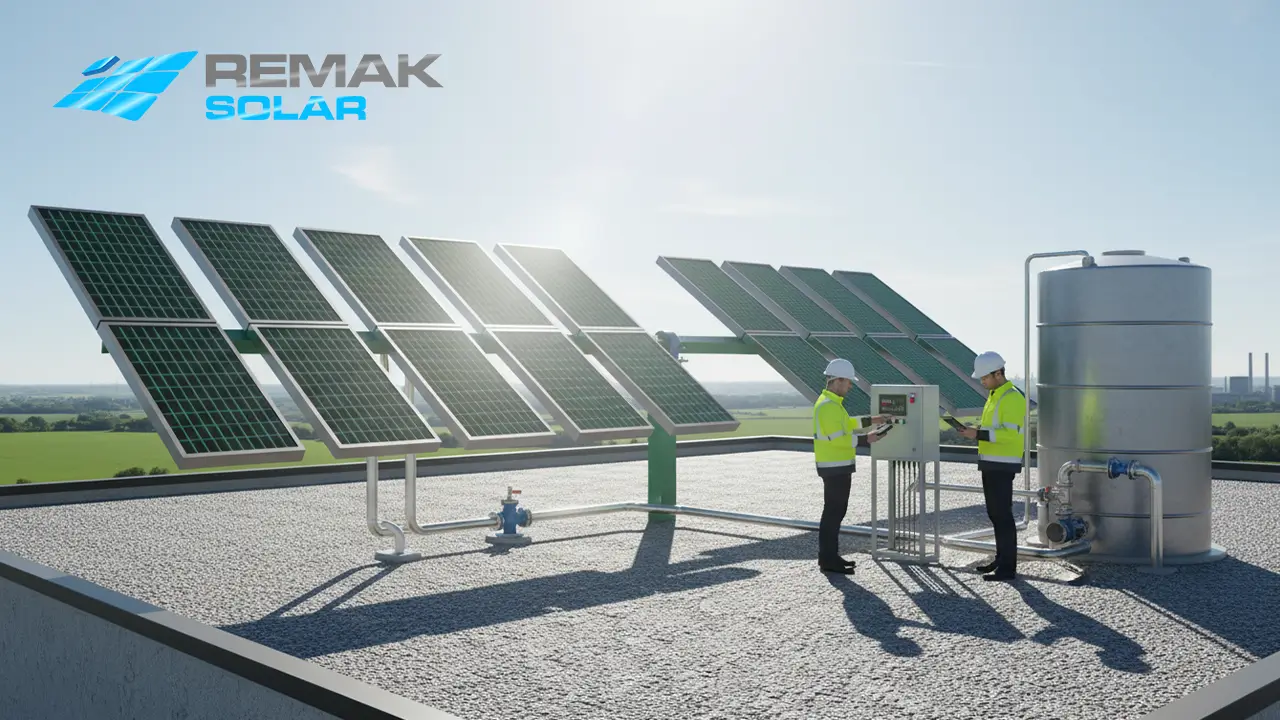
Whichever panel type you choose, the main factor determining production is how directly the panel faces the sun. With Remak Solar's solar tracking systems and mechanical components, you can achieve higher yield from the same site.
Solar Tracking Systems Our Products Get a QuoteMonocrystalline Solar Panels
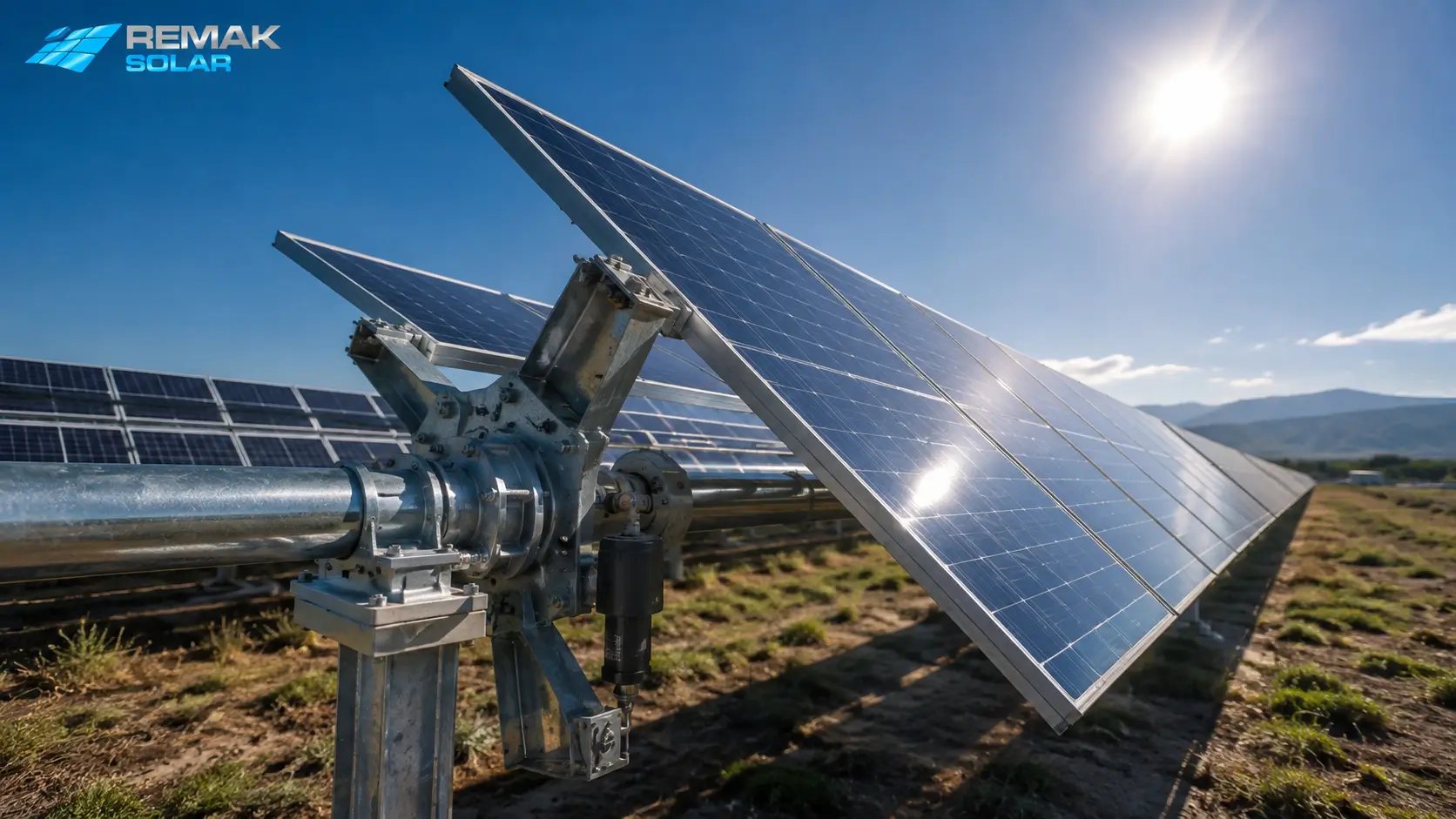
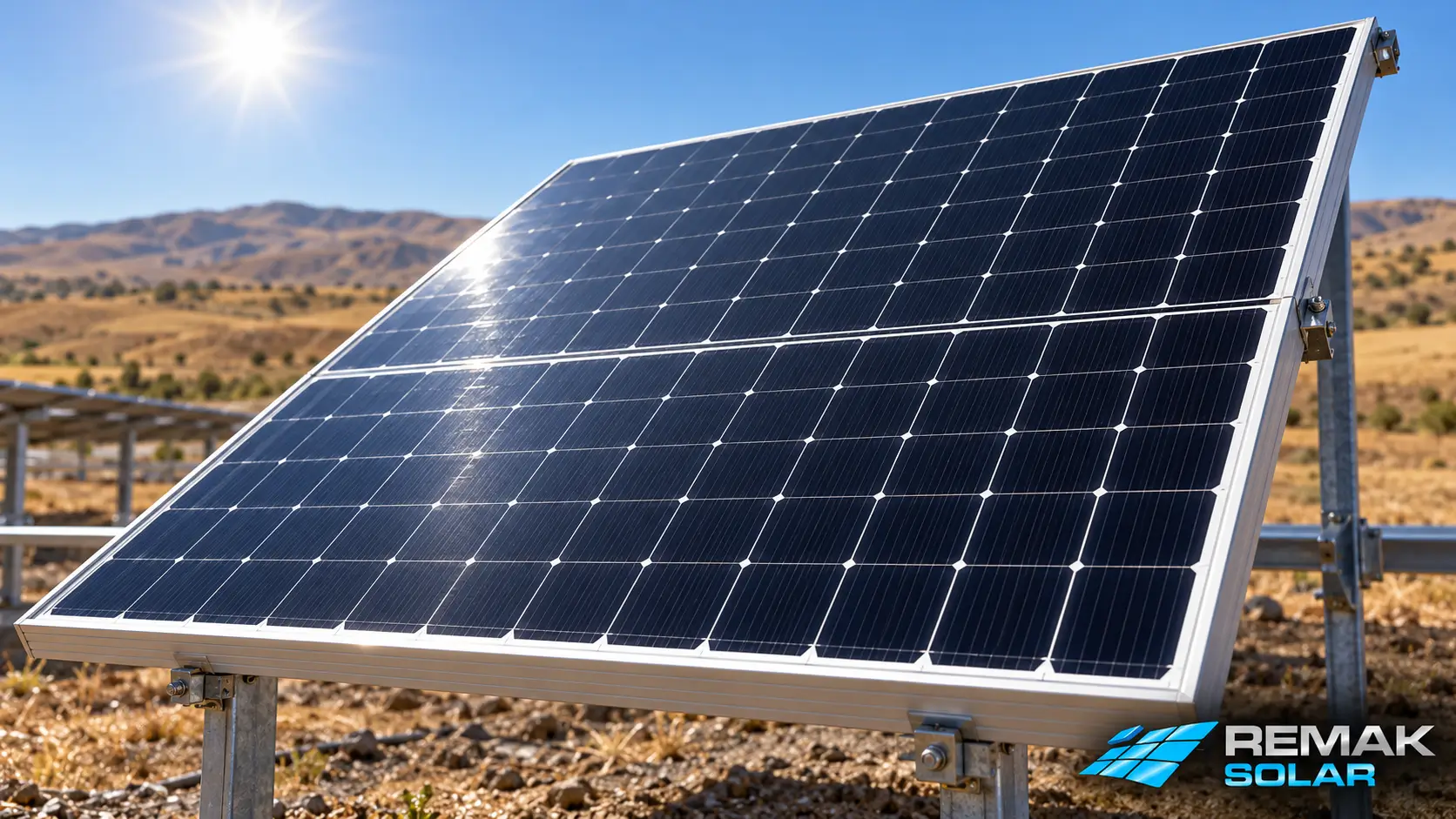
Monocrystalline panels are manufactured using cells cut from a single silicon crystal. Because the cell structure is homogeneous, electrons encounter less resistance, which directly improves efficiency. Models on the market generally offer efficiency rates between 20% and 23%.
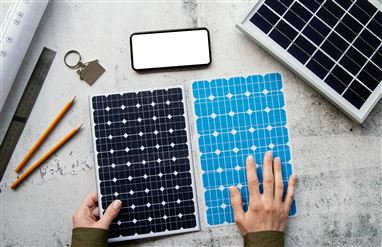
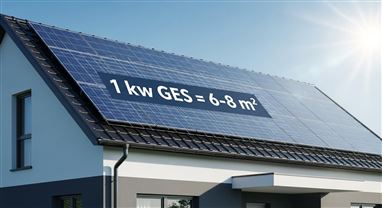
The panel's dark black appearance and slightly rounded corners are the easiest visual cues for identifying this type. Delivering the same wattage on a smaller surface area provides a decisive advantage, especially in rooftop applications where space is limited.
Performance loss at high temperatures is more controlled than with other types. In regions such as the Aegean and Southeastern Türkiye, where summer temperatures remain above 35°C for long periods, this detail makes a difference in annual production calculations.
Its cost is slightly higher than polycrystalline panels. However, as the price difference per watt has narrowed significantly in recent years, monocrystalline panels now stand out in almost all new installations.
Polycrystalline Solar Panels
In polycrystalline panels, multiple silicon crystals are melted and cast into a mold. This manufacturing method is more economical, but because crystal boundaries partially slow electron flow, efficiency remains in the 15% to 17% range. Their bluish, speckled appearance results from this structure.
To achieve the same power, they require approximately 15% more area than monocrystalline panels. This difference can be tolerated in ground-mounted plants, but in rooftop projects it often directly reduces the installable capacity.
Their temperature coefficient is also somewhat less favorable. As panel surface temperature rises, the production drop becomes more pronounced than with monocrystalline panels. For this reason, polycrystalline panels are now mainly seen in remaining stock and low-budget, small-scale systems.
Thin-Film Solar Panels
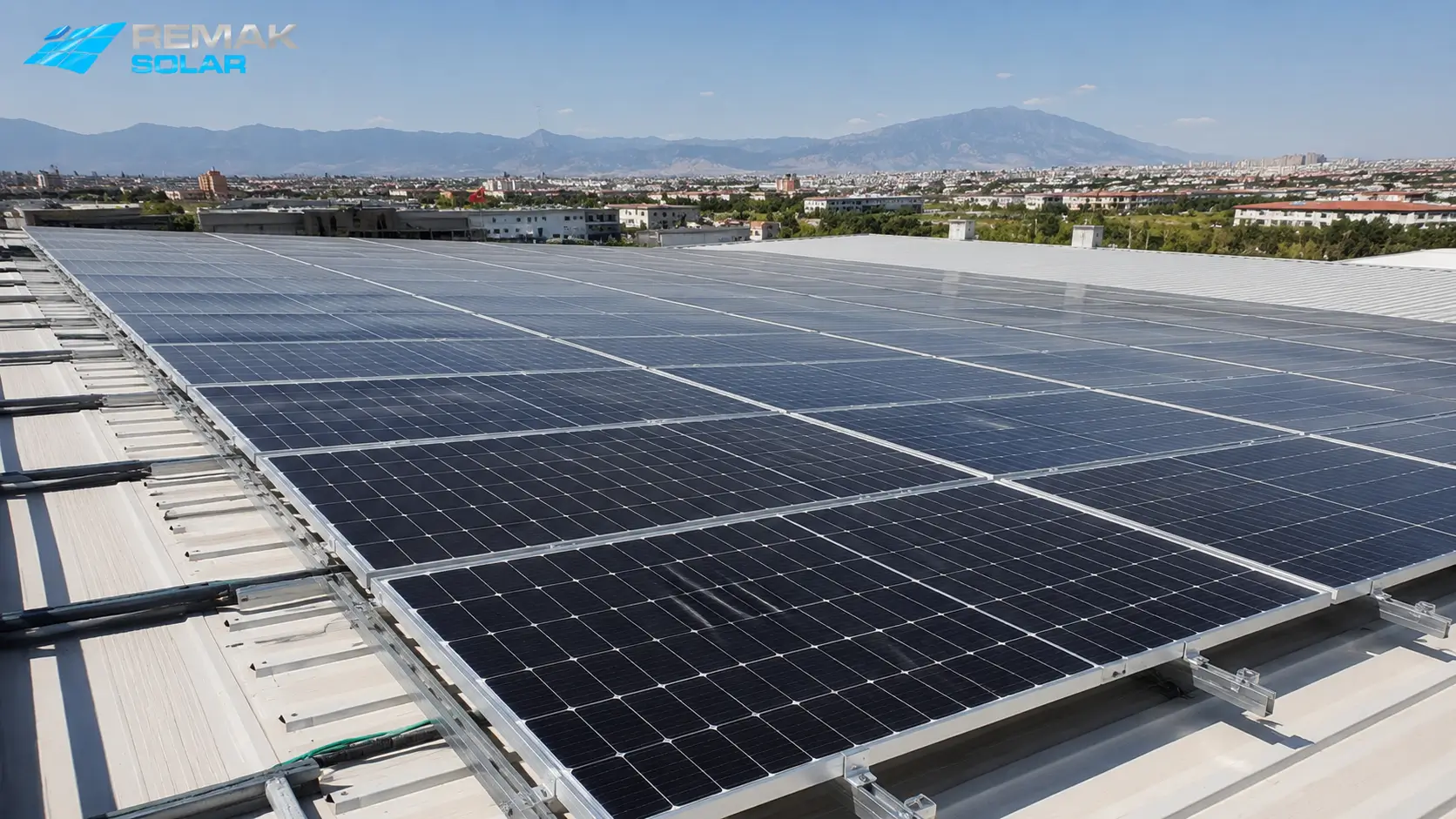
Thin-film panels are produced by coating very thin semiconductor layers onto glass or a flexible carrier surface. Cadmium telluride and amorphous silicon are the most commonly used materials. With efficiency rates of around 10% to 13%, they require significantly more area for the same power output.
On the other hand, they perform more consistently in low-light conditions and on surfaces where shading is unavoidable. Limited production loss at high temperatures is another notable advantage of this technology.
Thanks to their low weight and ability to be manufactured in flexible form, they are preferred on industrial roofs with limited load capacity, in caravans and in façade applications. For a standard residential or rooftop solar power project, however, they are generally not the most economical choice.
Half-Cut and Bifacial Panel Technologies
Half-cut panels are produced by dividing standard cells into two with a laser. Because the current per cell is halved, losses caused by internal resistance are reduced and the panel gains approximately 2% to 3% additional efficiency.
A second benefit of this structure is its behavior under shading. When part of the panel is shaded, not the entire output but only the affected half-circuit drops. On roofs affected by chimneys, trees or neighboring buildings, this feature noticeably preserves annual production.
Bifacial panels are designed to collect light from the rear side as well. Depending on conditions, reflected irradiation from the ground can provide an additional gain of 5% to 20%. On light-colored ground, white membrane roofs or snow-covered sites, this gain can approach the upper end of the range.
Comparative Summary of Panel Types
The list below lets you compare the main differences between panel types at a glance:
- Monocrystalline: 20-23% efficiency, minimal space requirement, good high-temperature performance, medium-to-high cost. The first choice for most rooftop and ground-mounted projects.
- Polycrystalline: 15-17% efficiency, greater area requirement, low cost. Suitable for installations where space is plentiful and the budget is limited.
- Thin film: 10-13% efficiency, lightweight and flexible structure, stable production under shade. Considered for roofs with limited load capacity and special surfaces.
- Half-cut: Cell structure that limits shading losses and provides additional efficiency compared with standard panels. Advantageous in areas with partial shading risk.
- Bifacial: Additional production from the rear side and high gains on reflective surfaces. Delivers the best results in ground-mounted plants and together with tracking systems.
How to Choose the Right Panel for the Installation Area?
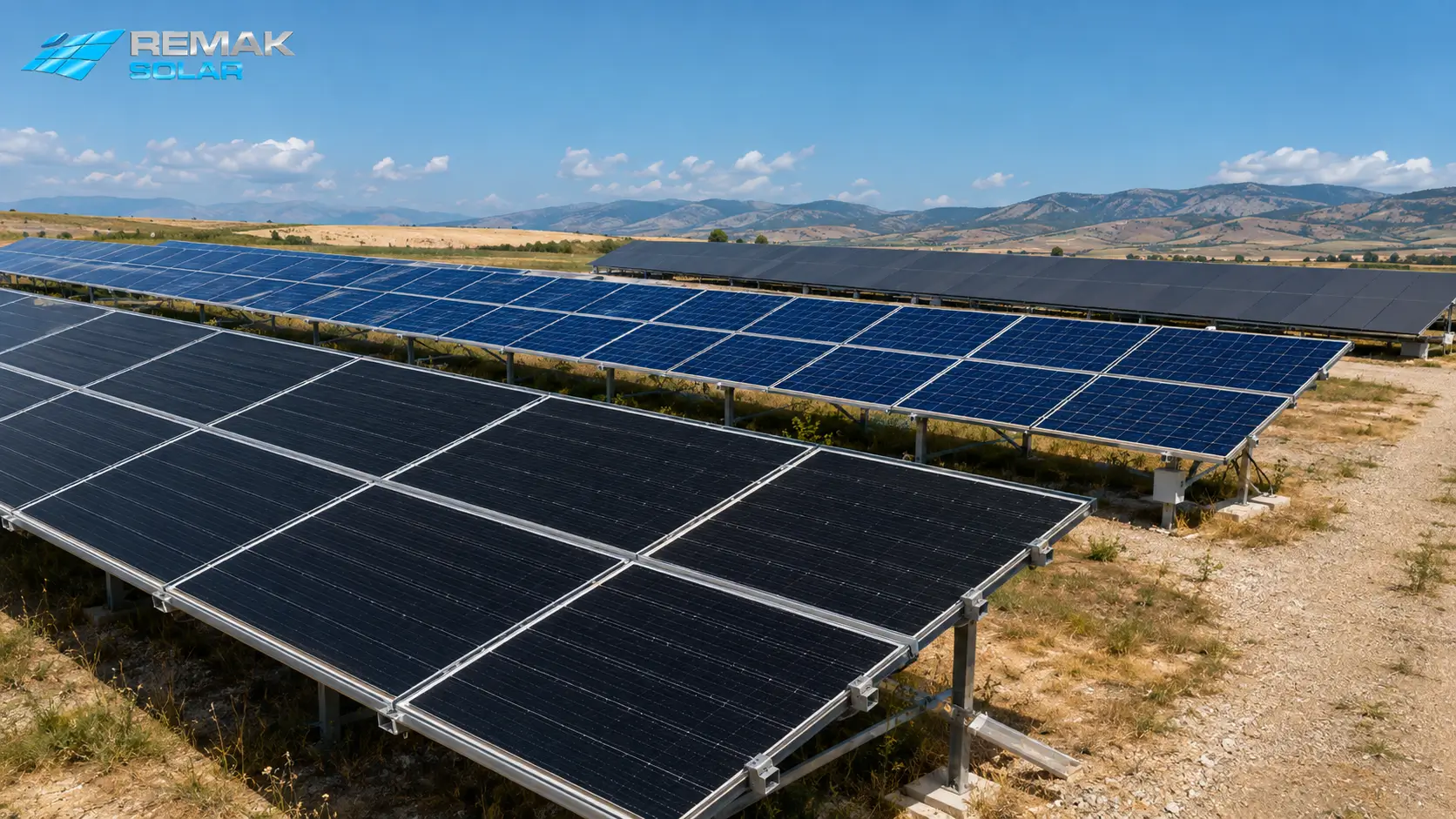
The first thing to consider when selecting a panel type is the available space. If the usable surface is limited, choosing a high-efficiency panel is essential; when space is ample, unit cost becomes more decisive.
The second criterion is shading. If part of the panels is shaded in the morning or evening, a half-cut design can make a significant difference. For detailed information on panel positioning, you can read our article on how to position solar panels .
Third, the climate conditions of the region come into play. In areas with high summer temperatures, panels with a low temperature coefficient stand out, while in cloudy and northern regions, models that perform well in low light are preferable.
Finally, the payback period of the investment should be taken into account. A slightly more expensive but more efficient panel can shorten the payback period by generating more energy from the same site. how much energy a solar panel produces The calculation approach explained in this topic can be useful at this point.
As Important as Panel Type: Tracking the Sun
In a fixed-mount system, panels face the sun at the ideal angle only during certain hours of the day. In the morning and late afternoon, irradiation reaches the panel at an oblique angle, so production remains noticeably below the panel's nominal capacity.
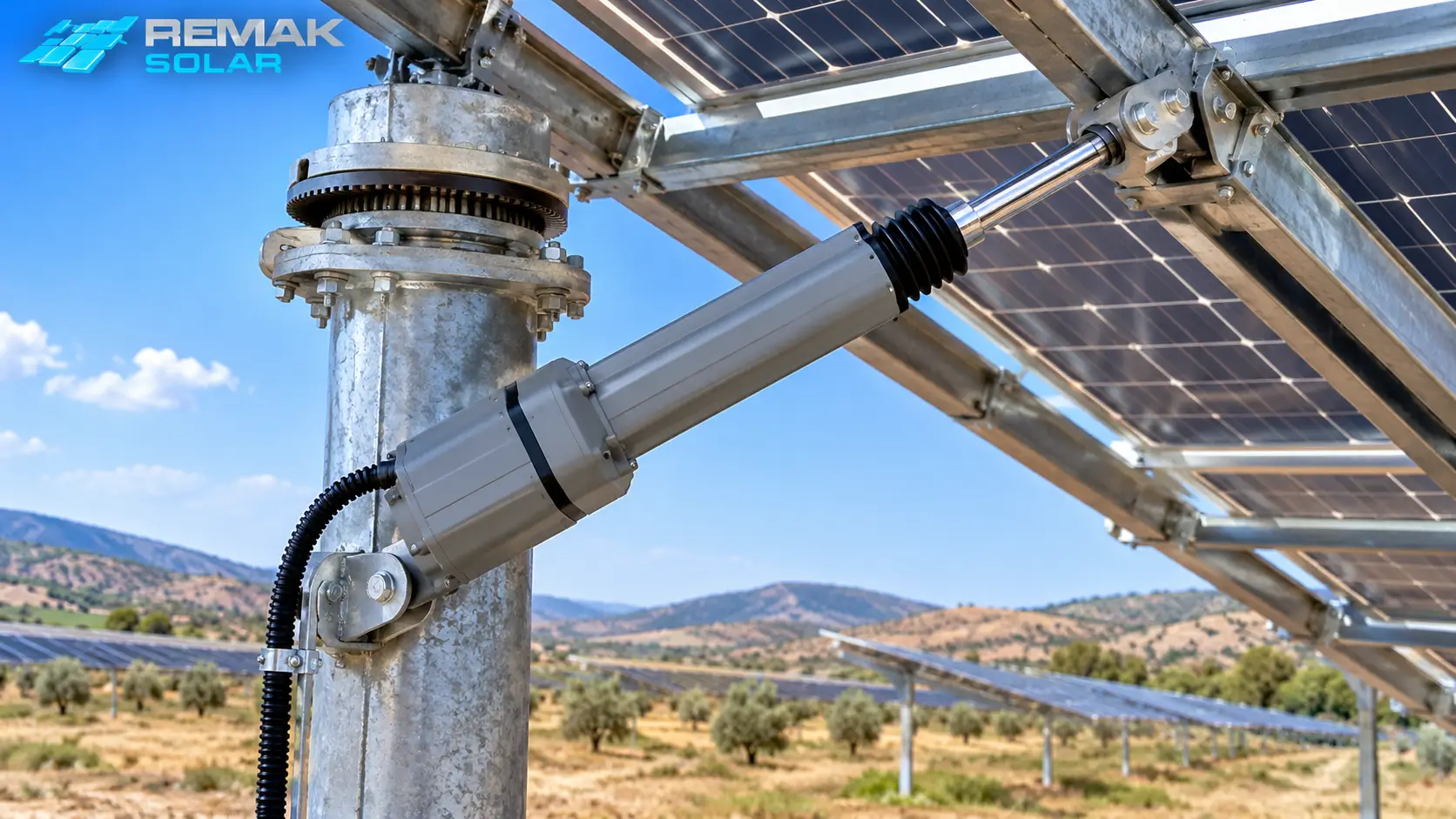
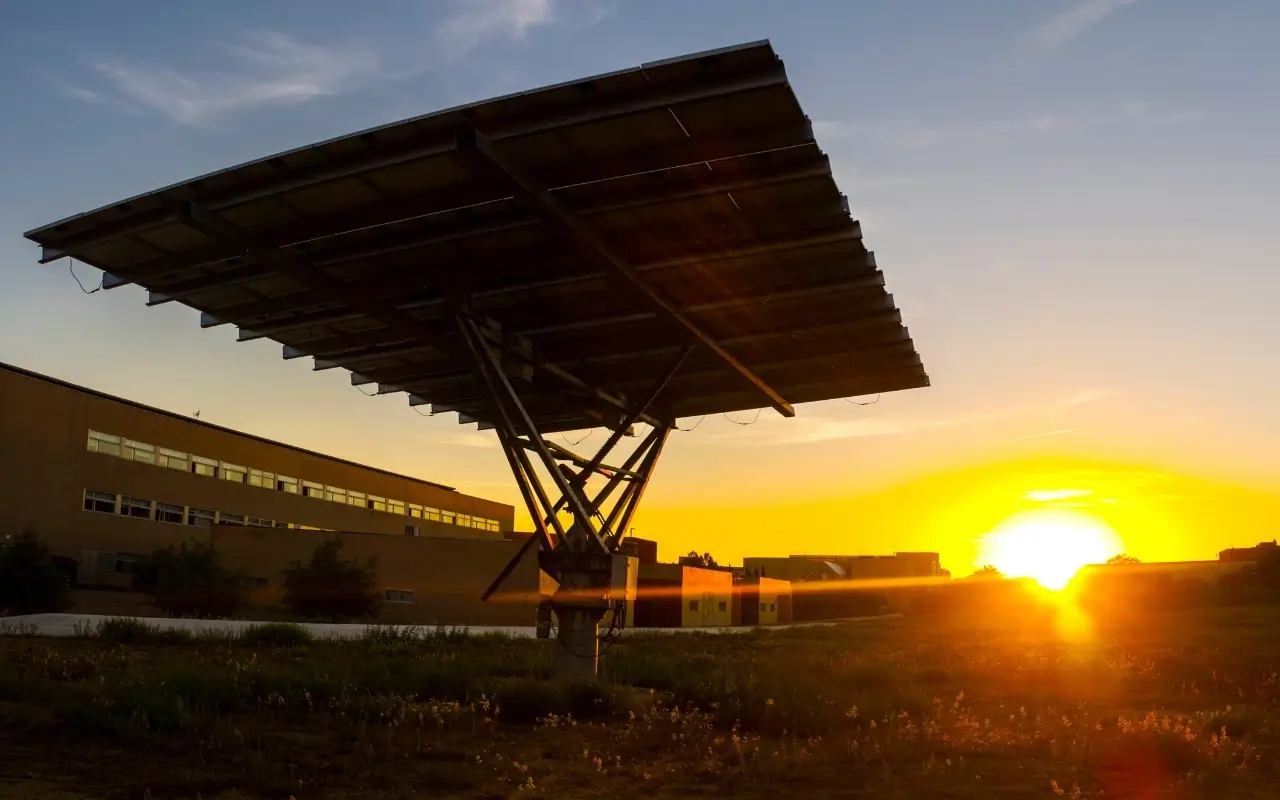
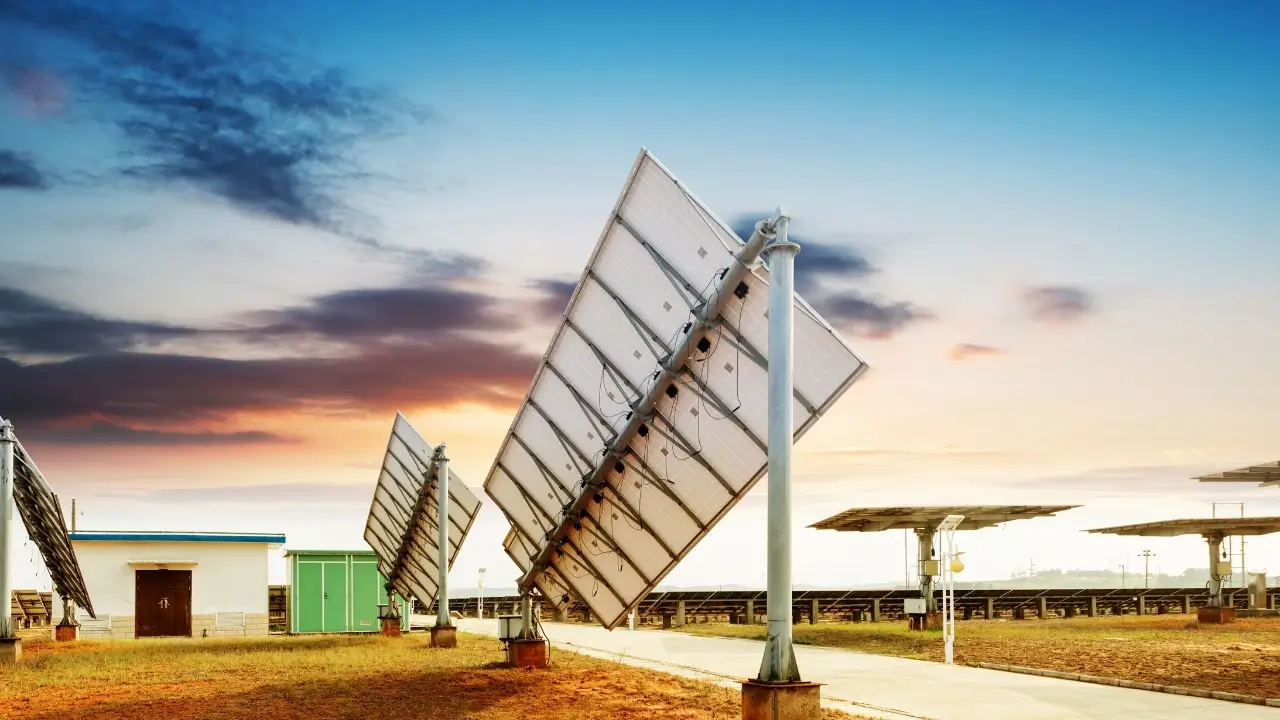
Solar tracking systems eliminate this loss by rotating the panels according to the sun's position throughout the day. Annual production can increase by 25% to 35% with single-axis systems and by up to 40% with dual-axis systems. This gain is far greater than what is achieved simply by upgrading the panel type.
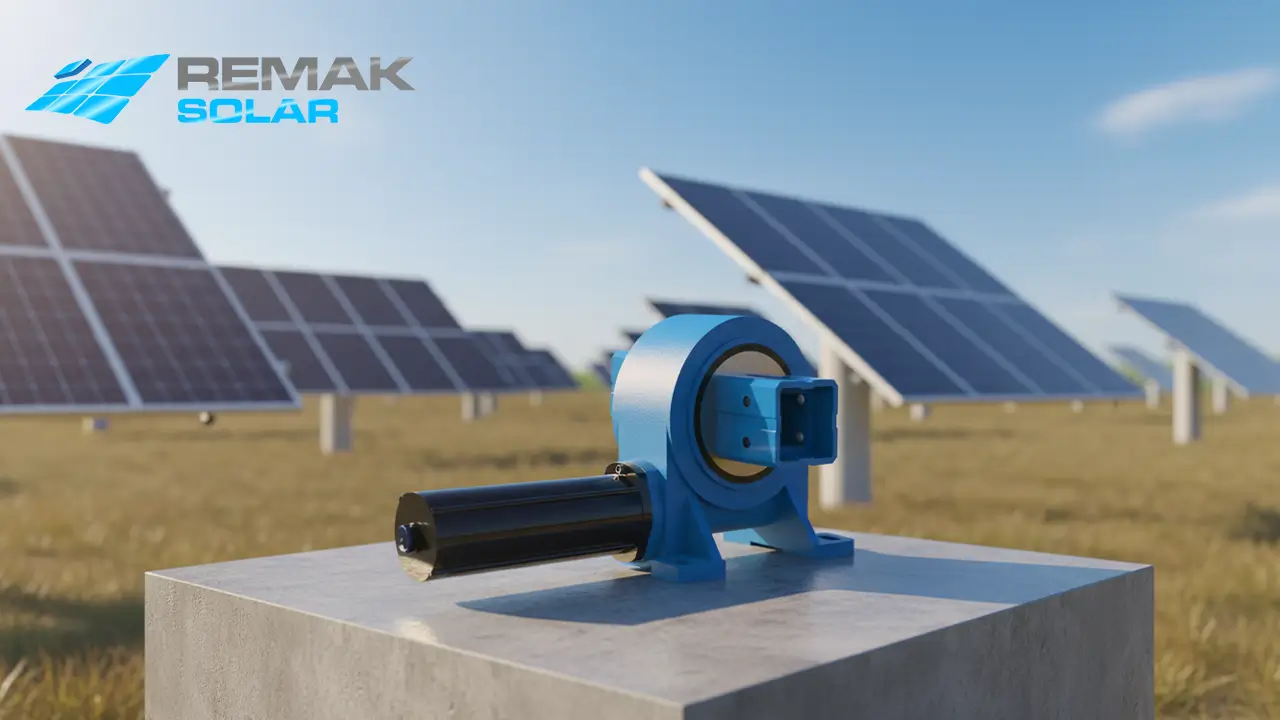
At Remak Solar, we manufacture the mechanical infrastructure components of these systems, including solar tracker gearboxes, control panels and bearing bushings . Especially when used together with bifacial panels, tracking systems maximize the total yield obtained from the site.
What to Check When Buying Solar Panels
The panel's rated power alone is not a sufficient criterion. The duration of the manufacturer's performance warranty and the guaranteed production rate at the end of the twenty-fifth year should always be reviewed.
The temperature coefficient is a value often overlooked in technical documents but with major impact in the field. The lower this value, the less performance the panel loses on hot days.
Mechanical strength should not be ignored either. If wind and snow load ratings do not meet the conditions of the installation region, the long-term risk of microcracks and glass breakage increases. The service life of solar panels depends largely on these durability criteria.
In short, the right panel type varies according to the project's available area, shading conditions and regional climate. Planning system components to be compatible with the panel and, where possible, supporting the system with a tracker are the main factors determining the real return on investment. If you would like a technical evaluation for your project, you can reach us via our contact page .
Other Frequently Asked Questions About Solar Panels
What is the annual efficiency loss (degradation rate) of solar panels?
After the first-year LID (light-induced degradation), the average annual efficiency loss of solar panels is around 0.5% to 0.8%. High-quality monocrystalline panels typically guarantee that they will retain approximately 80% to 85% of their initial performance after 25 years of service.
What is a "Hot Spot" in solar panels and how does it damage the panels?
A hot spot occurs when a cell on the panel, due to shading, bird droppings or microcracks, resists current flow instead of conducting it and overheats. Excessive heat can cause permanent cell burns and production losses; bypass diodes and half-cut architecture significantly reduce this risk.
How much can dust and dirt on solar panels reduce electricity production?
Contaminants such as dust, pollen, industrial soot and bird droppings accumulated on the panel surface can block sunlight absorption and reduce total annual production by 5% to 15%. During dry periods with insufficient rainfall, panels should be cleaned periodically with purified water and suitable brushes.
Can hail or severe storms damage solar panels?
Panels manufactured in accordance with international standards (IEC 61215) use tempered protective glass designed to withstand 25 mm hailstones striking at 80 km/h. However, even if the glass does not break after a storm or impact, invisible "microcracks" may form in the cells, making proper mounting infrastructure critically important.
Can solar panels with different power ratings or technologies be connected to the same inverter string?
Connecting panels with different wattages, cell structures or current ratings in series within the same string is not recommended. In a series connection, the total string current falls to the level of the panel with the lowest current (bottleneck effect), preventing high-efficiency panels from being used at their full power.
Do Comment