

Other Blog
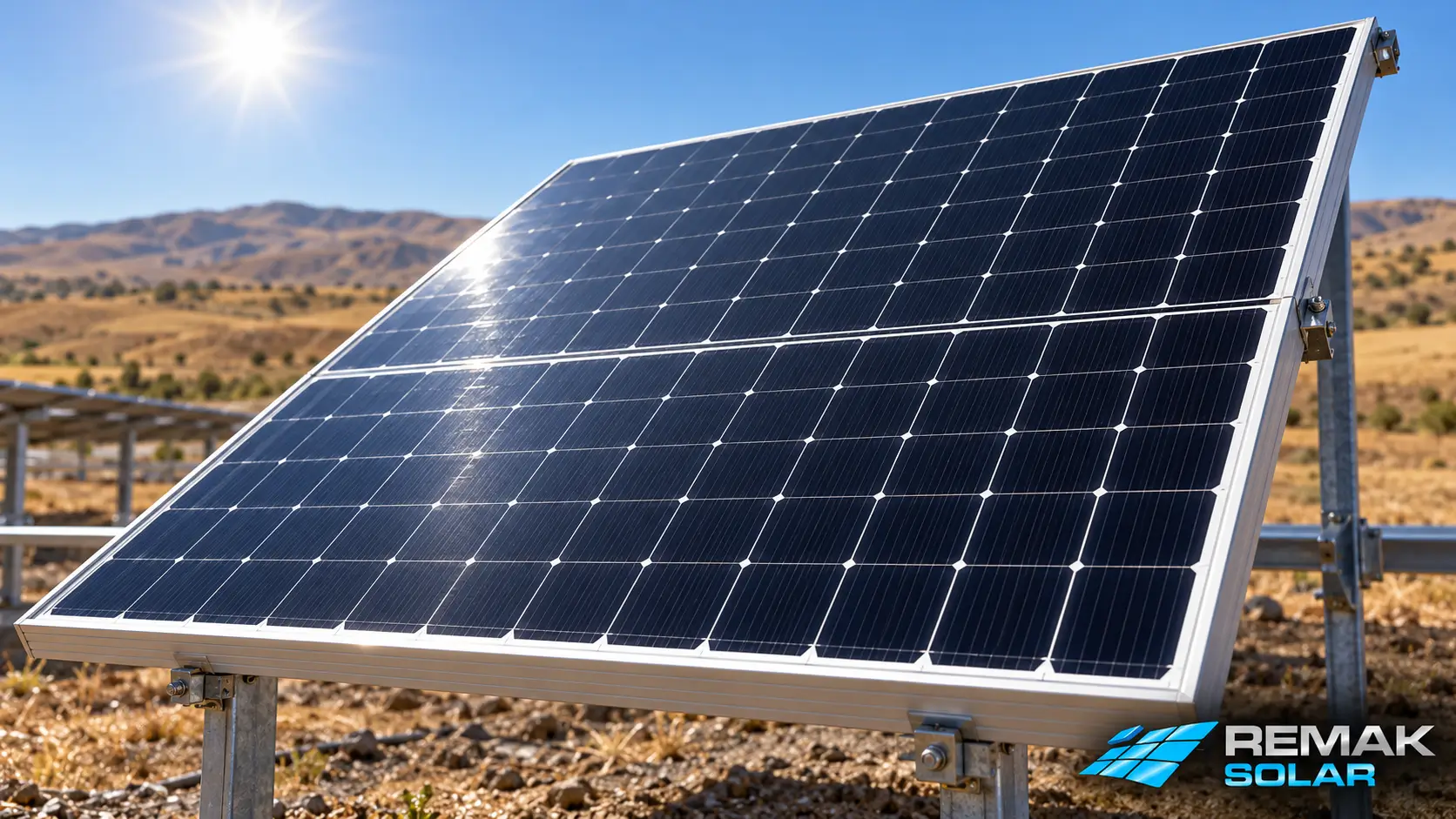

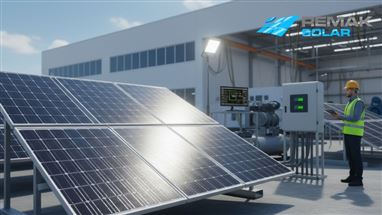
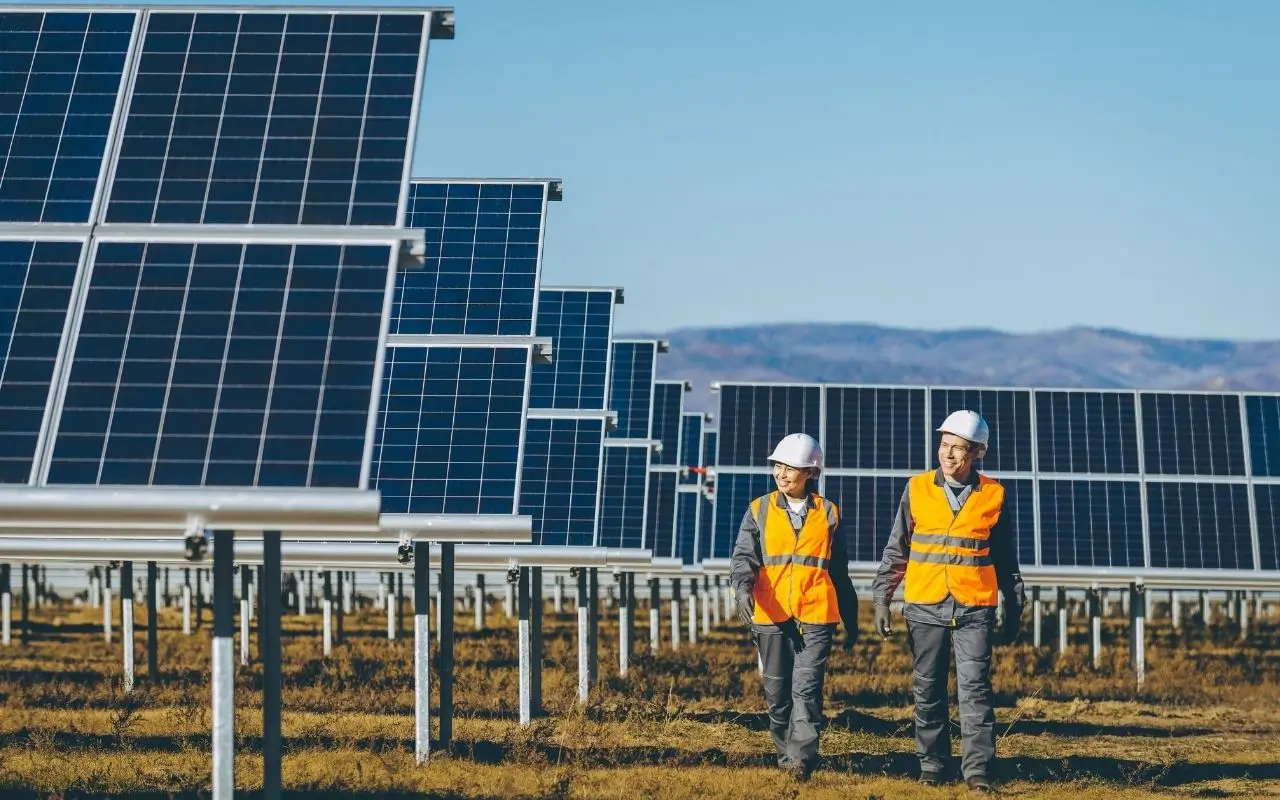

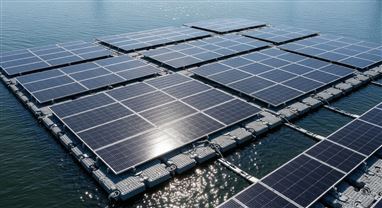
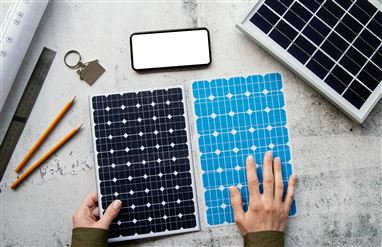
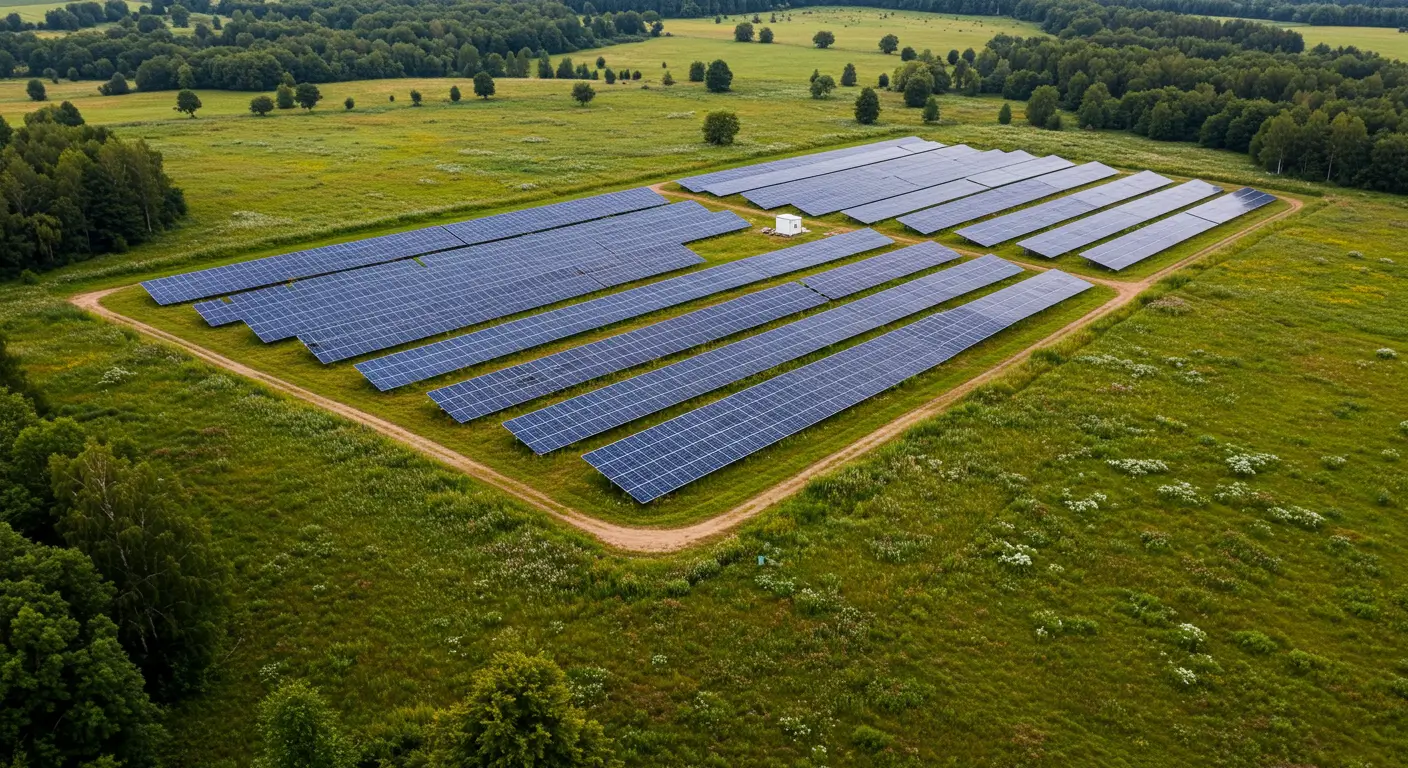
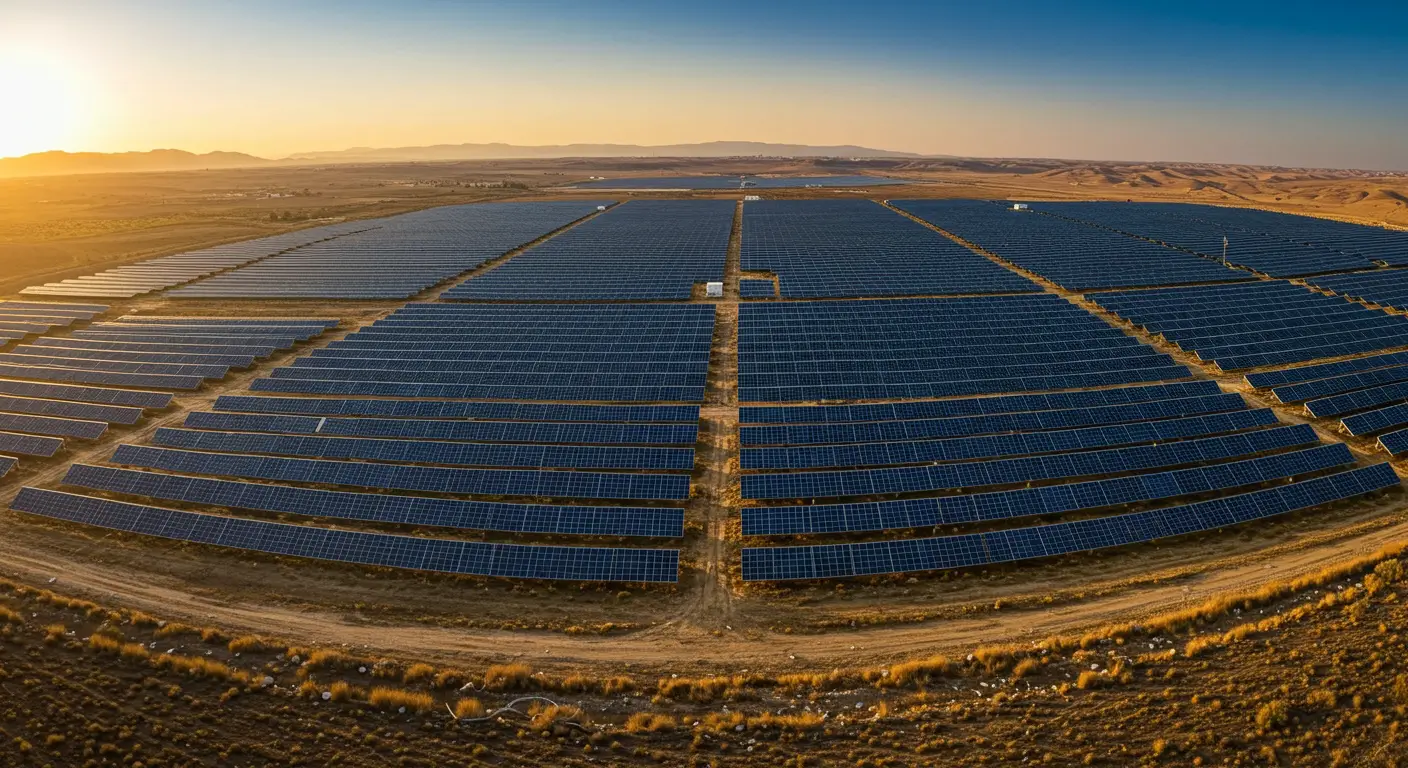
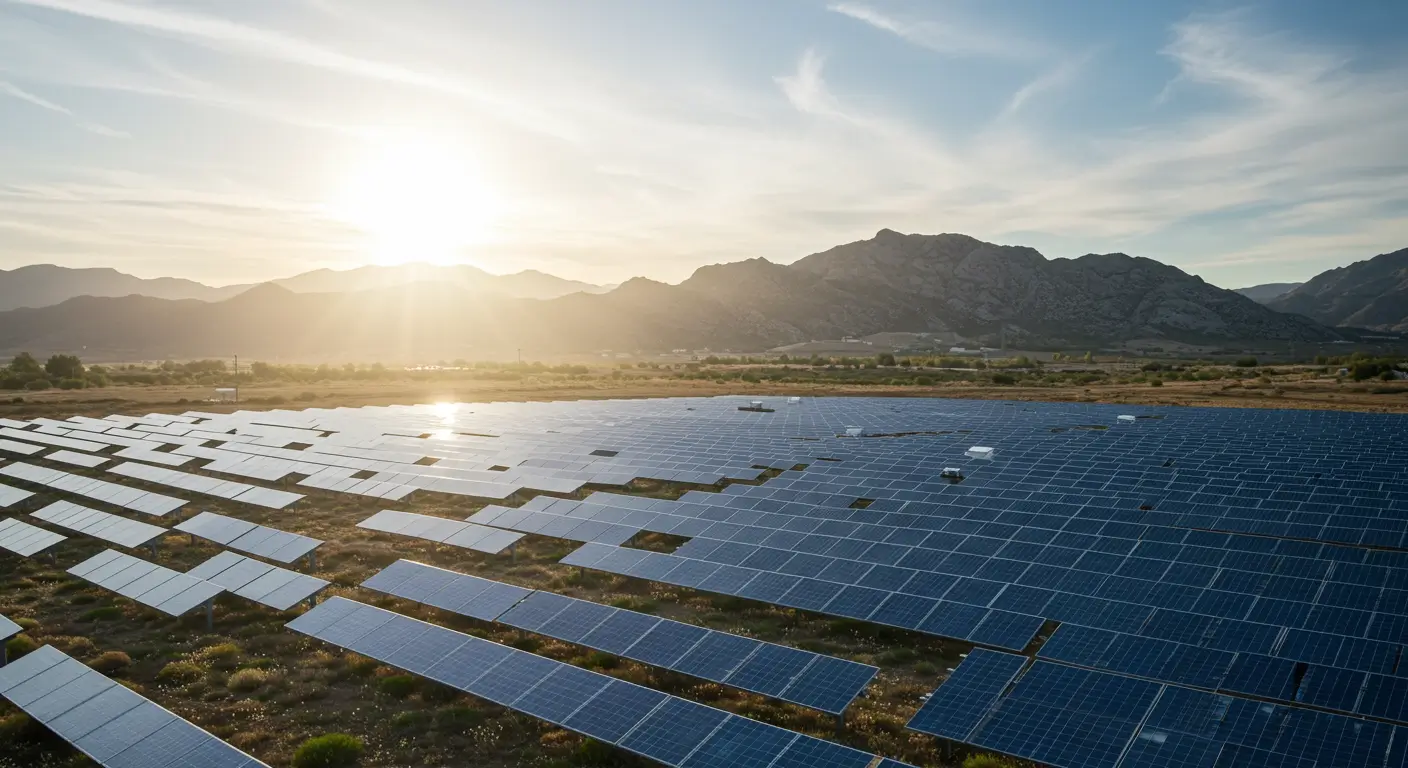

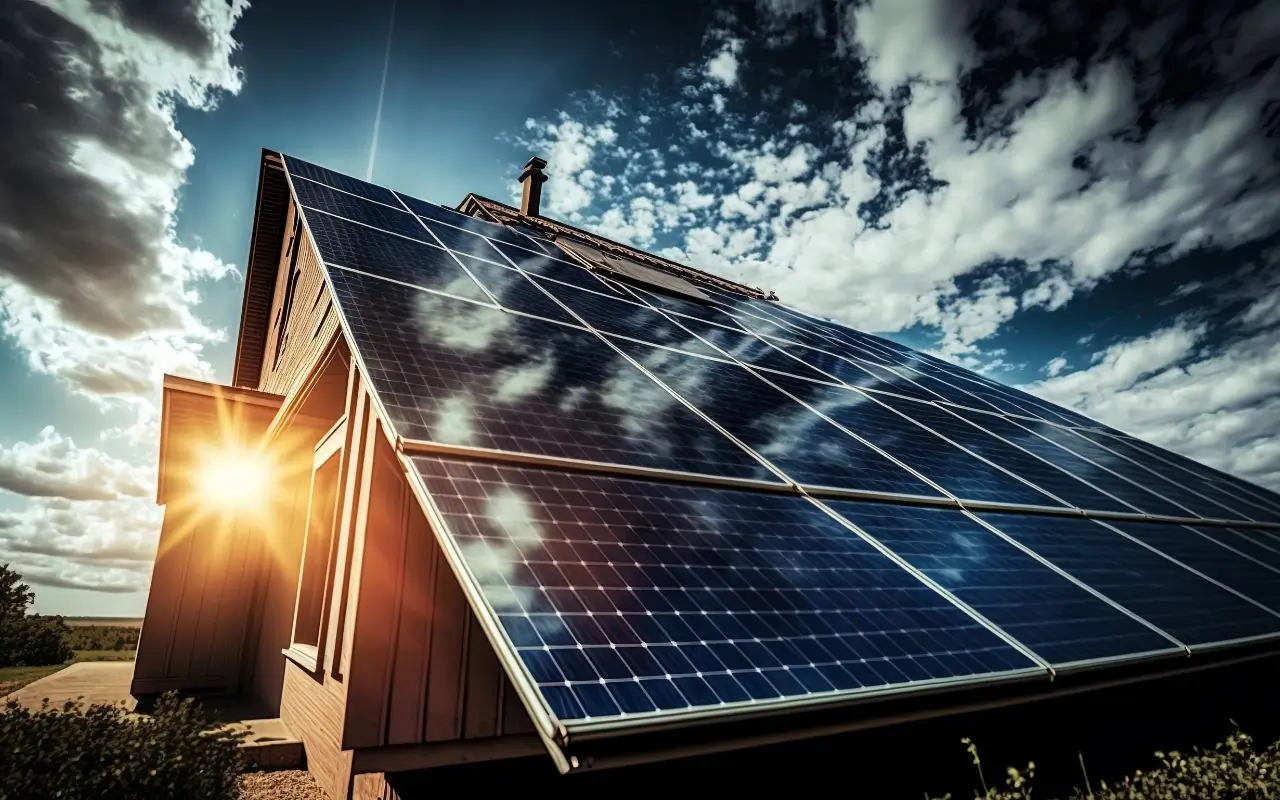
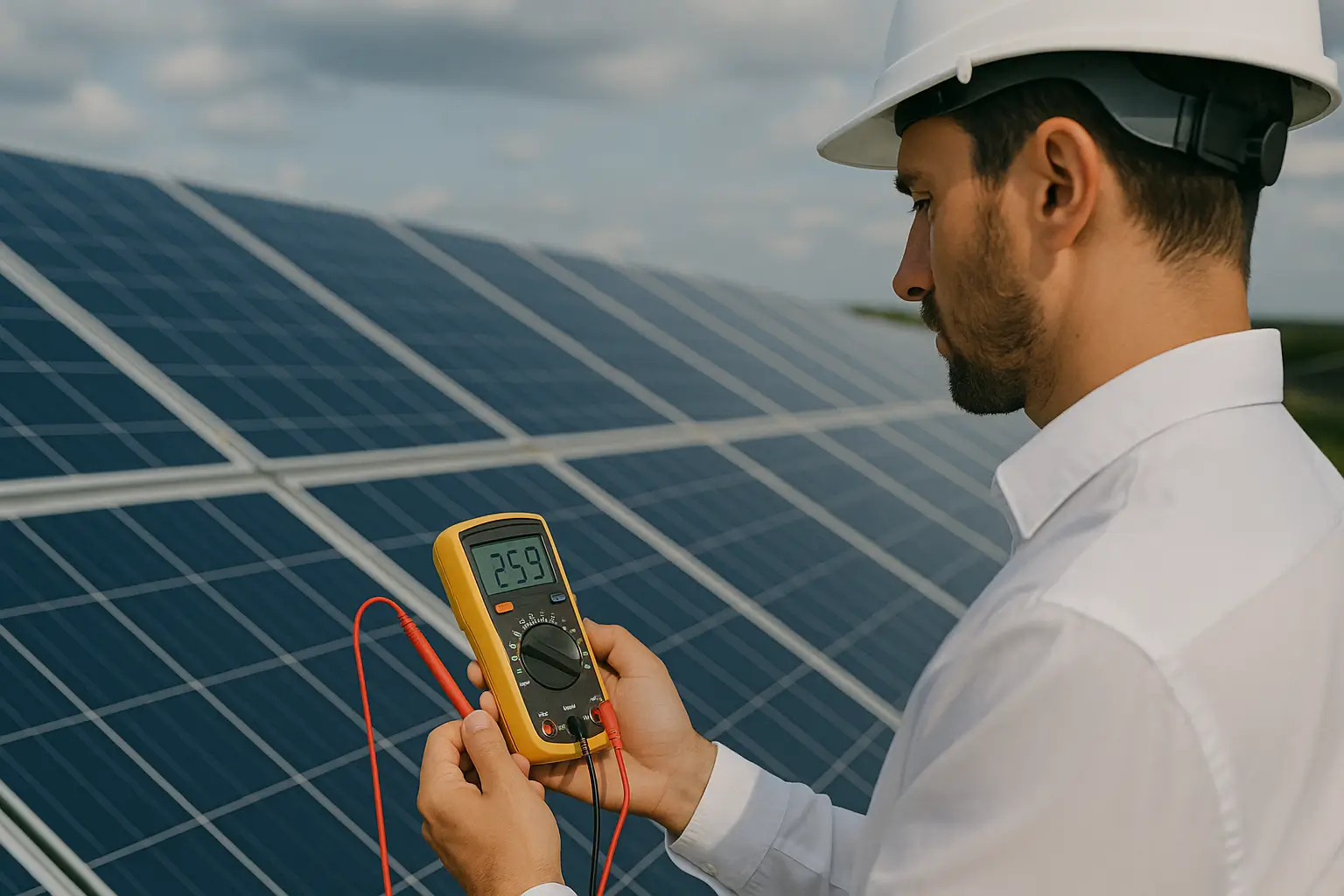
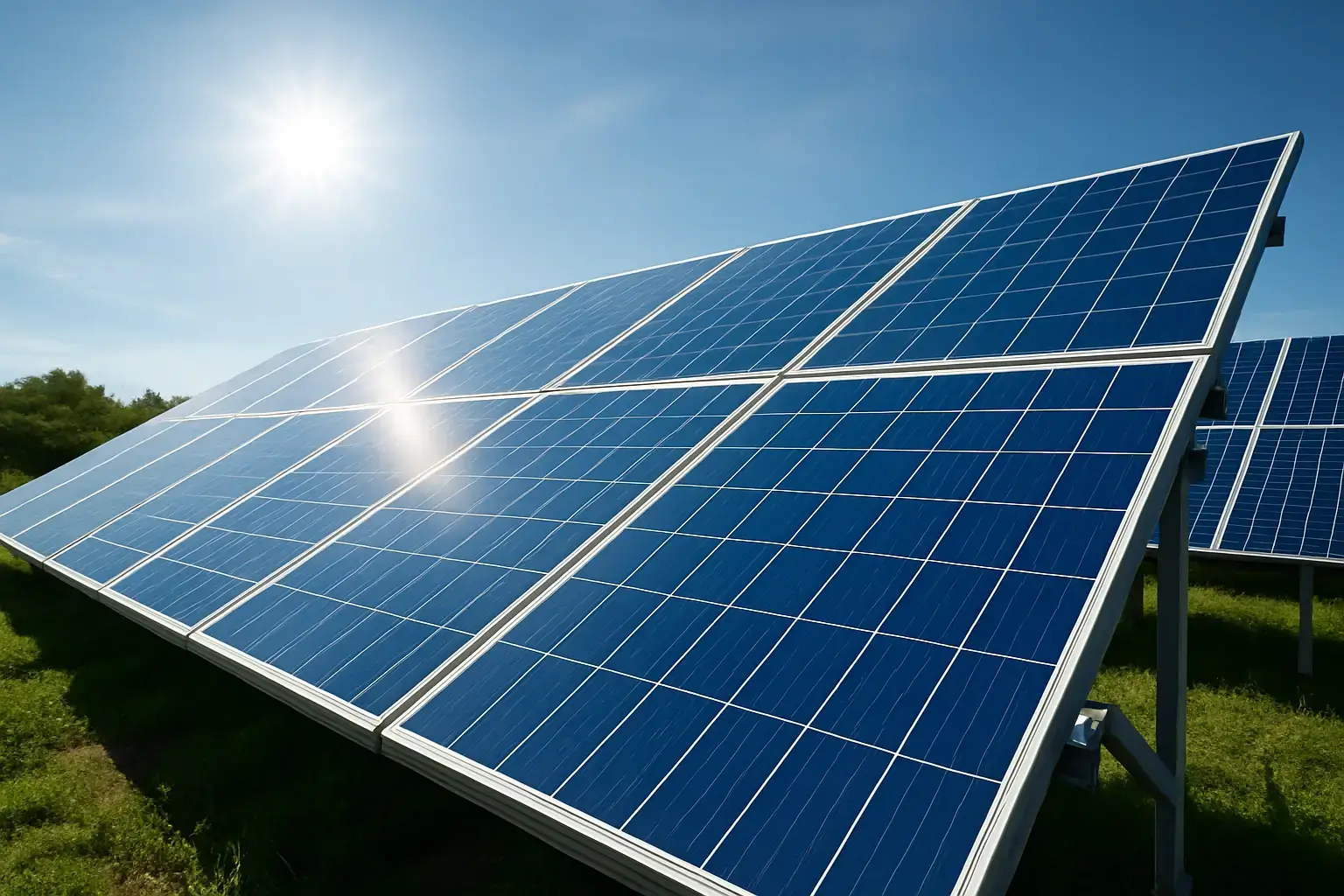




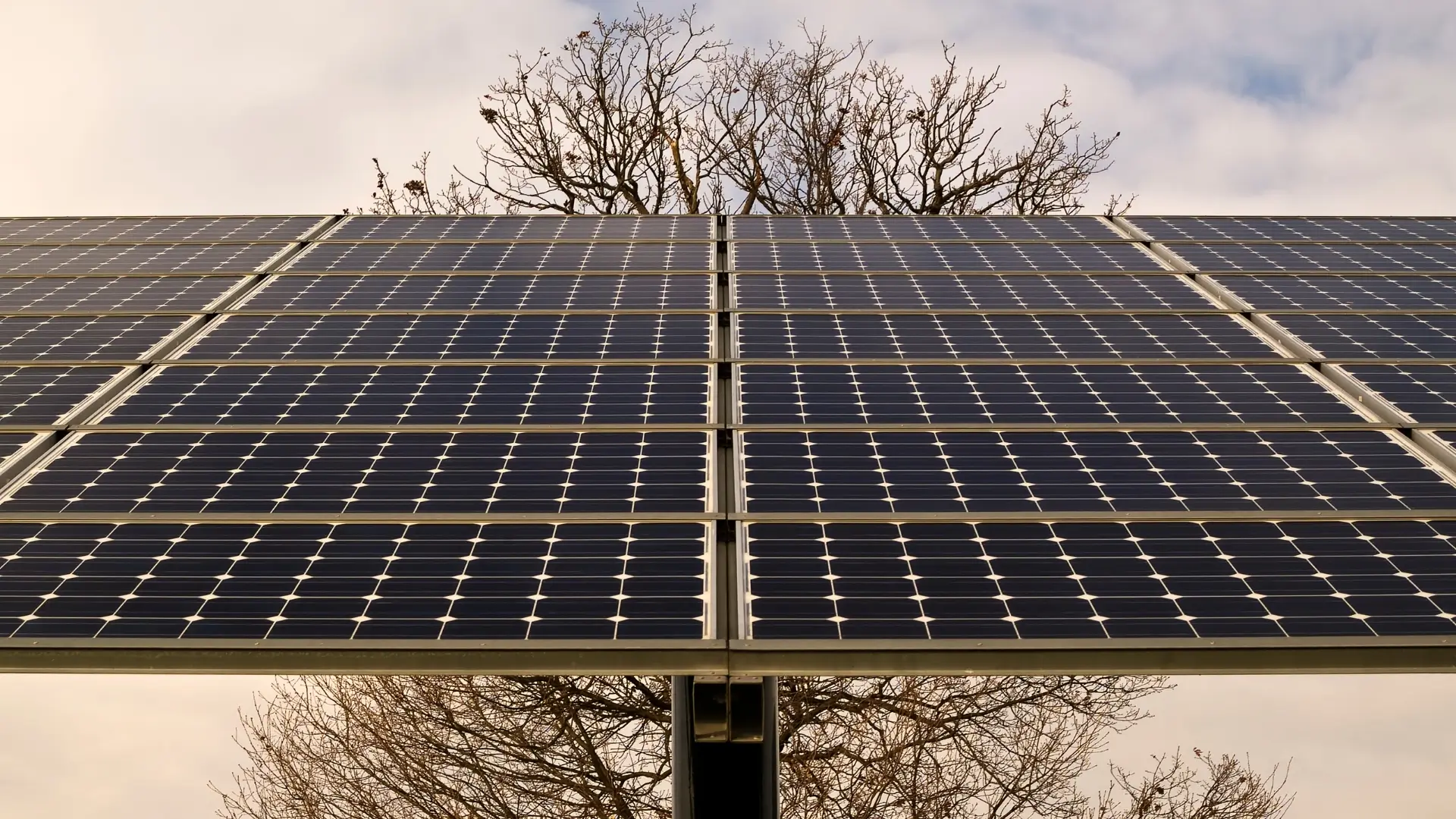
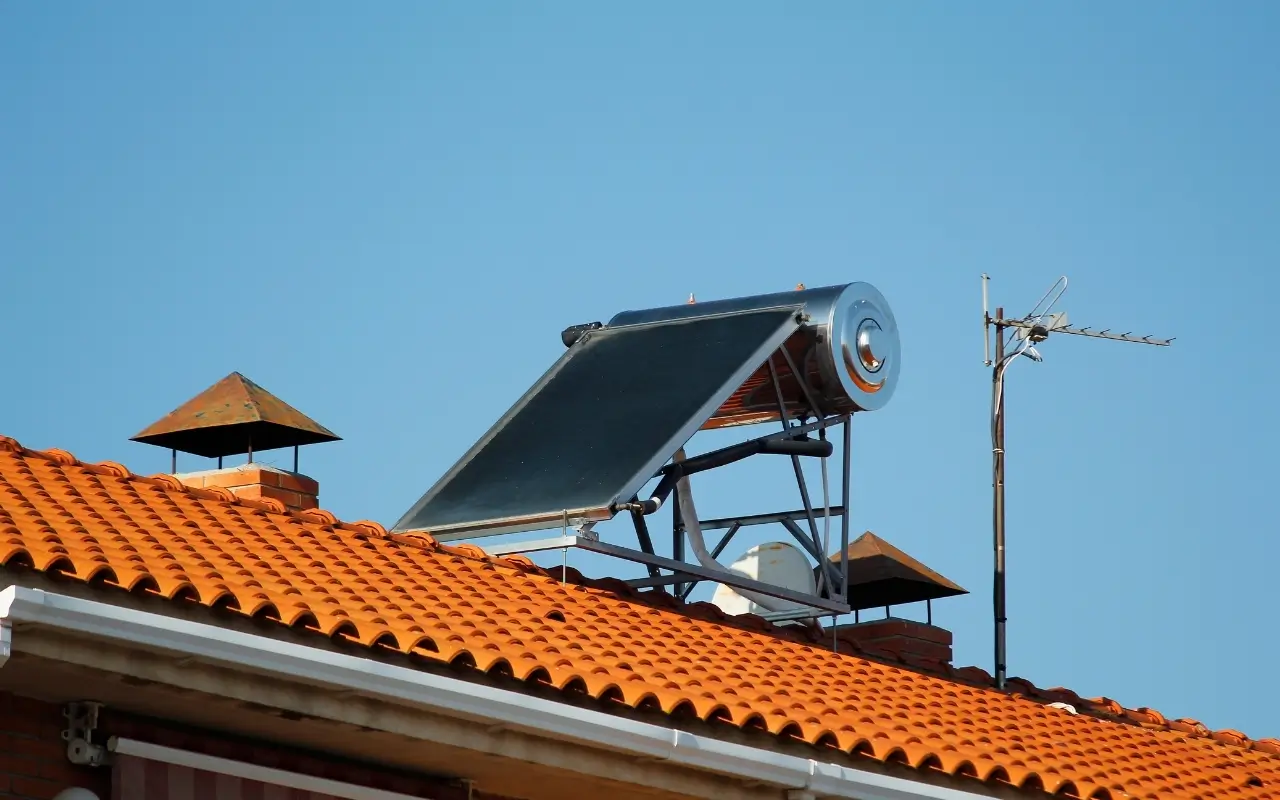
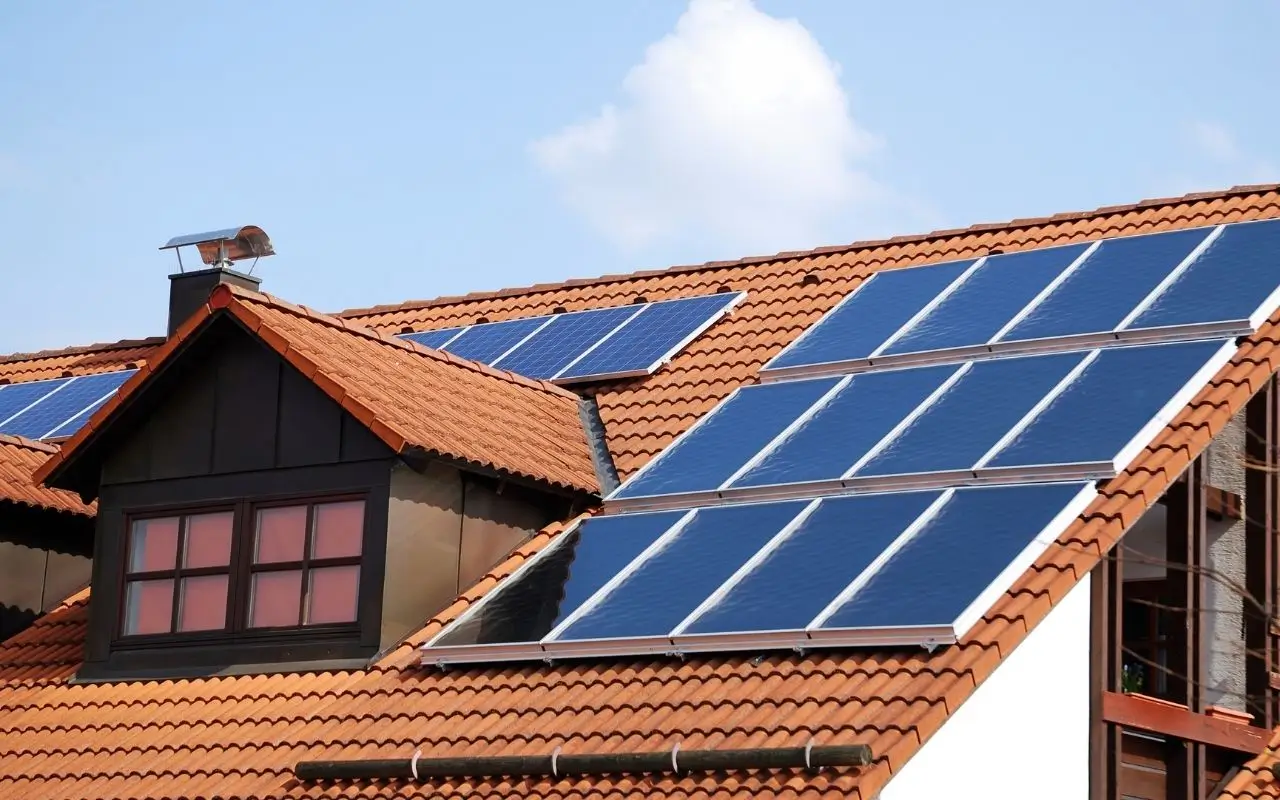
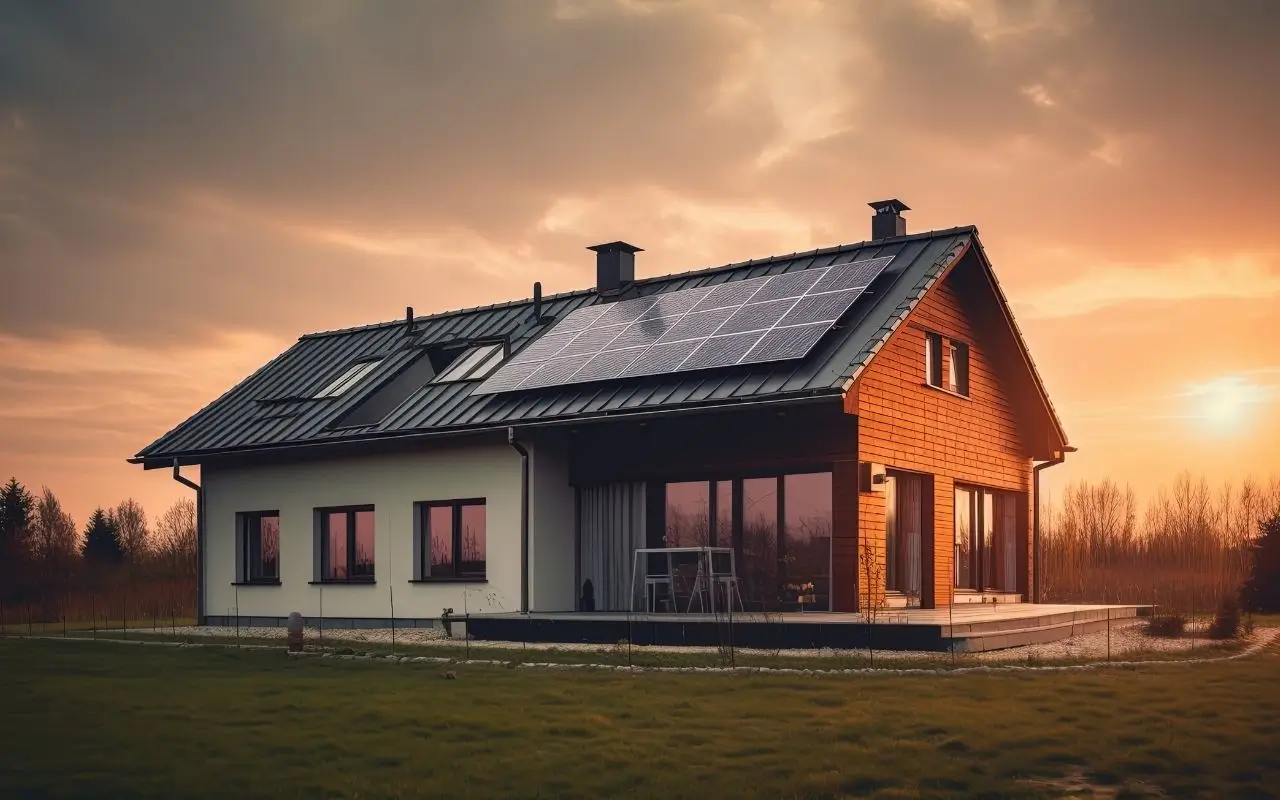
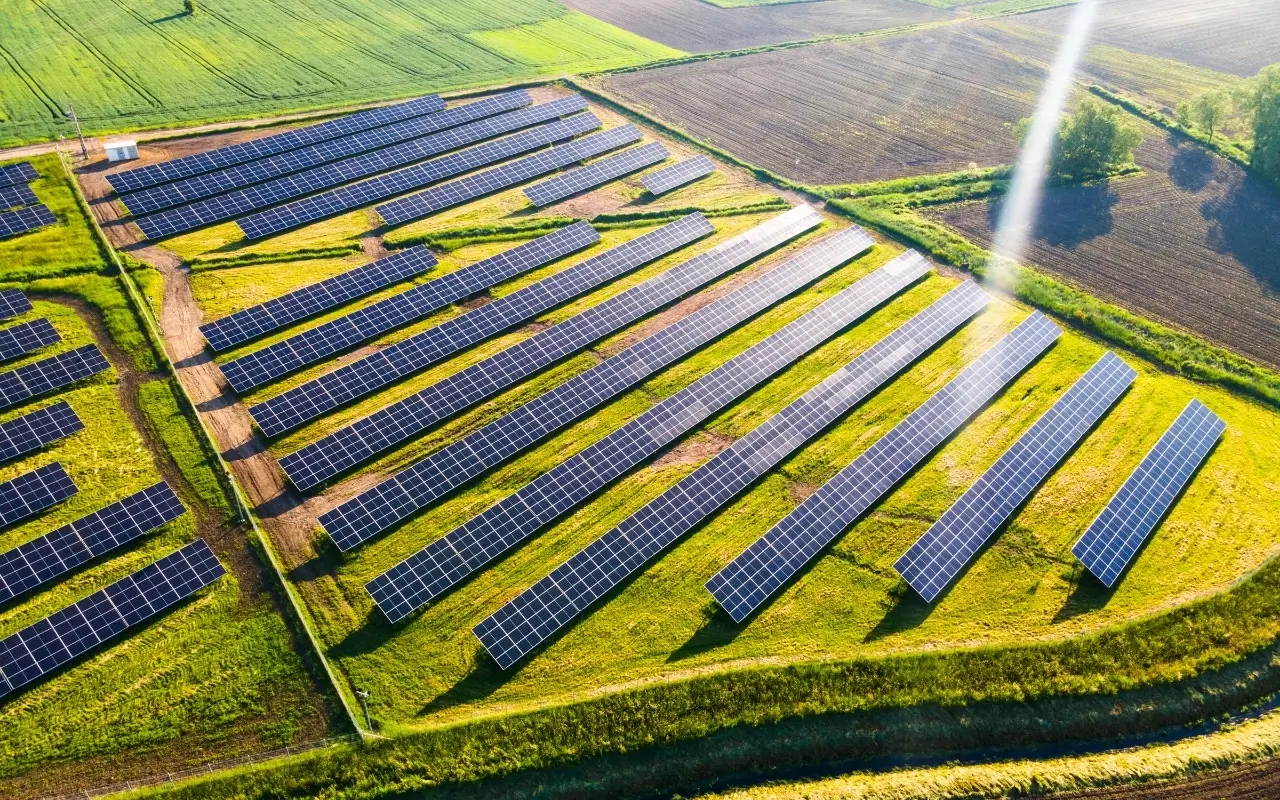
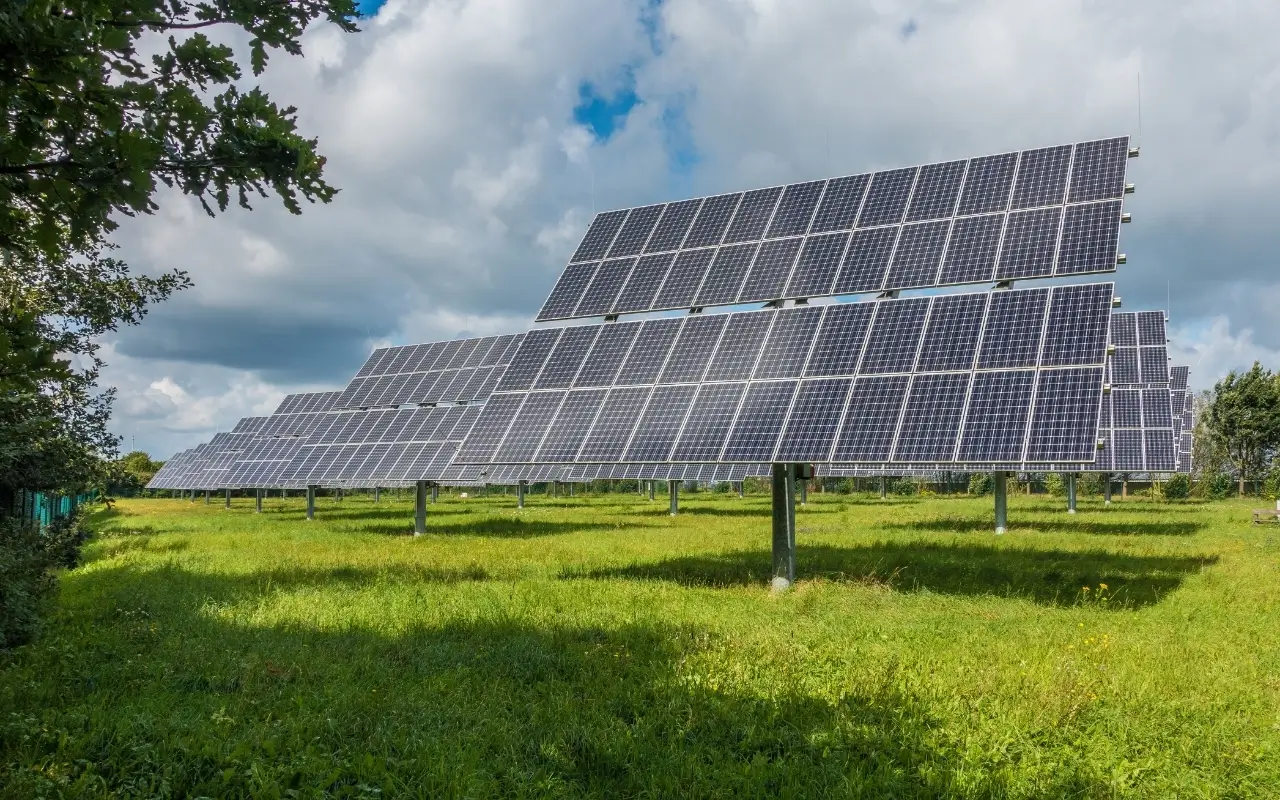
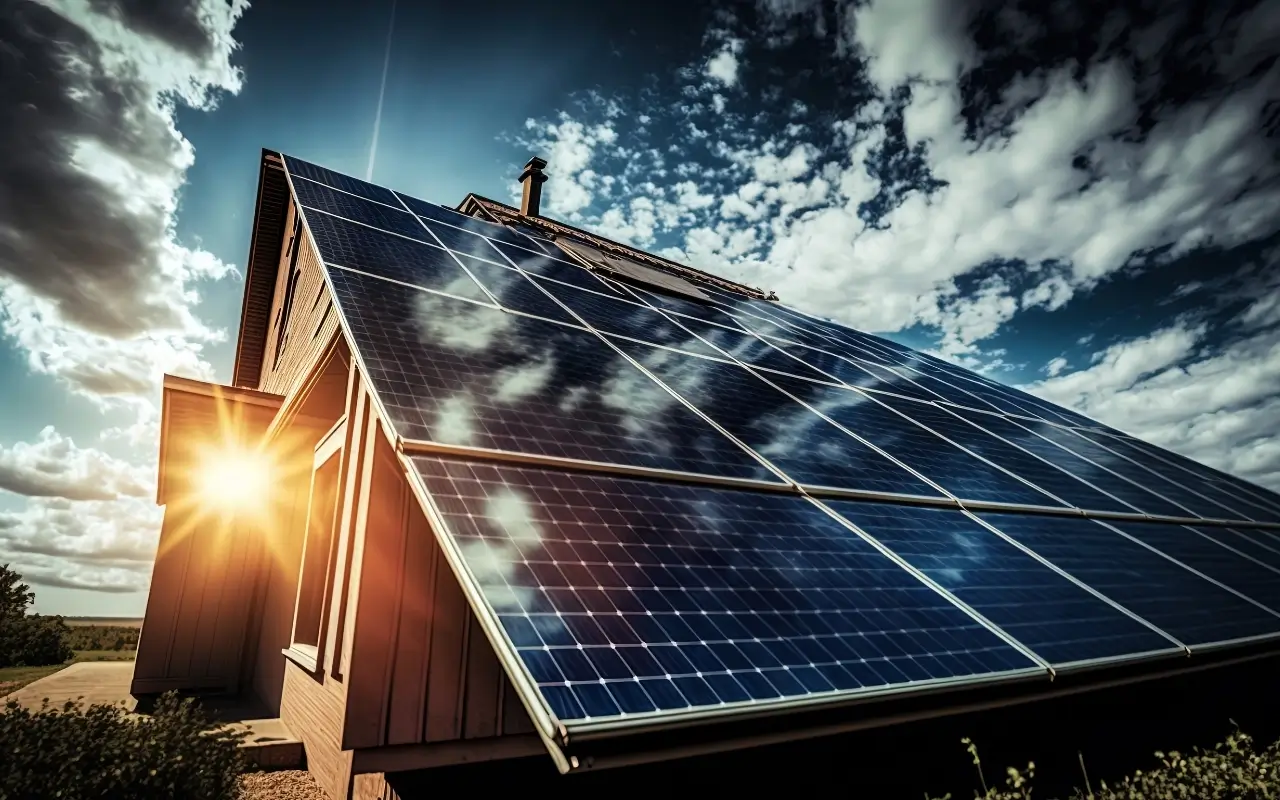
The difference between monocrystalline and polycrystalline panels begins with how the silicon cell is produced. Monocrystalline cells are cut from a single silicon crystal, while polycrystalline cells are obtained by cooling molten silicon in a mold to form multiple crystal structures. This production difference directly affects efficiency: today, monocrystalline panels generally achieve cell efficiencies of 20% to 23%, while polycrystalline panels remain in the 15% to 18% range.
In practice, this means that placing monocrystalline panels on the same square meter provides higher installed capacity. Polycrystalline panels once had an advantage in cost per watt, but as monocrystalline production volumes have increased in recent years, this price difference has narrowed significantly. They are also easy to distinguish visually: monocrystalline panels are nearly black and uniform in color, whereas polycrystalline panels have a bluish, mottled appearance.
Below, we compare the two panel types in detail in terms of efficiency, temperature behavior, space requirements, cost, and project suitability.
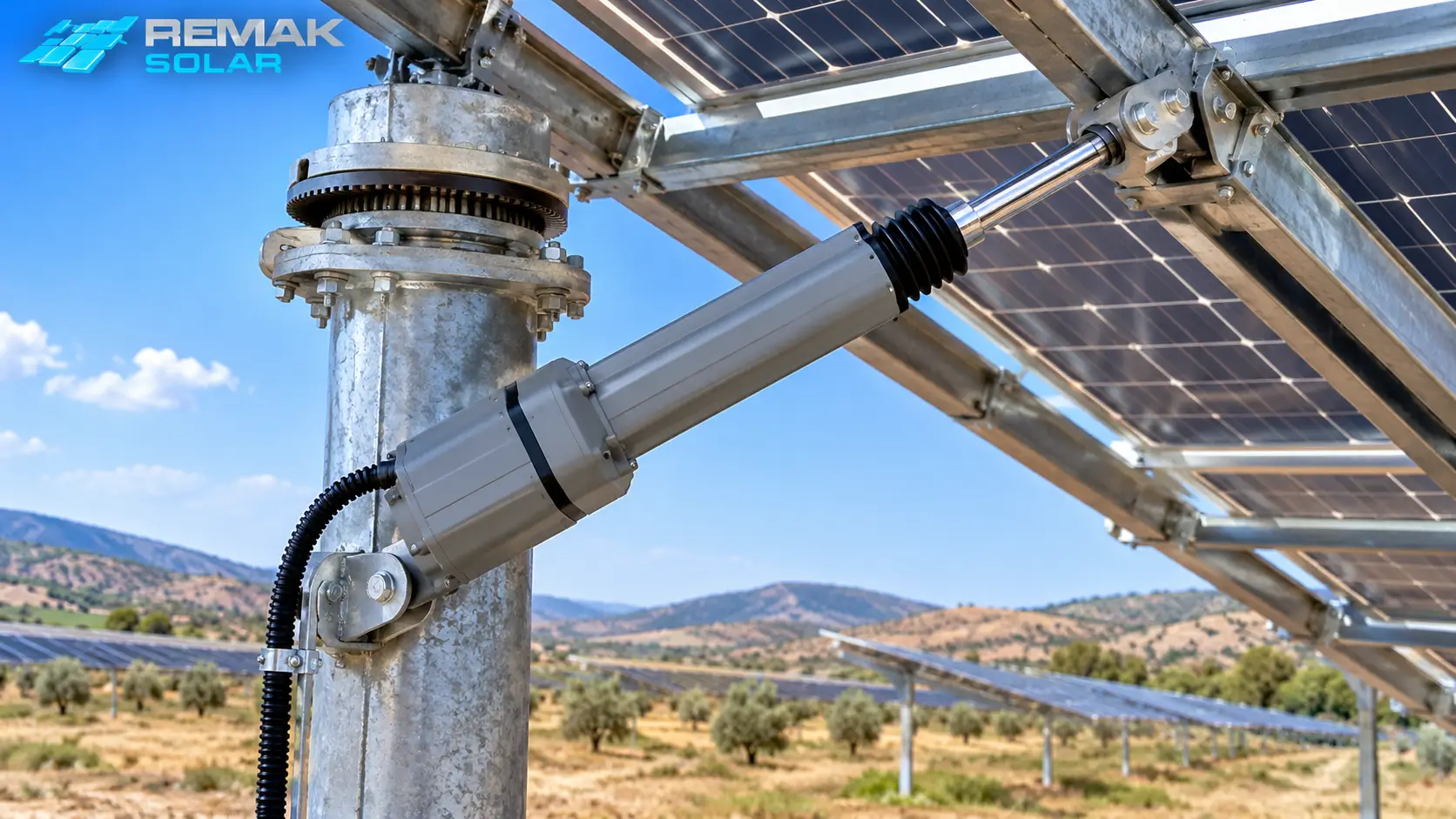
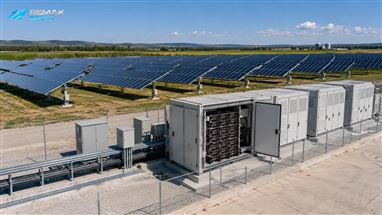
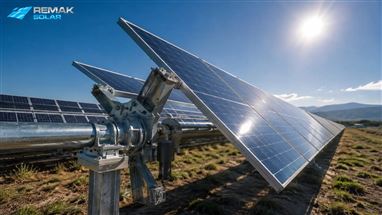
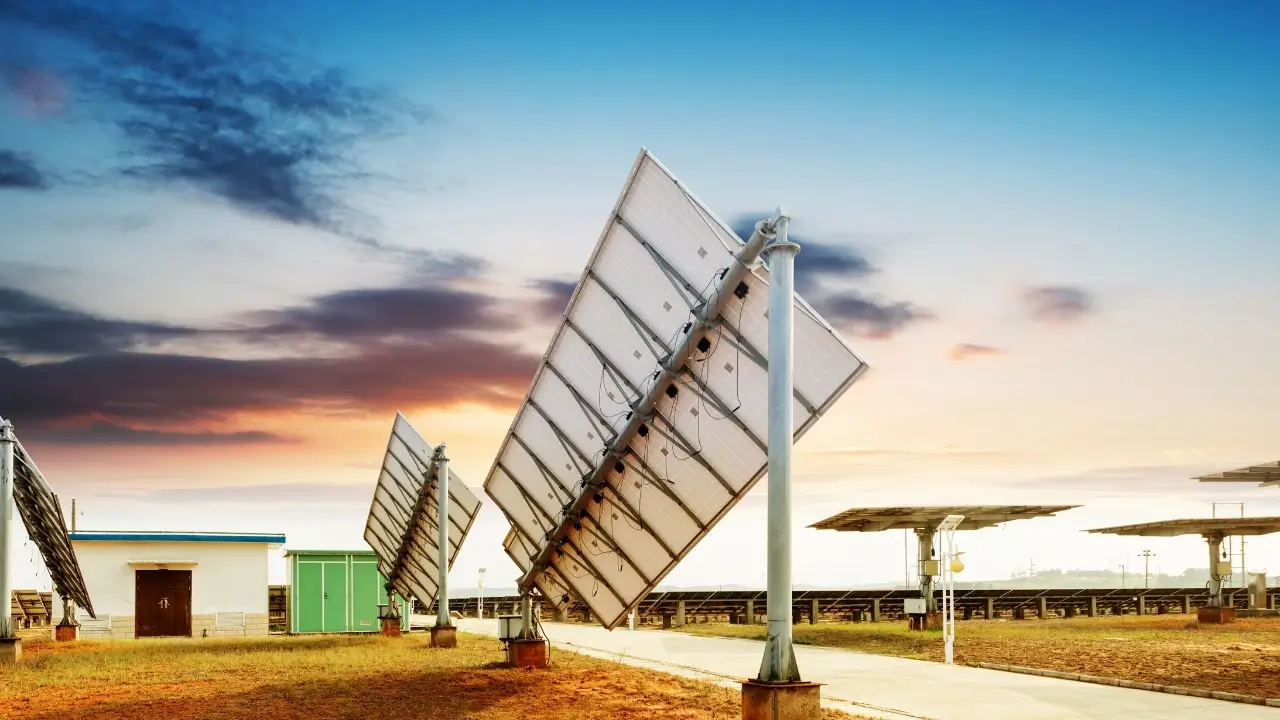
Whether you choose monocrystalline or polycrystalline, the main factor determining production is the angle at which the panel faces the sun. Remak Solar supports you in increasing on-site generation with solar tracking systems and mechanical components.
What Is a Monocrystalline Panel and How Is It Manufactured?
Monocrystalline panels are based on a method known as the Czochralski process. A single crystal seed is dipped into molten silicon and slowly rotated while being pulled upward. This process produces a cylindrical ingot with a single-crystal structure. The ingot is sliced into thin wafers to form cells.
A single-crystal structure means electrons encounter fewer obstacles within the cell. Because there are no grain boundaries, current losses are lower and more electricity is generated from the same amount of light. The clipped appearance at the corners of the panel cells also results from this process, because when square cells are cut from a cylindrical ingot, the corners are chamfered.
This method requires more energy and time. During slicing, a certain amount of silicon is lost as powder. As a result, monocrystalline panel production has historically been more expensive. However, as scale has increased and cell technologies have improved, this cost gap has largely closed.
Today, nearly all new-generation high-power panels on the market are monocrystalline-based. Modules rated at 550 W and above also fall into this group.
Structure and Distinctive Features of Polycrystalline Panels
In polycrystalline panels, silicon is melted, poured into a rectangular mold, and cooled. During cooling, many small crystals form within the material. The boundaries where these crystals meet partially slow electron movement, leaving efficiency a few percentage points behind monocrystalline panels.
The production process is shorter and requires less energy. Silicon waste is also lower because the mold is directly square-shaped and there is no corner loss. For this reason, polycrystalline panels were the economical choice for large-scale sites for many years.
Another characteristic of polycrystalline panels is that their temperature coefficient is slightly higher than that of monocrystalline panels. In other words, as temperatures rise, the production loss is somewhat greater. In hot climates, this detail affects annual generation calculations.
Today, polycrystalline panel production has declined significantly. However, they may still be encountered in existing stocks and in some budget-focused projects.
Comparison in Terms of Efficiency and Wattage
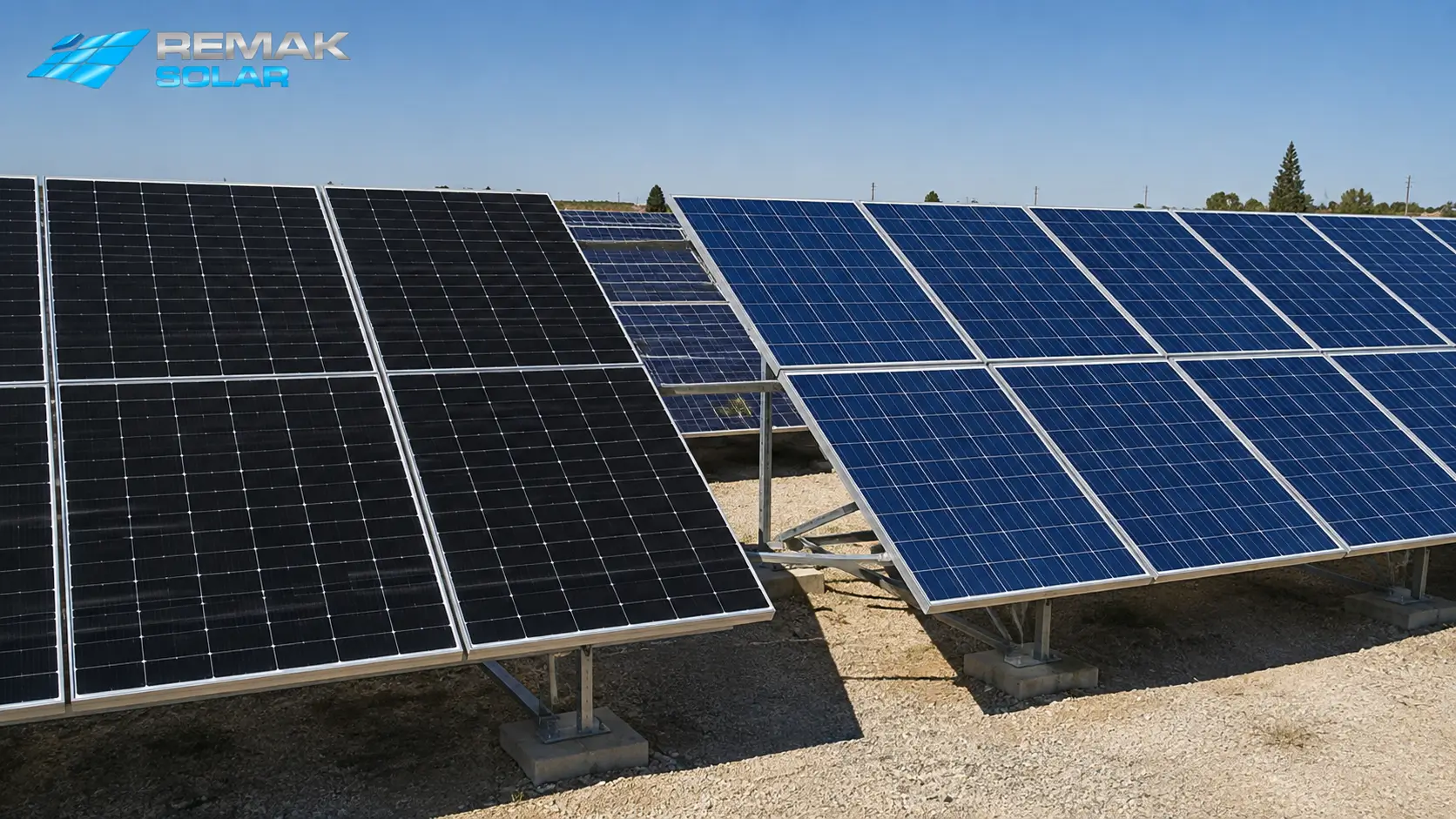
When comparing efficiency, you should look not only at the watt rating on the panel label, but also at the surface area required to produce that wattage. Two panels may both produce 400 W, but the polycrystalline one will occupy a larger area to do so.
The key differences can be summarized as follows:
- Cell efficiency: Typically 20% to 23% for monocrystalline panels and 15% to 18% for polycrystalline panels.
- Power per square meter: Monocrystalline panels provide approximately 20% to 25% more installed capacity in the same area.
- Temperature coefficient: For monocrystalline panels, the loss for each degree increase in cell temperature is generally lower.
- Low-light performance: Monocrystalline panels start producing earlier and continue producing longer in the morning, evening, and cloudy weather.
- Long-term degradation: Annual performance loss is similar for both types, but because monocrystalline panels start with higher efficiency, they still deliver higher output in year 25.
To clearly see the investment impact of these differences, it is useful to calculate annual energy generation per panel. How much energy a solar panel generates calculation approach makes it easier to compare the two panel types for your own site.
Space Requirements and Land Use
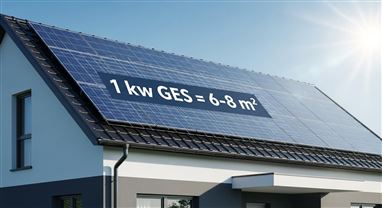
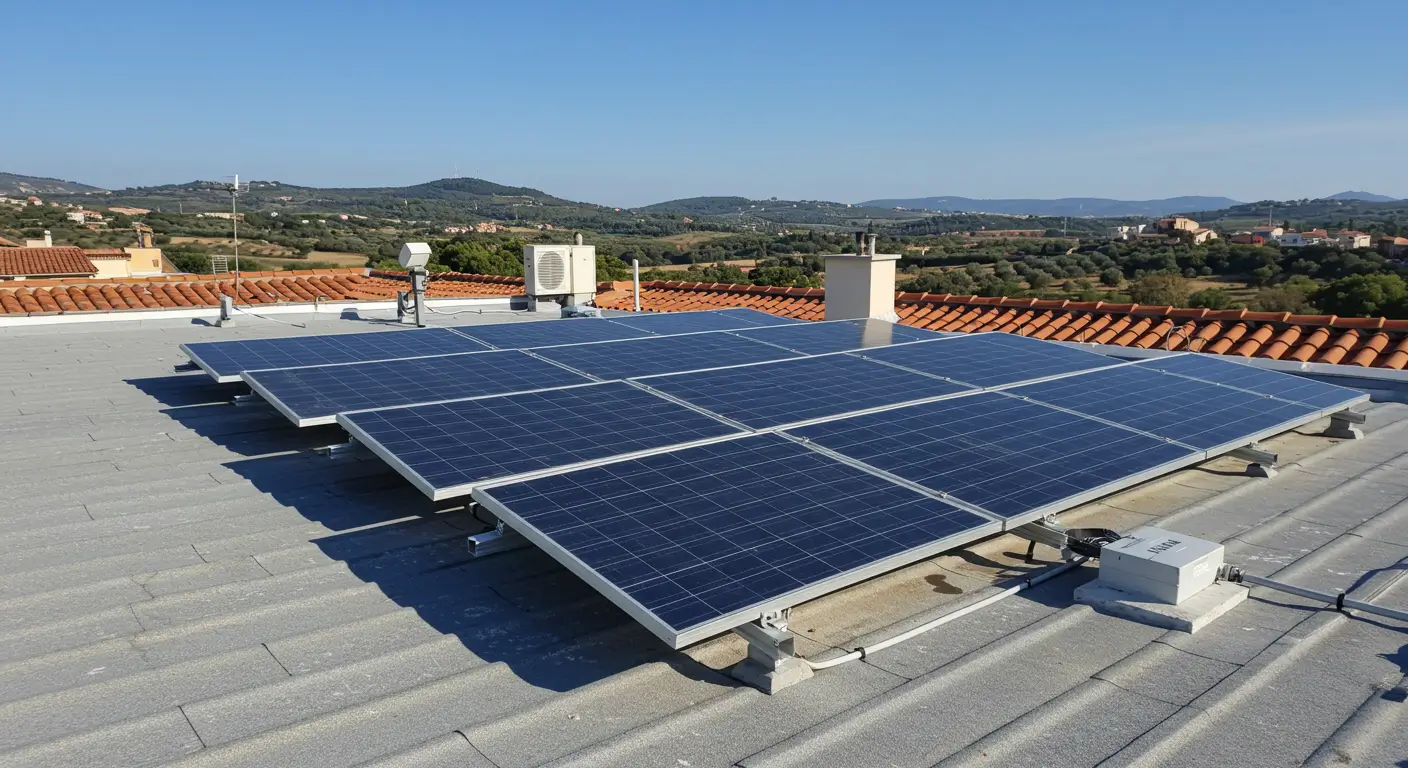
In projects with limited space, panel type selection becomes a technical necessity. Roof installations have limited usable surface area, so achieving the target installed capacity requires the panel with the highest output per square meter. At this point, monocrystalline panels are almost the only option.
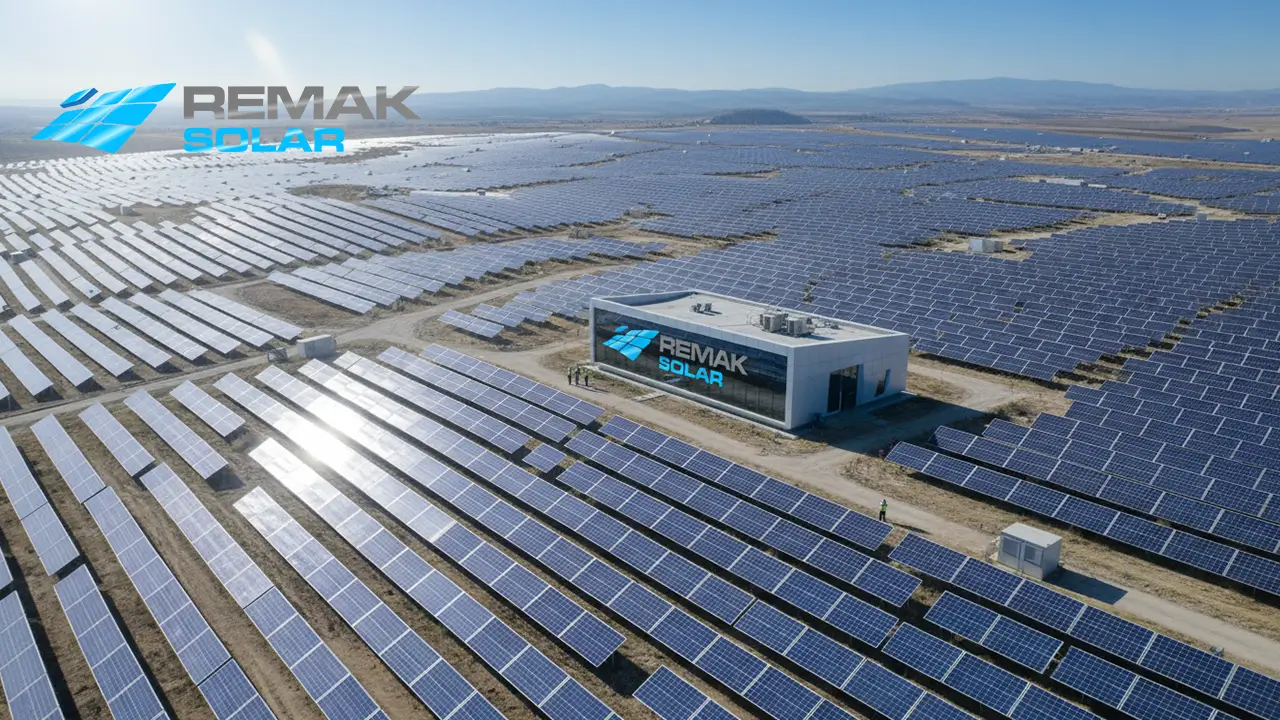
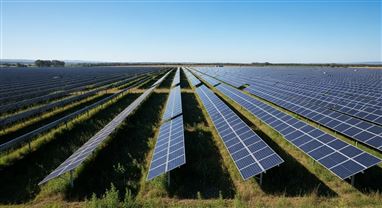
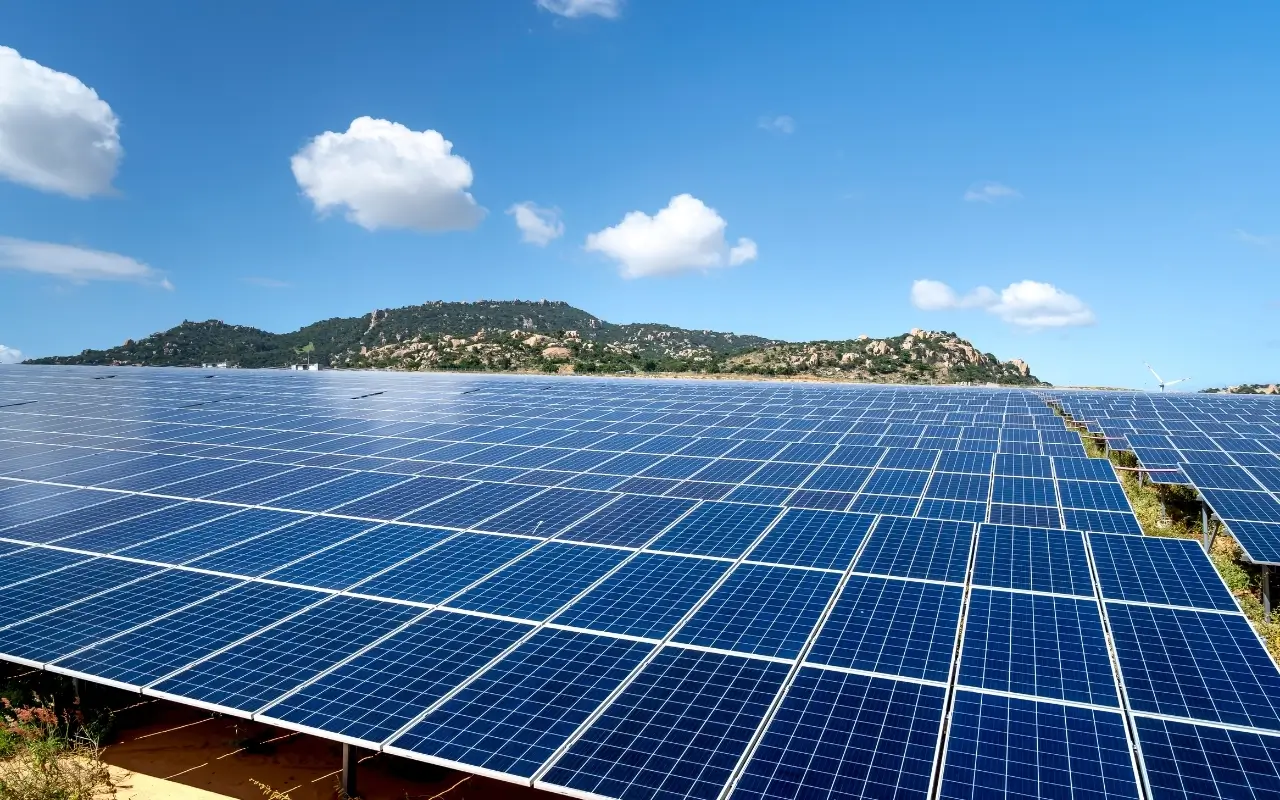
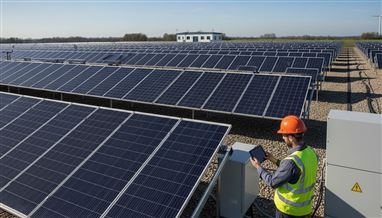
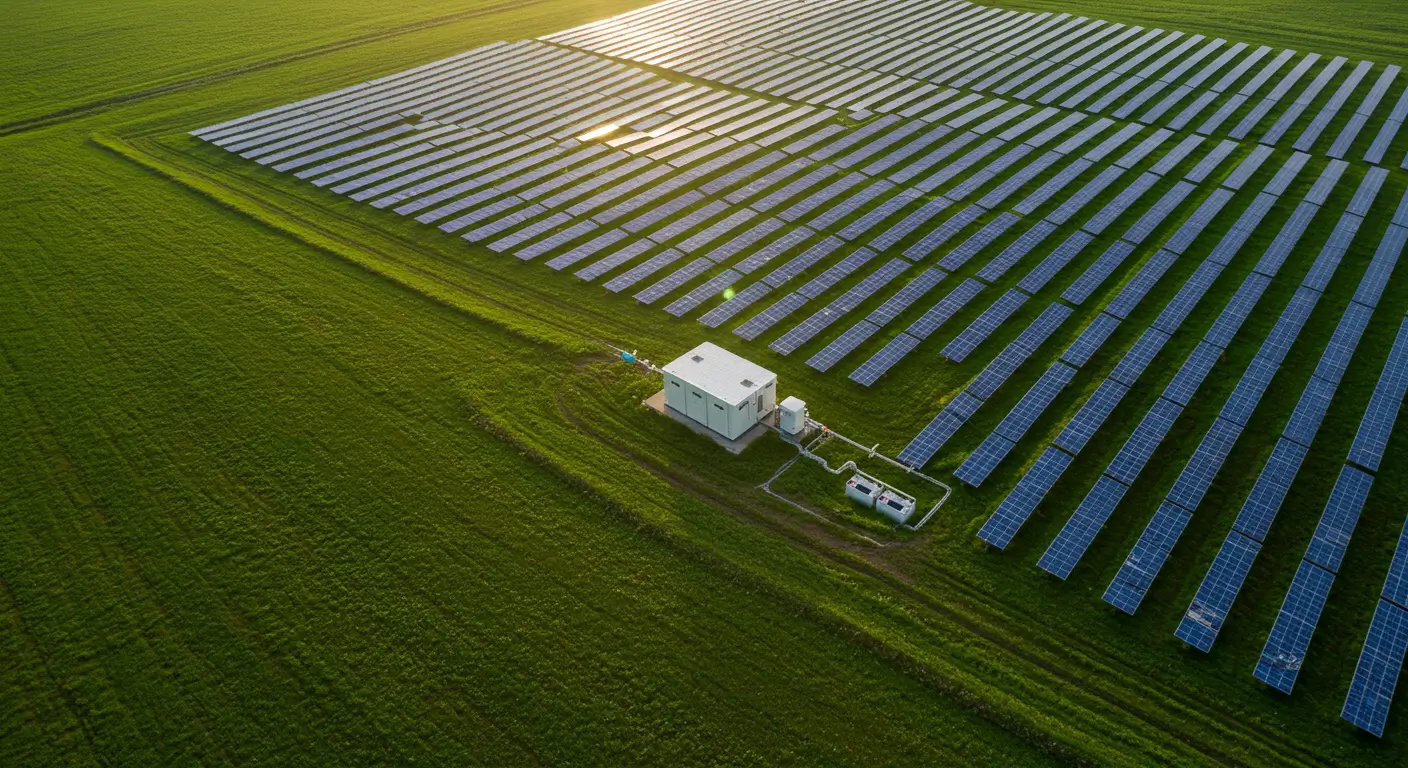
The situation changes somewhat for ground-mounted plants. If you have a large area, you can achieve the same installed capacity with polycrystalline panels, but you will need more panels, more mounting structure, and longer cable runs. These items often offset the savings gained on panel cost.
An increase in panel count also extends labor time. Installation, cabling, and commissioning processes grow with the number of panels. For this reason, evaluating total cost based only on panel price is misleading.
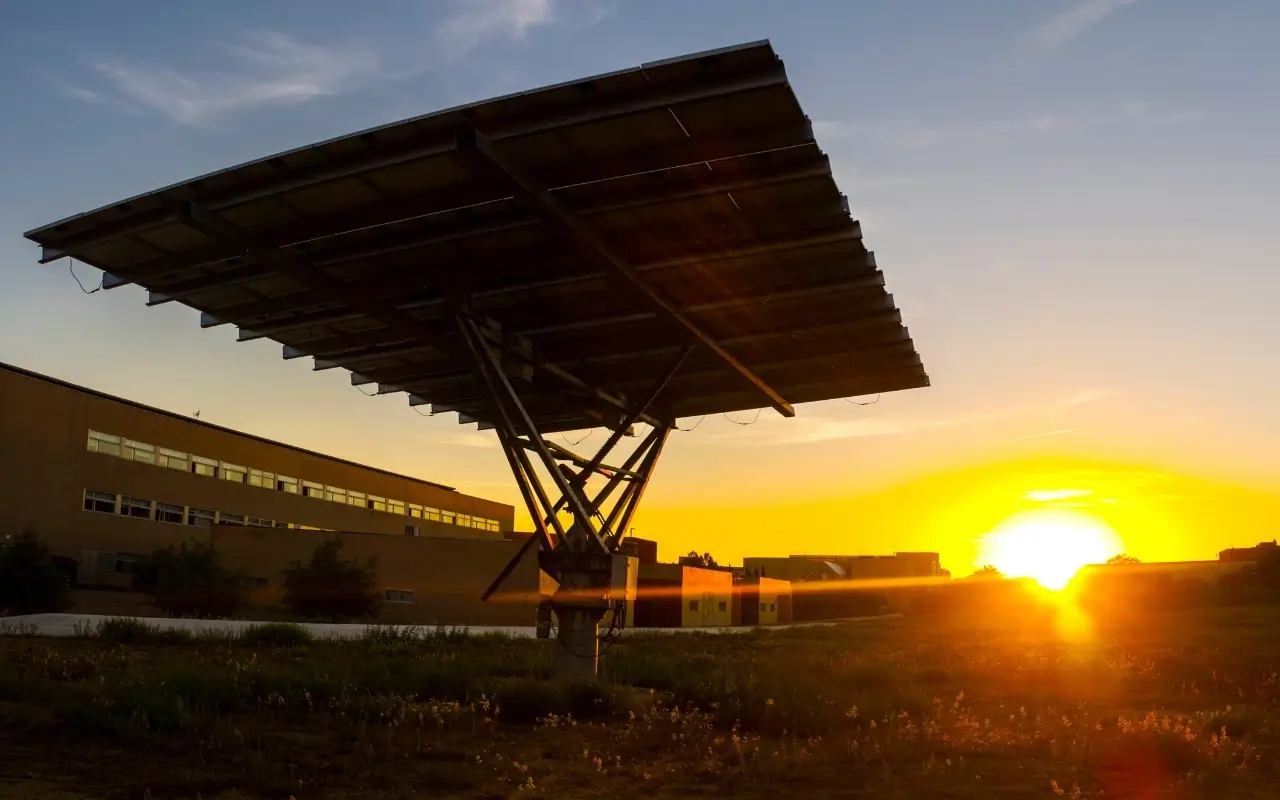
Another way to use land efficiently is to keep the panels perpendicular to the sun throughout the day. Solar tracking system used at a site significantly increases annual generation with the same number of panels.
What Should Be Considered in Cost Calculations?
Panel price alone does not determine the total cost of an investment. To understand the true financial burden, several items should be evaluated together:
- Panel unit price: It should be compared on a cost-per-watt basis, not by unit price.
- Mounting structure and installation: As the number of panels increases, the cost of the supporting structure and labor also rises.
- Cables and electrical materials: In a system spread over a larger area, DC cable length and associated losses increase.
- Land cost: If leasing or purchasing is involved, the difference in required square meters directly affects the budget.
- Annual generation revenue: Additional production from the same area shortens the payback period.
When these five items are calculated together, the initial price difference of monocrystalline panels is recovered within the first years in most projects. The difference becomes even more pronounced in regions where land and structural costs are high.
Lifespan, Warranty, and Long-Term Performance
When properly installed, both panel types can generate electricity for 25 to 30 years. Manufacturers generally offer a 12-year product warranty and a 25-year performance warranty. The performance warranty guarantees that the panel will retain a specified percentage of its initial power by the end of year 25.
For monocrystalline panels, this guaranteed percentage is higher for most brands. Annual degradation is typically around 0.4% to 0.5%. For polycrystalline panels, this rate may be slightly higher. Although the difference seems small over a single year, it is reflected in total generation after 25 years.
Another factor determining panel lifespan is mechanical durability. Glass thickness, frame profile, and lamination quality directly affect durability regardless of panel type. Certificates for hail, wind, and snow-load tests should therefore be reviewed. Solar panel lifespan our evaluations on this subject provide a detailed framework.
Which Panel Is More Suitable for Which Project?
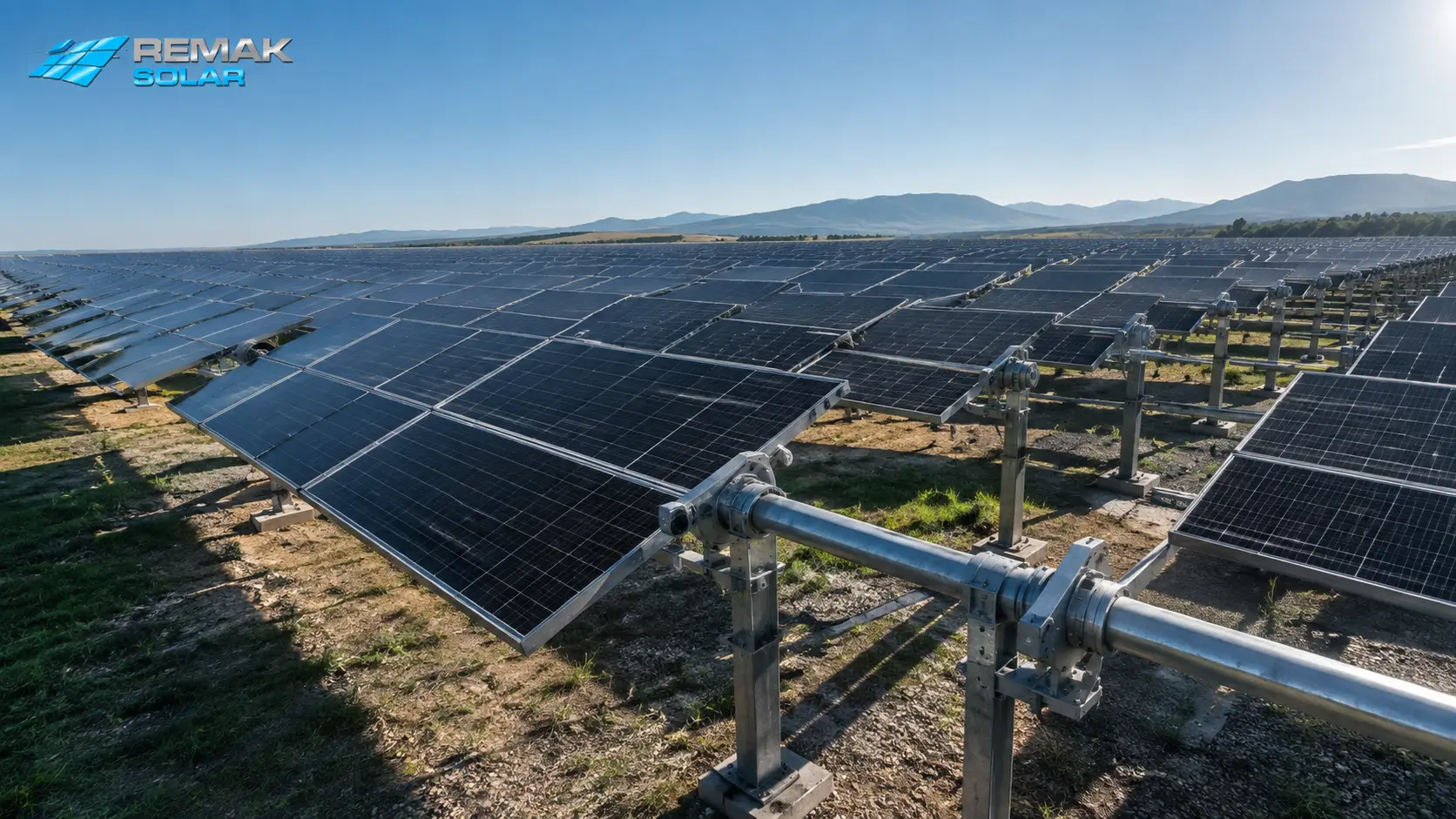
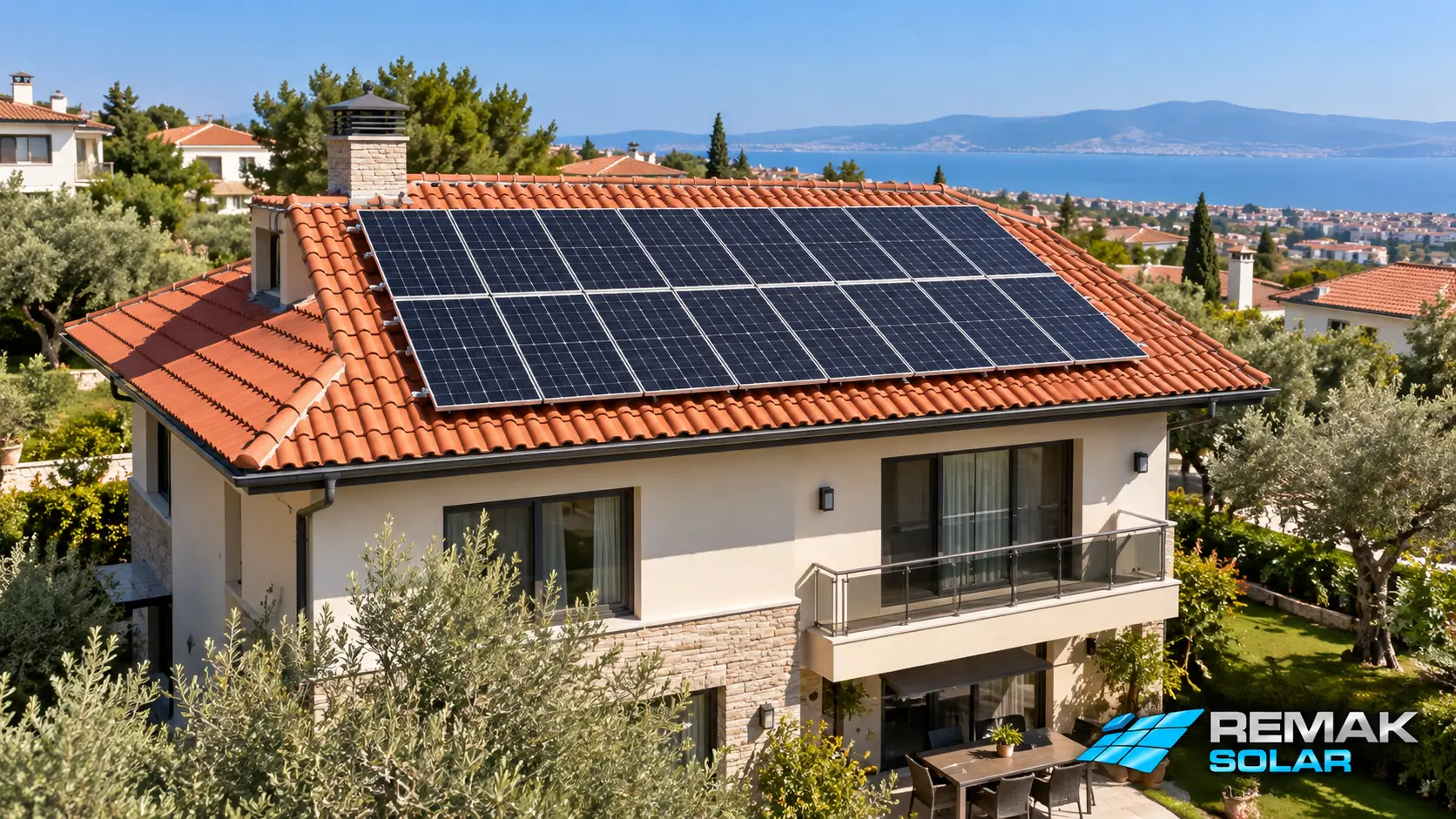
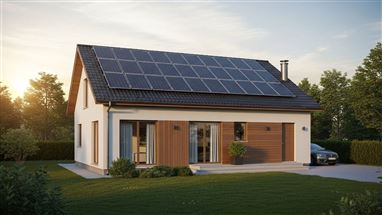
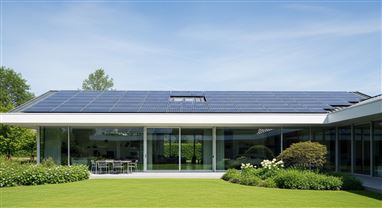
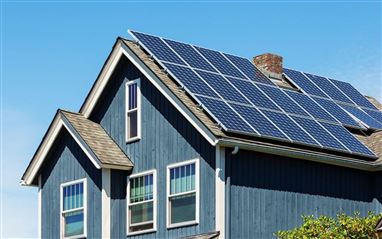
For rooftop installations and residential projects, monocrystalline panels are clearly ahead. Because the goal is maximum generation in limited space, the efficiency difference directly affects the payback period. From an aesthetic perspective, the uniform black appearance is also preferred by many users.
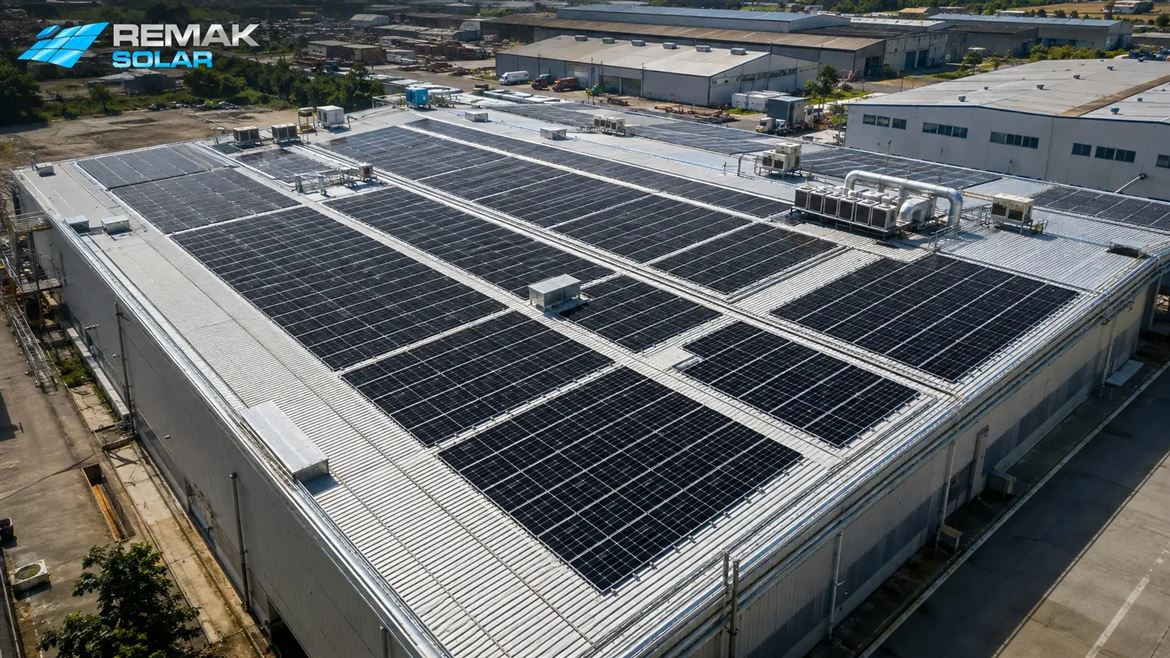
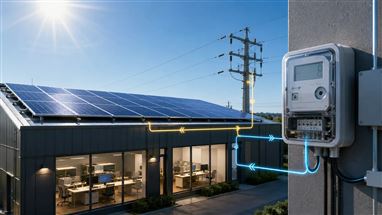
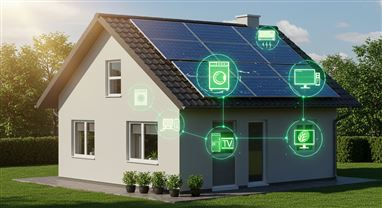
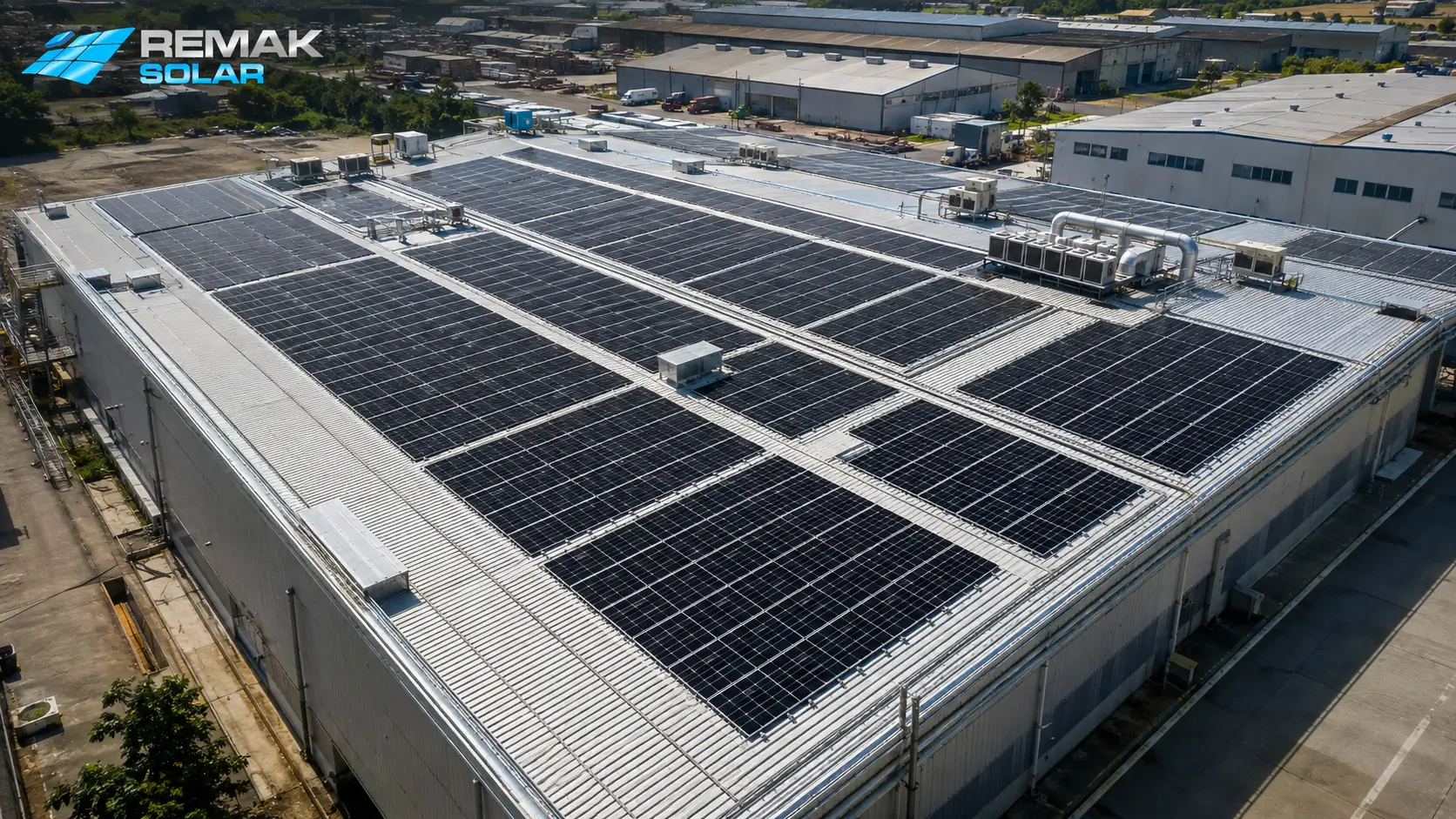
The same logic applies to factory roofs and self-consumption systems. Reaching the installed capacity required to cover total consumption depends on using roof area efficiently. In these projects, panel selection determines how closely the generation curve matches the consumption curve.
For plants built on large land areas, the decision depends on the balance between budget and land cost. If land is inexpensive and abundant, polycrystalline panels can still be considered. However, stock availability has narrowed and supply difficulties may arise.
In short, under current market conditions, monocrystalline panels are the more sensible choice in most scenarios. During the decision process, panel brand, cell technology, and warranty conditions are at least as important as the crystal structure.
An Issue as Important as Panel Selection: Angle to the Sun
Regardless of panel type, the most critical variable determining generation is the angle at which light strikes the panel. In fixed systems, the panel faces the sun at a perpendicular angle only during a limited period of the day. During the remaining hours, part of the incoming light is reflected and lost.
Tracking systems move the panels with the sun throughout the day to eliminate this loss. In single-axis systems, annual generation typically increases by 25% to 35%. In dual-axis systems, the increase can be even higher. This gain is several times greater than the efficiency difference between monocrystalline and polycrystalline panels.
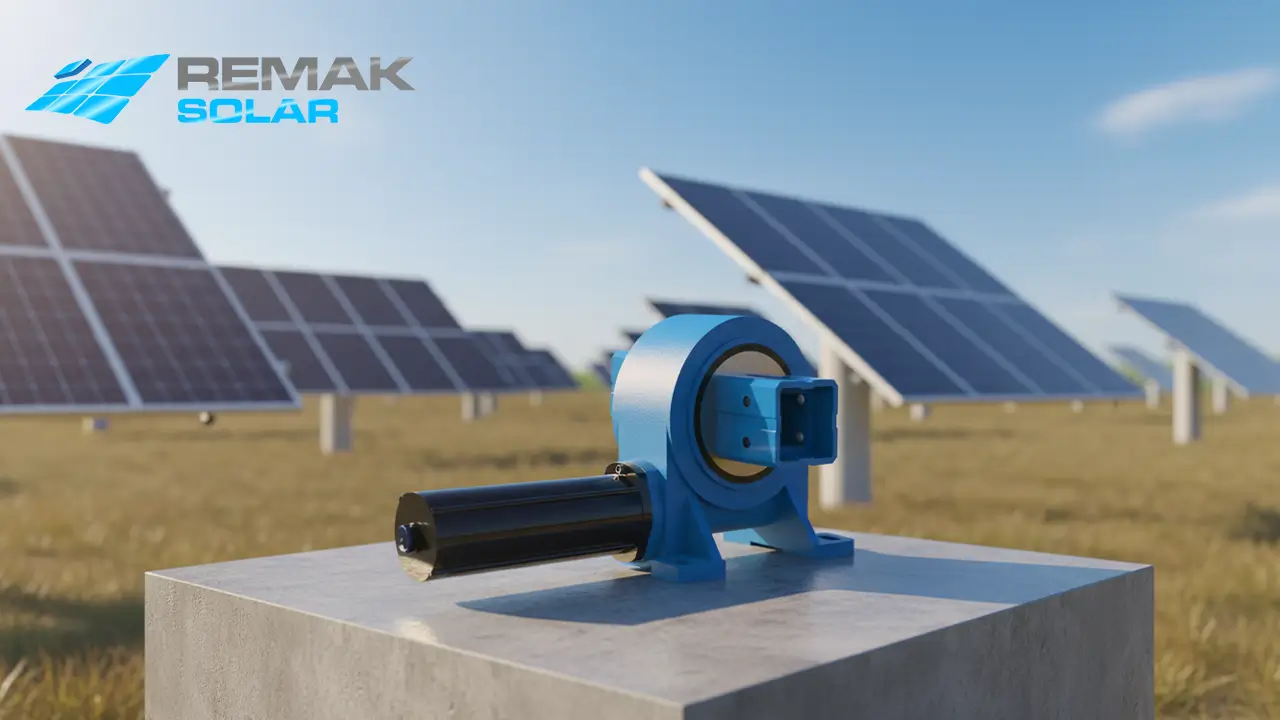
Field performance of tracking systems depends on the quality of their mechanical components. Solar tracker gearbox, bearing bushings, and control panels help ensure that the system operates reliably for 25 years.
Evaluating the motion system together with panel selection when planning your investment can significantly shorten the payback period.
Other Frequently Asked Questions About Monocrystalline and Polycrystalline Panels
What is the difference between P-Type (PERC) and N-Type (TOPCon/HJT) monocrystalline panel technologies?
In P-type panels, silicon is doped with boron, while N-type panels use phosphorus. N-type monocrystalline panels are replacing PERC panels in next-generation projects because they reduce light-induced degradation (LID) to nearly zero, achieve cell efficiencies above 24%, and lose less power at high temperatures.
Can monocrystalline panels be added later to an existing polycrystalline panel string?
Direct addition to the same series string is not recommended. Because the current (Imp) and voltage (Vmp) values of monocrystalline and polycrystalline panels differ, all panels in the string are pulled down to the level of the lowest-performing panel. If additional panels are required, the new panels should be connected to a separate MPPT channel on the inverter or to a separate string.
Does crystal structure have any effect in coastal and seaside installations with high corrosion and salt exposure?
Corrosion resistance depends more on the quality of the panel's aluminum frame, glass structure, and sealing lamination than on crystal structure. For seaside installations, models certified to IEC 61701 (Salt Mist Corrosion Resistance) should be selected regardless of whether the panels are monocrystalline or polycrystalline.
Which panel type is preferred for building-integrated photovoltaic (BIPV) projects?
Monocrystalline panels are the standard choice for building facades and aesthetically focused architectural integrations because of their uniform black appearance, strong visual compatibility, and ability to provide maximum power in limited space.
Does it make sense to buy second-hand or old-stock polycrystalline panels?
They can be an economical option for small-scale hobby systems or low-budget rural homes. However, for commercial projects, discontinued production, reduced spare-part availability, and greater space requirements can negatively affect the investment payback period over the long term.
Do Comment