

Other Blog
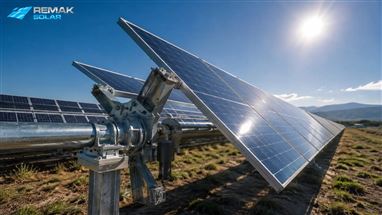
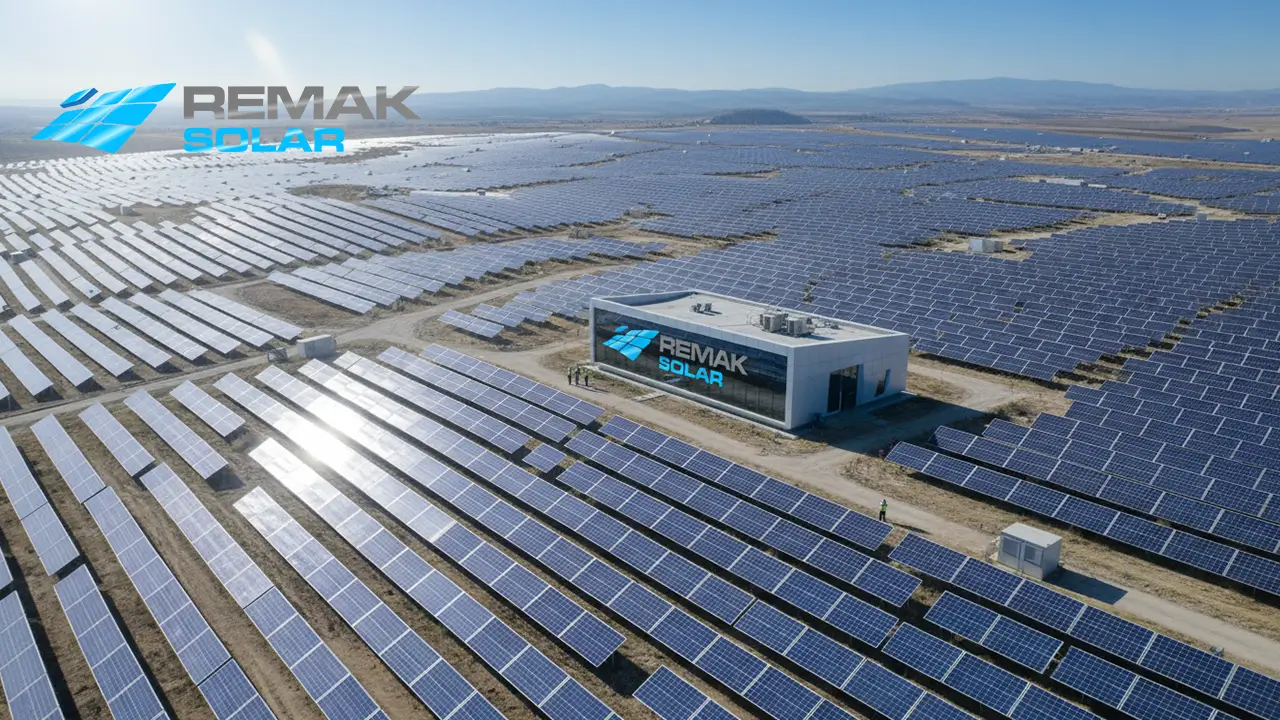
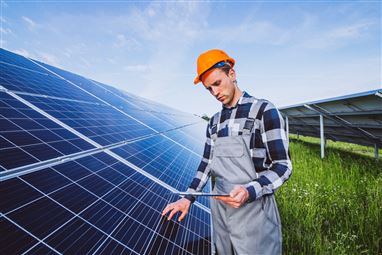
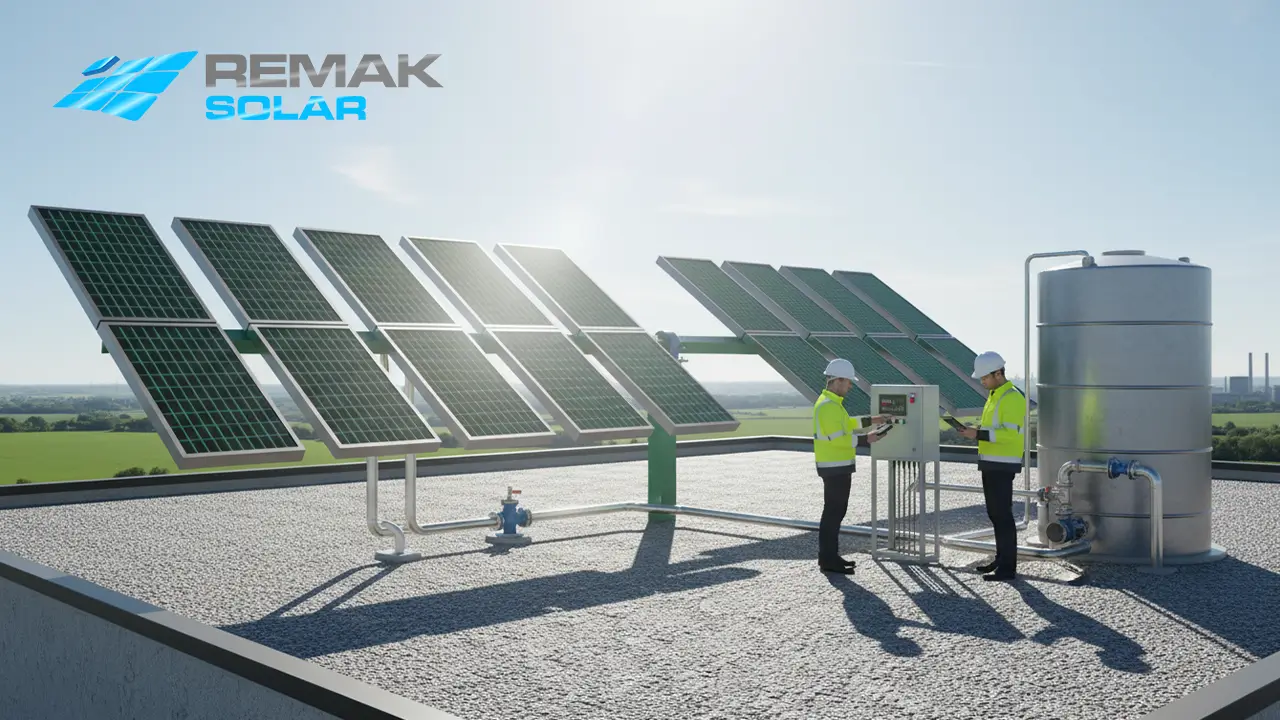
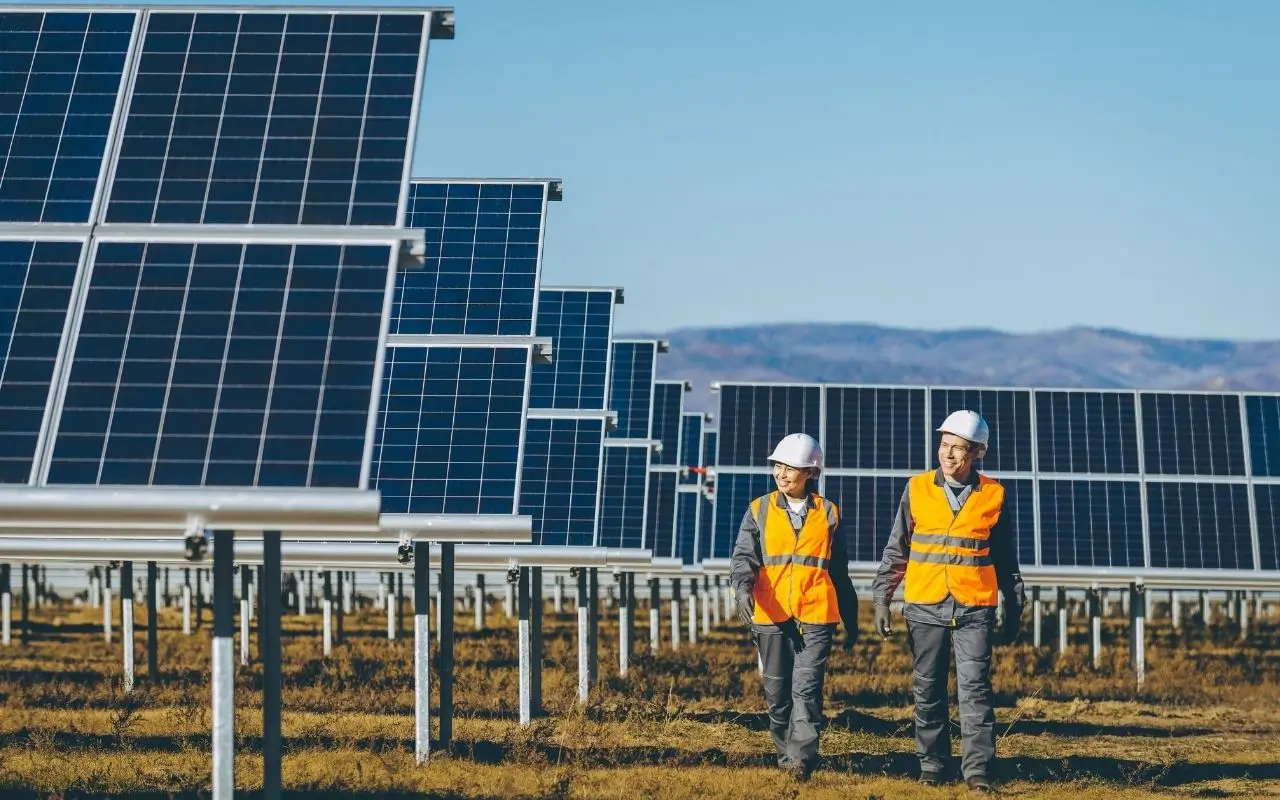
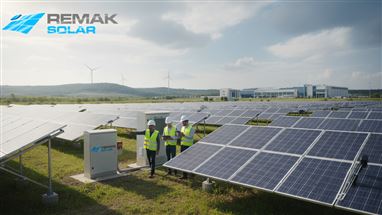
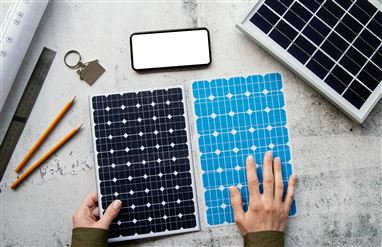
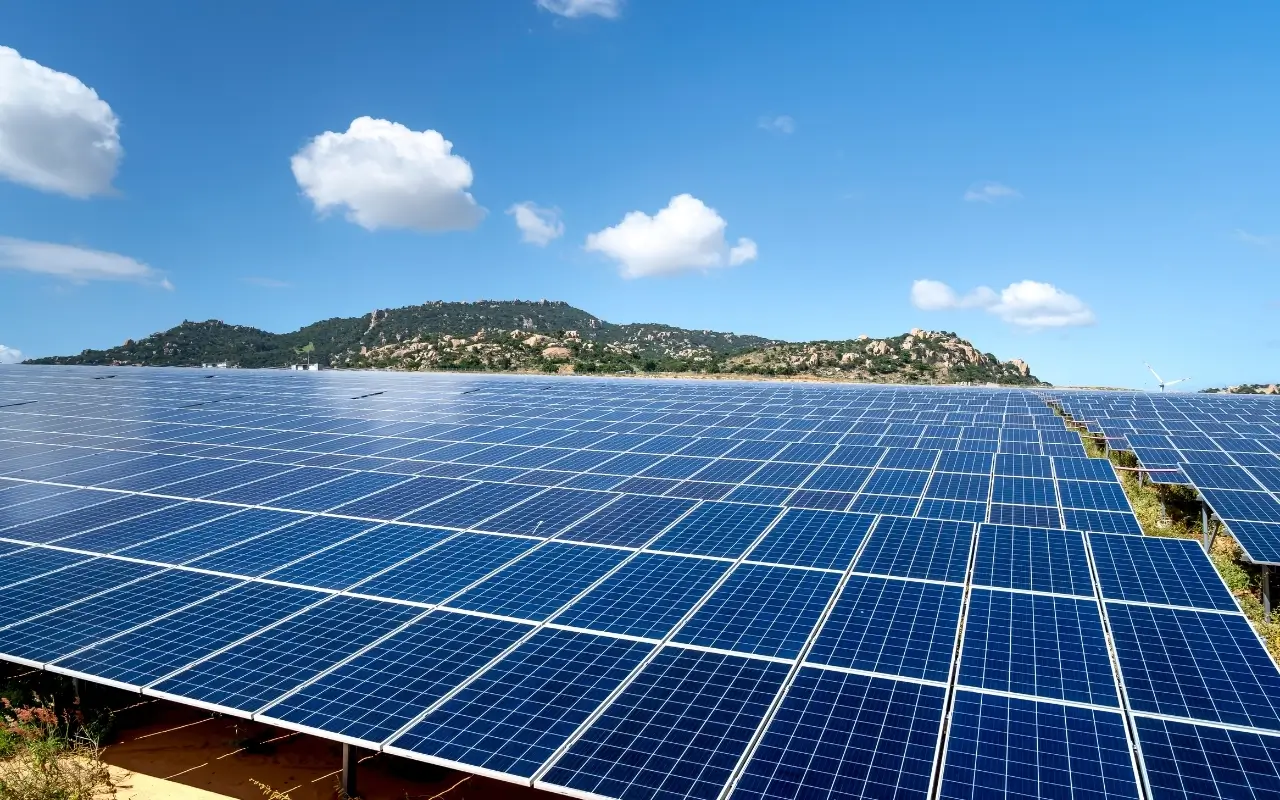
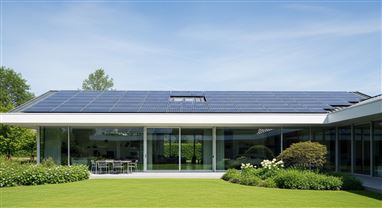
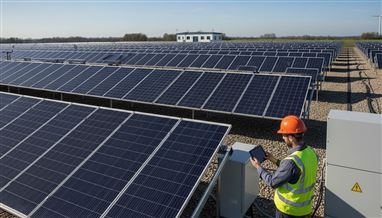
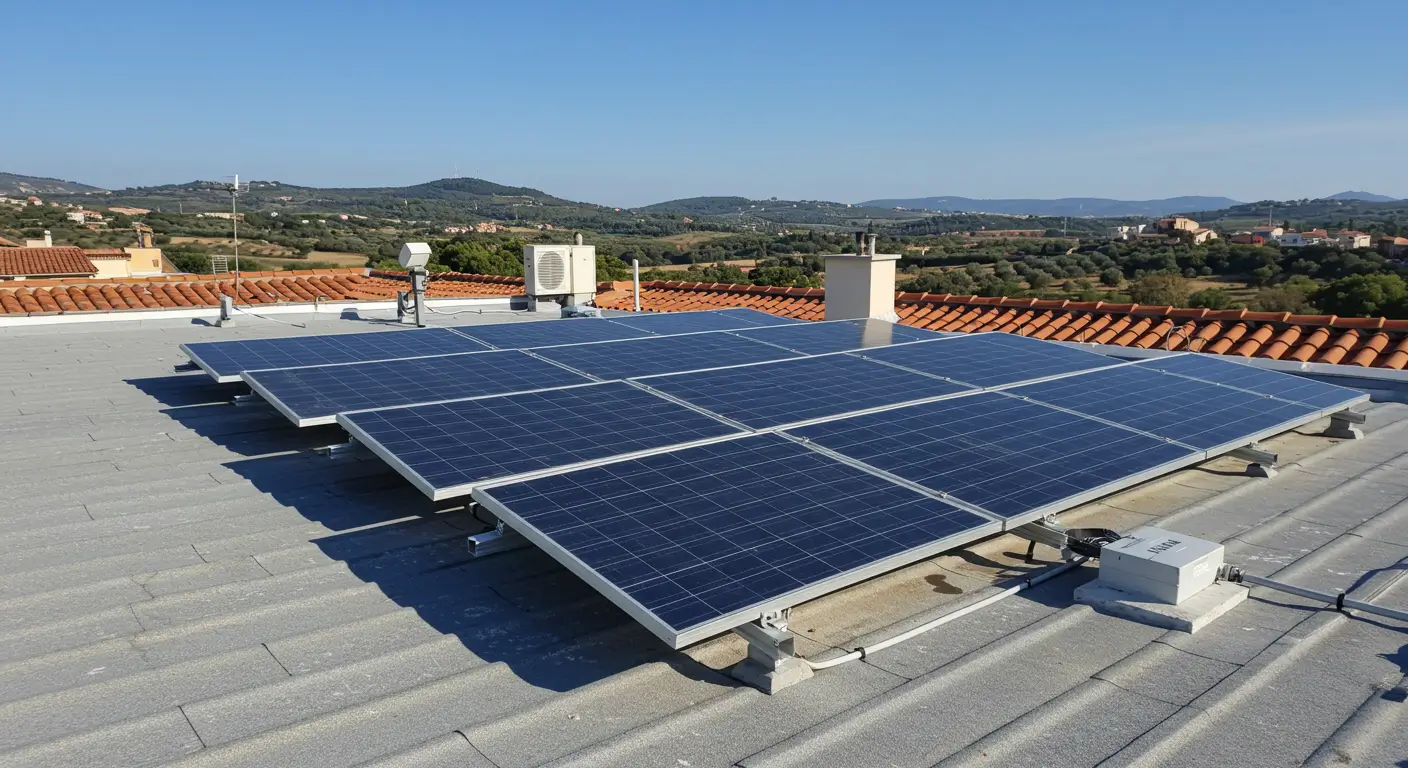
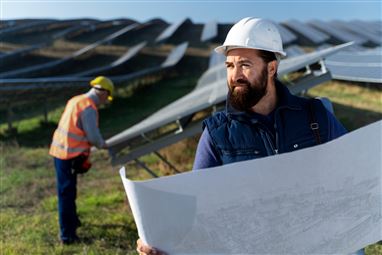
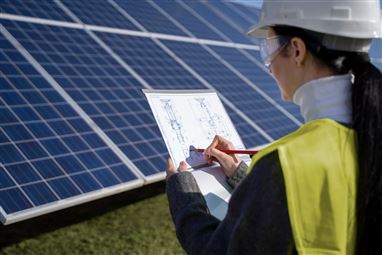
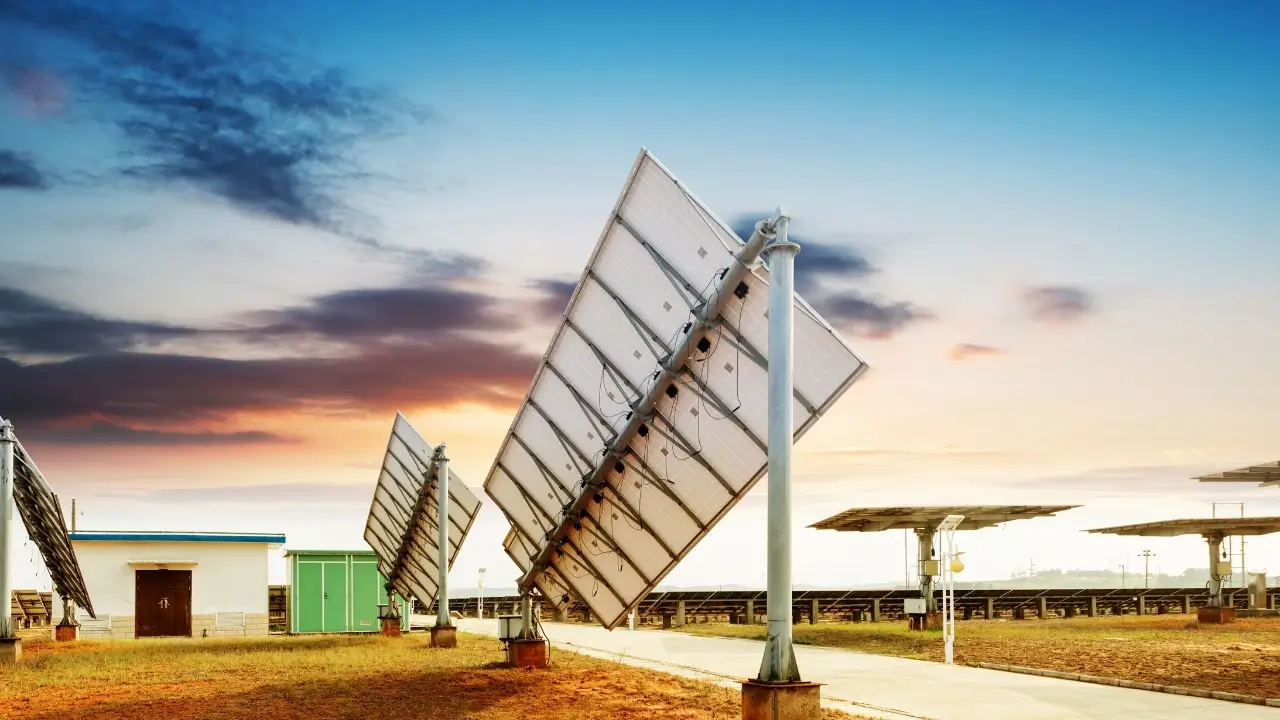
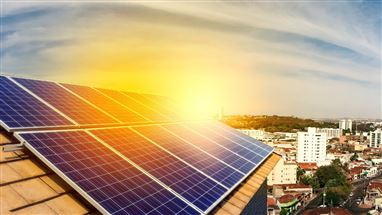
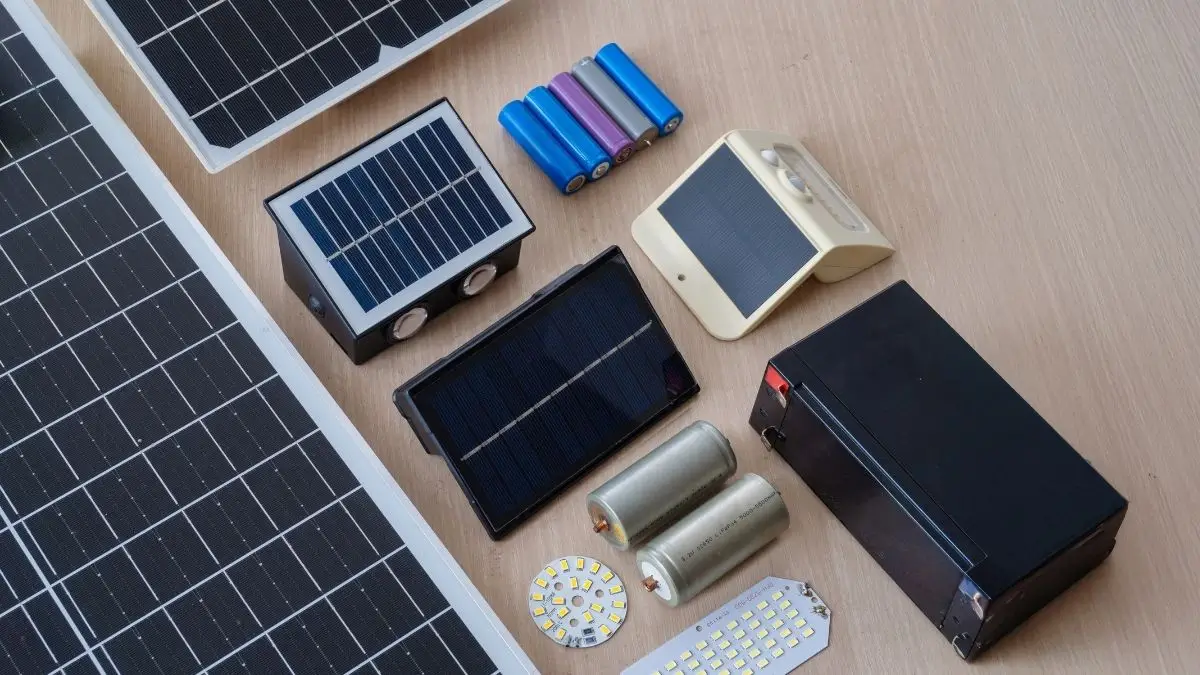
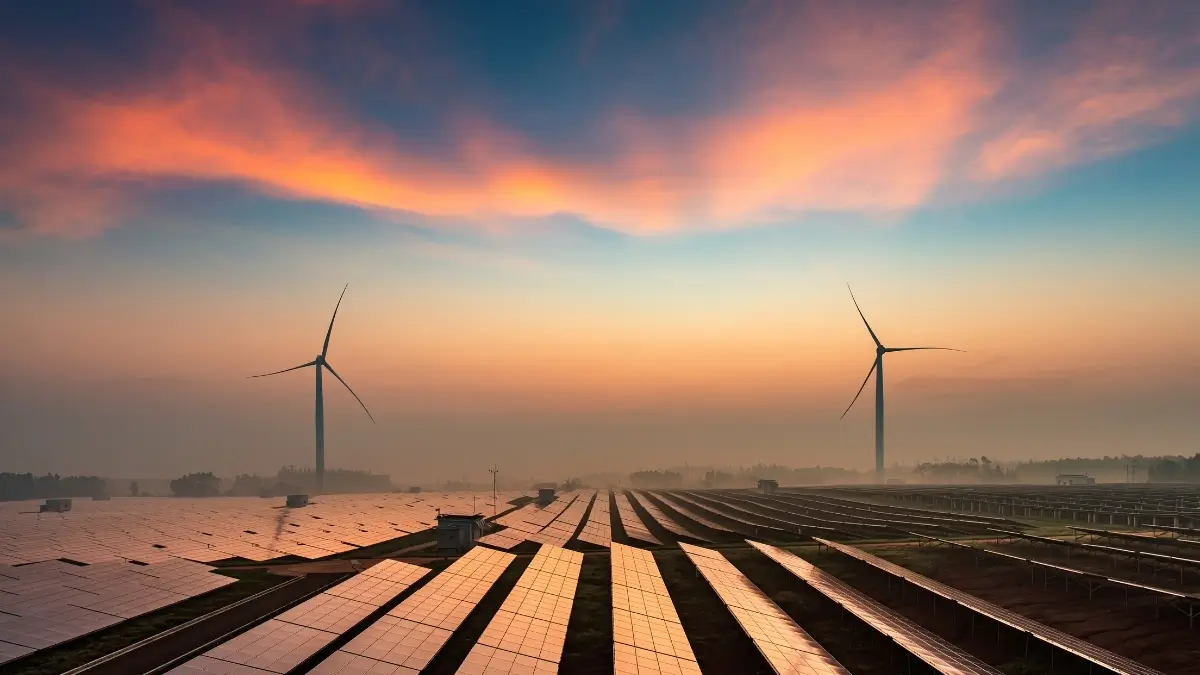
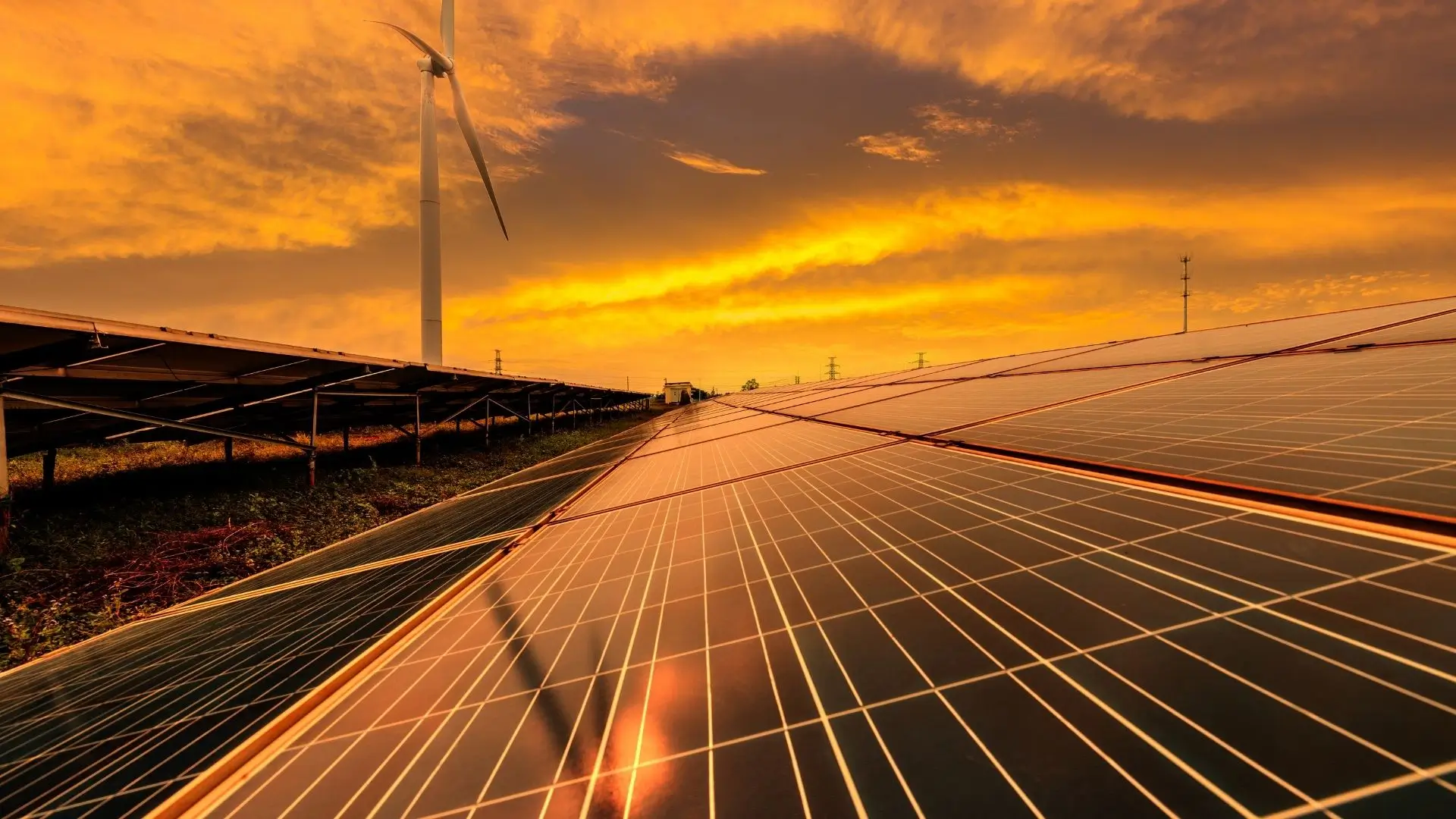
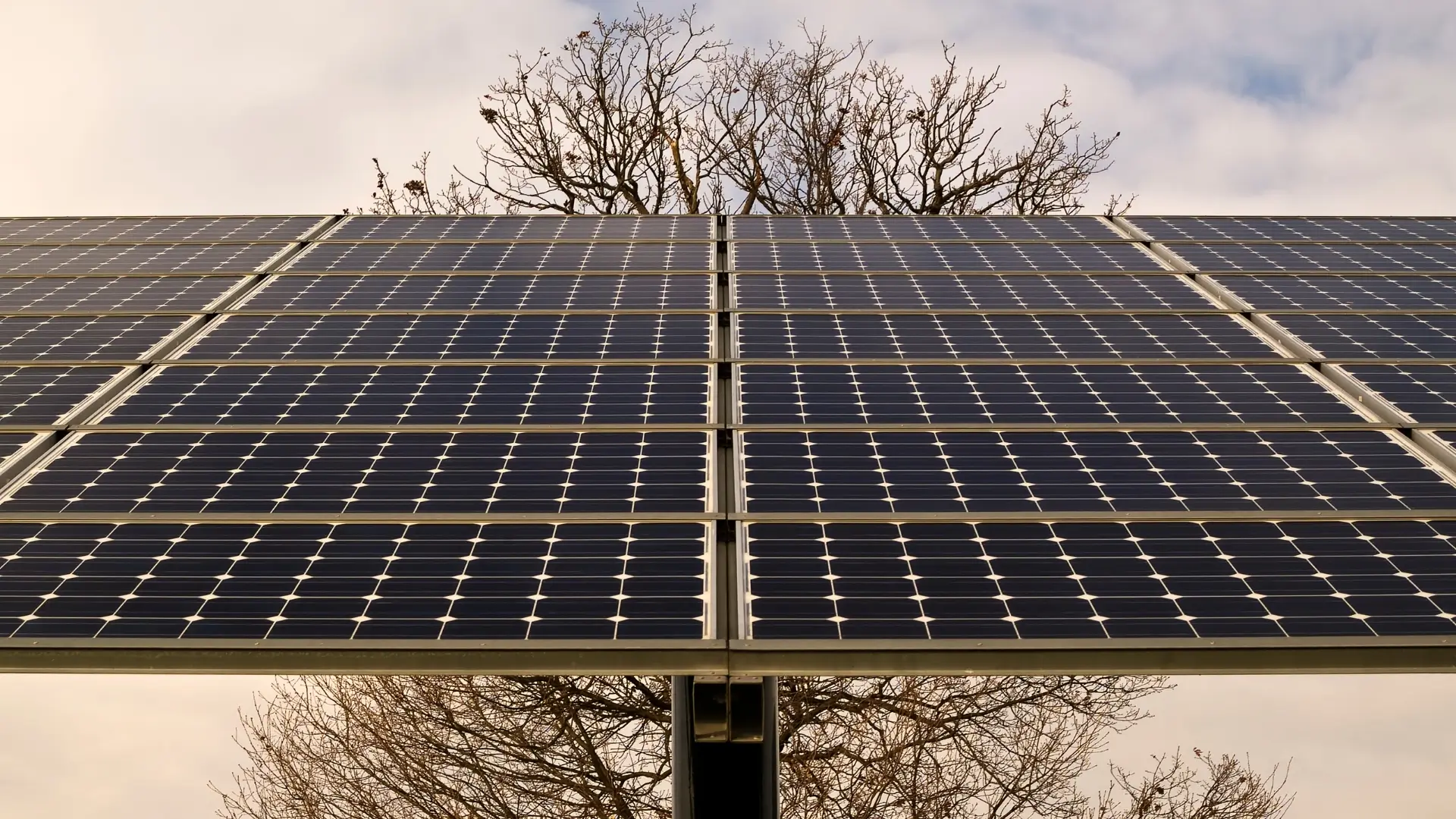
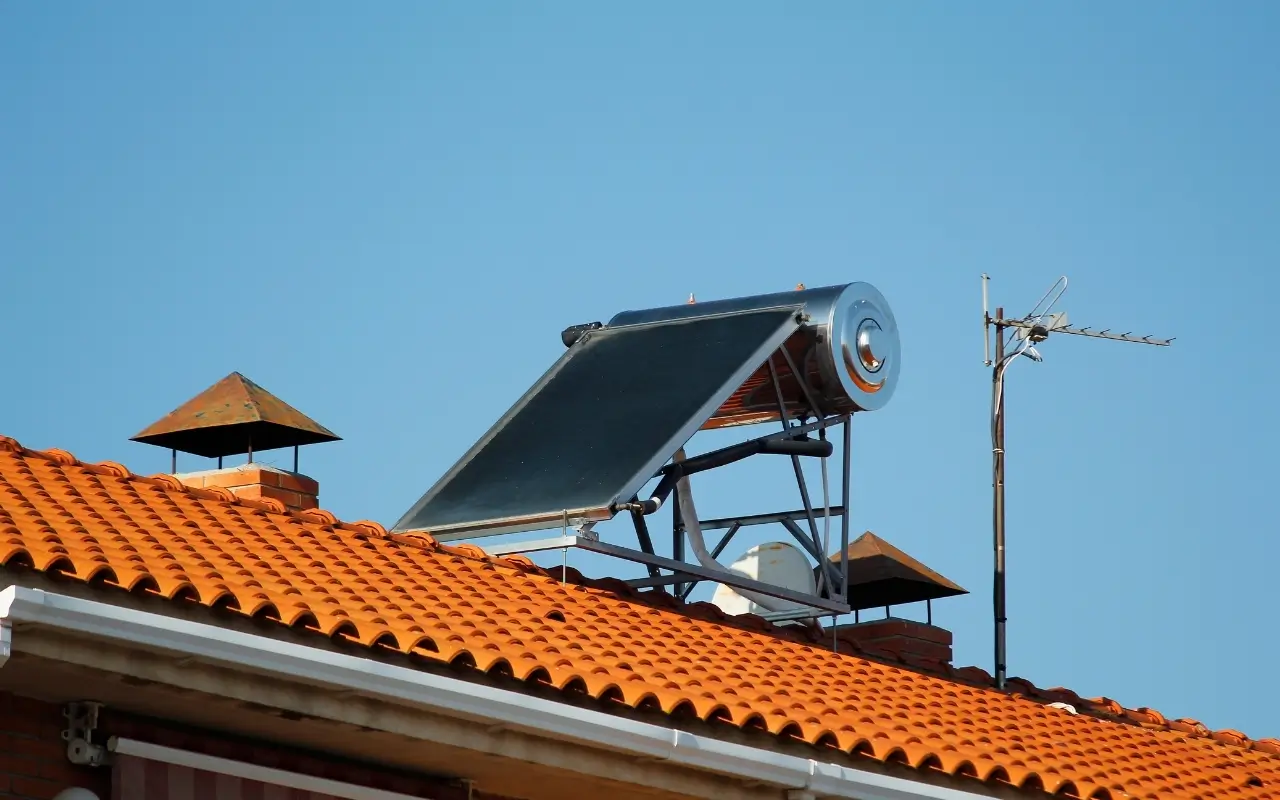
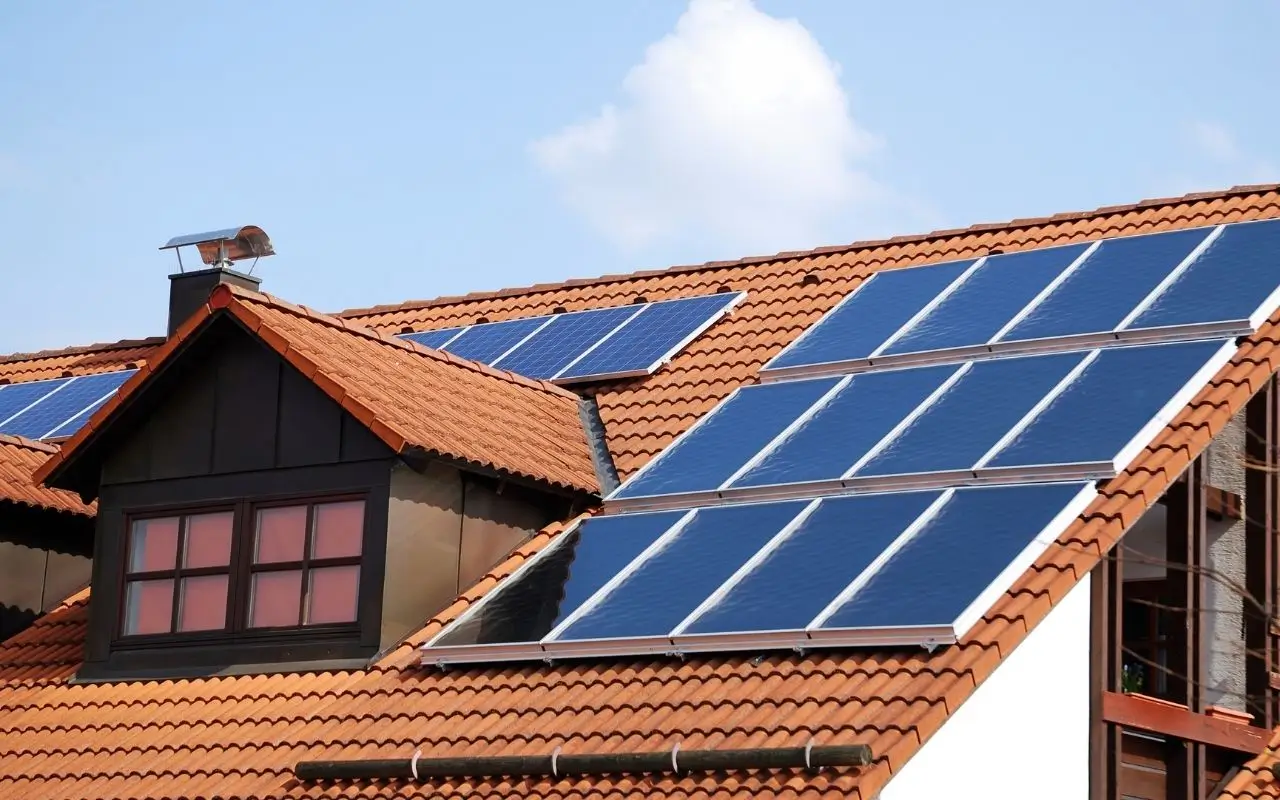
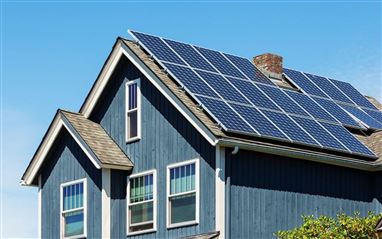
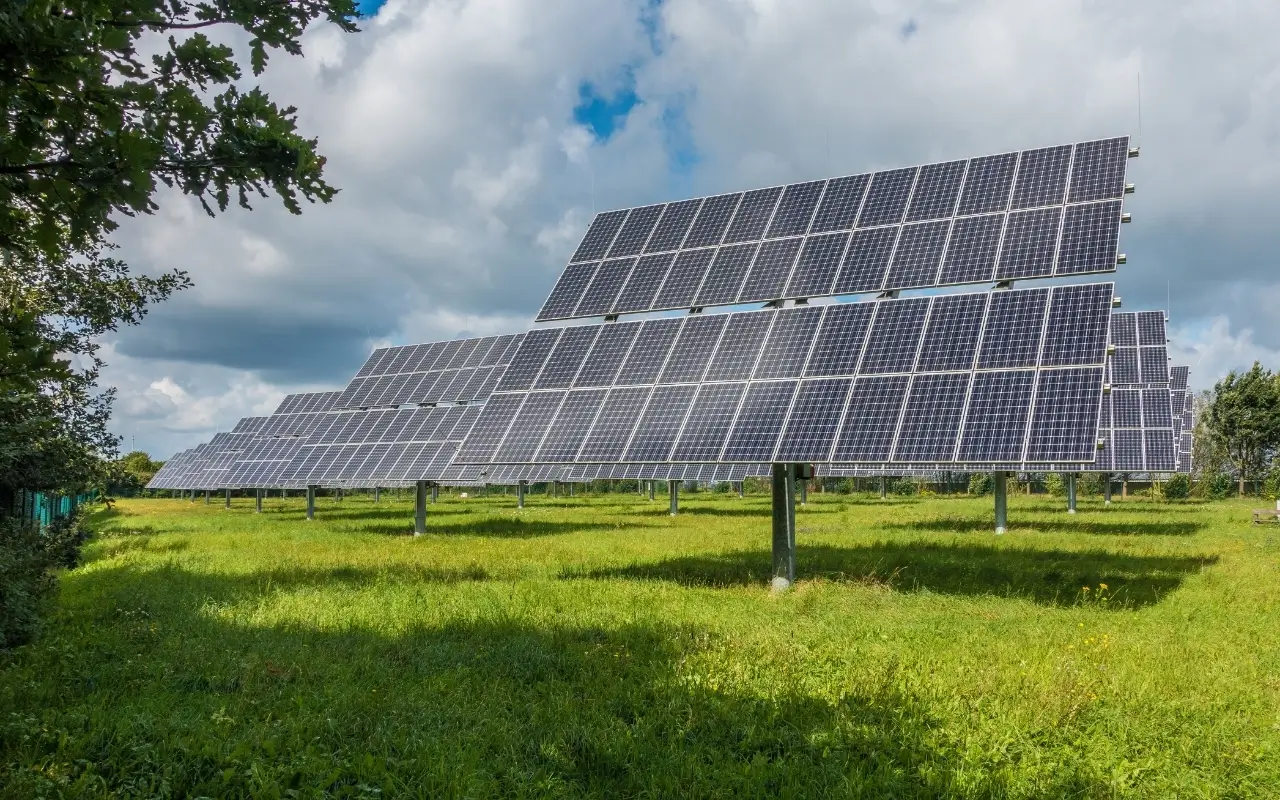
Planning a solar energy system for self-consumption in industrial facilities begins with a detailed analysis of the factory’s annual and monthly electricity consumption data. Then, the suitability of roof or land areas for solar panel installation is assessed, regional irradiation data is reviewed, and the overlap between the consumption profile and production curve is calculated. After these stages, the optimum system capacity is determined, costs and payback periods are calculated, and installation is carried out by completing the necessary permits and grid connection procedures.
As the share of energy costs in production expenses continues to rise, many factories are turning to generating their own electricity to reduce utility bills. The self-consumption model is based on using the generated electricity directly within the facility instead of selling it to the grid. This approach lowers the unit cost of energy while also reducing external dependency. Facilities that operate intensively during daytime shifts benefit the most from this model, as they can align solar production hours with their consumption hours.
A proper planning process is not limited to technical calculations alone. The factory’s future growth plans, energy efficiency improvements, and possible capacity increases should also be included in the project. Otherwise, a system that becomes insufficient within a few years may fail to provide the expected savings. In addition, changes in legislation, incentive mechanisms, and grid regulations directly affect the decision-making process. For this reason, the planning phase requires a holistic evaluation from engineering, legal, and financial perspectives.
What Is the Self-Consumption SPP Model and How Does It Work?
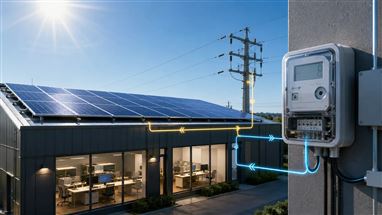
The self-consumption SPP model is based on the principle of using the electricity generated from solar panels directly for the facility’s own needs instead of selling it to the grid. With this system, factories consume the energy they generate during the day instantly and significantly reduce their electricity bills. Although it is connected to the grid, priority is always given to self-generated power; when production is insufficient, the missing energy is automatically drawn from the grid. In this way, uninterrupted production is ensured while energy costs remain under control.
The basic operating logic of the system consists of several stages:
- Solar panels generate DC (direct current) electricity throughout the day.
- Inverters convert this energy into AC (alternating current) and transfer it to the factory’s electrical network.
- The generated electricity is directed primarily to the machines and equipment operating at that moment.
- When production exceeds consumption, excess energy is fed into the grid or transferred to batteries if an energy storage system is available.
- During hours without sunlight or when production drops, energy is drawn from the grid.
- A bidirectional meter measures and records all of this flow in real time.
The higher the self-consumption rate is kept in factories, the greater the economic return of the system. Therefore, the overlap between consumption hours and production hours becomes a critical factor during the planning stage. Facilities operating daytime shifts are among the most suitable candidates for this model because the peak hours of solar power generation coincide with the periods of highest electricity consumption.
Which Is More Advantageous: Rooftop or Ground-Mounted?
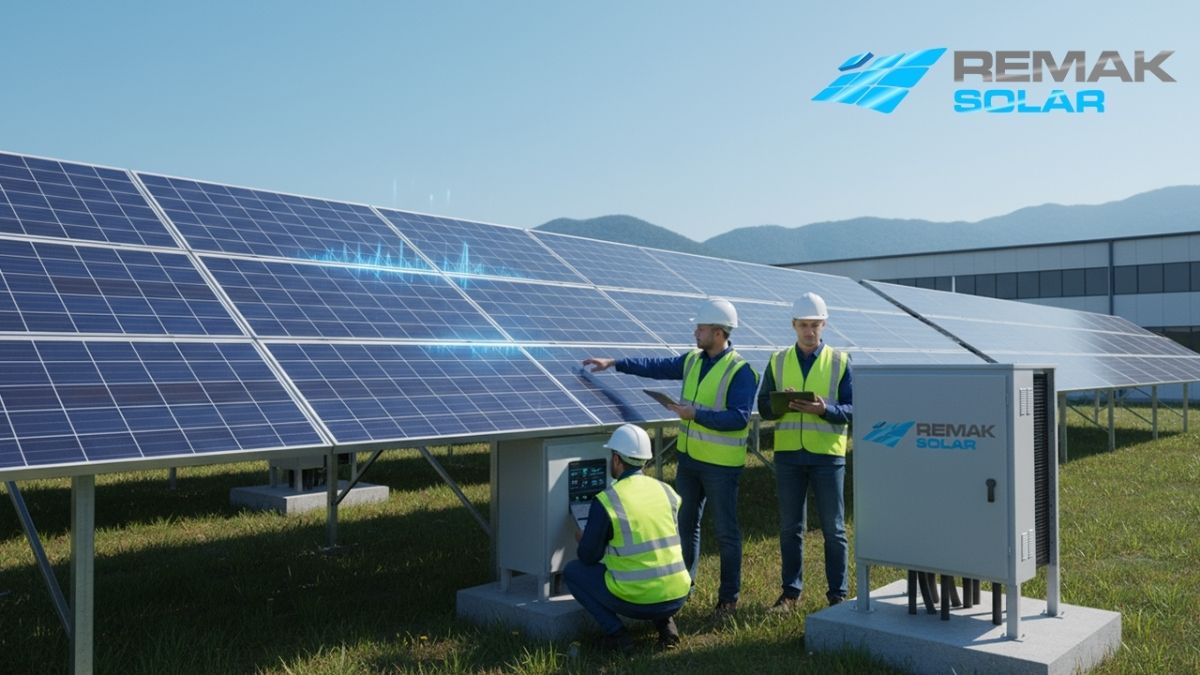
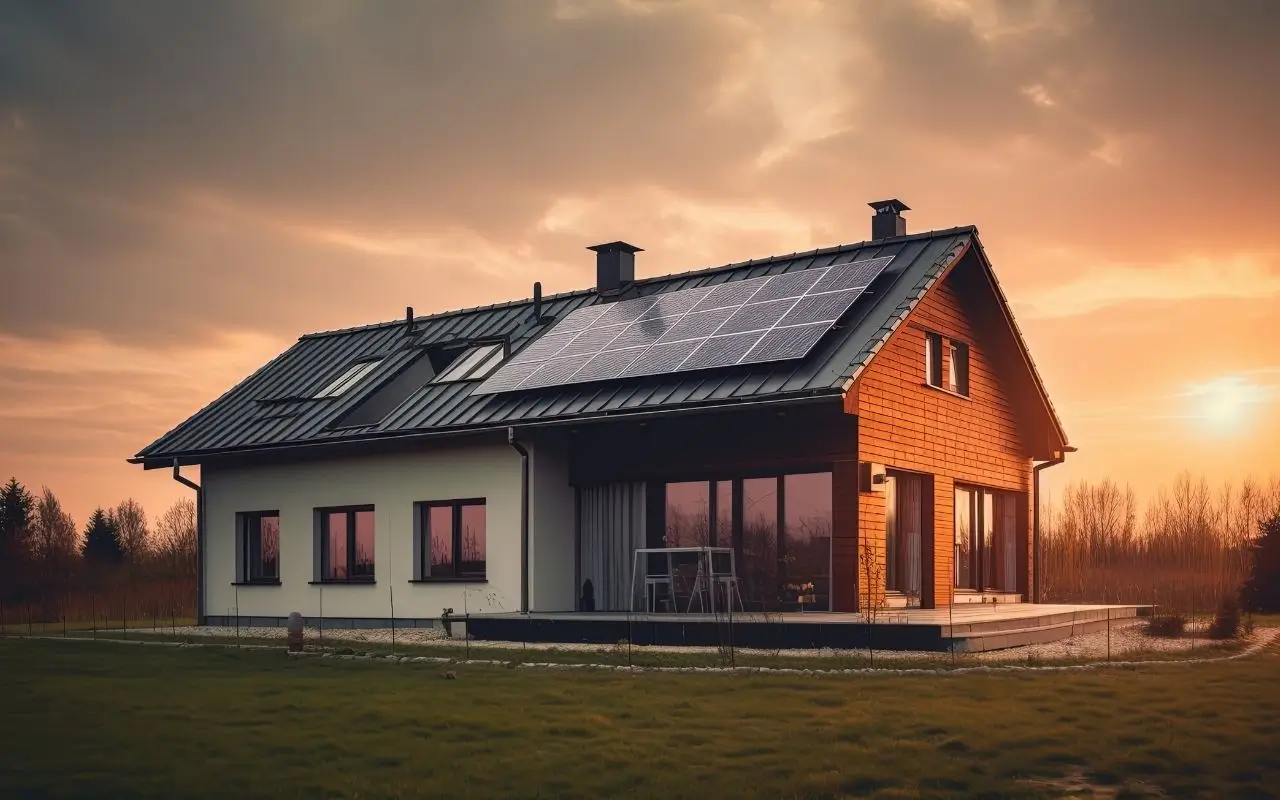
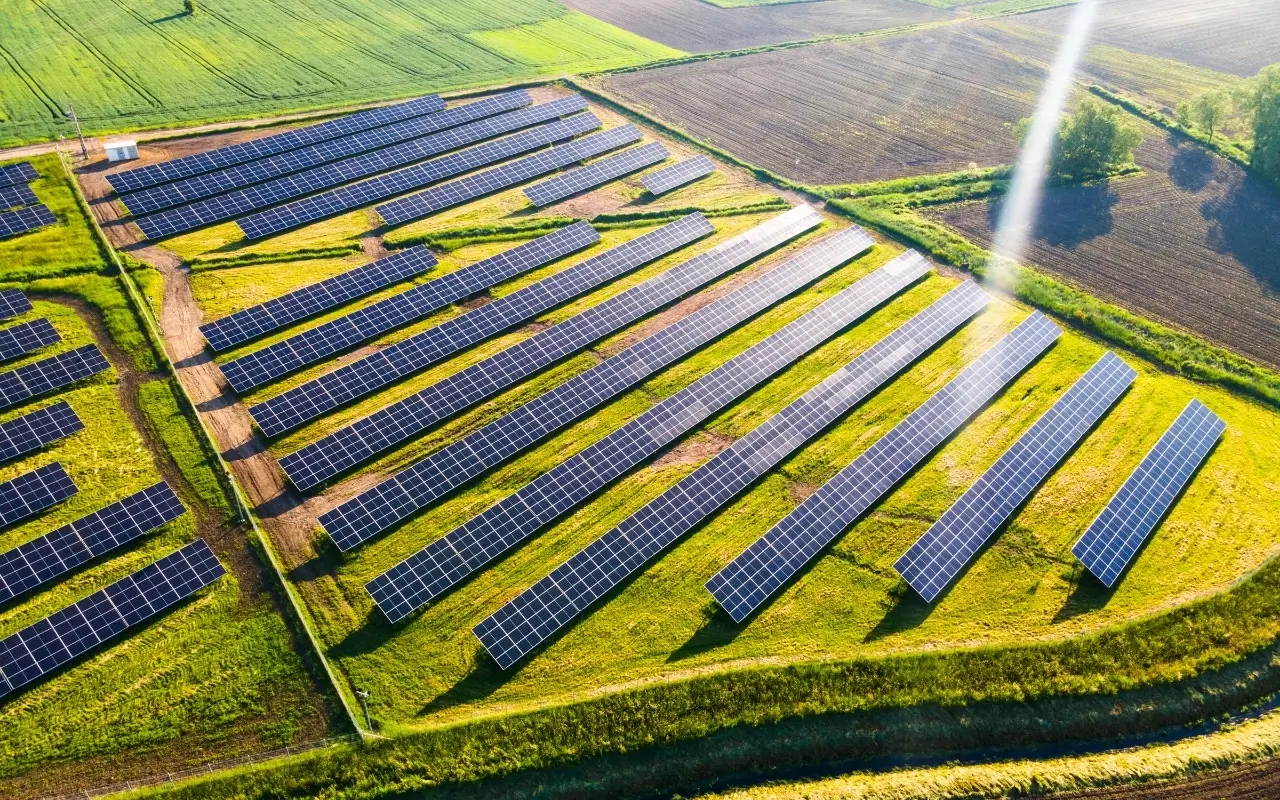
The most suitable option for factories varies depending on the facility’s physical conditions and investment priorities. Rooftop systems make use of the existing structure, so they do not require additional land costs, and the distance between the production area and the consumption point remains minimal. Ground-mounted power plants, on the other hand, allow for larger capacities and enable panel angles to be adjusted more optimally. Since both options have their own strengths, a detailed evaluation should be made before making a decision.
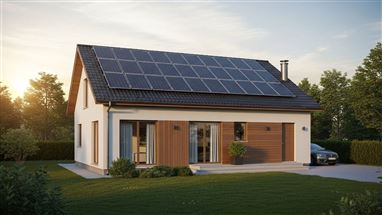
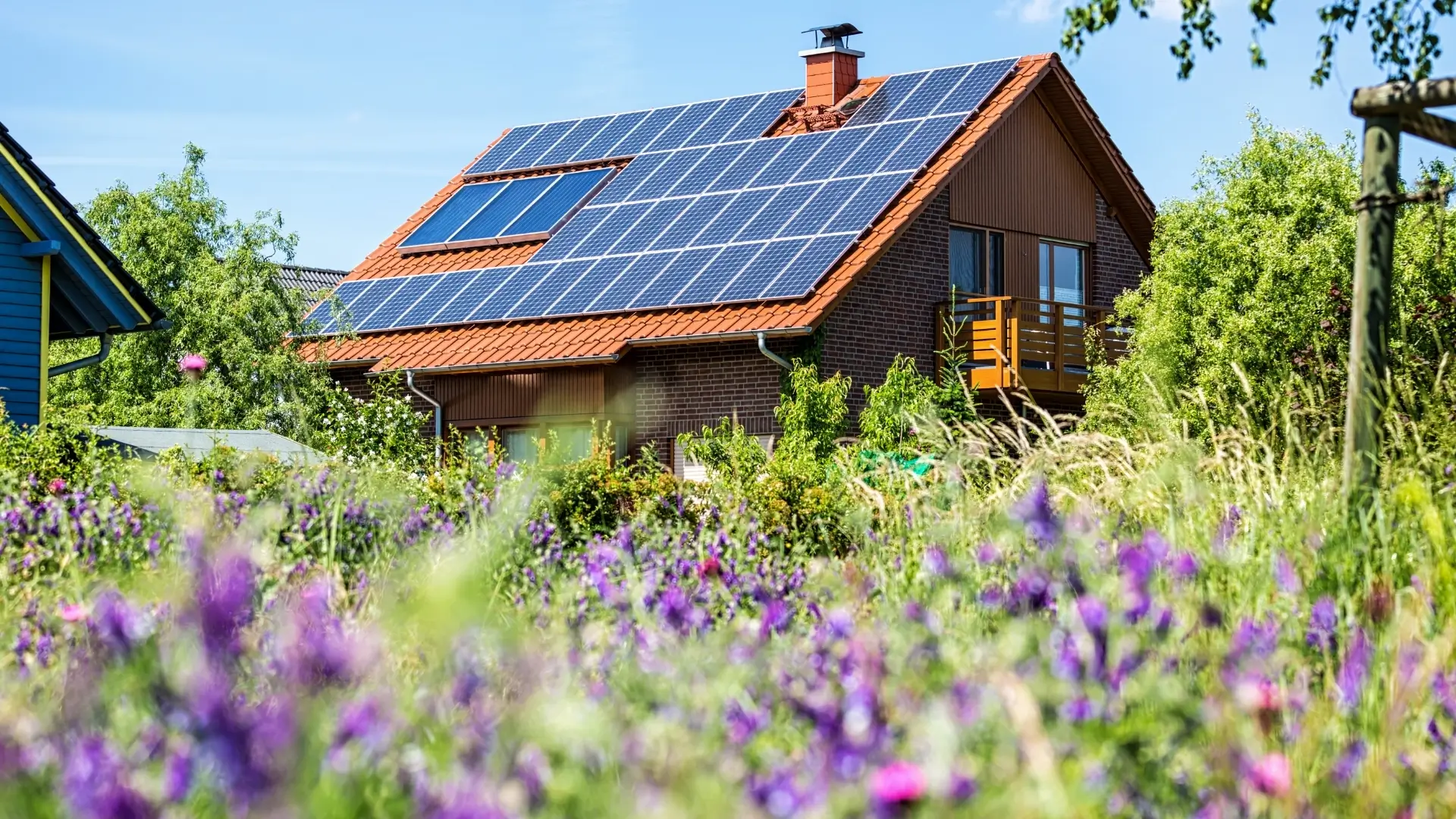
Rooftop installations offer an ideal solution especially for industrial facilities with space limitations. They preserve the factory’s production area while turning an otherwise idle roof surface into a value-generating asset. In addition, the panels on the roof protect the building from solar radiation, reducing indoor temperatures during summer months and lowering cooling costs. However, the roof’s load-bearing capacity, age, and orientation are among the factors that directly affect the efficiency of this system.
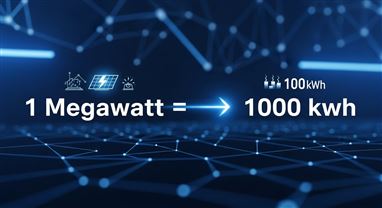
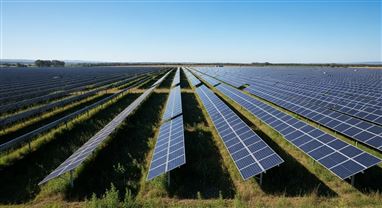
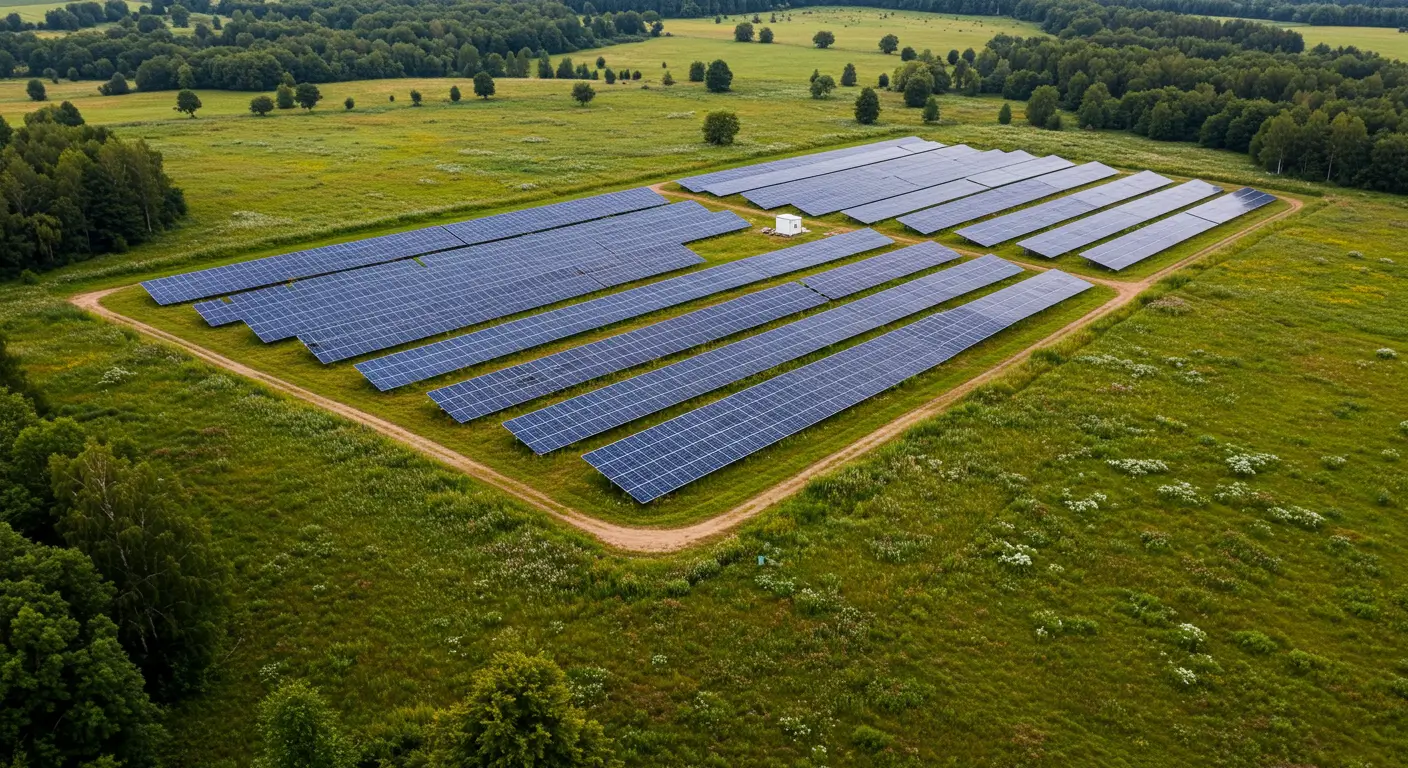
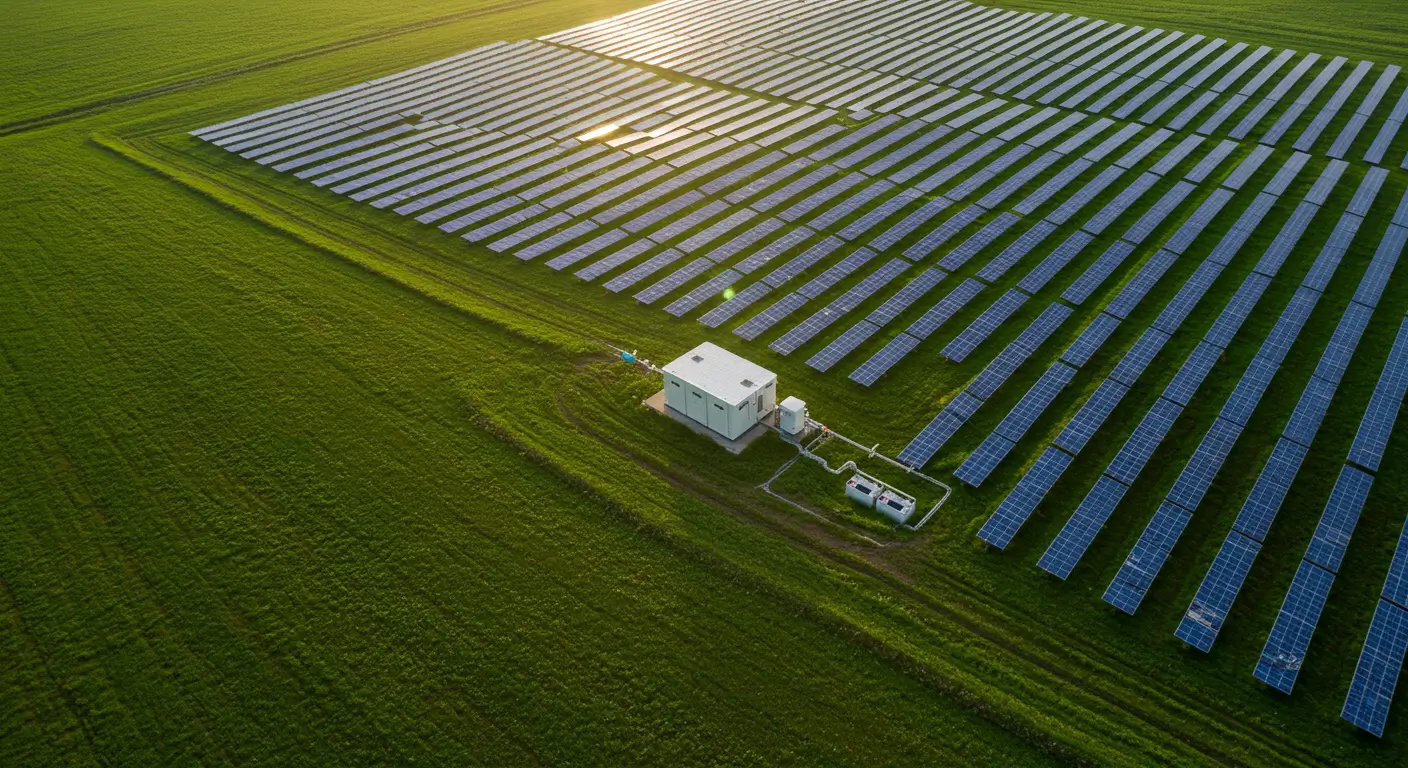
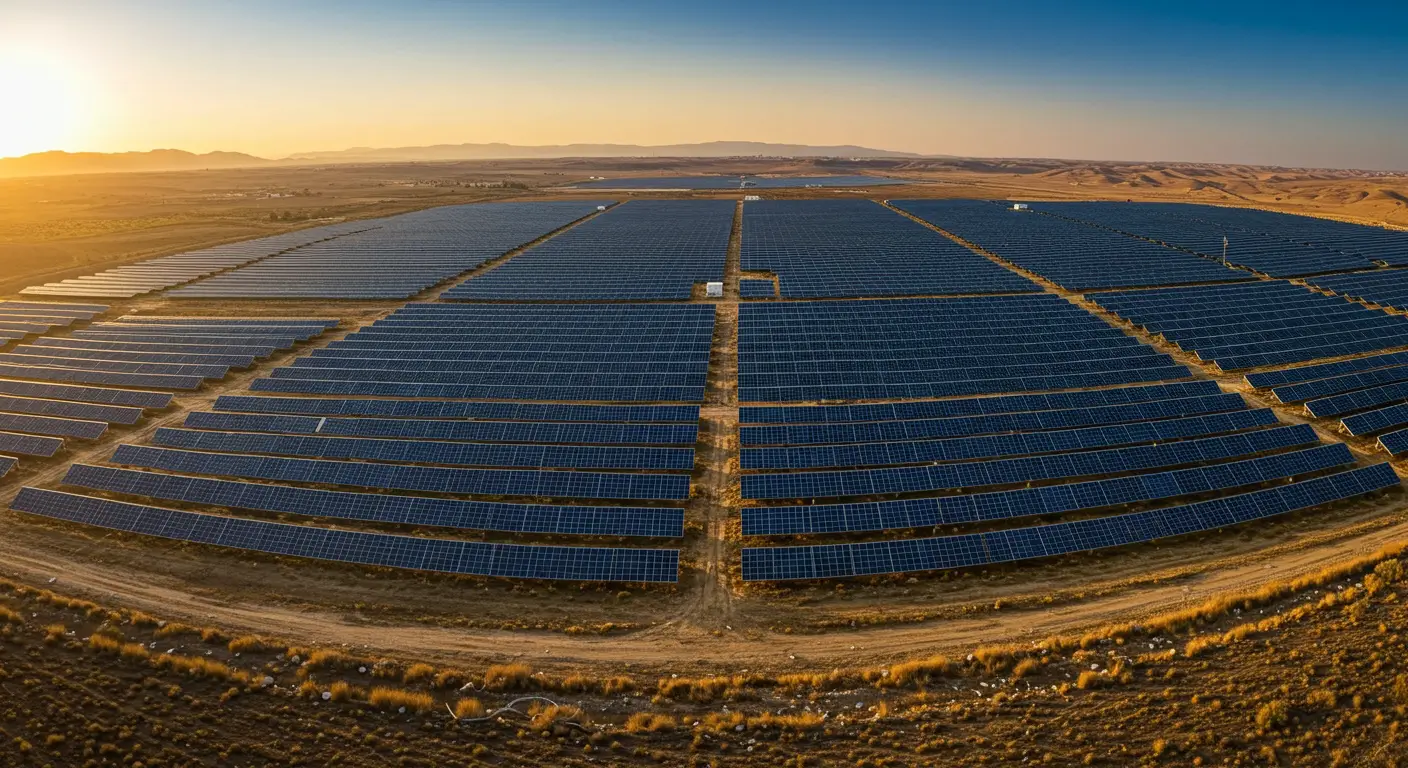
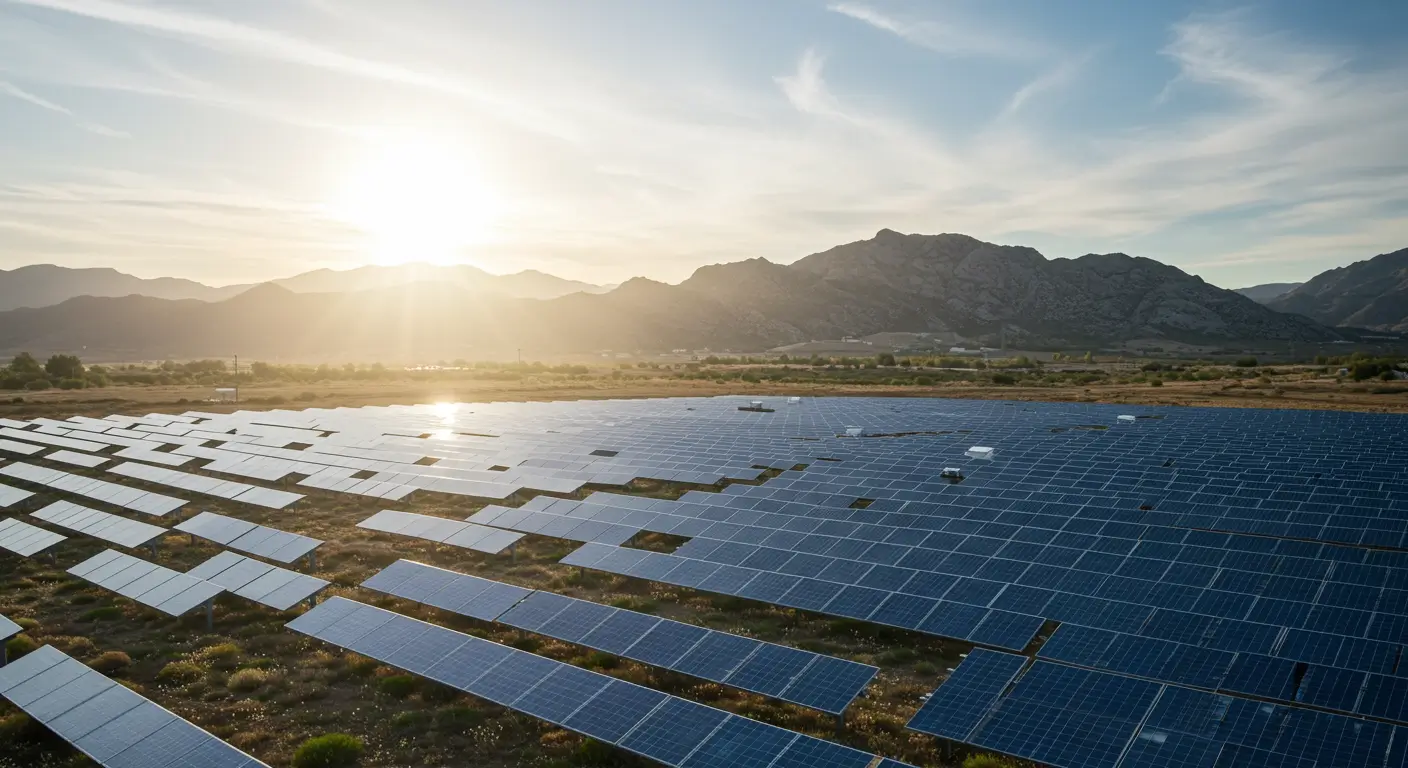
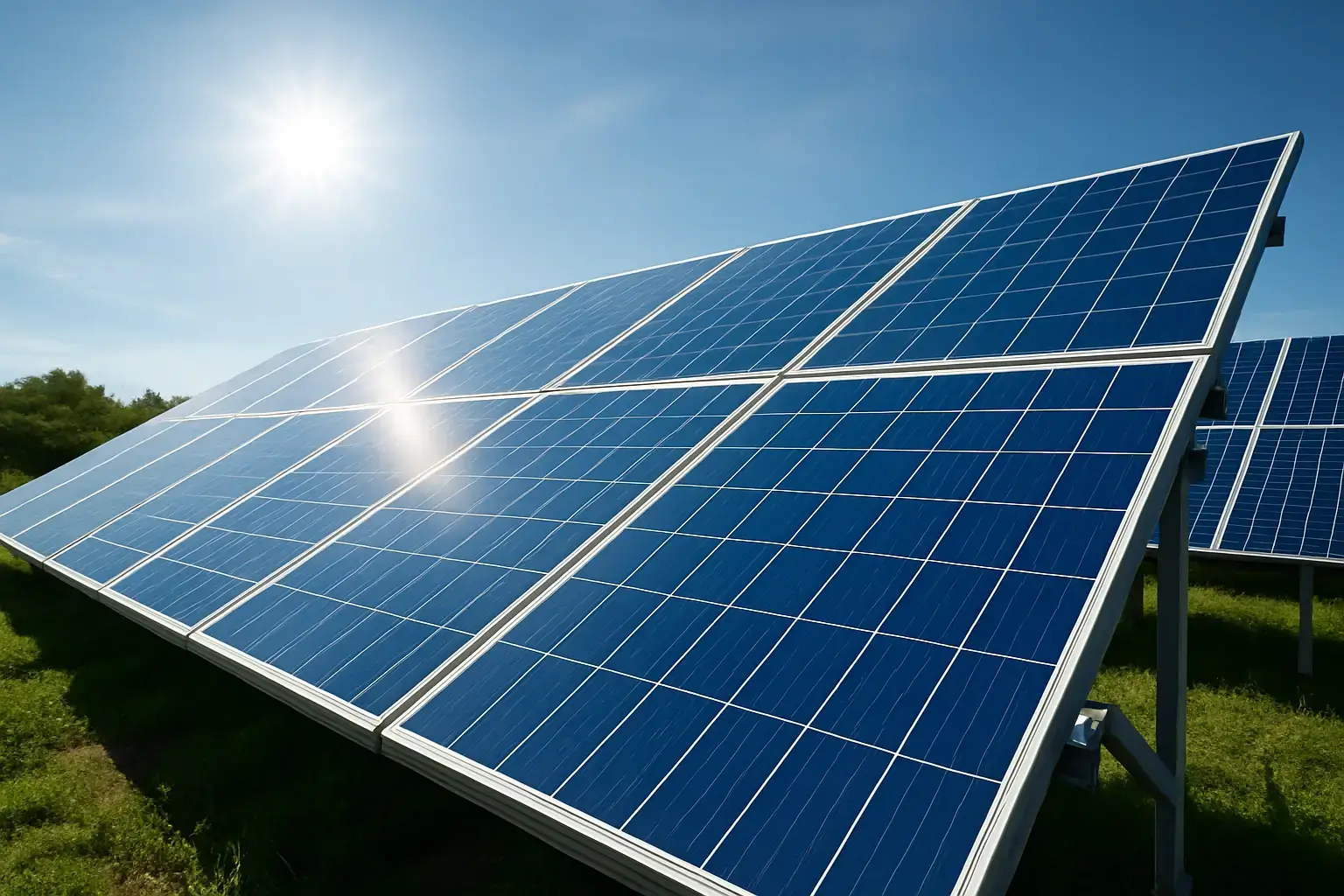
Ground-mounted plants stand out for facilities with high energy consumption and large land areas. Since it is possible to reach megawatt-level installed capacity, a large portion of the energy demand can be met. Because the spacing between panel rows can be freely adjusted, shading losses are minimized. However, land cost, landscaping, and long cable routes are factors that increase the total investment cost.
In summary, rather than focusing on a single criterion when making a choice, a holistic perspective should be adopted. Facilities with sufficient roof area and medium-scale capacity targets can gain efficiency from rooftop systems, while factories with high consumption and large land areas may prefer ground-mounted projects. In some cases, hybrid solutions in which both models are implemented together are also worth considering as an alternative.
What Permits Are Required for Unlicensed Electricity Generation?
Factories that want to install an SPP under unlicensed electricity generation must follow a specific permit and application process. The process begins with an application for a call letter submitted to the relevant electricity distribution company. At this stage, the suitability of the grid connection point and the available capacity are evaluated. Once a positive response is received, the connection agreement and system usage agreement are signed, placing the technical process on an official basis.
In addition to electricity market regulations, environmental and structural permits are also required to complete the project. Depending on the installed capacity and project area, an EIA document may be required; small-scale projects are generally considered within the scope of EIA exemption. In addition, documents such as a zoning status certificate from the municipality, a construction permit, and project approval must be included in the file. For ground-mounted systems, additional permits related to the use of agricultural land may come into play.
Once installation is completed, temporary acceptance and then final acceptance procedures are carried out. Distribution company officials perform technical inspections on site and verify the system’s compliance with the legislation. When all stages are completed without issue, the plant is commissioned and the generated energy begins to be used at the consumption point. Managing this permitting process completely and accurately is of great importance in preventing future administrative and legal problems.
Is It Necessary to Add an Energy Storage System?
In self-consumption SPP projects, an energy storage system is not a mandatory component. Since production and consumption occur simultaneously during daytime hours, the electricity generated by the panels is transferred directly to the machines. Thanks to the grid connection, there is no energy interruption when production decreases or stops. Therefore, factories operating on a single shift and concentrating consumption during the day can achieve high efficiency from the system without investing in batteries.
However, in certain scenarios, an energy storage system offers serious advantages. Battery integration is worth considering for facilities with night shifts, businesses paying high tariffs during peak hours, or production lines requiring uninterrupted energy. Energy stored during the day can be used in the evening to further reduce electricity costs. Still, it should be taken into account that battery systems create additional costs and extend the payback period. Before making a decision, the consumption profile should be analyzed in detail and the economic feasibility of the investment should be calculated.
How Is a Feasibility Report Prepared?
A GES feasibility report for factories is the most critical document that ensures the investment decision is based on solid foundations. Thanks to this report, the technical feasibility, financial return, and potential risks of the project can be clearly revealed before installation. An incomplete or superficial feasibility study may lead to unexpected costs and disappointment in later stages. Therefore, a comprehensive analysis process supported by realistic data should be carried out.
An effective feasibility report should include the following key components:
- Detailed electricity consumption data and invoice analysis for the last 12 months
- Measurement of the roof or land area, including orientation and slope angle information
- Region-specific solar irradiation values and climate data
- Technical specifications of the proposed panels, inverters, and mounting system
- Total installation cost and financing options
- Estimated annual energy production amount
- Self-consumption rate and calculation of excess energy to be supplied to the grid
- Payback period and a 25-year return projection
- Forecast of maintenance, insurance, and operating expenses
- Summary of regulatory requirements and permit processes
A professionally prepared feasibility study should not consist solely of numbers. It should present different scenarios comparatively and clearly specify potential risks and the measures that can be taken against them. In addition, the report should contain reliable and transparent data at a level that can be presented to financial institutions or investors. A good feasibility study ensures that both the technical team and decision-makers speak the same language and significantly increases the probability of the project being implemented successfully.
Risks That Should Be Considered During the Project Process
Since an SPP investment is a long-term project, details overlooked during the planning stage can turn into serious problems in the coming years. Errors in technical calculations, insufficient site analysis, or the selection of an inexperienced contractor can significantly reduce the expected return. In addition, changes in legislation, supply chain disruptions, and deviations in financial forecasts are among the factors that may negatively affect the project. Being aware of these risks and taking precautions in advance directly determines the success of the investment.
The risks frequently encountered in self-consumption SPP projects for factories include:
- Incorrect calculation of roof static capacity, causing damage to the supporting structure
- Production losses due to incomplete shading analysis
- Early failures caused by choosing low-quality panels or inverters
- Warranty and service terms not being clearly defined
- Encountering insufficient capacity during the grid connection application
- Delays in permit processes causing the project to deviate from the planned schedule
- Exchange rate fluctuations increasing equipment costs
- The contractor leaving the project unfinished or failing to fulfill commitments
- Insufficient insurance coverage and natural disaster damages not being compensated
- Maintenance negligence reducing system efficiency
Most of these risks can be minimized through proper planning and the selection of reliable business partners. Performance guarantees, penalty clauses, and service commitments should be clearly defined in contracts. In addition, having independent technical inspections carried out at every stage of the project helps detect potential issues early. For a system that will operate smoothly for many years, showing a little more care at the beginning is the most effective way to prevent future losses.
Do Comment