

Other Blog
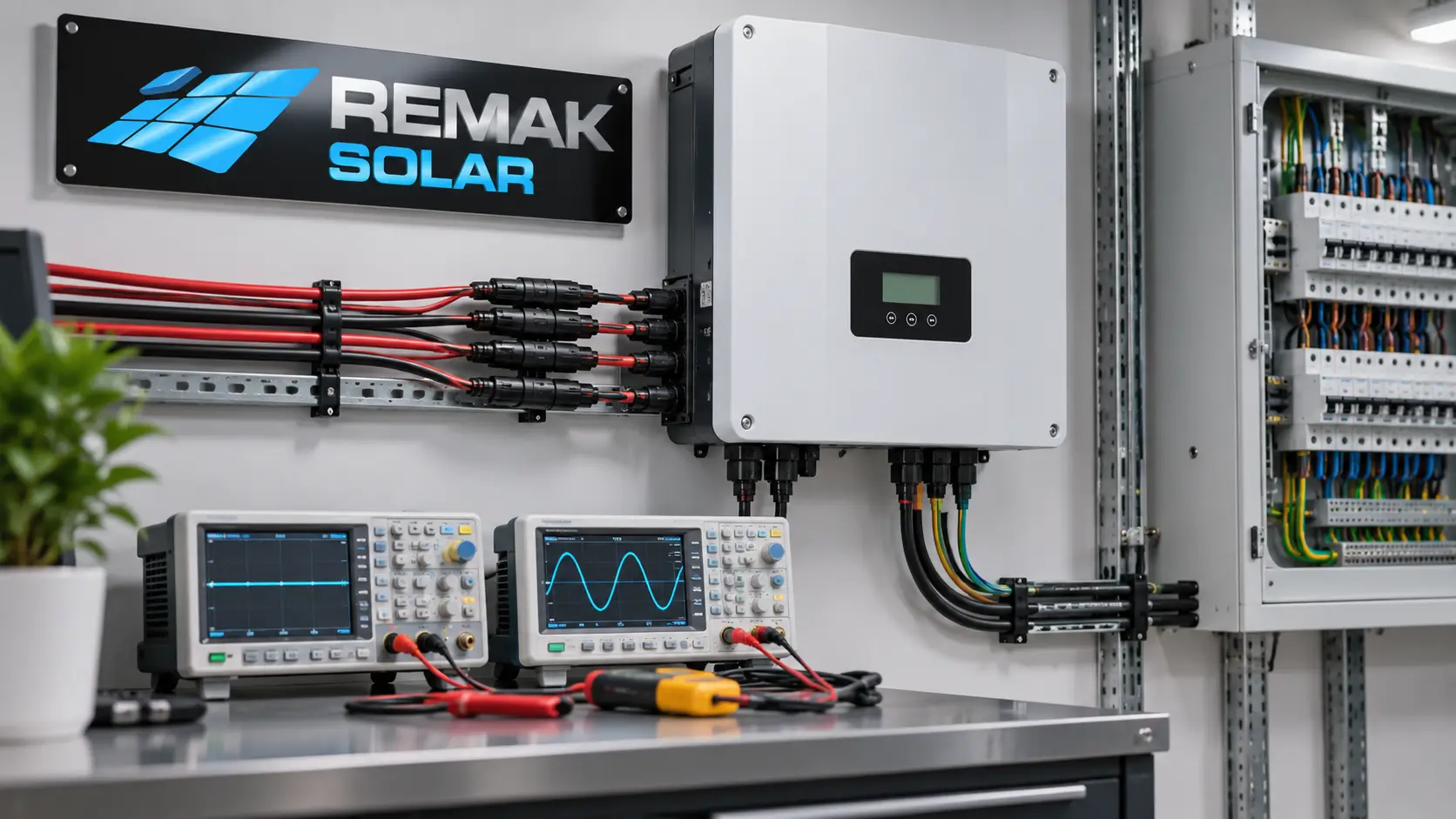
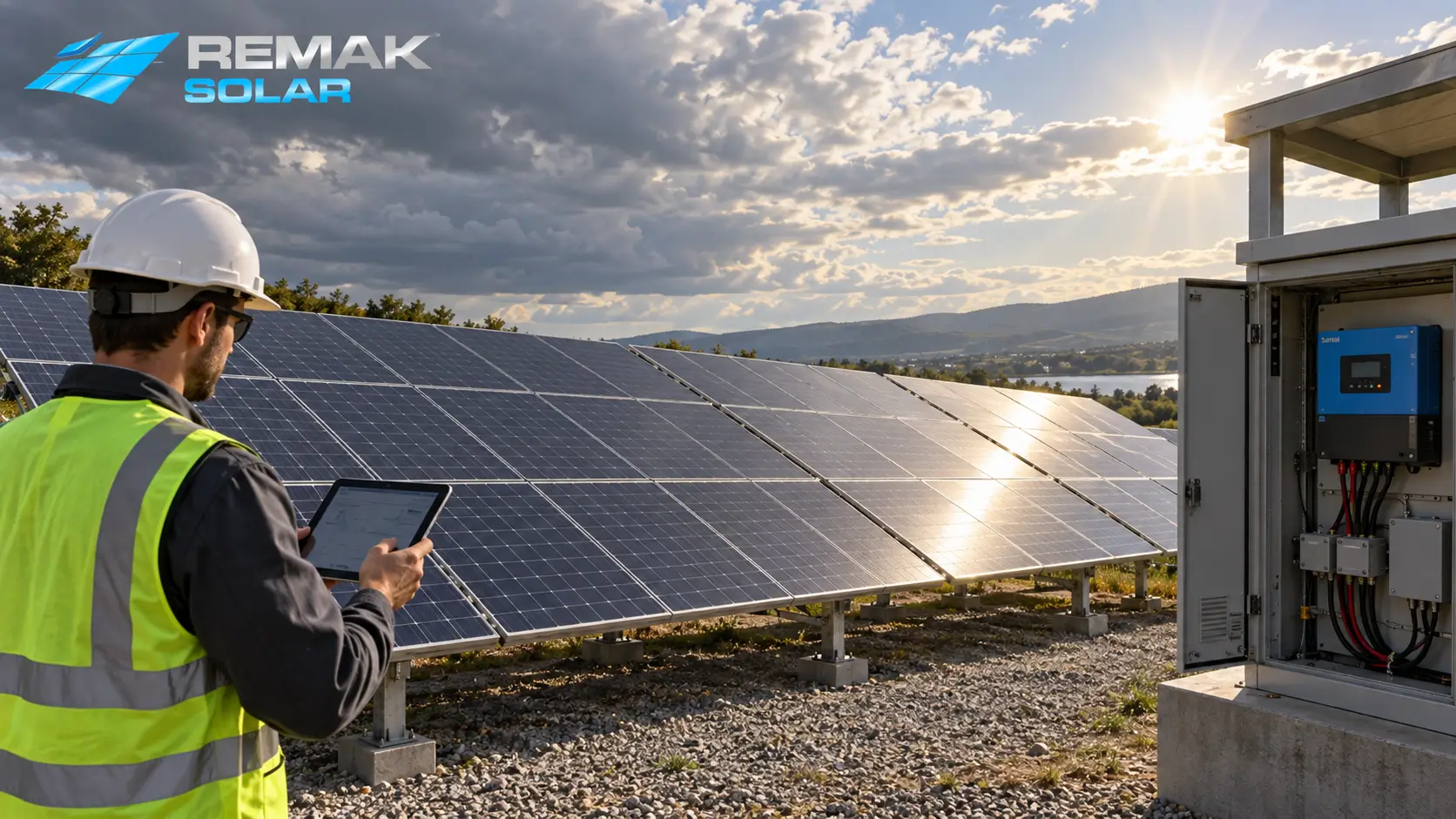
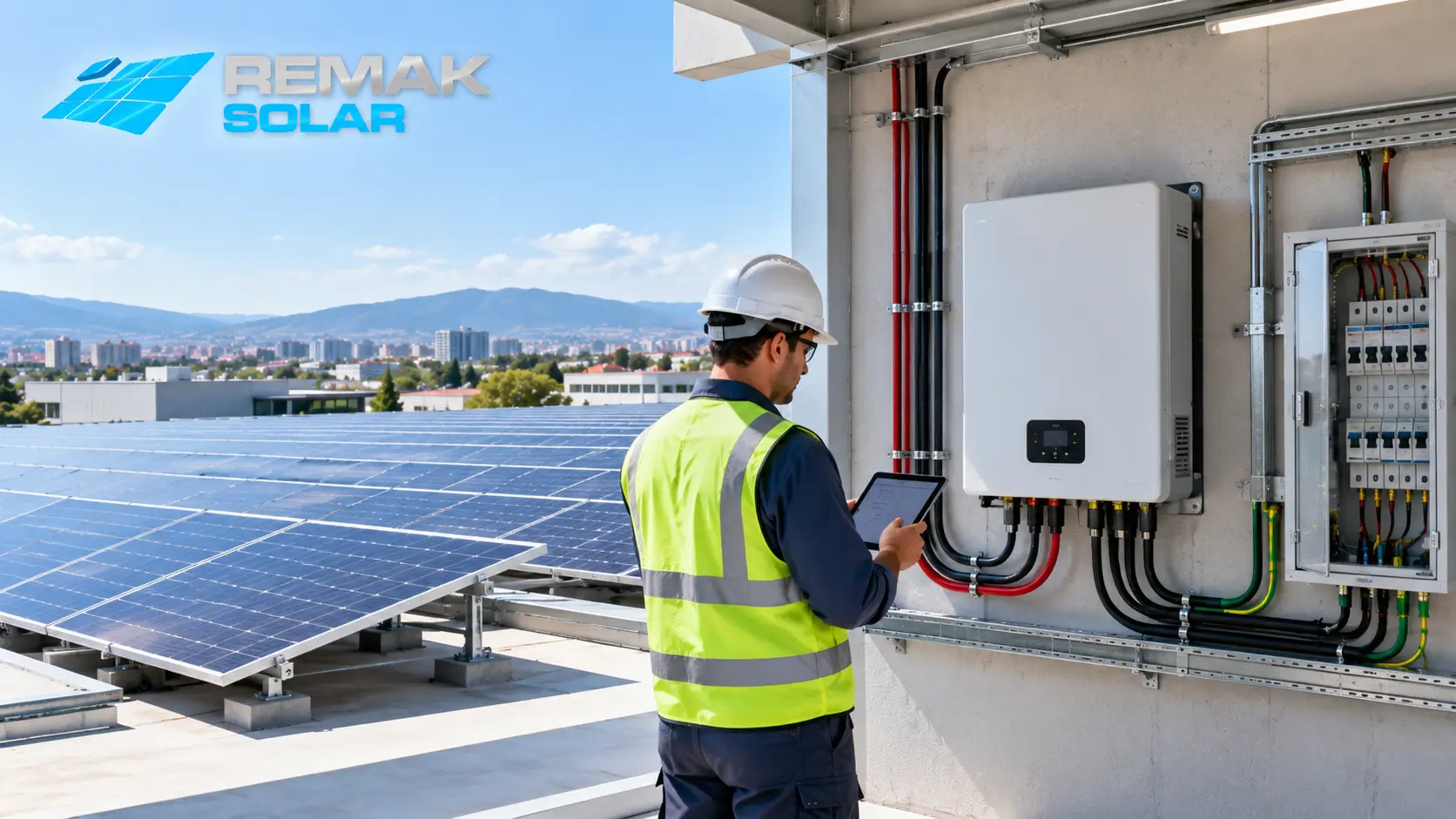
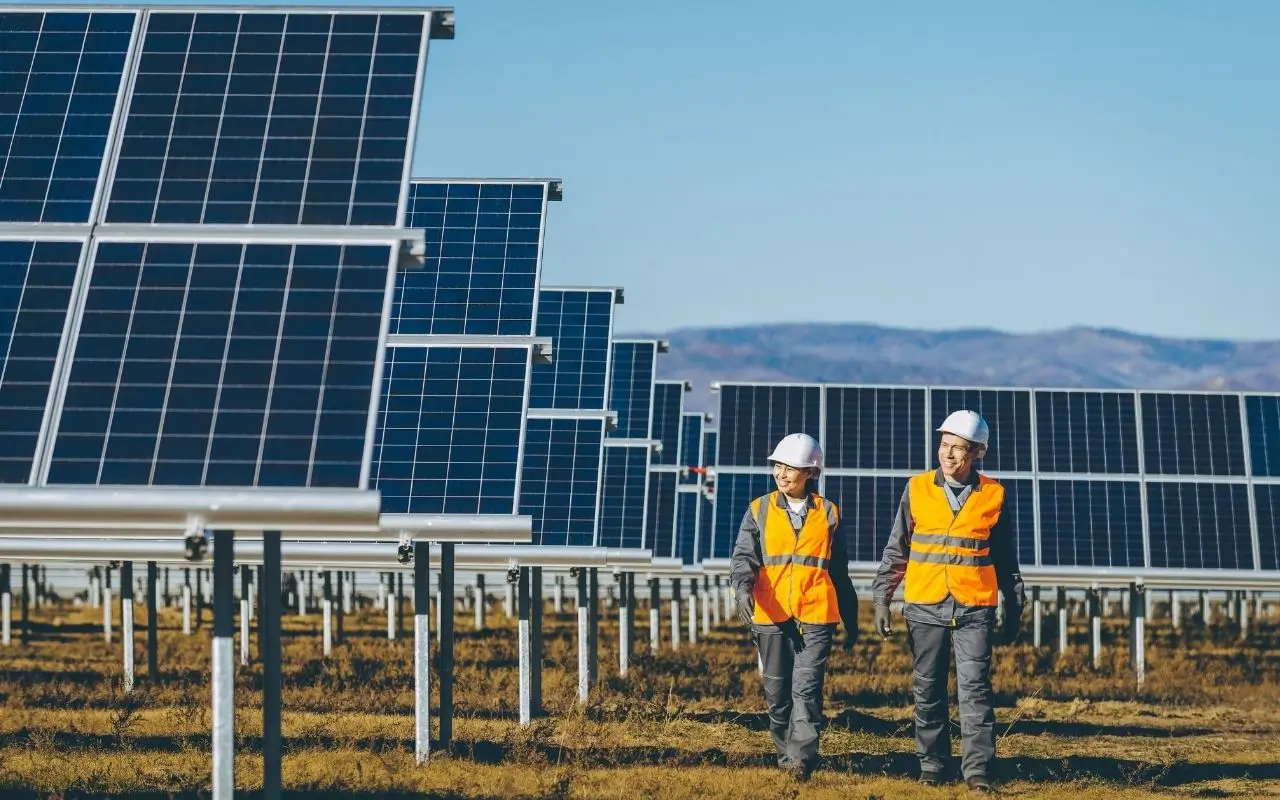
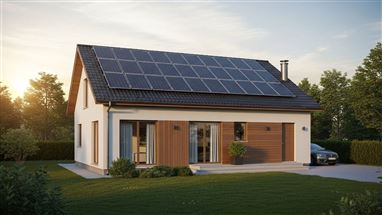
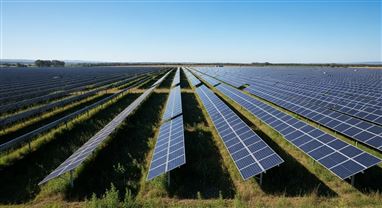
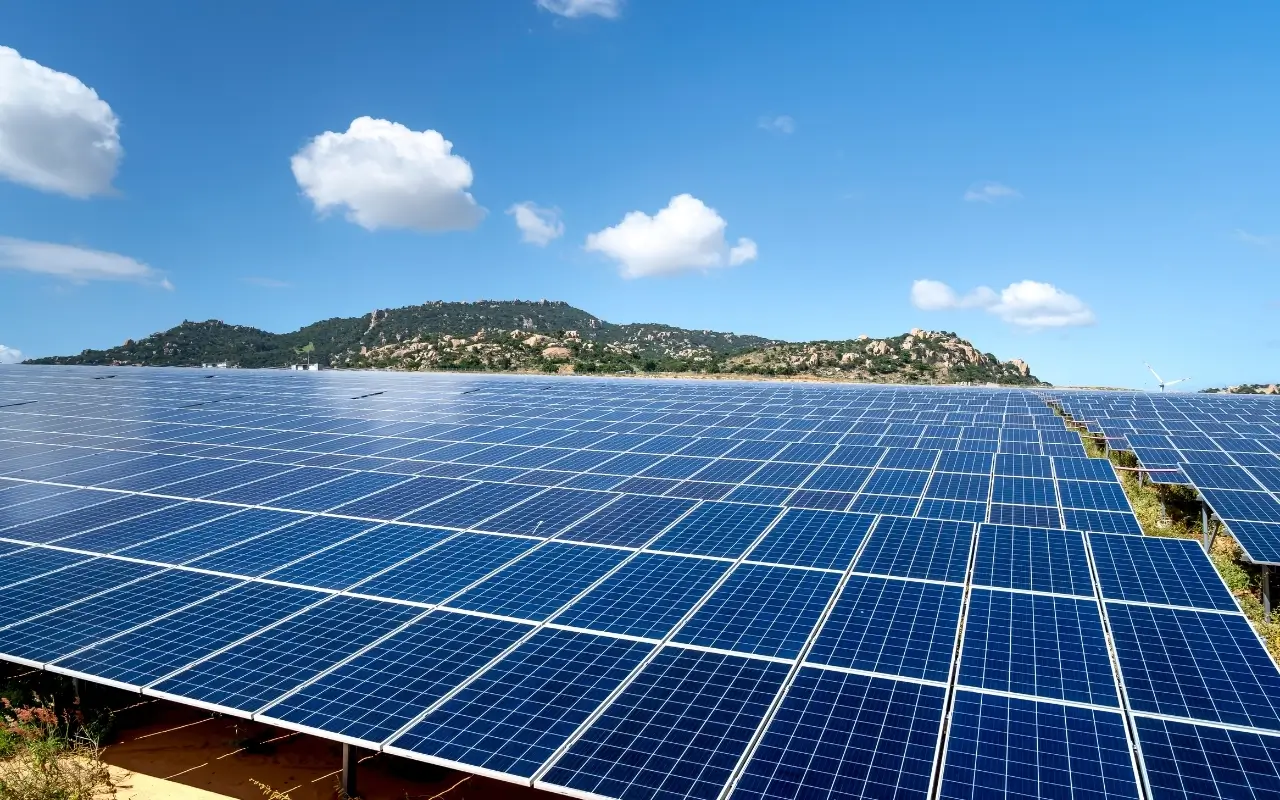
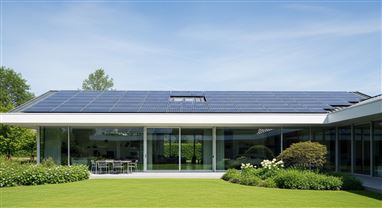
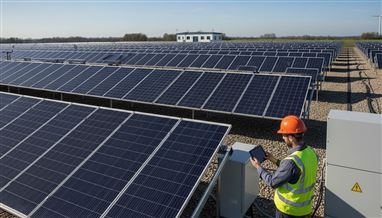
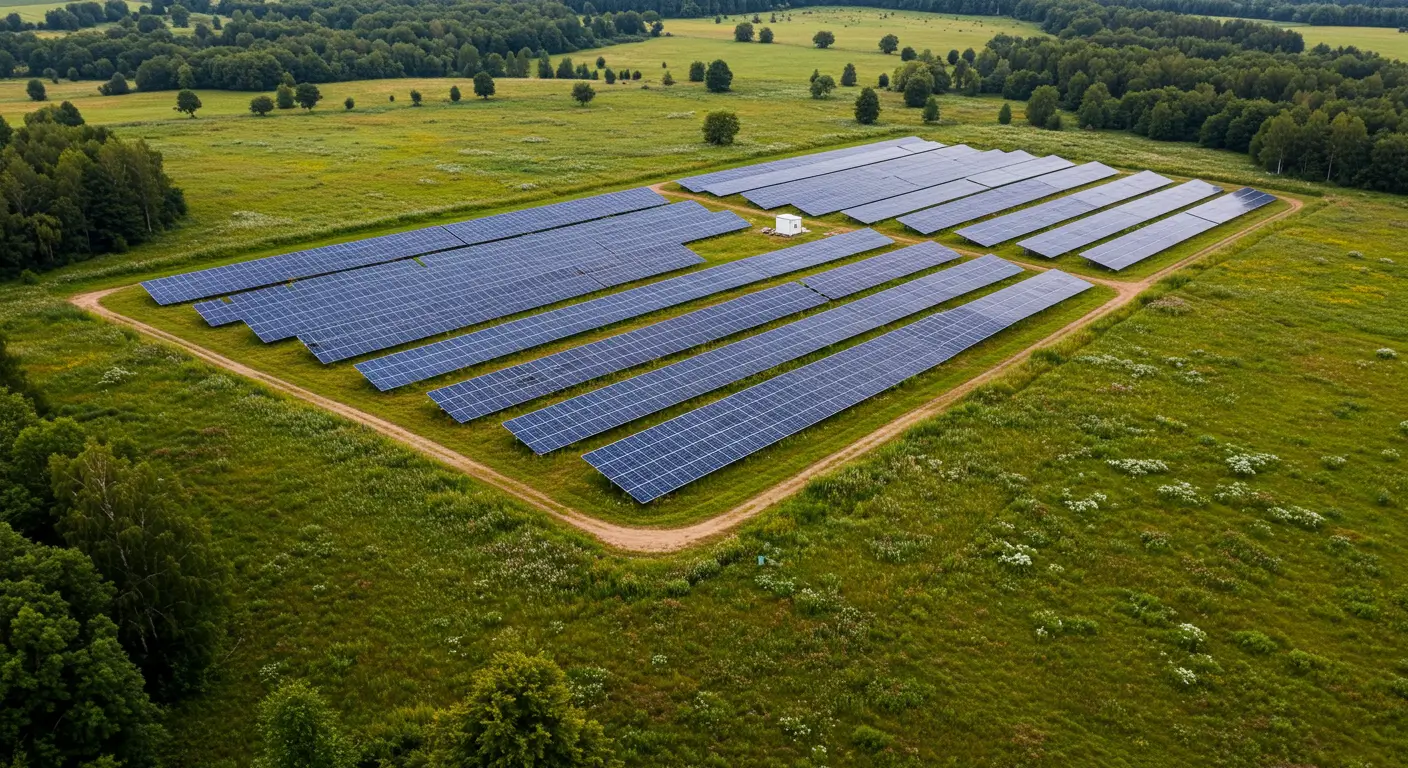
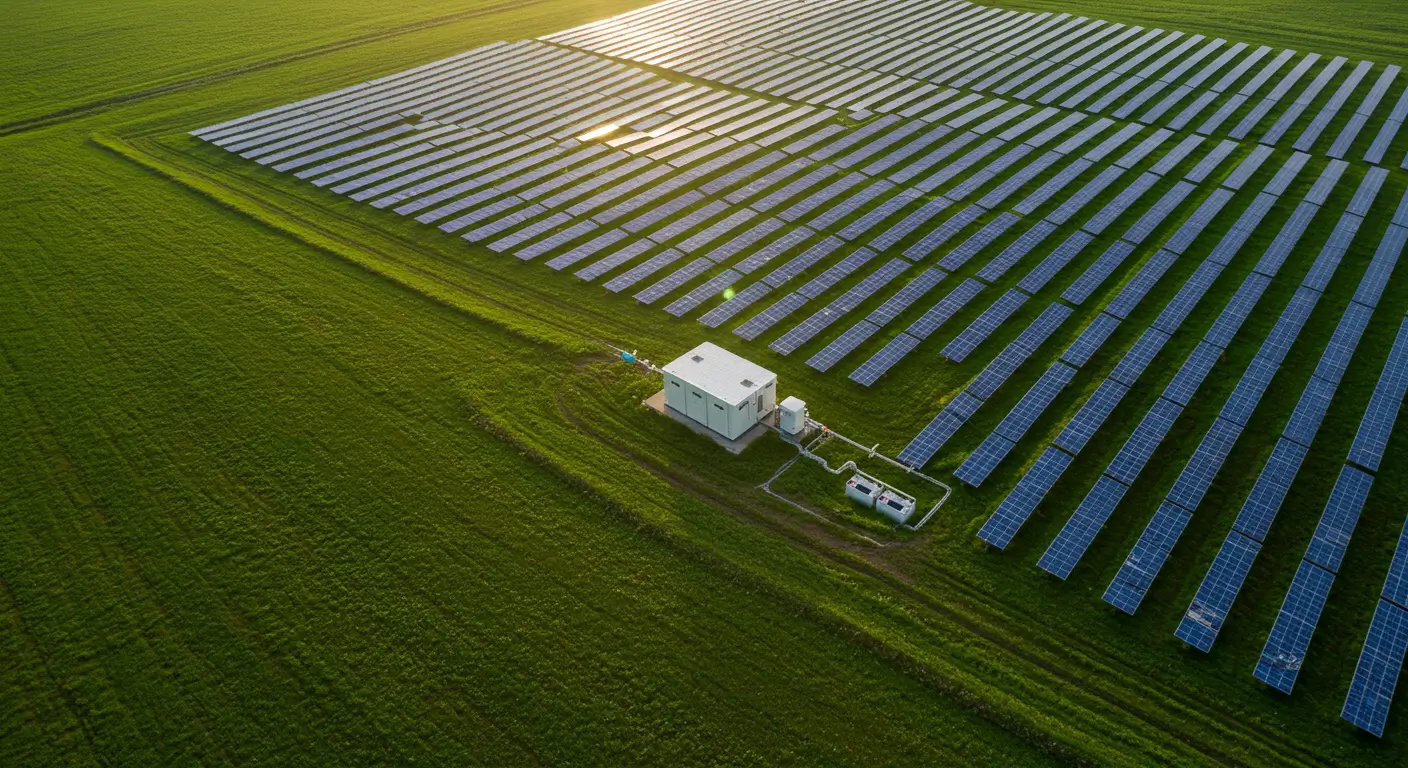
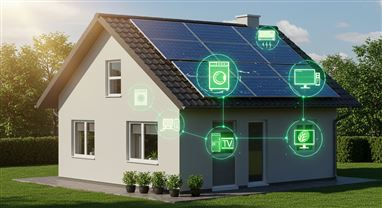
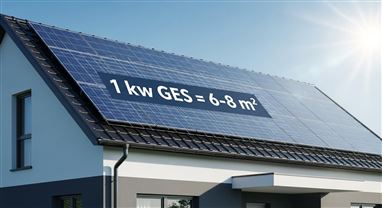
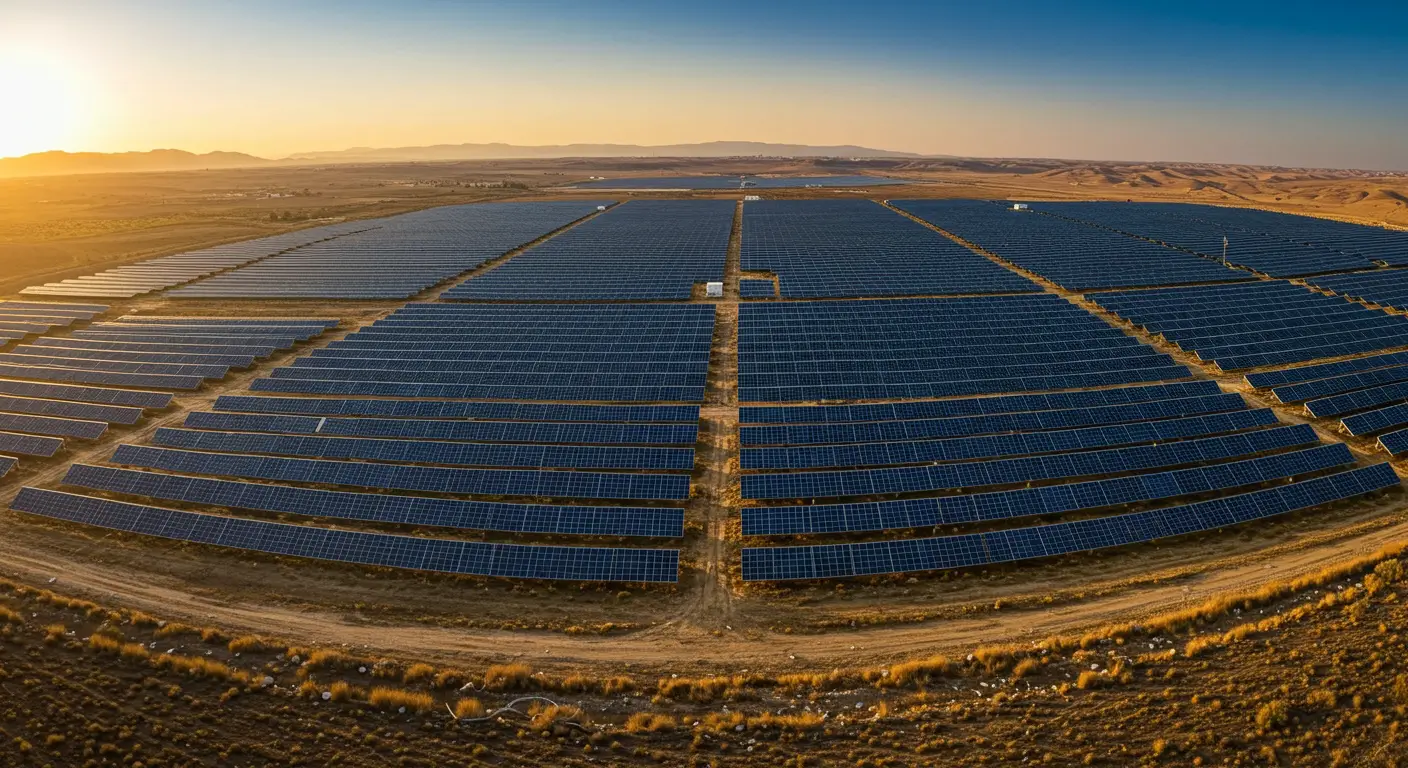
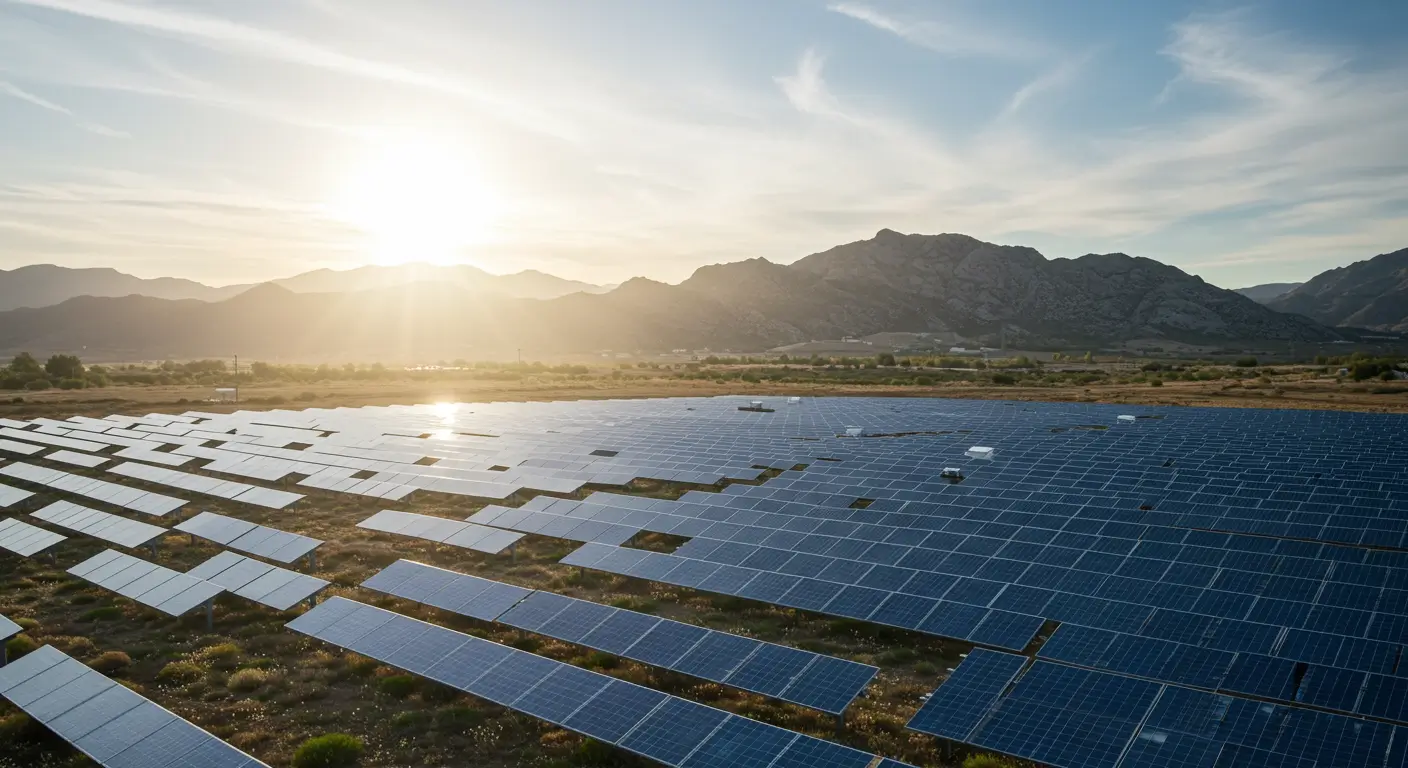
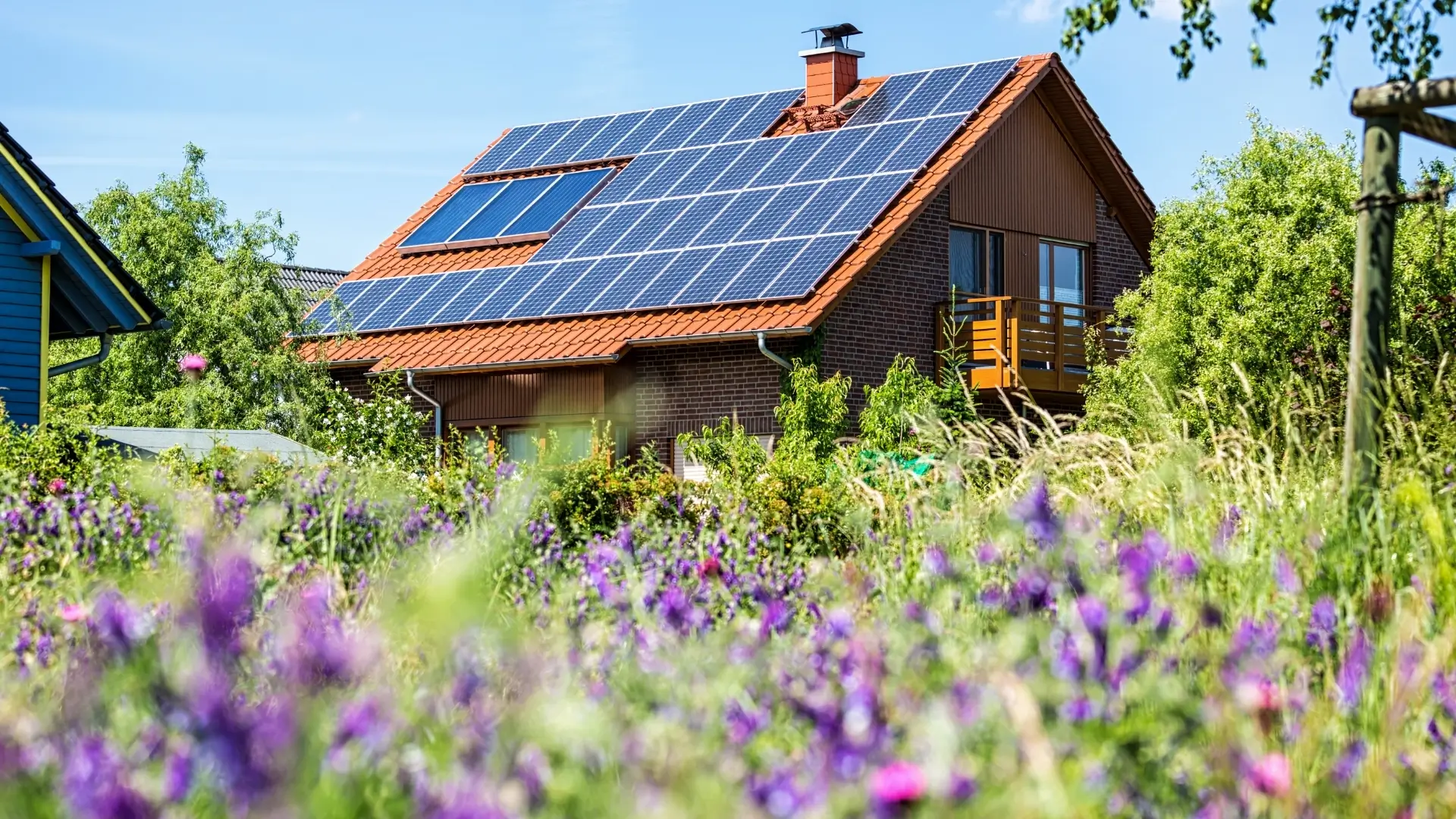
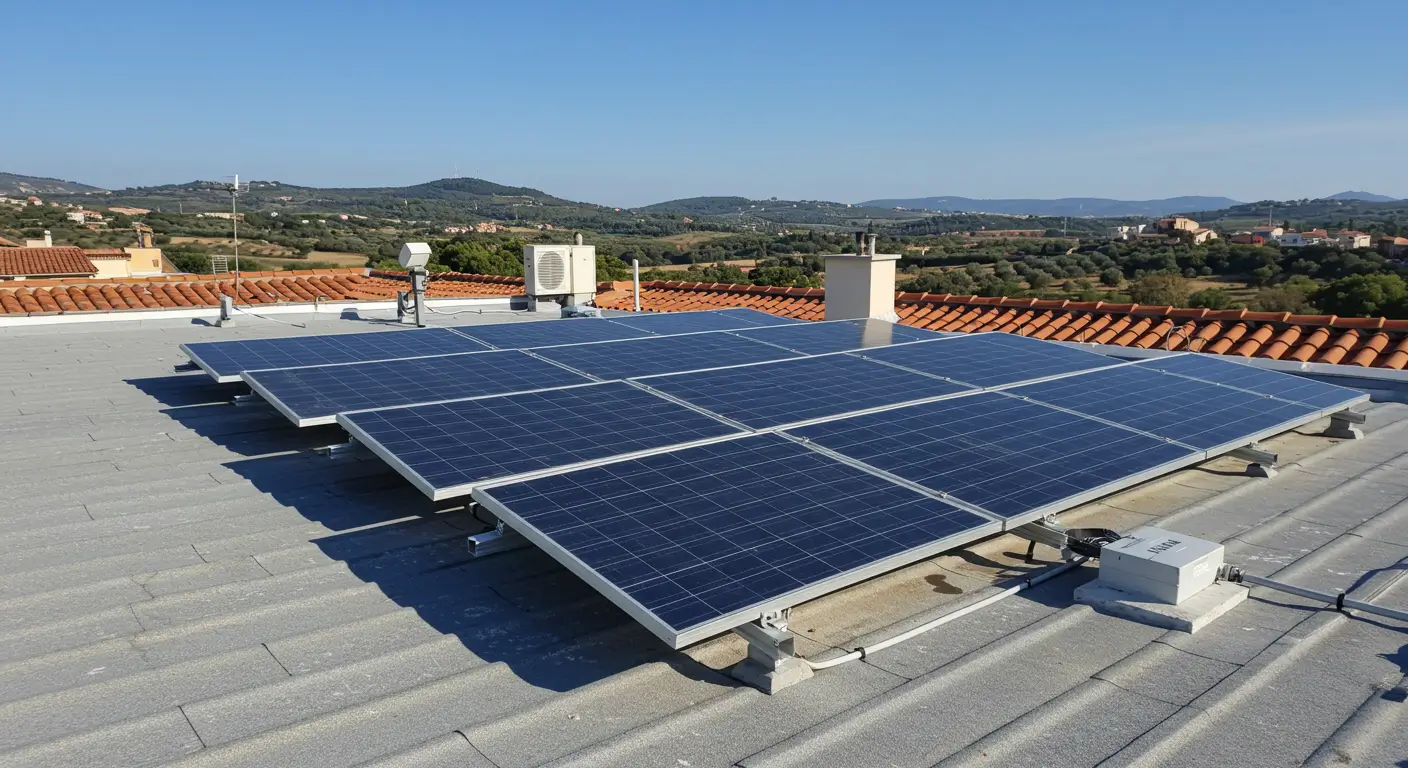
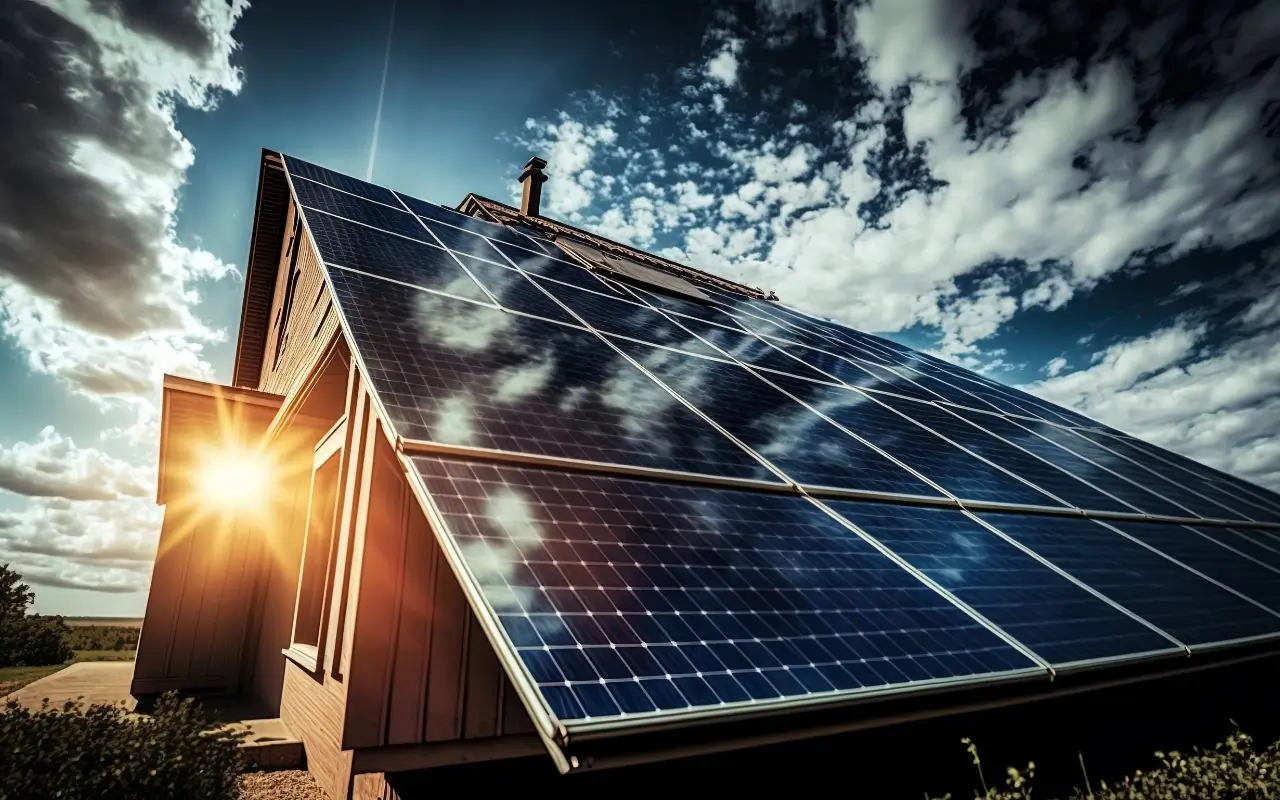
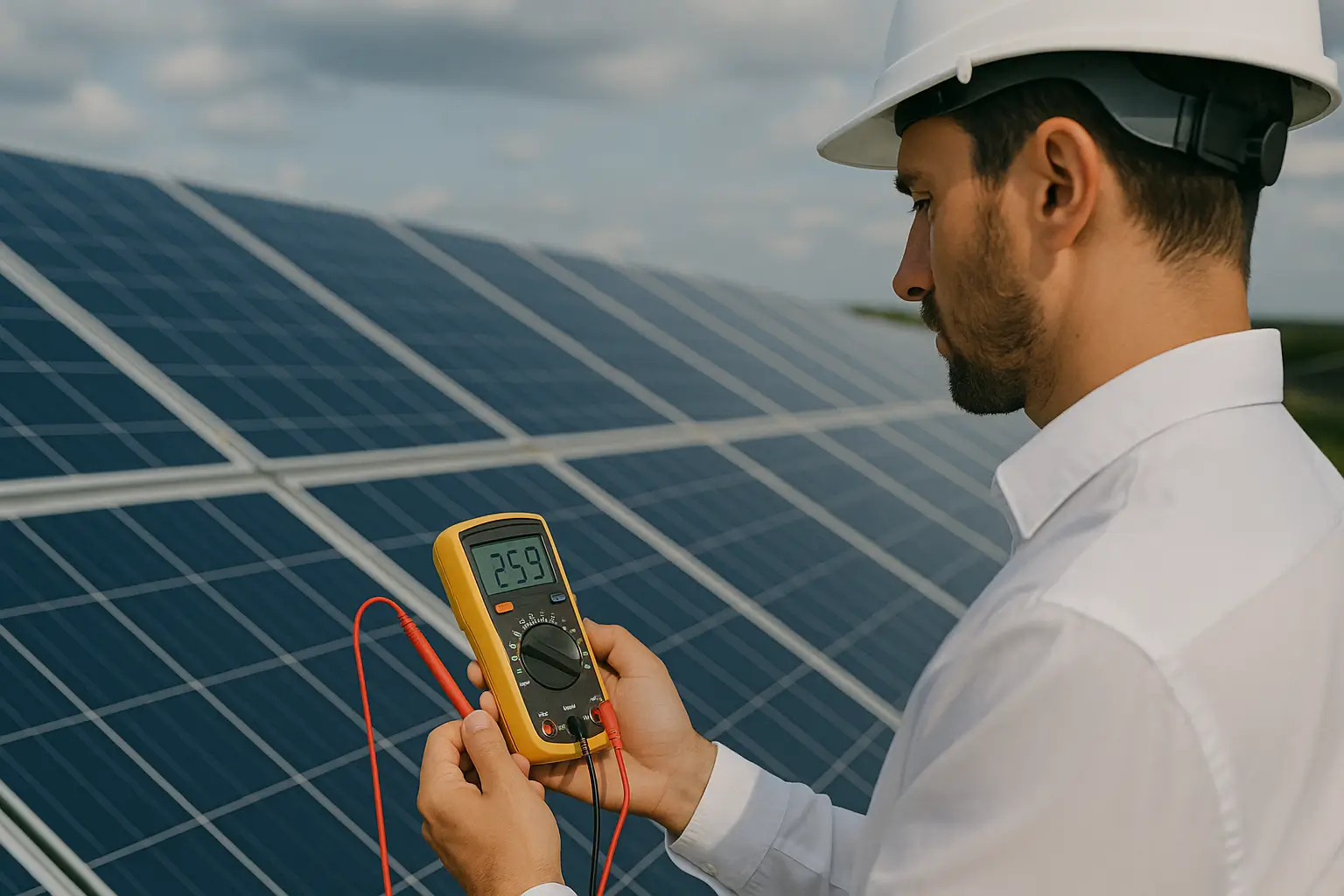
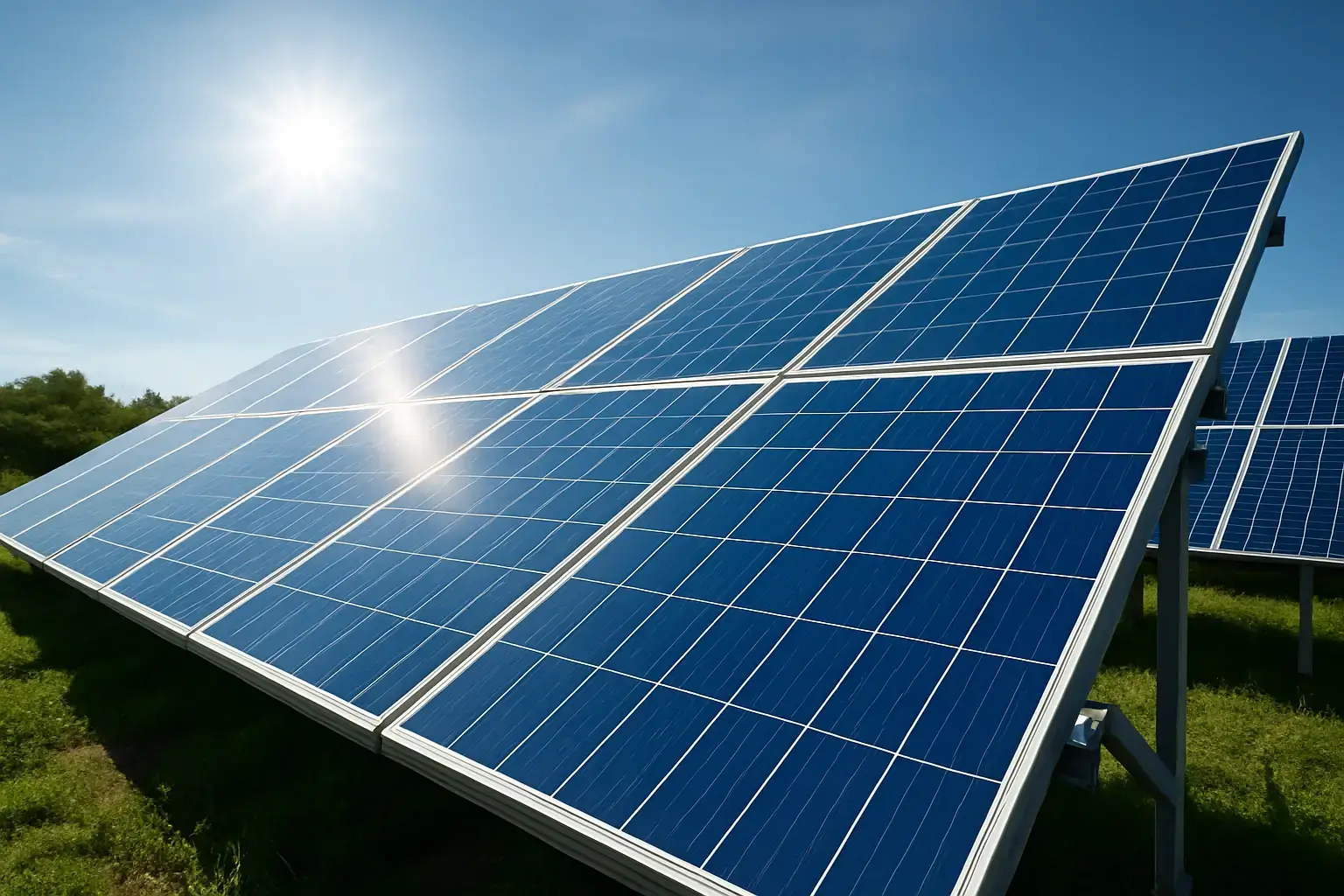
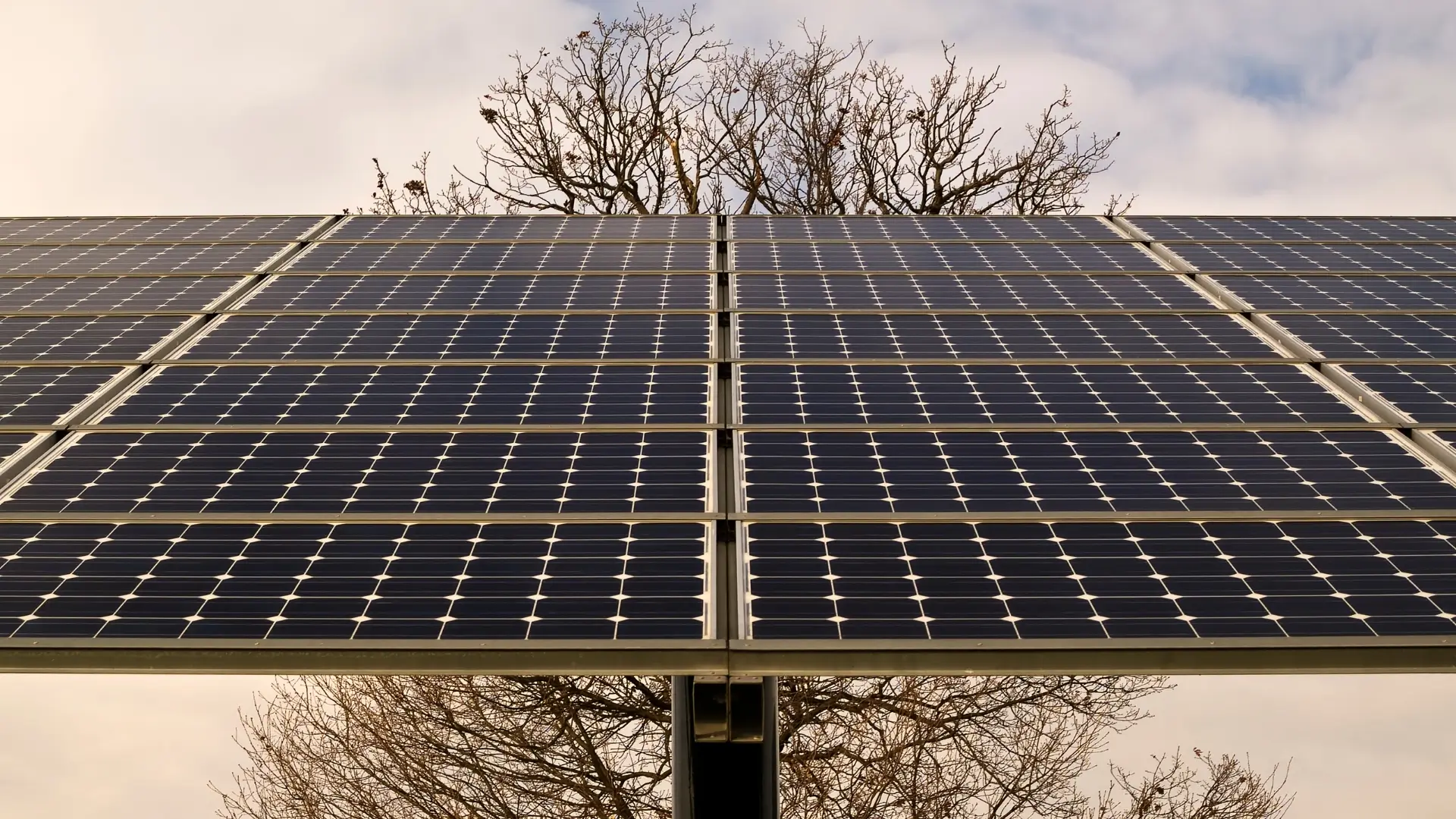
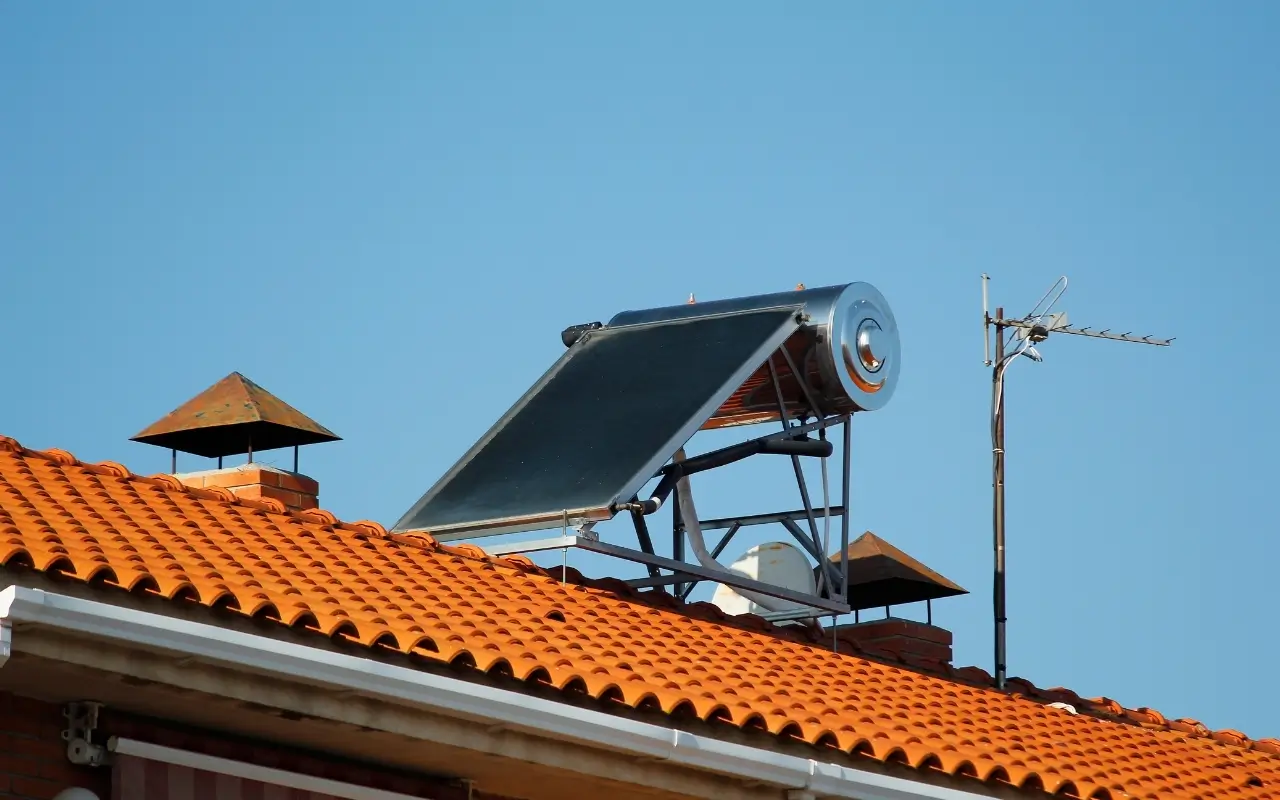
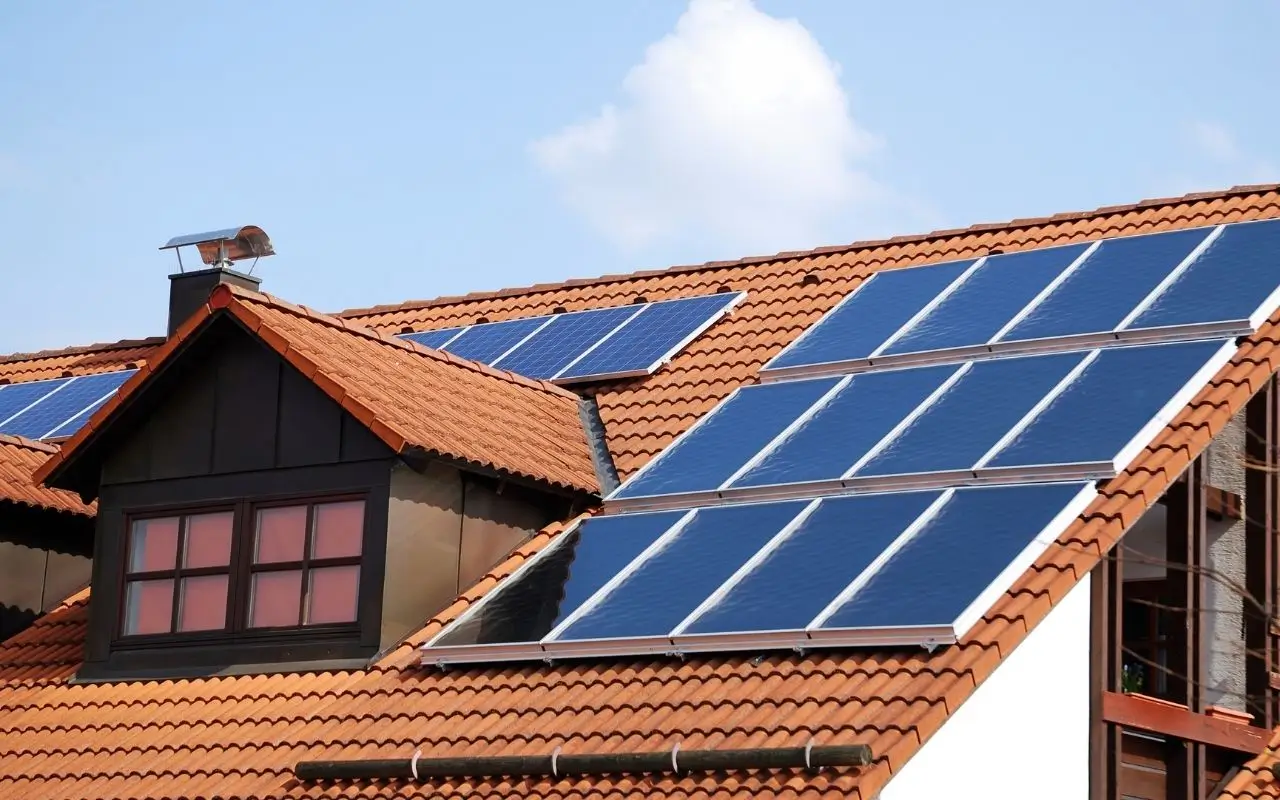
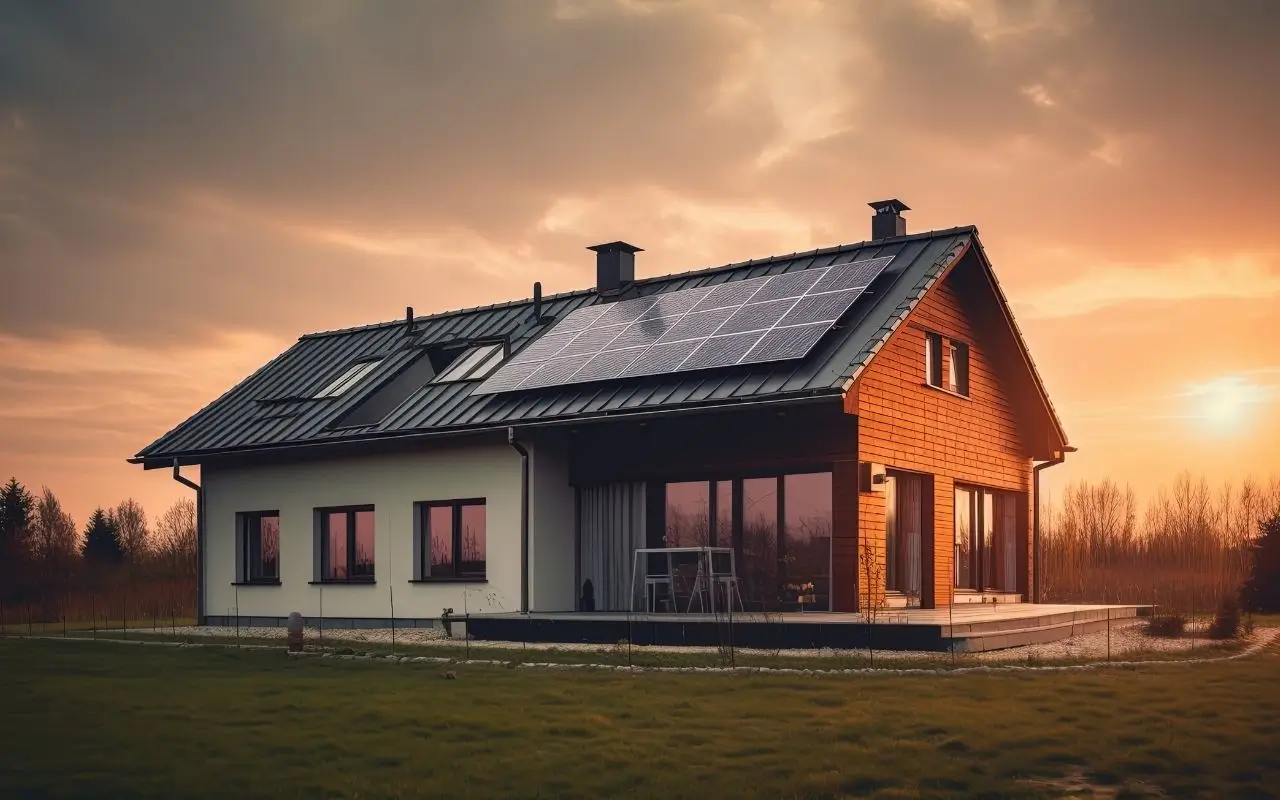
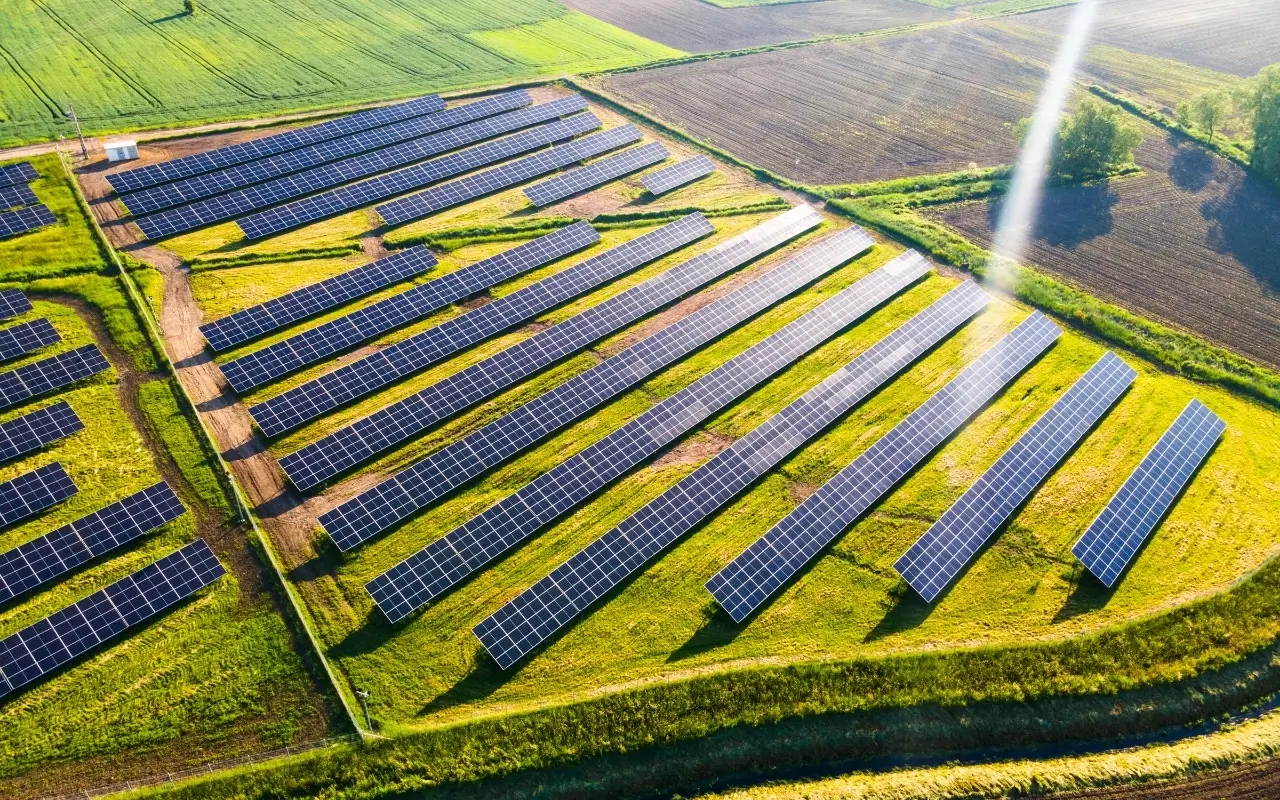
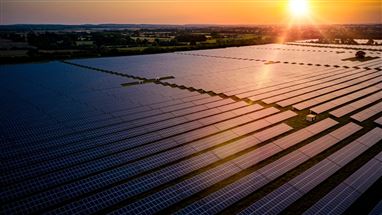
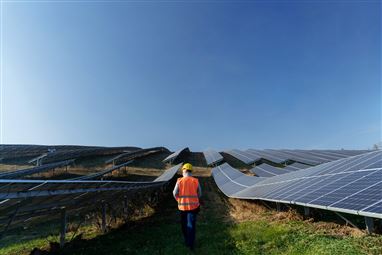
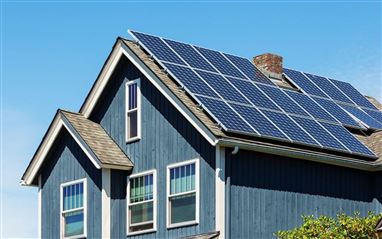
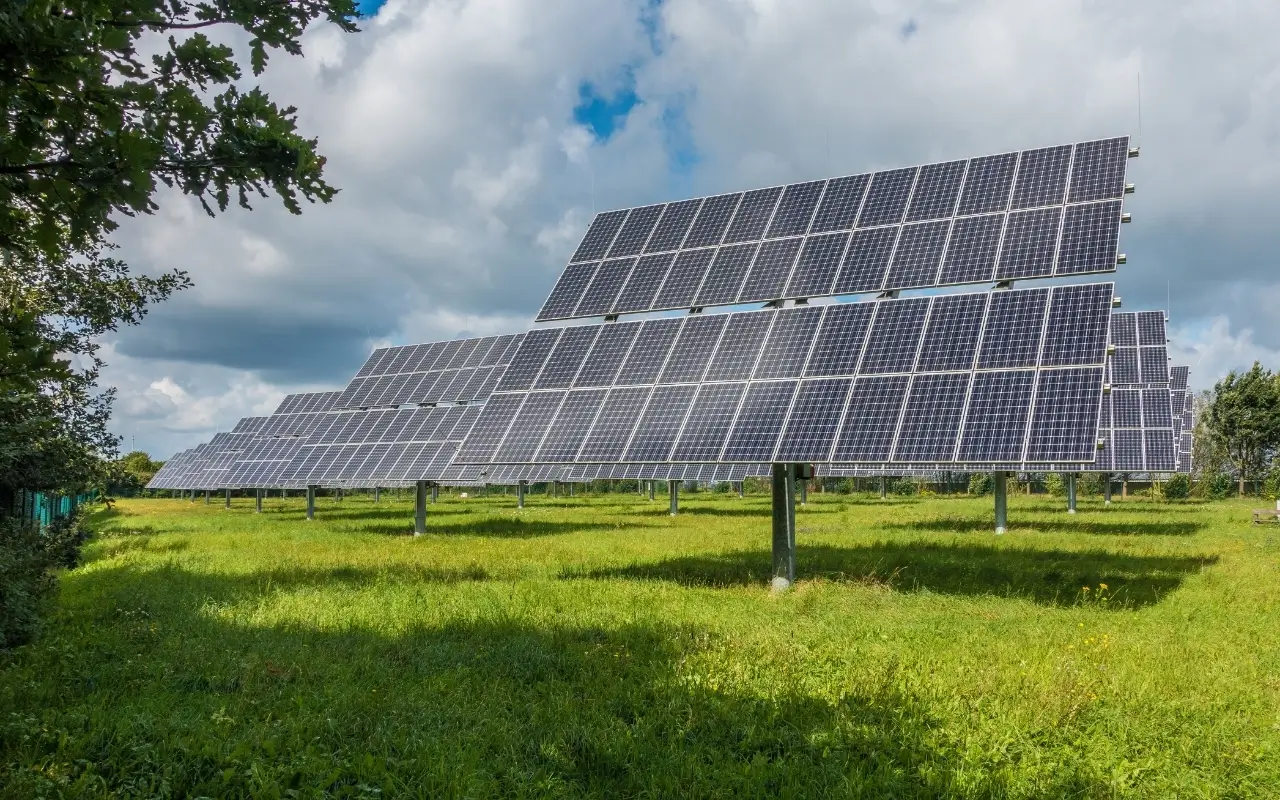
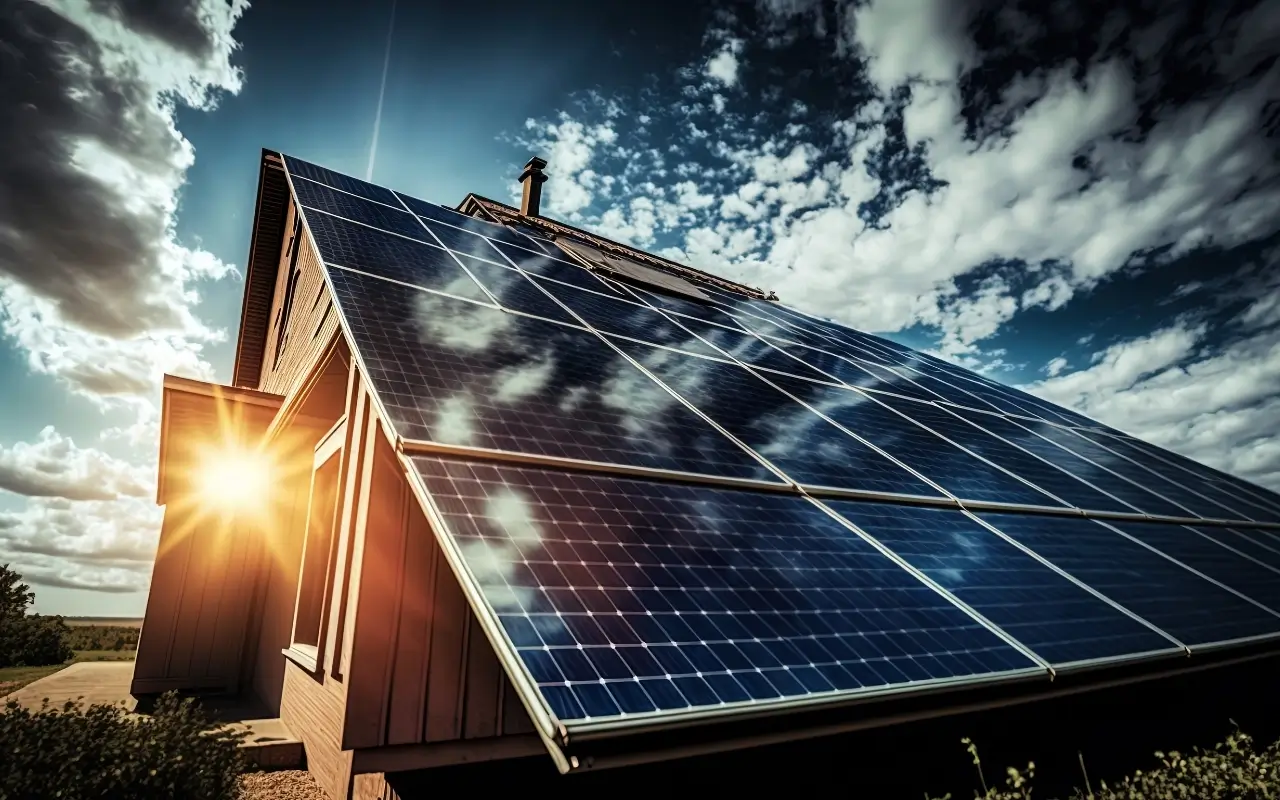
The path to benefiting from solar energy in the future lies in making generation and storage technologies far more efficient and accessible. Next-generation panels are advancing toward the capacity to deliver uninterrupted energy both in cities and in remote areas by offering high performance even in low light. This transformation will create a structure that strengthens energy independence and reduces costs.
With the widespread adoption of advanced storage systems, electricity generated from the sun will no longer be limited to daylight hours. Homes, businesses, and industrial facilities will reach the level where they can use the energy accumulated throughout the day with the same efficiency in the evening. This will increase the reliability of renewable resources and make energy planning more balanced.
In addition, AI-powered management systems will minimize losses by optimizing the production flow in real time. Microsystems integrated with large-scale solar farms will be able to provide clean energy without adding load to city grids. All of these innovations will make it possible for solar energy to become not just an alternative source, but one of the core components of power generation in the future.
Future Solar Panel Technologies
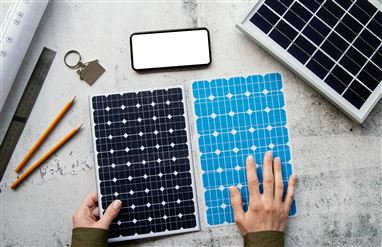
Future solar panel technologies are taking energy generation to a new level with cell structures that deliver higher efficiency. In particular, flexible and lightweight materials expand applications by enabling adaptation to different surfaces. These innovations produce stronger results in both individual and commercial systems.
Next-generation cell designs make it possible to benefit from every moment of the day by enabling effective energy production even in low light. This development reduces energy costs while creating a more stable production flow. At the same time, longer panel lifespans accelerate return on investment, making systems more attractive.
AI-supported production analytics and smart management software are also becoming an important part of the technology. The panels’ position, tilt, and performance are monitored via sensors, bringing losses down to a minimum. This enables the potential of solar energy to be evaluated more accurately and delivers more efficient results in any environment.
Next-Generation Applications That Increase Efficiency in Solar Energy
Next-generation applications that increase efficiency in solar energy enable more light to be transferred to the cells through advanced material designs. These innovations strengthen the energy generation process while stabilizing system performance. Users can achieve higher output with less space and benefit from long-term savings.
Special layers used in surface coatings enhance the panel’s ability to capture light. This helps maintain a stable production flow even in cloudy weather. At the same time, coating technologies support panel lifespan and increase investment value.
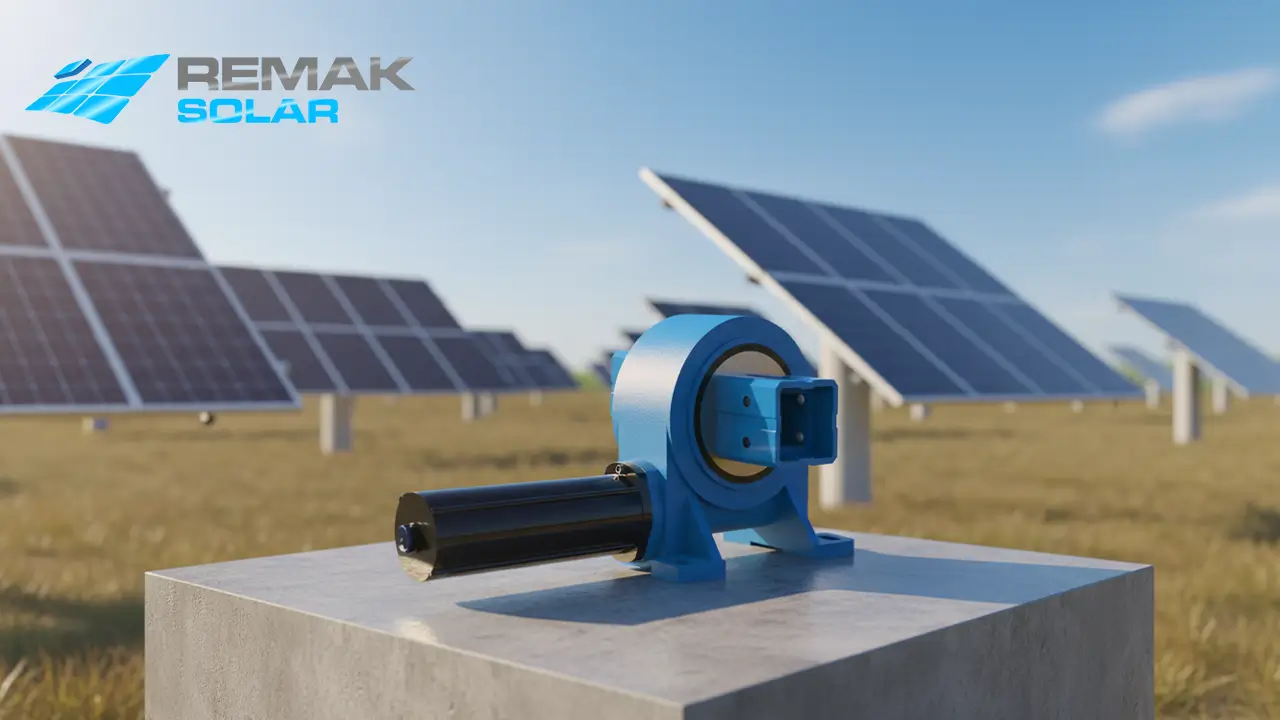
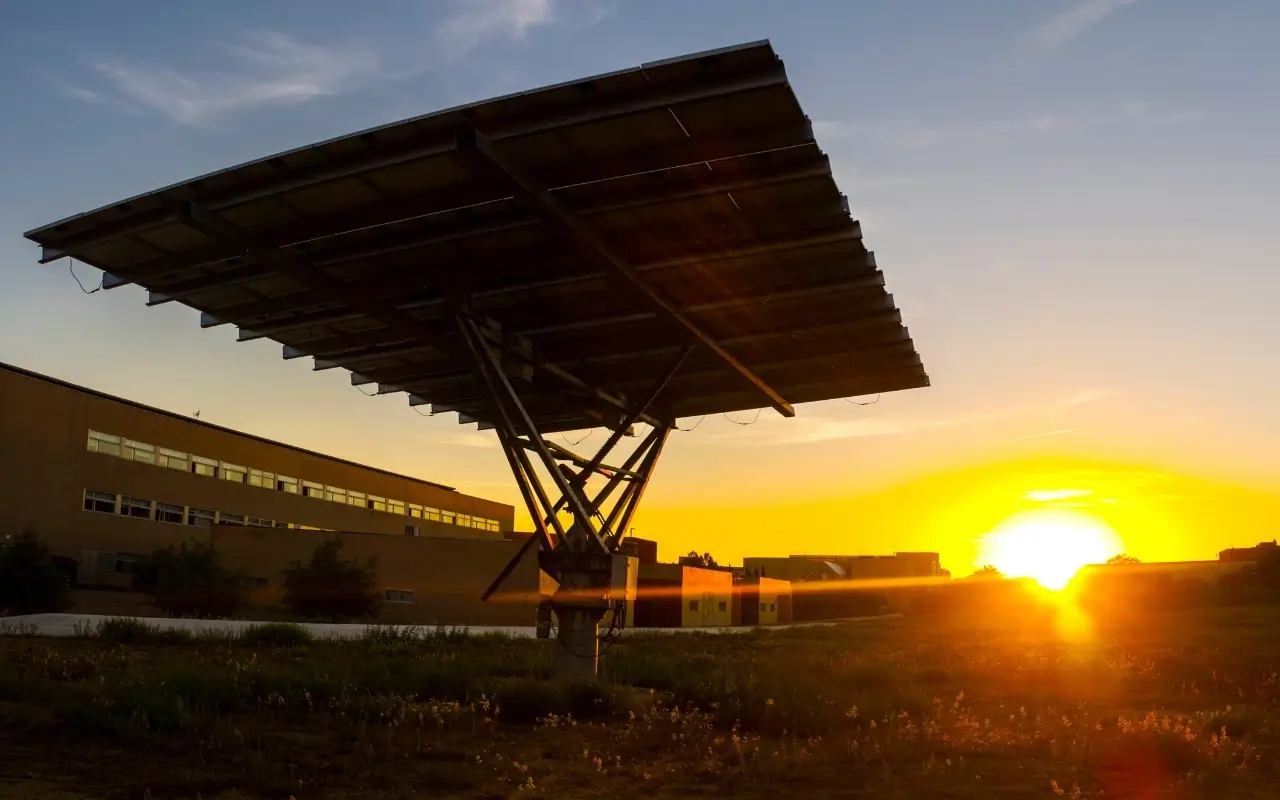
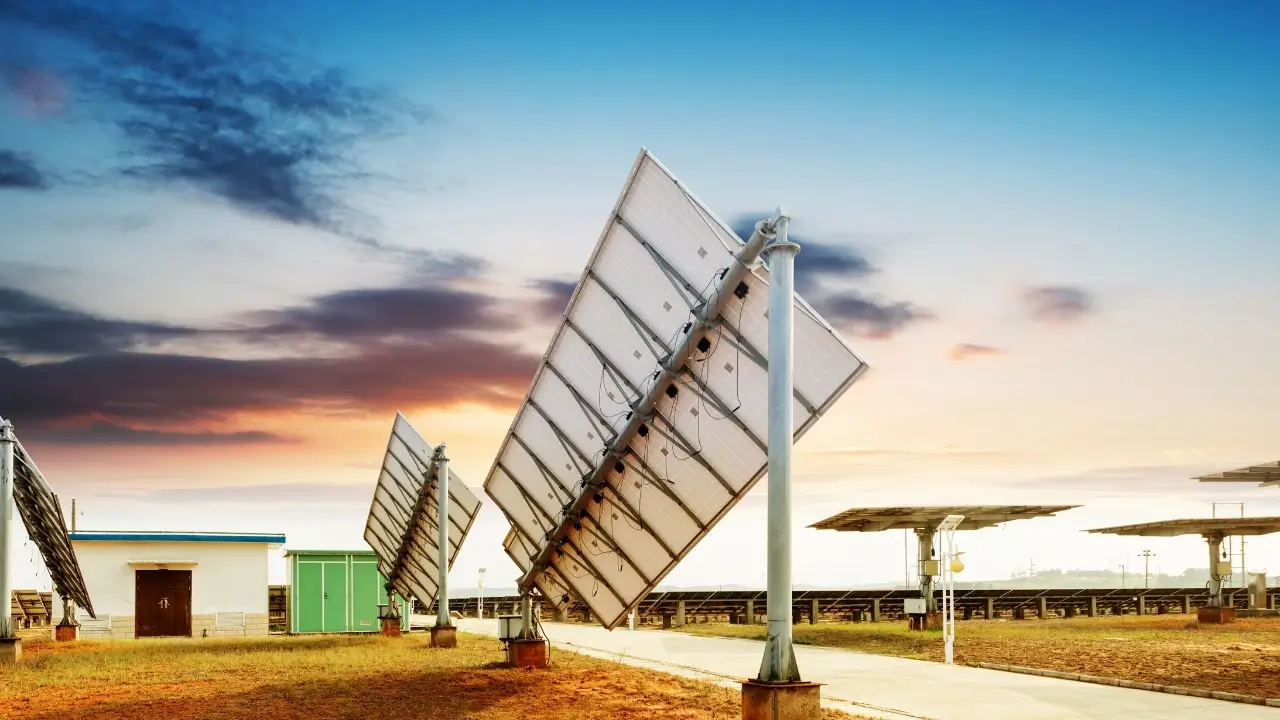
Advanced tracking systems operate with moving mechanisms that follow sunlight. This approach reduces losses by directing panels to the most accurate angle throughout the day. As a result, a system with the same capacity can perform better than traditional structures.
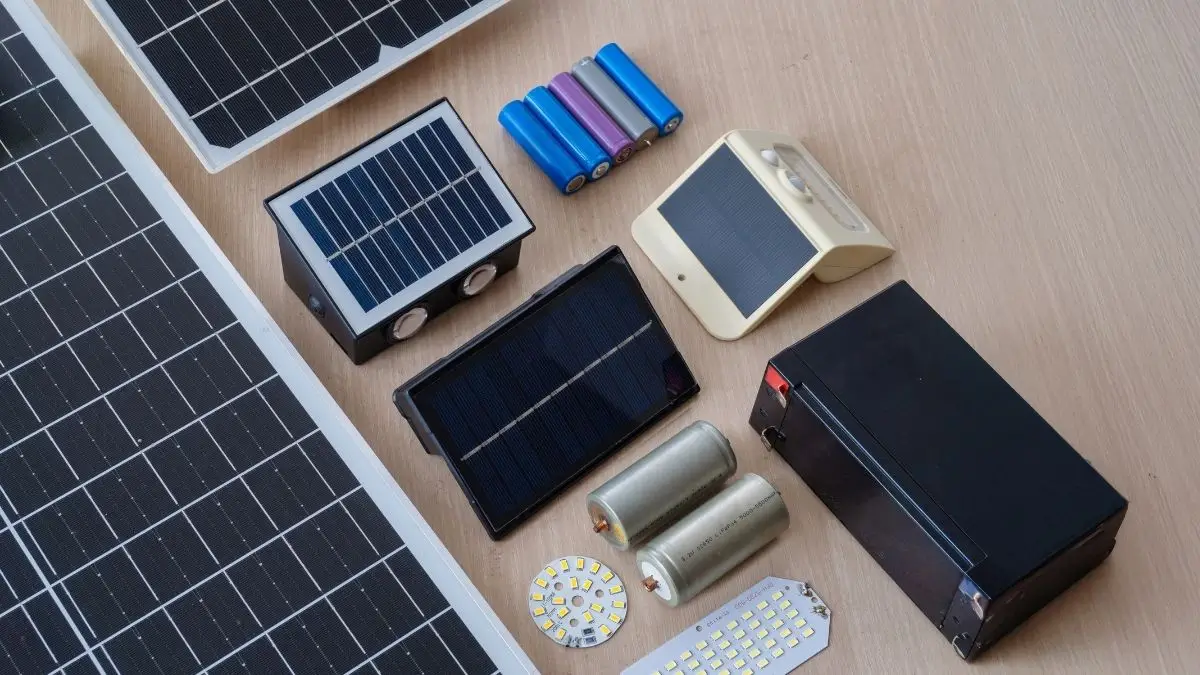
Progress in storage solutions contributes to more efficient use of the energy produced. Modern battery technologies balance production fluctuations and deliver stable power during periods of high demand. This makes systems more reliable for both homes and businesses.
AI-powered analysis tools interpret production data and optimize the system’s operating pattern. With data collected from sensors, real-time adjustments can be made, and panel efficiency can be continuously kept at the highest level. This holistic approach forms the foundation of the next-generation efficiency mindset in solar energy.
What Will Smart Grids Add to Solar Energy Systems?
Smart grids provide a dynamic structure that manages the power produced by solar energy systems in the most efficient way. By analyzing the balance between production and consumption in real time, they ensure energy is transferred to the right regions. This approach both increases grid stability and helps users achieve a more efficient energy experience at lower costs.
Key points that make a strong contribution:
- Real-time data analysis that balances production fluctuations
- Infrastructure that intelligently routes energy based on consumption density
- Optimized distribution processes that reduce energy losses
- Management mechanisms that operate in harmony with home and business systems
- Solutions that increase efficiency by working integrated with storage technologies
This advanced structure supports more effective use of solar energy, making a strong contribution to sustainable energy goals. While creating a stable production environment for both individual users and large-scale facilities, it also lays a solid foundation for the energy ecosystem of the future.
Common Areas of Solar Energy Use in Agriculture and Industry
Common areas of solar energy use in agriculture and industry make production processes more sustainable while significantly reducing operational costs. From agricultural irrigation systems to industrial production lines, this clean power source is used at many points to support both efficiency and energy independence. This transformation creates a more controlled and economical structure both in small-scale farms and large industrial facilities.
Key use cases for agriculture and industry:
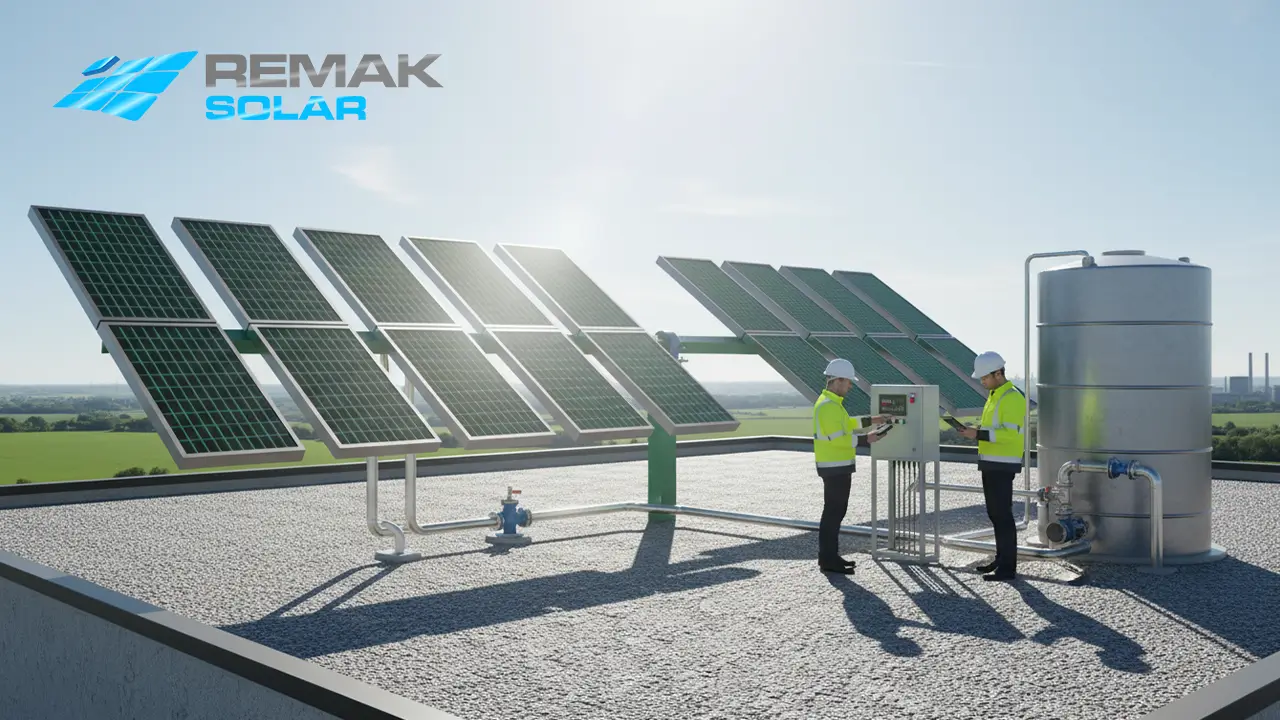
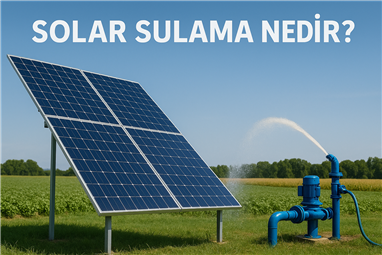
- Solar pump systems that meet energy needs in agricultural irrigation
- Solar-supported solutions that regulate climate control in greenhouses
- Solar infrastructure that powers cooling systems in storage units
- Electrical systems that support production lines in industrial facilities
- Applications that optimize lighting and energy management in logistics centers
Developments in these areas show that solar energy is not only an alternative source, but has become a strategic tool that strengthens production processes. By reducing energy costs and supporting sustainable production, it creates a strong, future-oriented infrastructure in both agricultural activities and the industrial sector.
Effects of Shading, Location, and Climate on Future Systems
Shading, location, and climate factors are among the key elements that determine the performance of future solar energy systems. The amount of light the panel receives, the influence of surrounding structures, and fluctuations caused by seasonal changes directly shape the quality of energy production. Therefore, carefully evaluating environmental conditions during the design phase is critically important.
Because shading can prevent panels from reaching expected efficiency, it is managed with advanced sensors and smart monitoring technologies. Modern software analyzes the losses caused by shading on the panel and determines the most suitable layout configuration. This preserves production capacity and increases system stability.
Location selection also plays a critical role in future projects. Accurately calculating horizontal and vertical angles, determining ideal orientations based on the sun’s movement throughout the year, and ensuring surface compatibility significantly improve system efficiency. This approach delivers more consistent results in both small-scale installations and large solar farms.
Climate conditions affect many processes, from panel durability to production quality. New materials developed by considering temperature variations, humidity levels, wind loads, and annual sunshine duration extend system lifespan. As a result, energy infrastructures operating in different geographies become more reliable.
Future solutions provide a high-efficiency-focused structure by evaluating all these environmental variables with artificial intelligence and advanced analytical tools. Thanks to adaptive control mechanisms, panels adjust themselves to environmental conditions and ensure the system operates more steadily in all circumstances. This holistic approach takes the potential of solar energy technologies to a stronger level.
Why Are Solar-Energy-Focused Structures Increasing in Urban Planning?
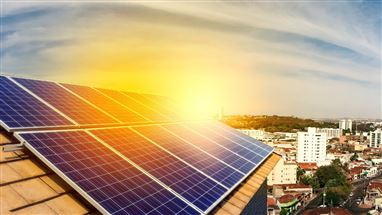
The rise of solar-energy-focused structures in urban planning is directly related to cities shifting toward a more sustainable living order. As energy demand increases in densely populated areas, environmentally friendly solutions gain priority. This approach both reduces carbon emissions and enables cities to generate their own energy.
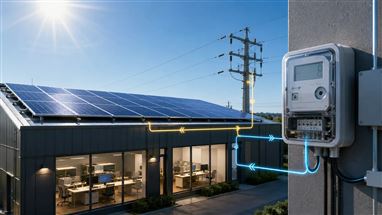
Next-generation building projects contribute to the urban economy by turning roof and façade surfaces into active energy generation areas. This allows both public buildings and housing projects to operate with lower operating costs. In addition, modern architecture is designed with arrangements that evaluate sunlight in the most accurate way, creating a more efficient urban fabric.
Municipal incentives and the widespread adoption of green standards also accelerate this transformation. Solutions aimed at energy independence are implemented in many areas, from transportation lines to collective living spaces. This holistic approach makes cities’ futures more resilient, economical, and environmentally responsible.
Frequently Asked Questions
1. What is the most important reason solar energy will be used more widely in the future?
In response to the steadily growing energy demand, solar energy offers a more economical and environmentally friendly solution. Compared to fossil fuels, it is both more sustainable and has a much lower impact in terms of emissions.
Thanks to new technologies, it is now possible to achieve high output even from smaller areas. As panel efficiency increases and costs decrease, solar energy is becoming one of the first preferred options for both individual users and businesses.
2. Is it possible for solar panels to become more efficient in the future?
Yes, solar panel efficiency continues to increase every year along with advancing technologies. Thanks to advanced cell structures, multi-layer cell designs, and next-generation materials, it is becoming possible to produce more electricity from the same amount of light.
Panels that can operate even in low light will become one of the standards of the future. This will enable more stable and higher production in cloudy weather, during morning–evening hours, and under different climate conditions.
3. Will using solar energy at home become more accessible?
Yes, as costs continue to decline, using solar energy at home is becoming much more accessible. With decreasing production costs, government incentives, and financing models, entry barriers for residential users are being reduced day by day.
In addition, advancing storage technologies support this process. With home battery systems, users can utilize the energy they generate during the day in the evening, making the system more attractive and efficient.
4. How effective a role will solar energy play in city life?
In the future, as buildings generate their own energy, cities will develop a more independent and sustainable structure. Rooftops, parking canopies, and building façades will transform into active energy generation areas.
As rooftop and façade panels become a natural part of urban design, the load on the grid will decrease, carbon emissions will decline, and cities will gain a smarter and more efficient energy structure.
5. How much can industrial facilities benefit from solar energy?
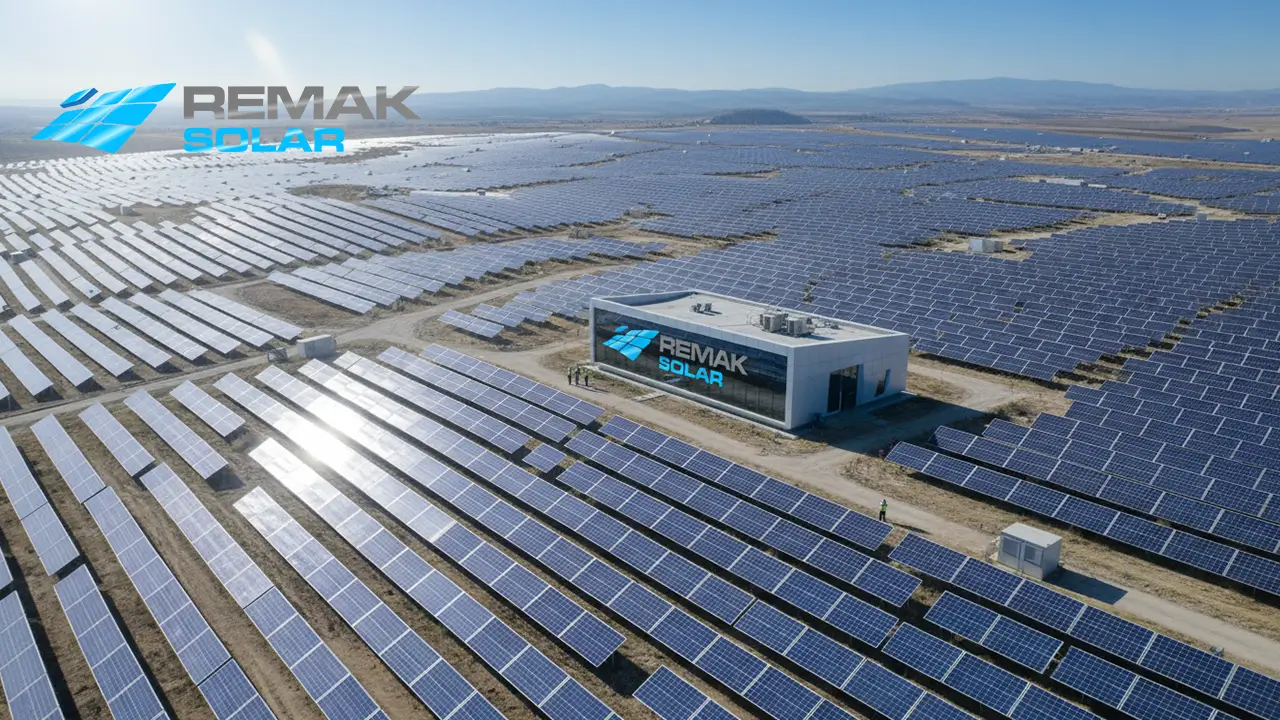
Industrial facilities are among the groups that can benefit most from solar energy due to their large roof areas and high energy consumption. When production lines, lighting systems, and logistics areas are designed in harmony with daylight, they will become capable of operating largely on solar power.
This means a significant cost advantage and stronger competitiveness for businesses. Lower energy expenses will increase profitability and contribute to reducing the carbon footprint.
6. What will be the future role of solar energy storage systems?
Storage systems will take on a key role in the future of solar energy. By nature, solar energy has a fluctuating production profile during the day; storage systems will balance these fluctuations and provide a more stable energy flow.
This will allow users to use the produced energy at any time of day. Dependence on the grid will decrease, systems will continue operating even during outages, and energy management will become much more flexible.
7. How will smart grids affect the use of solar energy?
When smart grids work together with solar energy, they will be able to optimize energy flow in real time. By monitoring production and consumption data in real time, it will be possible to manage where, when, and how much energy is used much more effectively.
As a result, grid losses will decrease, the production–consumption balance will progress in a more controlled manner, and a more efficient structure will emerge for both users and distribution companies.
8. Why is the use of solar energy increasing in agriculture?
The main reason the use of solar energy is increasing in agriculture is that it provides an economical and uninterrupted energy source for irrigation, cooling, and production processes. Solar energy offers a major advantage especially in rural areas far from the grid.
In this way, farmers reduce energy costs, and with uninterrupted system operation, agricultural productivity also increases. Cold storage facilities, irrigation pumps, and agricultural machinery can be operated more sustainably with solar energy.
9. Can solar energy systems operate efficiently in different climates?
Yes, thanks to new technologies, solar energy systems can better tolerate changes in temperature, humidity, and light. Panel types and surface coatings tailored to different geographies and climates are being developed.
As a result, system efficiency can be maintained even in very hot, very cold, humid, or windy regions. With the right product selection and proper project design, it is possible to achieve high performance across many different climates.
10. Can it be said that solar energy will become one of the main energy sources in the future?
Yes, rapid technological progress and declining costs are strong indicators that solar energy will become one of the main energy sources in the future. In many countries, energy policies and investments are moving in this direction.
Thanks to solar energy’s modular structure, its ability to be easily adapted to different scales, and its environmentally friendly nature, it is progressing toward becoming a primary power source across many sectors—from residential to industry, agriculture to transportation.
Do Comment