

Other Blog






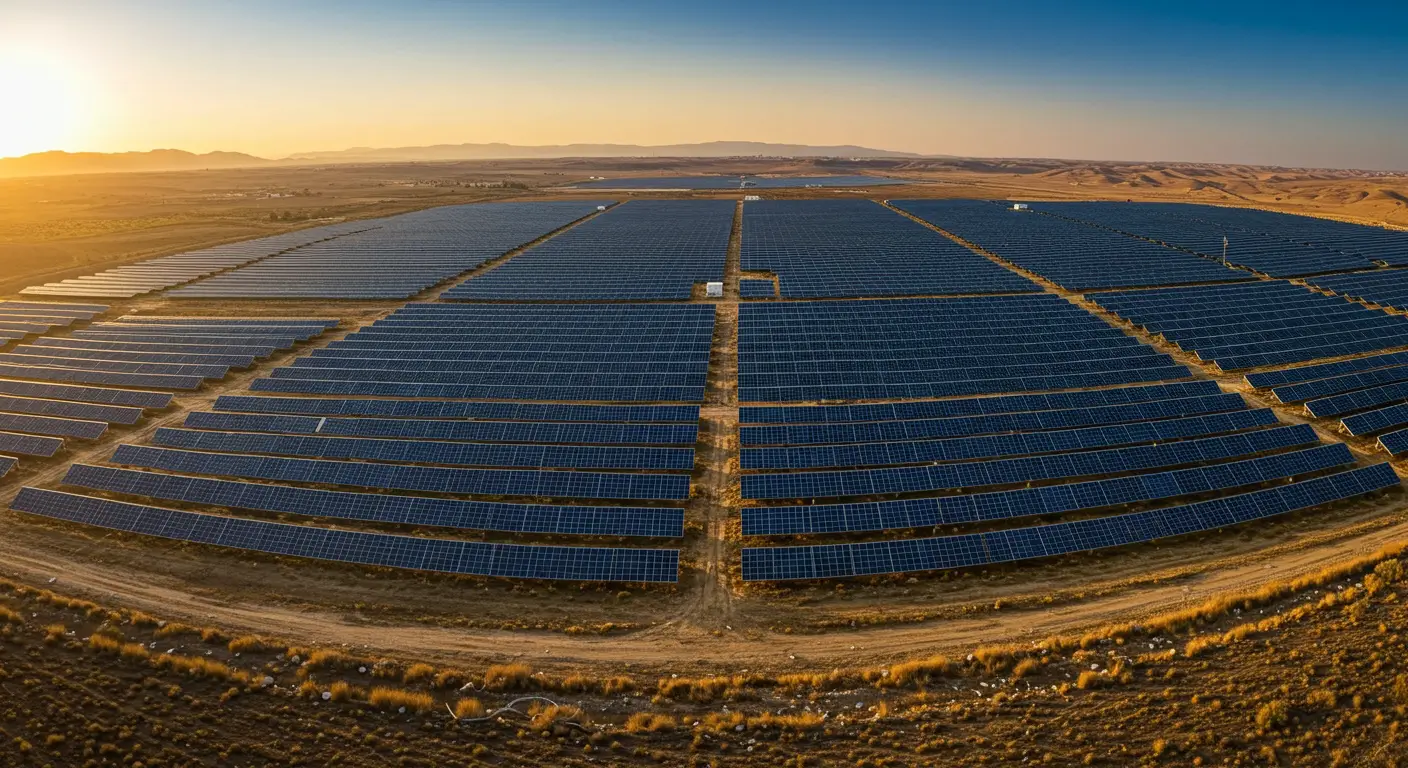
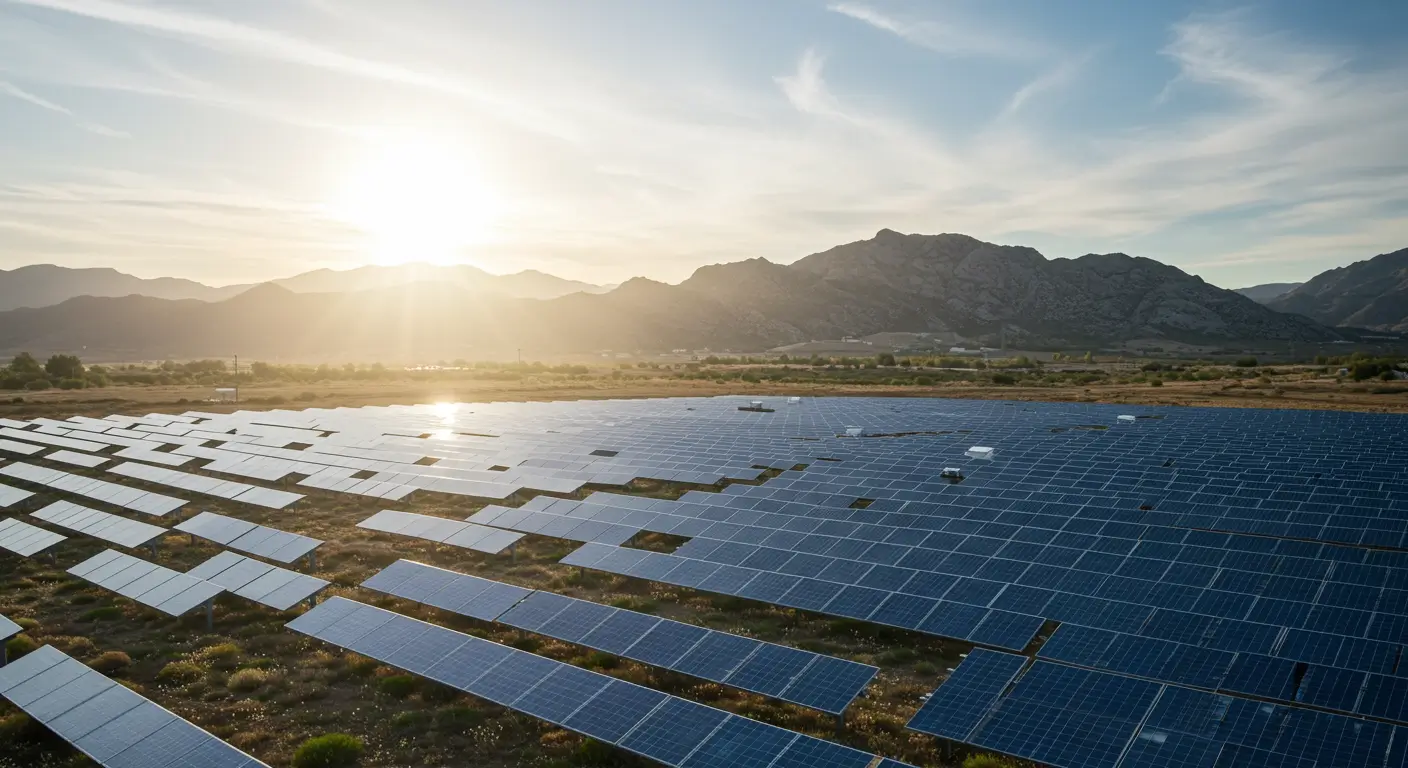

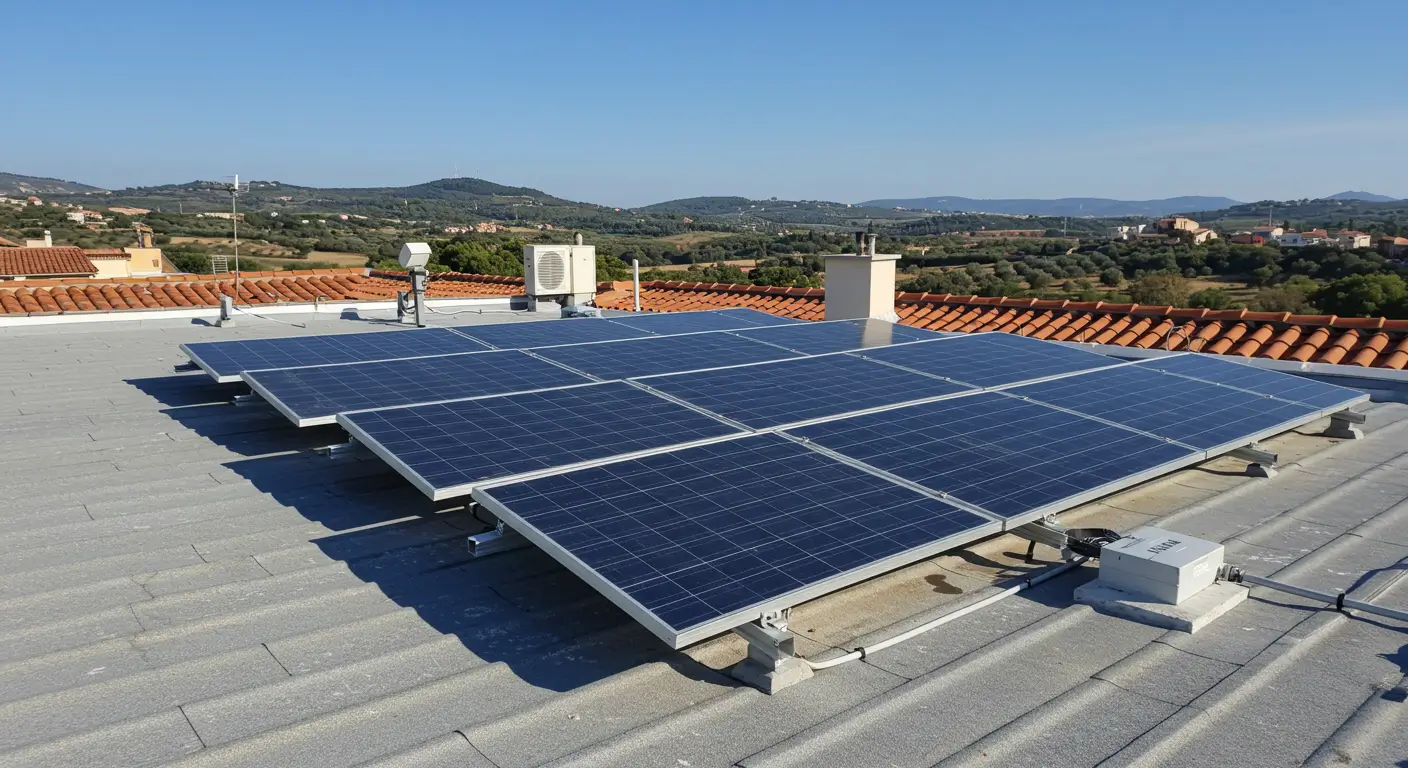




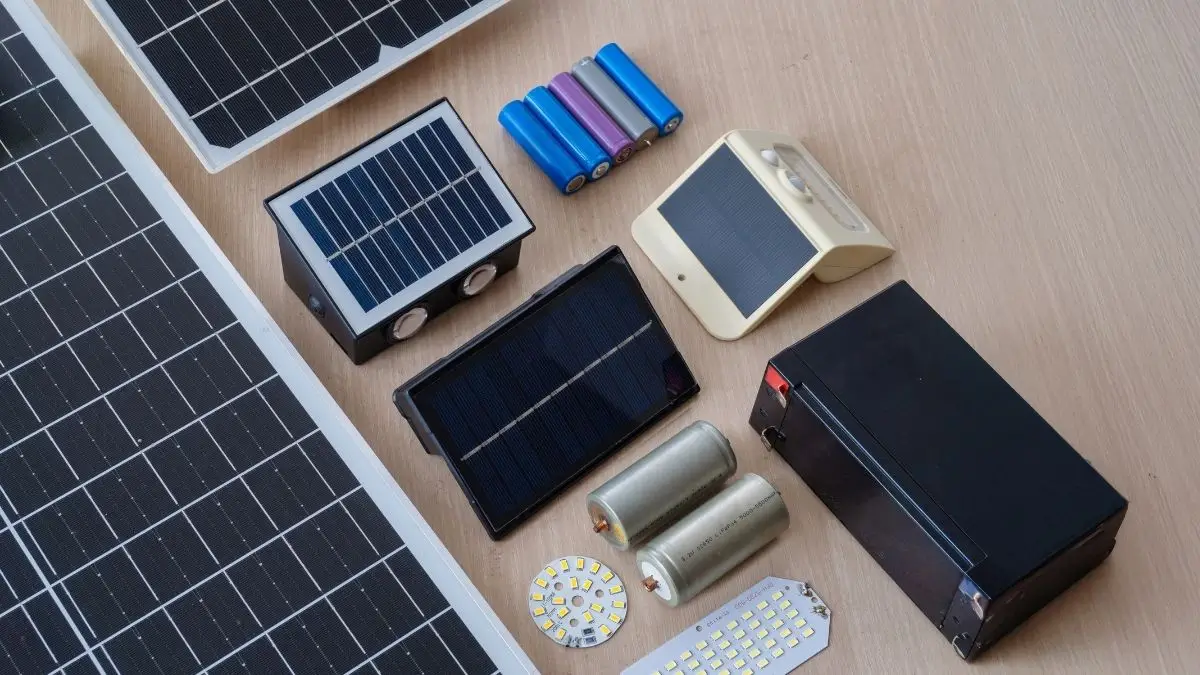




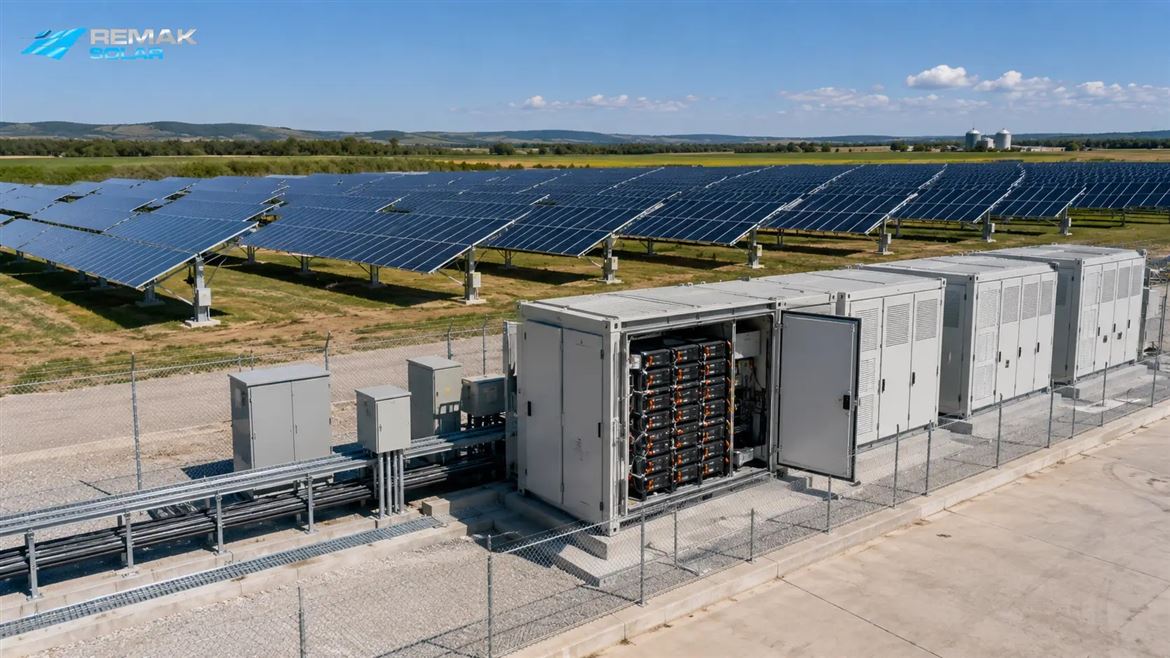
A LiFePO4 battery is a type of lithium-ion battery that uses lithium iron phosphate as the cathode material. Its nominal voltage is 3.2 volts per cell, and connecting four cells in series produces a 12.8-volt battery pack, which is considered standard in solar energy systems. Using the same principle, 24, 48 and 51.2-volt packs can be created.
Two main characteristics distinguish this battery type from other lithium chemistries: thermal stability and cycle life. Because the phosphate-based cathode structure does not release oxygen even at high temperatures, the risk of fire is significantly lower. Depending on the manufacturer and operating conditions, cycle life ranges from 3,000 to 6,000 full charge-discharge cycles. In a home system completing one cycle per day, this means a service life exceeding ten years.
While only about half of the capacity of lead-acid batteries can be used safely, this figure rises to 80 to 90 percent with LiFePO4 batteries. In other words, a lithium battery rated at 100 Ah actually provides about 80 Ah of usable energy. Achieving the same usable capacity with lead-acid batteries requires nearly twice the weight and volume.
How a LiFePO4 Battery Works
During charging, lithium ions leave the cathode, pass through the electrolyte and settle in the graphite anode. During discharge, this movement is reversed; as the ions return to the cathode, electron flow occurs in the external circuit, producing electrical energy. Because the chemical structure does not undergo permanent degradation, this cycle can be repeated thousands of times.
The strength of the phosphate bond allows the cell to maintain its structural integrity even in an overheating condition. While the risk of thermal runaway in lithium batteries containing nickel and cobalt begins at around 150 degrees, in LiFePO4 cells it is delayed until temperatures exceeding 250 degrees. This safety margin is a major reason they are preferred in industrial facilities and enclosed technical rooms.
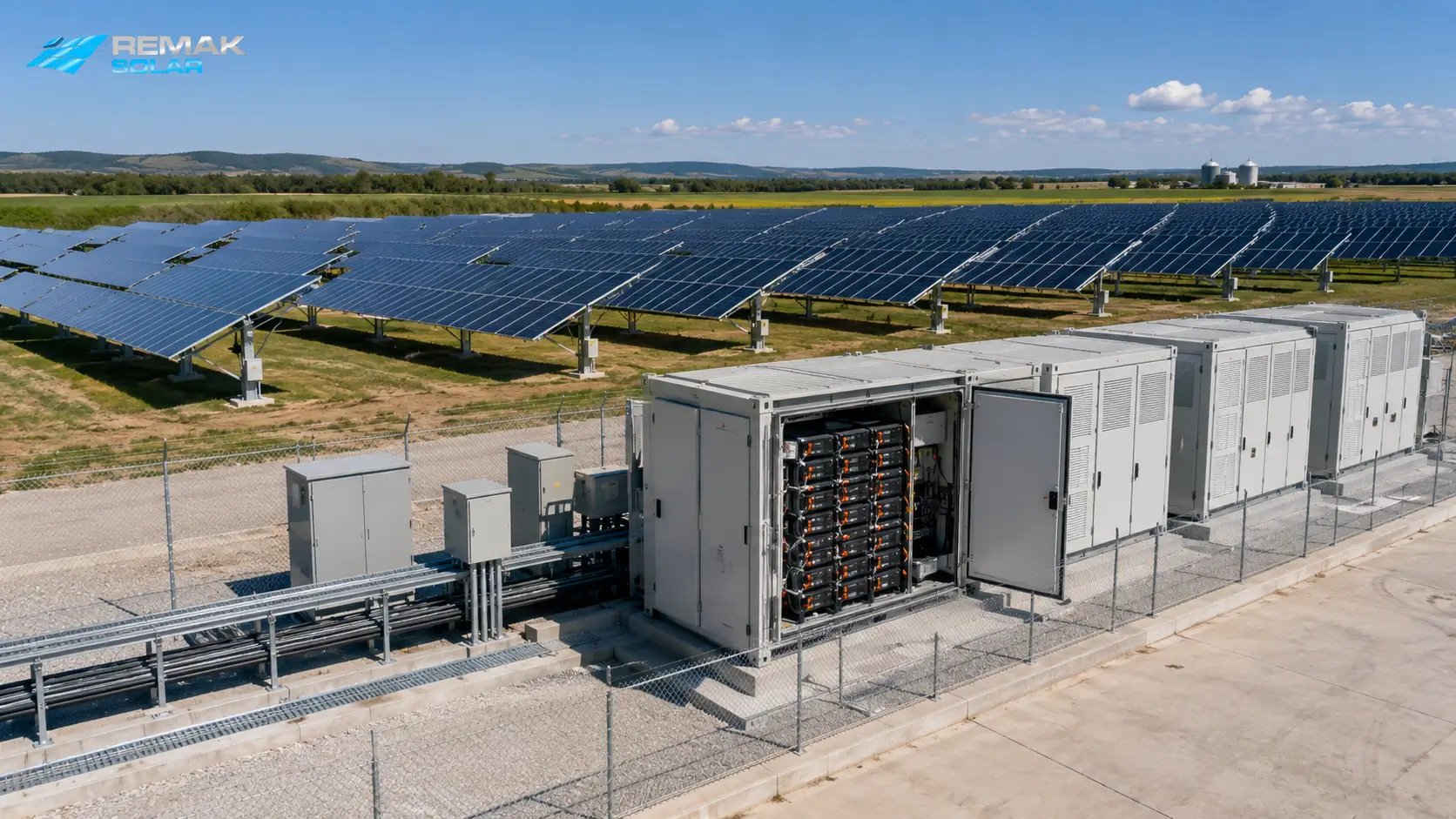
Every LiFePO4 battery pack contains a battery management system called a BMS. This system balances voltage differences between cells, prevents overcharging and deep discharge, and disconnects the circuit when temperature limits are exceeded. A lithium pack without a BMS poses serious risks in terms of both service life and safety, so the current capacity and balancing method of the BMS should always be checked when selecting a product.
The discharge curve also provides a significant advantage. While the voltage of a lead-acid battery gradually decreases during use, a LiFePO4 battery maintains about 90 percent of its capacity at around 3.2 volts. This allows the inverter to operate more efficiently and prevents devices from being affected by voltage fluctuations.
Technical Advantages of Lithium Iron Phosphate Batteries
When making an investment decision, reviewing the technical differences item by item makes the process easier. The key advantages of LiFePO4 batteries can be listed as follows:
- Long cycle life: With proper use, 3,000 to 6,000 full cycles can be achieved, compared with 400 to 800 cycles for lead-acid batteries.
- High depth of discharge: 80 to 90 percent of the capacity can be used safely without adversely affecting battery life.
- Lightweight: For the same usable capacity, it weighs approximately one-third as much as a lead-acid battery.
- Fast charge acceptance: It can accept high charging currents without difficulty, allowing storage to be completed even during short periods of winter sunlight.
- Low self-discharge: It is approximately 2 to 3 percent per month, which is a major advantage for seasonally used holiday homes and agricultural systems.
- Maintenance-free: There is no need for water top-ups, terminal cleaning or a ventilated battery room.
- No gas emissions: It can be safely installed in enclosed spaces and locations close to living areas.
The combined effect of these advantages reduces life-cycle cost significantly below that of lead-acid batteries, despite the higher initial investment. Over a ten-year period, a lead-acid battery bank may need to be replaced three or four times, whereas a LiFePO4 bank can cover the same period with a single installation.
Use of LiFePO4 Batteries in Solar Energy Systems
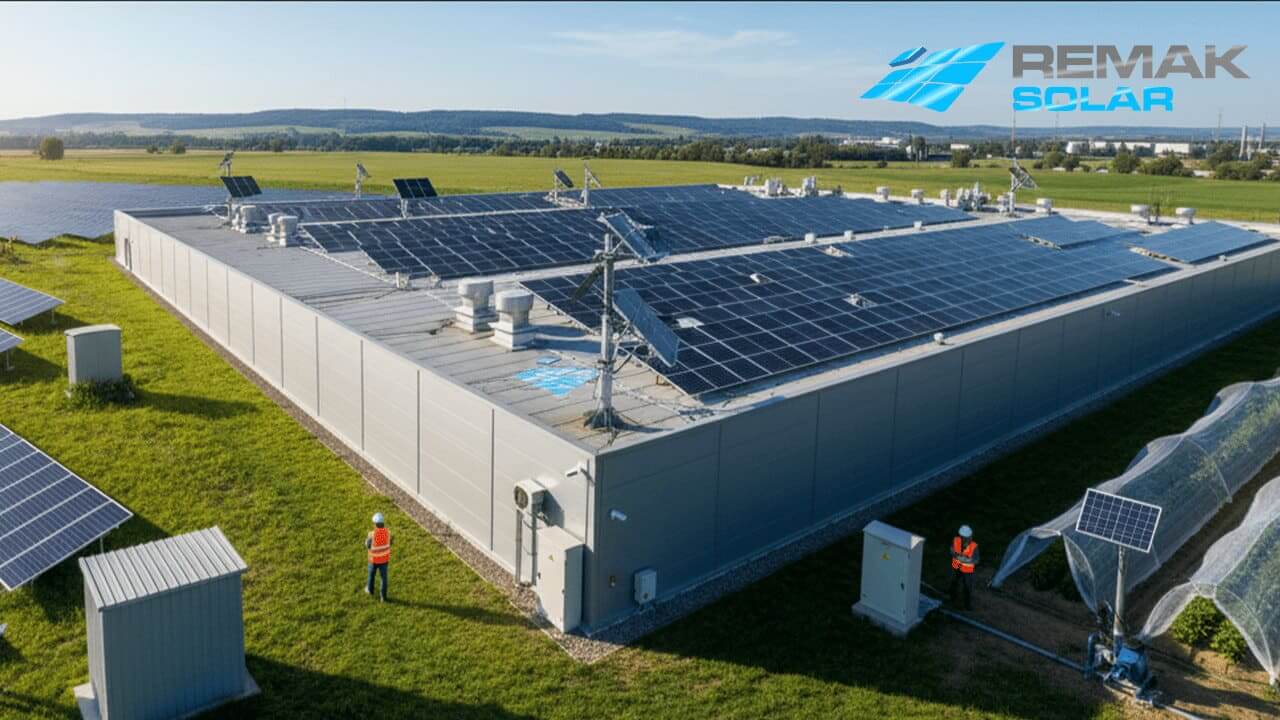
In off-grid systems, the battery is the only component that carries the energy generated by the panels into nighttime and cloudy periods. The key question is whether the battery bank can cover daily consumption. In an off-grid farmhouse or irrigation pump application, a LiFePO4 battery makes it possible to reduce the required panel power because a much larger share of its rated capacity can actually be used.
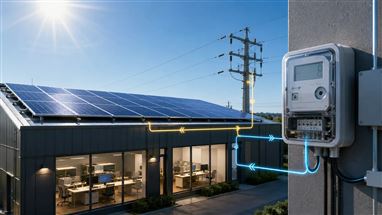
In hybrid systems, the battery bank has a different role. The grid is available, but the goal is to keep critical loads running during outages or to use stored energy during expensive tariff periods. With the spread of hourly netting practices, this model has rapidly become attractive, especially for businesses. We discussed the full subject of storage in greater detail in our article on energy storage methods .
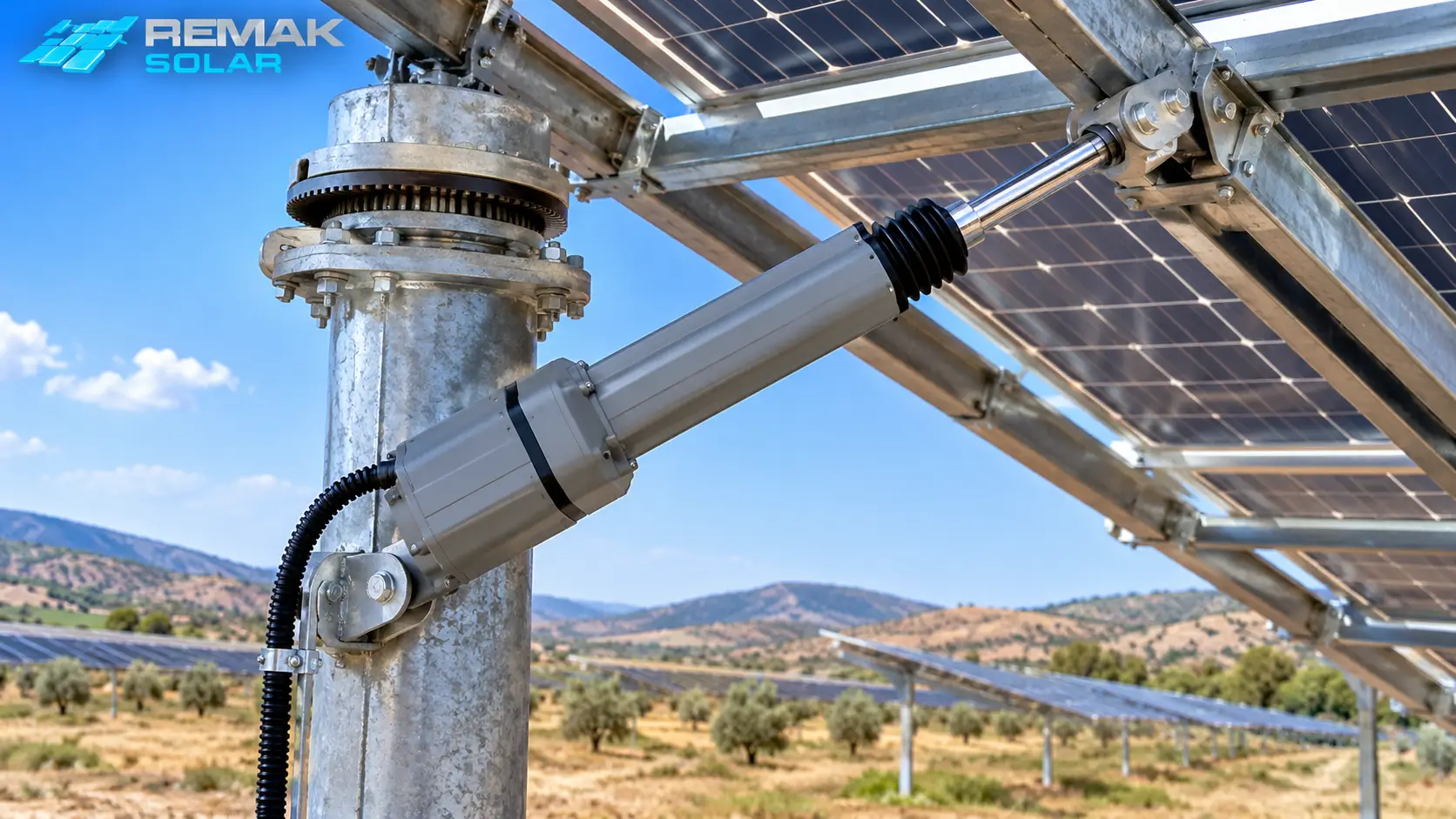
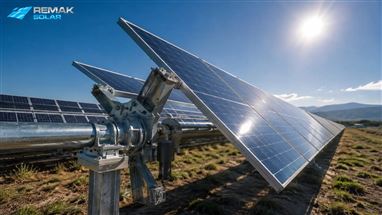
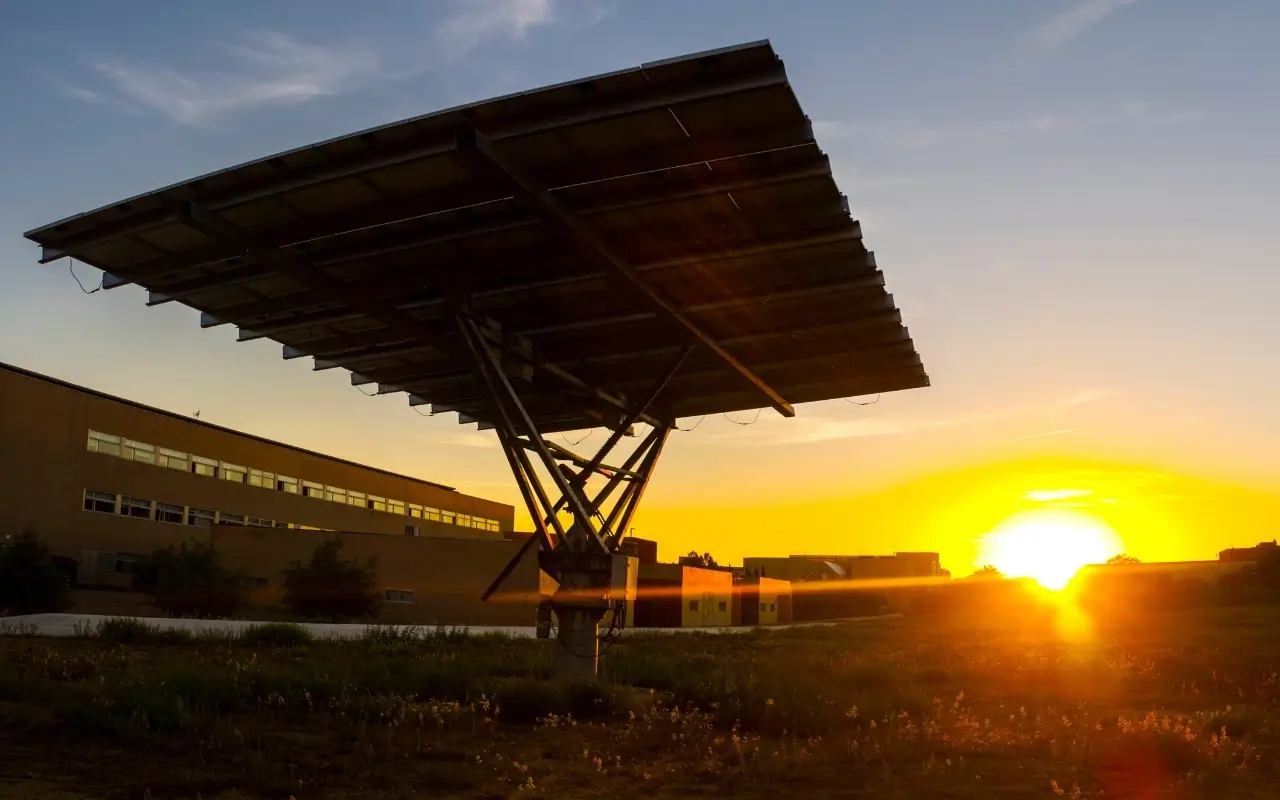
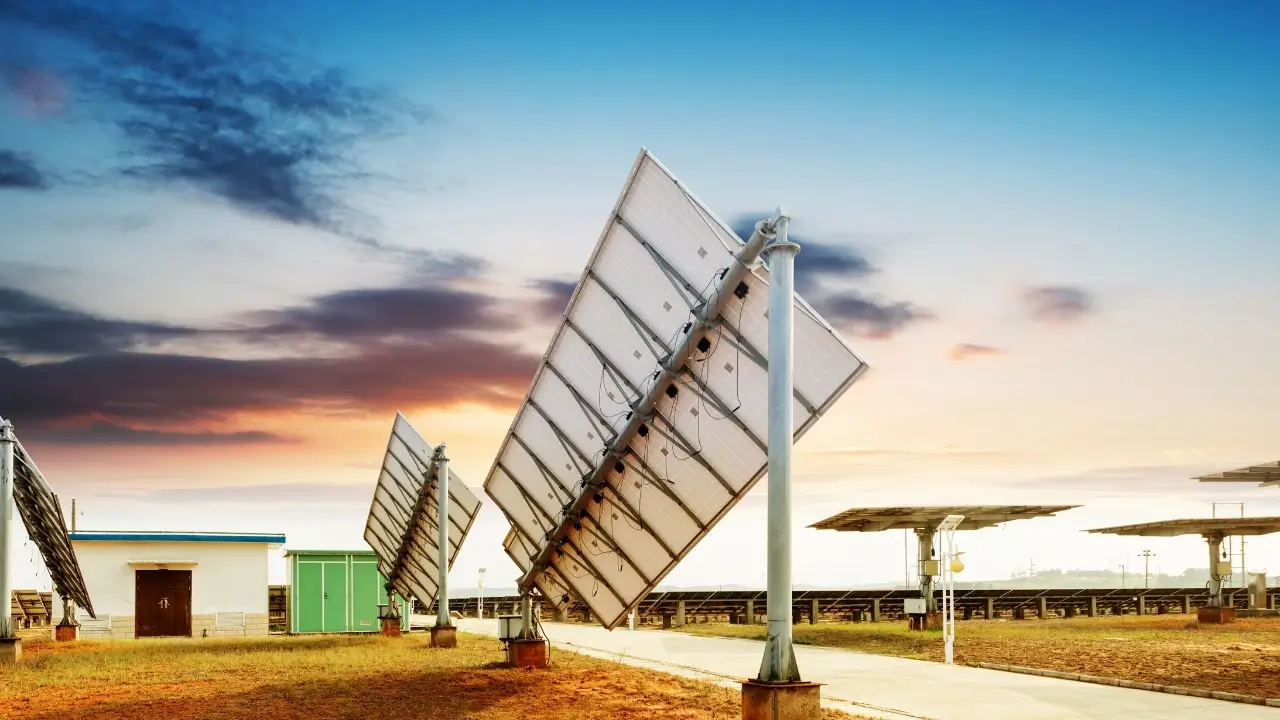
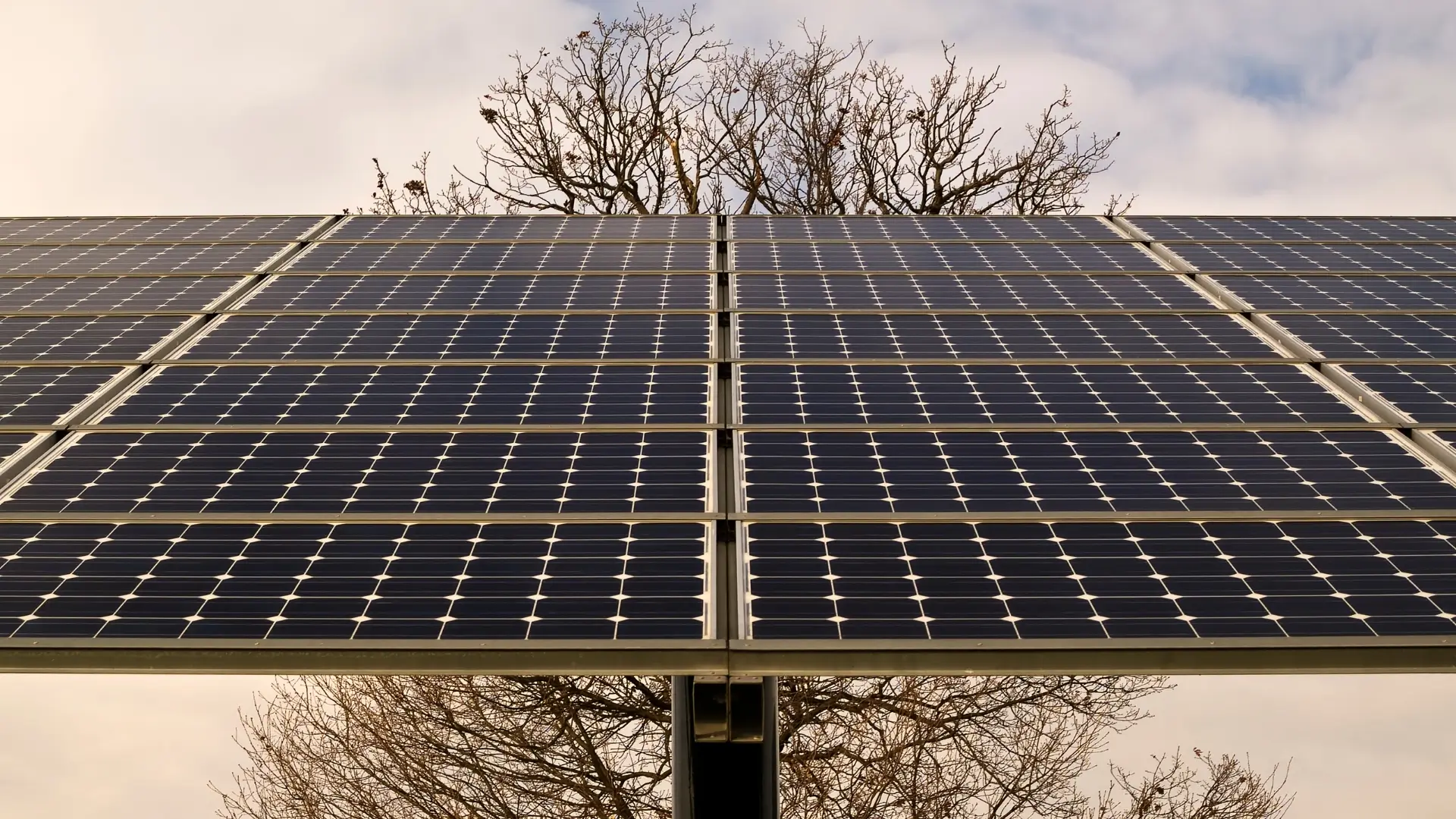
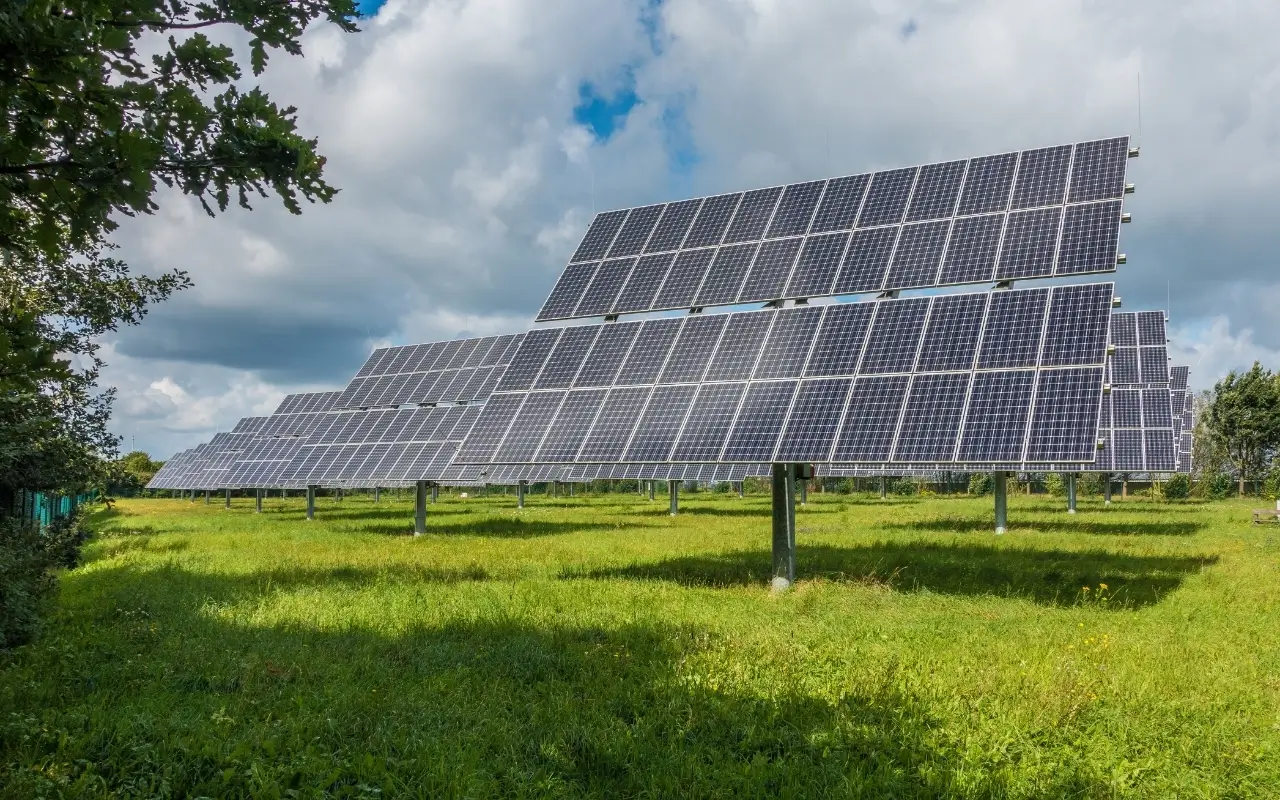
Any solution that increases generation on the panel side allows the battery bank to charge faster and earlier. Solar tracking systems keep the panel perpendicular to the sun during the first and last hours of the day, significantly increasing the amount of energy sent to storage compared with fixed systems. In regions where winter sunshine hours are short, this difference can determine whether the battery bank reaches a full charge.
Battery selection must consider the system as a whole. If the inverter charging current, panel power and daily consumption profile are not compatible with one another, even the highest-quality battery will not deliver the expected performance.
Comparison with Lead-Acid and Gel Batteries
Lead-acid batteries were the standard solution for solar energy systems for many years. Their initial investment cost is low, they are easy to source and the technology is well known. However, once depth of discharge exceeds 50 percent, their service life decreases rapidly and they require regular maintenance. Liquid-electrolyte types also require ventilation, adding another cost item.
Gel and AGM batteries solve some of these issues. They are maintenance-free, produce minimal gas emissions and can be installed horizontally. However, their cycle life still remains in the 800 to 1,200 range and the weight disadvantage continues. Our content comparing different battery types, types of batteries for solar energy can help guide the decision-making process.
With LiFePO4, the picture is reversed. Energy stored per kilogram is nearly three times higher, cycle life is four to six times longer, and efficiency exceeds 95 percent. In lead-acid batteries, energy losses during the charge-discharge cycle can reach 20 percent, while in lithium batteries this loss remains around 5 percent. This difference is exactly what becomes decisive in long-term calculations.
How Is the Correct Capacity Calculated?

The calculation starts with daily energy consumption. The total daily kilowatt-hours used by the refrigerator, lighting, water pump and other devices is determined. For example, a house consuming 5 kWh per day requires approximately 5 kWh of usable storage if one night of backup is desired.
When converting usable capacity to nominal capacity, depth of discharge must be taken into account. Calculated at 80 percent for LiFePO4, a 5 kWh requirement corresponds to a 6.25 kWh battery bank. In a 48-volt system, this is approximately equivalent to a 130 Ah pack.
Autonomy time, meaning how many days the system must operate without sunlight, directly multiplies the required capacity. A user who wants two days of backup must multiply this figure by two. This margin should not be ignored in regions where consecutive cloudy days are common during winter.
Finally, inverter power and instantaneous peak loads are checked. The starting current of compressor-based devices can rise to three times their nominal value, so the battery bank and BMS must be able to supply this current. For cost planning, the figures in our cost of a solar energy system for a detached house article can be used as a reference.
Usage and Maintenance Practices That Extend Service Life
A LiFePO4 battery does not require routine maintenance, but it must be operated under the correct conditions. The following practices help the battery bank achieve a service life close to its rated value:
- Install the battery bank in an environment between 0 and 45 degrees and avoid charging below zero.
- Make sure the charger is set to a lithium profile; a lead-acid profile can disrupt cell balance.
- For systems that will not be used for a long time, leave the battery bank at 50 to 60 percent state of charge.
- Check cell voltages once a year; if the difference exceeds 0.05 volts, review BMS balancing.
- Tighten terminal connections to the torque specified by the manufacturer; loose connections cause heating and efficiency losses.
- Leave at least a few centimeters of air space around the battery bank.
These points may seem like details at first, but together they can create the difference between an eight-year and a fifteen-year service life.
Factors That Determine LiFePO4 Battery Price
The first factor determining price is cell quality. Packs produced with Grade A cells are 30 to 40 percent more expensive than those using lower-grade cells, but their lower capacity deviation prevents imbalance within the pack.
The features of the BMS are the second determining factor. Systems with active balancing, communication protocol support and high continuous-current capability increase the cost. However, a BMS that communicates with the inverter optimizes charging management and pays for itself in the long term.
Enclosure design, certification and warranty period also create price differences. Modular packs supplied in rack-type cabinets are preferred in commercial projects because their capacity can be expanded. In short, price comparisons should consider both cost per kilowatt-hour and the number of cycles covered by the warranty.
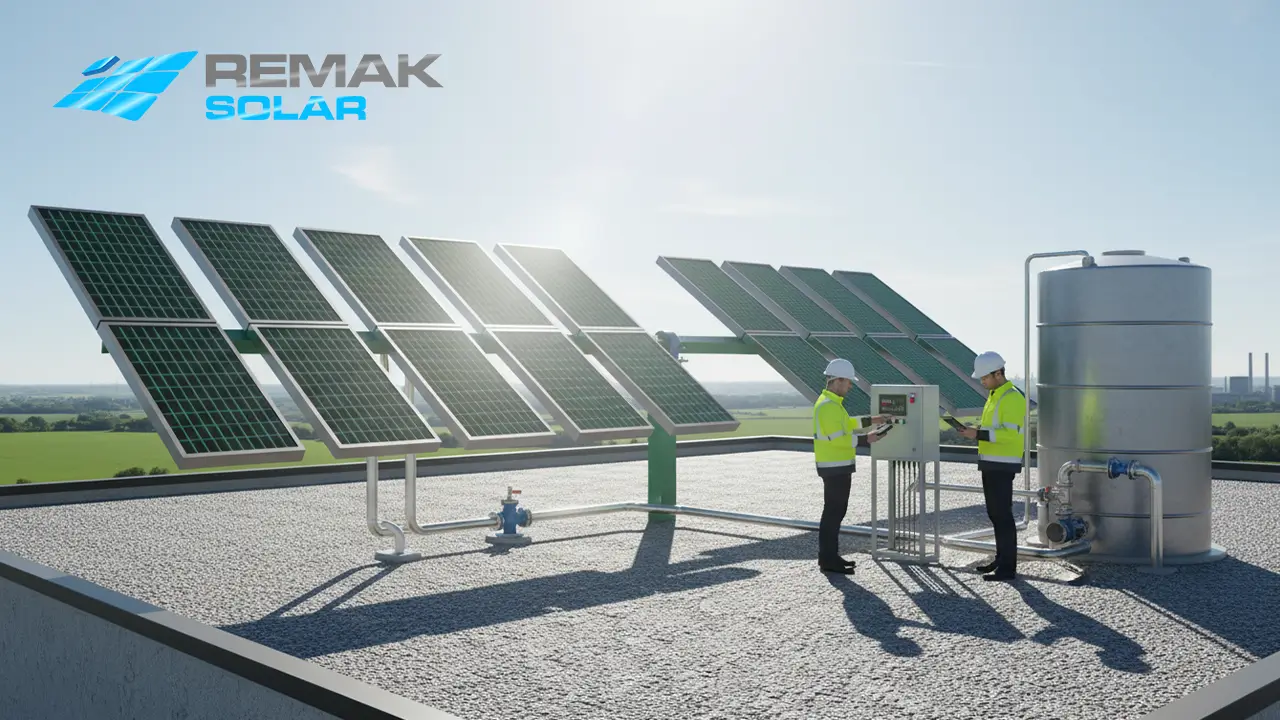
If you would like to plan your project's storage requirement together with panel power and the tracking system, you can review the Remak Solar product family and contact our technical team.
Other Frequently Asked Questions About LiFePO4 Batteries
Can an existing solar energy system with lead-acid or gel batteries be converted to LiFePO4 without replacing the inverter?
If the charging-voltage parameters (Bulk/Float voltages) on the inverter can be manually set to a lithium profile, the existing inverter can be used. However, to enable communication between the inverter and the battery BMS (via CAN-BUS or RS485) and fully protect battery health, it is recommended to use lithium-compatible or smart inverters.
Why is charging LiFePO4 batteries at temperatures below 0°C dangerous?
At sub-zero temperatures, instead of intercalating into the graphite anode, lithium ions crystallize on the anode surface and form metallic lithium plating. This can cause permanent internal micro short circuits, capacity loss and eventual battery failure; therefore, LiFePO4 models with built-in heating pads (self-heating) should be used in cold climates.
Is slight swelling (expansion) of LiFePO4 prismatic cells over time normal, and why is mechanical compression applied?
During charge and discharge cycles, it is natural for the cathode and anode layers inside the cell to expand and contract at the micron level. However, to prevent premature cell deformation and keep internal resistance stable, prismatic cell groups should be secured during assembly using compression plates tightened according to the manufacturer's criteria (at approximately 300 kgf of pressure).
Can LiFePO4 batteries be connected in an unlimited number of series or parallel configurations to increase capacity?
Batteries cannot be connected without limit; each battery's BMS has a maximum permitted number of series and parallel connections (generally no more than 4S or 4P). Exceeding these limits can cause voltage imbalance, high circulating currents between lines and a risk of damage to the BMS switching components (MOSFETs).
What is the difference between passive balancing and active balancing in LiFePO4 Battery Management Systems (BMS)?
Passive balancing dissipates excess energy from a higher-voltage cell as heat through resistors and works slowly. Active balancing efficiently transfers energy from a higher-voltage cell to a lower-voltage cell; this increases cell life and total usable energy, especially in large-capacity packs.
Do Comment