
Other Blog
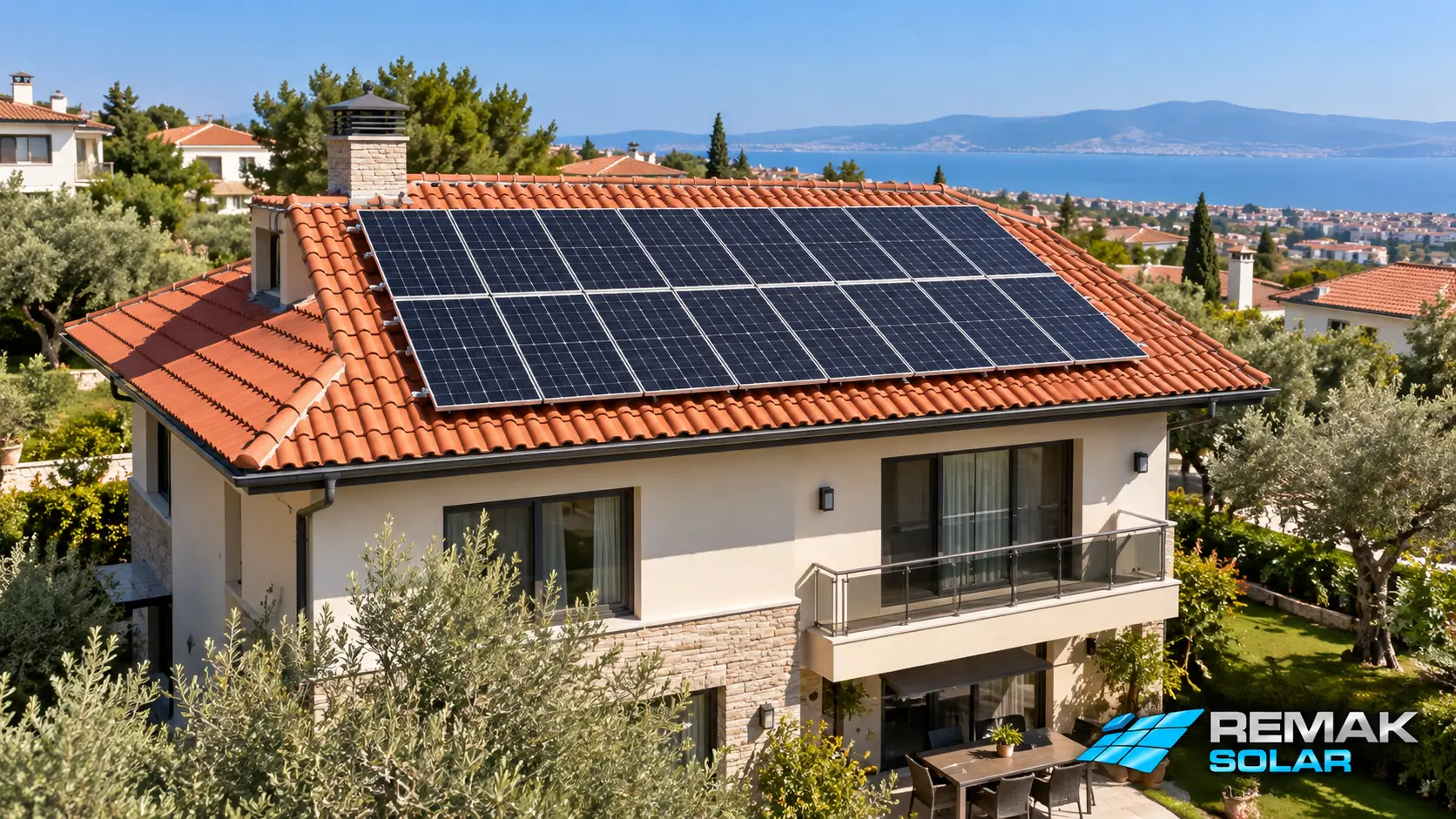
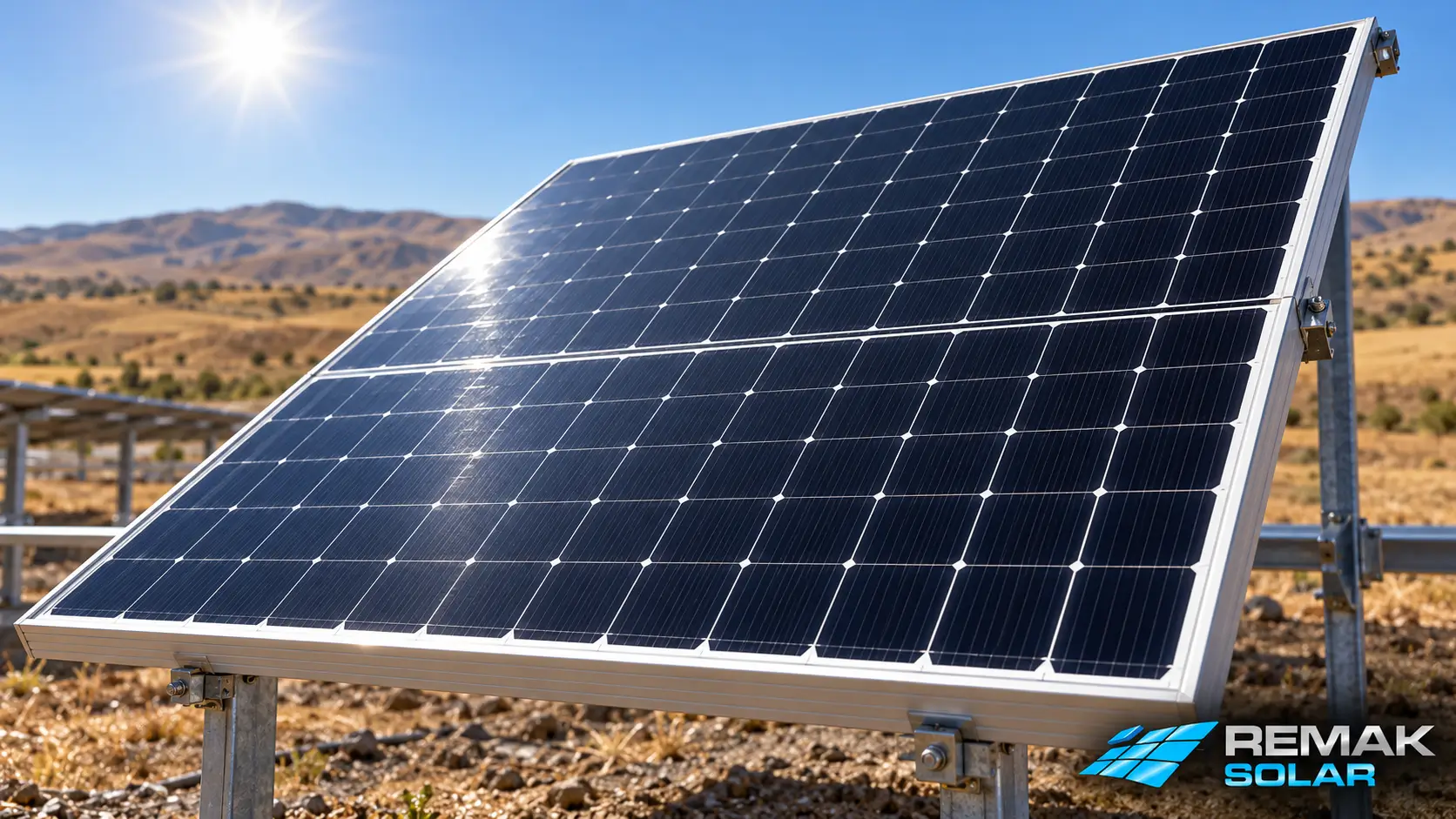
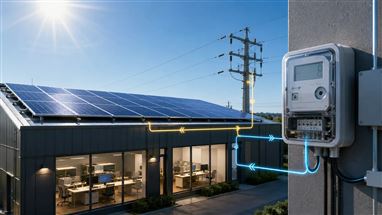
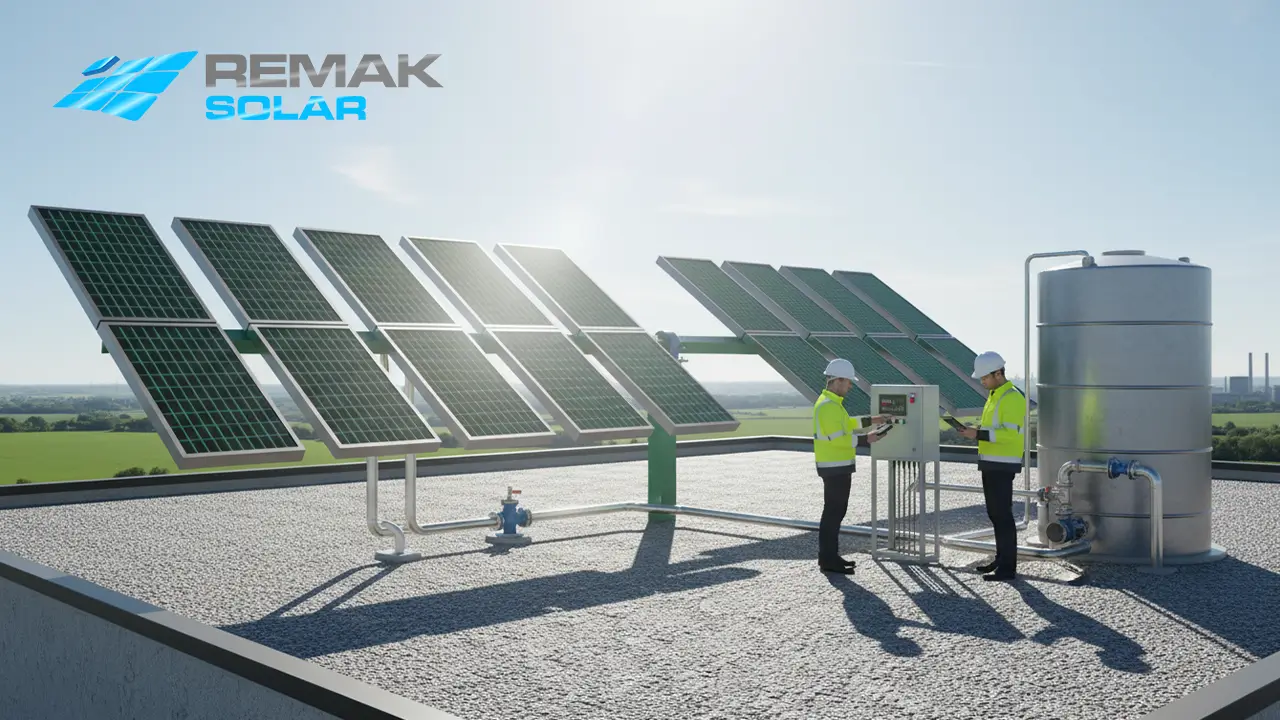
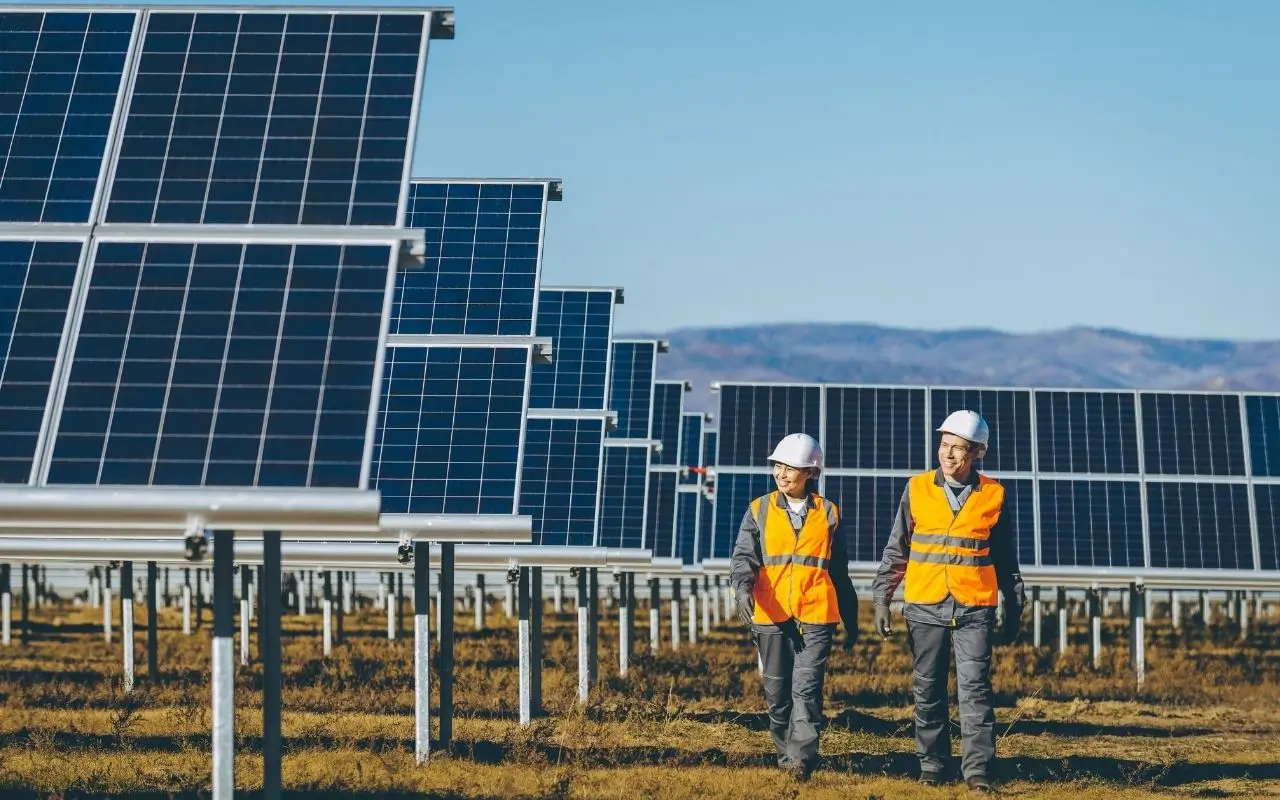

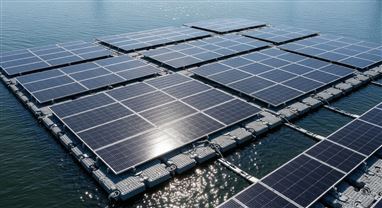
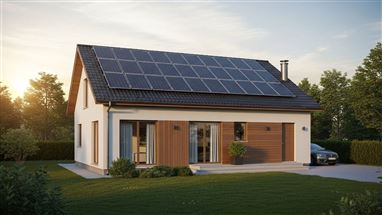
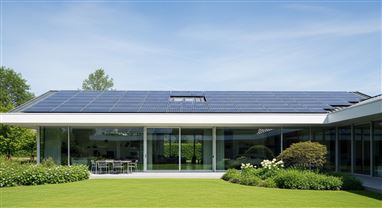
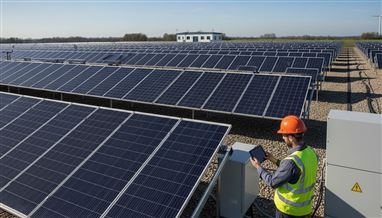
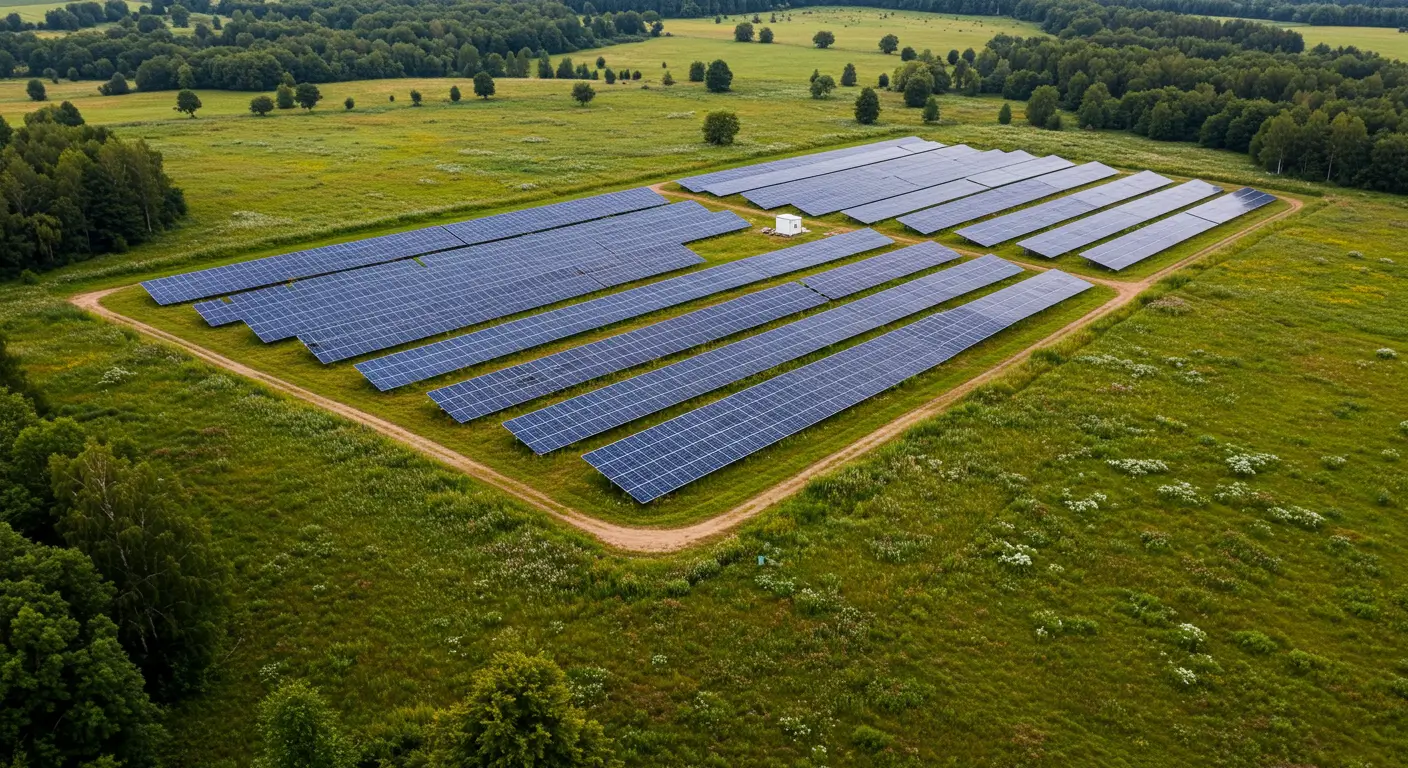
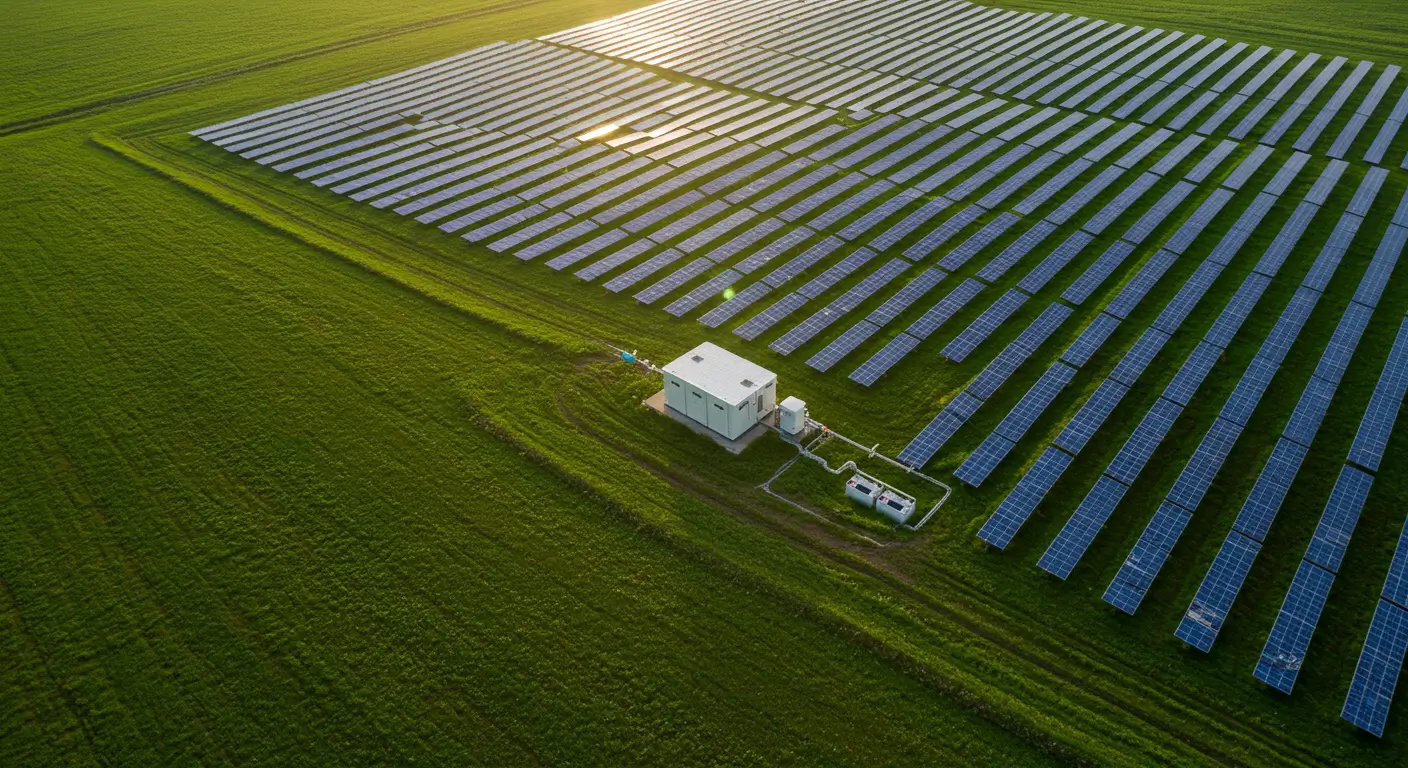
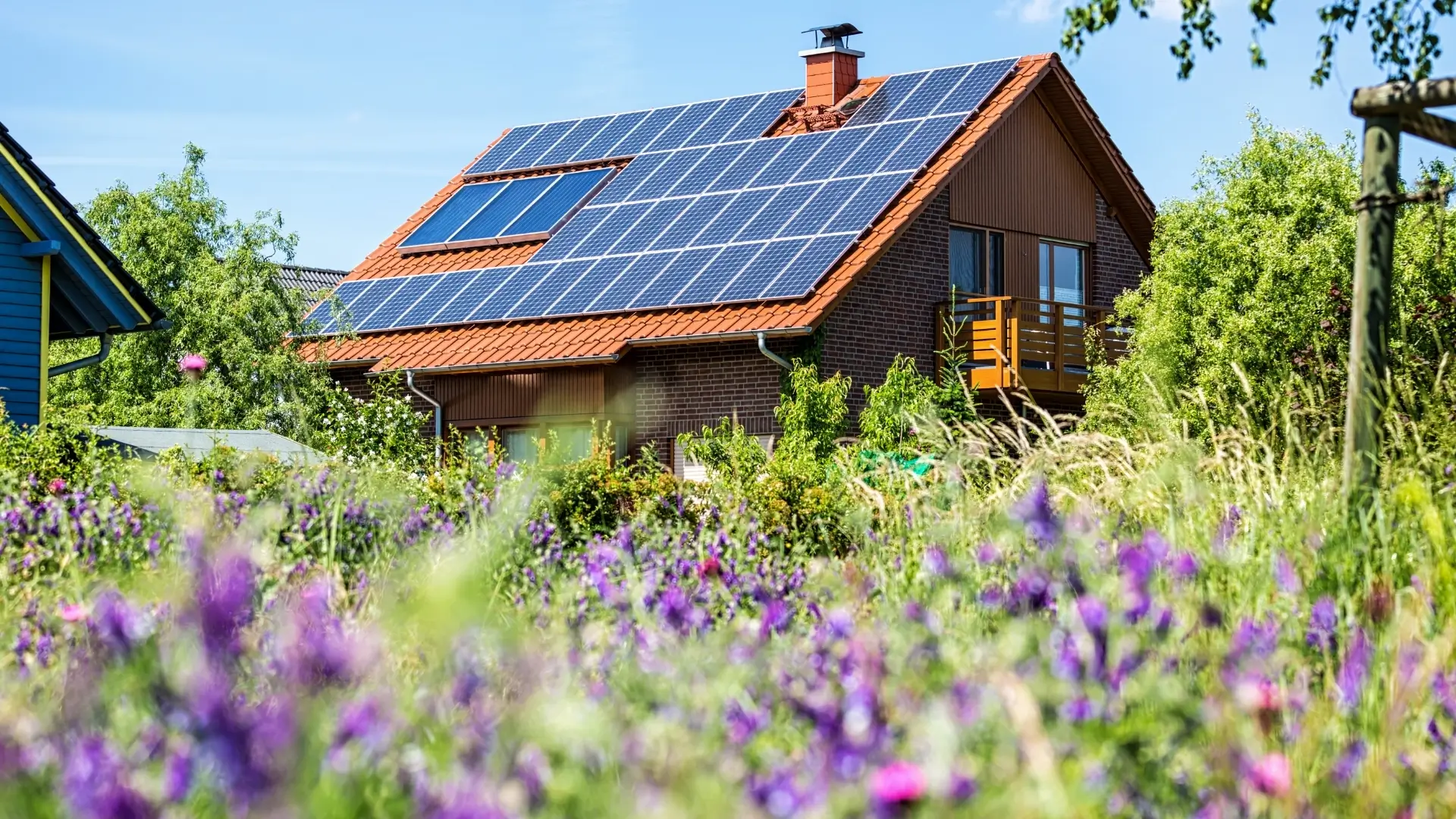
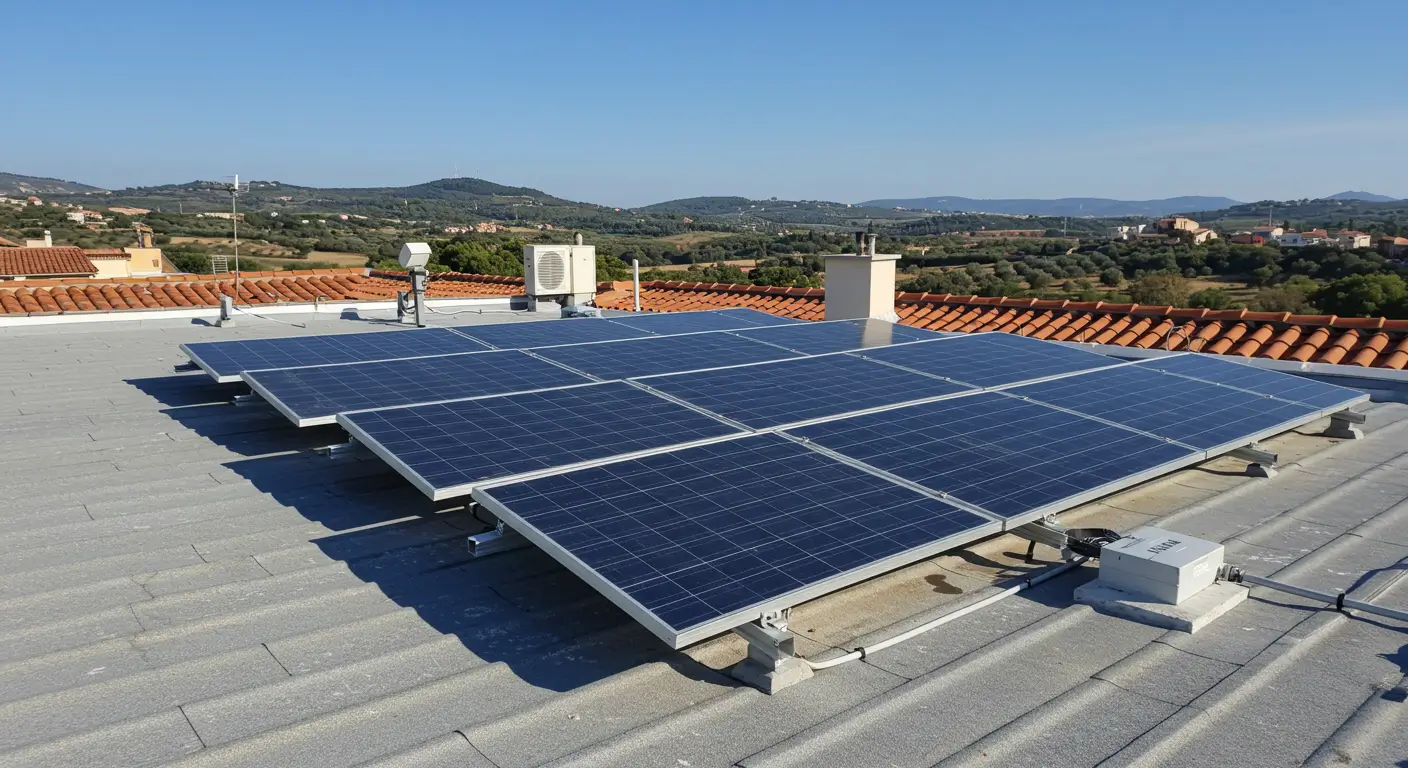
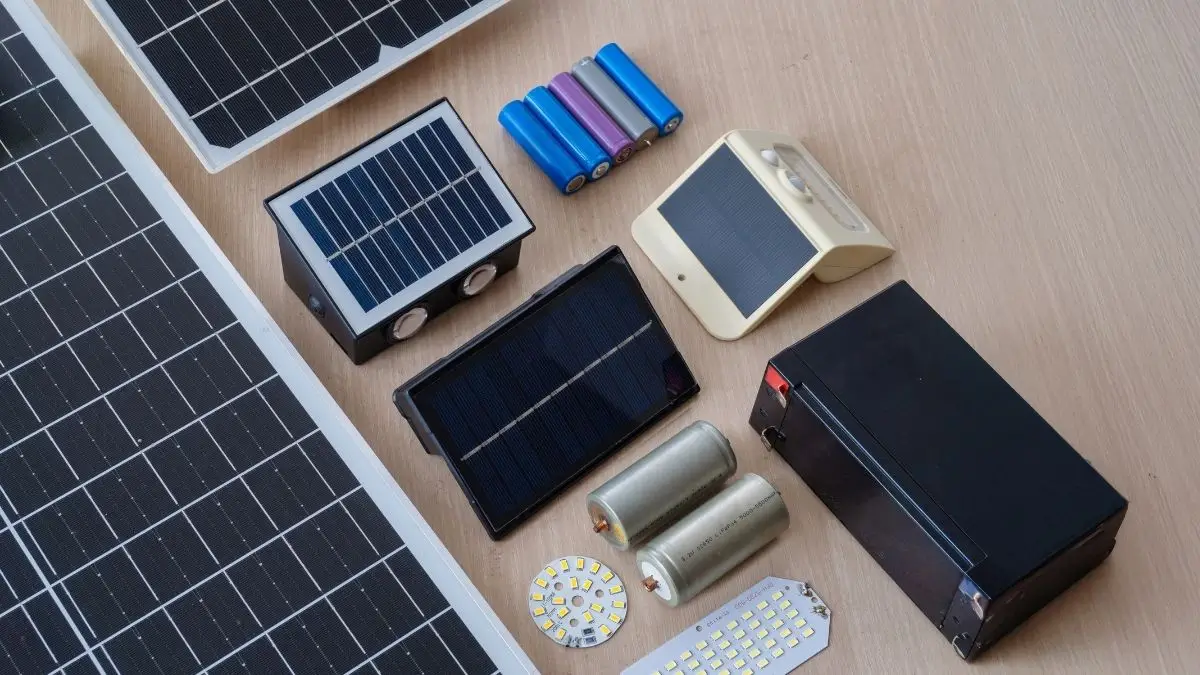
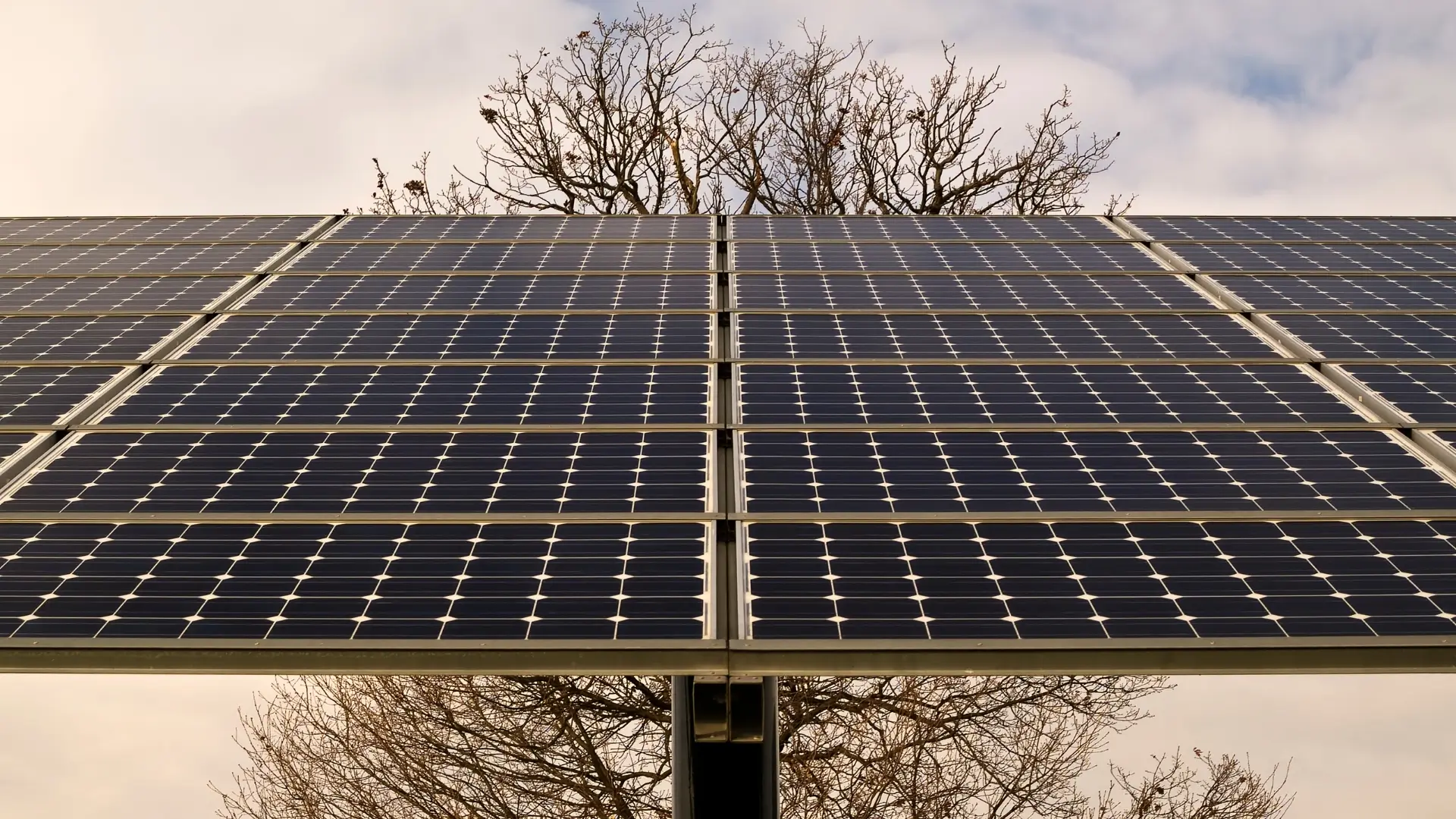
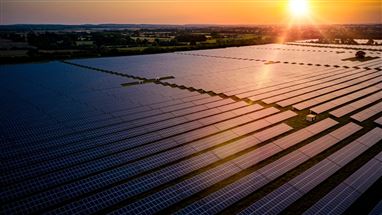
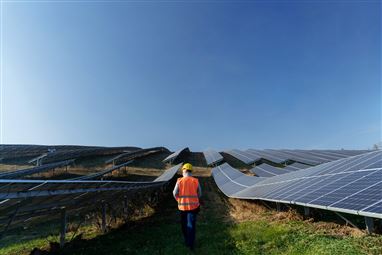
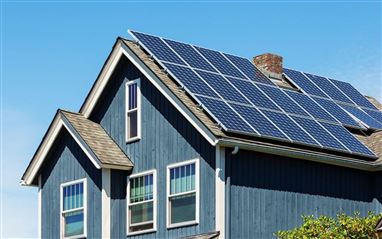
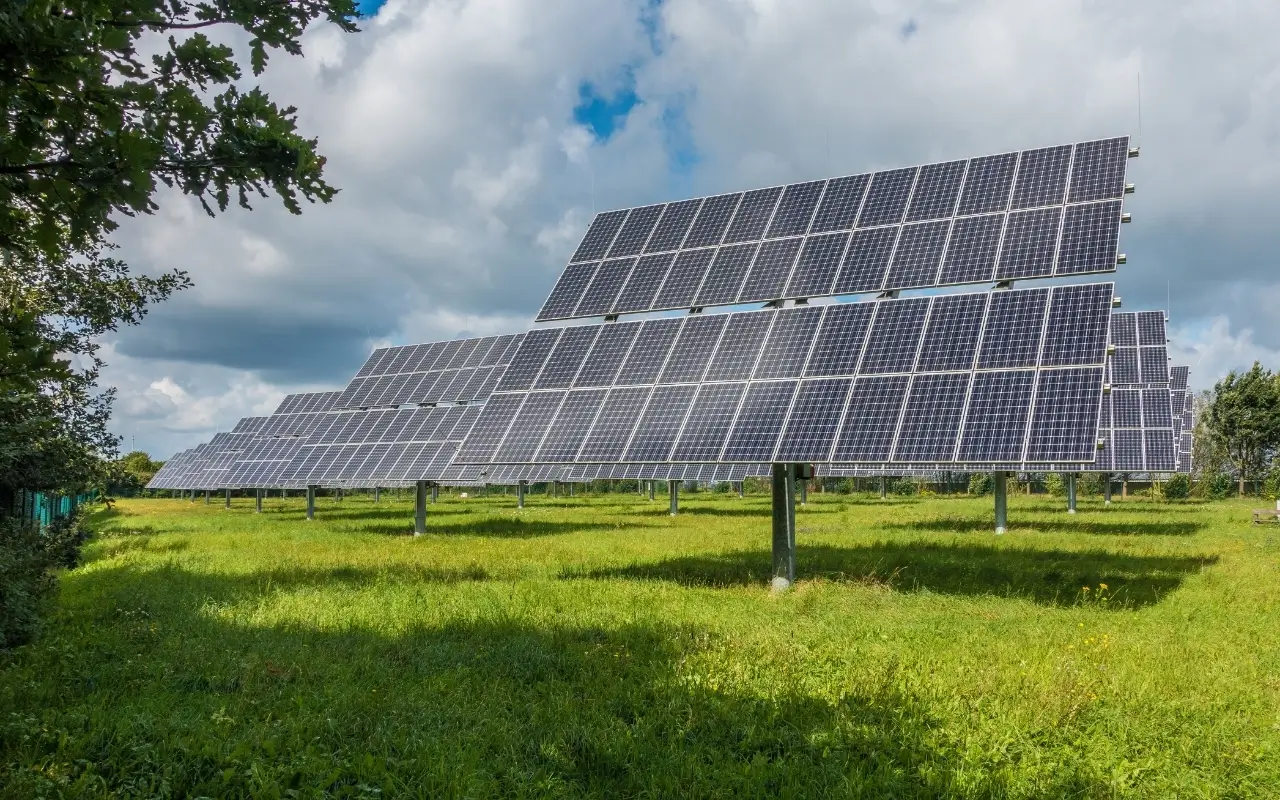
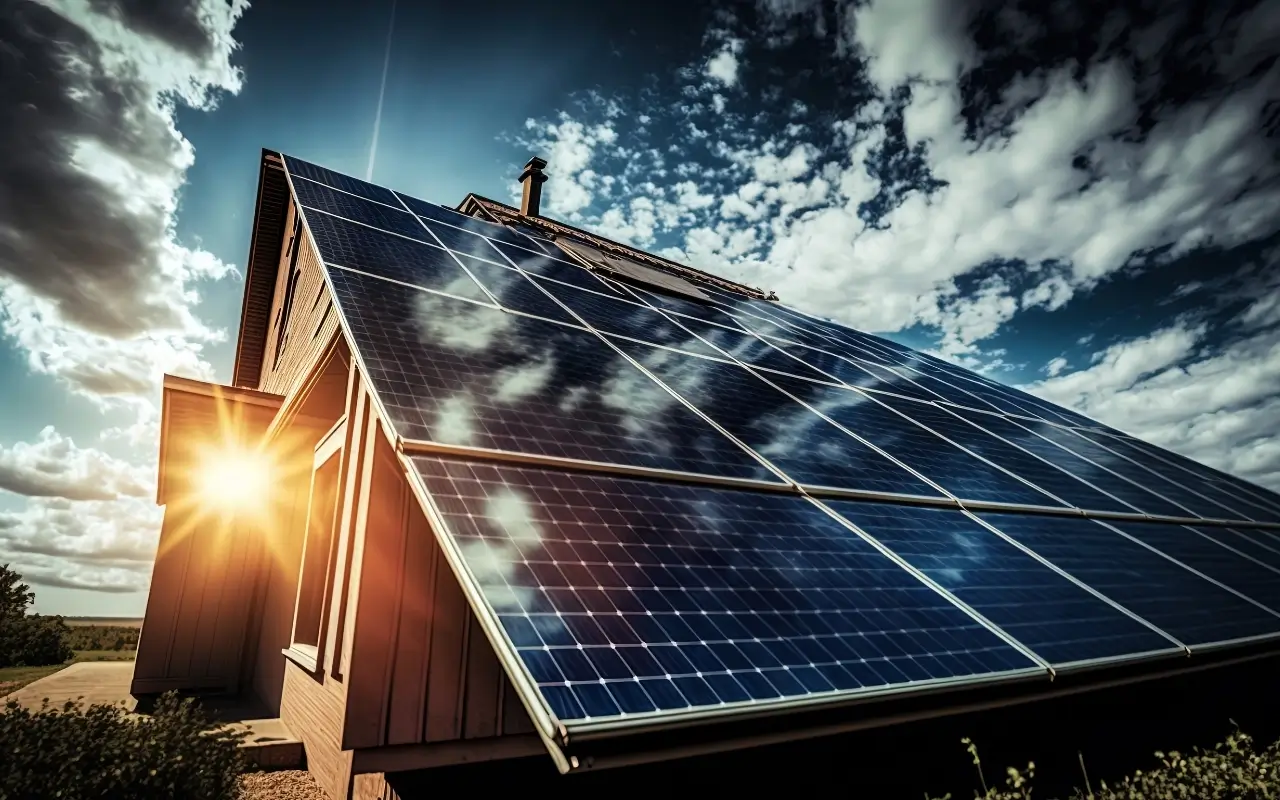
Solar panels continue to generate electricity for 25 to 30 years under suitable conditions. This figure does not indicate the moment when the panel will suddenly stop working; it refers to the period during which the manufacturer guarantees a certain efficiency level. In other words, your panel does not suddenly fail at the end of 30 years; it simply produces at a lower level compared to its initial power.
So what does this lifespan depend on? The type of panel, the quality of the materials used, the installation method and maintenance habits directly affect its lifespan. Below, we examine both the average lifespan and the ways to extend it one by one.
What Is the Average Lifespan of a Solar Panel?
For most high-quality solar panels on the market, the period given by manufacturers is 25 years. However, the end of this period does not mean that the panel will be discarded. Many panels continue to operate for more than 30 years while preserving a significant portion of their initial capacity.
The reason why the 25-year figure is so common is that the industry has adopted this period as a standard. Manufacturers guarantee that panels will provide at least 80 percent of their initial power at the end of 25 years. In real use, this rate is often even higher.
The situation is similar for systems installed in Turkey. Climate conditions, sunshine duration and panel positioning are among the factors that determine lifespan. A properly installed system can easily exceed a quarter of a century.
How Does Solar Panel Efficiency Decrease Over Time?
A solar panel is at its highest efficiency on the day it is first installed, and this efficiency decreases by very small amounts every year. This natural decrease is called annual degradation in the industry and is usually around 0.5 percent per year.
Let’s proceed with a simple calculation. A panel that loses an average of 0.5 percent per year retains approximately 90 percent of its initial power at the end of 20 years. This means that the panel produces satisfactory energy for most of its lifespan. In high-quality panels, this loss rate may be even lower.
The first year is usually slightly different. Panels show a slightly more noticeable decrease during the first period when they are exposed to sunlight. After this initial settling period, the rate of loss slows down and becomes stable. So there is no need to worry about the small decrease experienced at the beginning of the lifespan.
Main Factors Affecting Panel Lifespan
Two panels of the same brand can show very different lifespans when operating under different conditions. Lifespan is determined not only by the quality of the panel, but by all the conditions surrounding it. Let’s briefly list the most effective factors:
- Temperature: Excessive heat strains panel cells and reduces efficiency over time. Well-ventilated installations reduce this effect.
- Installation quality: Correct angle and solid mounting are the foundation of years of trouble-free operation.
- Material quality: The durability of the glass, cell and frame used directly determines lifespan.
- Weather conditions: Factors such as hail, storms and snow load can cause physical wear.
- Maintenance frequency: Regular cleaning and inspection ensure that small problems are solved before they grow.
Most of these factors are actually under your control. Working with a qualified installation team and having regular maintenance performed minimizes most of the negative effects on the list. The environment in which the panel is installed and the care it receives are as decisive as the panel brand.
Lifespan Differences by Panel Type
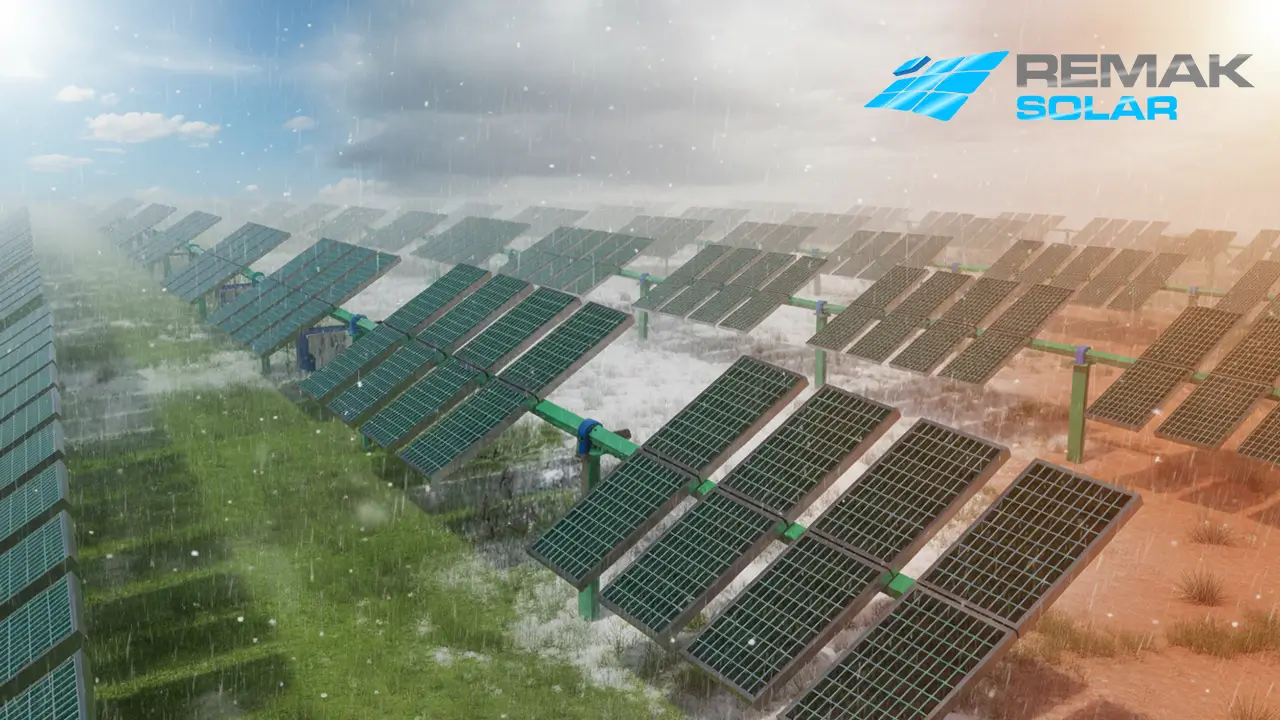
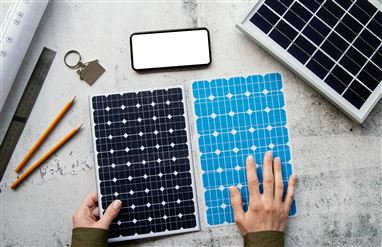
Not every solar panel is produced with the same technology, and this difference is also reflected in lifespan. The three most common types on the market are monocrystalline, polycrystalline and thin-film panels. Their durability and expected usage periods differ from one another.
Monocrystalline panels are generally the longest-lasting option. Since they are produced from high-purity silicon, both their efficiency and durability are high. These panels often perform for 30 years or more.
Polycrystalline panels are slightly more affordable and their lifespan is close to monocrystalline panels. Their efficiency loss may be slightly faster, but they can still be used safely for many years. Thin-film panels generally have a shorter lifespan and are mostly preferred in large-scale special projects.
When choosing a panel, looking only at the initial cost can be misleading. A long-lasting and efficient panel may seem slightly more expensive at the first investment stage, but it becomes much more economical over its total usage period.
What Do Manufacturer Warranties Cover?
When buying a solar panel, you encounter two different warranties, and it is important not to confuse them. One is the product warranty and the other is the performance warranty. They secure different things.
The product warranty covers the physical durability of the panel and its resistance to manufacturing defects. This warranty is generally between 10 and 15 years. Manufacturing-related problems that may occur in the frame, glass or connection points fall under this scope.
The performance warranty guarantees how much efficiency the panel will provide within a certain period. Most manufacturers guarantee that the panel will retain at least 80 percent of its initial power at the end of 25 years. In other words, if the panel loses more efficiency than expected during this period, the manufacturer steps in.
Reading the warranty conditions carefully before purchase prevents possible disputes in the future. A manufacturer offering a long warranty period usually demonstrates confidence in its product.
What Can Be Done to Extend the Lifespan of a Solar Panel?
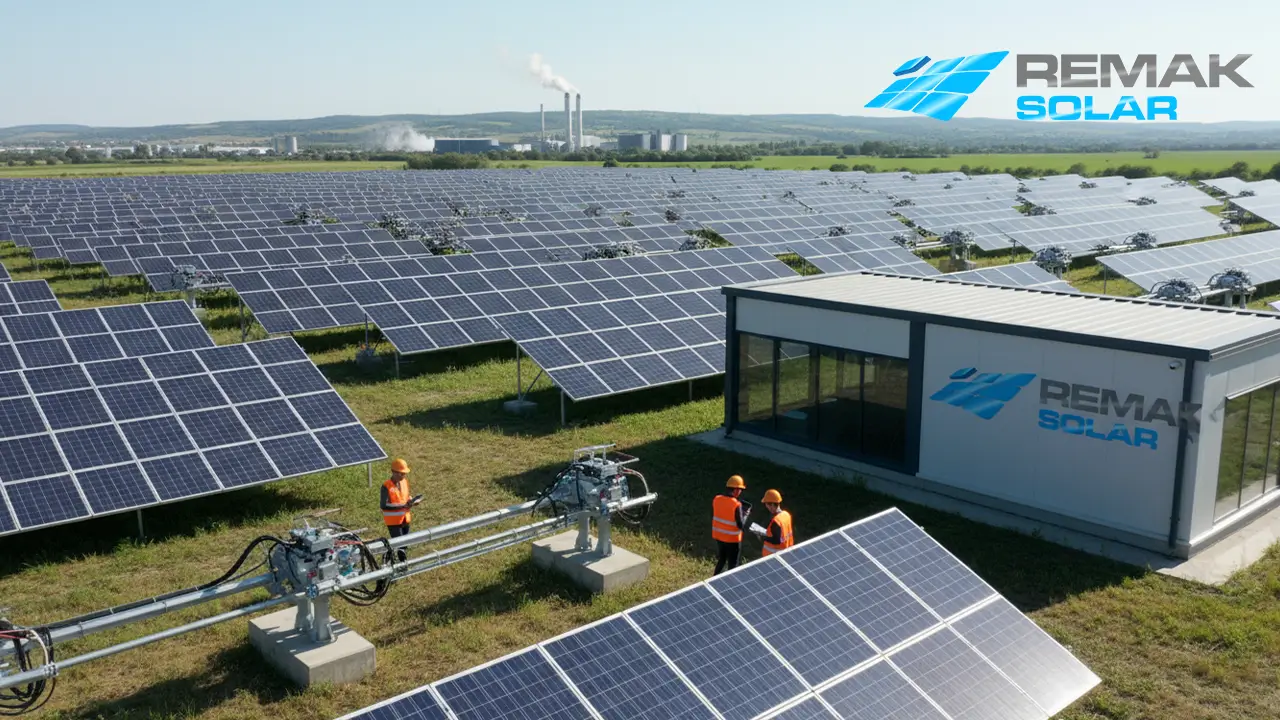
How many years a panel will last largely depends on how you treat it after installation. Small but regular habits can extend the panel’s lifespan by years. Here are the practices that make the biggest difference:
- Clean regularly: Dust, leaves and bird droppings accumulating on the panel surface block sunlight. Keeping the surface clean preserves efficiency.
- Prevent shading: Tree branches or new structures may cast shade on the panel over time. Keeping the surroundings under control is important.
- Have the connections checked: Looseness in cables and connection points does not turn into major failures if detected early.
- Get professional maintenance: Expert inspection once a year reveals problems that are not visible to the eye.
- Choose quality equipment: The quality of components such as the mounting system and bearings affects durability as much as the panel itself.
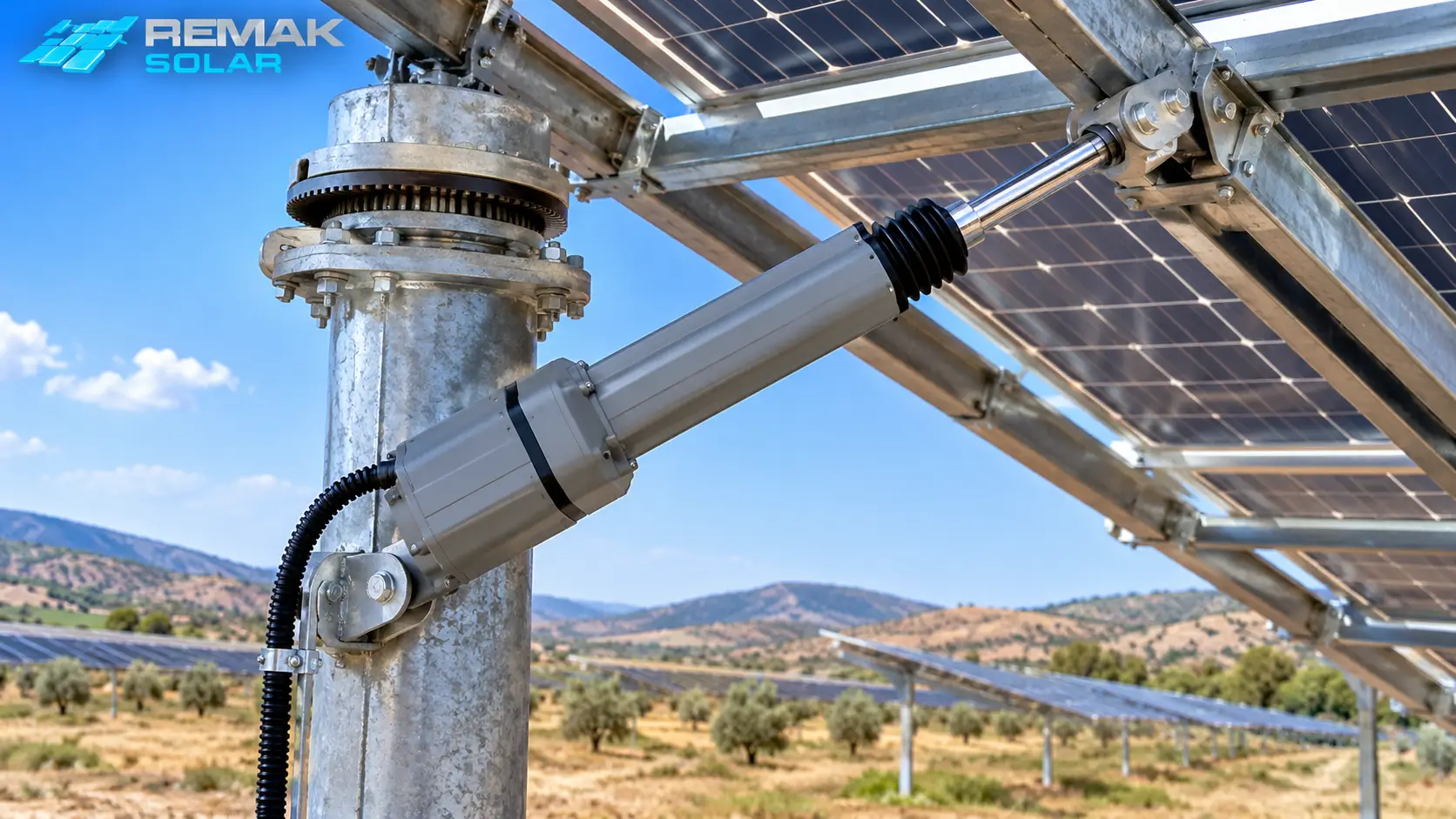
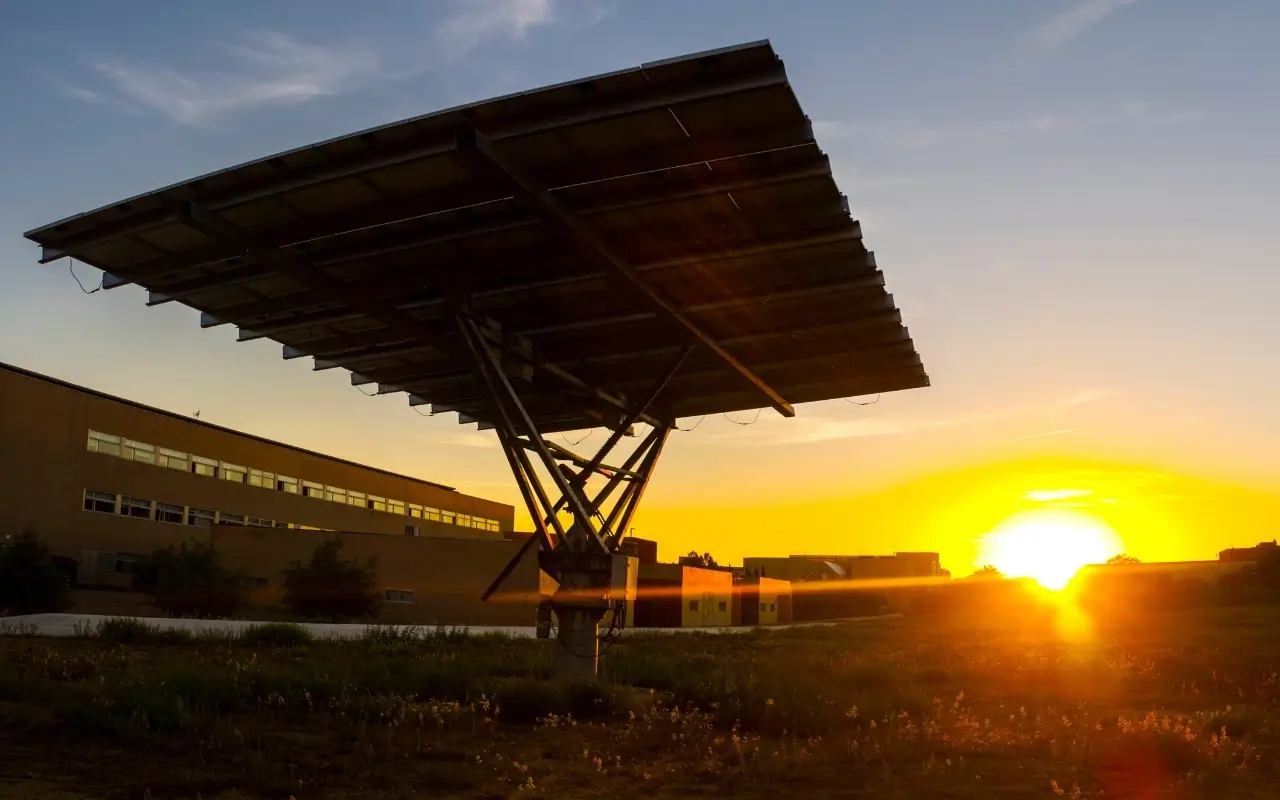
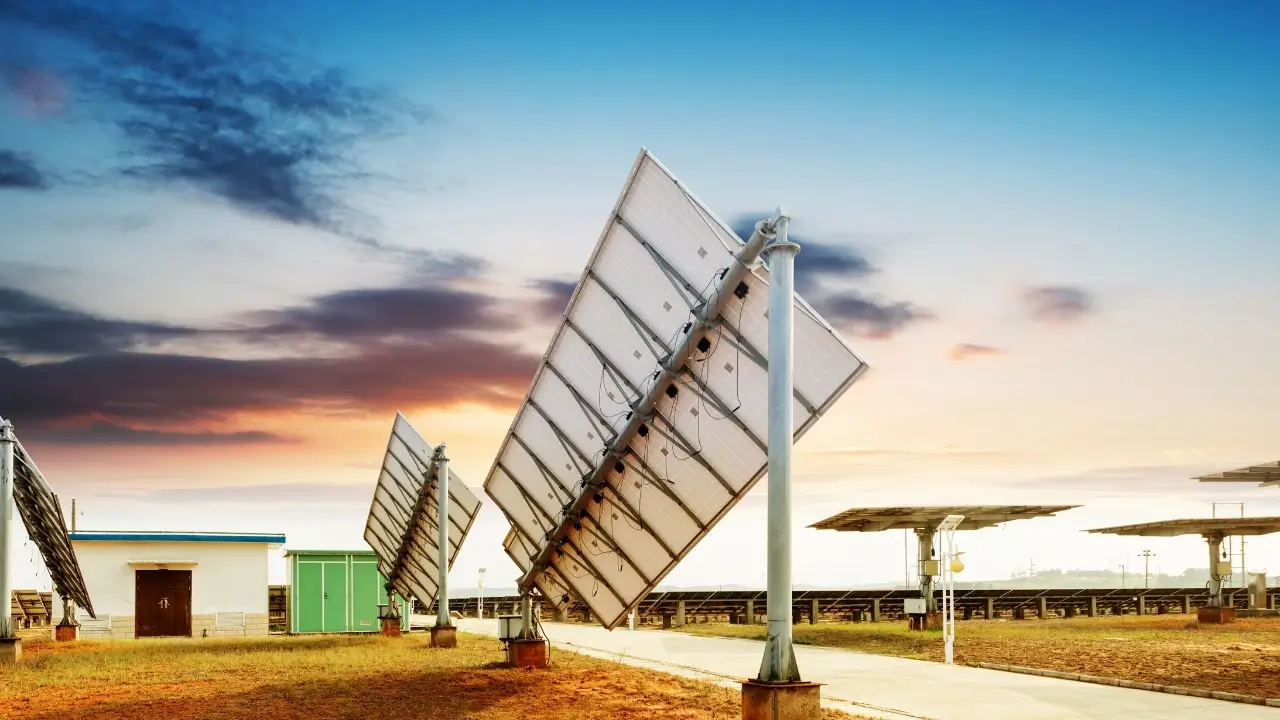
Another way to preserve efficiency is to ensure that the panel sees the sun at the best angle. In fixed systems, this angle does not change throughout the year, but when systems that follow the sun throughout the day are used, the panel produces more energy. Such systems both increase production and accelerate the return on investment.
What Happens to Panels That Have Reached the End of Their Lifespan?
A panel does not completely stop producing at the end of 30 years, but its efficiency may drop to a level that is no longer economical. At this point, what happens to the panel matters both environmentally and economically. The good news is that most solar panels are recyclable.
Panels contain reusable materials such as glass, aluminum and silicon. In recycling facilities, these materials are separated and reintroduced into production. Thus, the burden on nature is reduced and valuable raw materials are not wasted.
Instead of disposing of panels that have reached the end of their lifespan randomly, the best approach is to direct them to organizations that provide recycling services. As the sector grows, solutions in this field are becoming more widespread every day.
What Does Solar Panel Lifespan Mean in Terms of Investment?
When investing in a solar panel, the main point to consider is not the initial cost, but the total gain the system will provide throughout its lifespan. A system that generates electricity for 25 to 30 years usually pays for itself within the first 6 to 10 years. The remaining period largely remains as profit.
There are ways to make this picture even better. Systems that follow the sun can be preferred to maximize the energy produced by panels throughout their lifespan. These systems move the panel together with the sun and provide significantly more production compared to fixed installations.
Long lifespan is one of the most important features that makes solar energy so attractive. Once installed, the system operates for decades with low operating costs. In summary, when planned correctly, a solar panel is an investment that provides long-term gains for both the environment and the budget.
FAQ About Solar Panel Lifespan
Do solar panels fail after 25 years?
No, panels do not suddenly fail or stop working at the end of 25 or 30 years. Manufacturers give this period for a certain efficiency commitment. When this period ends, your panel only continues to produce electricity at a lower level compared to its initial power.
How much efficiency do solar panels lose per year?
The efficiency of solar panels naturally decreases by very small amounts every year. This rate, called "annual degradation" in the industry, is usually around 0.5 percent per year. In other words, a high-quality panel retains approximately 90 percent of its initial power even at the end of 20 years.
Which solar panel lasts longer?
The longest-lasting and most durable option on the market is generally monocrystalline solar panels. Since they are produced from high-purity silicon, they perform for 30 years or more. Polycrystalline panels also have a long lifespan, but their efficiency losses may be slightly faster compared to monocrystalline panels.
Let’s discuss the right solar tracking system for your project
Our team can prepare a custom offer for our solar tracker gearbox, control panel and actuator solutions.
Do Comment