

Other Blog
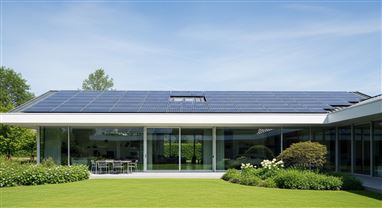
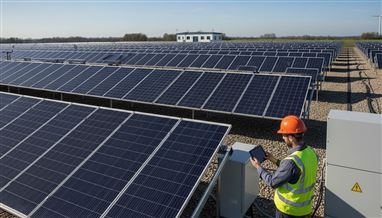
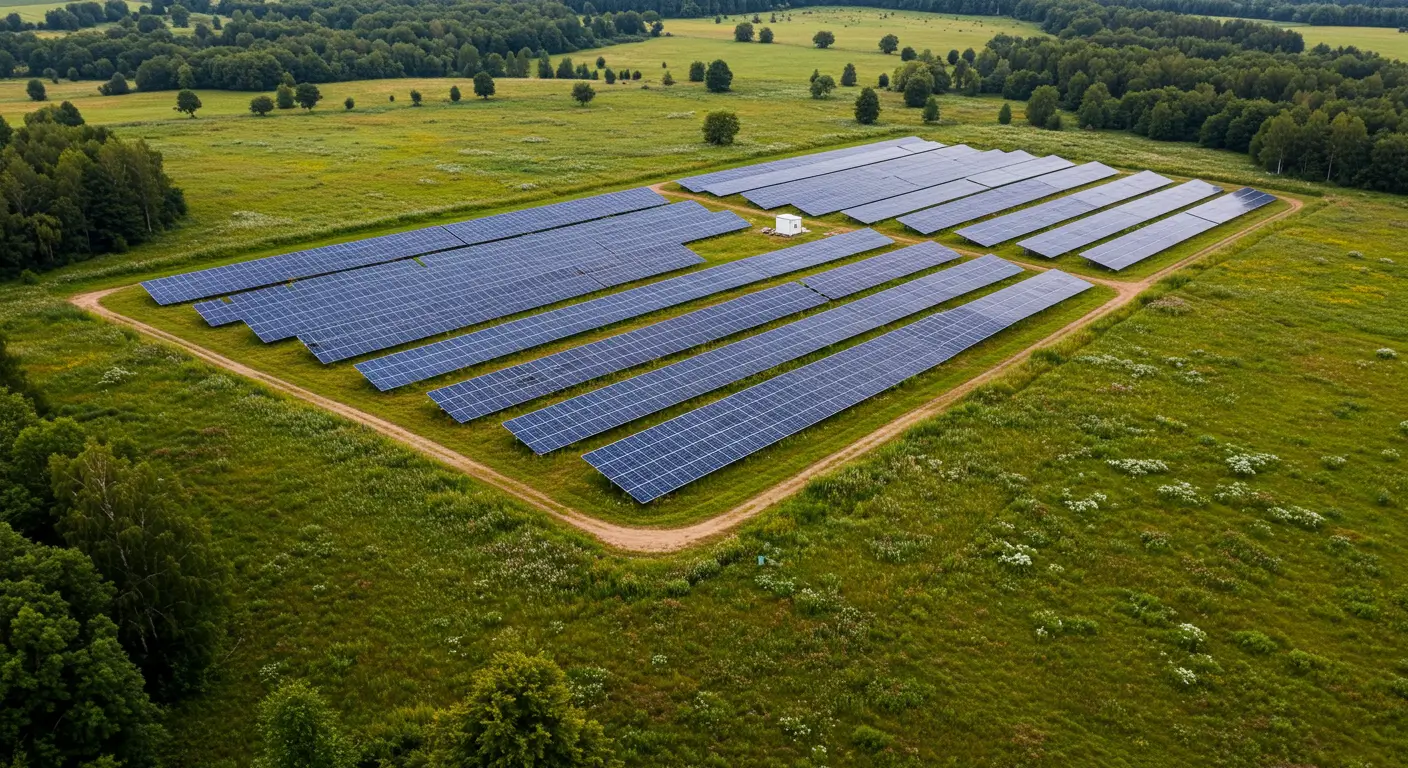
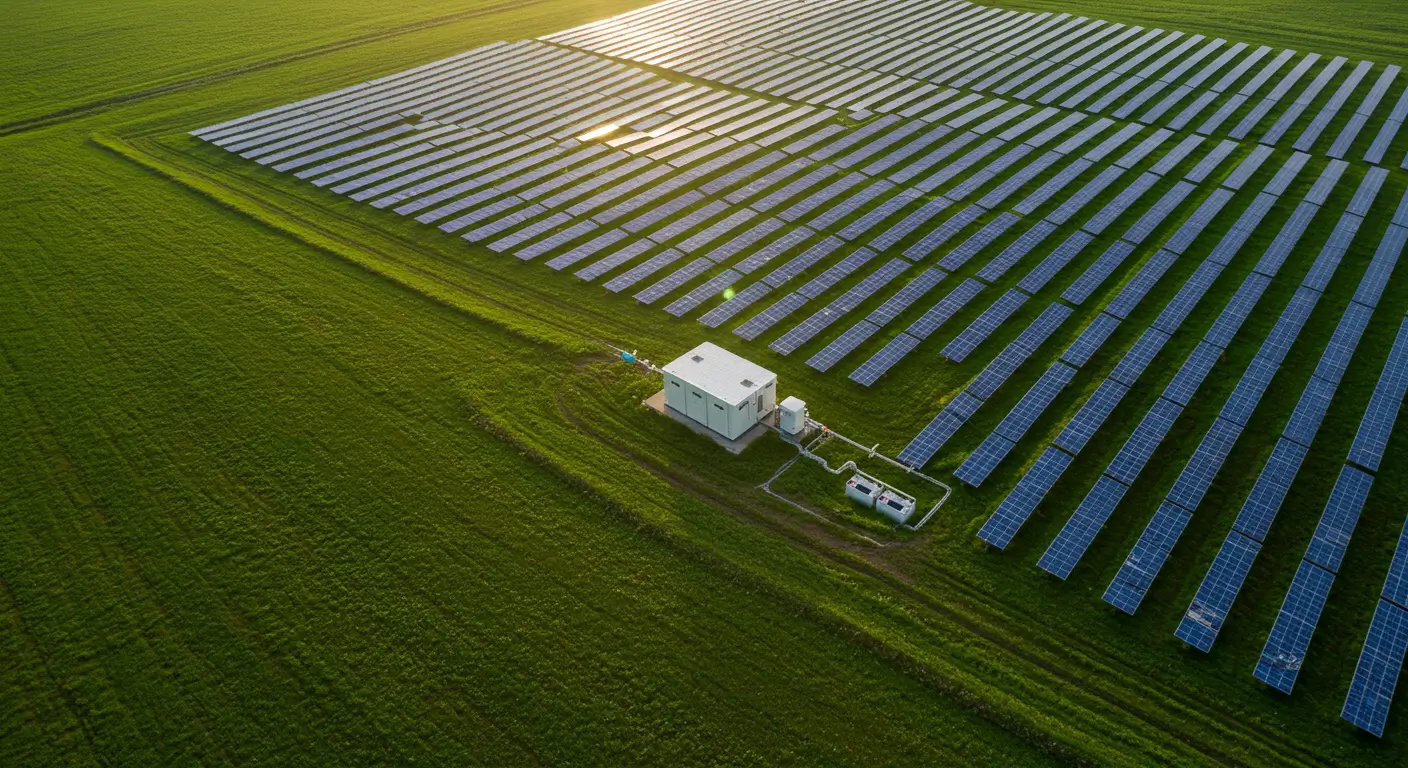

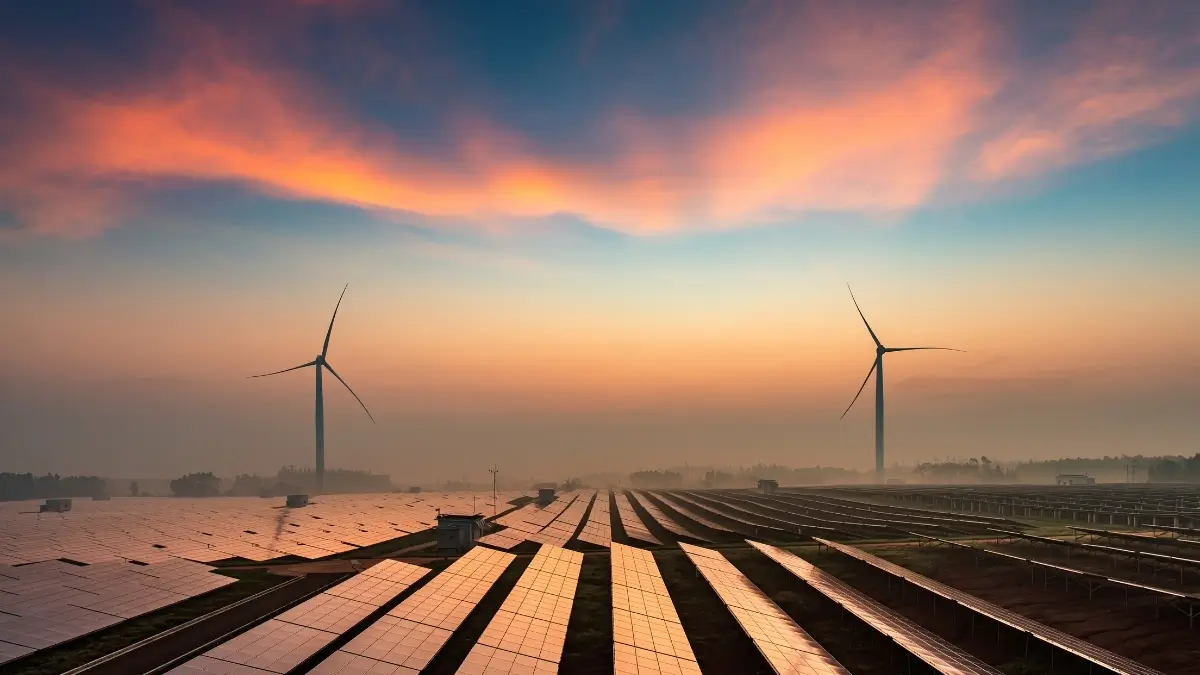
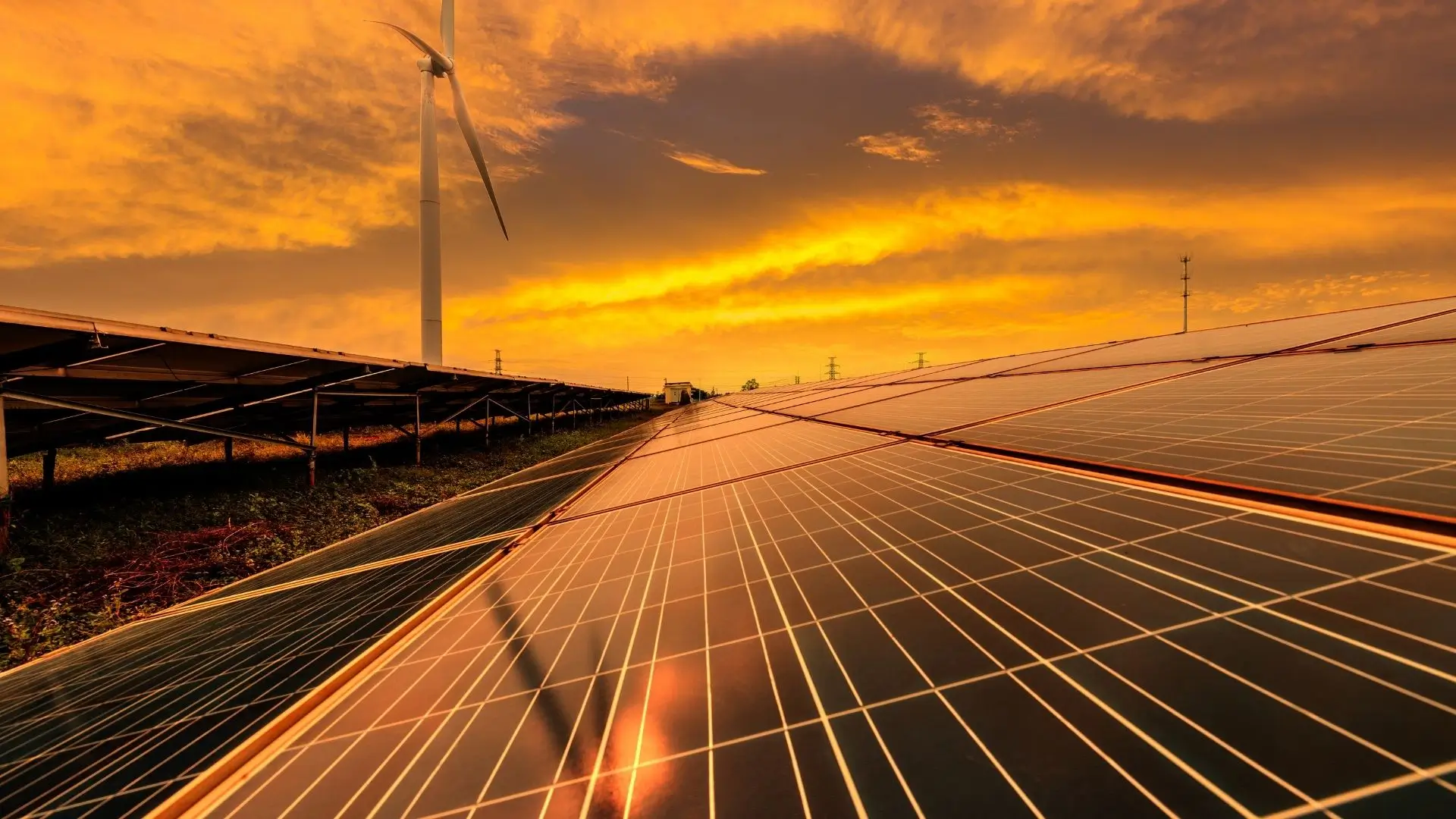
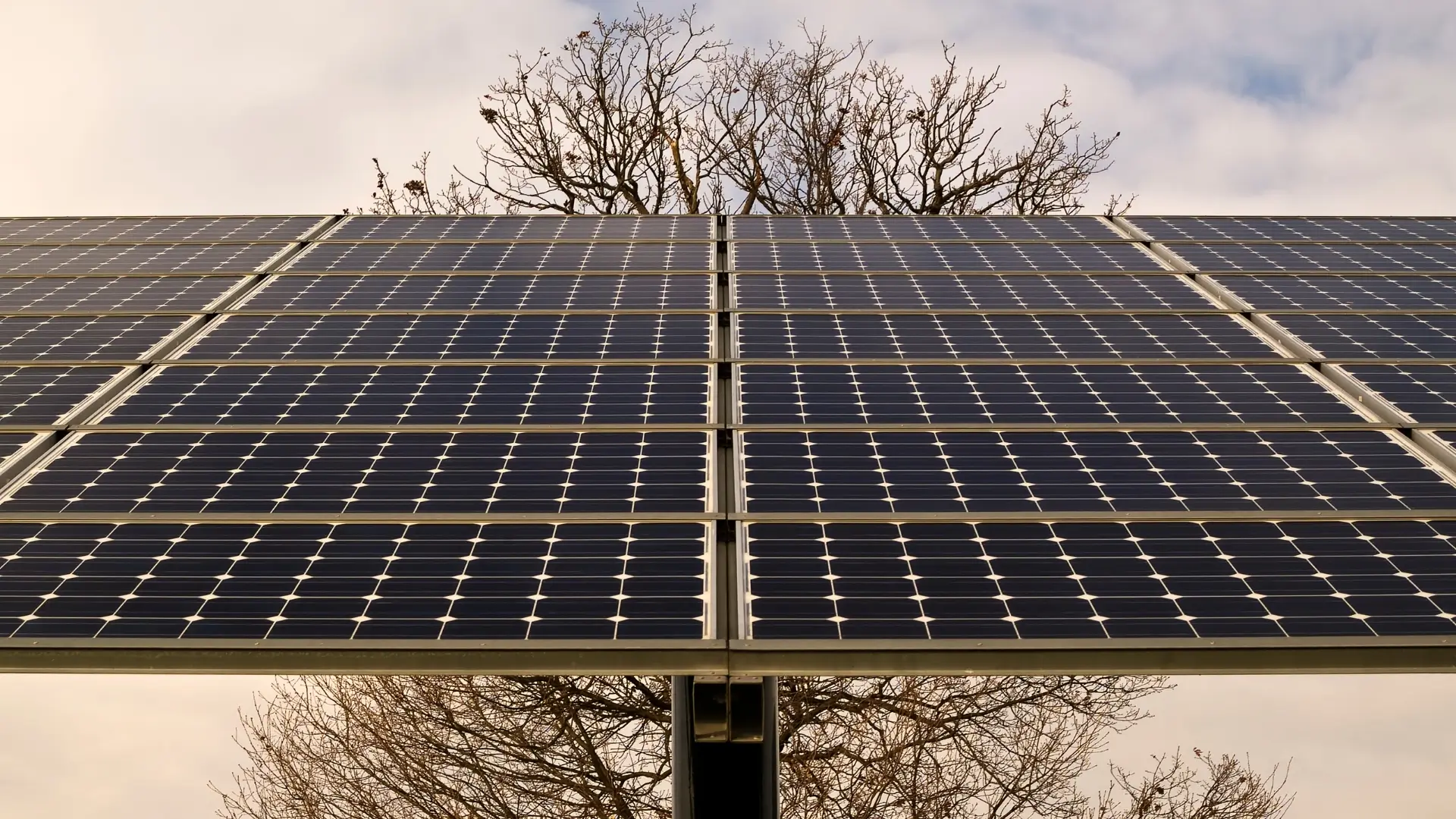
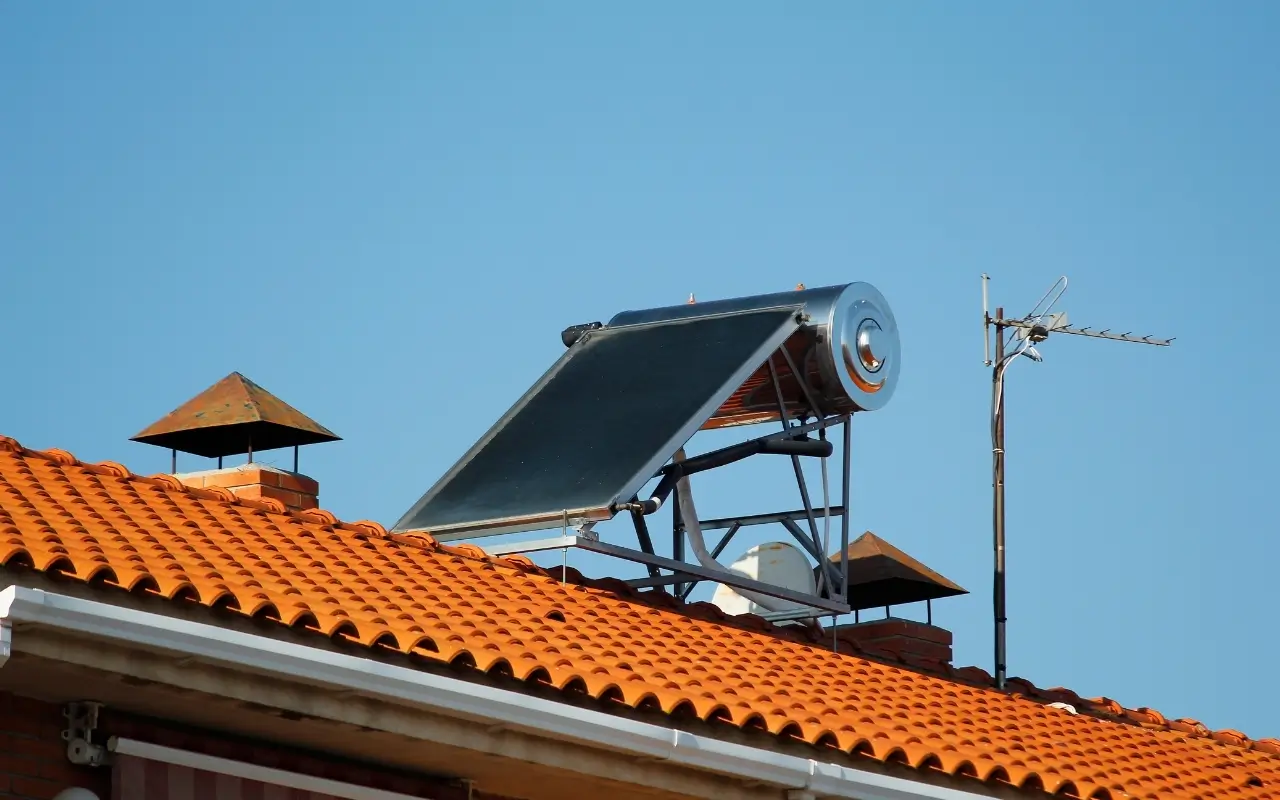
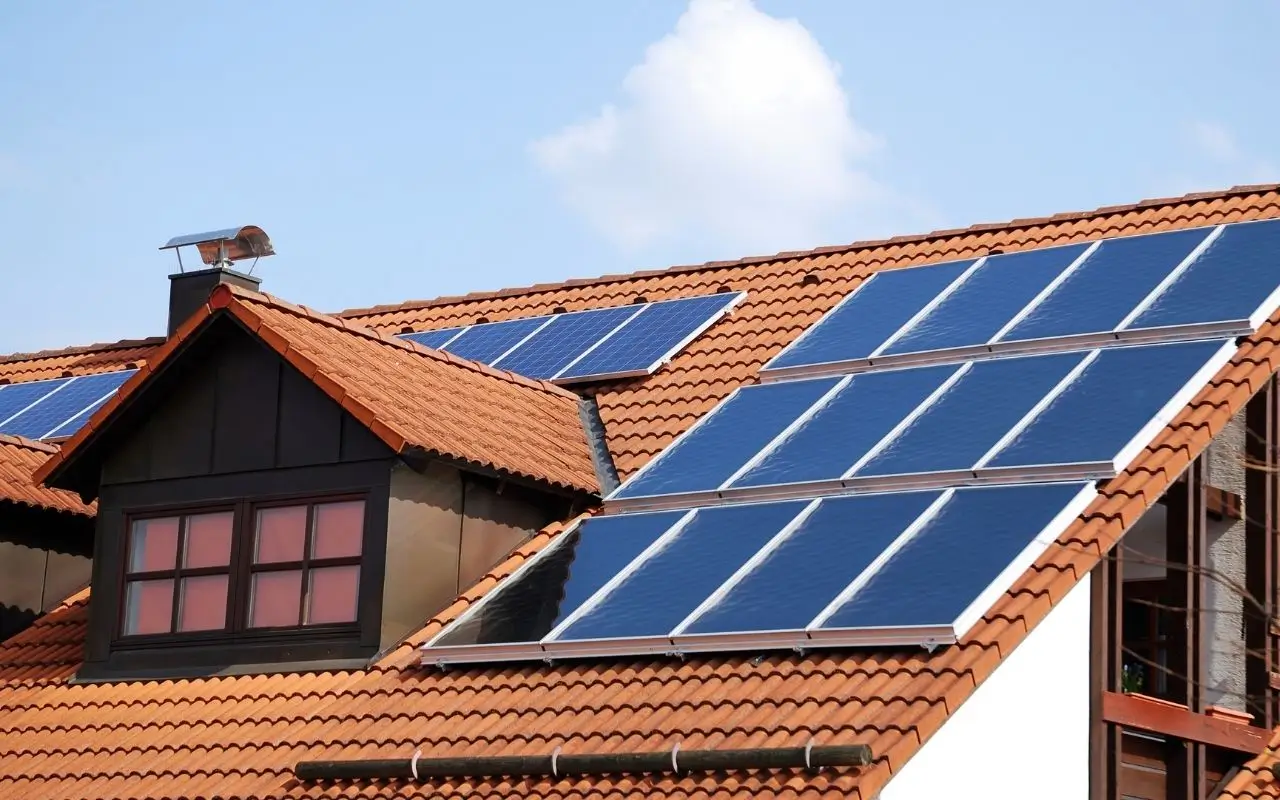
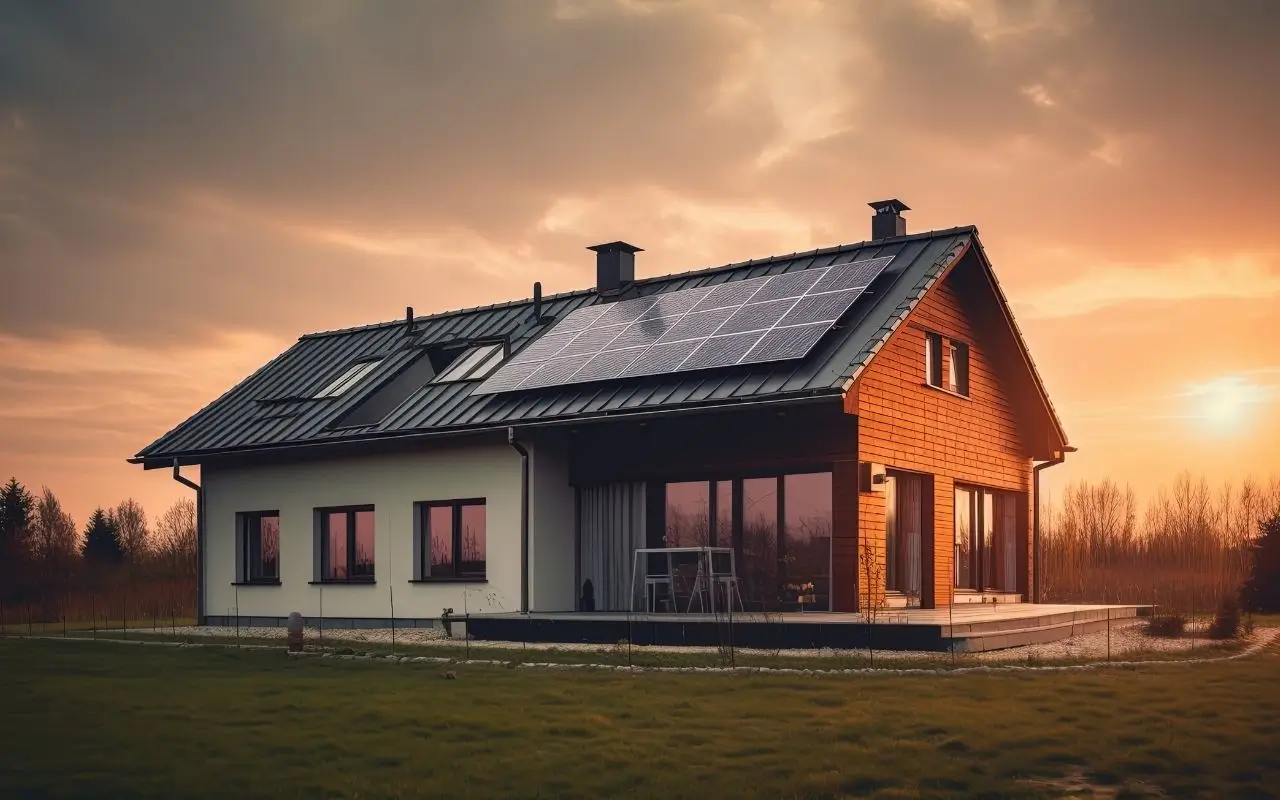
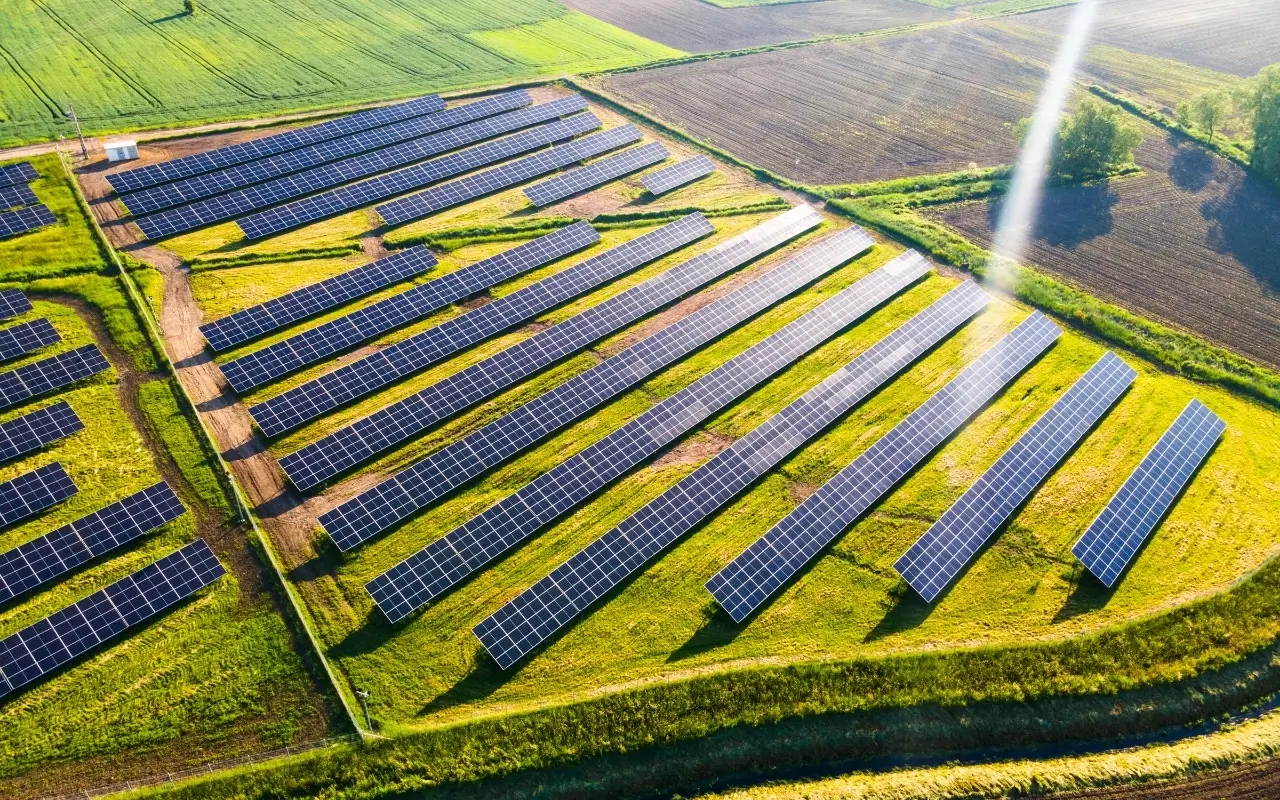
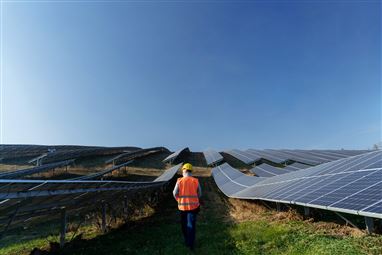
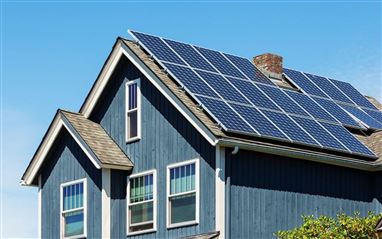
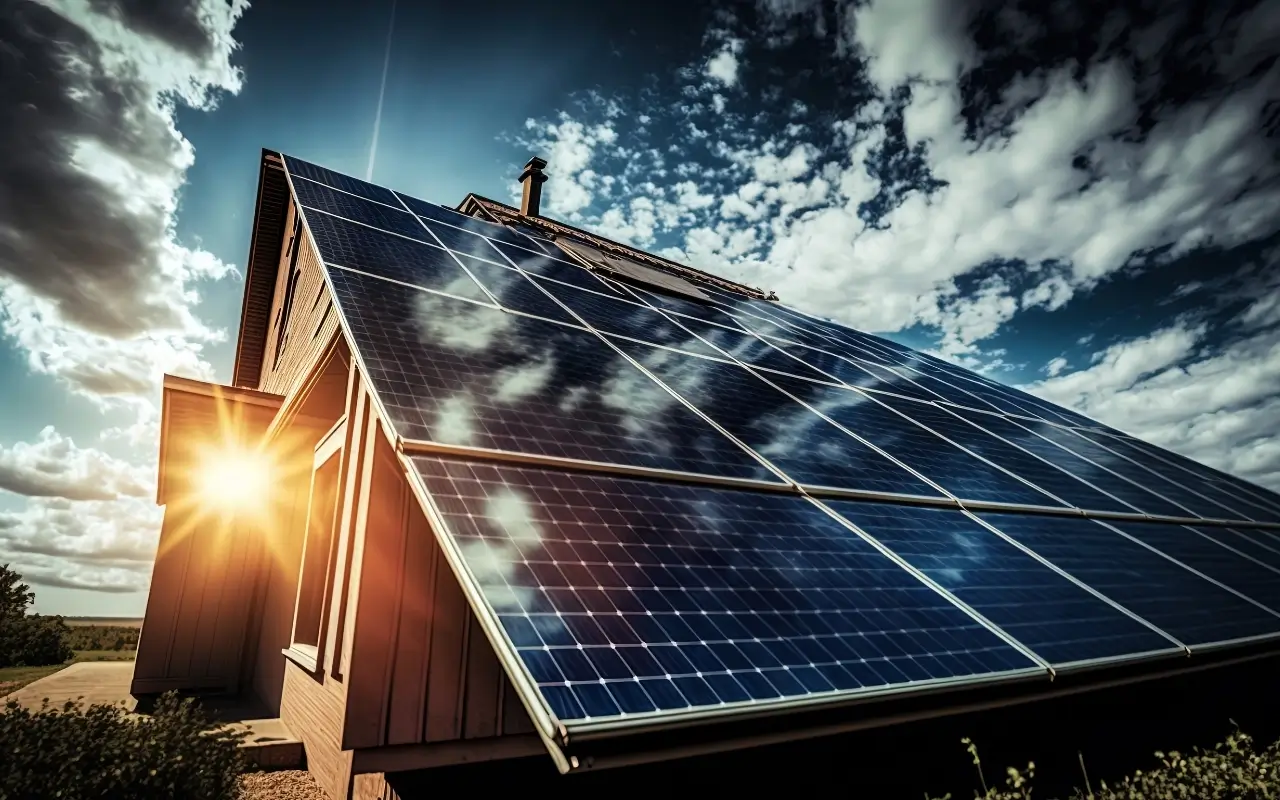
YEKDEM, officially known as the Renewable Energy Resources Support Mechanism, is an incentive system that offers a fixed purchase price under state guarantee to power plants generating electricity from sources such as solar, wind, hydroelectric, geothermal and biomass. In short, a solar power plant owner can sell the electricity they generate at a predetermined price that does not change for a certain period, instead of leaving it exposed to fluctuations in the free market.
The mechanism was implemented in Turkey in 2011 based on Renewable Energy Law No. 5346. Its purpose was very clear: to make clean energy production attractive, reduce price uncertainty for investors and decrease the country’s foreign dependency in energy. For many years, YEKDEM played a decisive role in making especially solar power plants financially viable.
The duration of the price guarantee is generally applied as ten years from the date the power plant starts operation. This ten-year window is the most critical period in which the investor repays the loan, covers operating expenses and amortizes the project. Therefore, it is more accurate to think of YEKDEM not merely as a tariff, but as a support column that holds up the financial structure of a solar power plant project.
Energy Sources Covered by YEKDEM
It is a common misconception to think that this mechanism is limited only to solar energy. In fact, YEKDEM covers many generation facilities that fall under the definition of renewable energy, and a different purchase price is determined for each source. The reason the tariff changes according to the type of source is that each technology has different installation costs and production conditions.
The main sources supported under the mechanism are as follows:
- Solar energy: Licensed facilities and facilities under certain conditions that generate electricity with photovoltaic panels.
- Wind energy: Power plants producing electricity with onshore and offshore wind turbines.
- Hydroelectric: Dam-type and run-of-river hydroelectric generation facilities.
- Geothermal energy: Power plants that convert underground heat sources into electricity.
- Biomass: Facilities that generate energy from organic waste and plant-based materials.
The common point of these sources is that they rely on inexhaustible natural cycles and minimize greenhouse gas emissions during production. From the investor’s perspective, the common point is this: whichever source you choose, when you meet certain conditions, you gain access to a predictable revenue model. Solar power plants have become one of the most preferred among these sources thanks to their short installation period and low operating costs.
How Are YEKDEM Prices Determined?
Understanding how prices are formed is the most important step in understanding YEKDEM’s impact on investors. Tariffs are not determined randomly; they are based on concrete criteria such as the type of source, the efficiency of the technology used and the commissioning date of the facility. In other words, two different power plants installed in the same region may be subject to different price regimes because they were commissioned in different years.
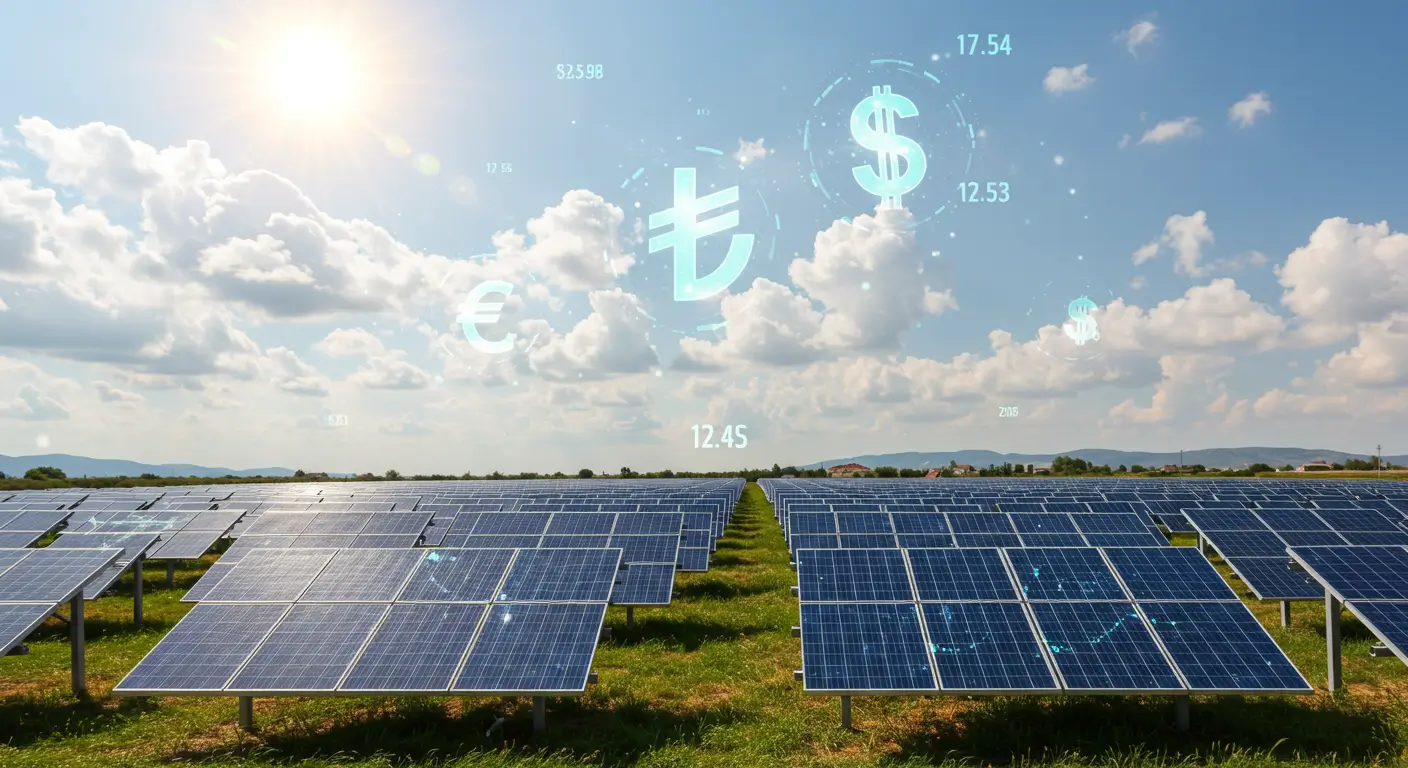
For a long time in Turkey, YEKDEM prices were determined in US dollars, which provided investors with natural protection against exchange rate increases. However, for facilities commissioned as of July 1, 2021, the mechanism was shifted to a Turkish lira basis and support amounts were updated. This change became an important turning point requiring exchange rate risk to be calculated more carefully in the financial planning of new investments.
In addition to the price, there is also a domestic contribution support. Power plants that procure components such as panels, inverters and mounting structures from domestic production receive an additional incentive on top of the standard tariff. The aim of this practice is both to increase the investor’s income and support the development of the domestic energy industry. The duration of the domestic contribution is generally kept shorter than the main tariff, but it provides a visible contribution to the cash flow in the first years of the project.
What Does YEKDEM Mean for Solar Power Plant Investors?
For someone investing in a solar power plant, the biggest question mark is after how many years and at what price the generated electricity will turn into revenue. YEKDEM is so valuable in the eyes of investors precisely because it eliminates this uncertainty. A fixed and guaranteed purchase price makes the project’s payback period calculable on paper.
This predictability is also decisive during the financing stage. While banks and financial institutions approach projects with uncertain revenue streams cautiously, they are more willing to provide loans to a solar power plant project under YEKDEM guarantee. Because the annual production of the plant and the payment to be received in return for this production are largely predictable. In short, YEKDEM is not only a revenue source, but also a guarantee that increases the project’s credibility in the eyes of banks.
However, it should also be noted that YEKDEM is not always the option that brings the highest income. During periods when free market prices rise, a power plant tied to a guaranteed tariff may earn less than it would in the market. Therefore, the investor should evaluate YEKDEM like an insurance premium against market fluctuations and establish the balance between the security it offers and the potential return according to their own risk appetite.
Advantages Offered by YEKDEM to Solar Power Plant Investors
When we examine the value the mechanism adds to the investor one by one, the picture becomes much more concrete. The headings below summarize why YEKDEM is evaluated so carefully during the planning stage of a solar power plant project:
- Revenue guarantee: A known price in advance for every kilowatt-hour produced clarifies the profit projection.
- Ease of credit: Predictable income accelerates the financing process and improves interest conditions.
- Protection against market risk: The fixed tariff acts as a buffer during periods when electricity prices fall.
- Long-term planning: The ten-year guarantee enables a healthy setup of the operation and maintenance budget.
- Domestic contribution support: The use of domestic equipment returns to the project as additional income.
All these advantages serve one single goal at the same time: reducing investment risk. By nature, the energy sector is a field with high initial costs and long-term planning. YEKDEM stands out as one of the strongest predictability tools available to investors on this long journey. Especially for entrepreneurs who will invest in solar power plants for the first time, this guarantee is an important factor that facilitates the decision-making process.
The Process Followed to Benefit from YEKDEM
Benefiting from the mechanism is not something that happens automatically by simply establishing the power plant and starting production. The investor must complete a specific administrative process and obtain all required documents completely. This process generally proceeds together with the licensing stage of the project.
The first step is to obtain the necessary license or unlicensed generation permission for production activity from the Energy Market Regulatory Authority. Then, a connection agreement is made with the relevant distribution company and the power plant is integrated into the grid. Without completing these stages, it is not possible for the electricity generated to be evaluated under YEKDEM.
At the final stage, the facility obtains the Renewable Energy Resource Certificate and becomes included in the mechanism, and the ten-year purchase guarantee begins. Investors who want to benefit from the domestic contribution must prove with relevant documents that the equipment used is domestically produced. Since compliance with legislation is of great importance at every step of the process, many investors seek expert consultancy support at this stage.
The Post-YEKDEM Period and the Changing Investment Model
Since the energy market is a constantly moving field, YEKDEM has also undergone significant changes over time. The classic dollar-based support model was gradually closed for facilities to be commissioned after a certain date and began to be replaced by new sales models. This means that the rules of the game have changed for those who will make new investments.
At the current point, three main paths stand out for new power plants. The first is YEKA tenders, which are held for areas determined by the state and where competitive bids are submitted. The second is the YEK-G green certificate system, which meets the clean energy demand of corporate buyers and exporters. The third is the model in which electricity is sold directly on the free market without any guarantee. Each of these models offers a different risk and return profile.
In this changing picture, investor success now depends on much more than being tied to a single tariff. Increasing production efficiency, building the right sales strategy and continuously optimizing the performance of the power plant become decisive. In other words, in a period when guaranteed income decreases, every additional kilowatt-hour of production directly reflects on profitability.
Production Efficiency and Return on Investment
Whether YEKDEM is active or has given way to new models, the one unchanging fact is this: the value of a solar power plant investment is directly proportional to the amount of electricity it produces. Of two power plants subject to the same tariff, the one that produces more always pays for itself in a shorter time. Therefore, every detail from panel selection to site design directly affects the payback period.
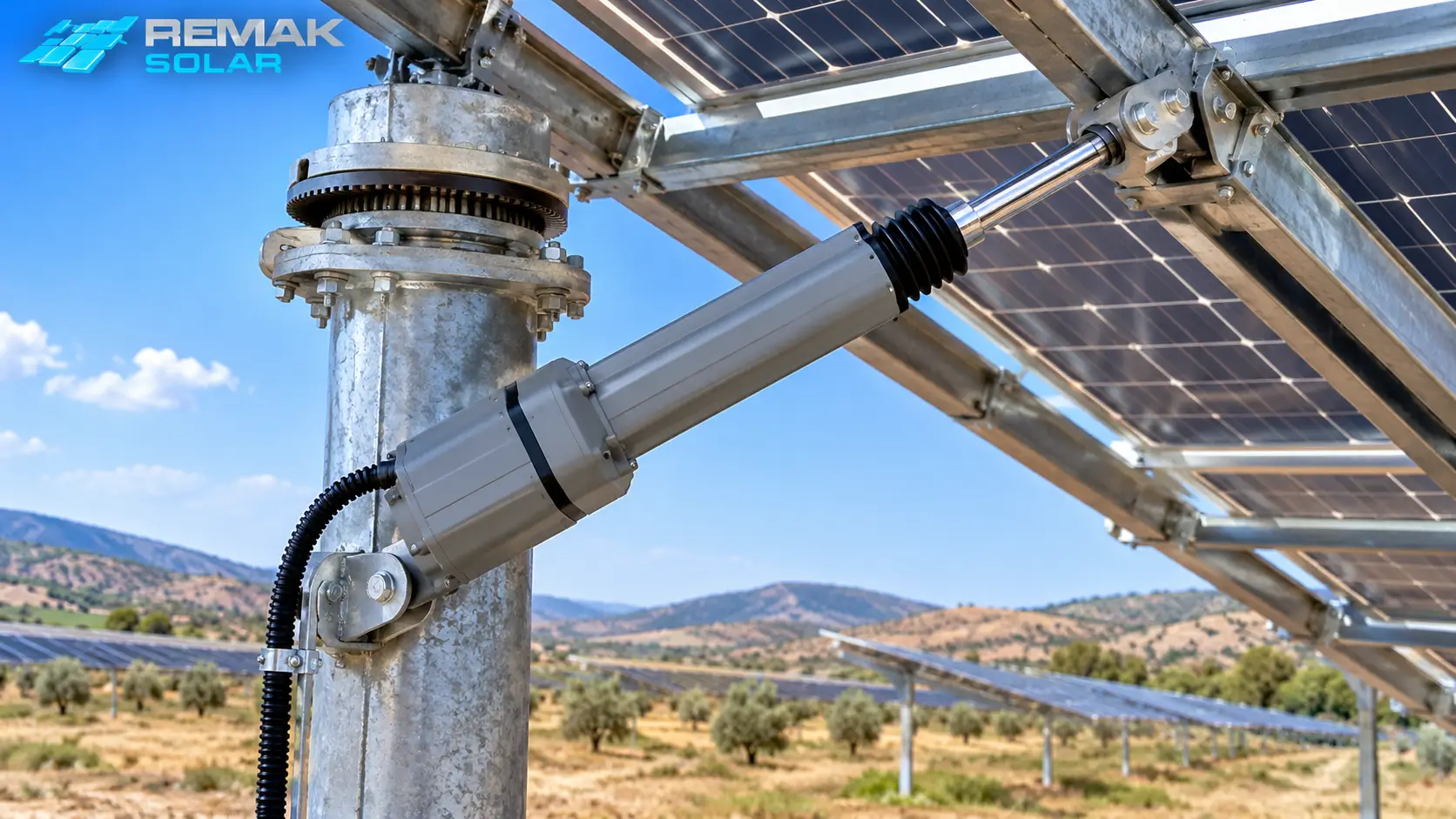
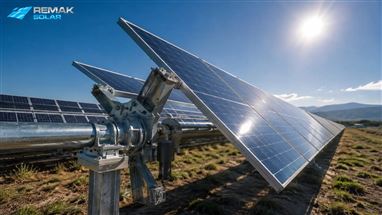
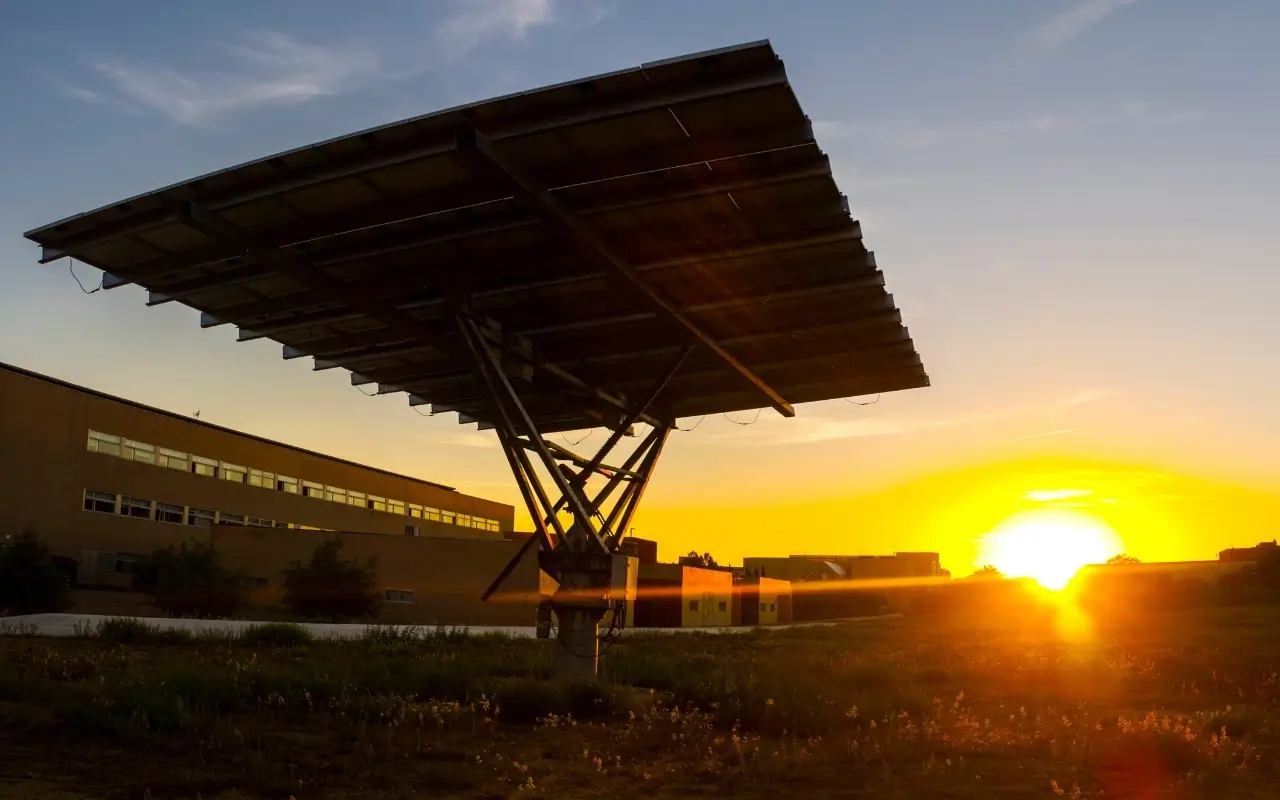
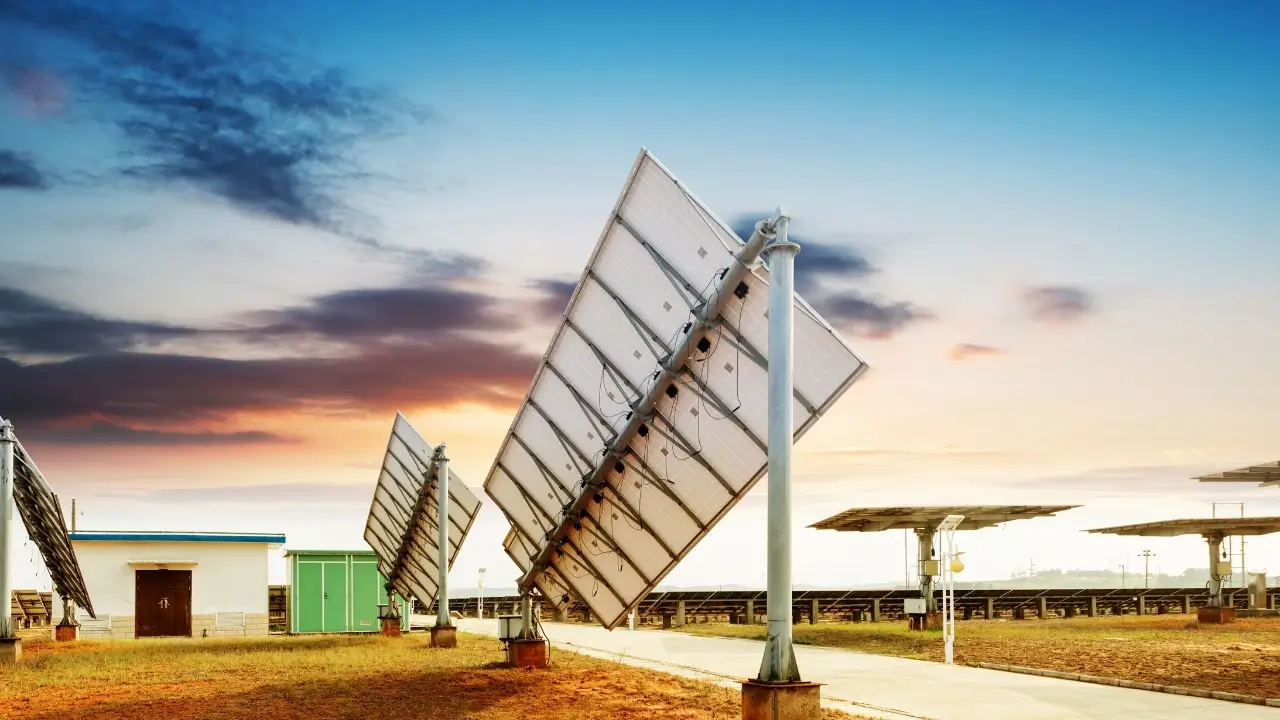
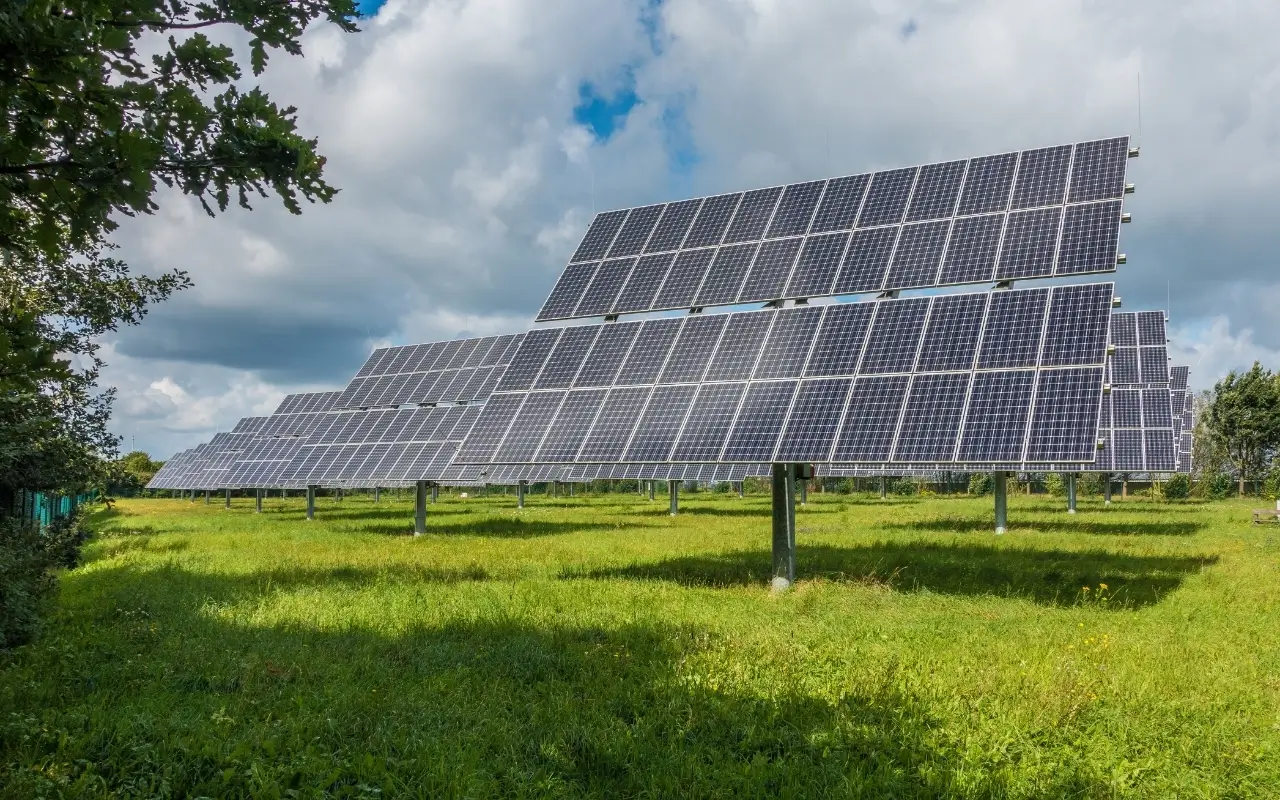
One of the most effective ways to increase production is to ensure that the panels follow the sun throughout the day. While panels in fixed systems are positioned at a single angle, power plants using a solar tracking system direct the panels according to the movement of the sun, significantly increasing production during the day. This increase returns as a serious contribution to annual revenue, especially in large-scale projects.
Two main tracking solutions stand out according to the investor’s needs. Single-axis solar tracker systems, which move only on the horizontal axis, offer an ideal middle ground for projects seeking a balance between cost and efficiency. Dual-axis solar tracker systems, which can move on both horizontal and vertical axes, are preferred for investments targeting the highest possible production. A power plant supported by the right tracking technology stands ahead of its competitors regardless of the revenue model it operates under.
In summary, YEKDEM has been a critical mechanism that placed solar energy investments on a secure foundation for many years, and its effect is still felt today. However, as support models change, the determining factor in investment profitability is increasingly shifting toward production efficiency. With the right technology selection and good planning, a solar power plant project can have both a secure and competitive revenue model.
YEKDEM and Solar Power Plant Investments FAQ
What does YEKDEM stand for and what does it do?
YEKDEM stands for "Renewable Energy Resources Support Mechanism". Its main purpose is to reduce the financial risk of investors by offering a state-guaranteed fixed purchase price to power plants that generate electricity from clean energy sources such as solar, wind and biomass.
How many years does the YEKDEM price guarantee last?
The fixed price and purchase guarantee period established under YEKDEM is applied for 10 years from the date the power plant starts operation. This ten-year period is planned for the project to repay its loan and amortize itself.
Does only solar energy benefit from YEKDEM?
No, YEKDEM does not cover only solar energy. Wind energy, dam-type and run-of-river hydroelectric, geothermal and biomass energy facilities that meet the required conditions can also benefit from this support mechanism.
Are YEKDEM payments made in dollars?
For many years, YEKDEM tariffs were determined in US dollars; however, for new facilities commissioned as of July 1, 2021, this support mechanism was shifted to a Turkish lira basis and prices were updated accordingly.
What is YEKDEM domestic contribution support?
It is an additional incentive payment added on top of the standard YEKDEM tariff for projects that procure plant components such as solar panels, inverters or mounting structures from domestic production. Its purpose is to accelerate the development of domestic industry.
Let’s discuss the right solar tracking system for your project
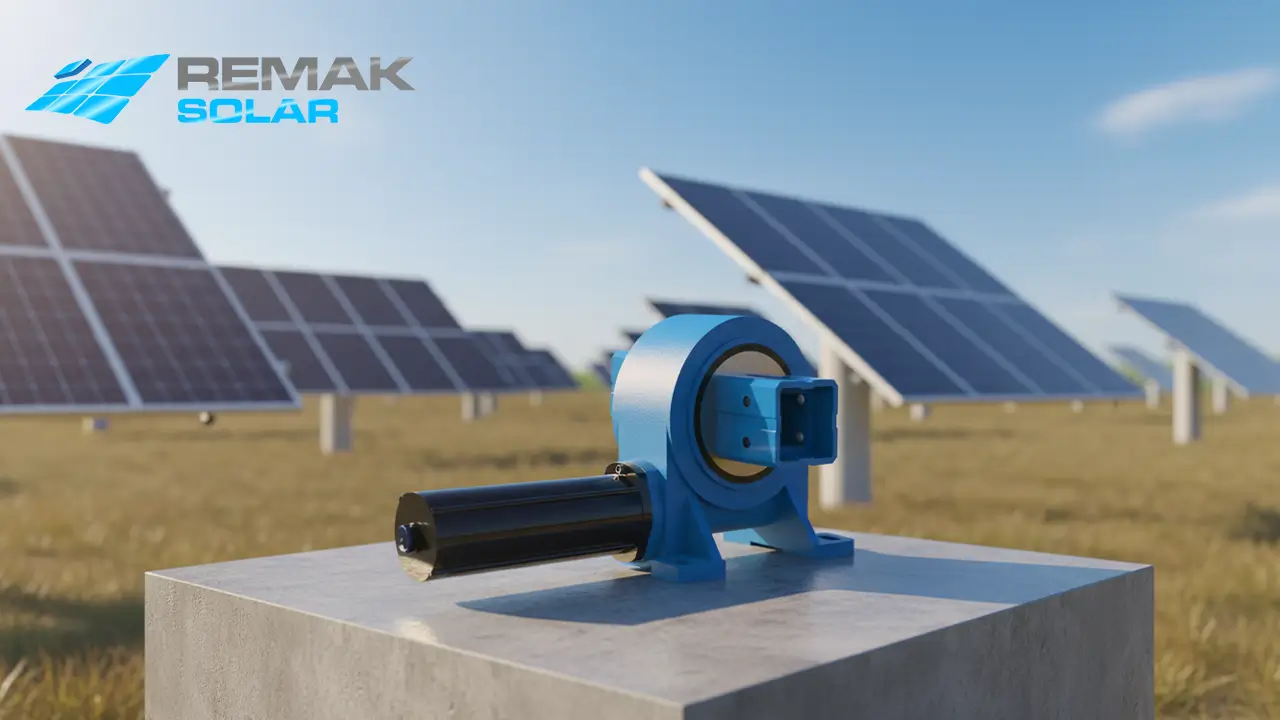
Our team can prepare a custom offer for our solar tracker gearbox, control panel and actuator solutions.
Do Comment