

Other Blog
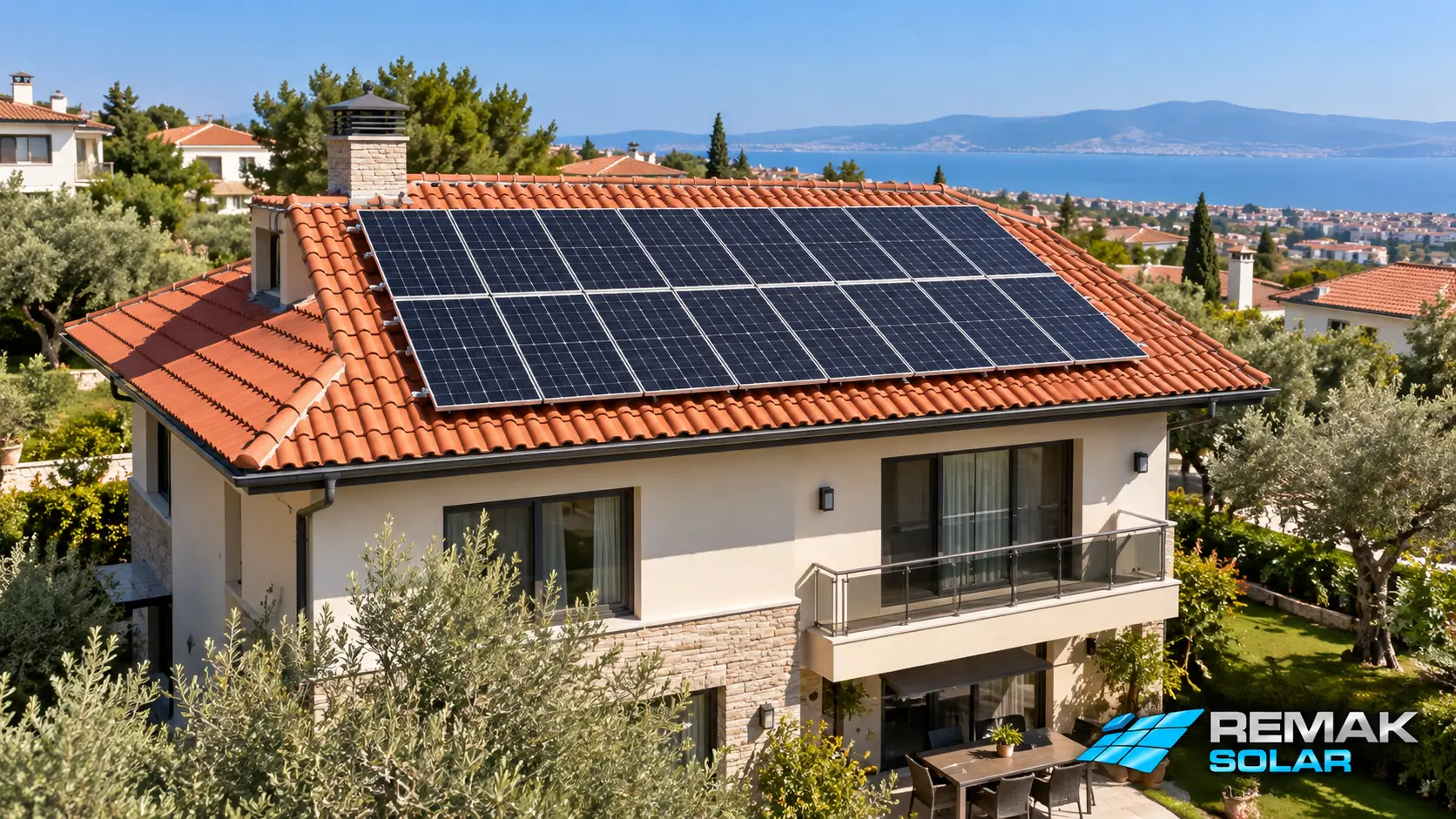
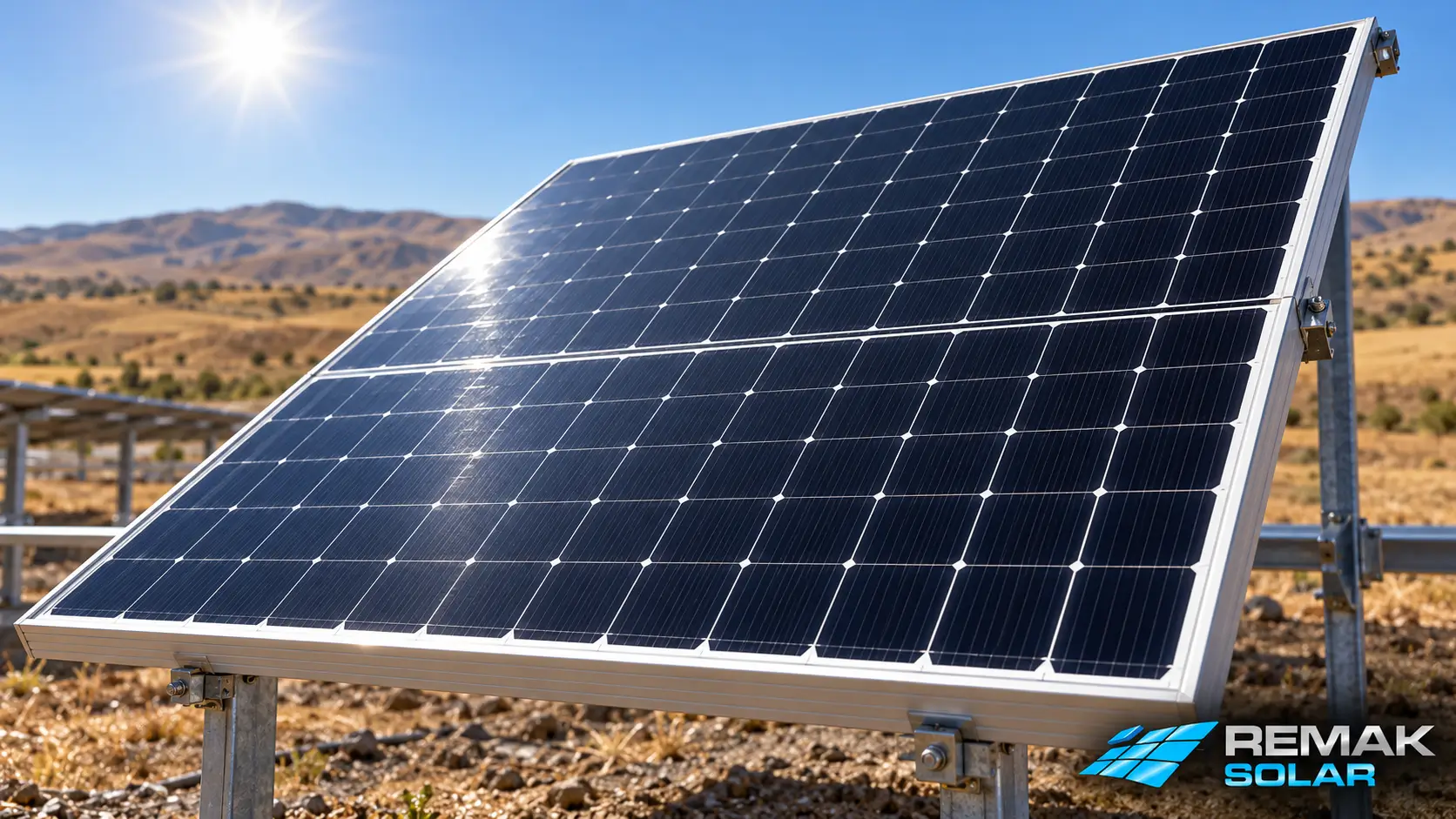
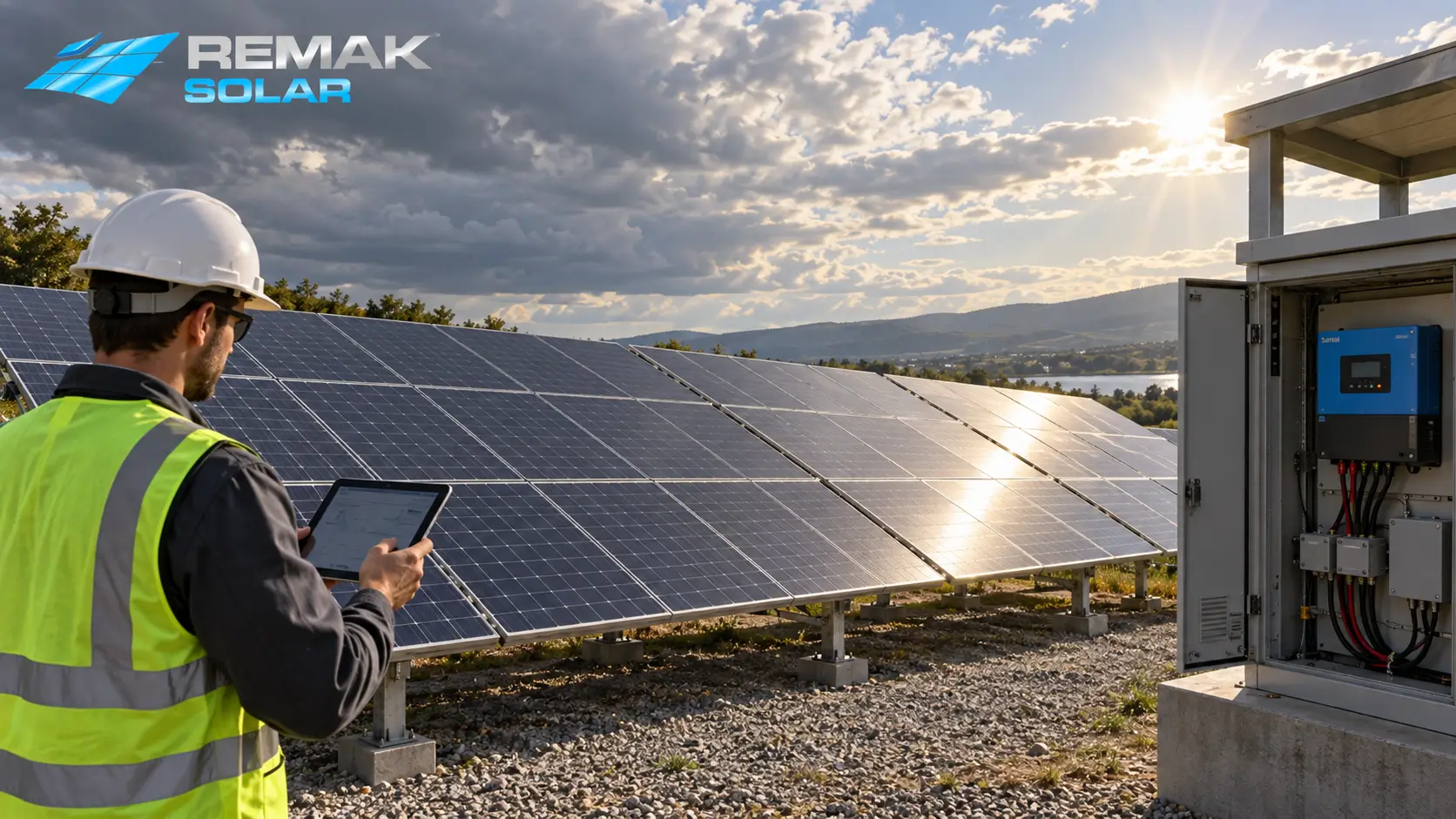
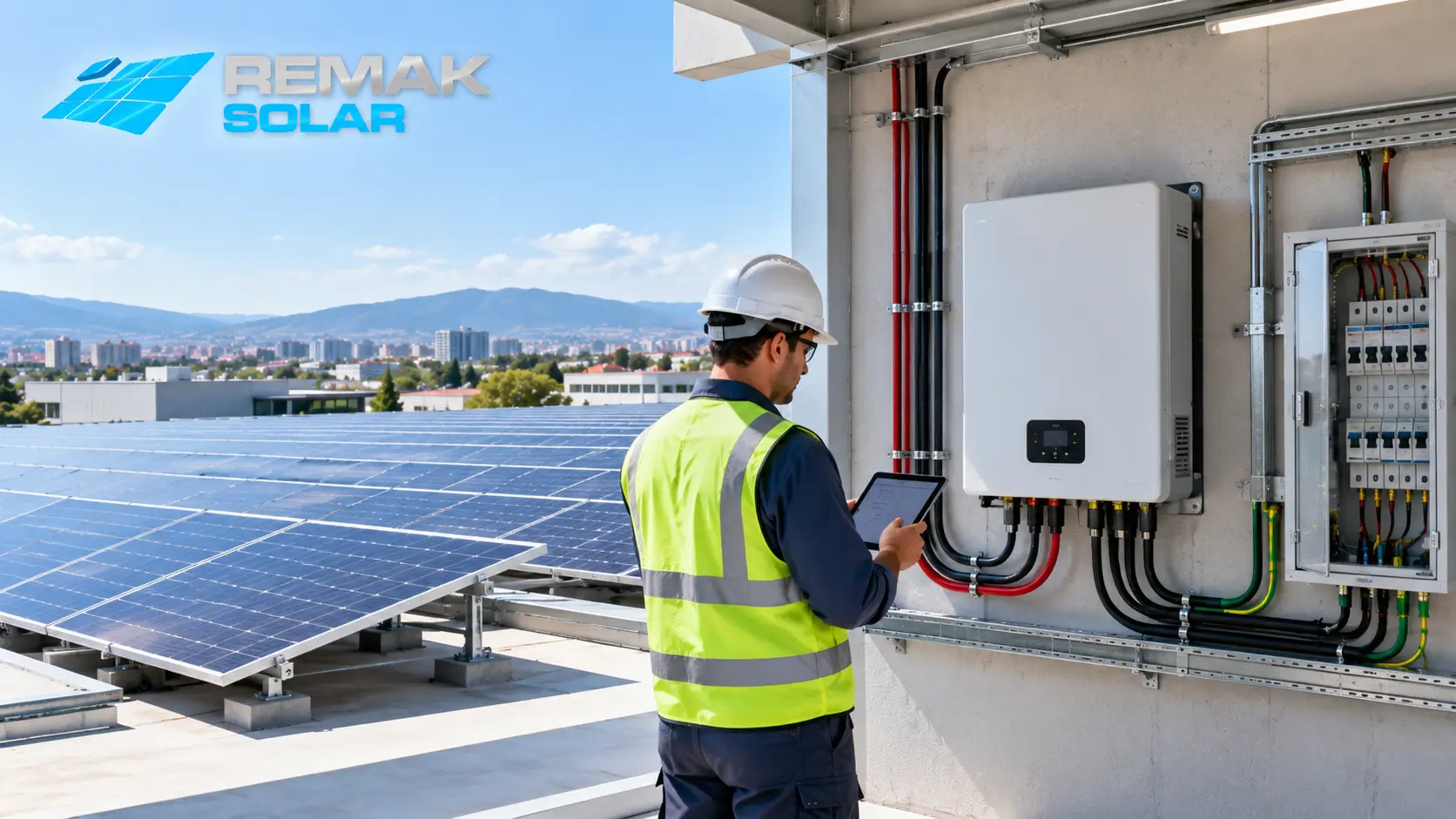
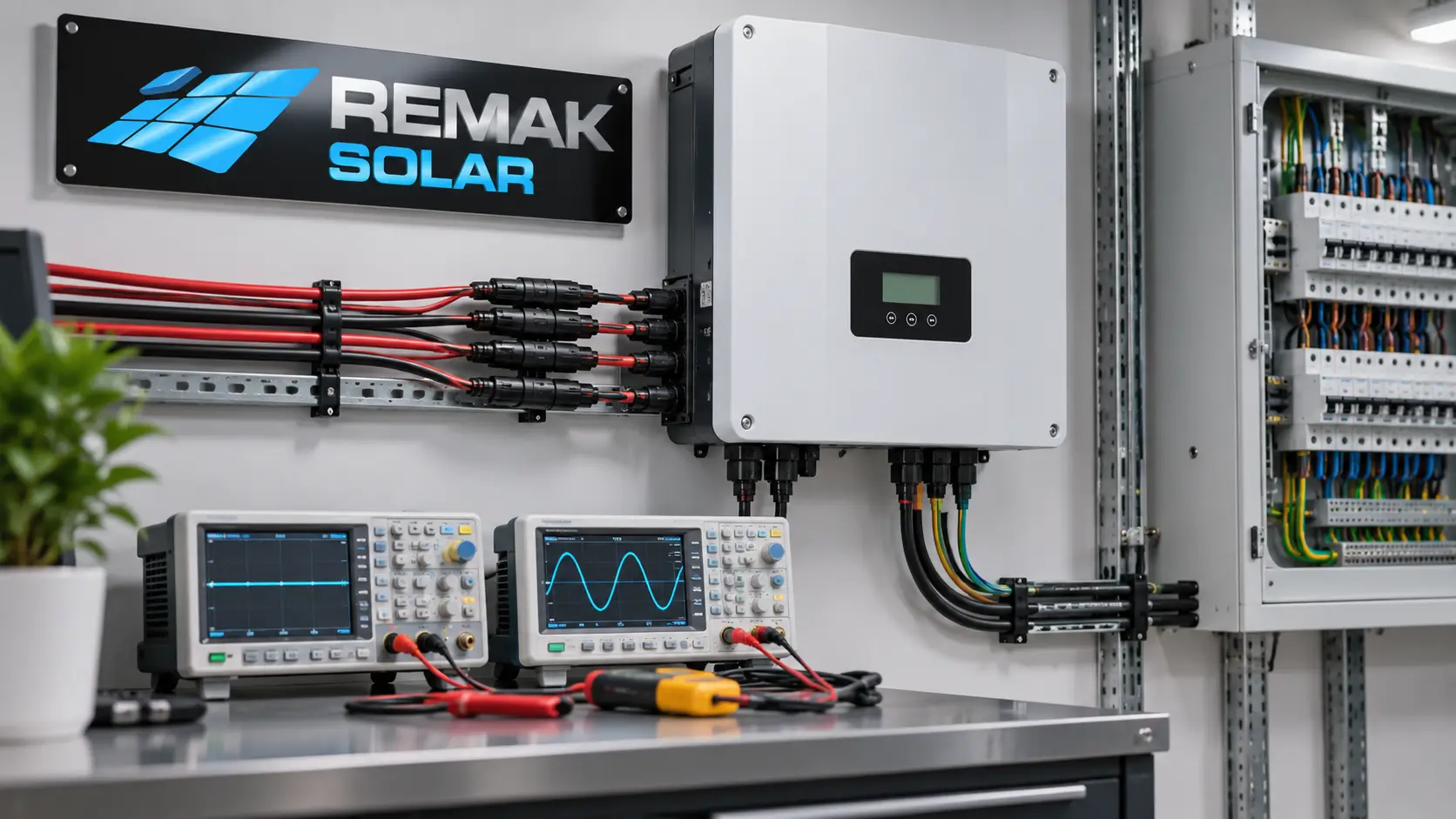
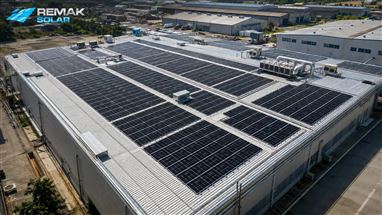
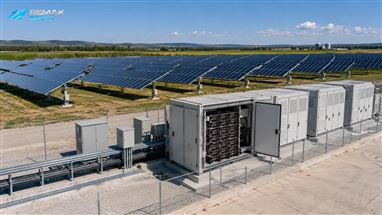
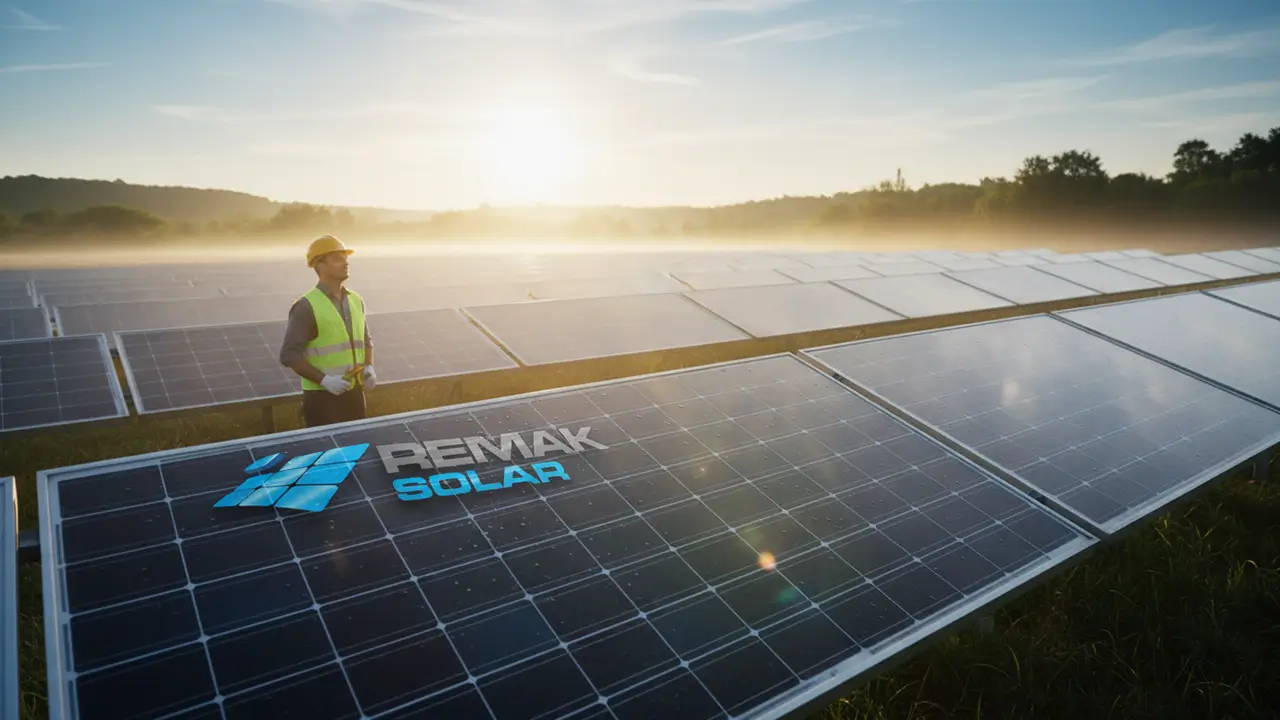
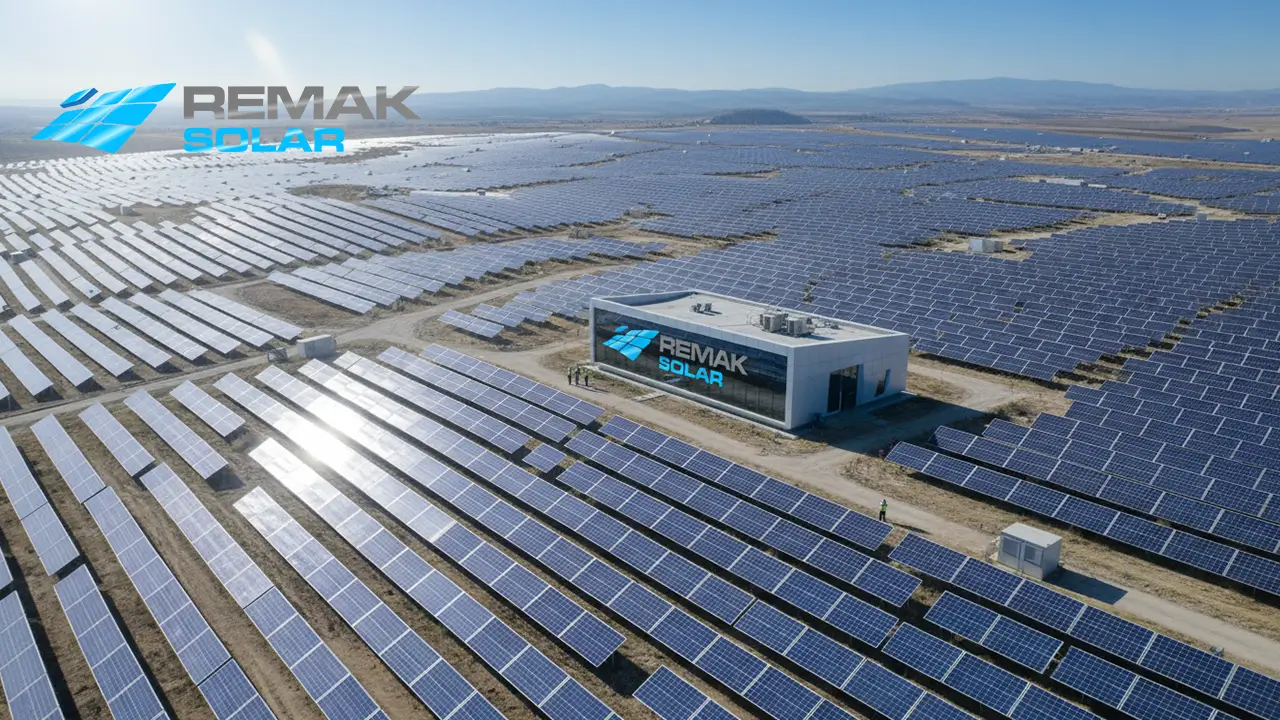
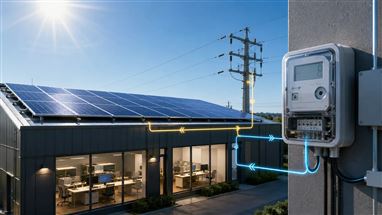
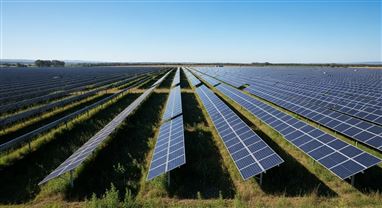
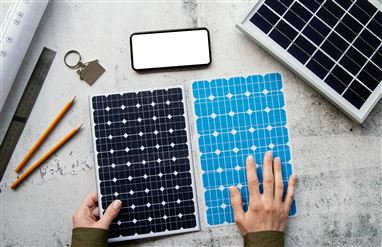
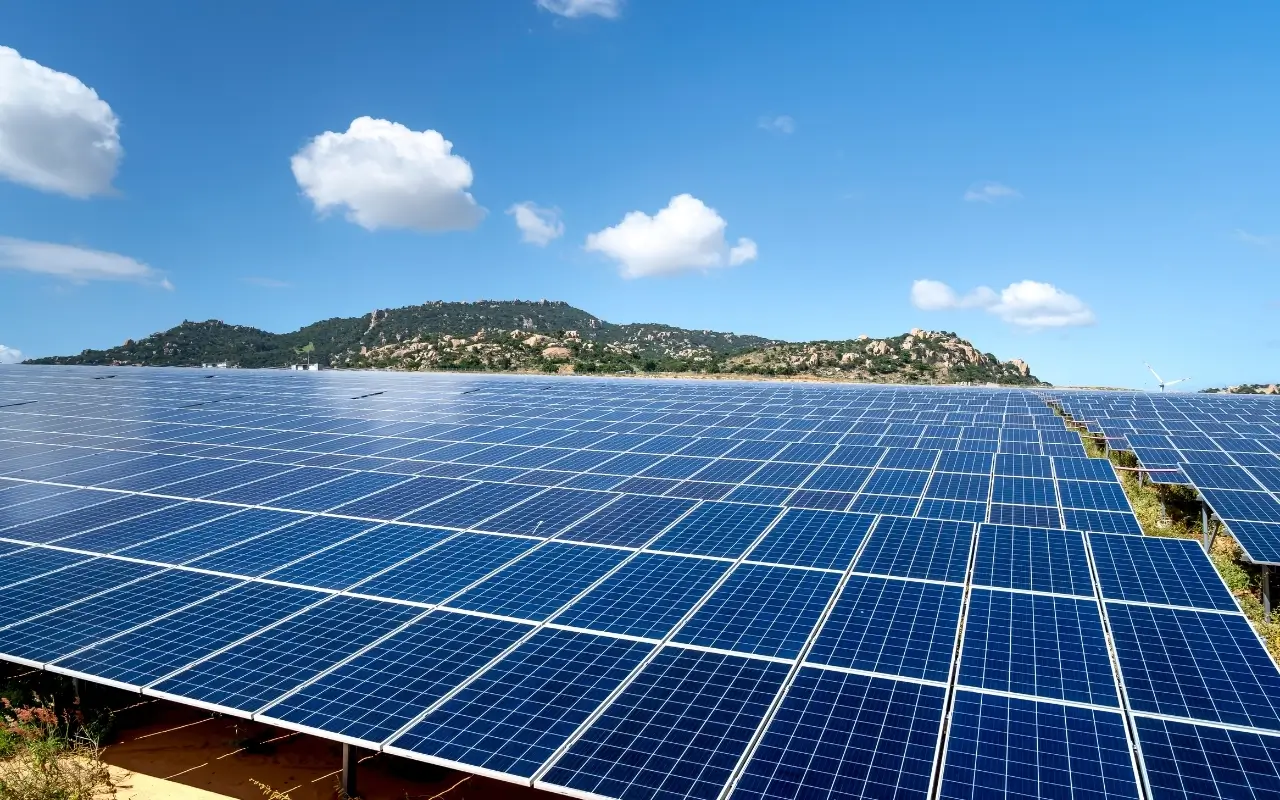
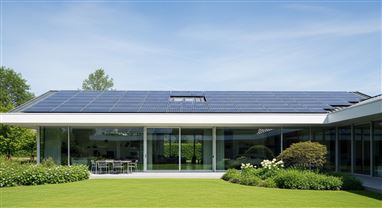
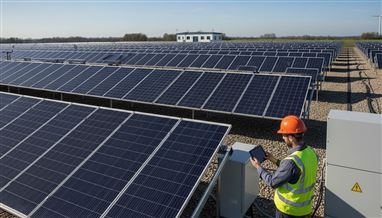
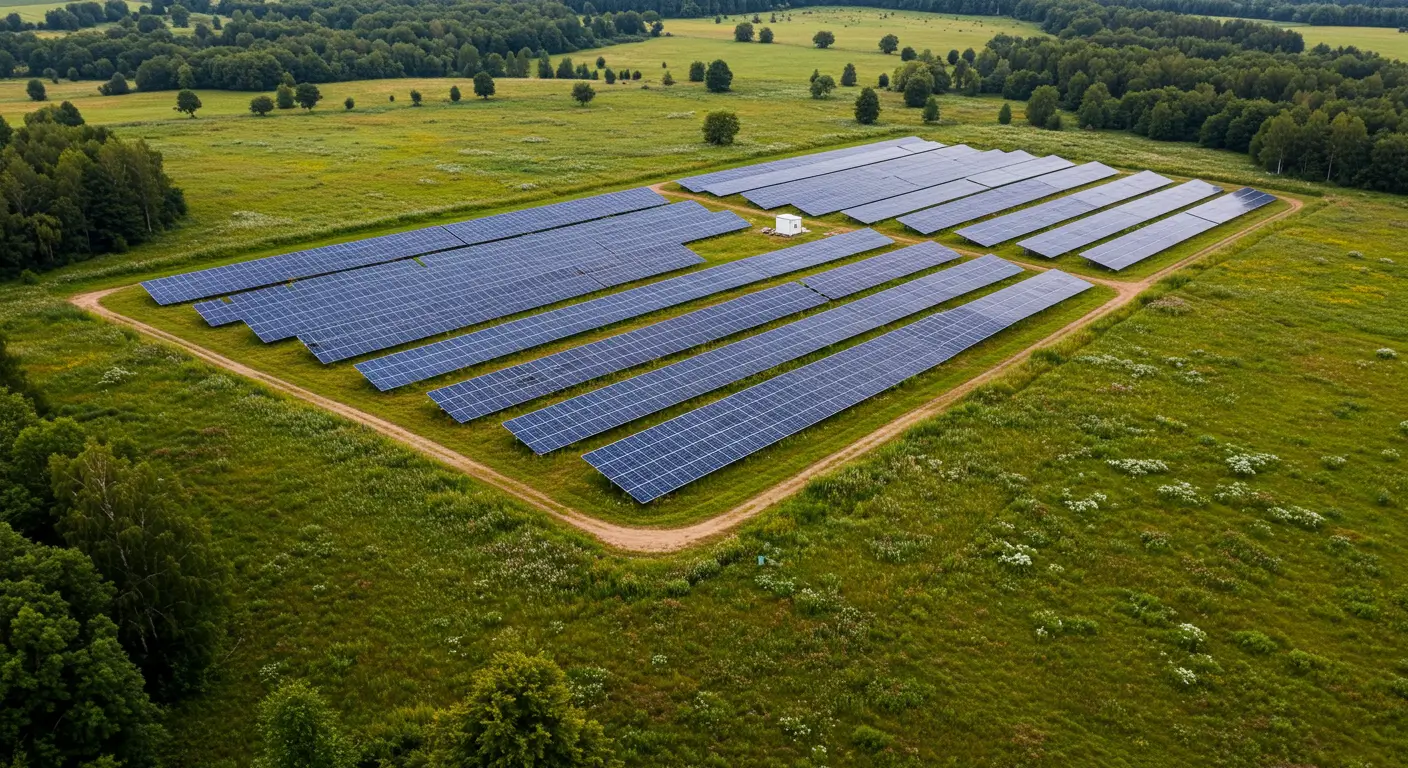
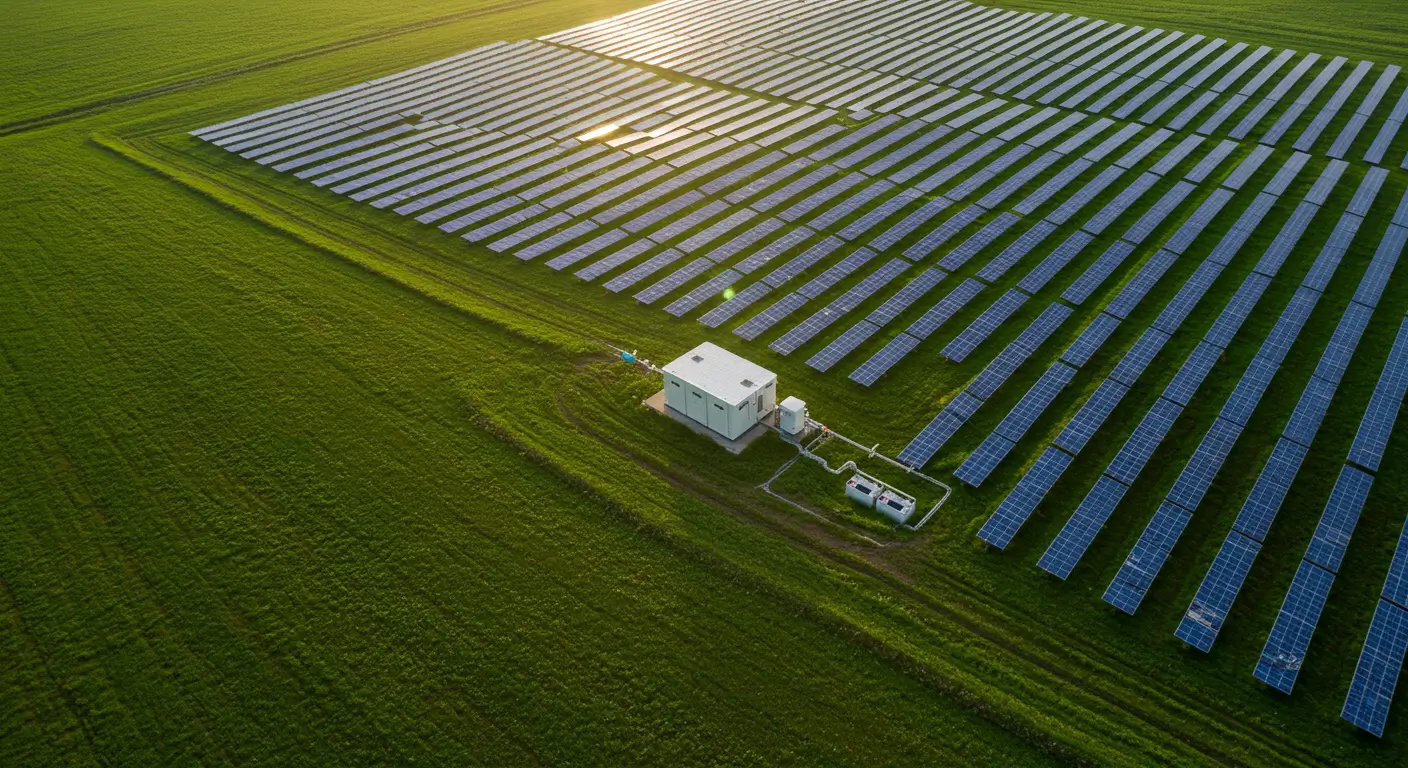
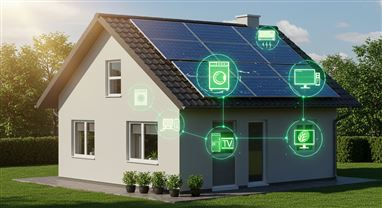
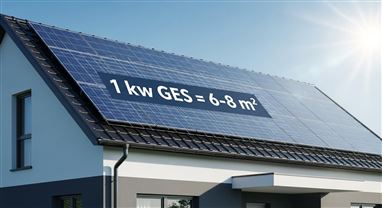
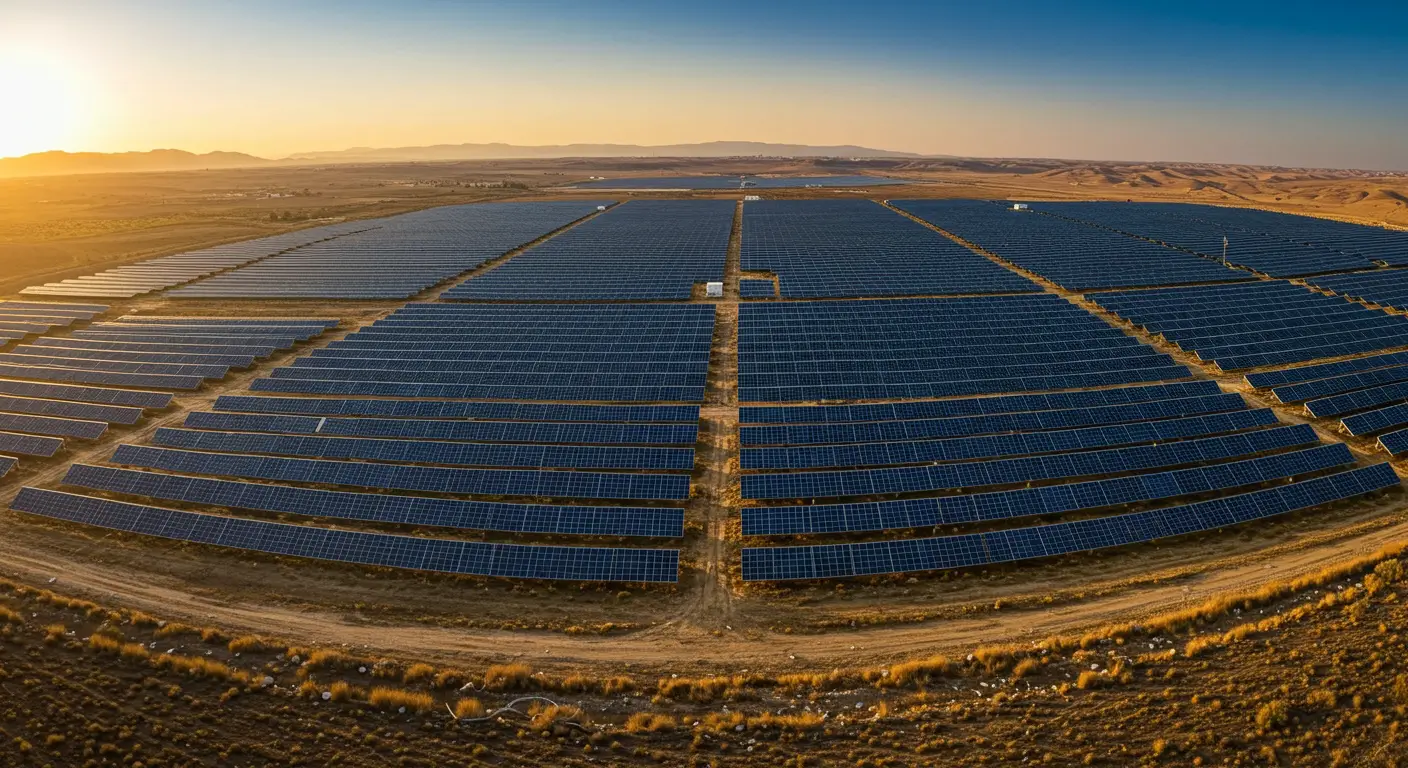
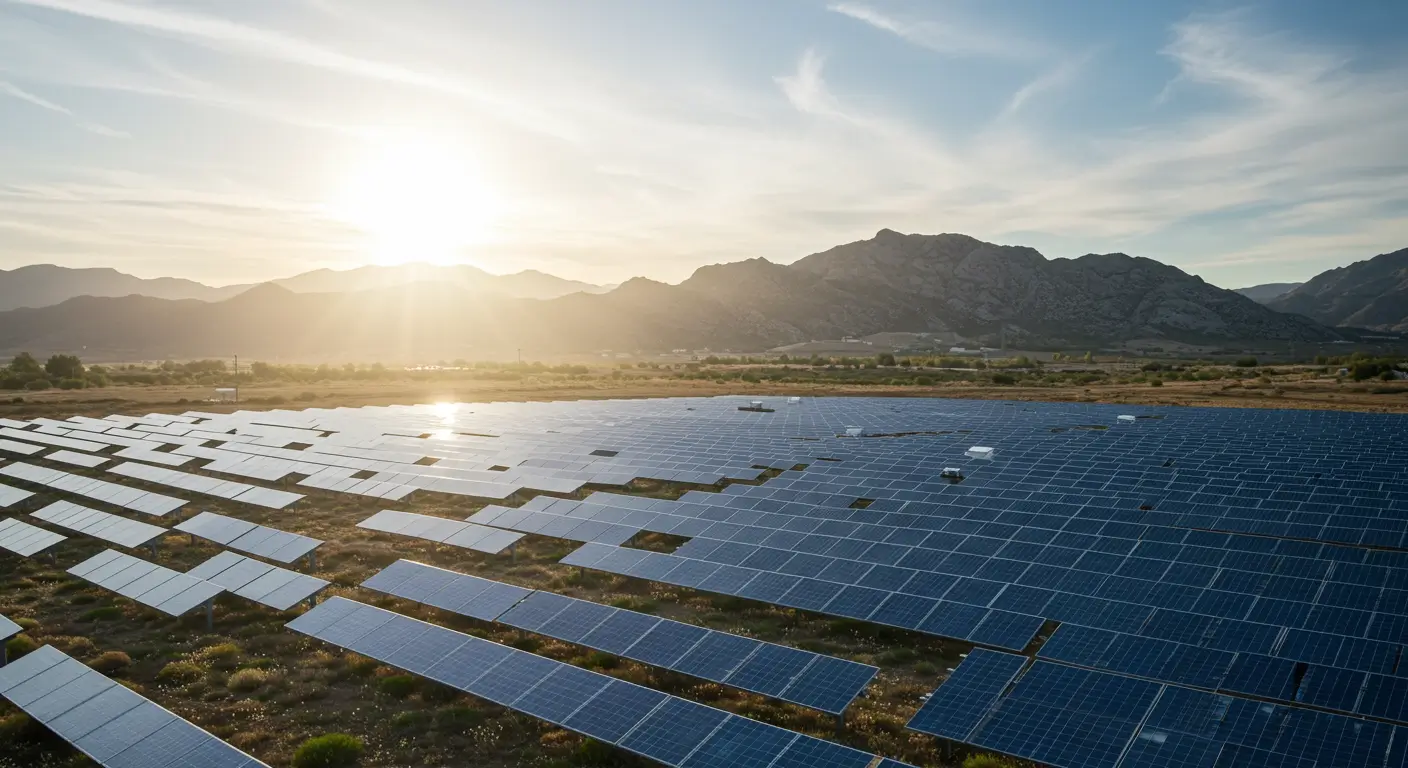
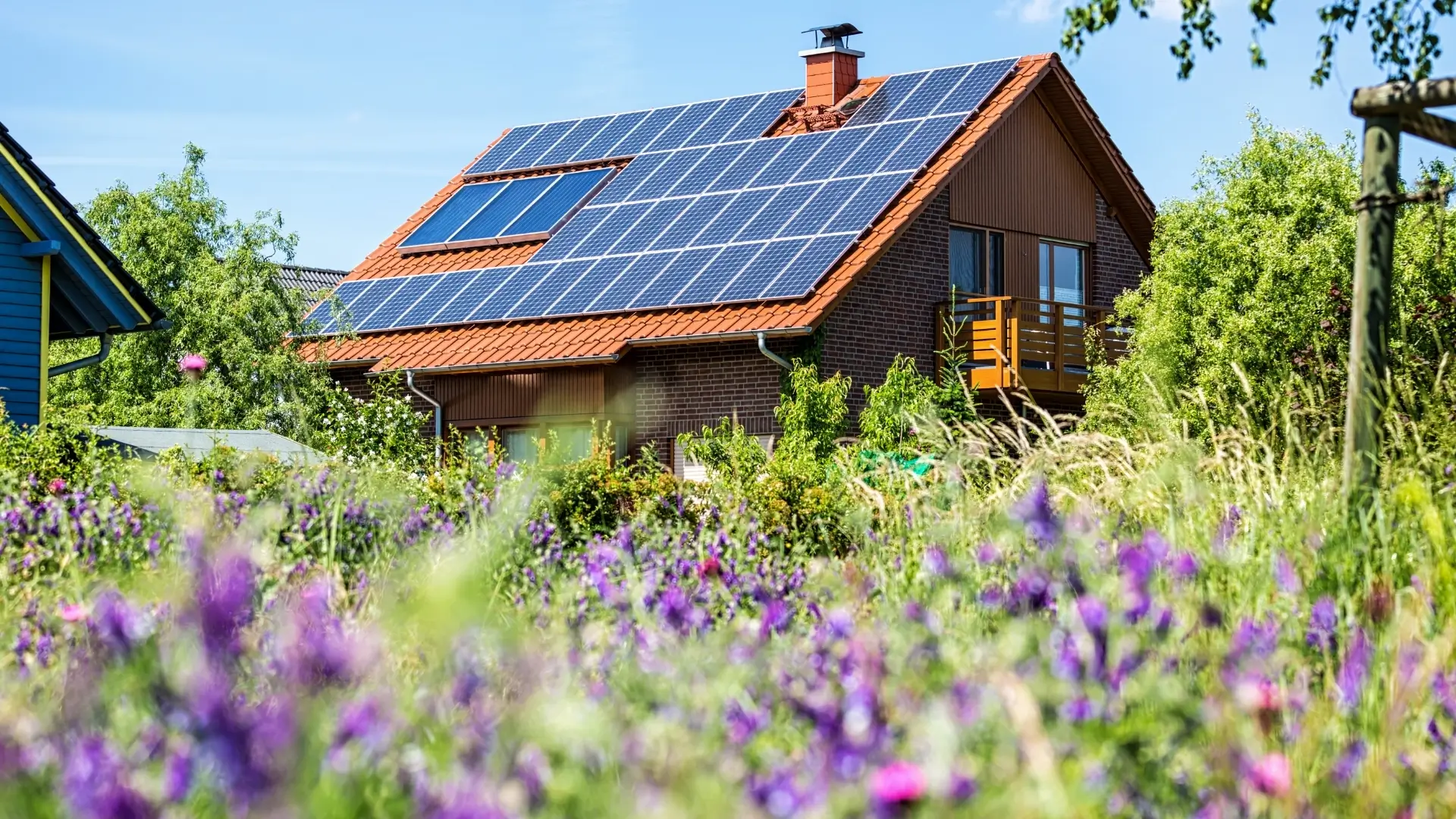
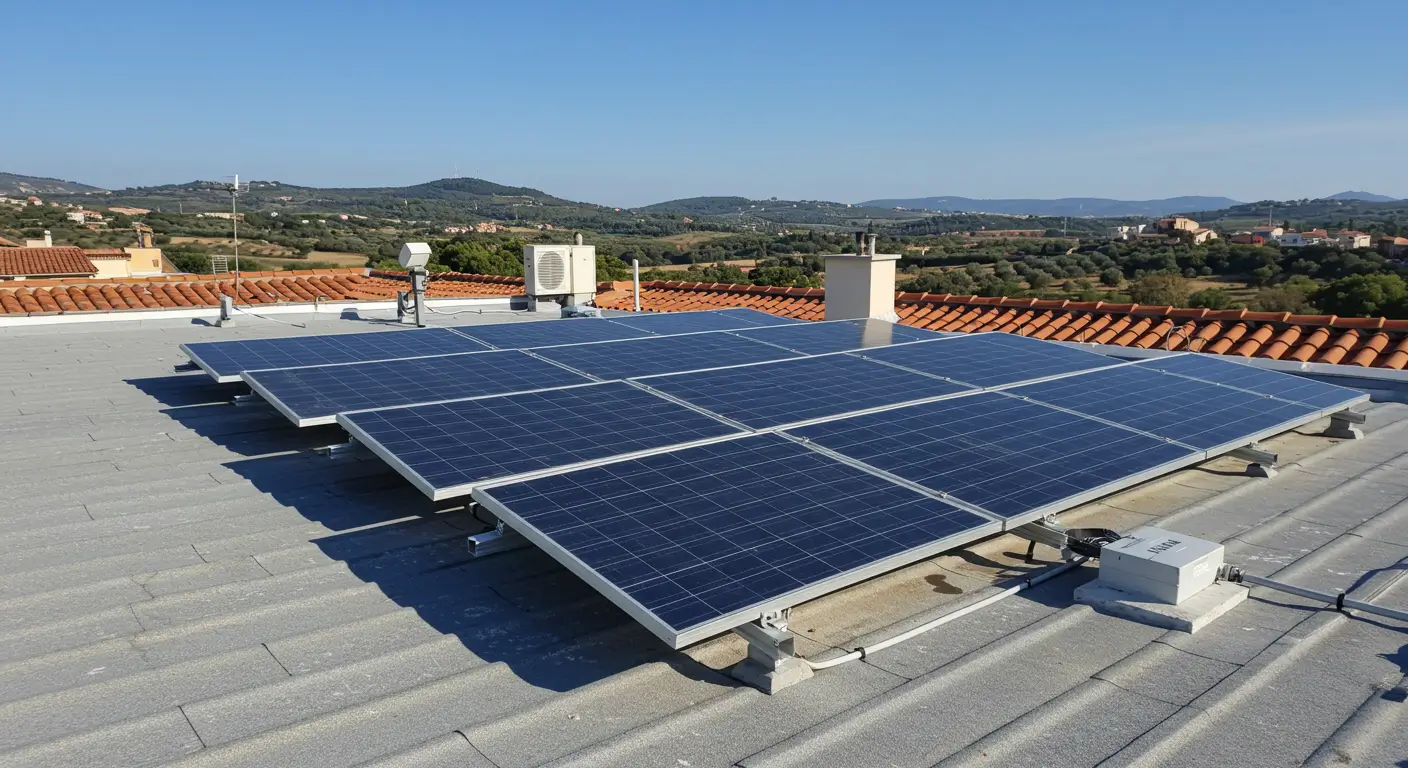
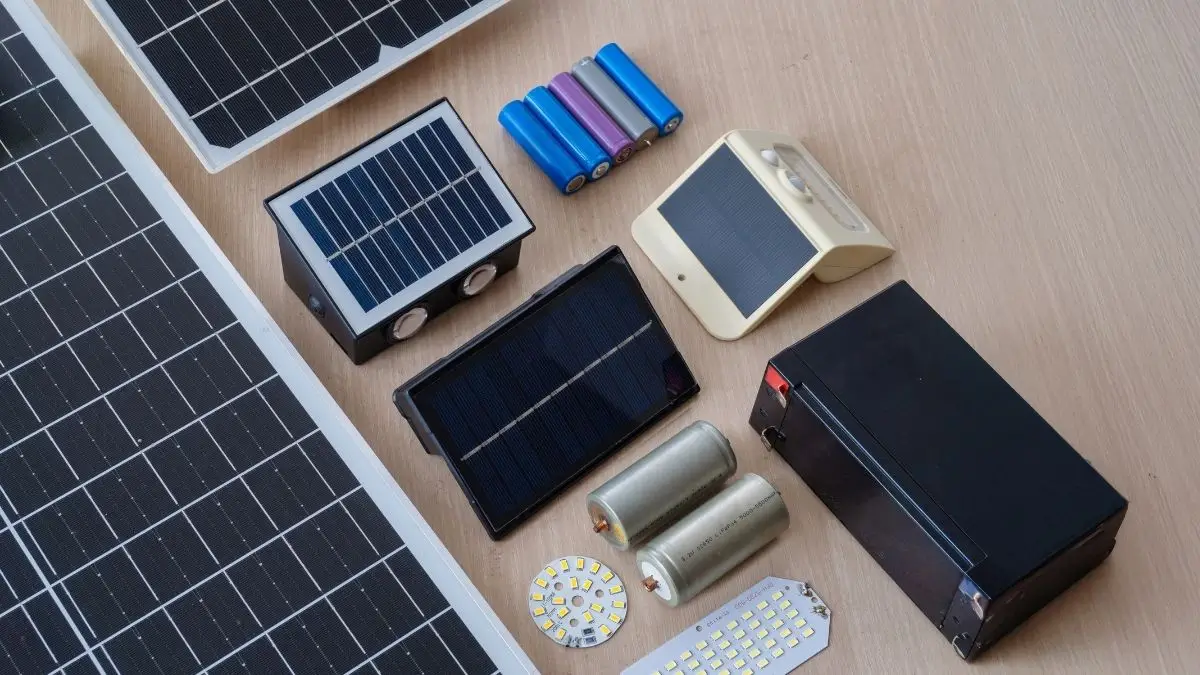
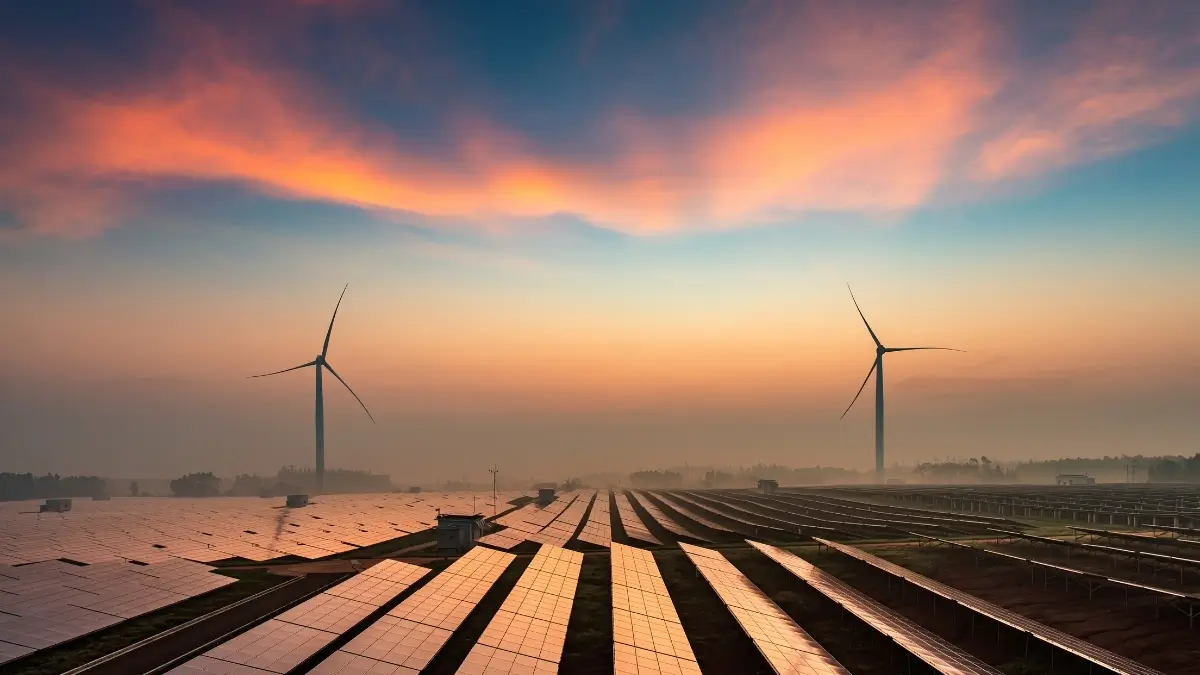
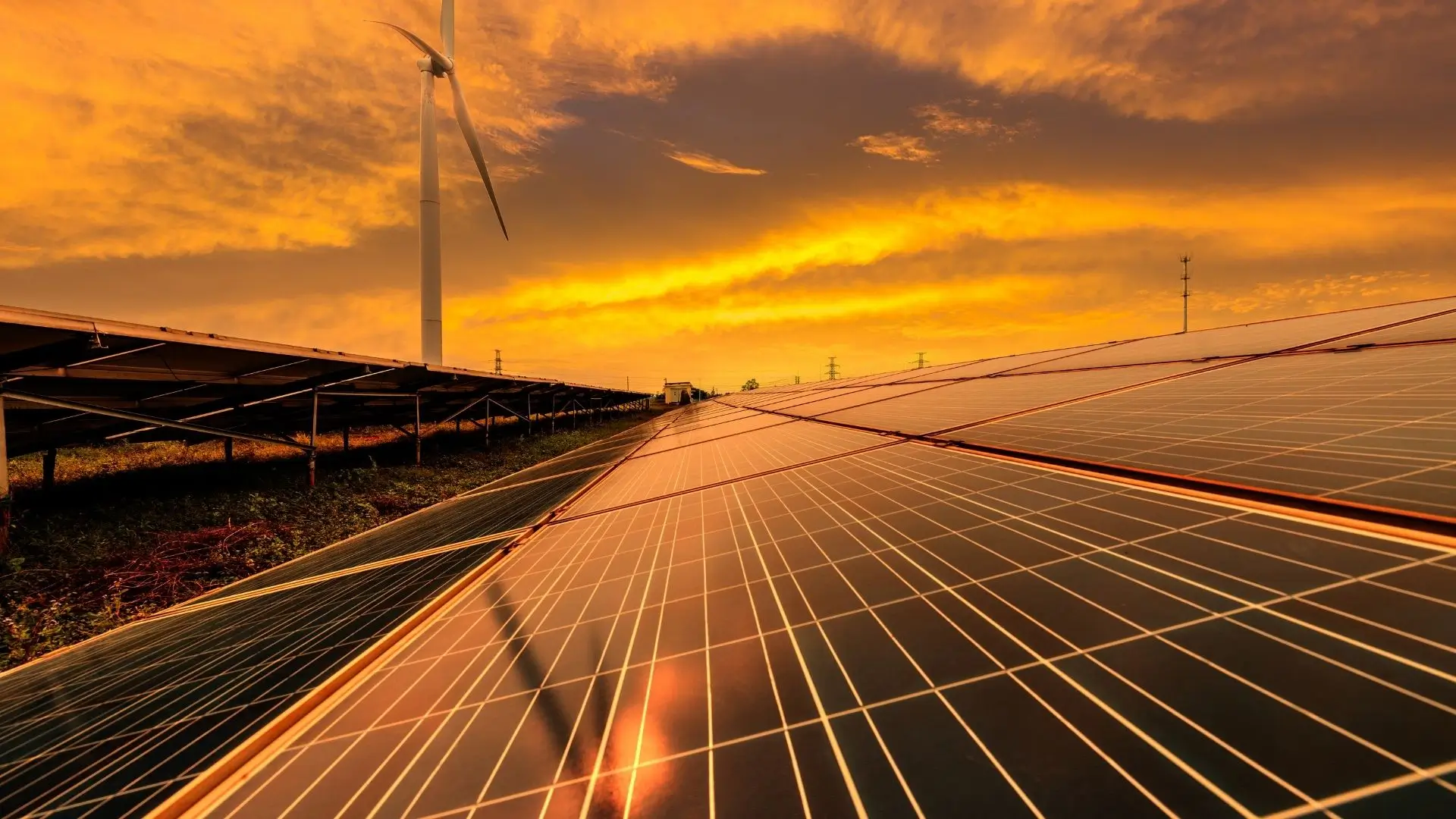
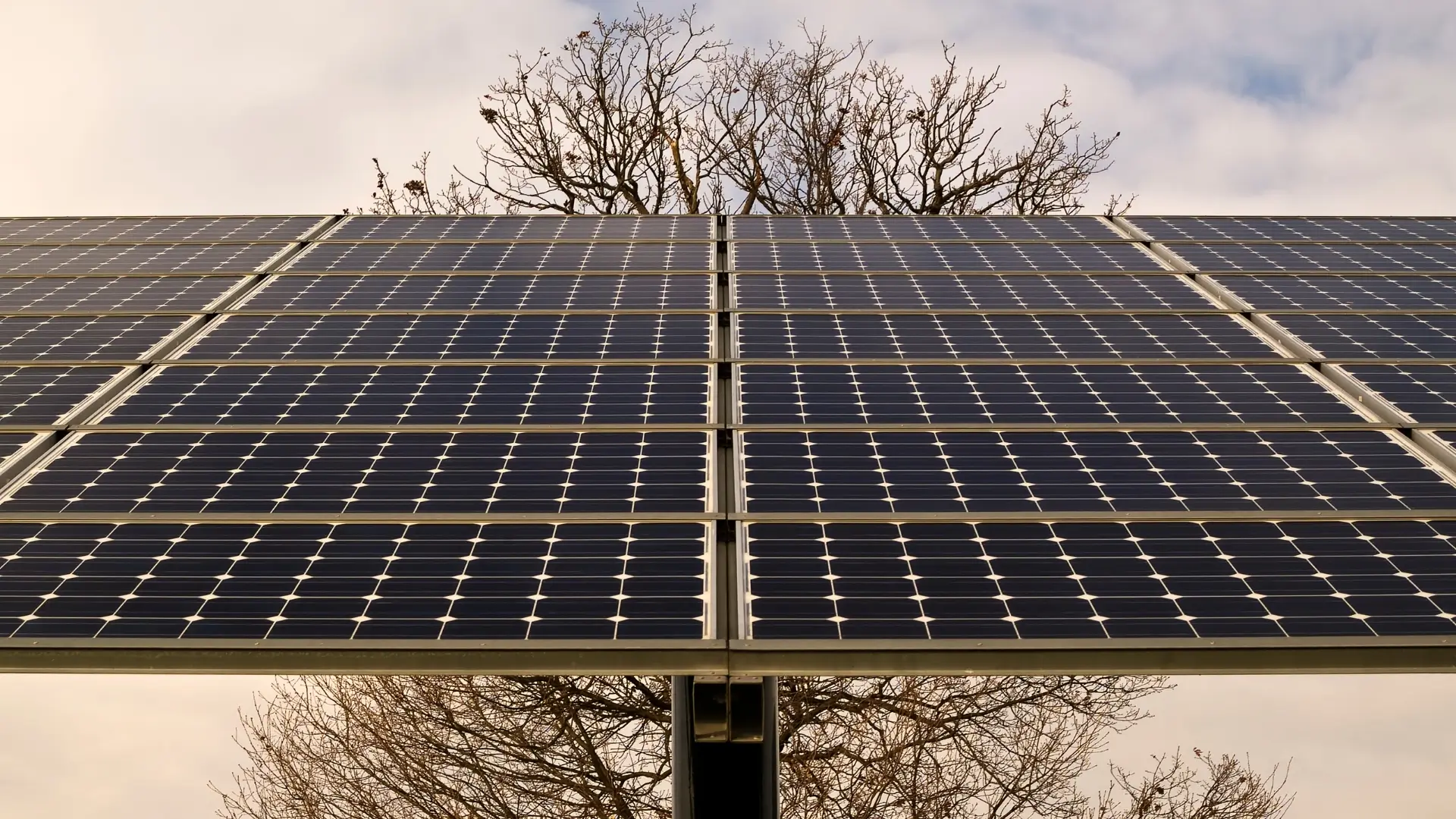
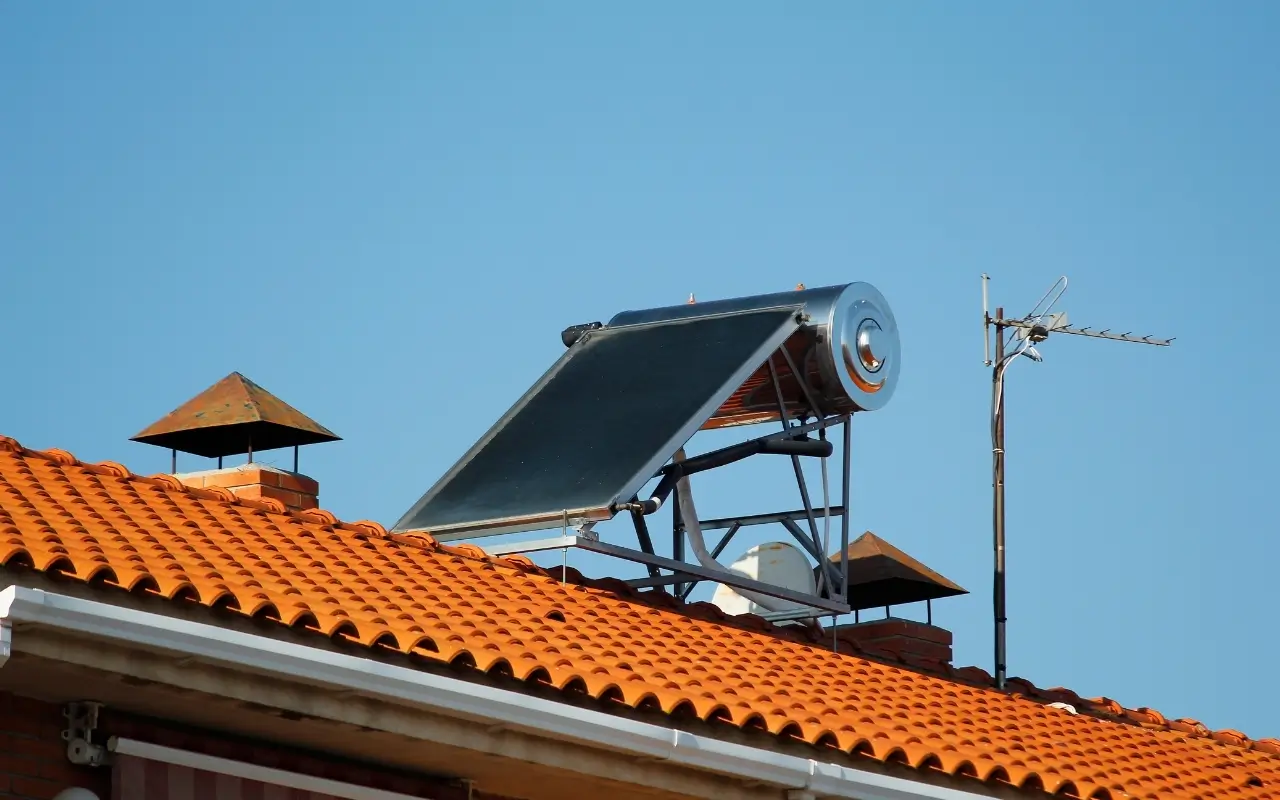
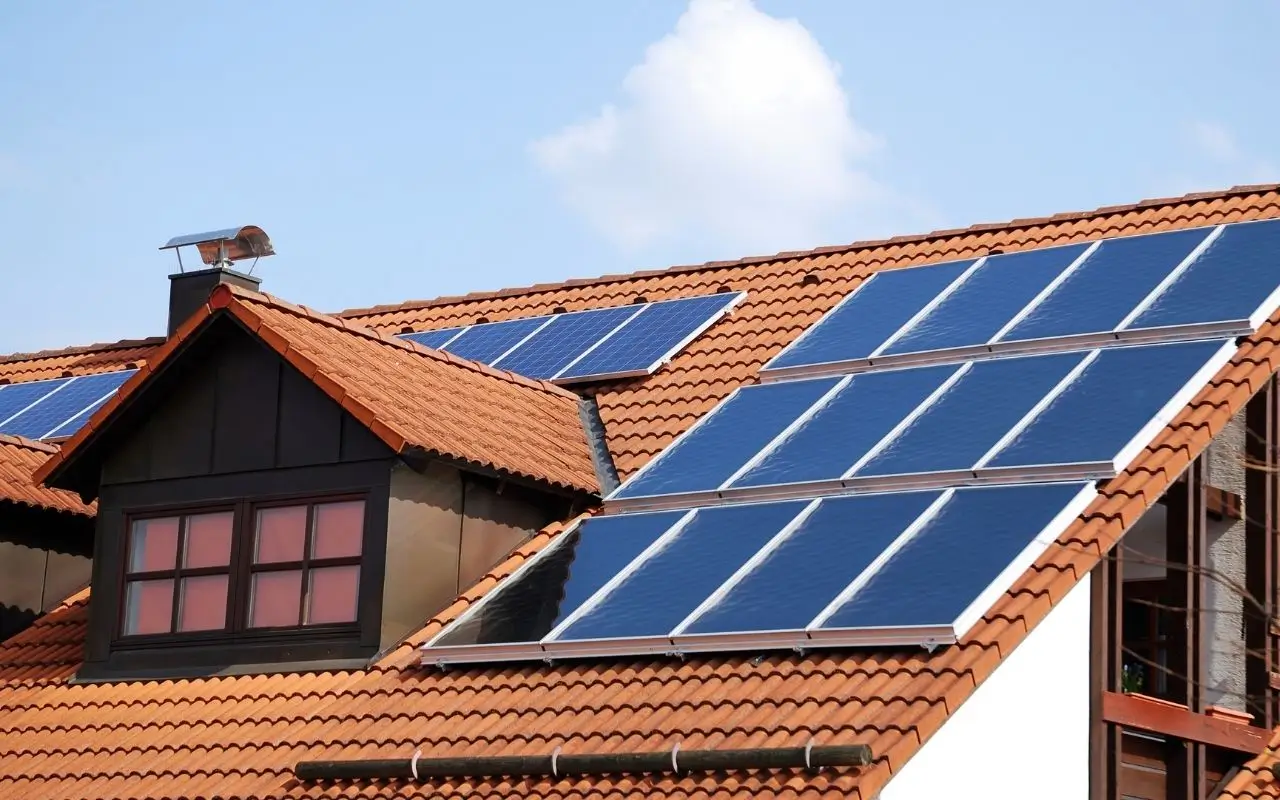
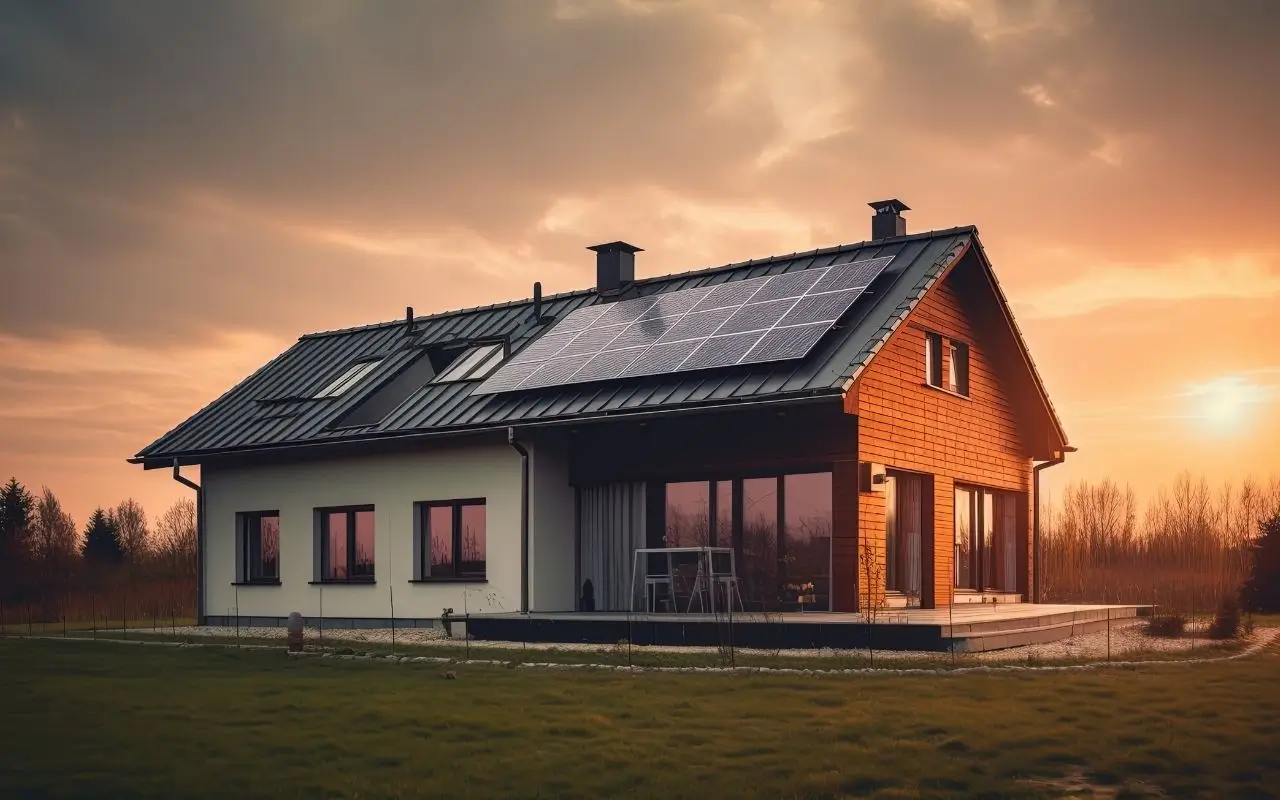
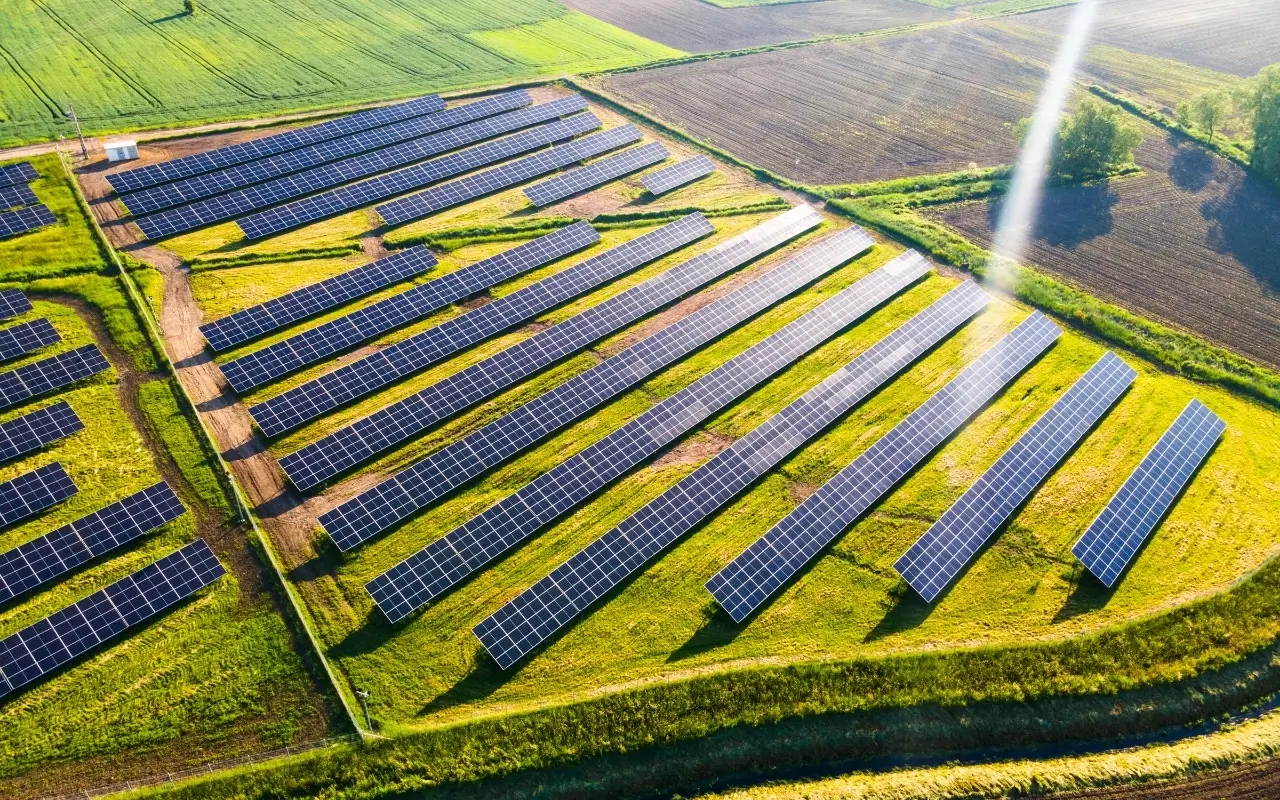
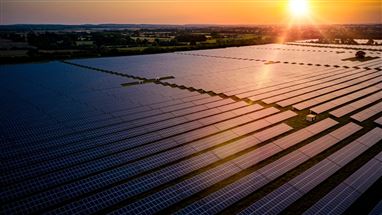
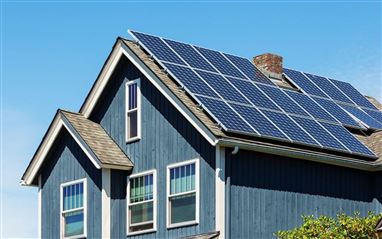
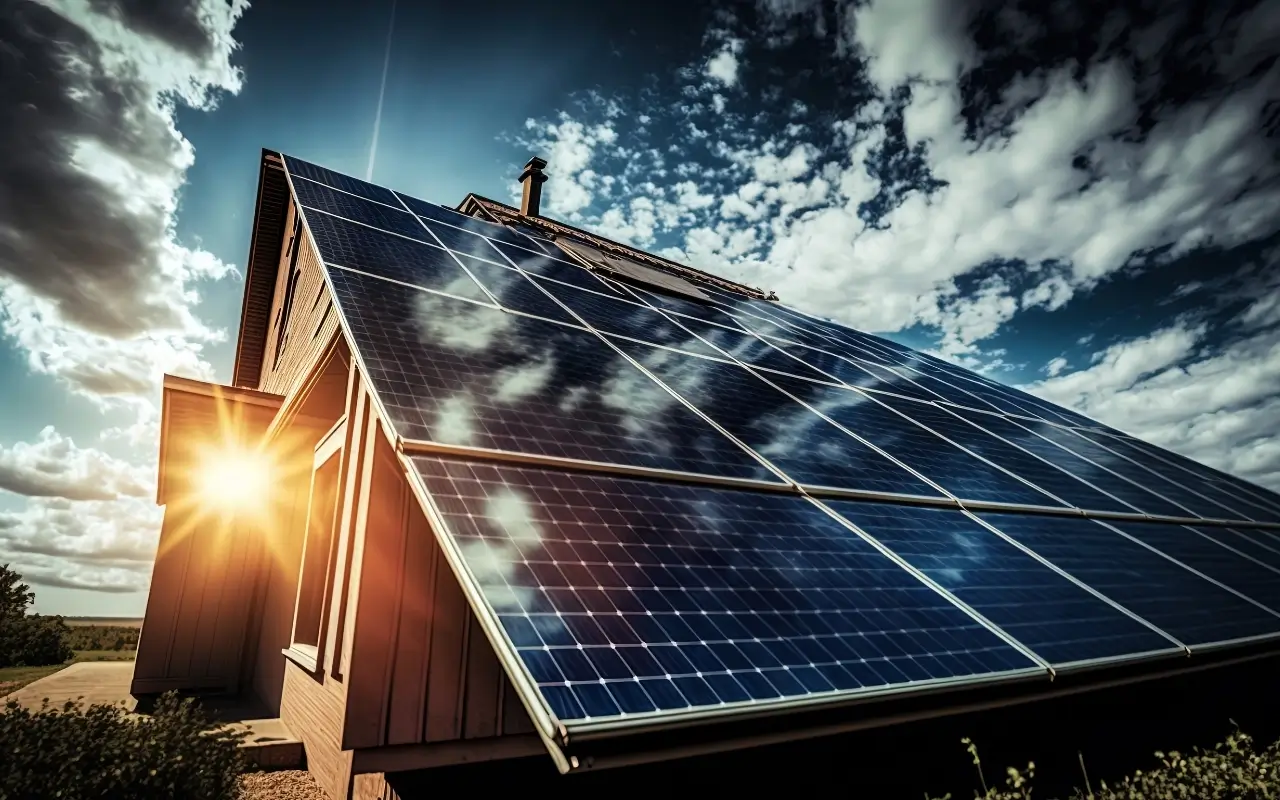
Energy can absolutely be stored, and this process is the most critical step in sustainable energy management. Modern storage technologies, which eliminate the obligation to consume generated electricity instantly, store energy in chemical or thermal forms and make it available whenever needed. Especially in solar energy systems, the current coming from the panels is captured through advanced batteries using lithium-ion or gel technology. In this way, the excess electricity produced during peak daylight hours does not go to waste but is safely preserved for use during nighttime or power outages.
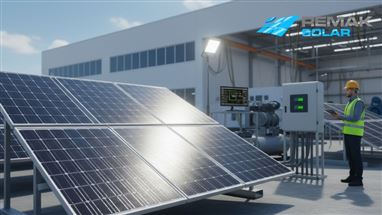
The fundamental rule for increasing storage capacity and efficiency is not merely to increase the number of batteries, but to optimize the energy production process itself. Standard and fixed-tilt solar panels operate at full capacity only during certain hours of the day, which can delay the batteries from reaching full charge. To store more energy, the duration and quality of sunlight captured by the panels must be increased. Minimizing losses in the production line shortens charging time and ensures that your storage units are always ready at maximum capacity.
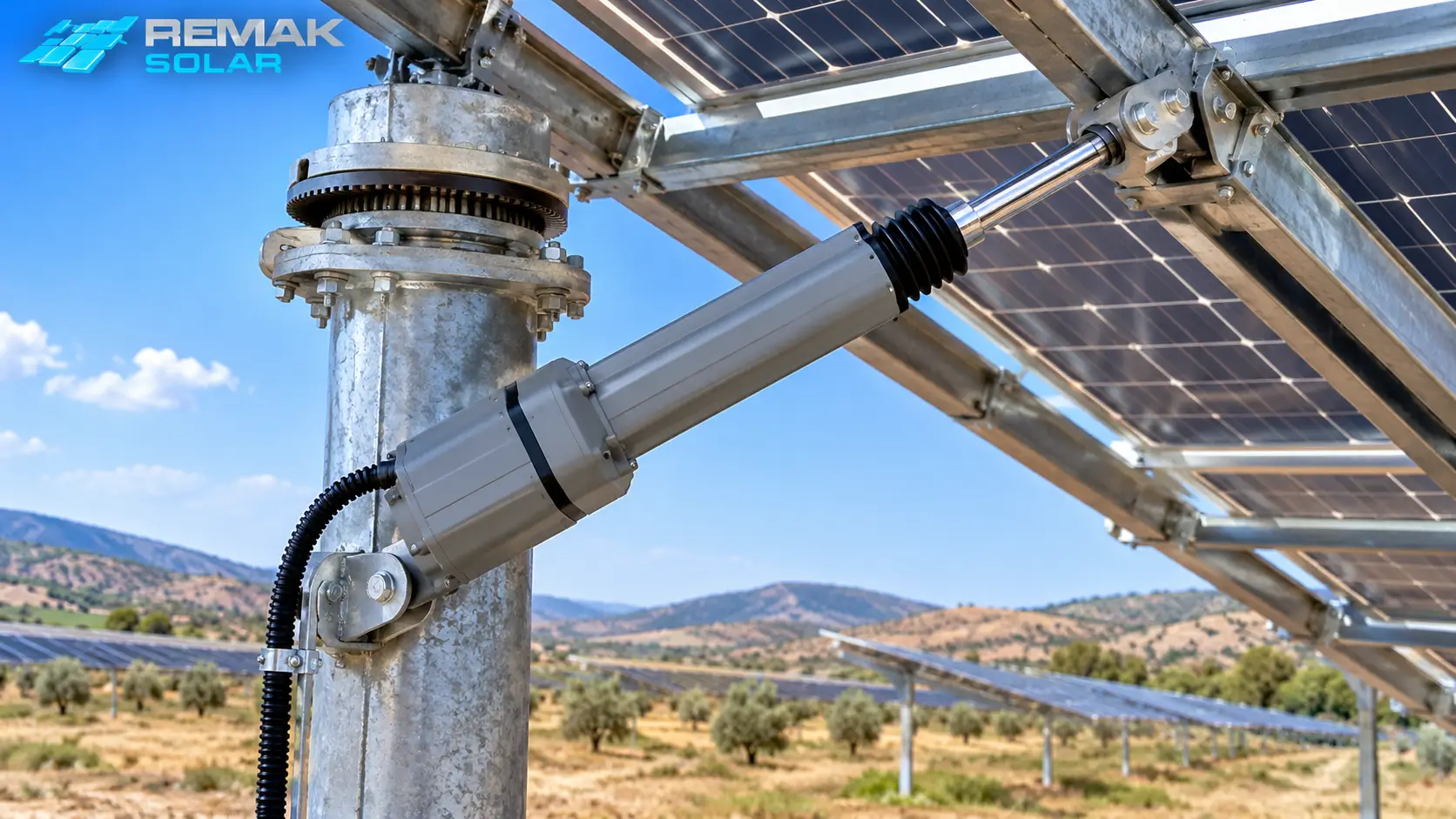
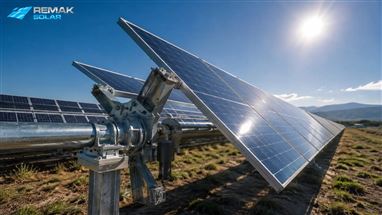
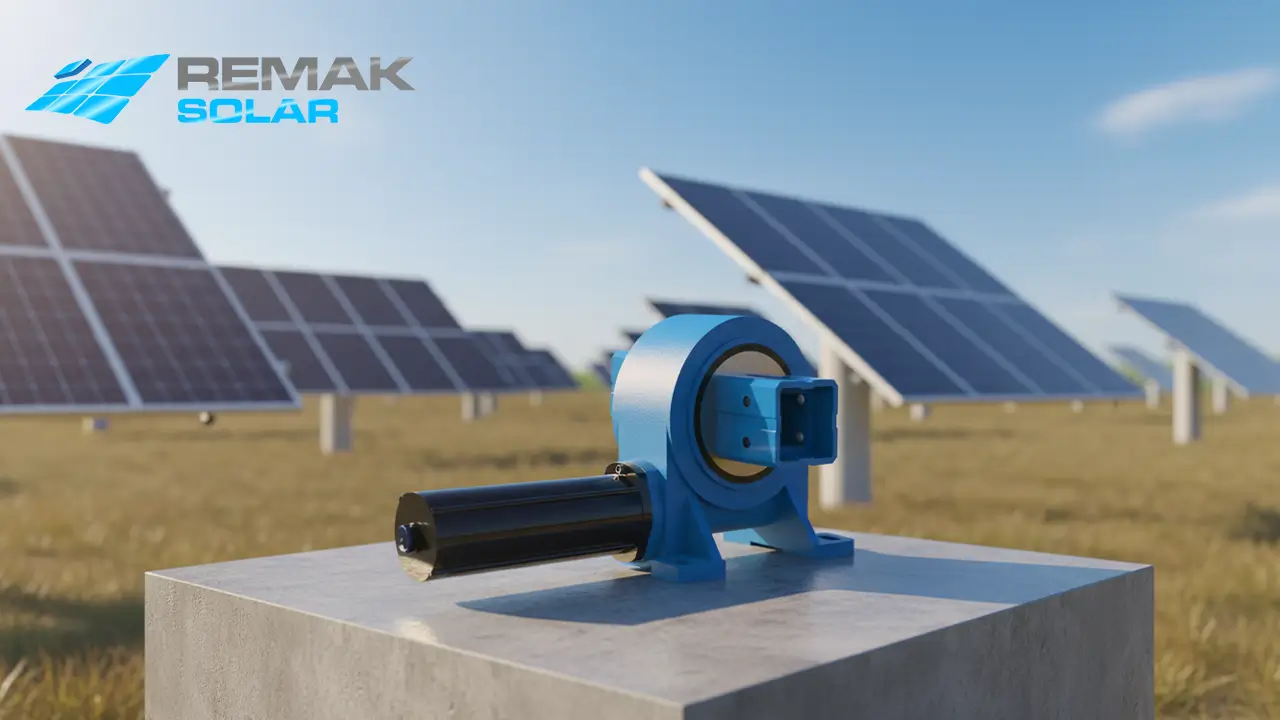
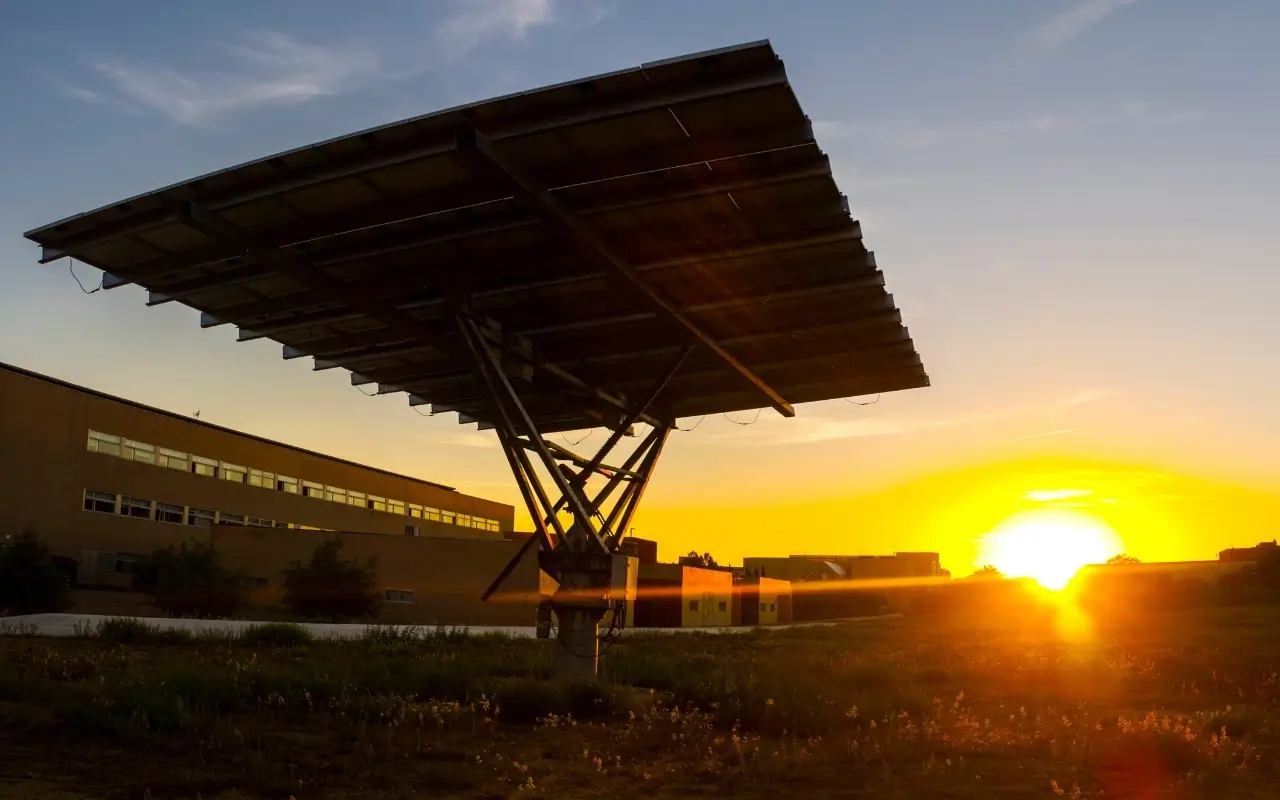
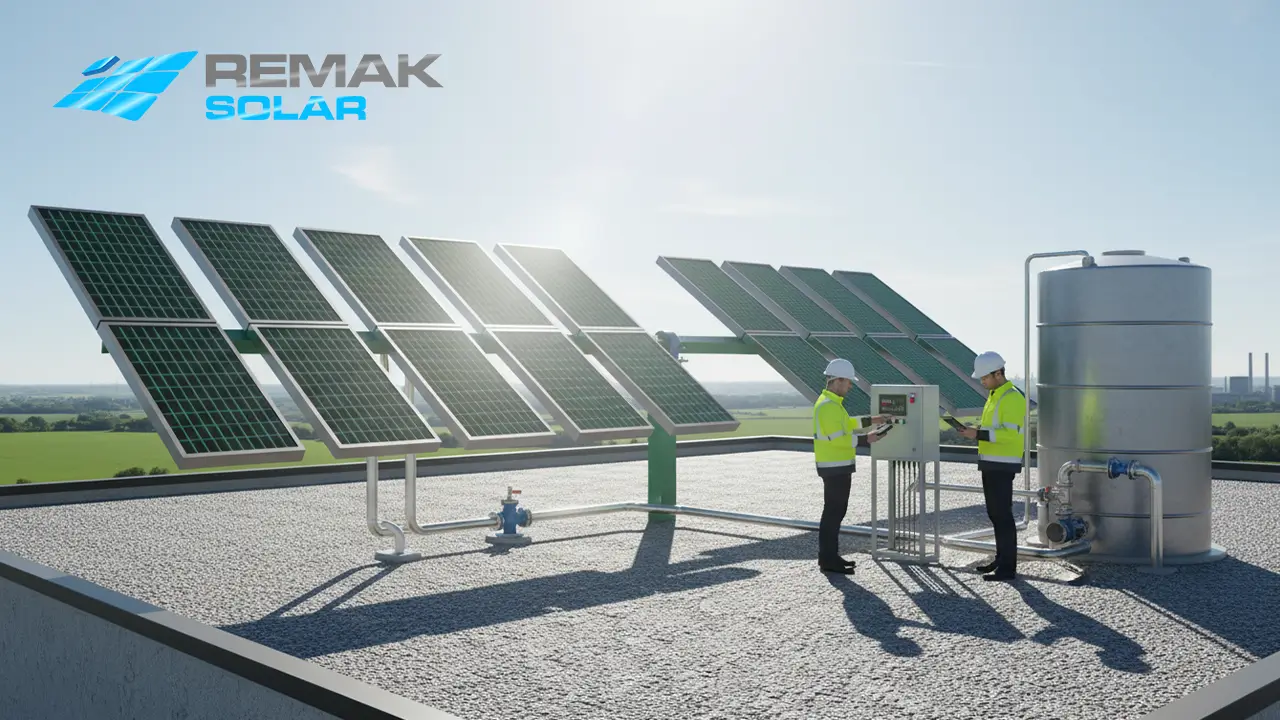
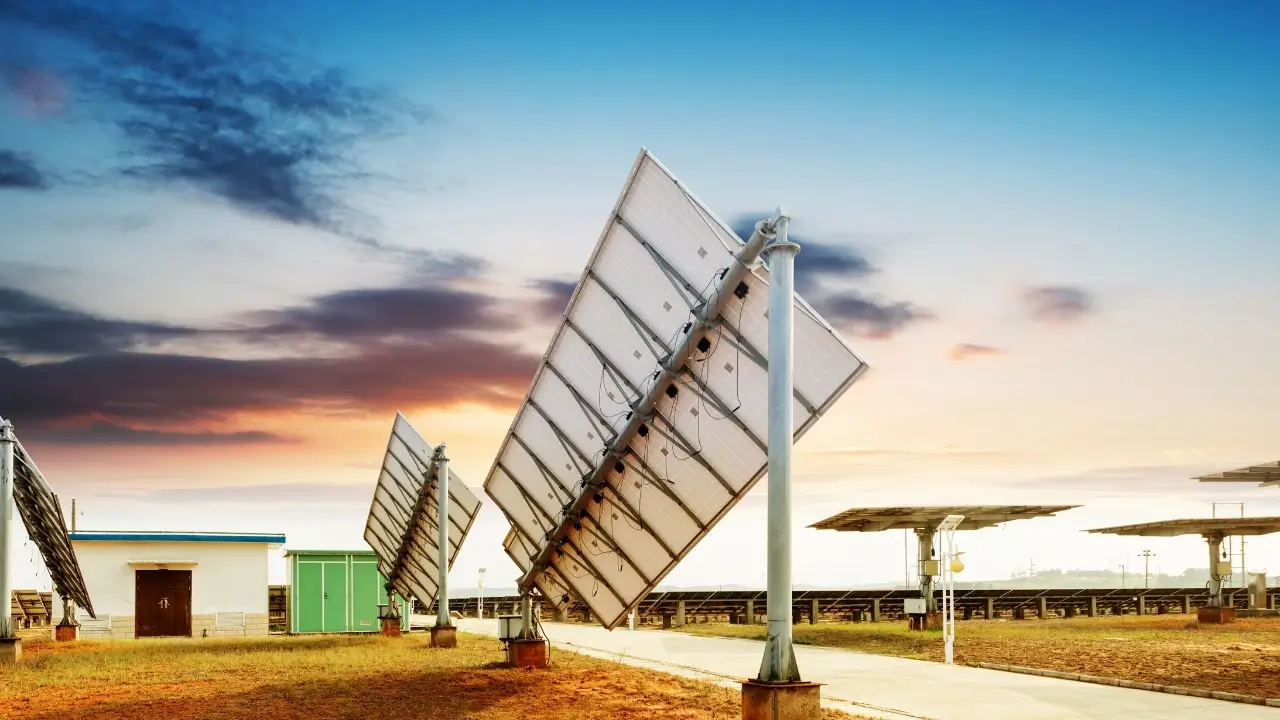
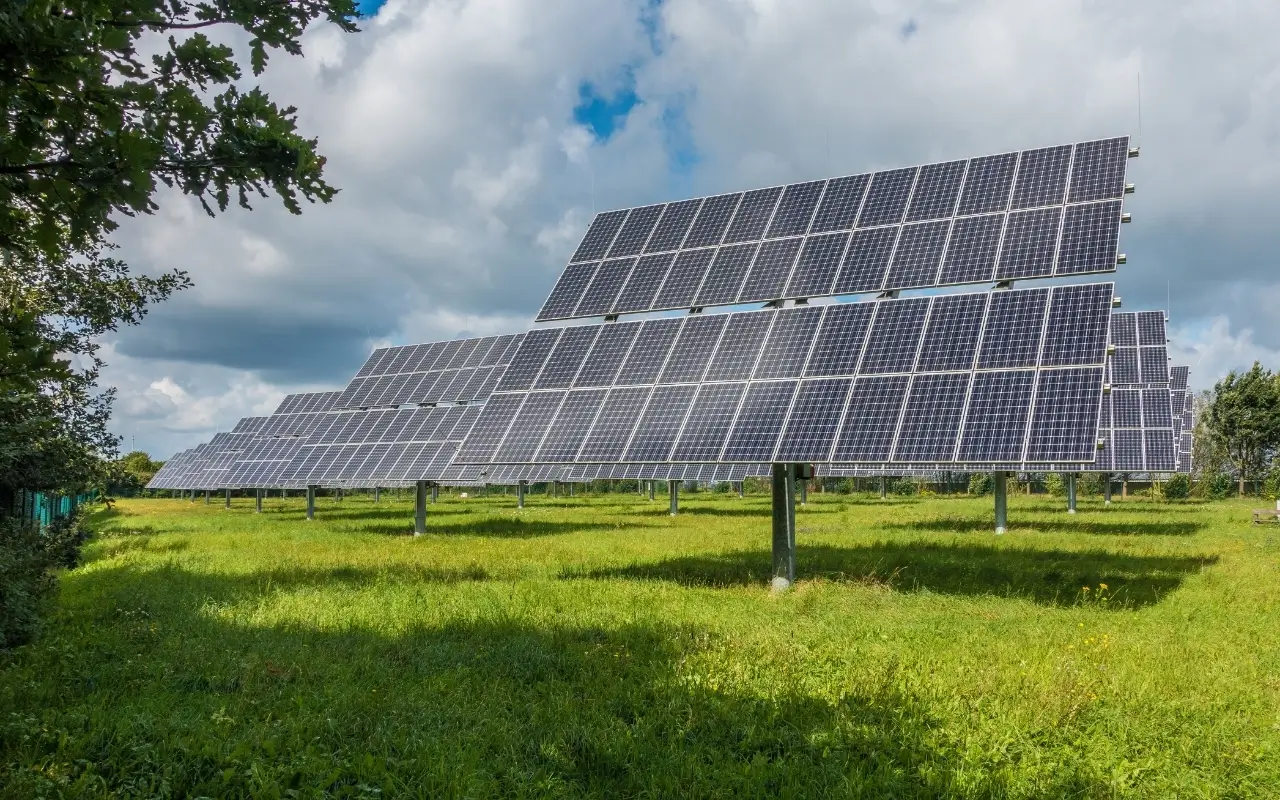
The most effective way to solve this efficiency problem and maximize the amount of stored energy is to use solar tracking systems (solar trackers). These moving mechanisms follow the sun from east to west throughout the day, ensuring that the panels always receive sunlight at the optimal angle. Compared to fixed systems, tracking systems significantly increase production and allow batteries to charge much faster. Thus, you can continue storing energy not only during peak sunny hours but also during the first and last light of the day, fully utilizing your system’s capacity.
By Which Methods and How Is Electrical Energy Stored?
Since electricity cannot be stored directly inside cables, it is preserved by converting it into other forms. The most common and well-known method is electrochemical cells and batteries that convert energy into chemical form. In these systems, the current coming from the grid or solar panels triggers chemical reactions inside the battery, and when needed, this process is reversed to supply power to your devices.
In individual or commercial applications such as solar energy systems, lithium-ion and lead-acid technologies are frequently preferred. Especially next-generation lithium-based units provide much longer usage periods while occupying less space thanks to their high energy density. The transfer of excess electricity generated in homes or businesses to nighttime hours is generally achieved through these compact and efficient blocks.
At grid scale or in large industrial facilities, mechanical storage methods come into play. The most prominent of these is pumped-storage hydroelectric power plants, which pump water into an elevated reservoir during periods of low electricity demand. When sudden energy is needed or consumption peaks, the water is released downward, turbines are rotated, and the stored potential energy is converted back into electricity.
Thermal systems are another important storage method used in industrial fields. In these systems, electricity is used to heat molten salts or special stones to very high temperatures, which are then preserved in insulated tanks. In addition, using electricity to split water and obtain hydrogen gas, storing this gas in tanks and later using it in fuel cells, is considered one of the cleanest alternatives of the future.
The main purpose of all these methods is to safely transfer excess energy produced at the moment of generation to the moment of demand without waste. Regardless of which technology you choose, the success of the storage process depends on proper capacity planning and intelligent management systems. Establishing an efficient cycle significantly reduces costs and maximizes energy supply security.
Which Battery Technologies Are Most Efficient in Solar Energy Systems?
Storing the electricity generated from solar panels with minimal losses is just as critical for overall system performance as selecting the right panels. Although many options with different chemical structures are available on the market, you should prefer models with high energy density and long cycle life to get the best return on your investment. Thanks to today’s technological advancements, certain storage units stand out in both residential and industrial use for their efficiency.
- Lithium-Ion Batteries: They can store large amounts of power in small volumes due to their high energy density, and their charging cycles are quite fast.
- Lithium Iron Phosphate (LiFePO4): Much safer against overheating than standard lithium batteries and retains most of its capacity even after thousands of charge cycles.
- Saltwater Batteries: Environmentally friendly since they contain no heavy metals and can be recharged without structural damage even after being fully discharged.
When making a selection, focusing not only on the initial purchase cost but also on total lifespan and depth of discharge ratios provides significant long-term benefits. When a high-efficiency battery group is integrated with proper system design, it becomes easier to become completely independent from the grid and guarantees your energy freedom.
Why Should You Use a Solar Tracking System for More Energy?
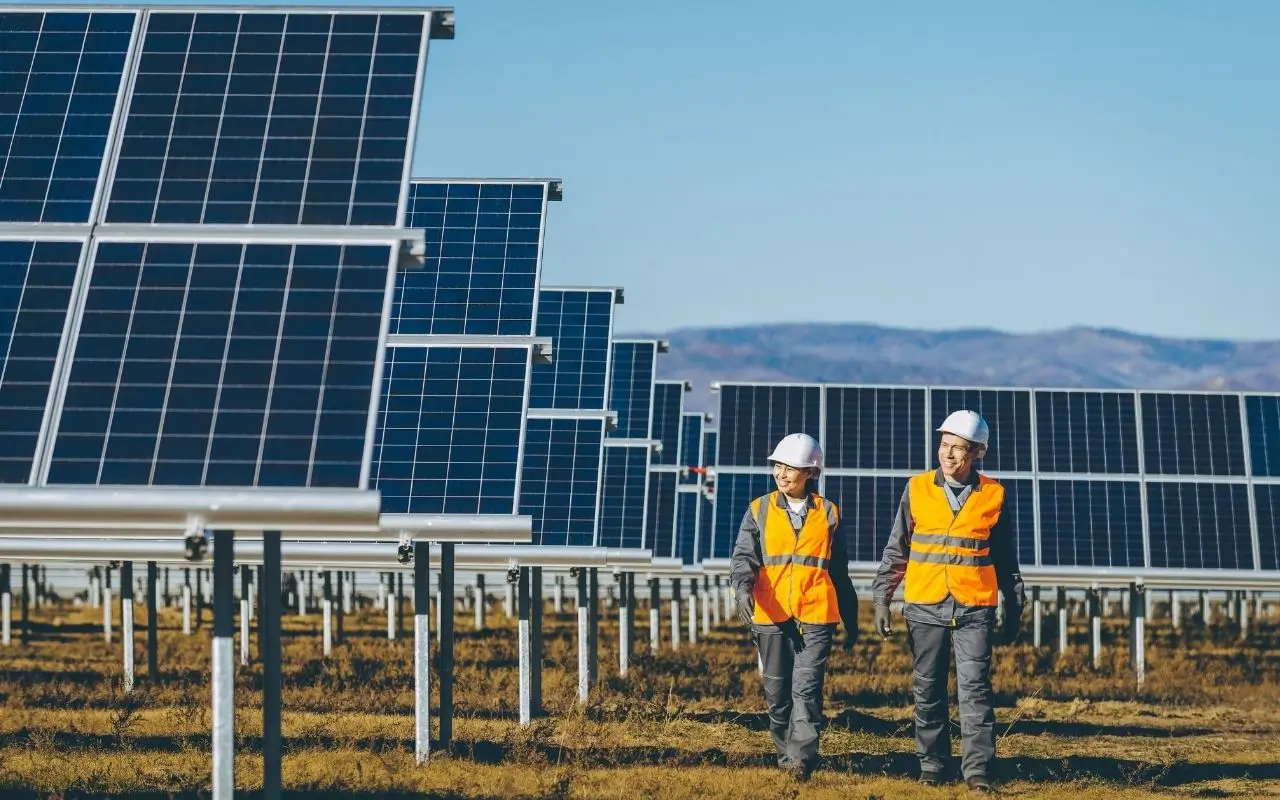
Fixed solar panels can face the sun directly only for a limited period during the day, and as the light angle changes, their production potential rapidly decreases. The way to prevent this energy loss and fully utilize system capacity is through mechanisms that allow the panels to follow the light source like a sunflower. Solar tracking systems keep photovoltaic surfaces at the optimal angle from the first light of the morning until sunset, maximizing the electricity generated per unit area.
- Significant Increase in Production Capacity: Depending on location and season, they generate between 25% and 45% more electricity compared to fixed systems, significantly shortening the return on investment period.
- Balanced Energy Output: Instead of peaking only at noon, they provide high production in the morning and evening hours as well, offering stable power output throughout the day.
- Land Efficiency: Fewer panels are needed to reach the targeted energy amount, creating maximum benefit in limited areas.
- Seasonal Adaptation: Advanced dual-axis models adapt to the sun’s changing altitude throughout the year, preventing efficiency loss even during winter months.
Although the initial investment cost is somewhat higher than standard installations, the increase in efficiency amortizes this difference within a reasonable period. Especially if you use a battery-supported system, the steady and high current provided by tracking mechanisms throughout the day ensures that your storage units are charged much faster and to full capacity. Integrating this dynamic technology into your system provides a critical advantage in strengthening your energy independence and achieving maximum performance from your installed capacity.
The Storage Difference Between Fixed Panels and Solar Tracking Systems
In fixed-mounted photovoltaic systems, electricity production usually peaks at noon and rapidly decreases during the rest of the day. This creates a very narrow time window for batteries to reach full charge and may cause storage units to be insufficiently charged, especially on cloudy days. Installations with solar tracking mechanisms, on the other hand, spread the charging process throughout the entire day by turning the energy curve into a wide plateau rather than a bell curve. Batteries that start receiving high current early in the morning fill much faster and more consistently compared to fixed systems.
The main distinction between the two systems emerges in terms of when the stored energy begins to be consumed. In fixed-angle panels, when production drops in the evening, the energy demand of the home or facility is met directly from the batteries, and by nightfall a significant portion of the reserve is depleted. Systems that track the movement of the sun continue production until sunset, preserving the energy in the batteries. Thus, storage units enter nighttime use or possible outages at nearly full capacity, providing users with much longer-lasting energy security.
Key Considerations to Extend the Lifespan of Energy Storage Systems
Energy storage units are the most expensive and sensitive components of your solar energy system. Getting the full return on this valuable investment depends on proper usage habits that prevent chemical degradation. Pushing batteries beyond their technological limits or ignoring environmental factors can cause capacity loss to begin much earlier than expected. For a healthy cycle and long-term performance, attention must be paid to maintenance and operating conditions.
- Temperature Control: Batteries experience serious chemical stress in extremely hot or cold environments. Keeping units in a well-ventilated area near room temperature and away from direct sunlight preserves cell health.
- Depth of Discharge (DoD): Fully draining batteries shortens their lifespan. It is ideal to recharge them before dropping below the safe level specified by the manufacturer, usually 20% or 50%.
- Correct Charging Voltage: The inverter and charge controller settings must perfectly match the battery technology used. Overcharging at high voltage causes permanent damage to internal plates.
- Capacity Planning: Choosing storage smaller than required causes batteries to be constantly strained by high current draw. The system should be sized slightly above actual needs to reduce load.
All these measures not only eliminate the risk of failure but also reduce your energy costs in the long term. Creating a balanced usage profile instead of constantly operating the system at its limits reduces the load on batteries. A well-maintained and properly managed storage unit will never let you down even in the harshest weather conditions or during grid outages and will guarantee your energy security for many years.
Do Comment