
Other Blog
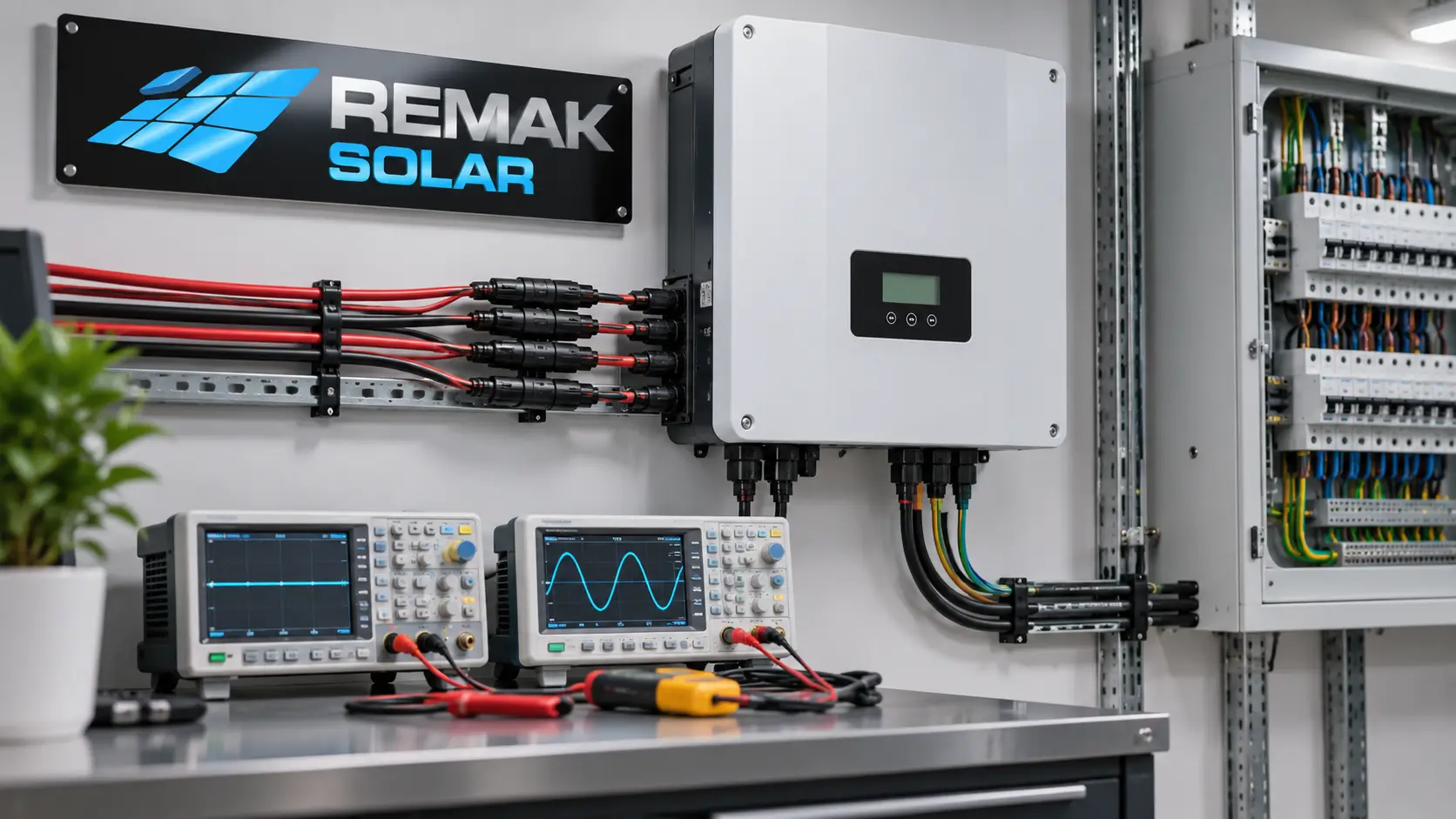
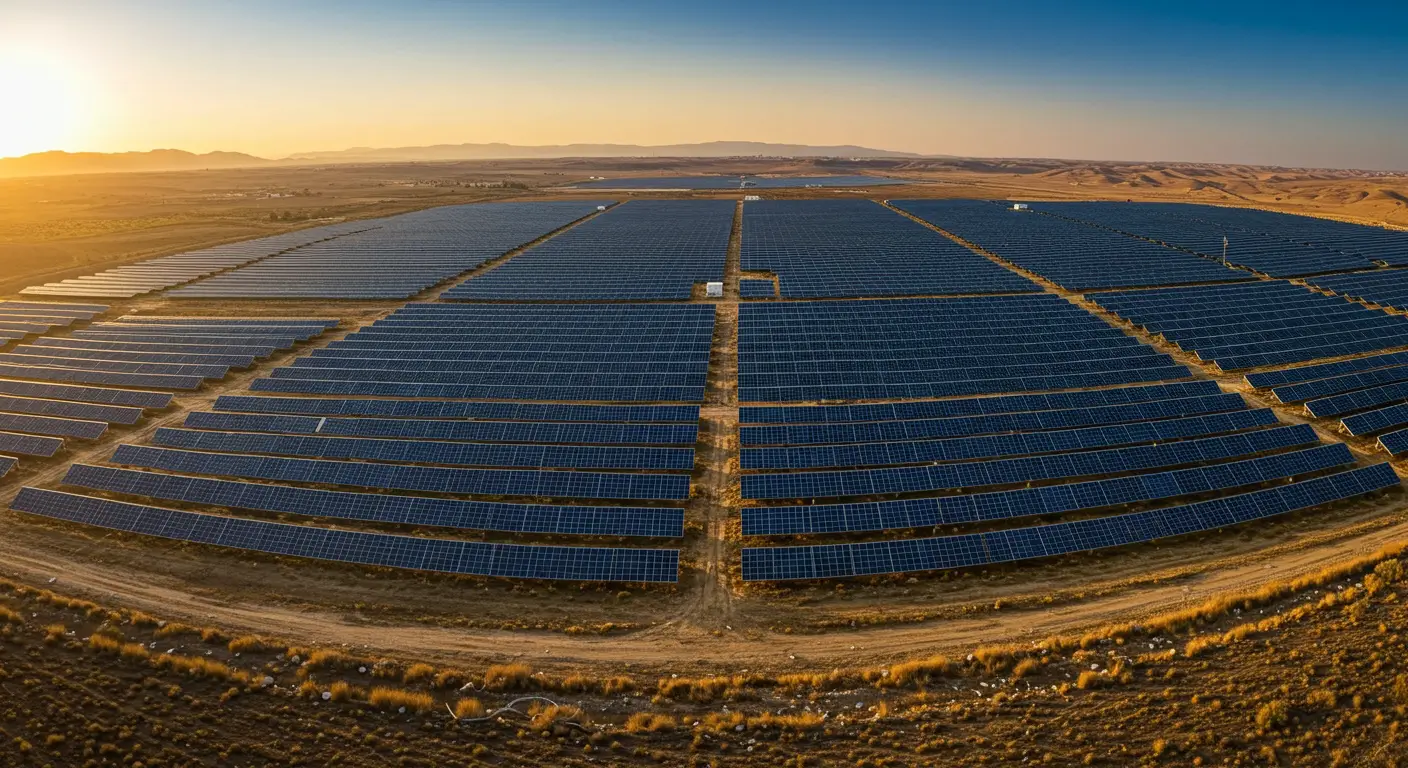
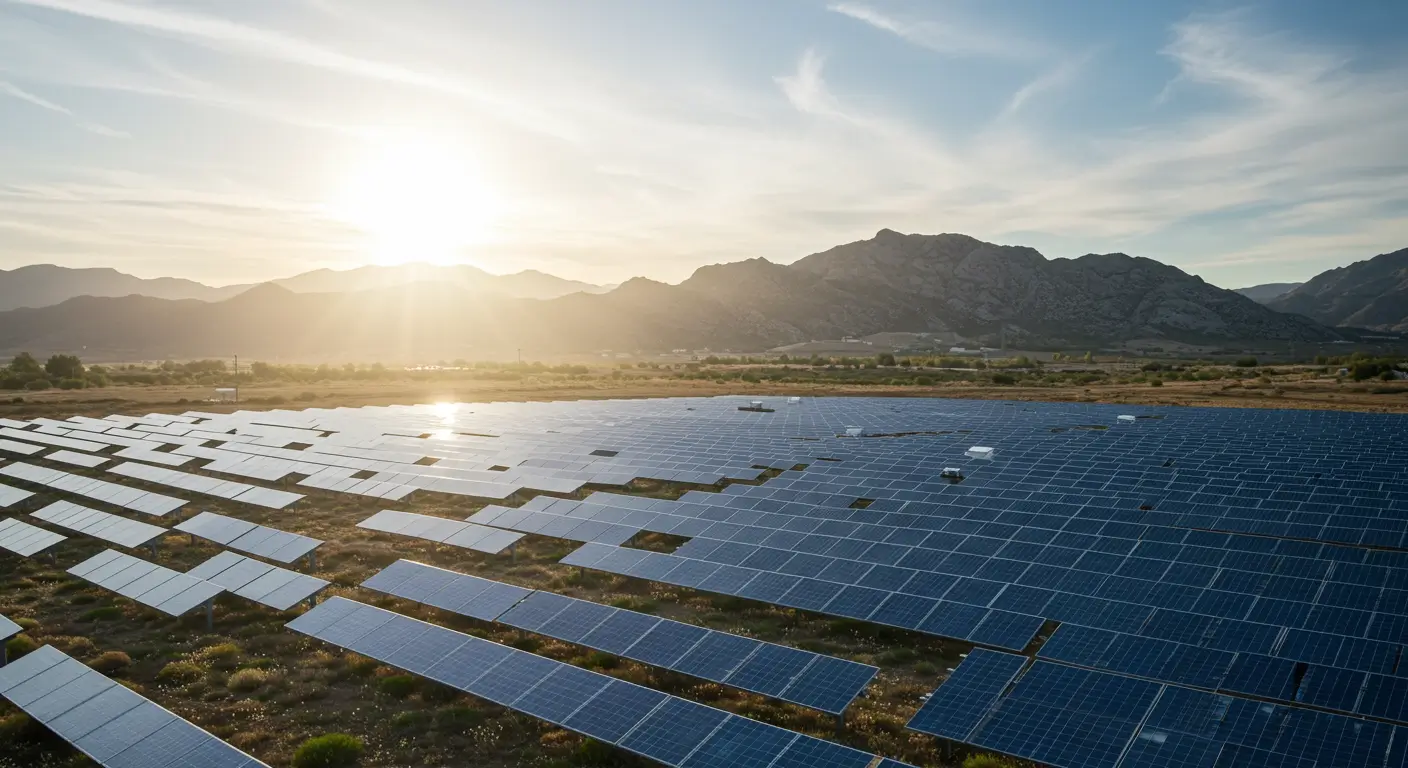
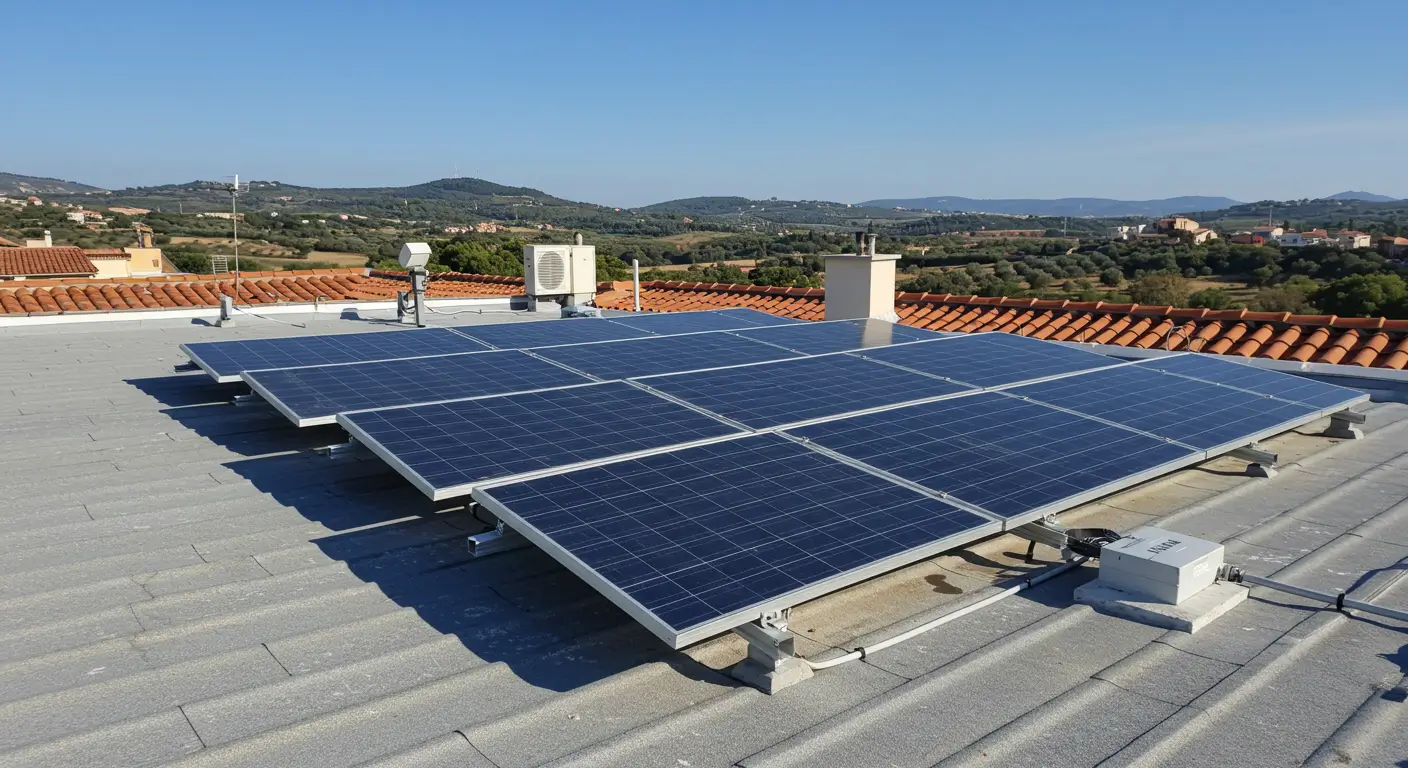
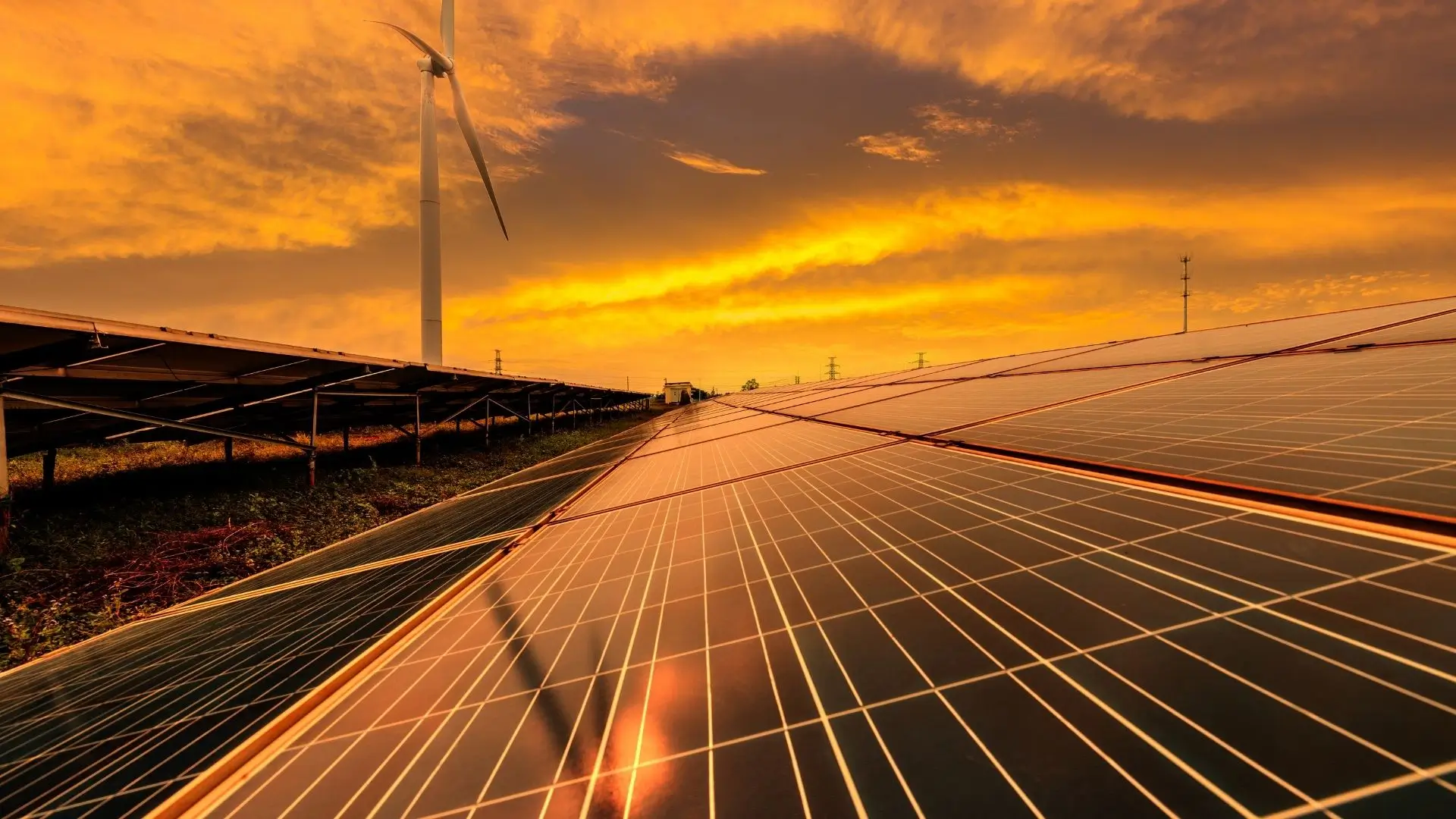
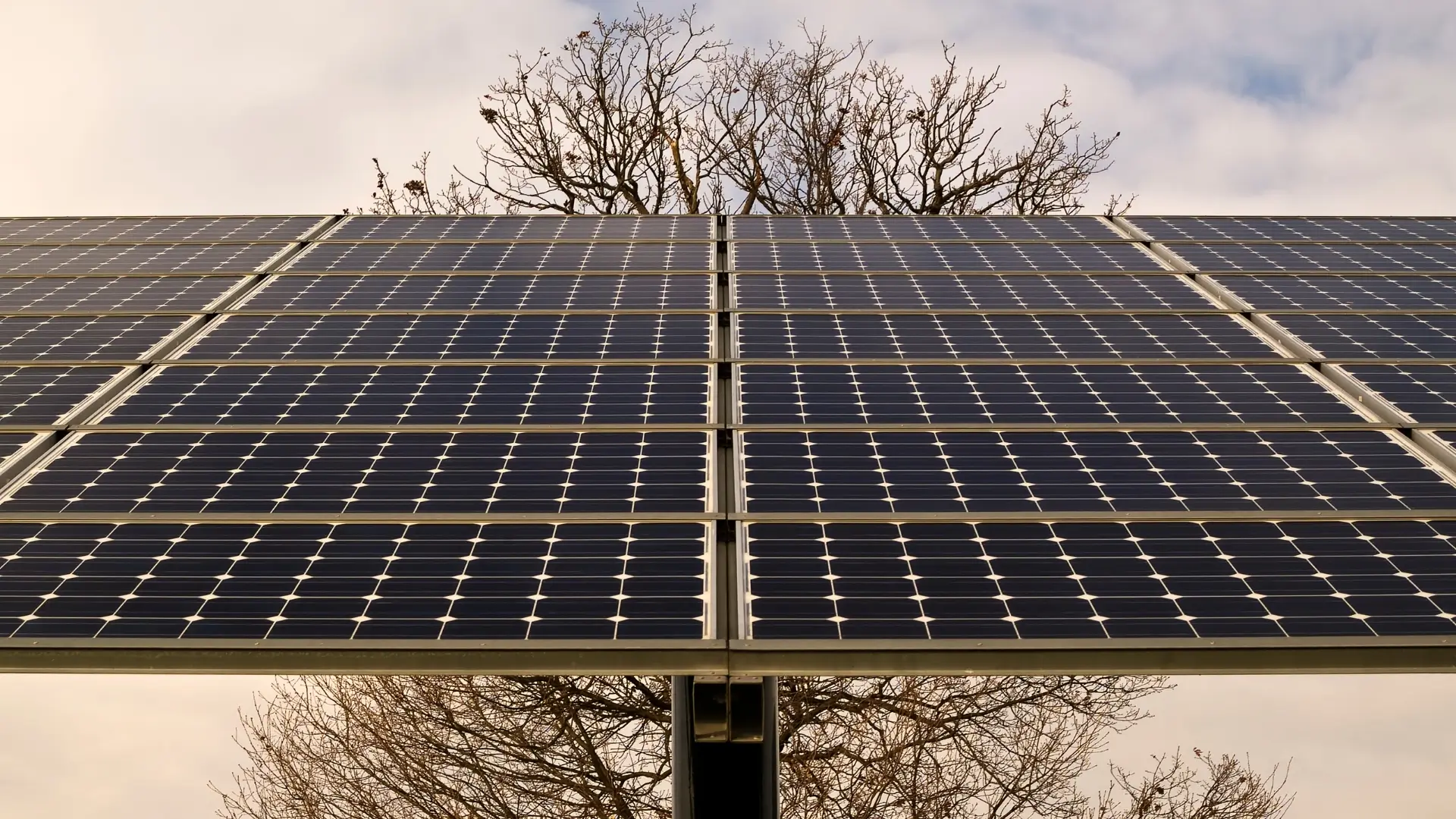
Floating solar power plants, commonly known as floating PV systems, are photovoltaic panel installations built on still water surfaces such as dam reservoirs, ponds, or water treatment basins instead of land parcels. This technology offers one of the most innovative ways of producing renewable energy without occupying agricultural land or valuable real estate. The panels are mounted on corrosion-resistant special floats and floating platforms that utilize the buoyant force of water, transforming idle water surfaces into active energy production areas.
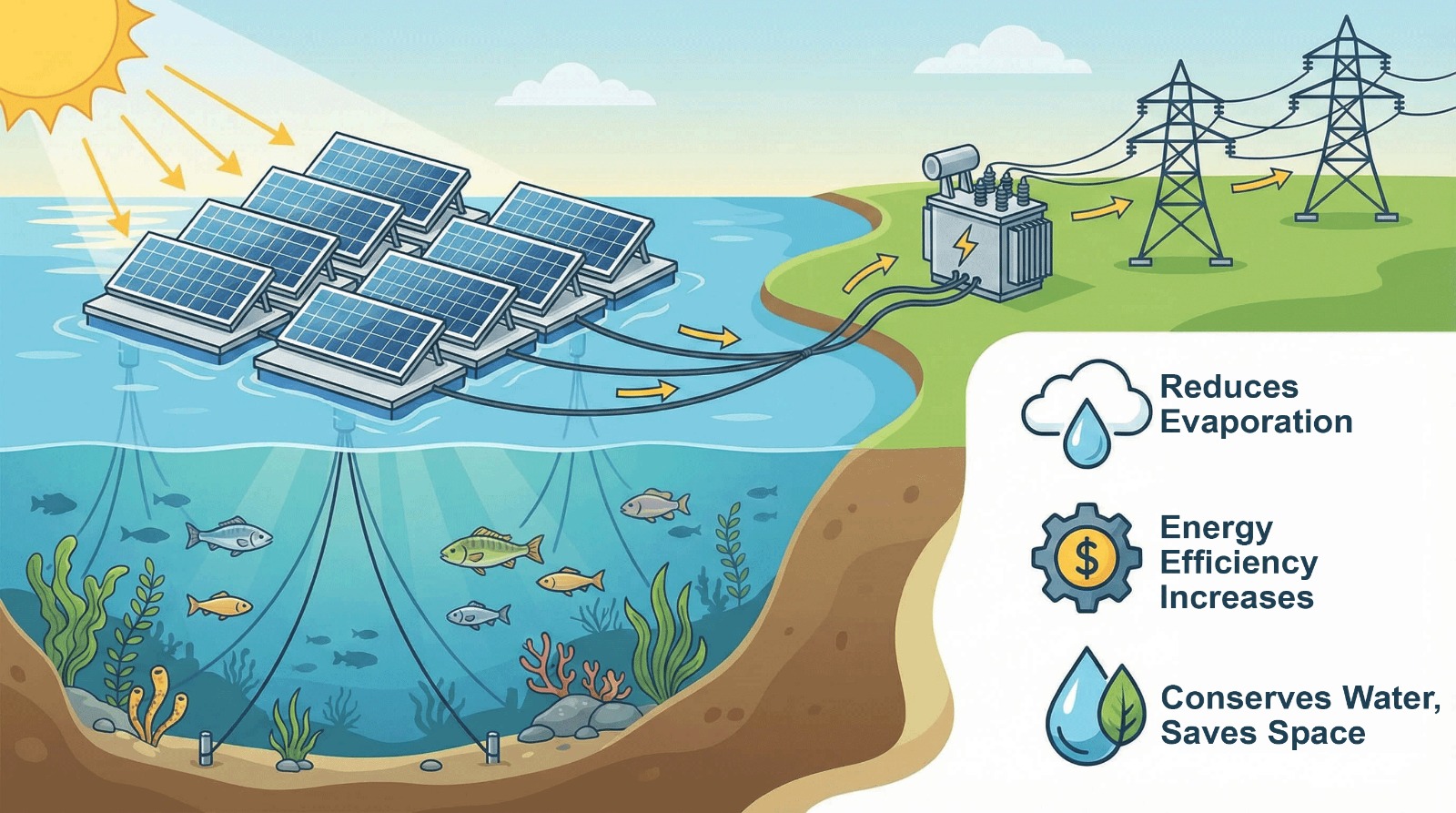
The most prominent technical advantage of the system is the natural cooling effect of water on the panels. When solar panels overheat, performance losses occur, whereas the cool air flow over the water surface keeps the panels at their optimal operating temperature. This thermal advantage can increase electricity generation efficiency by 10% to 15% compared to conventional land-based systems. In addition, the absence of infrastructure works and land grading significantly accelerates the installation process.
Beyond energy efficiency, the environmental contributions of these plants are also highly critical. Floating platforms shade the water surface and significantly reduce evaporation, which helps preserve water reserves, especially in regions facing drought risk. At the same time, by blocking sunlight, they prevent excessive algae growth and protect water quality. This dual benefit—producing energy while conserving water resources—makes floating PV projects an indispensable part of a sustainable future.
How Do Floating PV Systems Work and What Are the Installation Stages?
Although floating solar power plants share a similar operating principle with land-based systems, they have a completely different structure in terms of ground engineering. Instead of soil, panels are placed on floats made from corrosion- and moisture-resistant materials such as high-density polyethylene. These floating platforms carry tons of equipment thanks to the buoyant force of water and adapt to changes in water level due to their flexible structure. The generated direct current (DC) electricity is collected via special cables suitable for water insulation and transmitted to inverters located either on land or on floating platforms, where it is converted into alternating current (AC). The integrity of the system represents an engineering feat designed to withstand the dynamic movements of water.
The implementation of a floating PV project involves the following steps, covering a detailed engineering and planning process:
- Site Analysis and Bathymetric Study: Initially, environmental factors such as water depth, seabed structure, wave height, and wind speed are analyzed in detail. These data are vital for the safety of the plant.
- Anchoring System Design: Special anchors and mooring lines are installed on the seabed or along the shoreline to prevent the floating island from drifting due to wind or currents. This system ensures that the plant maintains its position even when water levels change.
- Float and Platform Assembly: Modular floats are assembled into blocks, typically in a temporary assembly area created along the shoreline.
- Panel and Structure Installation: Solar panels and the lightweight metal structures that support them are mounted on the assembled floats. Panel angles are optimized to benefit from reflected sunlight from the water surface.
- Launching and Interconnection: The prepared floating blocks are launched into the water and interconnected on the surface to form the main structure.
- Electrical Infrastructure and Cabling: Water-resistant special cables are laid to connect the panels, and the transmission line is extended to the transformer station on land.
- Testing and Commissioning: After insulation tests and performance measurements are completed, the plant is connected to the grid and energy production begins.
The most sensitive point of the installation process is the plant’s resistance to water movements. An incorrectly calculated anchoring system can put the entire investment at risk during stormy conditions. Therefore, engineering studies must account not only for immediate energy production but also for seasonal water level fluctuations and freezing risks. A well-planned project reduces labor costs during installation and ensures maximum efficiency with minimal maintenance throughout its operational life.
The Advantages of Producing Energy on Water: Why Choose Floating PV?
The biggest limiting factor in energy investments is usually land cost and the difficulty of finding suitable locations. Floating PV technology fundamentally solves this problem by converting idle water surfaces into valuable energy production areas. By preventing the sacrifice of agricultural land or forested areas for energy production, this method protects nature while making the most efficient use of existing infrastructure. The ability to install systems on already existing areas such as dam reservoirs or water treatment facilities—without requiring additional expropriation or land preparation—makes it a highly attractive option for investors.
The strategic and technical advantages of producing energy on water include:
- High Efficiency with Natural Cooling: Solar panels lose performance when overheated. The cooling effect of water keeps panels at optimal temperature, increasing electricity generation efficiency compared to land-based systems.
- Preservation of Water Reserves: Panels cover the water surface and significantly reduce evaporation, making a vital contribution to maintaining reservoir levels, especially in arid climates.
- Improved Water Quality: By preventing sunlight from penetrating deeper into the water, excessive algae growth is reduced. This helps maintain oxygen balance and lowers filtration costs in water treatment facilities.
- Land Savings: Valuable agricultural land or residential areas are not occupied. Even wastewater ponds in industrial zones can be converted into energy production facilities.
- Minimal Dust Accumulation: Dust formation over water is far lower than on land. Slower panel soiling results in significant savings on cleaning and maintenance costs.
The benefits offered by these systems extend beyond economic gains and also support ecological balance. In hybrid models integrated with hydroelectric power plants, solar energy is produced during the day while water is conserved in the reservoir, enabling more efficient use of hydroelectric capacity at night or during dry periods. By increasing energy security and reducing environmental footprint, this technology is poised to play a key role in the energy infrastructure of the future.
Floating PV or Land-Based PV? Efficiency and Performance Comparison
In solar energy investments, the most critical factor determining profitability is how panels respond to ambient temperature. In land-based systems, the ground absorbs sunlight, heats up, and reflects this heat back to the panels, causing significant efficiency losses. In contrast, installations built on water benefit from the natural cooling effect of water, keeping panels at their optimal operating temperature. Thanks to this thermal advantage, floating plants can offer 10% to 15% higher output than land-based alternatives, especially in hot climates. Cooler panel operation not only increases instantaneous power generation but also reduces wear on equipment, extending its service life.
When operational and maintenance processes are examined, notable differences arise due to environmental factors. Land-based sites are exposed to heavy dust accumulation and require regular cleaning, while vegetation causing shading must be constantly controlled. Floating facilities, on the other hand, experience minimal dust formation and eliminate concerns such as ground maintenance, directly reducing operational expenses. While land-based projects exert pressure on agricultural land or residential areas, floating systems utilize idle water reservoirs, completely eliminating land-use issues.
From a cost perspective, the balance between installation budget and return on investment determines the preference. Floating systems require a higher initial investment compared to land-based projects due to the need for water-resistant special floats and advanced anchoring technologies. However, increased energy production capacity and lower maintenance costs gradually offset this initial difference. In long-term analyses, the high efficiency provided by water positions floating plants as highly competitive in terms of unit energy cost, offering investors a more stable production curve.
Floating Solar Power Plant Installation Cost and Return on Investment
The initial investment budget for floating solar energy projects generally requires slightly higher capital compared to land-based systems. The main reason for this cost difference lies in special float systems capable of safely carrying panels on water, corrosion-resistant reinforced metal components, and underwater cabling infrastructure. However, with rapid technological advancement and growing production scales, floating platform costs are becoming increasingly competitive. The absence of construction items such as land grading, excavation, and road building balances total project costs and significantly eases the budget.
When calculating the return on investment, the noticeable increase in energy output plays a critical role. Thanks to the natural cooling effect of water, panels operate at much higher performance levels than their land-based counterparts, delivering substantial annual production gains. This efficiency increase quickly compensates for the initial cost difference and significantly shortens the payback period. Additionally, using idle water surfaces instead of purchasing high-value agricultural or industrial land reduces land costs to zero, strengthening financial feasibility.
Low operating and maintenance expenses are another factor that directly enhances long-term profitability. Minimal dust formation on water surfaces and the availability of cleaning water directly beneath the system reduce operational costs to a minimum. When ecological benefits such as reduced evaporation and water conservation are also considered, floating plants provide investors with a stable and high income stream throughout their economic life. A project planned with accurate engineering calculations has the potential to recover its costs and generate net profit within an average of five to seven years.
Do Comment