



Other Blog



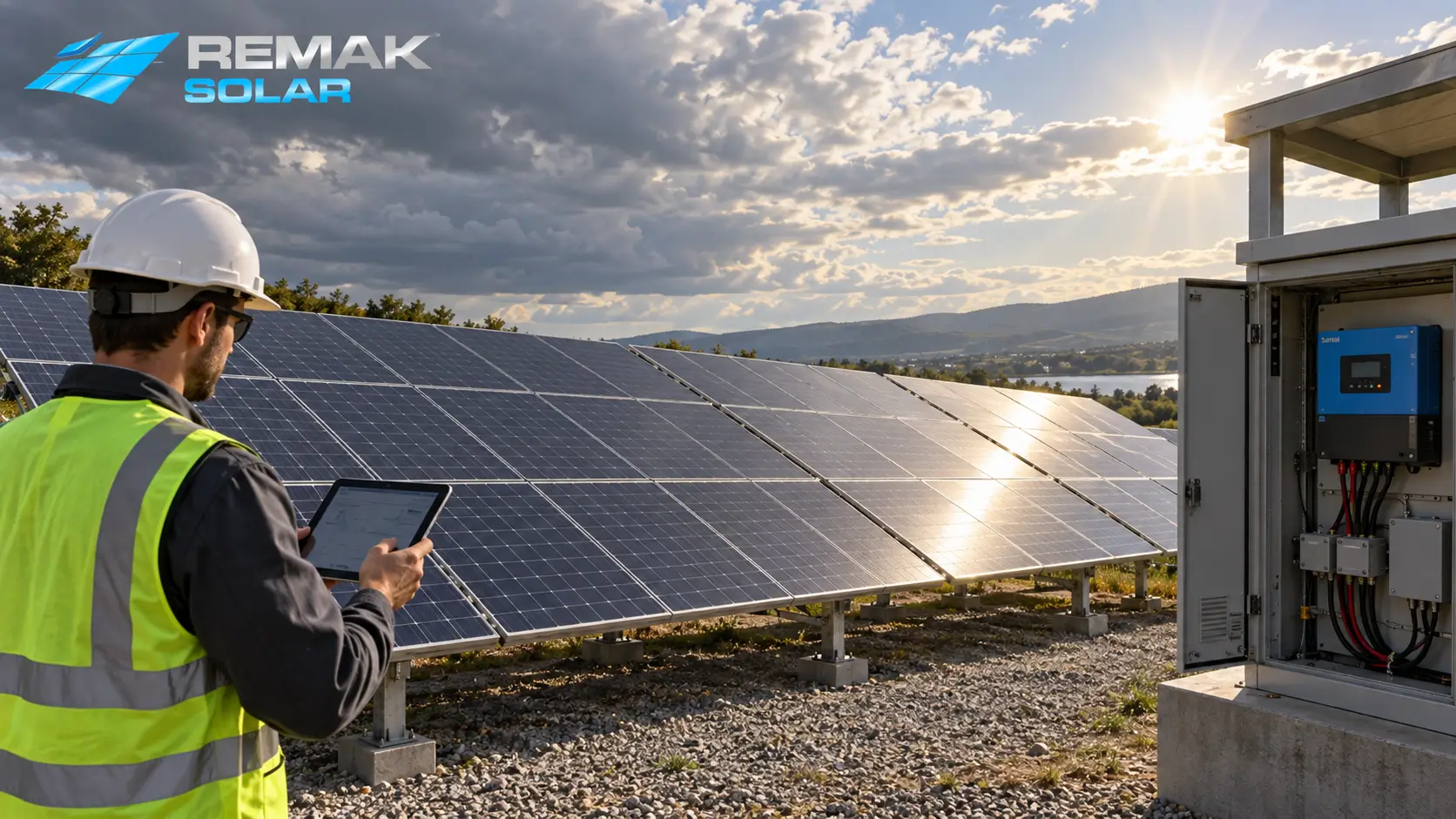
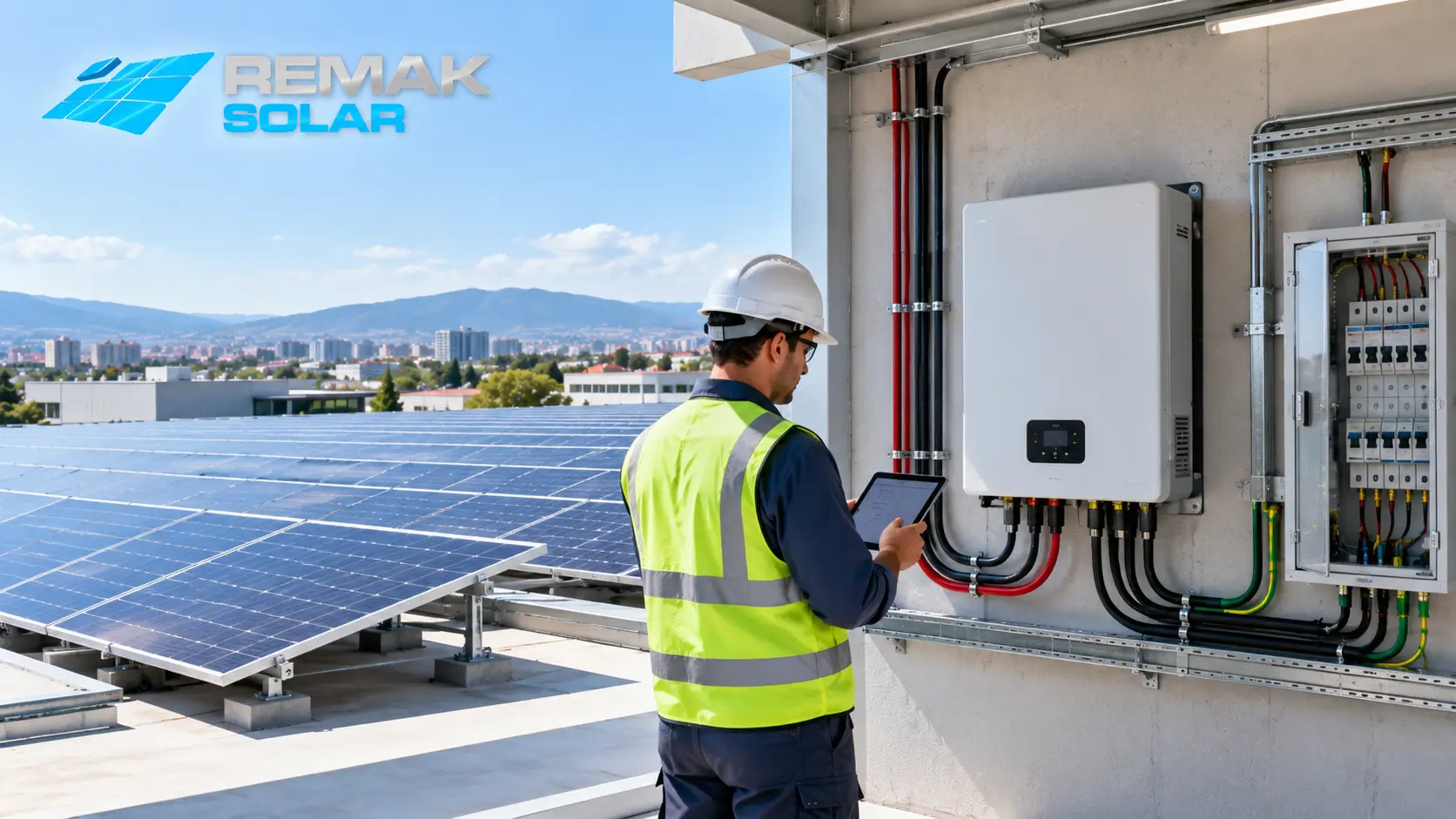
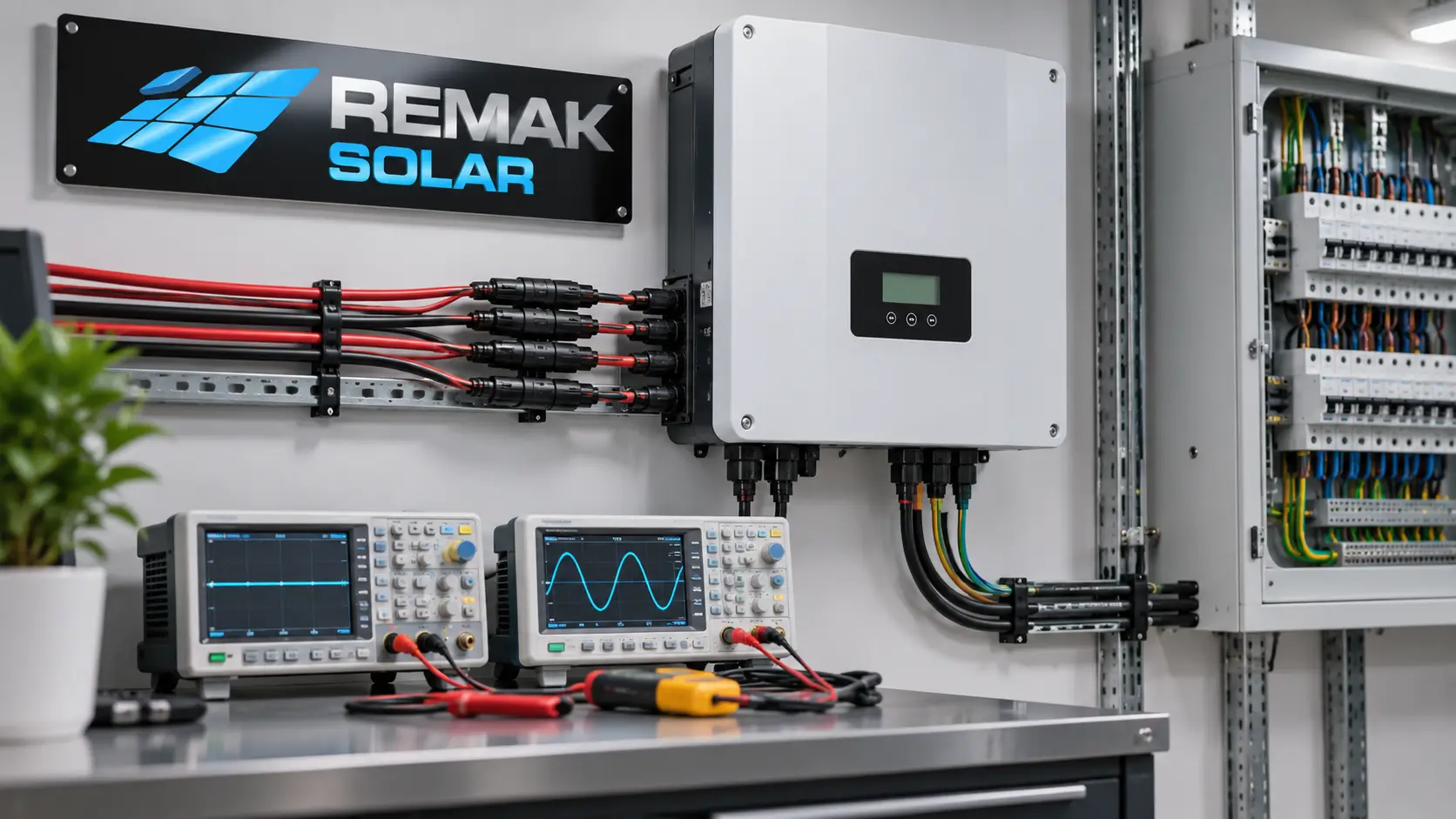












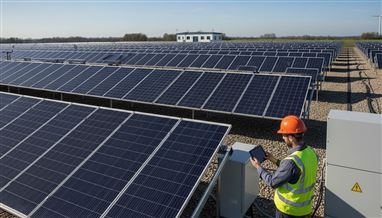


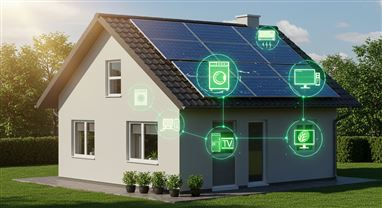
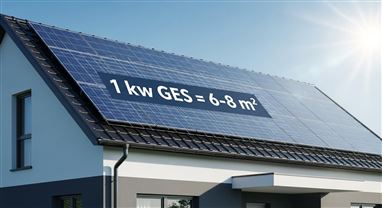



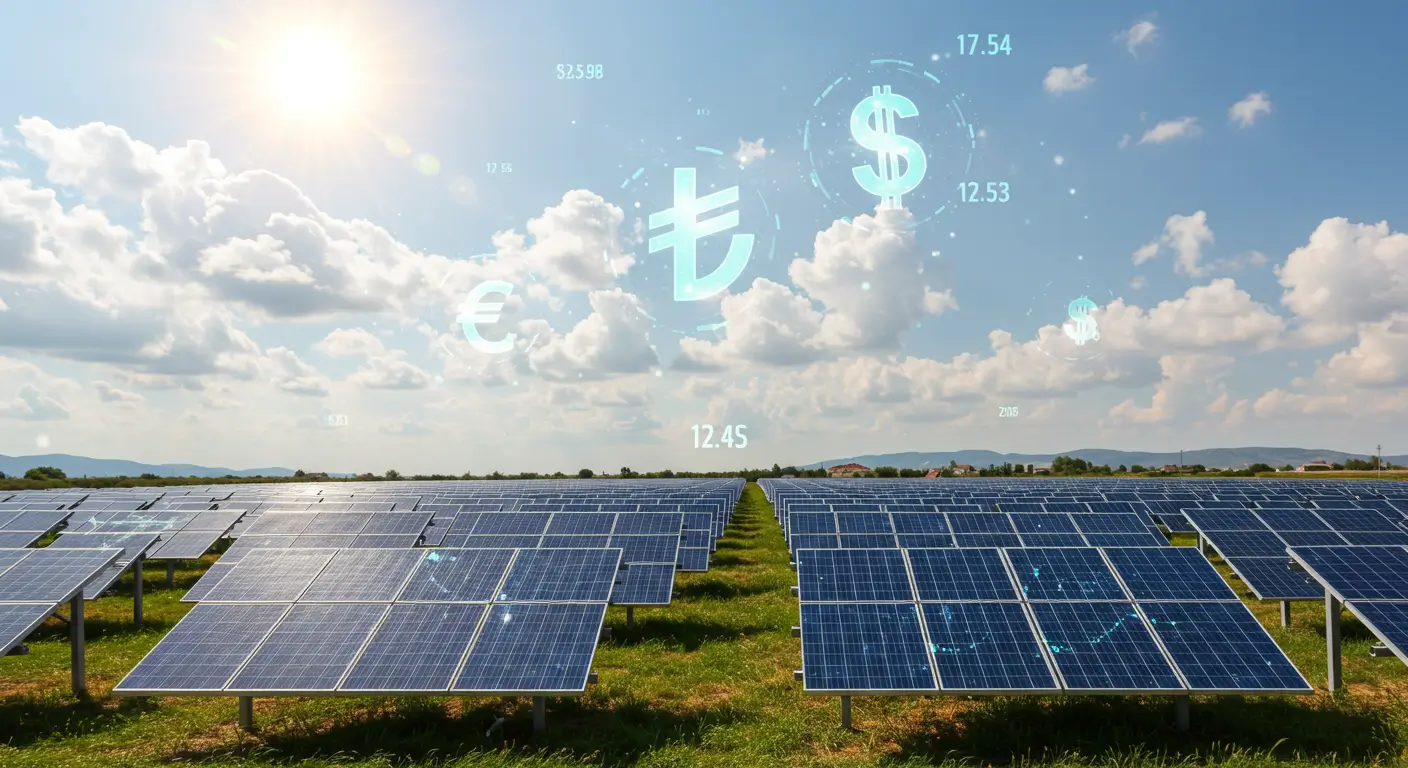
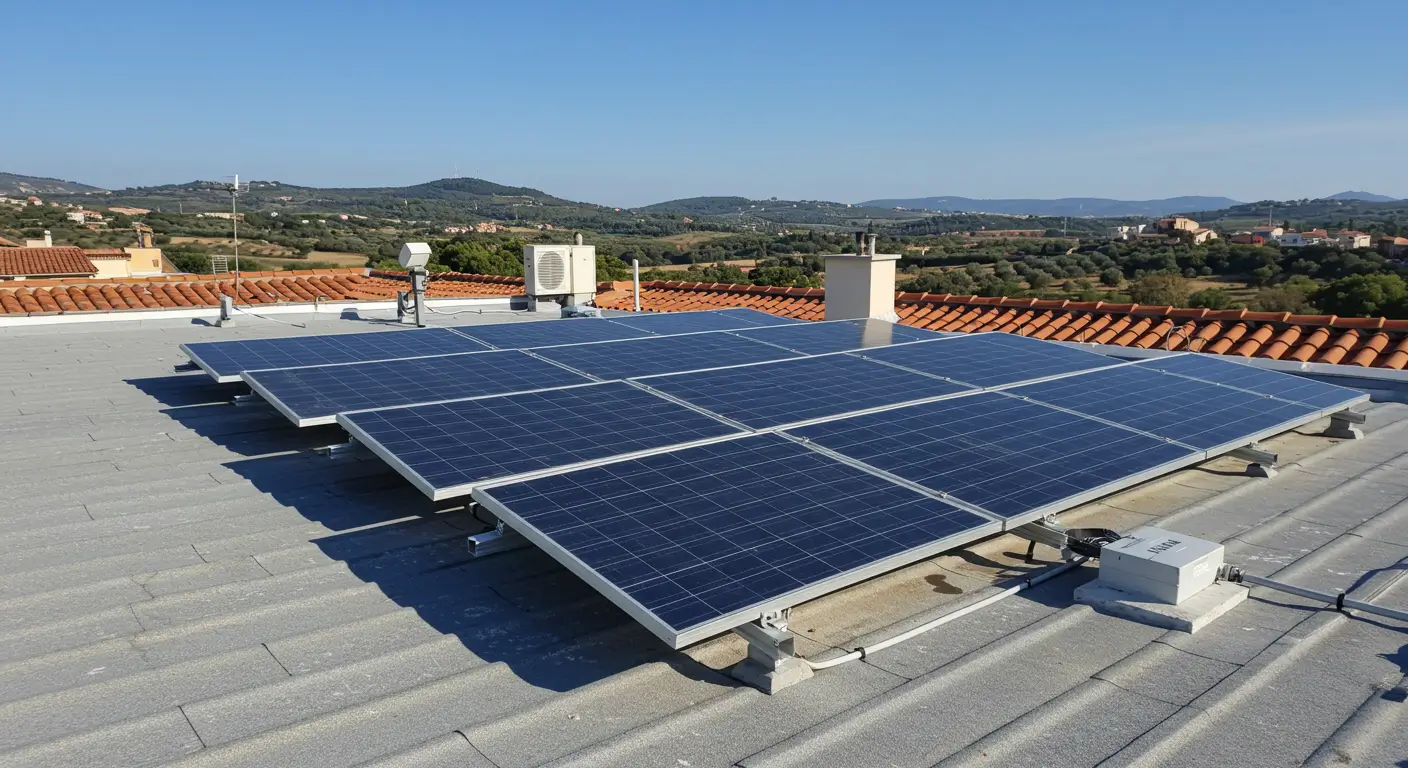
















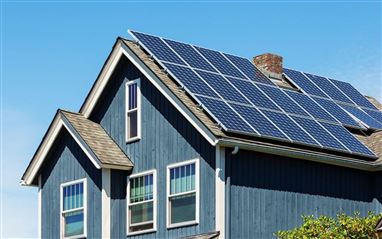


Net metering is a practice based on offsetting the electricity generated by a solar energy system with the electricity consumed from the grid. In this system, the user generates electricity from the sun during the day and feeds any surplus energy into the grid. In the evening hours or when production is low, electricity is drawn from the grid. At the end of the month, these two values are compared and the user pays only for the portion where consumption exceeds generation. This method offers a significant saving opportunity for both individual and corporate energy producers.
The net metering system is becoming increasingly popular, especially among businesses and homeowners using rooftop solar panels. Thanks to this model, energy costs are reduced and the payback period of the investment is shortened. Taking the difference between generation and consumption into account on the electricity bill provides a fair calculation for the user. At the same time, thanks to the grid connection, surplus energy is not wasted but injected back into the system.
The advantage of this system is not only economic, but also highly valuable from an environmental perspective. Consumers who generate their own electricity reduce dependence on fossil fuels and lower carbon emissions. While the net metering model promotes sustainability in energy production, it also offers users the opportunity for long-term independent energy management.
How Does the Net Metering System Work?
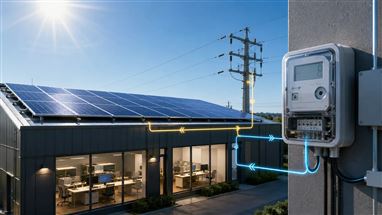
The net metering system works on the principle of offsetting the amount of electricity generated by solar panels against the amount of electricity drawn from the grid. During the day, the panels generate electricity and any surplus energy is sent to the grid. At night or when production is low, the user draws electricity from the grid. At the end of the month, these two values are compared and payment is made only for the amount by which consumption exceeds generation. In this way, the user both reduces energy costs and benefits from their own production.
This system operates through bi-directional electricity meters. The energy generated and fed into the grid is recorded through the meter, and the energy consumed from the grid is monitored via the same device. This method is widely used in rooftop solar energy systems and offers advantages to individual consumers. The net metering model both provides energy savings and turns the user into a producer, fostering a sustainable energy habit.
How Is Net Metering Applied in Solar Energy?
In solar energy, net metering is based on balancing the electricity that users generate from their own panels with the electricity they consume from the grid. The energy generated during daylight hours first meets the user’s own needs, and any surplus portion is automatically fed into the electricity grid. At night or on cloudy days when production decreases, the user draws energy from the grid. At the end of the month, the meter data is compared and the bill is issued only for the amount by which consumption exceeds generation.
This process is carried out automatically through bi-directional meters. The meter measures both the energy fed into the grid and the energy drawn from it separately. This system provides economic benefits for both households and businesses. The surplus electricity generated is not wasted; it is injected into the system and, in doing so, the user reduces overall energy costs.
Net metering is applied over settlement periods defined by the electricity distribution companies. Typically carried out on a monthly basis, this balancing clearly reveals the difference between energy generation and consumption. Through this method, the user can significantly shorten the payback period of their solar energy investment.
In a properly designed system, net metering provides not only electricity savings, but also sustainable energy management. The user both contributes to the environment and strengthens their energy independence in the long term. This structure turns solar energy into not just an investment, but also a conscious energy management model.
Advantages of Net Metering for Businesses
For businesses, the net metering system is one of the most effective ways to reduce energy costs and achieve sustainable production targets. Companies that generate their own electricity from solar energy can offset their consumption by feeding surplus energy into the grid. In this way, energy expenses are significantly reduced while production continuity is also secured. Especially in sectors with high electricity consumption, the net metering model helps shorten the investment payback period.
Advantages of net metering for businesses:
- Reduces energy costs: Surplus energy generated significantly lowers electricity bills.
- Shortens payback period: Balancing generation and consumption delivers long-term profits.
- Reduces dependence on the grid: Businesses that generate their own energy are less dependent on external suppliers.
- Lowers carbon footprint: Using renewable energy supports environmental sustainability.
- Enhances corporate reputation: Environmentally friendly energy policies increase brand value.
- Improves energy security: Helps maintain production continuity during grid outages.
Net metering offers businesses not only financial benefits, but also a strategic advantage. A company that manages its own energy increases its competitiveness and is less affected by future increases in energy prices. This model sits at the heart of modern energy management and supports companies in achieving their sustainable growth objectives.
How Does Net Metering Provide Electricity Savings?
Electricity savings through net metering are achieved by using the electricity generated by solar panels directly for your own consumption. The energy generated during the day first meets the electricity needs of the building or business. When generation exceeds consumption, the surplus energy is automatically fed into the grid. Later, when generation is low, the electricity drawn from the grid is offset against the energy previously supplied. In this way, the user pays only for the amount by which consumption exceeds generation.
This system creates a significant reduction in electricity bills, because the energy generated during the day is both used directly and any surplus is not wasted. Especially in businesses with high daytime energy consumption, the net metering method substantially reduces energy costs. By using solar energy as if it were their own electricity, users save on both monthly bills and long-term energy expenditures.
In addition, net metering encourages a conscious balance in energy use. Users monitor the ratio between generation and consumption and optimize their electricity usage accordingly. This not only provides financial benefits, but also supports environmental sustainability. A net metering system that uses solar energy efficiently forms the basis of an energy model that is both cost-saving and environmentally friendly.
What Is the Difference Between Monthly and Annual Net Metering?
Electricity savings through net metering are achieved by using the electricity generated by solar panels directly for your own consumption. The energy generated during the day first meets the electricity needs of the building or business. When generation exceeds consumption, the surplus energy is automatically fed into the grid. Later, when generation is low, the electricity drawn from the grid is offset against the energy previously supplied. In this way, the user pays only for the amount by which consumption exceeds generation.
This system creates a significant reduction in electricity bills, because the energy generated during the day is both used directly and any surplus is not wasted. Especially in businesses with high daytime energy consumption, the net metering method substantially reduces energy costs. By using solar energy as if it were their own electricity, users save on both monthly bills and long-term energy expenditures.
In addition, net metering encourages a conscious balance in energy use. Users monitor the ratio between generation and consumption and optimize their electricity usage accordingly. This not only provides financial benefits, but also supports environmental sustainability. A net metering system that uses solar energy efficiently forms the basis of an energy model that is both cost-saving and environmentally friendly.
The Contribution of Net Metering to the Energy Sector
Net metering is an important mechanism that accelerates the adoption of renewable resources in the energy sector and makes the electricity generation system more balanced. The fact that solar energy users feed their surplus electricity into the grid both increases resource diversity and strengthens energy supply security. Thanks to this model, the balance between producers and consumers is improved, energy generation is spread across distributed systems instead of being concentrated in central plants, and the load on the grid becomes more balanced.
Main contributions of net metering to the energy sector:
- Encourages renewable energy generation: Increases individual and corporate production while reducing dependence on fossil fuels.
- Strengthens grid stability: Local generation helps balance regional energy demand.
- Improves energy efficiency: Electricity that is generated does not go to waste, but is injected into the grid.
- Supports economic sustainability: Small producers also become part of the energy economy.
- Reduces carbon emissions: As the use of clean energy becomes more widespread, environmental impact decreases.
- Supports distributed generation: Energy is supplied not from a single center, but from many different locations.
This system makes it easier for both individuals and businesses to participate in the energy transition. Net metering provides long-term benefits not only for consumers, but also for the energy infrastructure as a whole. In this way, energy generation becomes more efficient, environmentally friendly, and sustainable.
Do Comment