

Other Blog
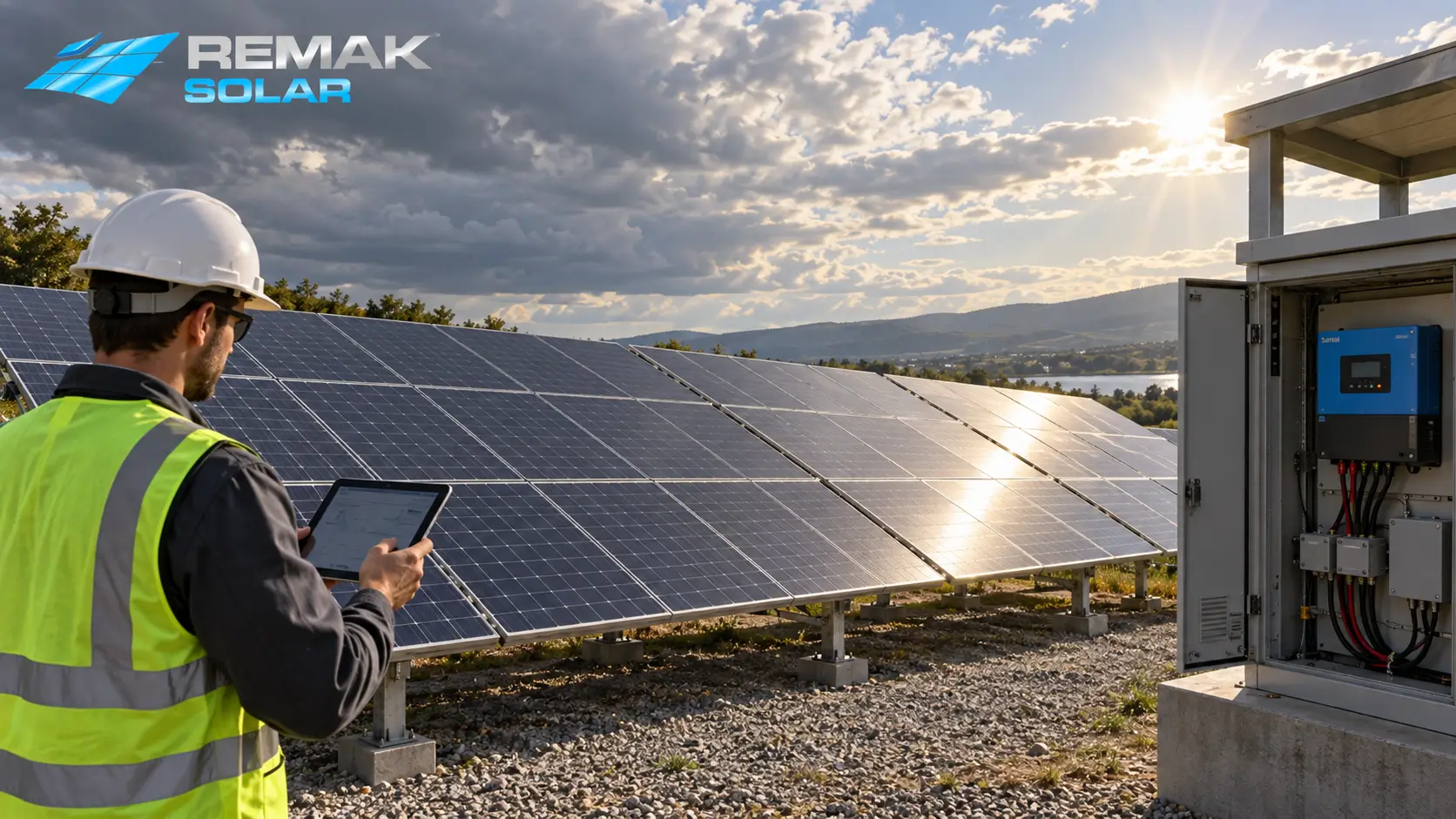
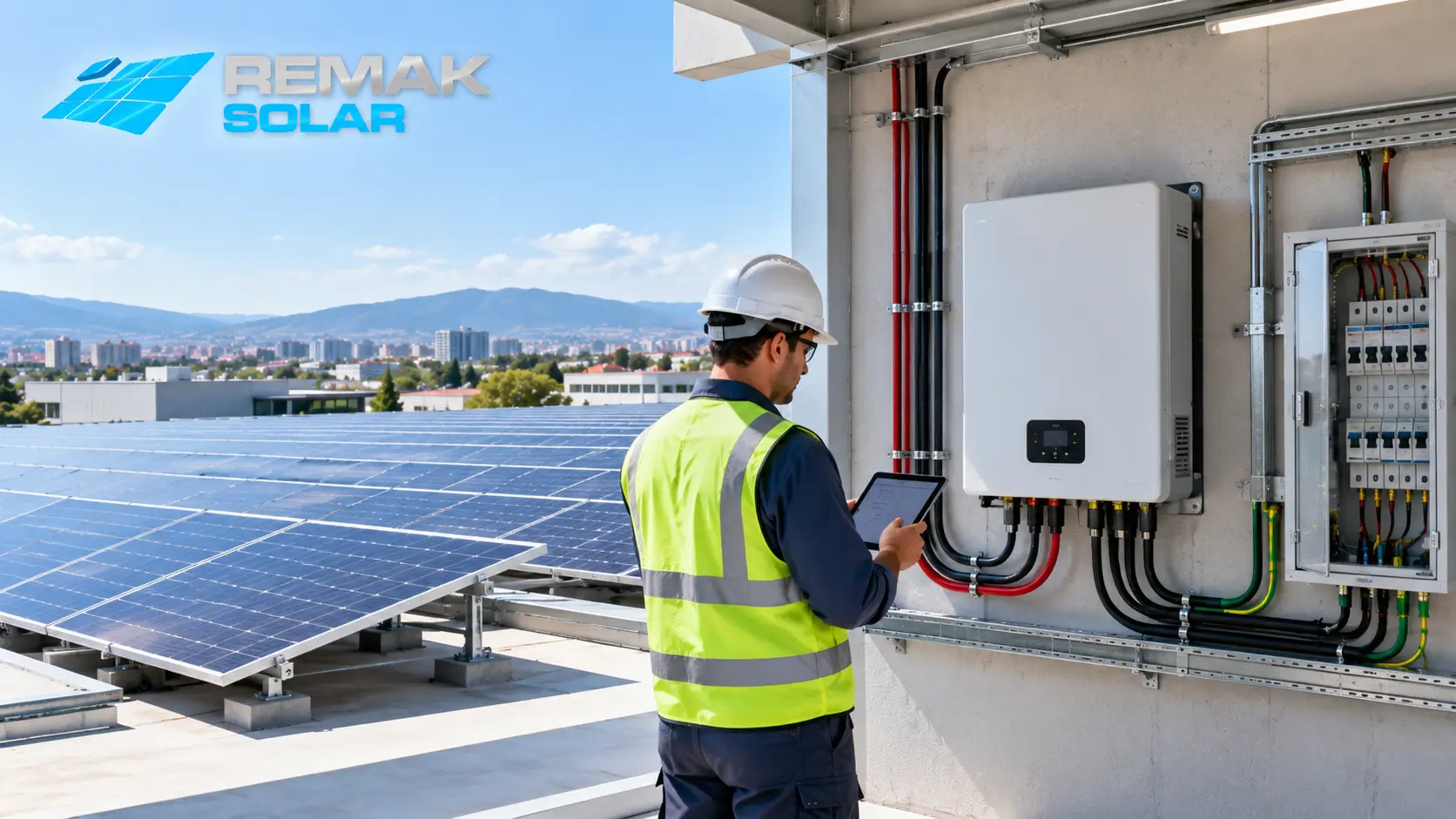
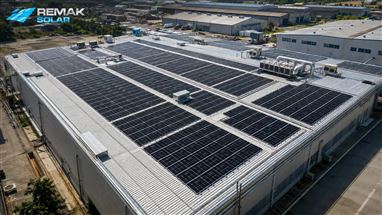
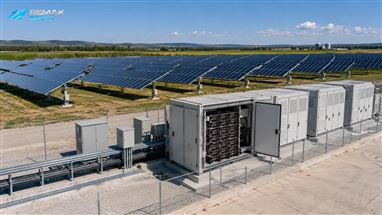


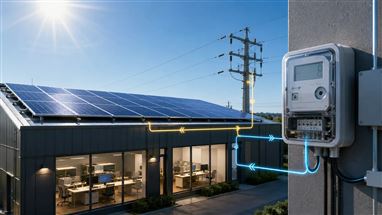

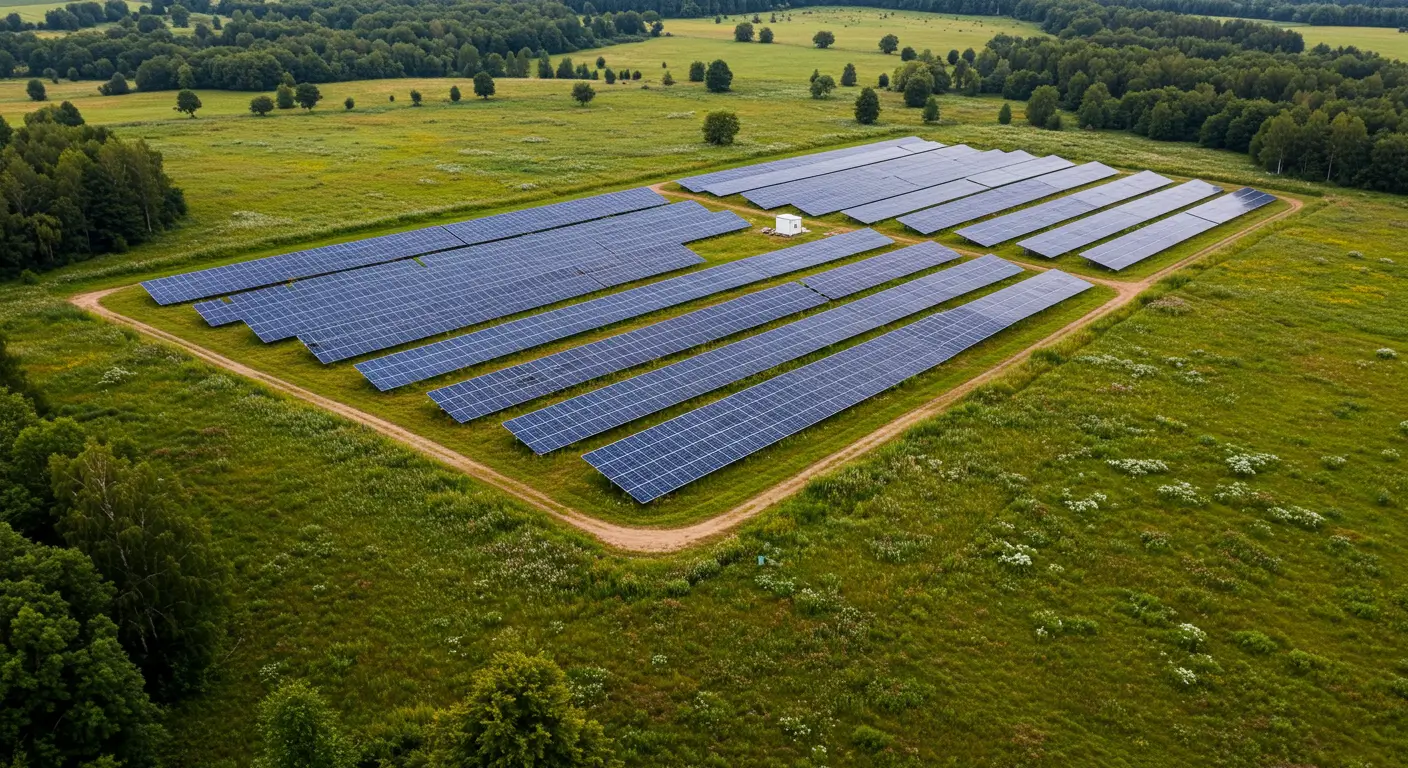
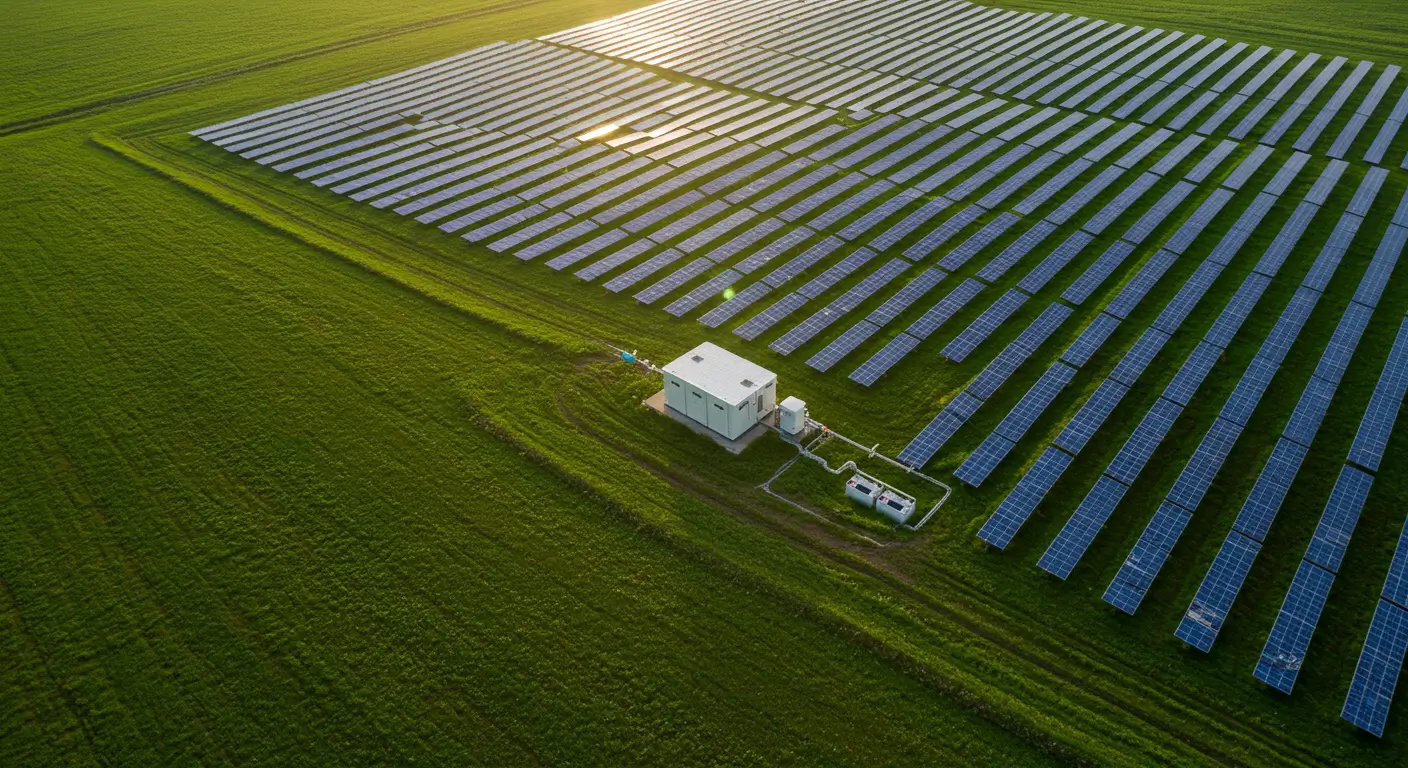
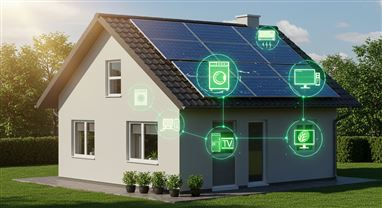
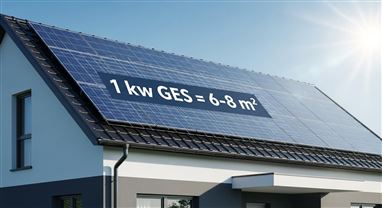
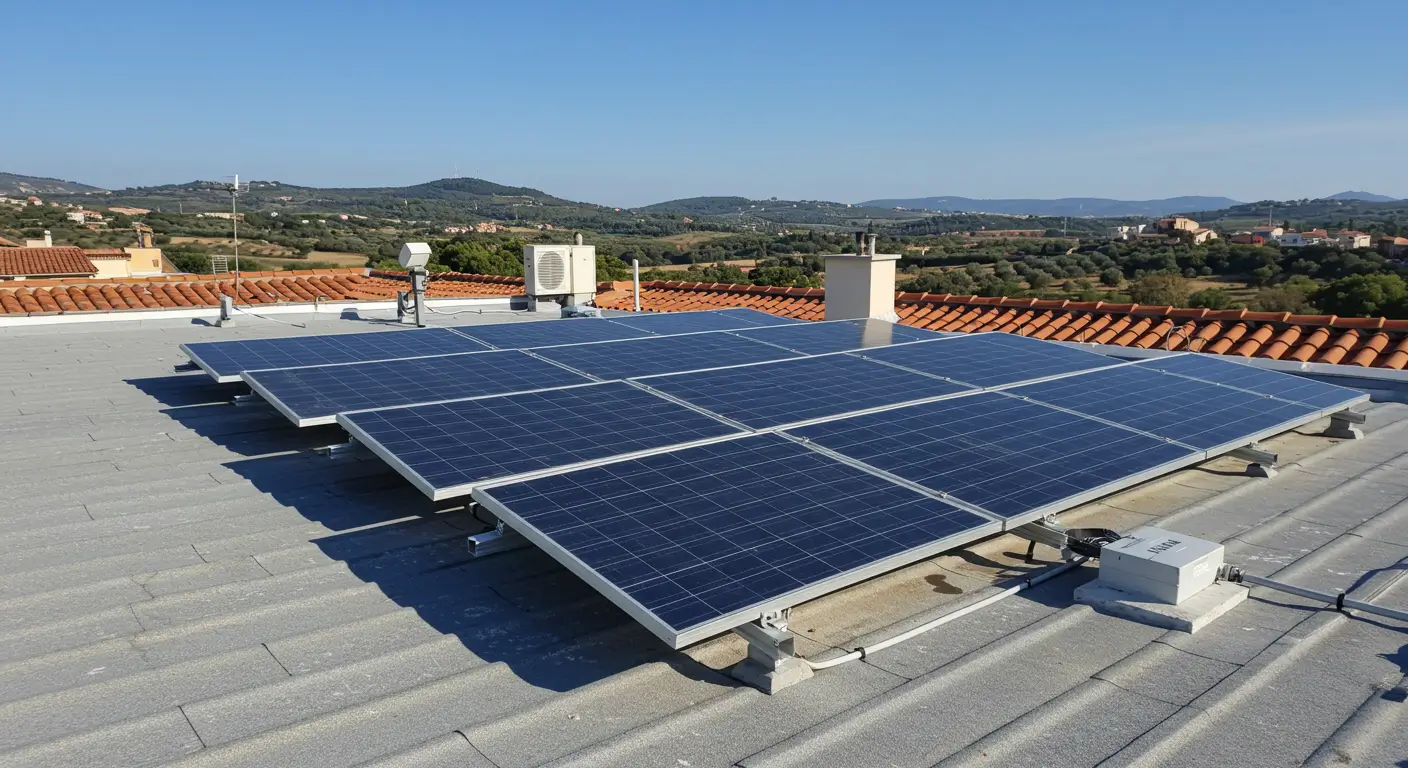
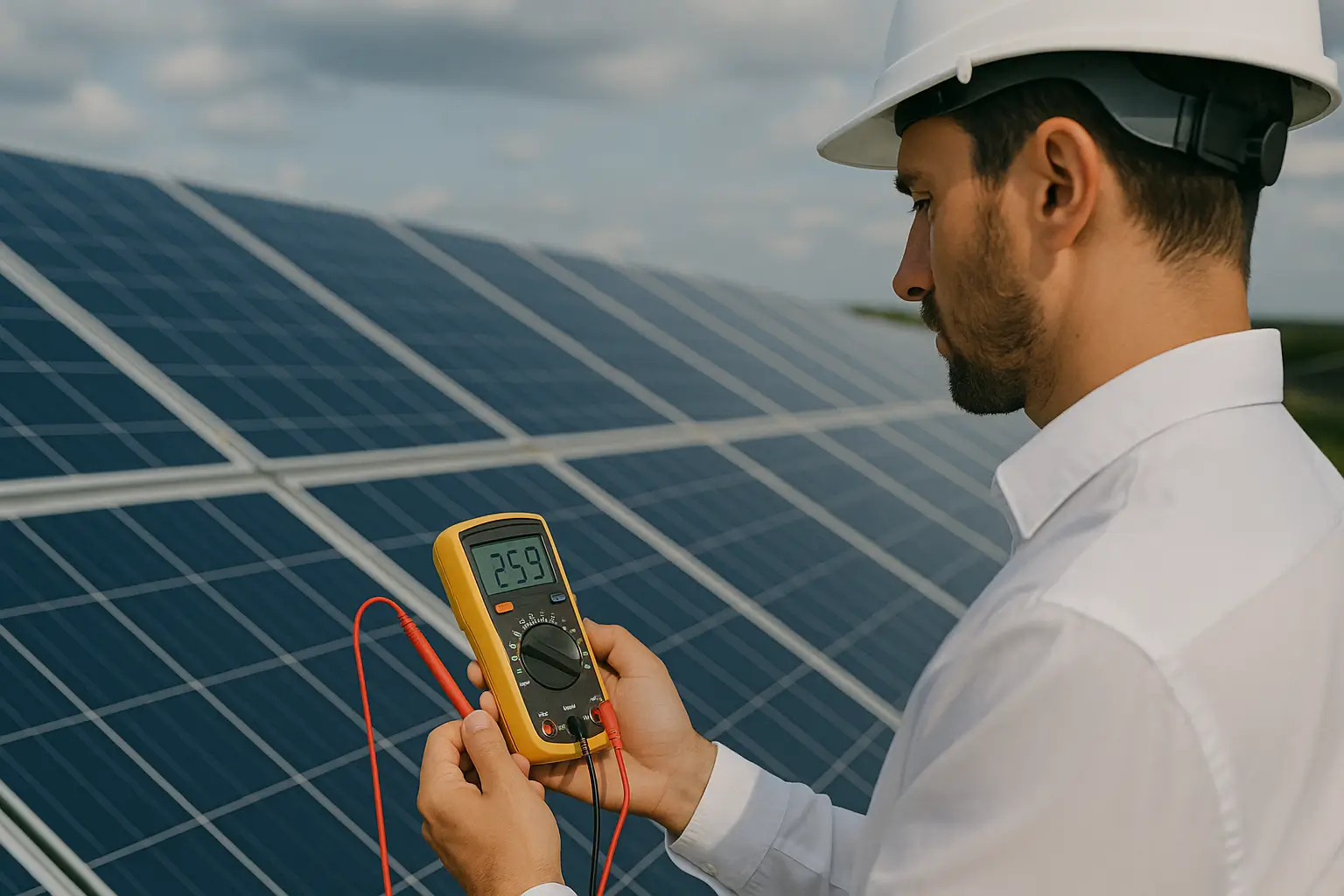

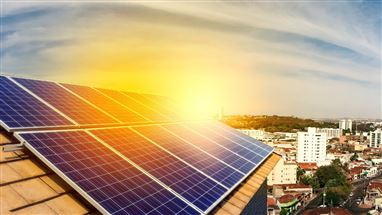
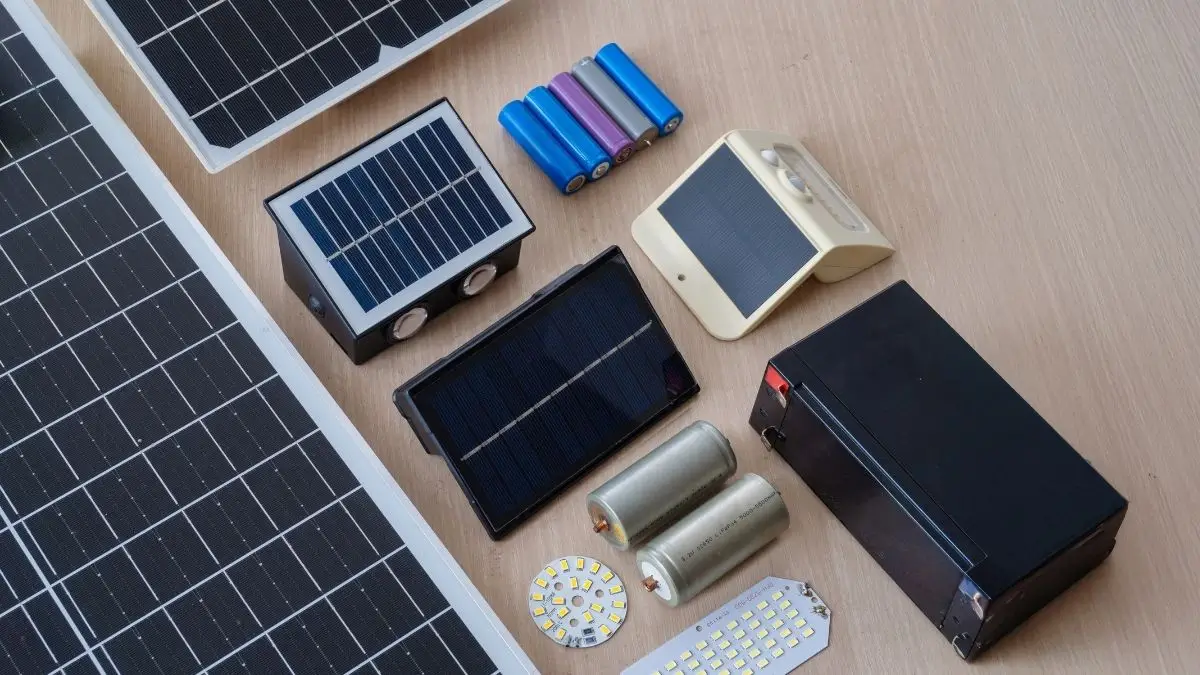
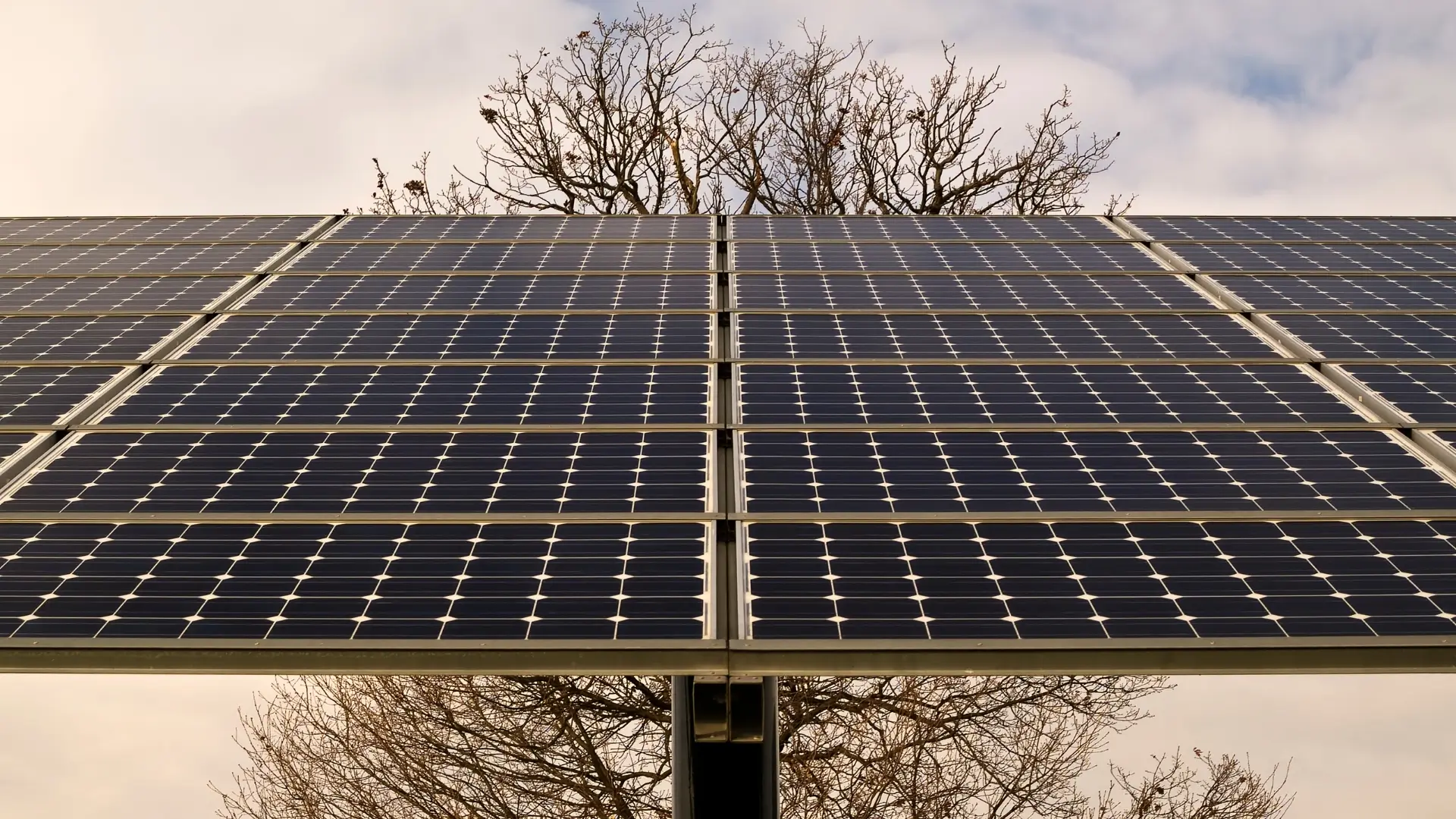
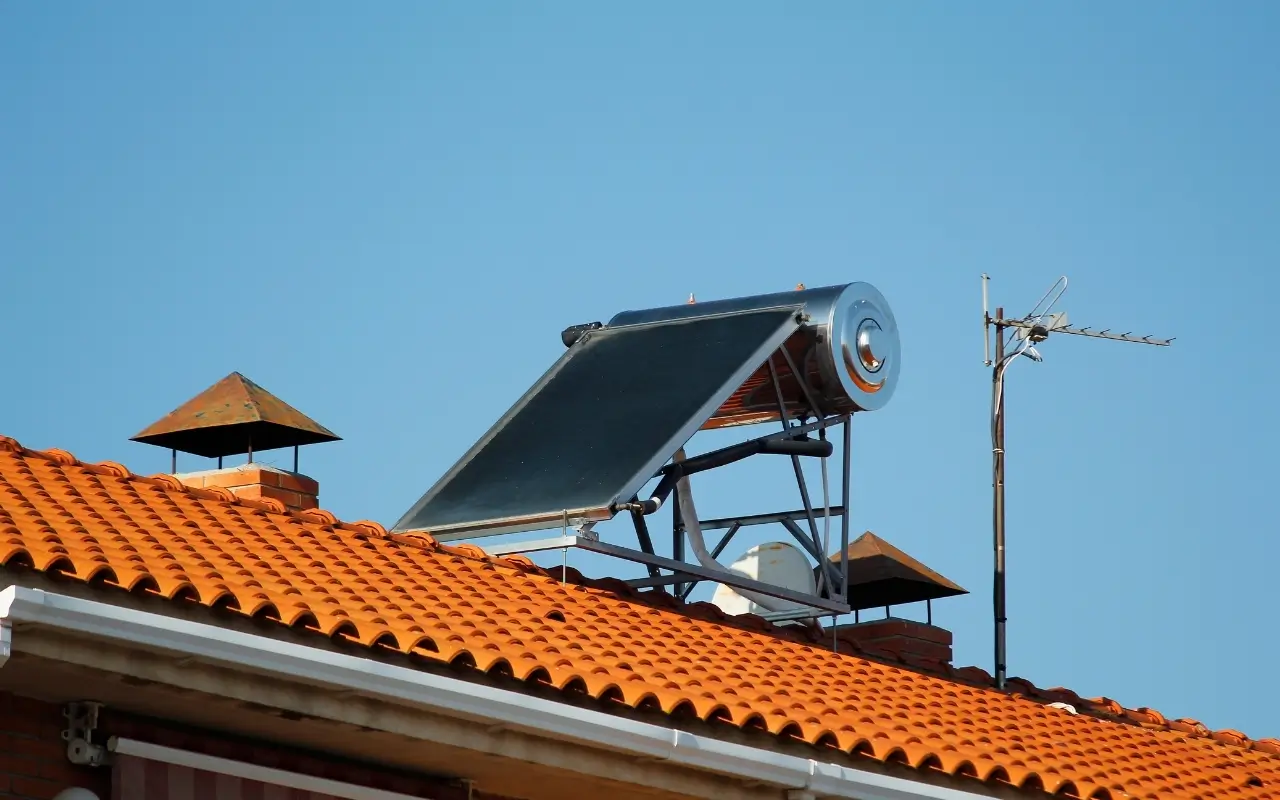
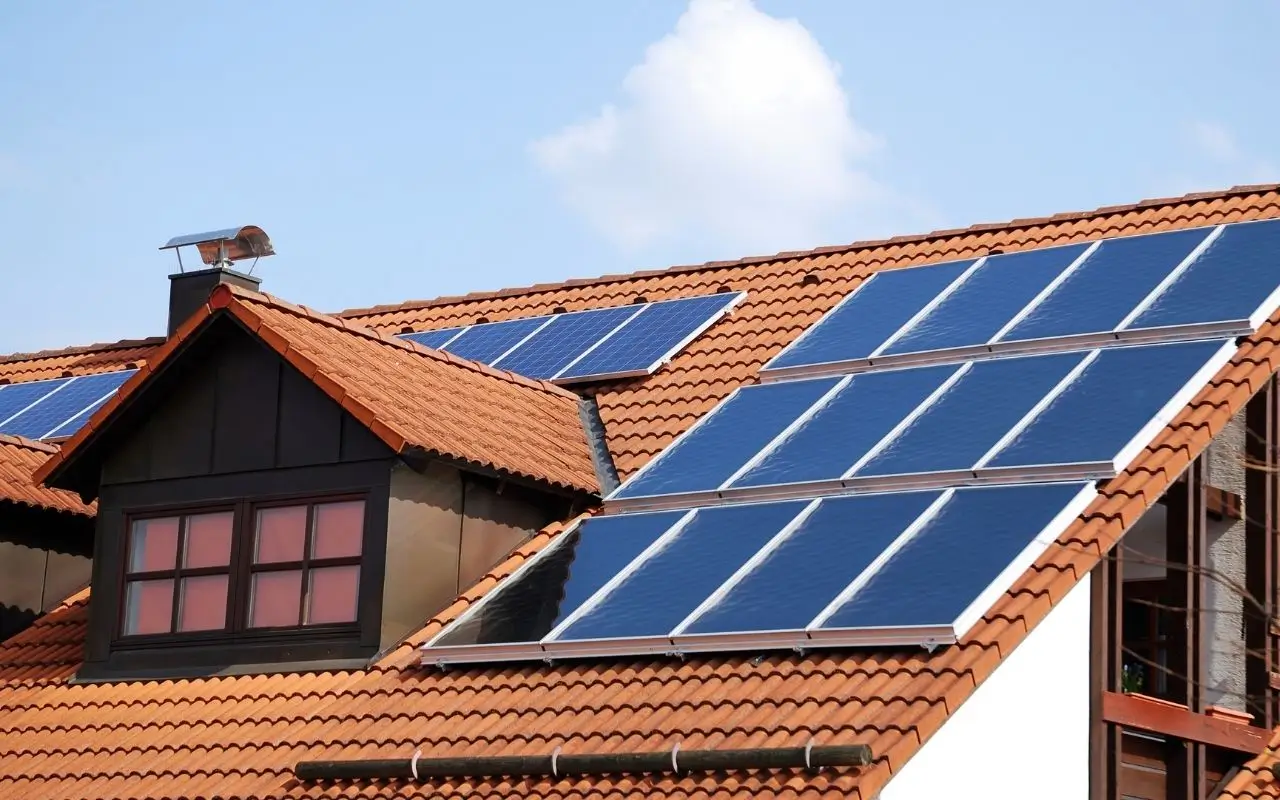

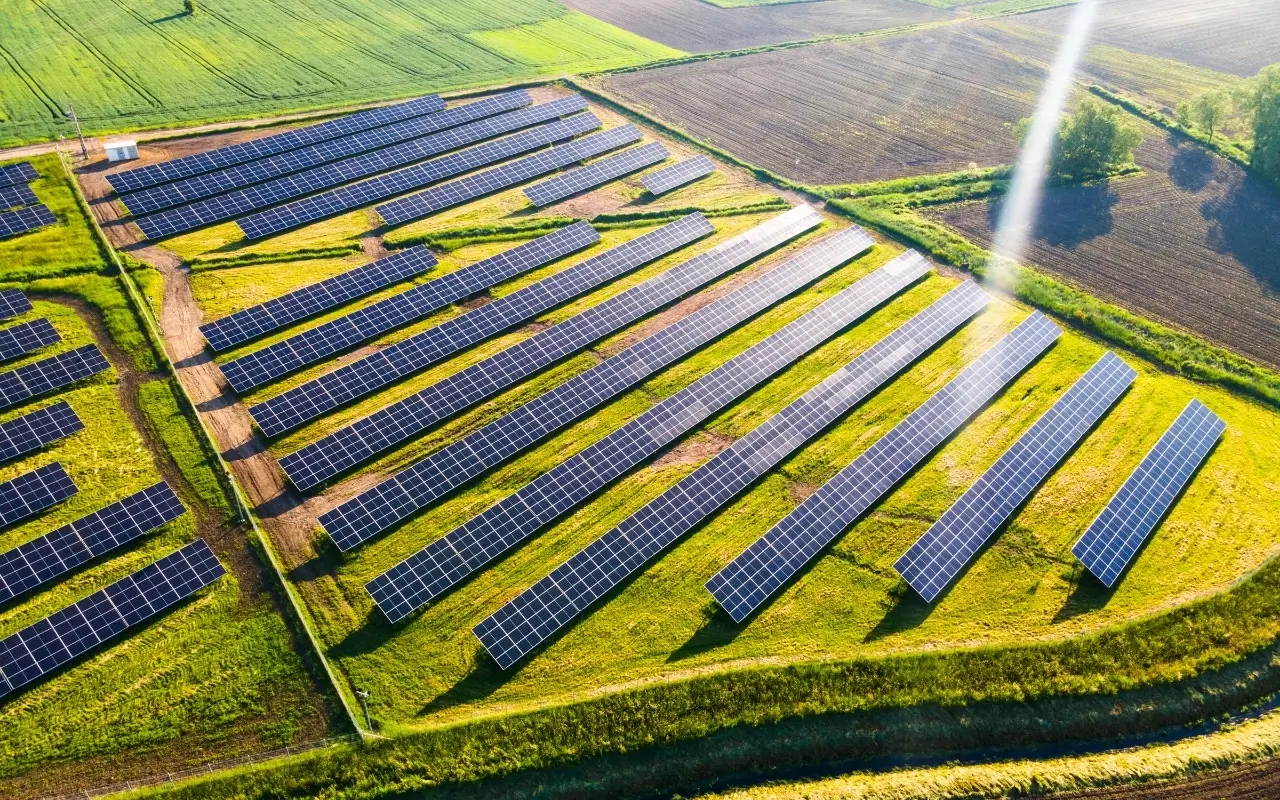
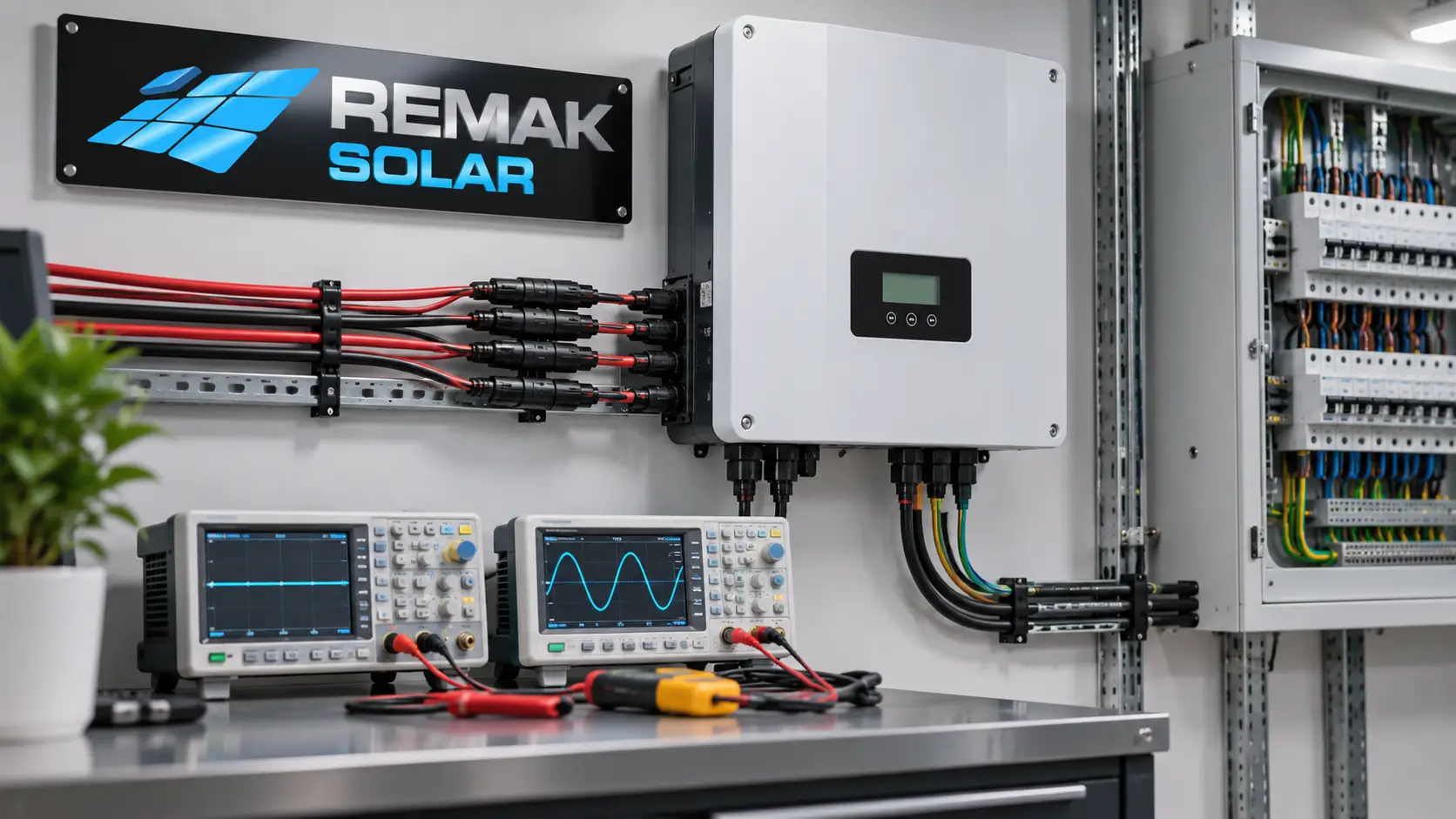
An inverter is a power electronics device that converts direct current (DC) into alternating current (AC). In a solar energy system, it converts the direct current generated by the panels into alternating current used in homes and factories, allowing the electricity to be fed into the grid or consumed on site. In Turkish sources, the same device may also be referred to as invertör; the term recommended by the Turkish Language Association is evirici. All three terms describe the same equipment. Although the panel is the visible face of the system, making the generated energy usable depends entirely on this device. In this article, we will examine the role of the inverter, the difference between DC and AC, inverter types, and what efficiency values actually mean.
What Is an Inverter?
An inverter is a device that converts electricity flowing in a fixed direction at its input into alternating electricity that changes direction a certain number of times per second. It does this not with mechanical parts, but with semiconductor switching elements. Power transistors inside the device (usually IGBTs or MOSFETs) switch on and off on a microsecond scale; when these rapid switching pulses pass through filters, they form a smooth sine wave similar to that of the grid.
To use a simple analogy: a solar panel produces energy like a stream flowing in one direction, while the grid expects a wave that oscillates back and forth. The inverter is the translator between these two languages.
The models used in solar power plants are not simple devices that only perform conversion. A modern solar inverter contains the following units in a single enclosure:
- Power stage: The switching circuit and filters that convert DC into AC.
- MPPT input: The input channel that continuously searches for the operating point at which the panel string produces maximum power. Large systems have multiple independent MPPT inputs.
- Control and communication board: The unit that manages grid synchronization, records production data, and enables remote monitoring.
- Protection circuits: Hardware that moves the system to a safe state in conditions such as overvoltage, overcurrent, insulation faults, and islanding.
What Is the Role of an Inverter in a Solar Energy System?
It is not possible to reduce the inverter's role to a single sentence because it performs several functions within the system. When how solar energy systems work is considered as a whole, the inverter acts as both the converter and the manager of the chain.
Conversion. This is its primary function. The direct current generated by the photovoltaic cells of the solar panel is converted into 230 V / 400 V, 50 Hz alternating current.
Grid synchronization. For the generated AC to be supplied to the grid, its voltage, frequency, and phase angle must match the grid precisely. Even a millisecond-level deviation can prevent energy transfer. The inverter continuously samples the grid and locks its output to these values.
Maximum power point tracking. The input voltage is continuously adjusted to capture the highest power that the panel string can deliver. This point shifts with cloud movement, temperature changes, or shading; the inverter continues tracking it.
Monitoring and reporting. Instantaneous power, daily and cumulative production, and fault records are read through the inverter. At a site, one of the most practical ways of checking whether the panels are operating is often to look at the data on the inverter screen.
Safety. When the grid goes down, the inverter stops production. This behavior, known as anti-islanding protection, is mandatory for the safety of maintenance personnel working on the line.
The Difference Between DC and AC Current
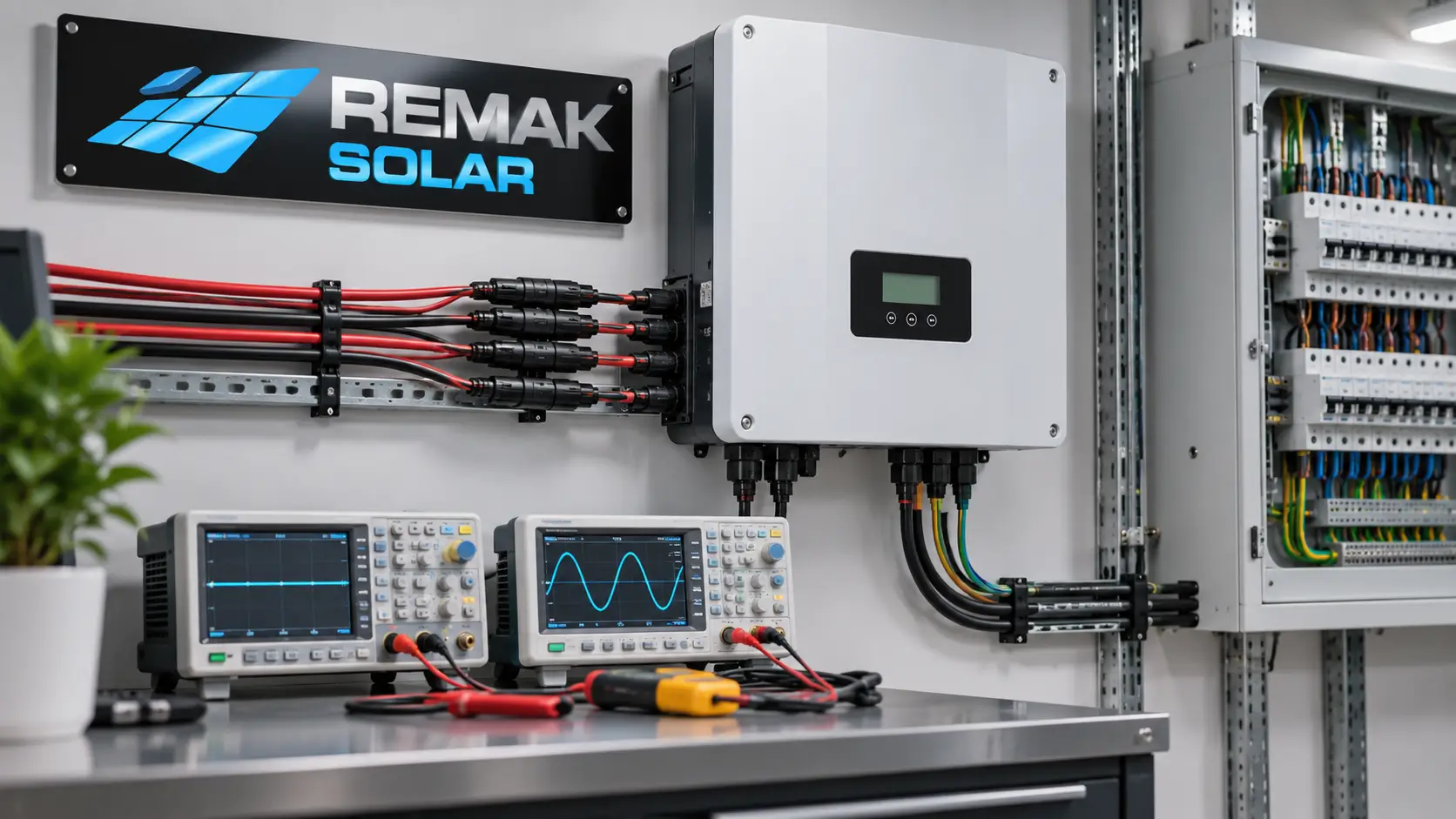
Solar panels can physically produce only direct current, while the electrical grid is built around alternating current. This incompatibility is exactly why the inverter exists.
| Feature | DC – Direct Current | AC – Alternating Current |
|---|---|---|
| Current direction | One direction, constant | Changes direction 50 times per second |
| Voltage behavior | Flat, constant level | Oscillates as a sine wave |
| Source in the system | Solar panel, battery | Grid and inverter output |
| Voltage conversion | Requires a converter, more complex | Easily stepped up or down with a transformer |
| Long-distance transmission | High losses at low voltage | Can be raised to high voltage and transmitted with low losses |
| Typical use | Panel-to-inverter line, battery charging | Outlets, motors, lighting, grid |
The reason electrical distribution infrastructure is built around AC is also hidden in the last two rows of this table: because alternating-current voltage can easily be increased with transformers, it can be transmitted for hundreds of kilometers with low losses.
What Are the Types of Inverters?
Inverters are differentiated according to the number of panels connected to them, their relationship with the grid, and their support for energy storage. Hybrid architectures that use more than one type at the same site are also common.
String Inverter
It takes its name from the “string,” meaning a series-connected panel array. Groups of panels connected in series feed a single inverter input. Most residential and medium-scale commercial rooftop systems use this type. Its cost-performance balance is strong because installation is fast and maintenance can be carried out from a single point.
Its weakness comes from the nature of series connection: when one panel in the same string is shaded or soiled, the entire string drops to the current level of the weakest panel.
Microinverter
A separate inverter is installed behind each panel, and conversion takes place at panel level. Shading on one panel does not affect the others because the panels operate independently.
It stands out on irregular sites with chimney shadows, multiple roof slopes, or surfaces facing different directions. However, because it requires equipment for each panel, it is generally not preferred for large-scale power plants.
Hybrid Inverter
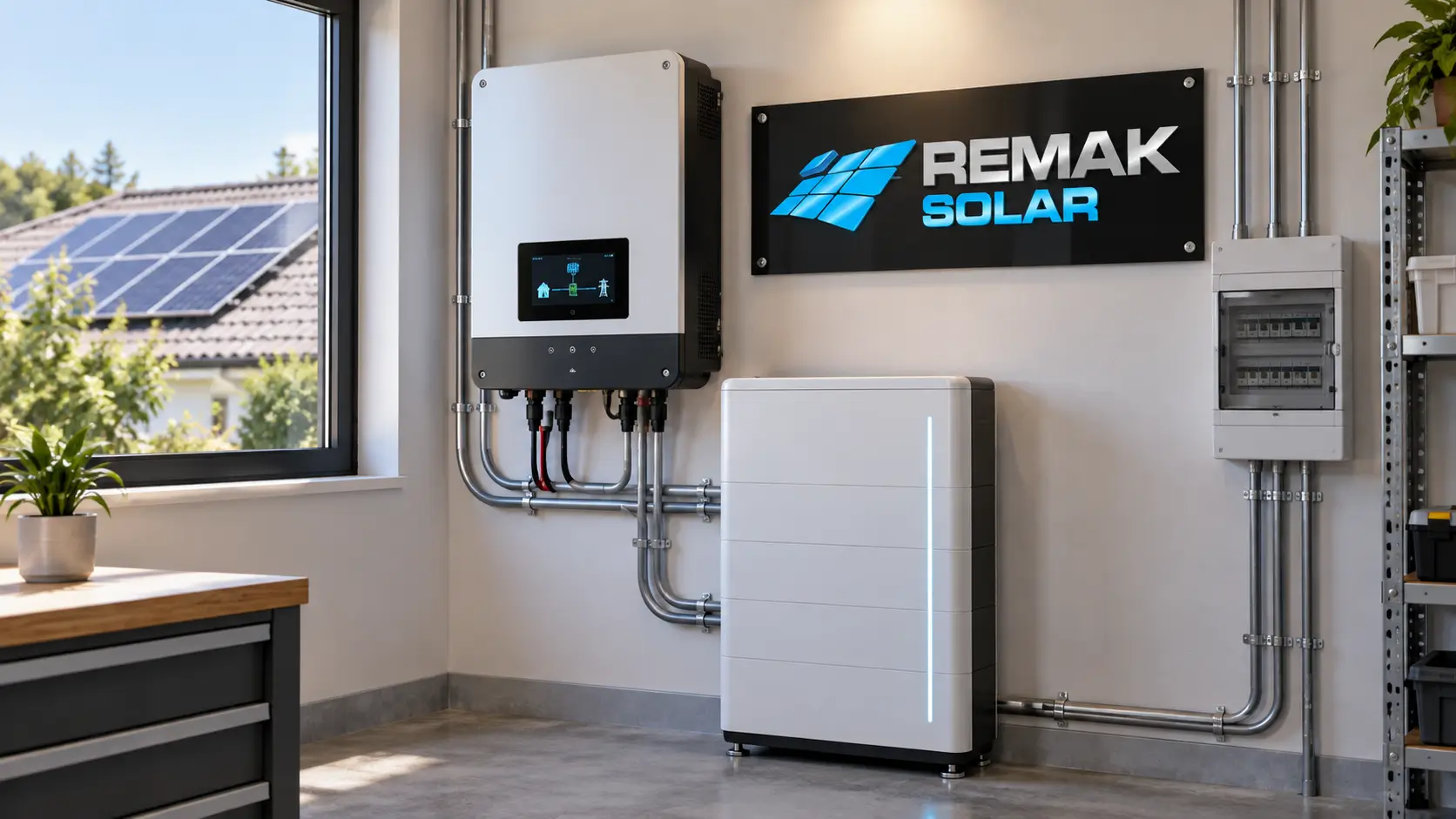
It combines grid connection and battery management in a single device. Excess daytime production charges the battery bank, and this energy is supplied to consumption in the evening. In this way, the time difference between production and consumption curves is reduced.
As hourly settlement becomes more important, hybrid architectures are gaining weight; for the economic side of the topic, you can review our articles on how hourly netting is calculated and how energy is stored.
Central Inverter
These are large container- or cabinet-type units used in megawatt-scale solar power plants. A large number of strings in the field are combined in DC combiner boxes and routed to a single central unit.
The cost per unit of power is low and operation is centralized. In return, the capacity affected by a failure is large, making redundancy and maintenance planning critical.
Off-Grid Inverter
It is the inverter used in systems that operate completely independently of the grid. Because there is no grid reference, it generates its own frequency and voltage and therefore must be used together with a battery bank. Since the battery chemistry directly determines system life, the types of solar energy batteries should be evaluated in advance.
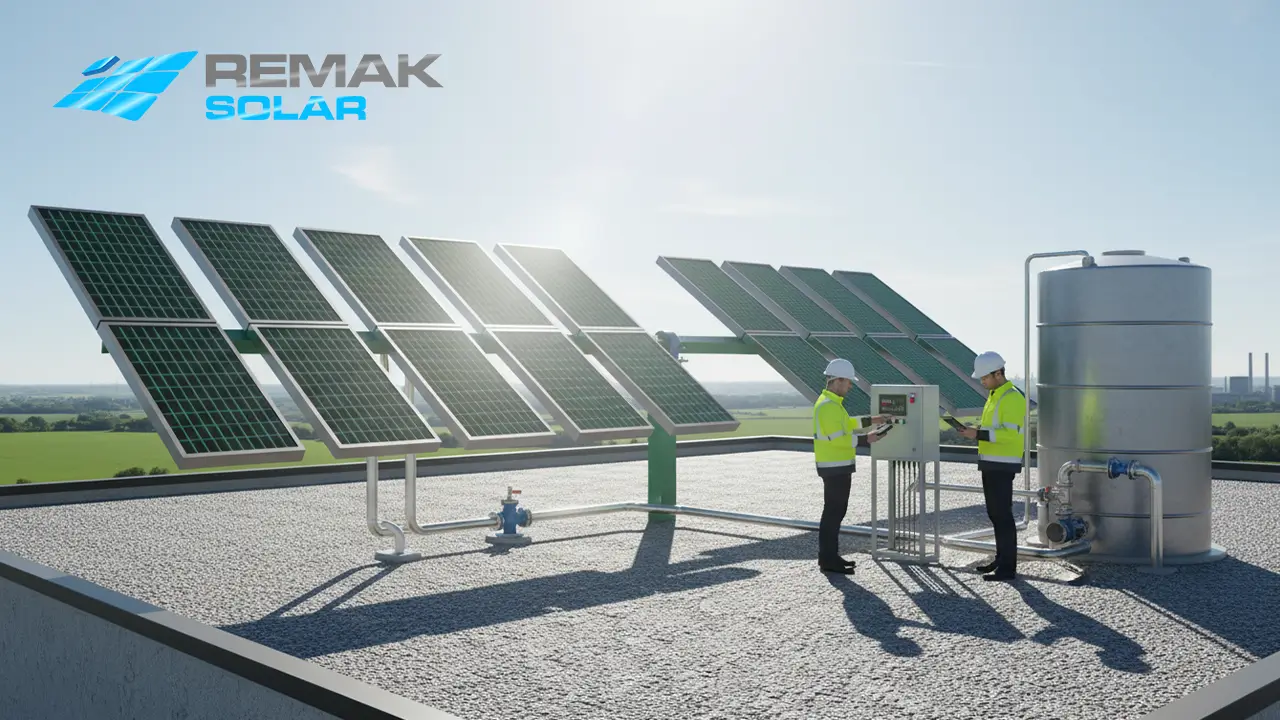
Agricultural fields without grid access, mountain houses, base stations, and solar irrigation applications are typical use cases for this type.
| Inverter type | Typical power range | Best suited for | Shading behavior |
|---|---|---|---|
| String | 3 – 250 kW | Residential and commercial rooftops | String-based, affected |
| Micro | 250 – 2,000 W | Complex, multi-orientation roofs | Panel-based, unaffected |
| Hybrid | 3 – 50 kW | Battery-backed, storage systems | String-based |
| Central | 500 kW – 5 MW and above | Large-scale ground-mounted solar power plants | Block-based |
| Off-grid | 1 – 20 kW | Off-grid sites and agricultural areas | Depends on system design |
What Does Inverter Efficiency Mean?
Inverter efficiency shows how much of the DC power entering the device is transferred to the output as AC. All losses are converted into heat. Although this ratio is high in modern devices, a single percentage value in a catalog does not fully describe real-world field performance.
| Efficiency definition | Typical range | What it indicates |
|---|---|---|
| Peak (maximum) efficiency | 97% – 99% | The highest value measured only at the most ideal load point |
| European (Euro) efficiency | 95% – 98% | Weighted average of different load ratios, the indicator closest to field conditions |
| CEC efficiency | 95% – 98% | A value calculated with the same logic but weighted for high-irradiance climates |
| Night consumption | Below 1 W | The device's own power consumption when there is no production |
The reason for the difference is that an inverter does not operate at nominal power throughout the day. In the morning and evening it operates far below capacity, while around midday it approaches peak load. Because efficiency falls at partial load, European efficiency, which is based on a weighted average, provides an estimate that is more representative of actual production.
Temperature also enters the equation. When ambient temperature exceeds a certain threshold, the device reduces its output power to protect itself; this is called derating. For this reason, positioning the inverter in a shaded location with unobstructed ventilation is just as important as the efficiency rating itself.
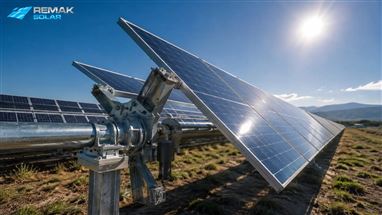
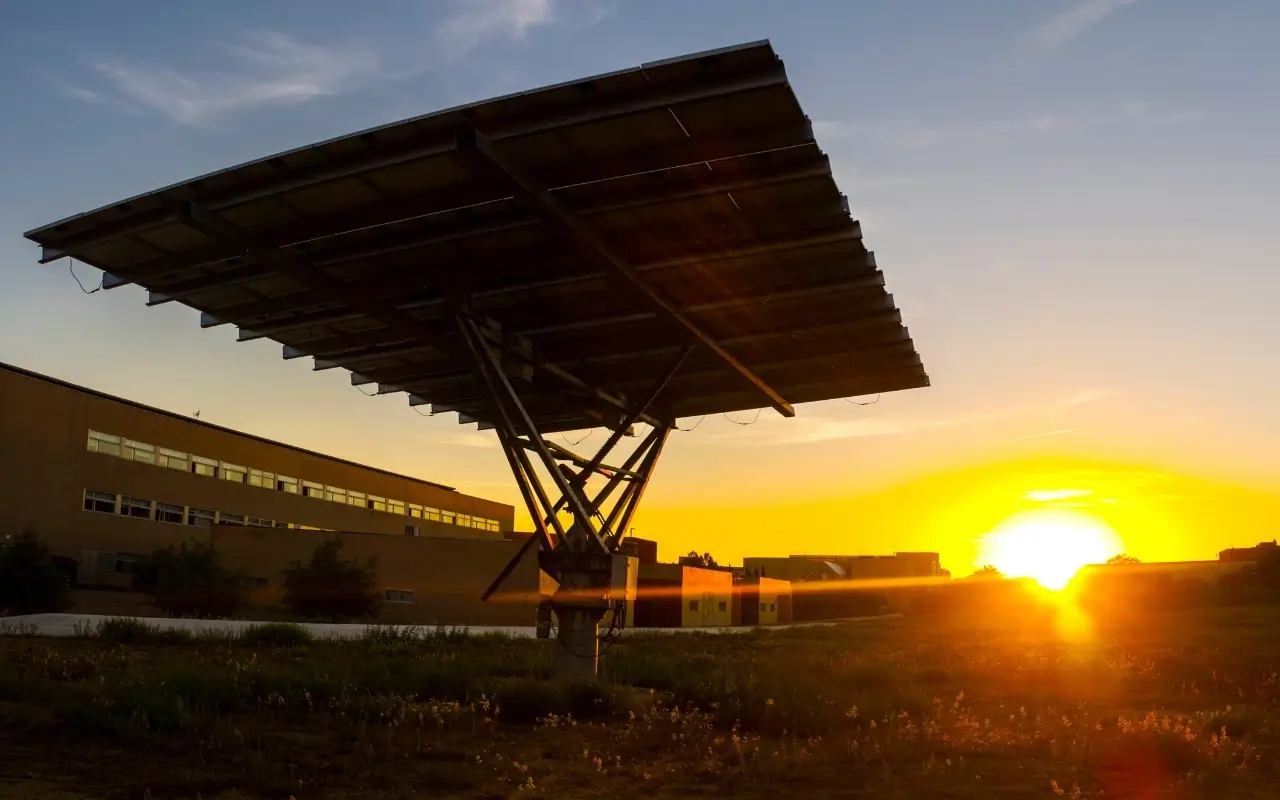
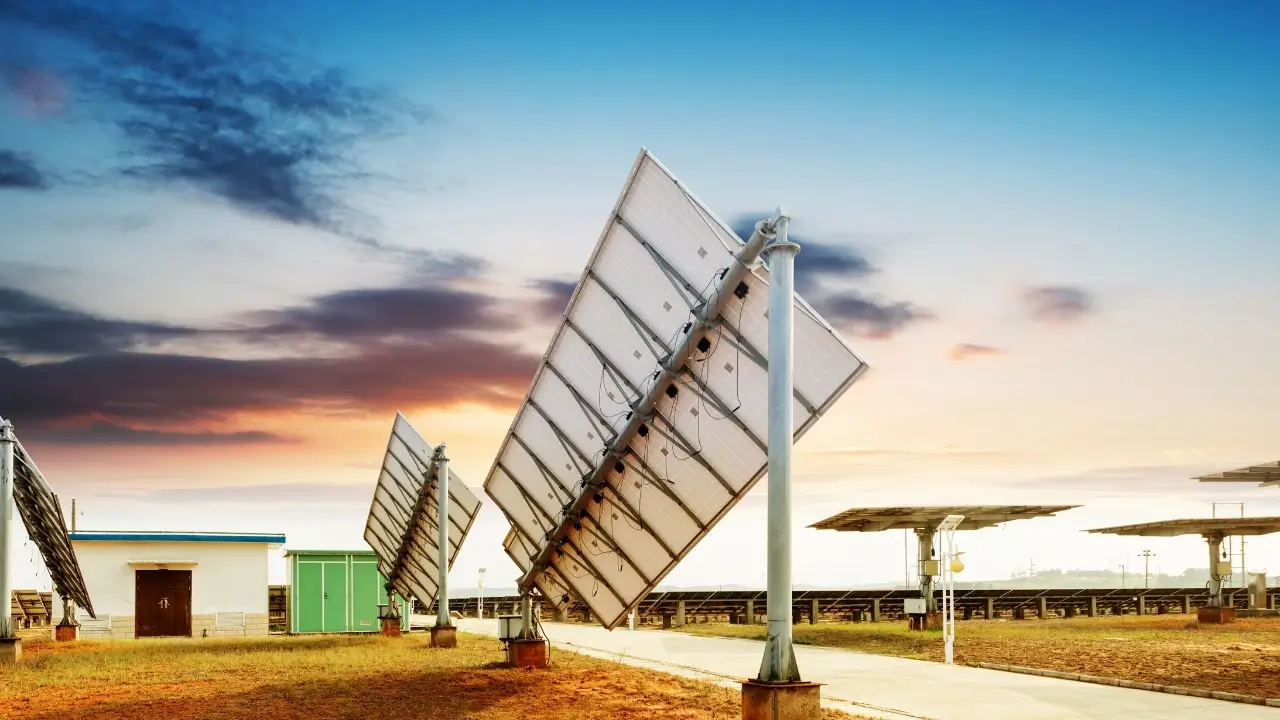
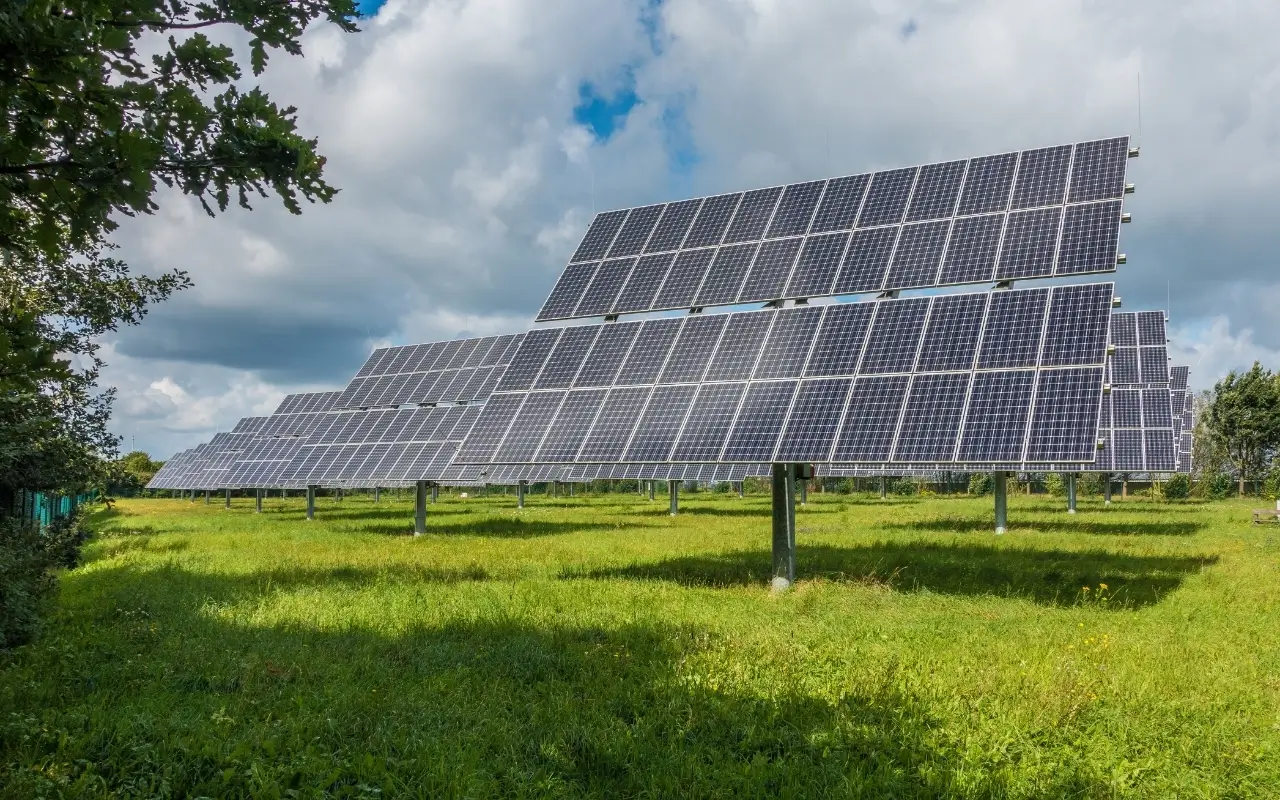
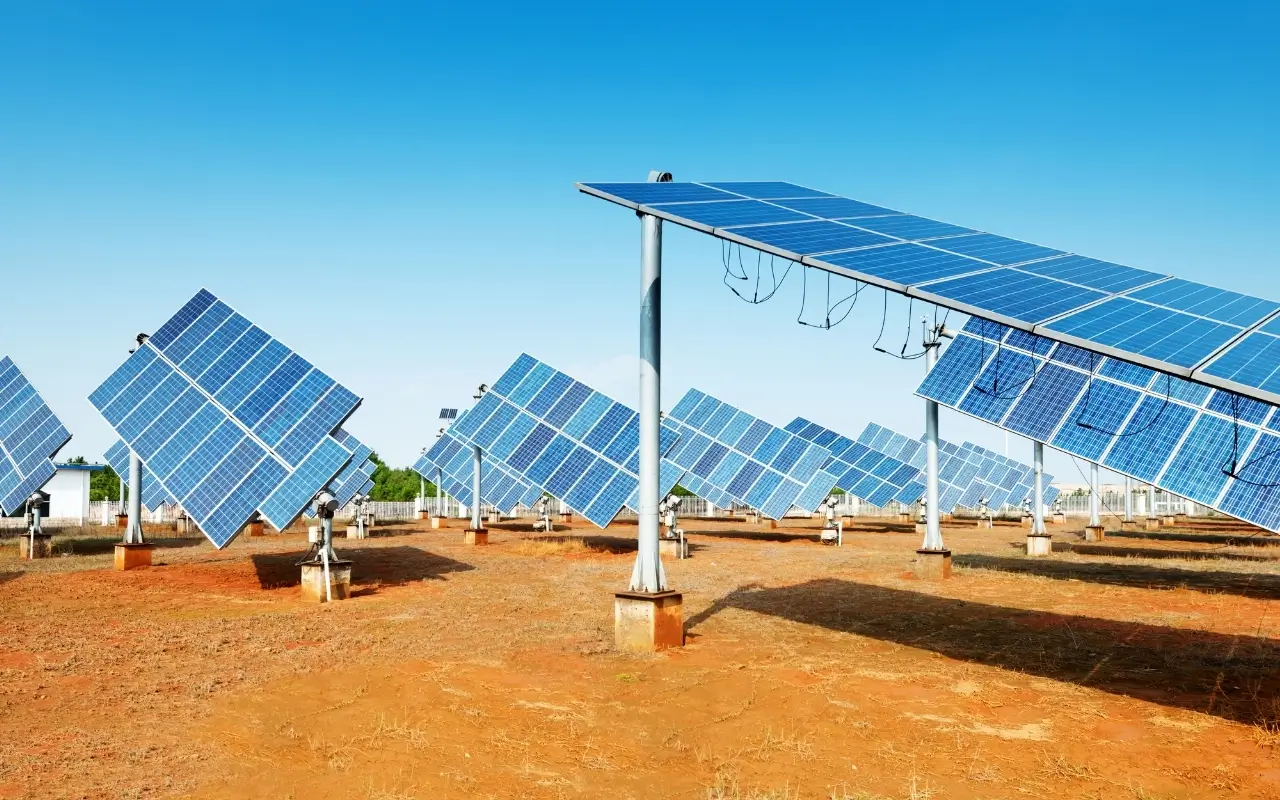
Another key factor is the DC/AC ratio. In most projects, installed panel power is selected above inverter power because panels do not operate at peak power for most of the year. If this ratio is set too high, part of the production is clipped around midday. The calculation changes at sites using a solar tracking system: because the panels follow the sun throughout the day, the production curve forms a more balanced and broader profile from morning to evening rather than a sharp peak concentrated around noon as in fixed systems. This profile increases the inverter's loading ratio during the day and reduces the risk of clipping; therefore, the DC/AC ratio must be evaluated separately for tracker-based projects. You can use our solar energy calculator to estimate your system's production and follow the logic of the calculation in our article explaining how it is done.
Frequently Asked Questions About Inverters
What is the difference between a pure sine wave inverter and a modified sine wave inverter?
The difference is how closely the output waveform resembles grid electricity. A pure sine wave inverter produces the same true sine wave as the grid and is required for motor-driven equipment, compressor refrigerators, pumps, medical devices, and sensitive electronics. A modified sine wave inverter produces a stepped, angular waveform; although it can operate simple loads such as lighting or resistance heaters, it can cause heating, humming, and efficiency loss in motor-driven equipment. Grid-connected solar energy systems use only pure sine wave models.
Is the “inverter” in an air conditioner or refrigerator the same as a solar inverter?
No. Although they belong to the same technology family, their functions are different. In an air conditioner or refrigerator, an inverter continuously adjusts compressor speed and prevents the appliance from repeatedly switching on and off, improving energy efficiency. In a solar energy system, the inverter converts the direct current generated by the panel into alternating current. Their common feature is that both use power electronics and switching technology; they cannot be used interchangeably.
Is it normal for an inverter to heat up and make noise while operating?
A certain amount of heating is normal because all energy lost during conversion turns into heat, and the device dissipates this heat through cooling fins or a fan. Increased fan noise during high-production periods is also expected. However, excessive heat that makes the device too hot to touch, a continuous high-pitched hum, or repeated shutdowns are not normal; they usually indicate insufficient ventilation, installation in direct sunlight, or a component fault.
What is the difference between an inverter and a charge controller (regulator)?
The two devices perform different functions and are not alternatives to each other. A charge controller regulates the direct current from the panel to a voltage at which the battery can be charged safely and prevents overcharging; its output is still direct current. An inverter converts direct current from the battery or panel into alternating current so that standard household appliances can operate. Battery-based off-grid systems usually contain both; in hybrid inverters, the charge-control unit is integrated into the device.
How can an inverter fault be identified?
The first indicator is production data: on a sunny day, production falling significantly below expectations or dropping to zero should draw attention. Error codes on the display, a red warning LED, loss of data in the monitoring application, frequent automatic switching on and off, and a burning smell from the enclosure are also typical symptoms. Error codes vary by brand; matching the code with the table in the user manual is the most practical way to make the correct diagnosis.
Does an inverter require maintenance, and how often should it be performed?
Because an inverter has almost no moving parts, its maintenance requirements are limited, but they should not be neglected. At least once a year, dust should be removed from cooling fins and fan grilles, cable connection points should be checked for tightness, the device should be inspected for moisture and insect ingress, and software updates published by the manufacturer should be applied. In dusty agricultural areas and industrial sites, this interval should be shortened to six months.
Do Comment