
Other Blog
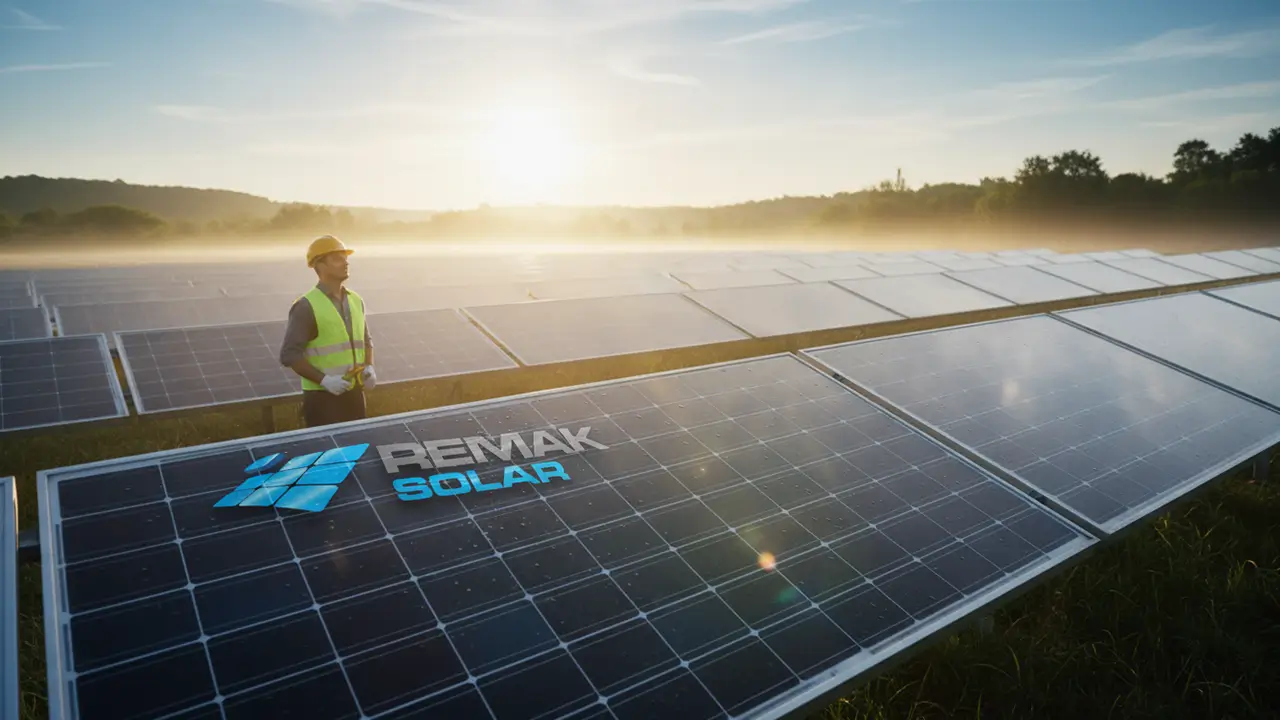
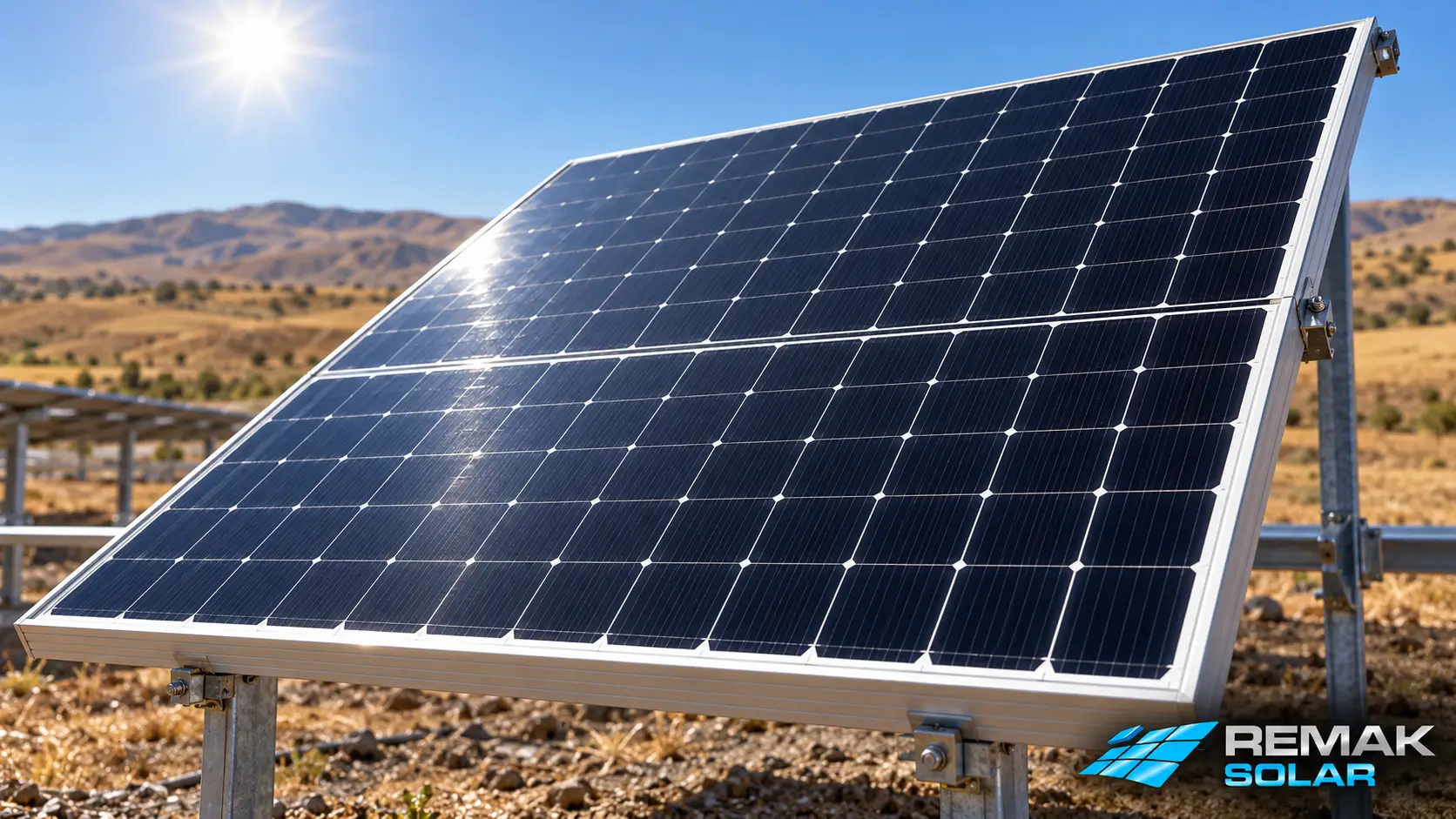
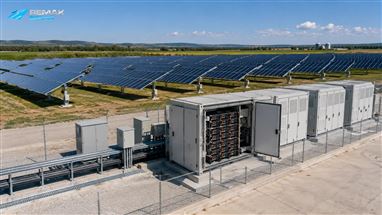
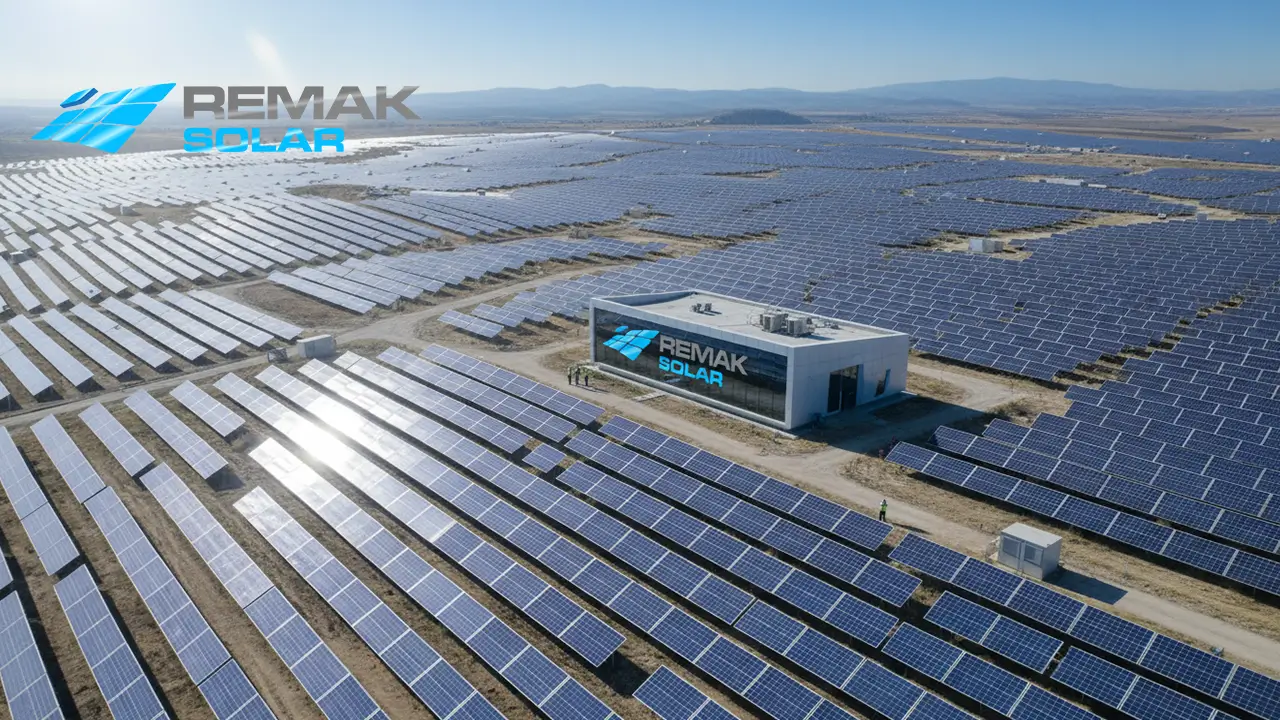
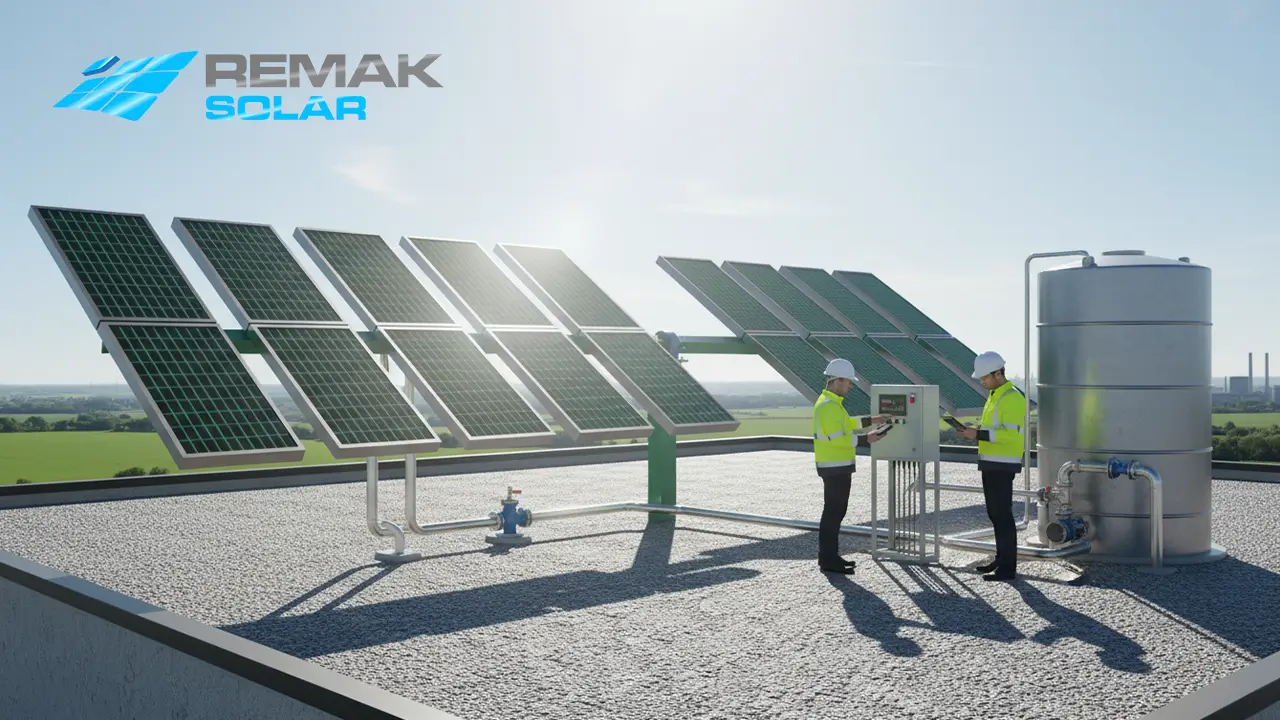
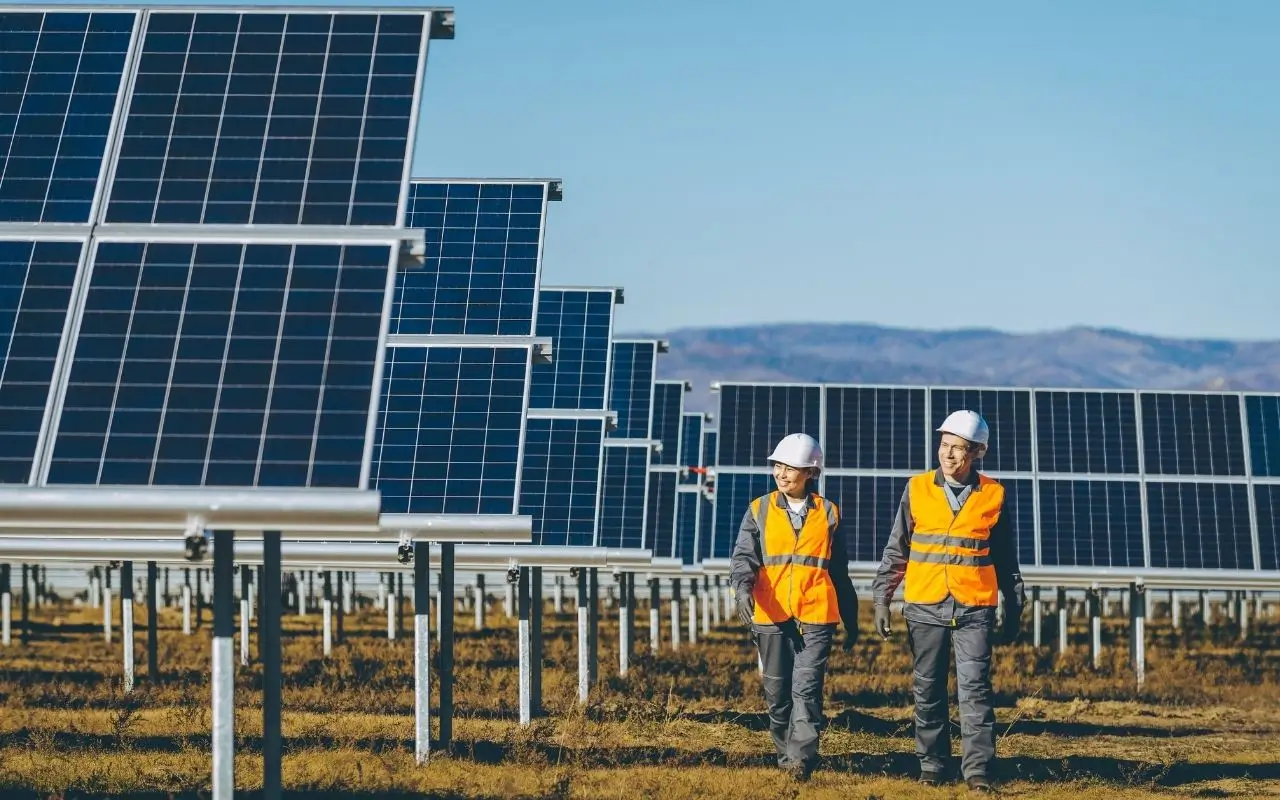
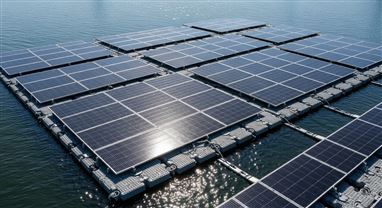
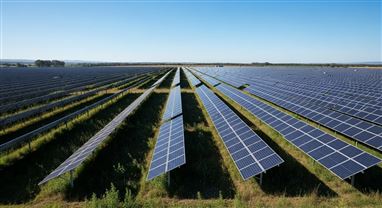
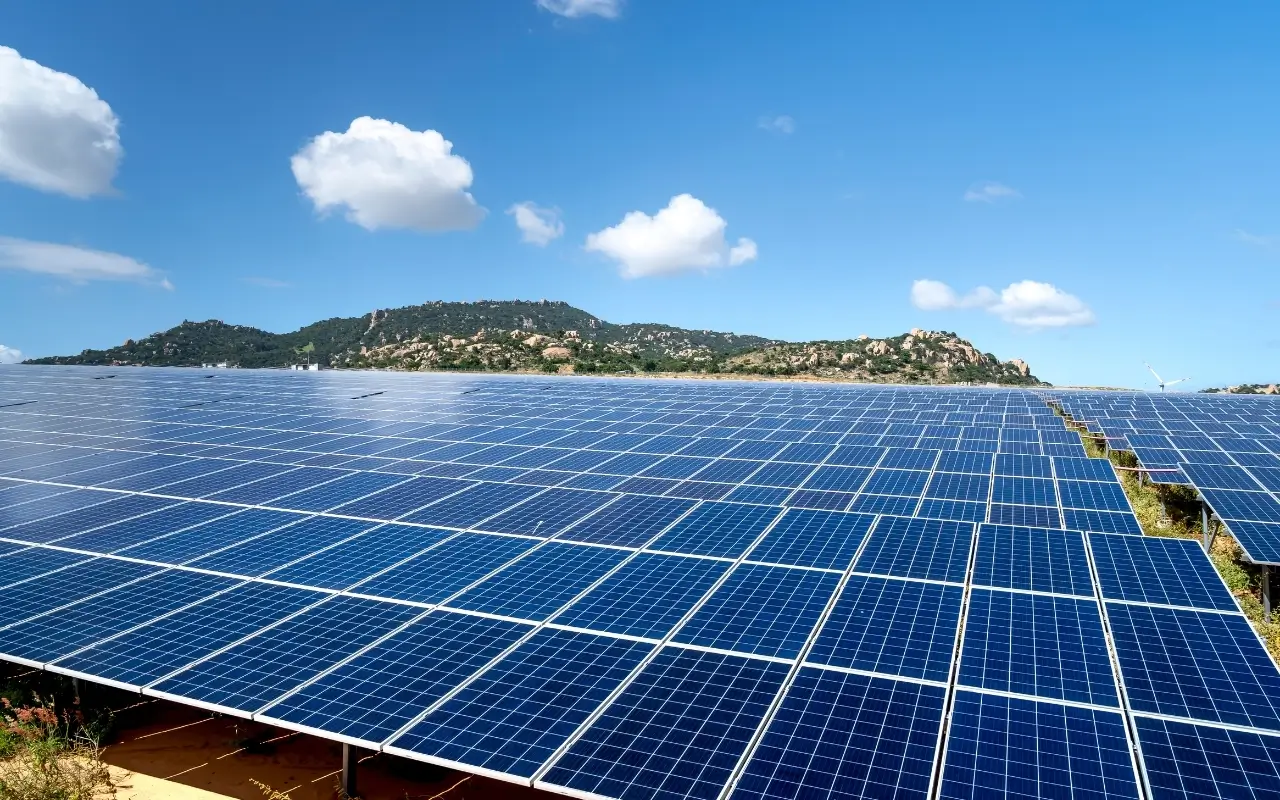
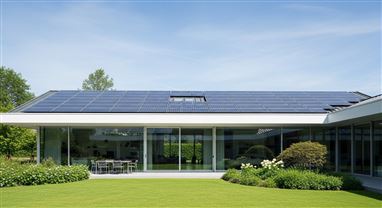
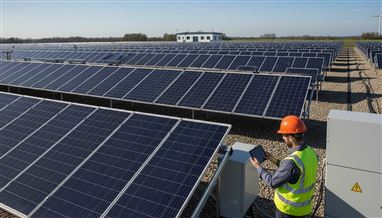
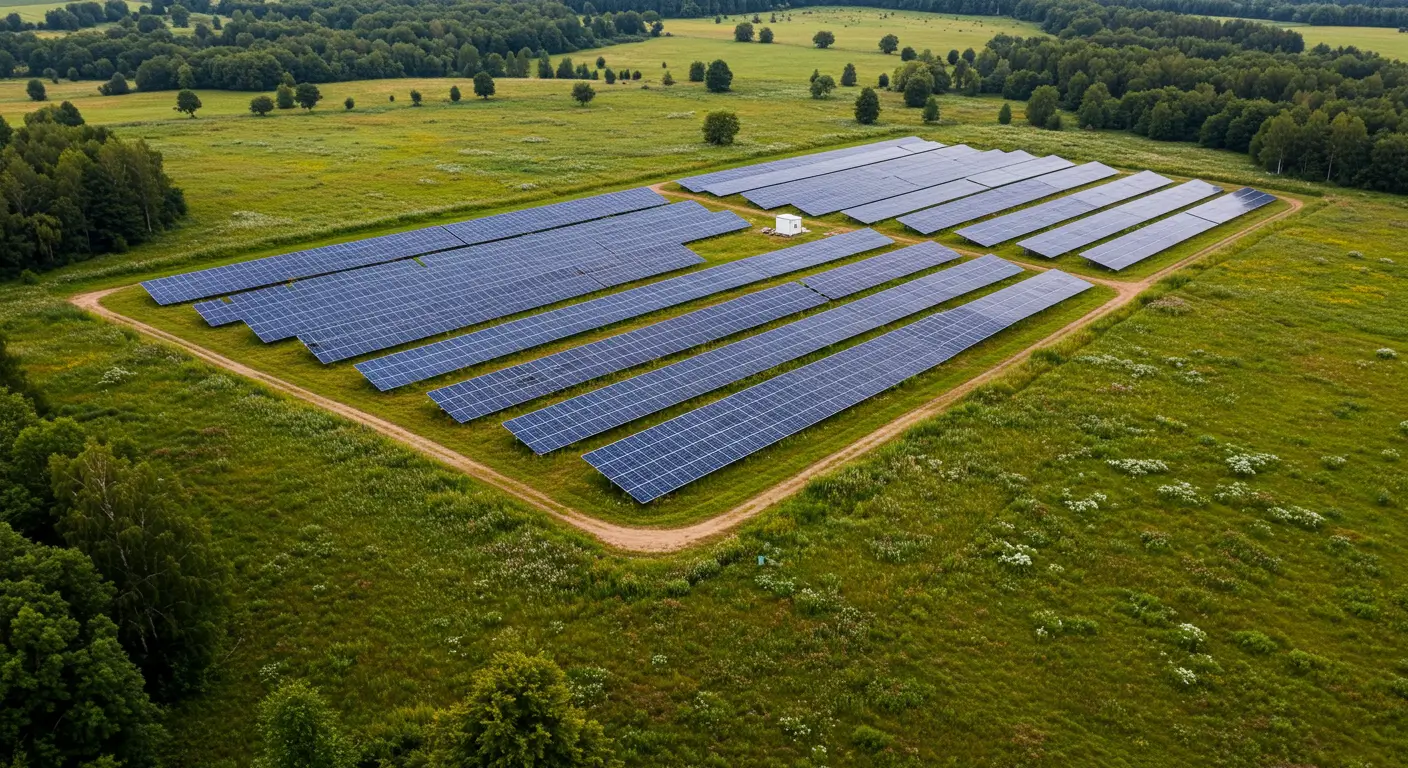
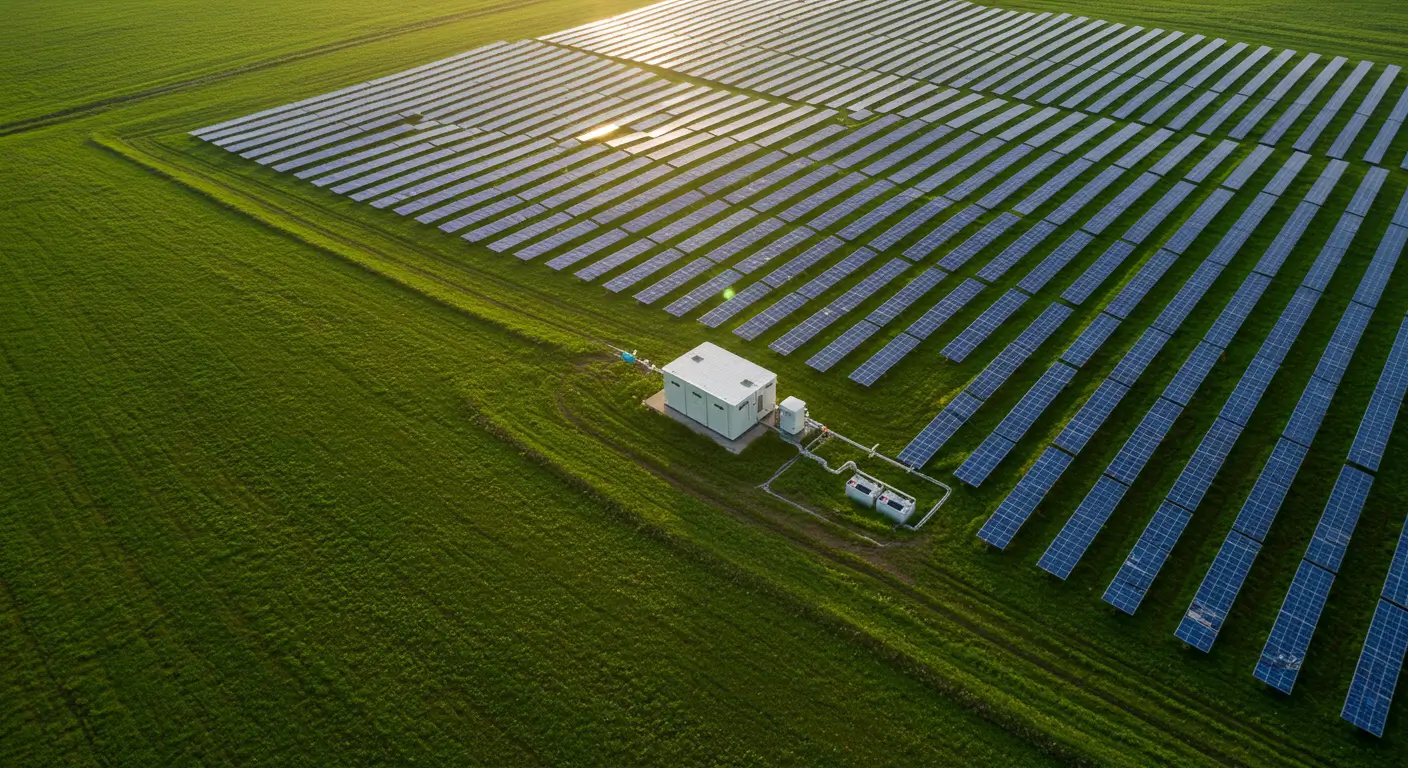
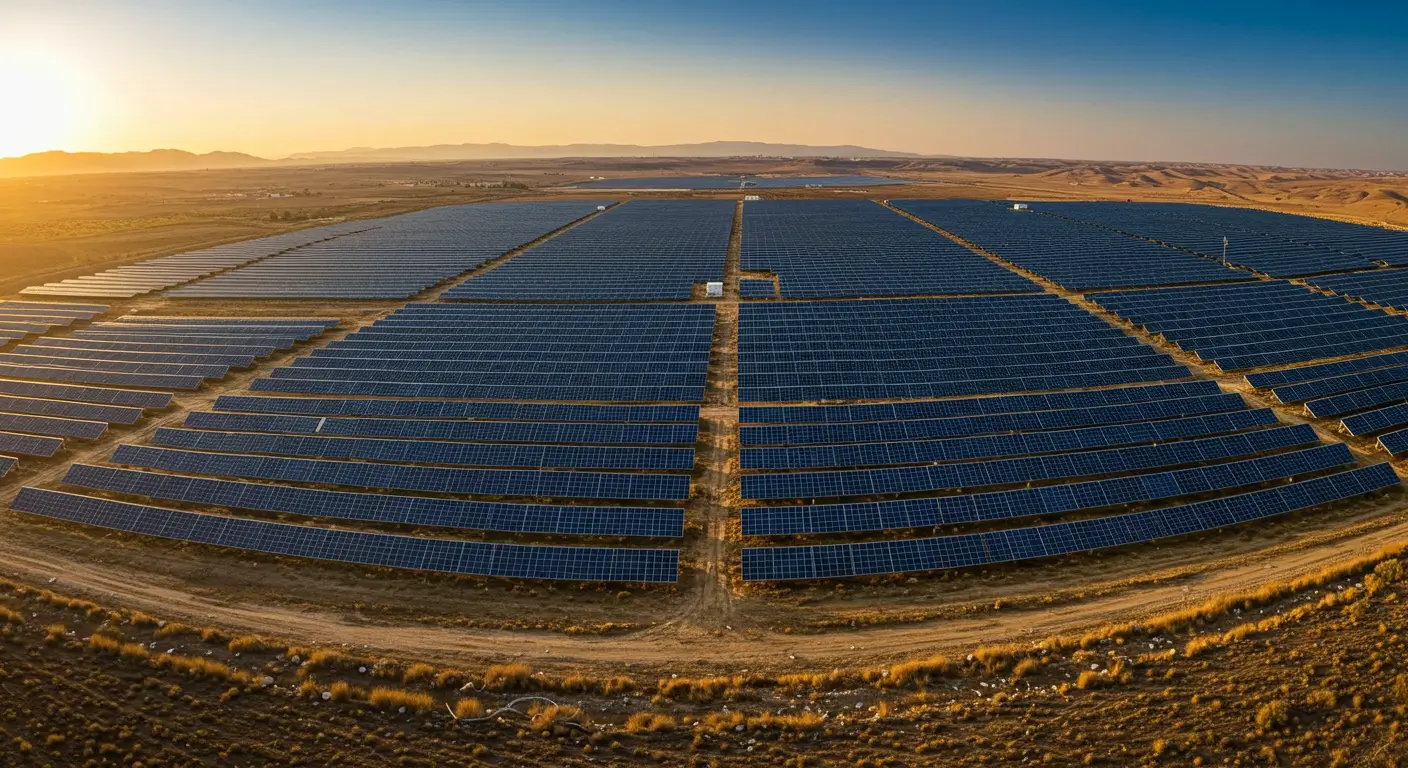
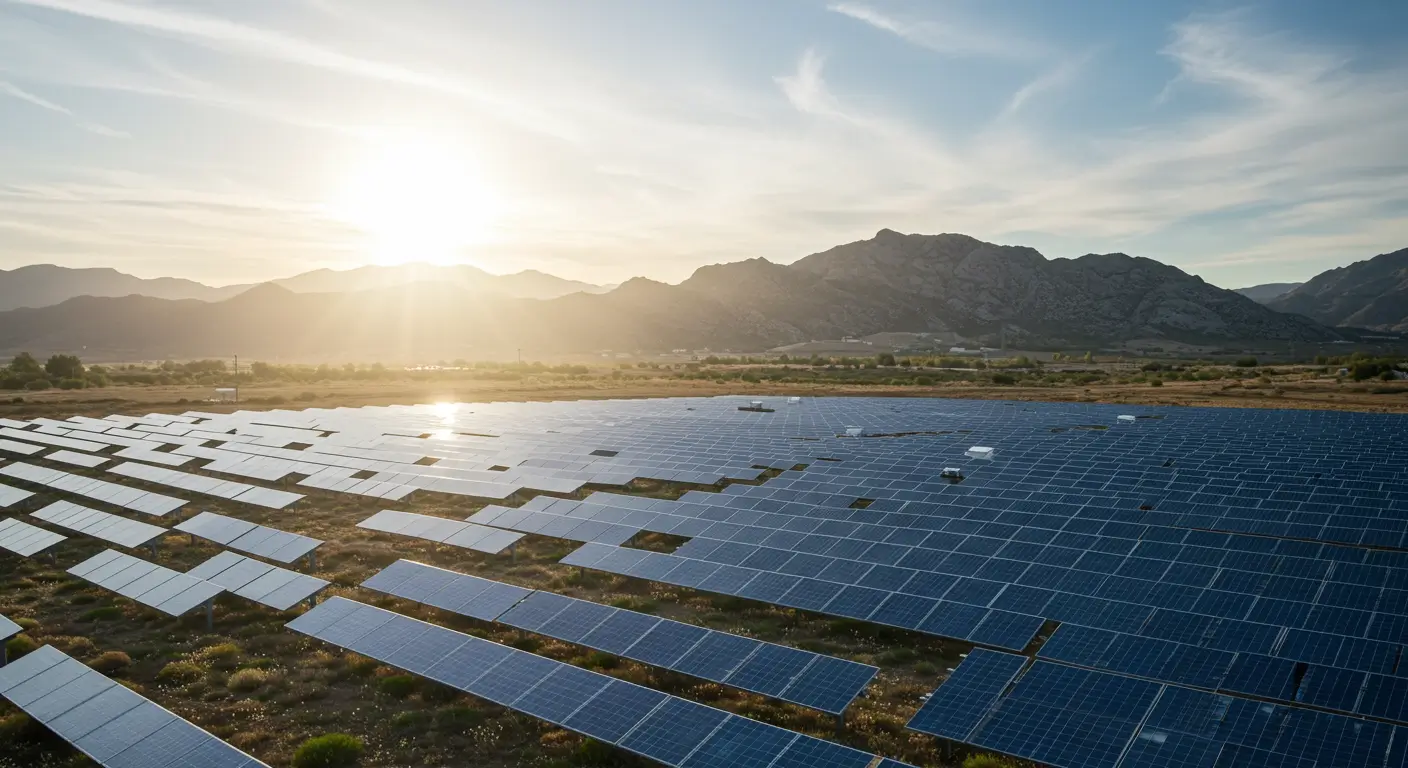
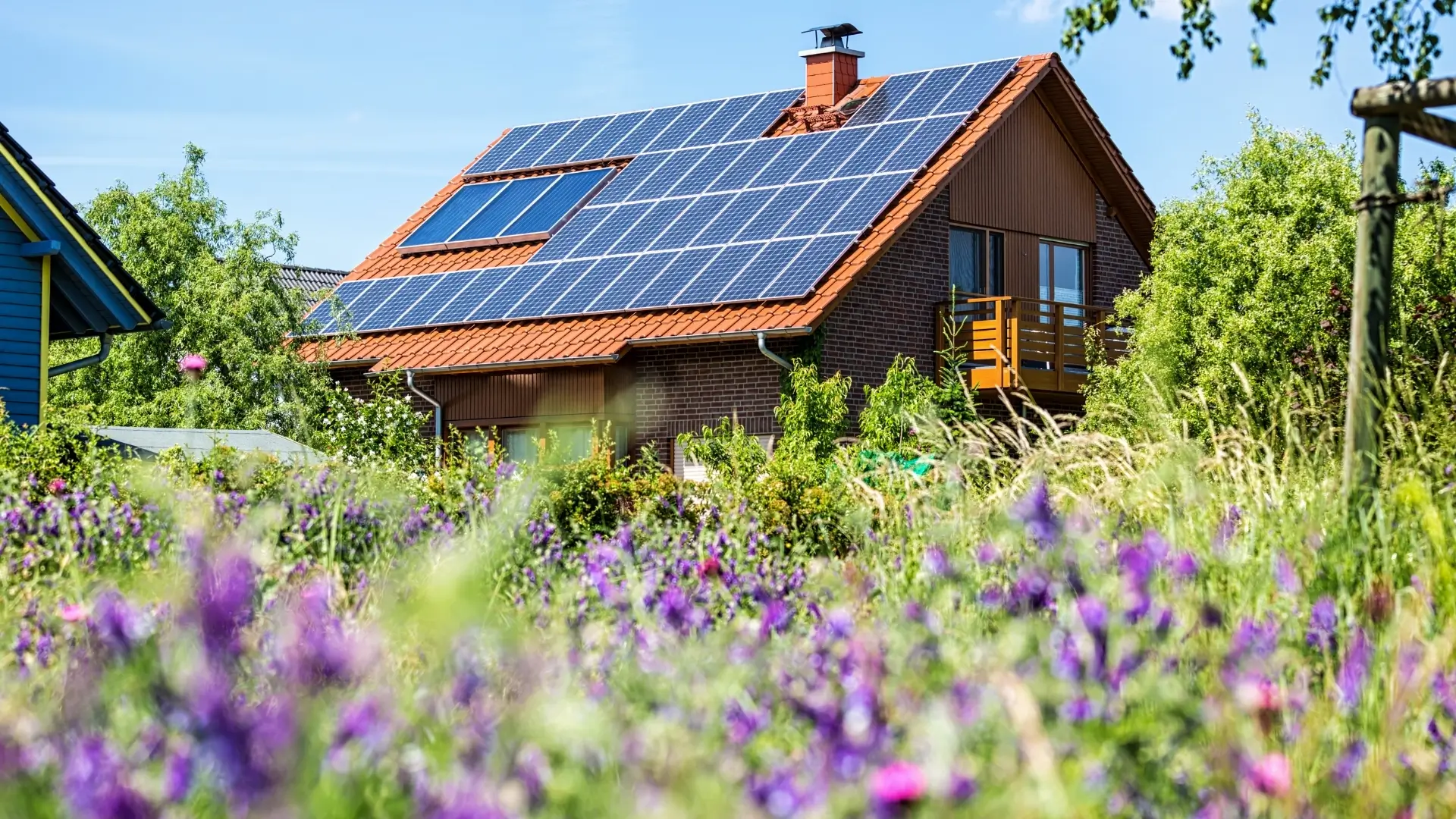
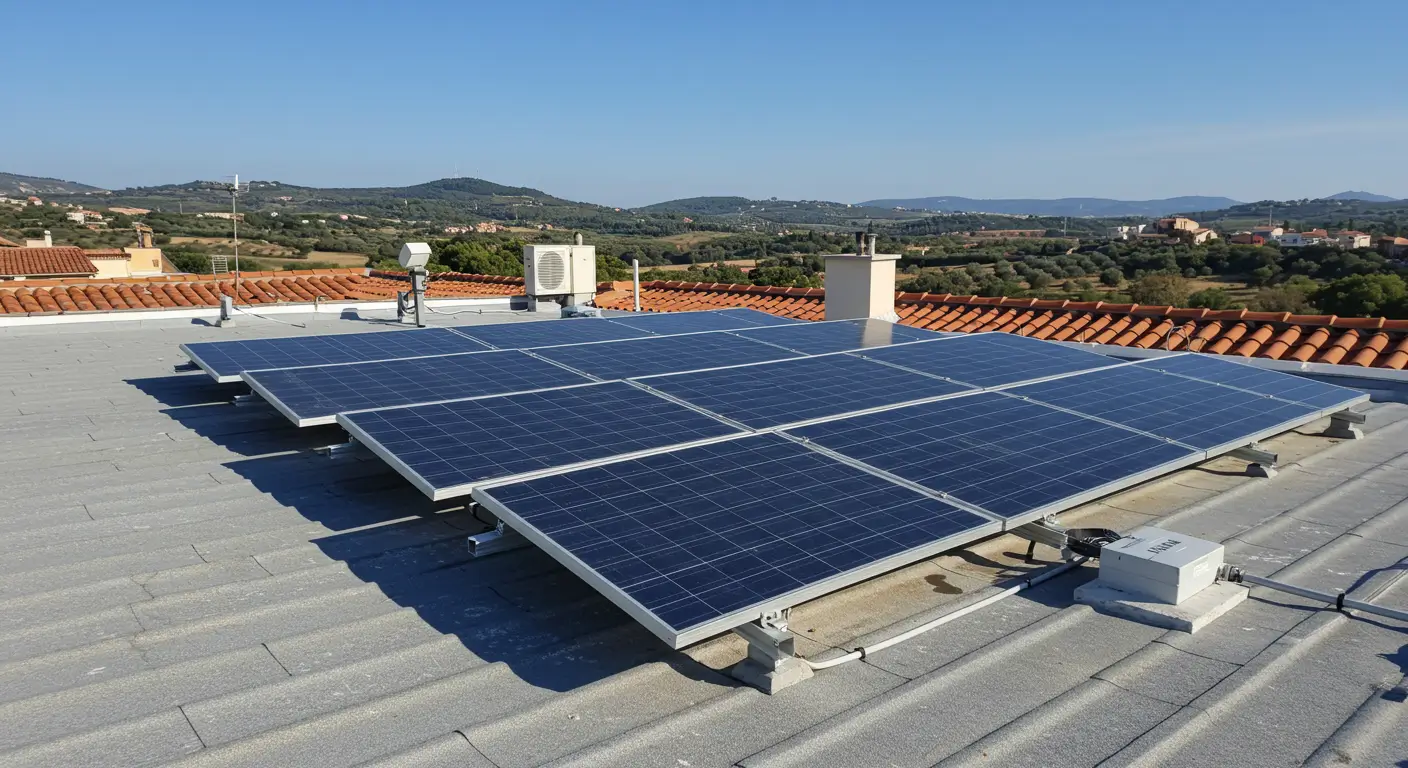
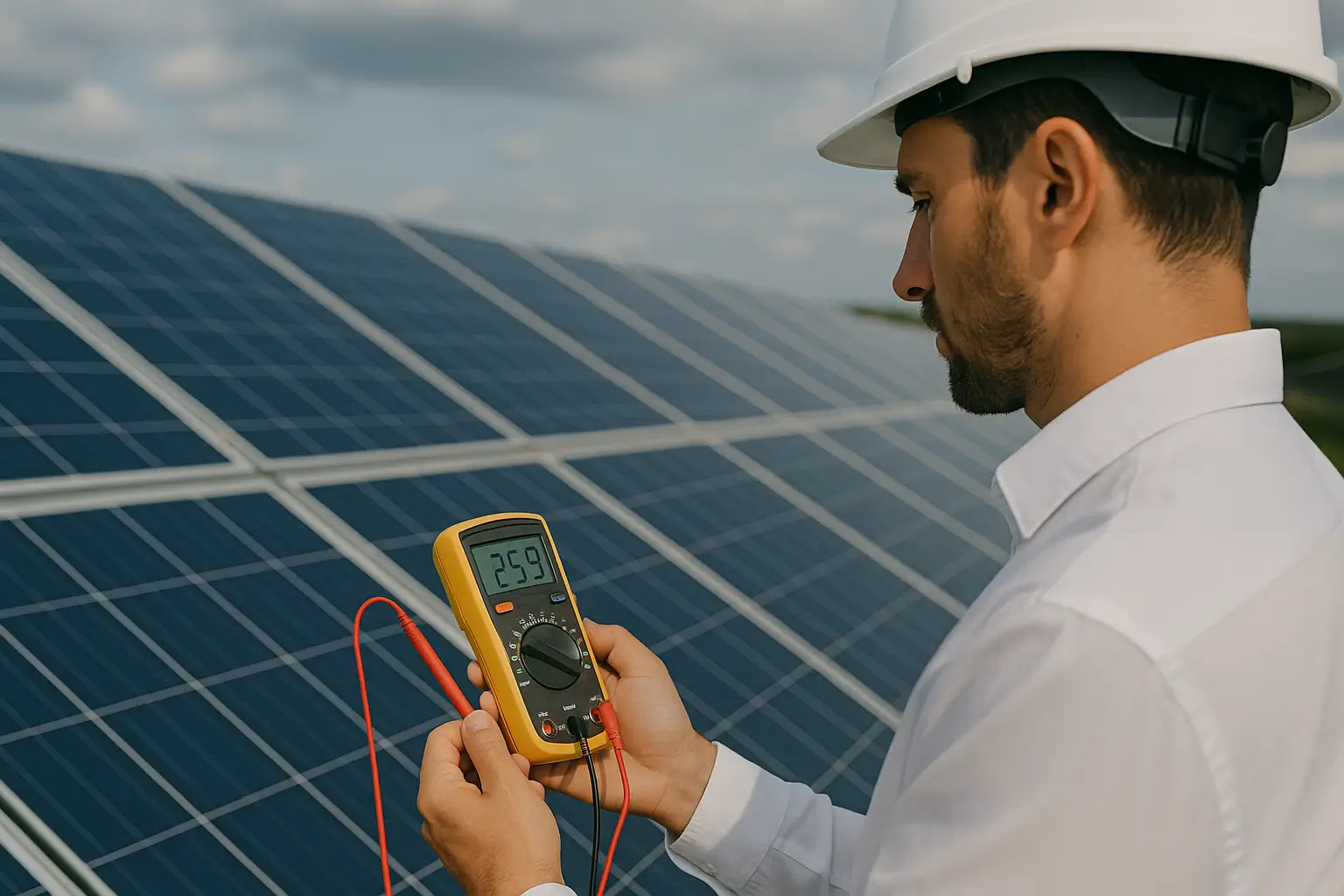
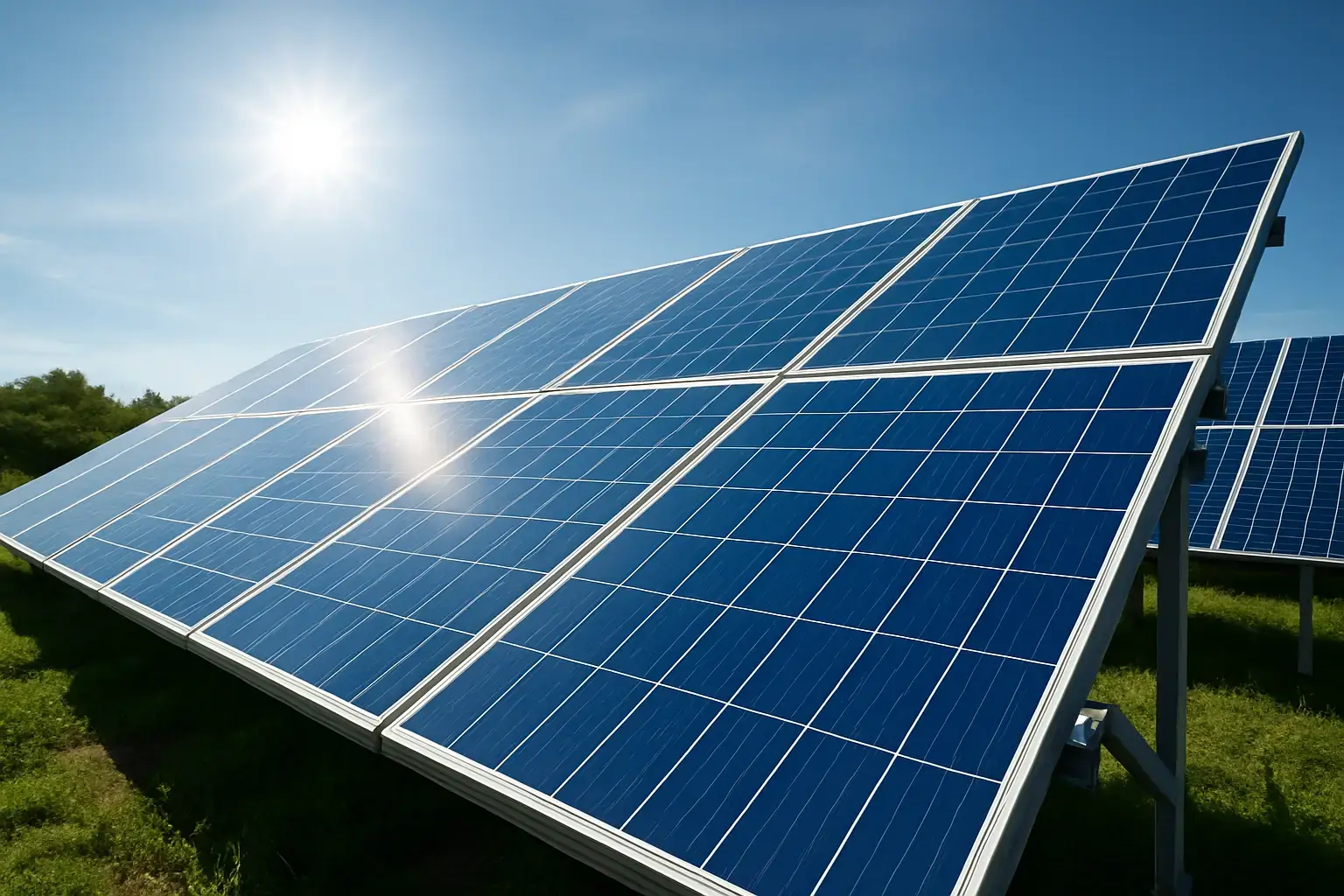
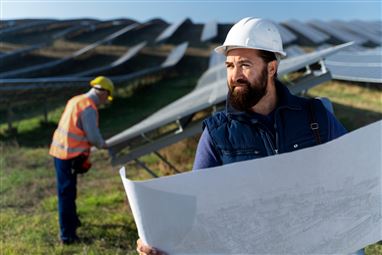
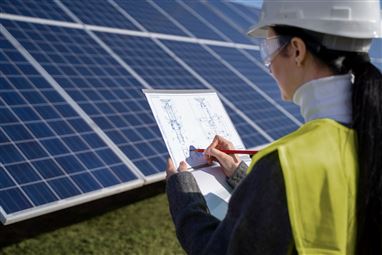
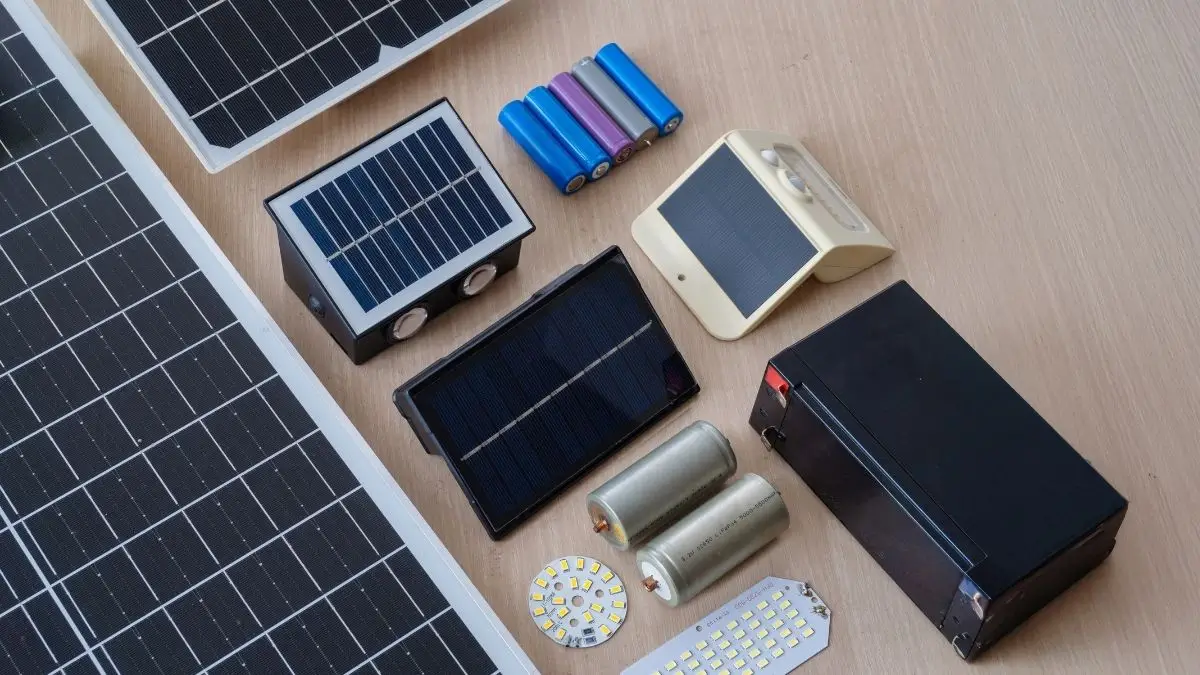
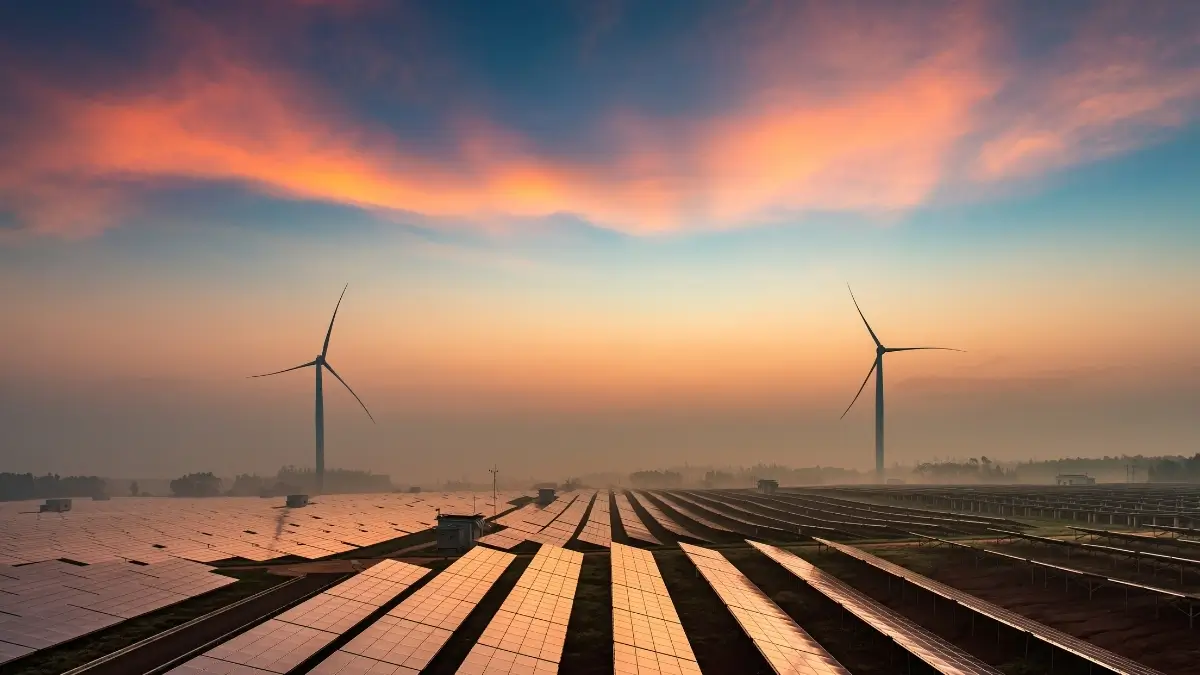
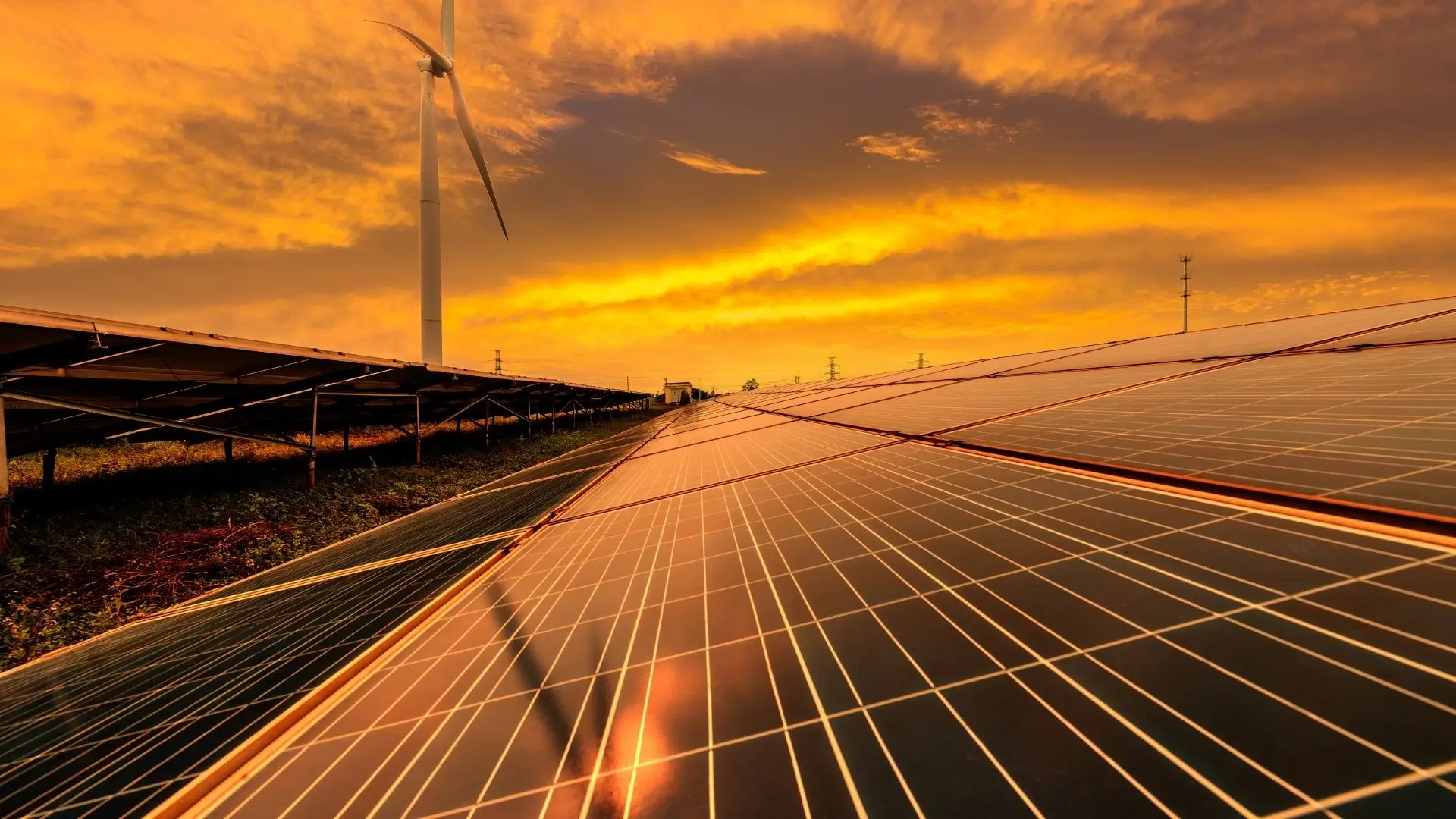
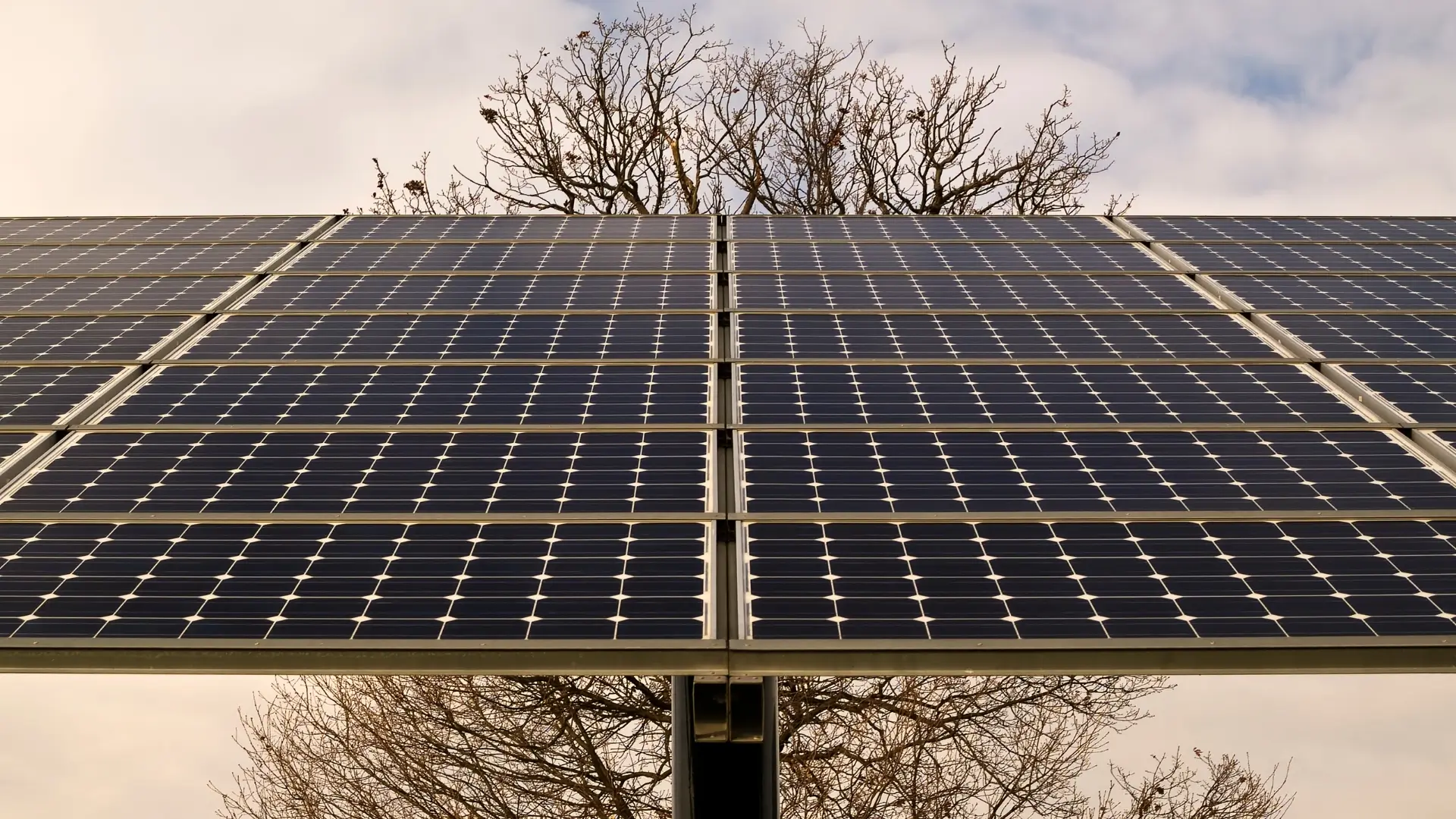
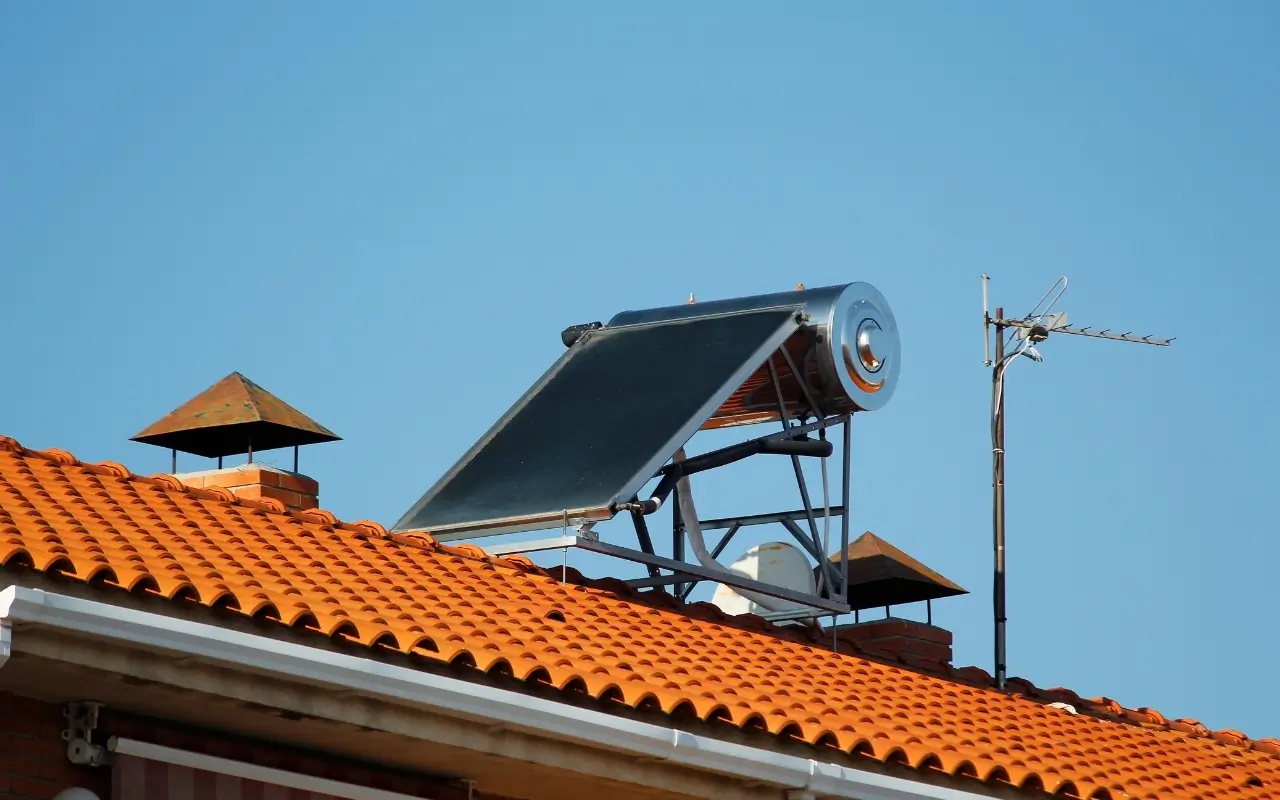
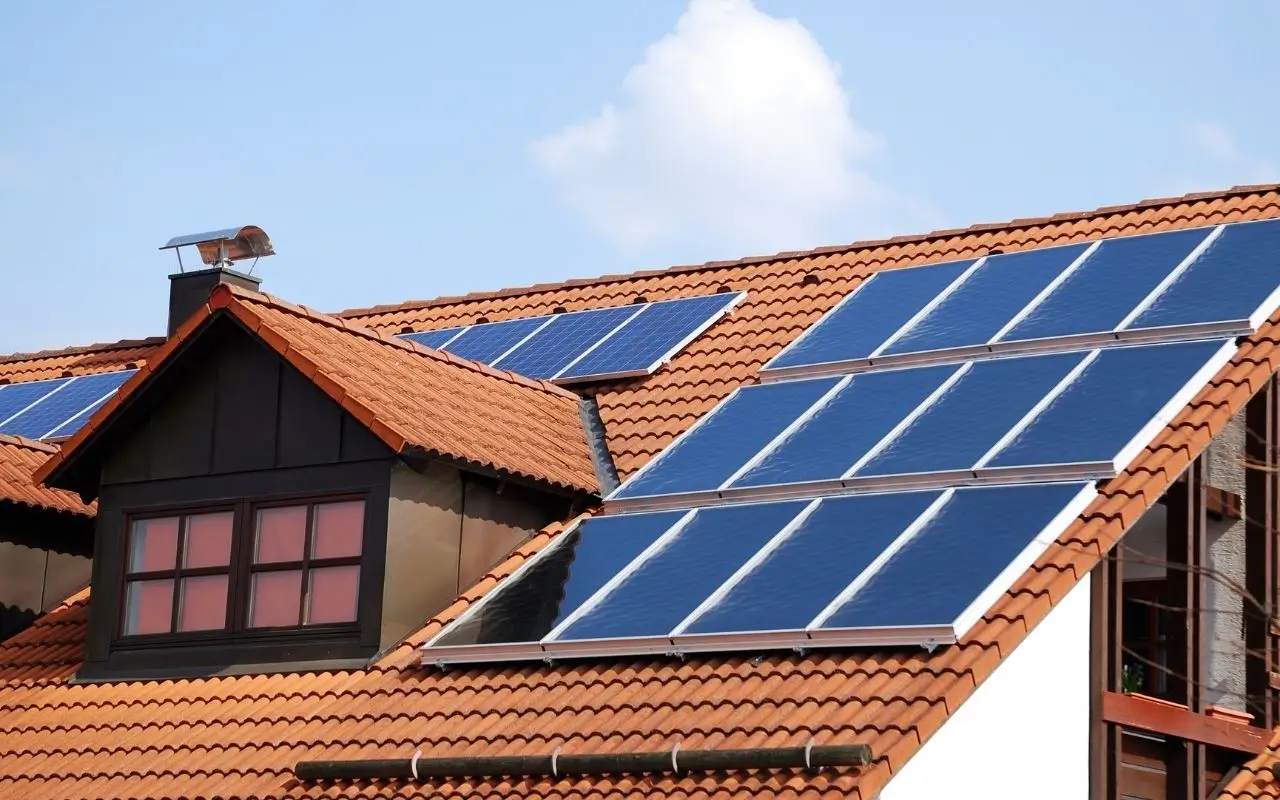
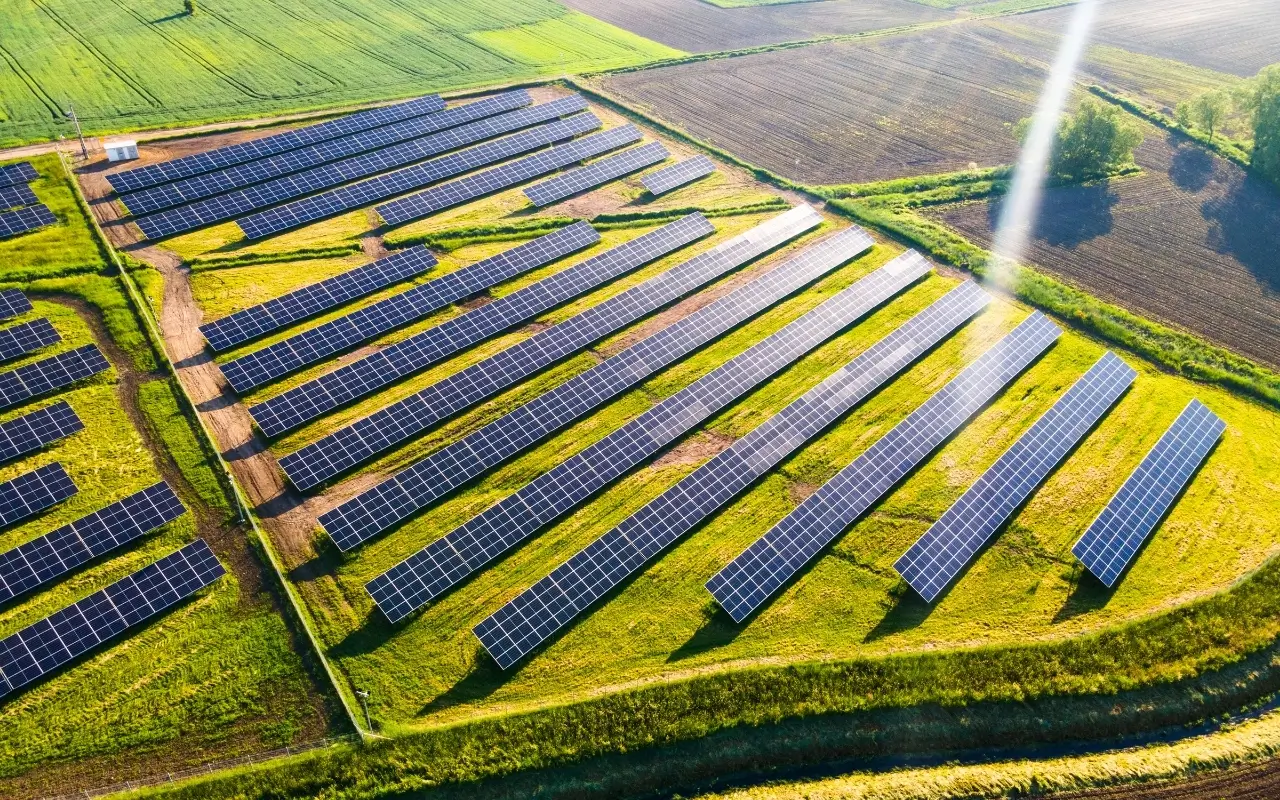
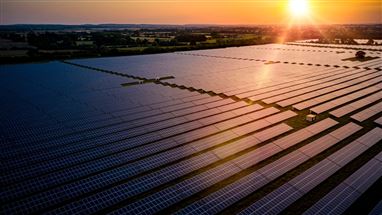
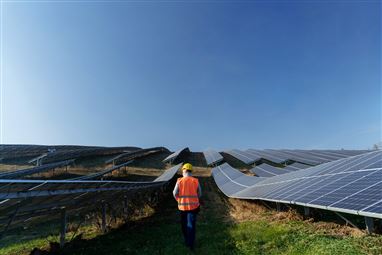
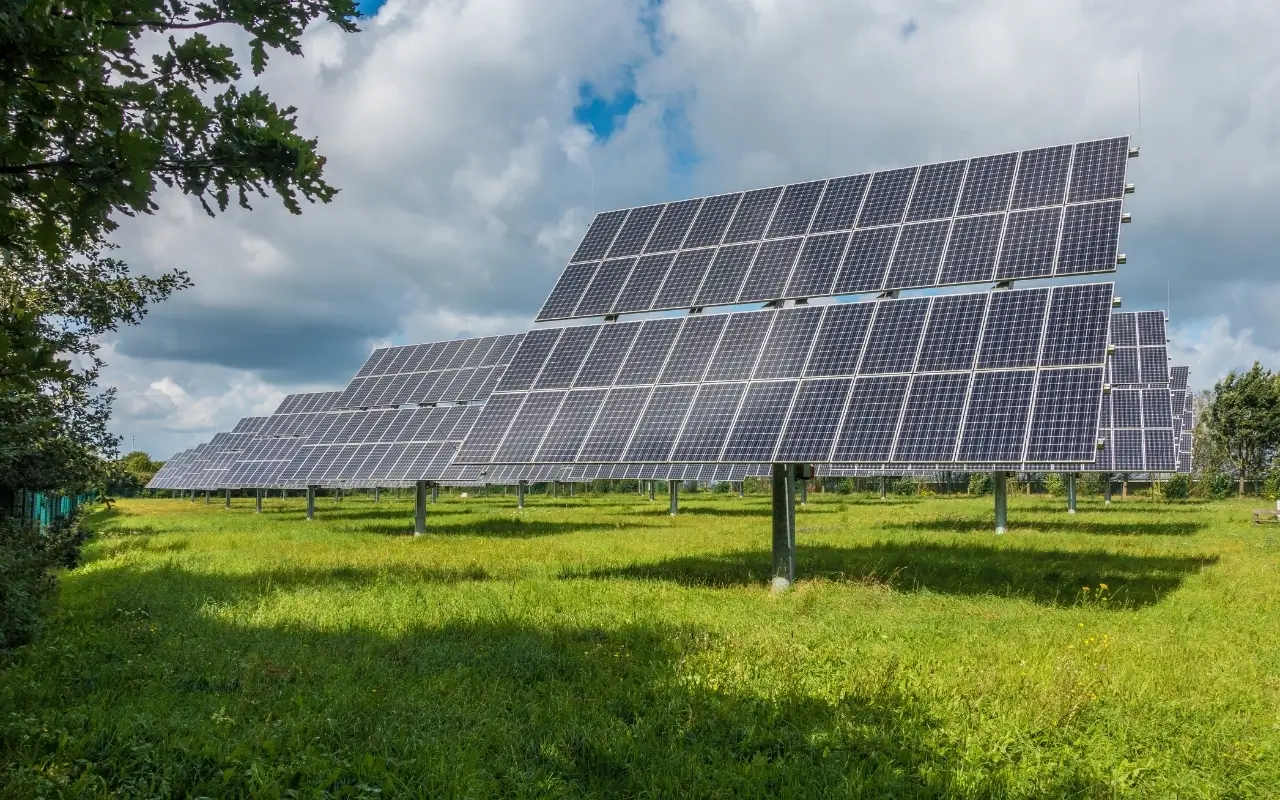
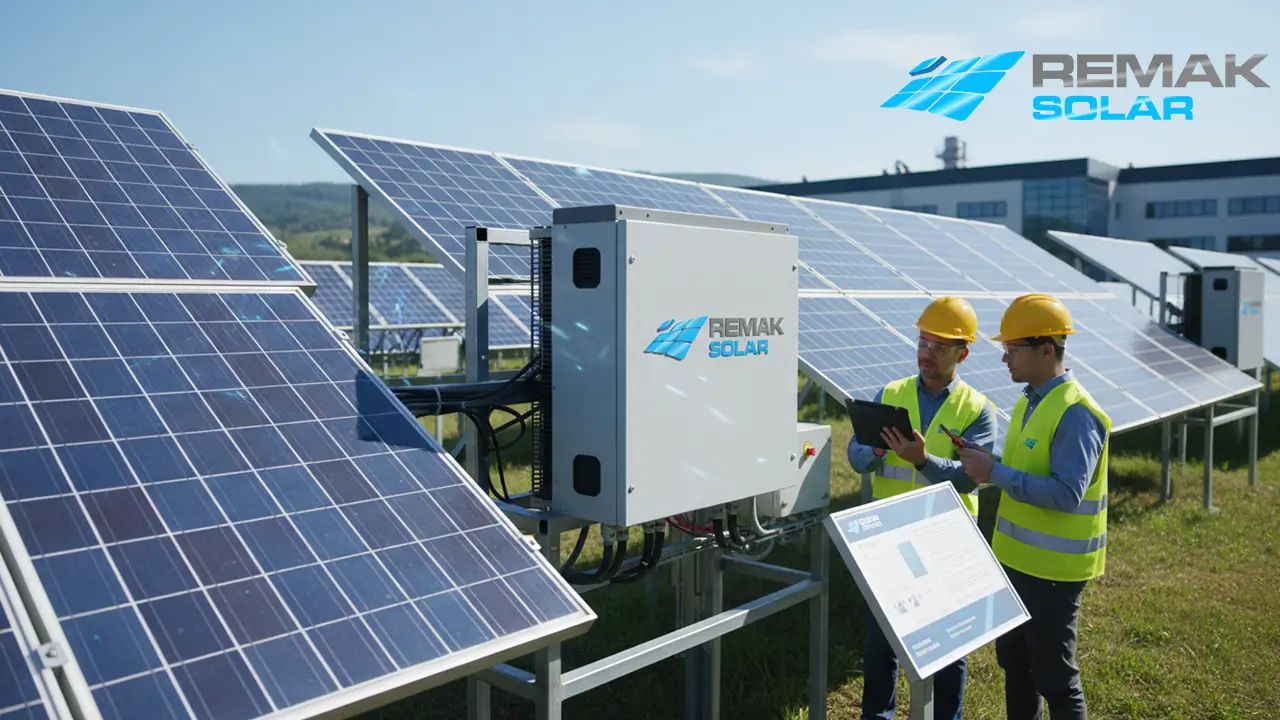
Agrivoltaics is a land-use model that combines farming and solar power generation on the same plot. Panels are raised or spaced in wider rows to keep the land usable for farming. This allows crops to grow or animals to graze beneath and between the panels. In Turkish, it is also known as agricultural solar PV or a farming–solar system.
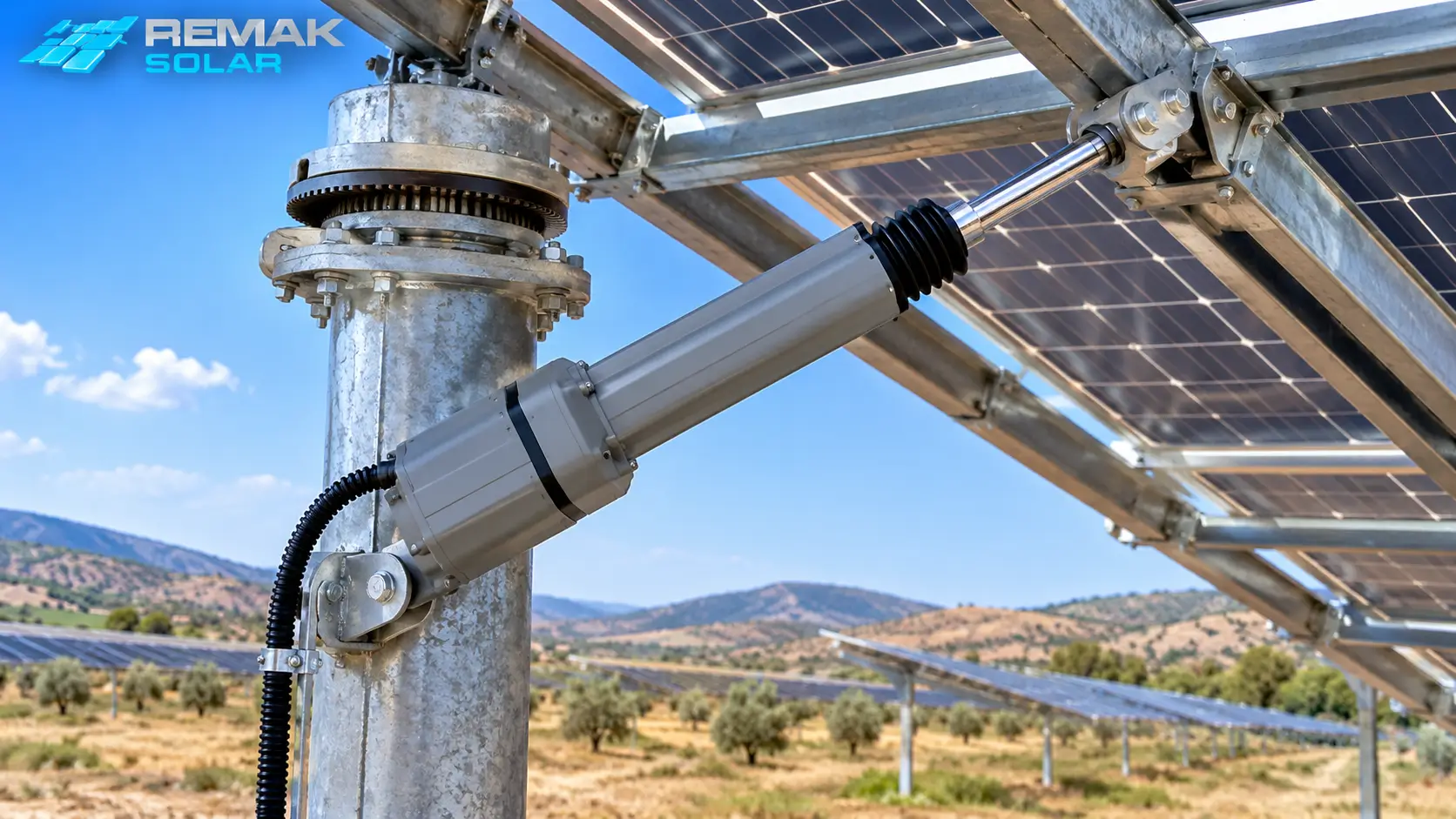
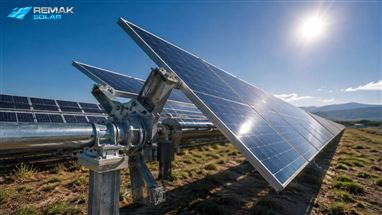
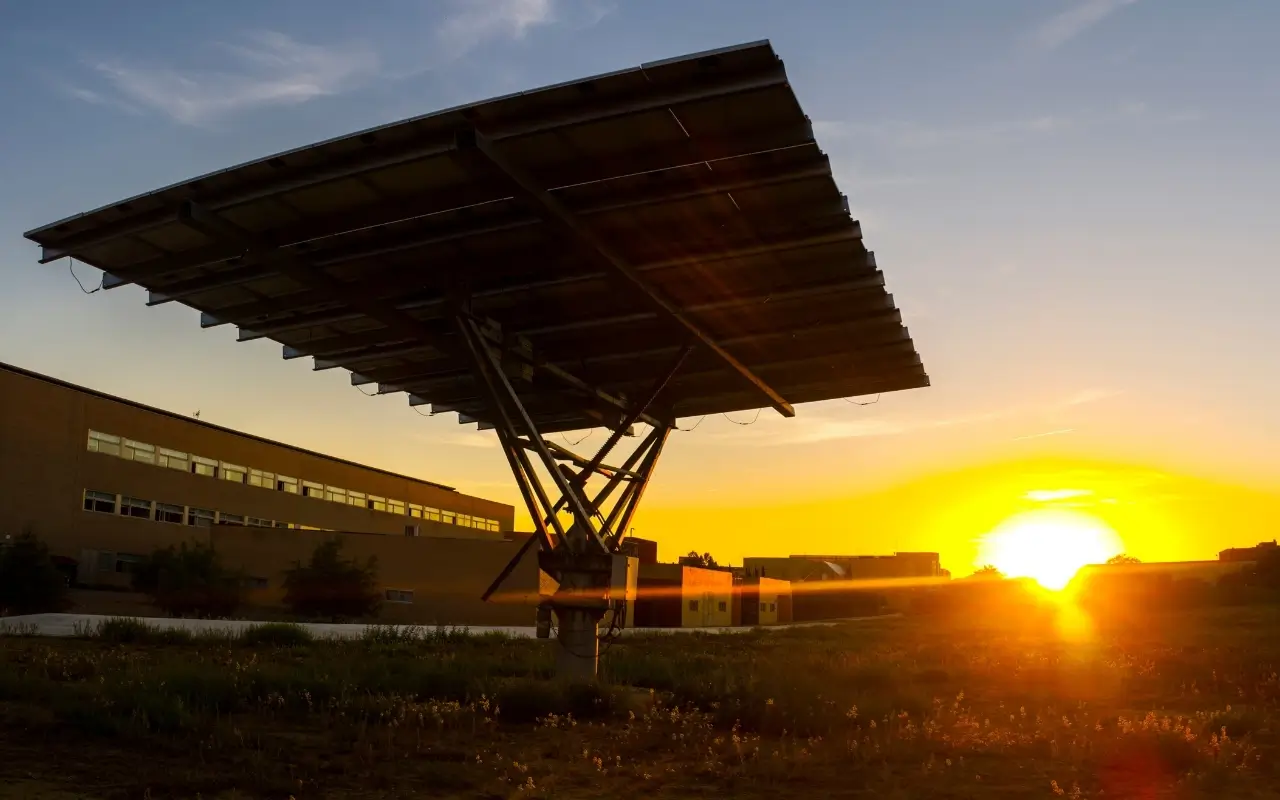
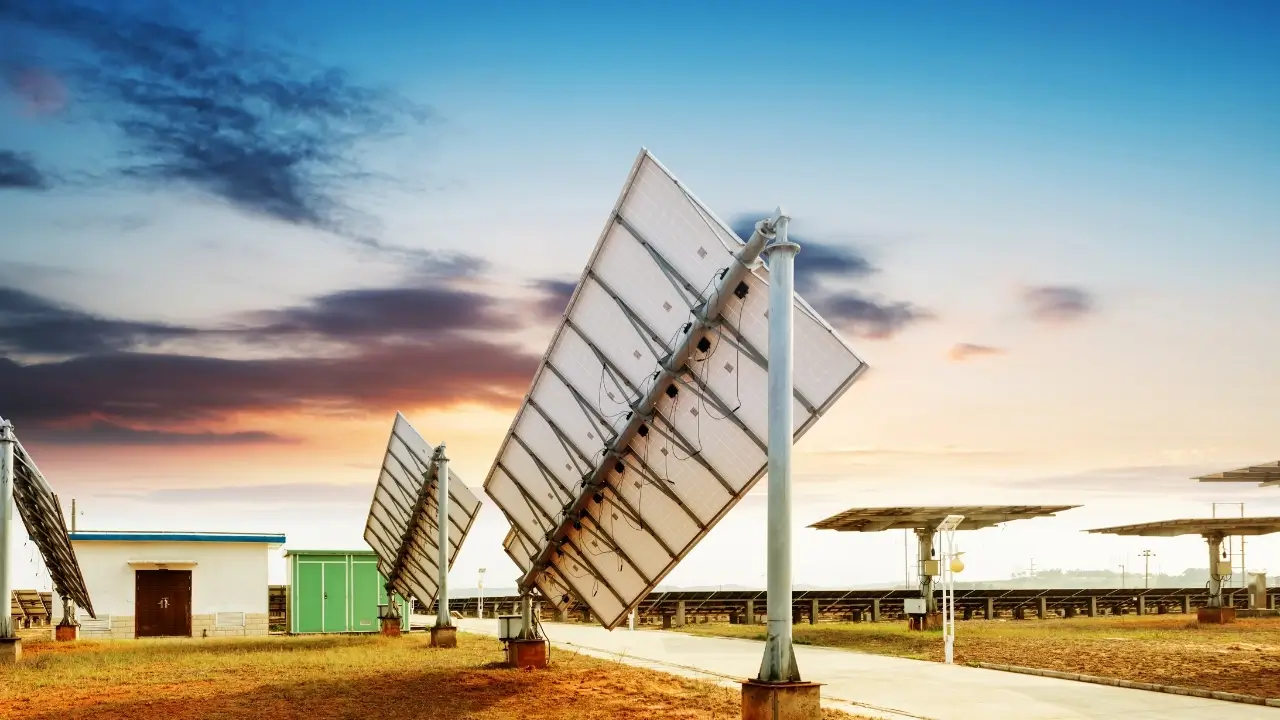
Solar trackers offer two benefits in this model. By following the sun, the panels generate more electricity on the same plot. As their angle changes through the day, the shade moves across the field instead of staying in one place. Below we explain how agrivoltaic systems are set up, which crops are suitable and which rules matter in Türkiye.
How Are Agrivoltaic Systems Set Up?
An agrivoltaic layout is designed to let farming continue. A 2024 presentation by the U.S. National Renewable Energy Laboratory (NREL) highlights three main designs (NREL, Agrivoltaics Pathways):
- Elevated systems: Panels are raised high enough for farm machinery and workers to pass underneath.
- Wide-row systems: Rows are spaced farther apart so the strips between them can be farmed.
- Vertical bifacial systems: The panels are mounted vertically and generate electricity from both sides. Most of the land remains available for crops or grazing.
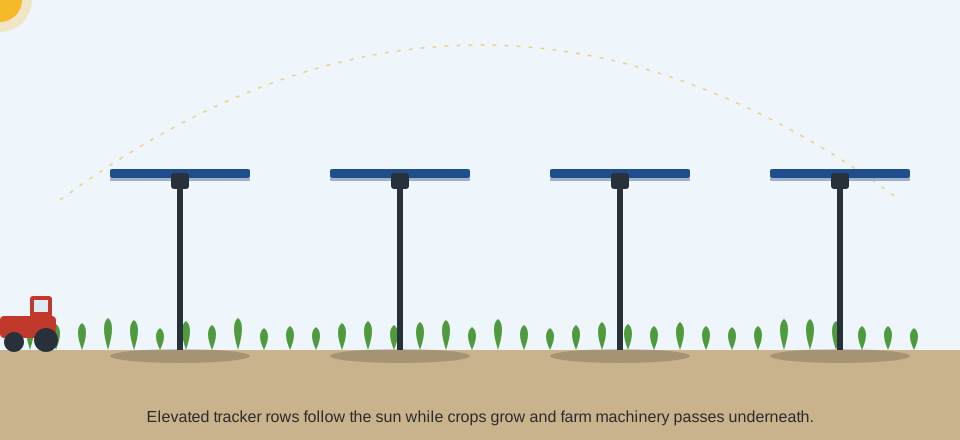
Each design involves a trade-off. NREL notes that raising panels and widening rows improves access for machinery. Wider spacing reduces the installed capacity that fits on the same plot, while elevated structures raise construction costs.
Why Are Solar Trackers Used in Agrivoltaics?
Tracking panels follow the sun from east to west throughout the day and generate more electricity from the same number of panels. NREL modelled a 100 kW single-axis tracker at standard height and spacing and estimated annual generation at about 194,000 kWh, versus about 171,000 kWh for a fixed system of the same capacity. That is a difference of about 14% in that scenario. Actual gains vary by location, climate and design.
Trackers also change the panel angle throughout the day, so shade does not stay on a single strip of the field. The NREL presentation discusses tracking strategies tailored to farming, including “anti-tracking” designs that let more light reach crops at certain times and trackers with shorter rows.
The same source notes that standard trackers can limit access for farm machinery. Plan panel height, row spacing and clearance for machinery together when selecting a tracker. We explain the difference between single- and dual-axis systems in Single-Axis vs. Dual-Axis Solar Trackers.
Which Crops Can Be Grown on an Agrivoltaic Site?
The area below the panels receives less sunlight than an open field. Crop selection is therefore one of the most important decisions. Based on information compiled by NREL, crops can be grouped by their response to shade:
| More shade-tolerant crops | More shade-sensitive crops |
|---|---|
| Leafy vegetables: lettuce, spinach, Swiss chard, kale | Fruiting vegetables: tomatoes, squash, cucumbers |
| Other: cabbage varieties, sweet potatoes | Other: maize, beans |
Crop yields vary with the panel layout, access to light and water, cultivar and soil conditions. The same source stresses the need for local trials to determine outcomes. Discuss suitable crops for your area with an agricultural engineer before deciding.
Livestock grazing
Agrivoltaics also accommodates livestock. Grazing sheep beneath panels is common worldwide. The NREL presentation cites a 300 MWac U.S. project where more than 1,600 sheep graze. The sheep can also reduce maintenance by keeping the grass short between panels.
Benefits of Agrivoltaics and Points to Consider
Agrivoltaics makes dual use of the land by adding electricity revenue while preserving farm income. Partial shade from panels can also reduce heat stress in some crops. The NREL presentation lists collecting runoff from panels in gutters for irrigation as a water management option.
Points to consider include:
- Installed capacity decreases. Wider rows leave room for farming but fit fewer panels on the same plot.
- Construction costs may rise. Elevated supports require more material than standard structures.
- Plan machinery access. Work out the width and height required for tractors and harvesting equipment at the outset.
- Clarify regulatory requirements. Solar installations on farmland require permission. The rules in Türkiye are discussed below.
Agrivoltaics in Türkiye: Regulatory Status
In Türkiye, the use of agricultural land is governed by the 4 April 2026 Regulation on the Protection and Use of Agricultural Land. The regulation does not explicitly use the term “agrivoltaics.” The following solar PV provisions directly affect agrivoltaic projects:
- As a general rule, land for a solar power plant must be classified as dry marginal agricultural land.
- Rooftop PV installed as an ancillary part of an agricultural structure and solar PV for irrigation are treated as agricultural structures and assessed under separate rules.
- Agricultural PV applications require a notarised undertaking, and the structure must not be used for non-agricultural purposes.
If you are planning an agrivoltaic project in Türkiye, confirm the land classification and the rules that apply to your project with the Provincial Directorate of Agriculture and Forestry before applying. We cover irrigation systems in What Is Solar Irrigation?and other farm applications in Using Solar Energy Systems on Farms.
Steps for Planning an Agrivoltaic Project
- Land and regulatory checks: Confirm the land classification and permitting process.
- Crop or livestock plan: Decide what to grow or whether to use the site for grazing.
- Design selection: Select panel height, row spacing and fixed or tracking structures based on the crop plan.
- Machinery and worker access: Calculate the clearance needed for tractors, sprayers and harvesting equipment.
- Water management: Include irrigation lines and rainwater routing in the design.
- Generation and revenue estimates: Assess electricity generation and farm income together. For an initial estimate, use our solar energy calculator.
Tracker Components for Your Agrivoltaic Project
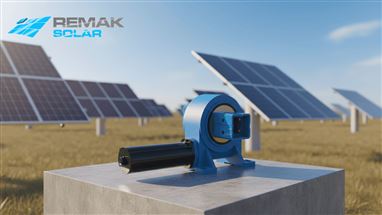
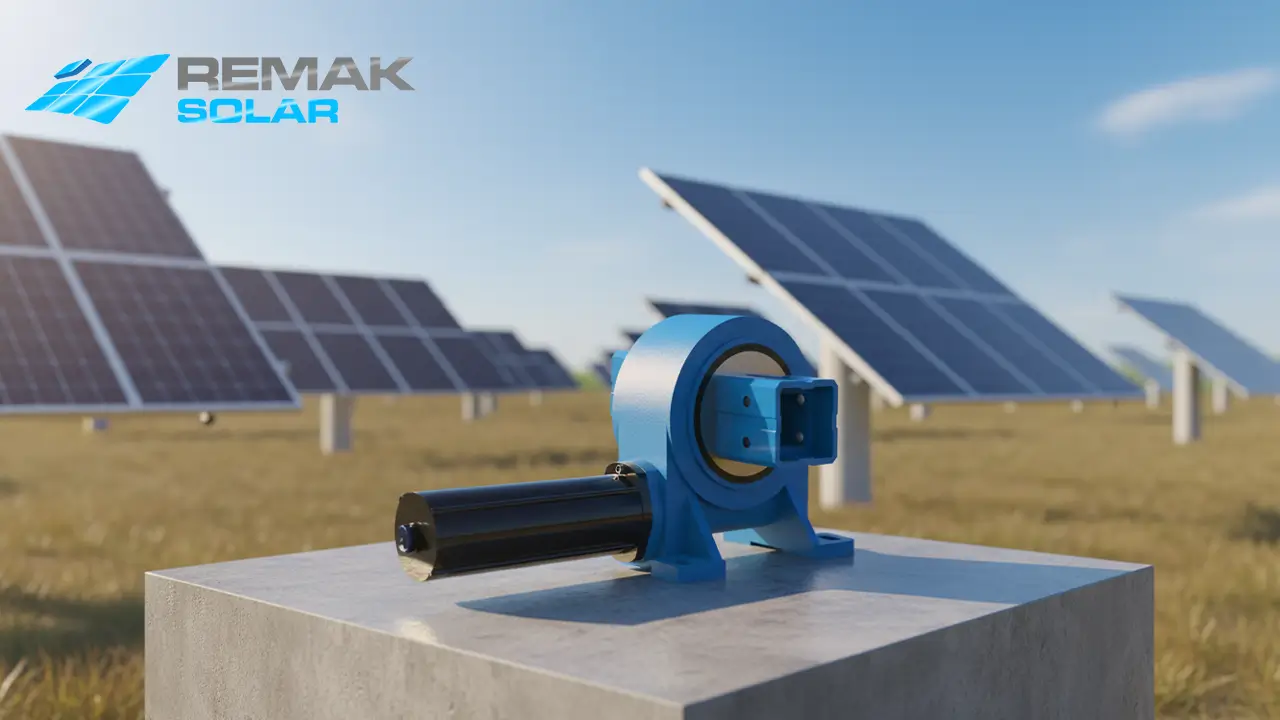
Remak Solar manufactures key solar tracking components, including gearboxes, control panels, bearing assemblies and profiles. For single-axis systems, see our ST7 and RMST130 gearboxes. You can explore the overall design on our solar tracking system page. Share your project requirements via our contact page.
Frequently Asked Questions
Are agrivoltaics and agricultural solar PV the same thing?
The terms are often used interchangeably in everyday speech. Agrivoltaics means farming and generating electricity on the same plot. Turkish regulations use “agricultural-purpose solar PV” in a narrower sense, for example for solar irrigation.
Does growing crops under panels reduce yield?
It depends on the crop. Shade-tolerant crops such as lettuce and spinach may do better in partial shade, while tomatoes, maize and beans may be more affected. Local trials are recommended for reliable results.
Can livestock graze on an agrivoltaic site?
Yes. Sheep grazing in particular is common worldwide. Panel height and cable protection must be designed for grazing.
Can an agrivoltaic system be installed on farmland in Türkiye?
Solar installations on farmland require permission, and land classification determines eligibility. The 2026 regulation contains no separate definition of agrivoltaics. Check which rules apply to your project with the Provincial Directorate of Agriculture and Forestry before applying.
Should agrivoltaic projects use fixed systems or trackers?
Trackers generate more electricity from the same number of panels and allow shade to move across the field. Fixed, elevated systems may offer more flexibility for machinery access in some cases. Base the choice on the crop plan, terrain and investment budget.
Do Comment