
Other Blog
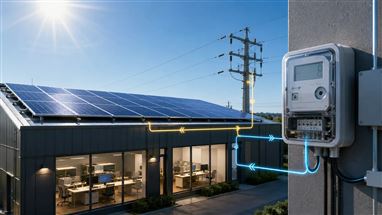
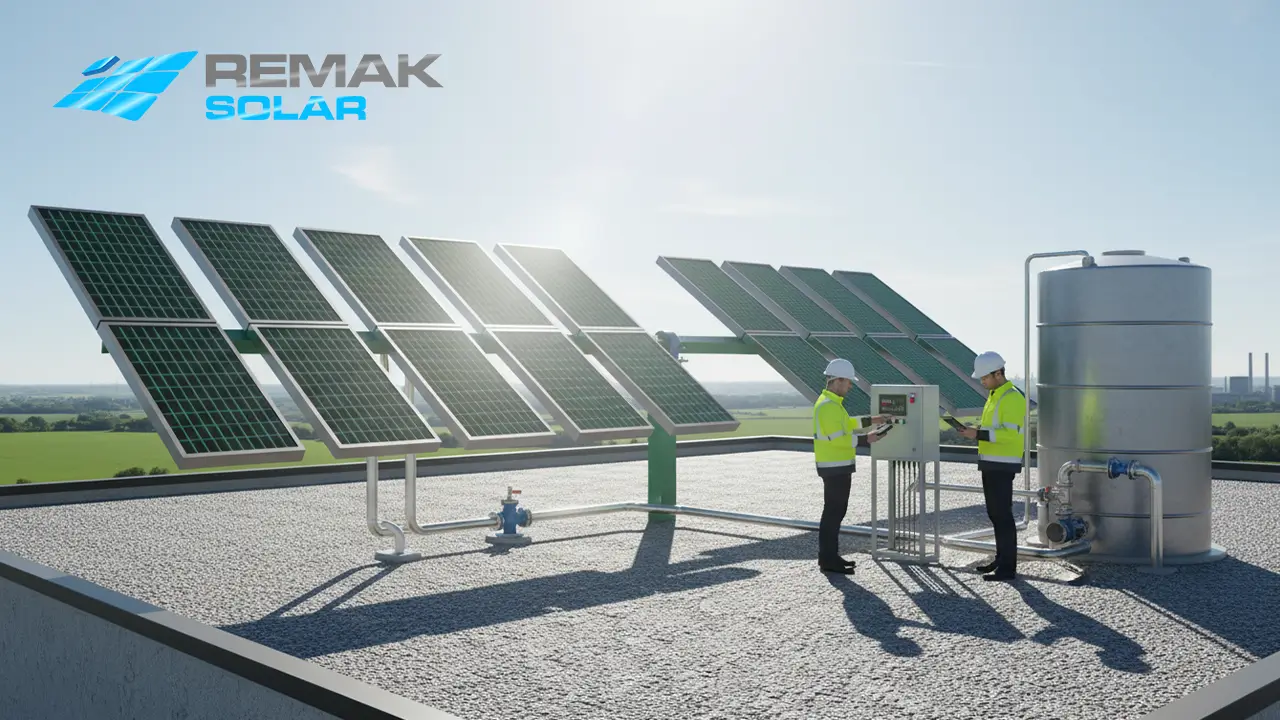
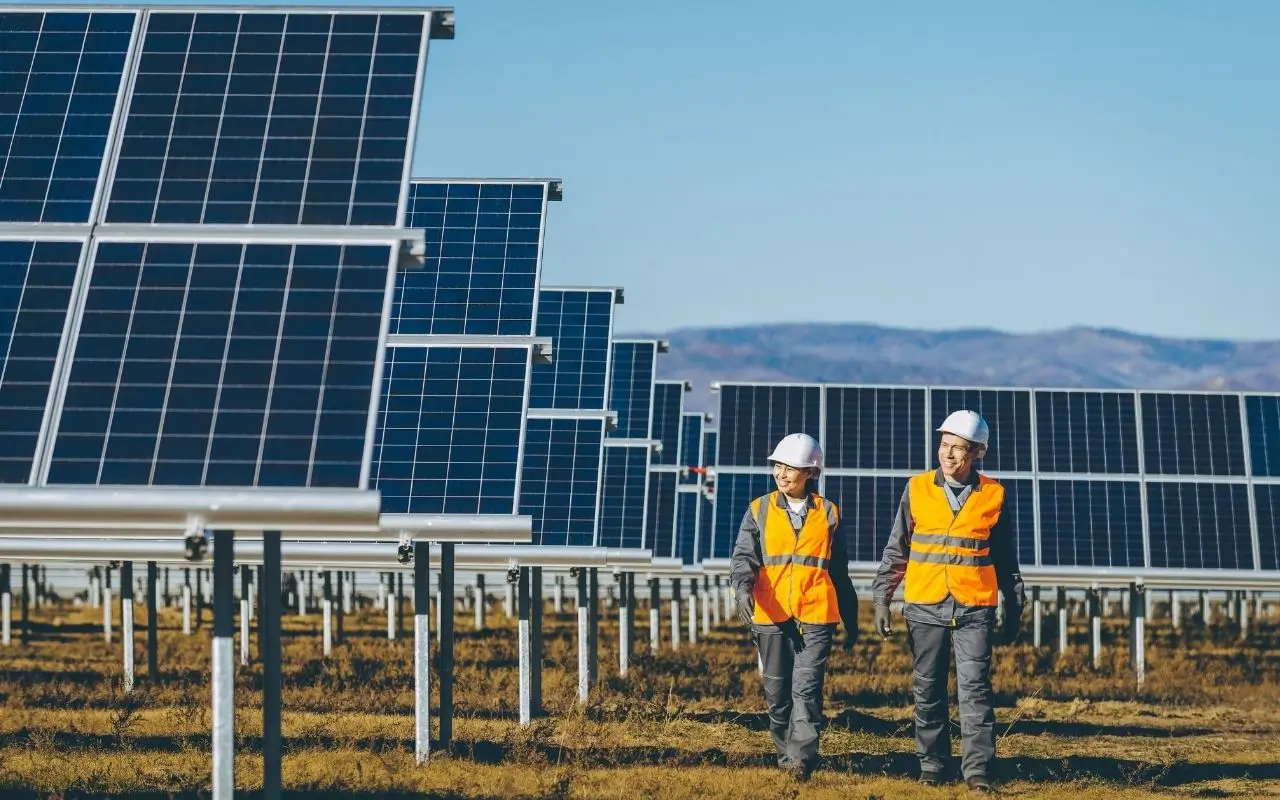
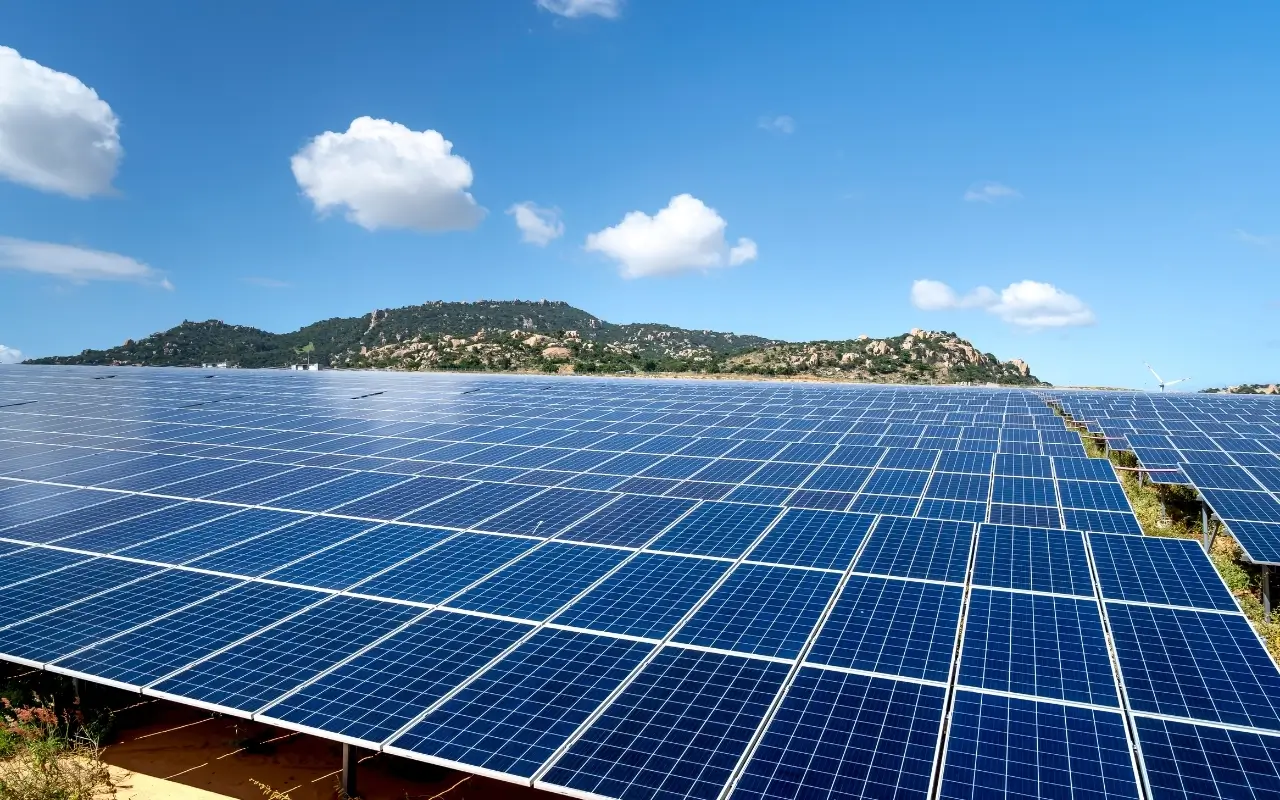
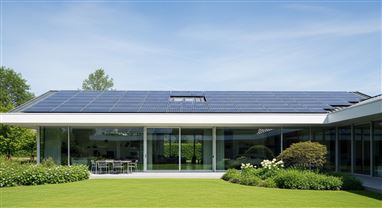
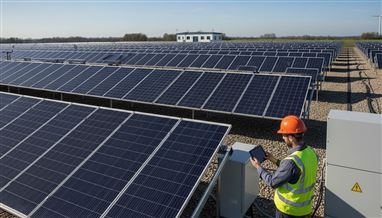
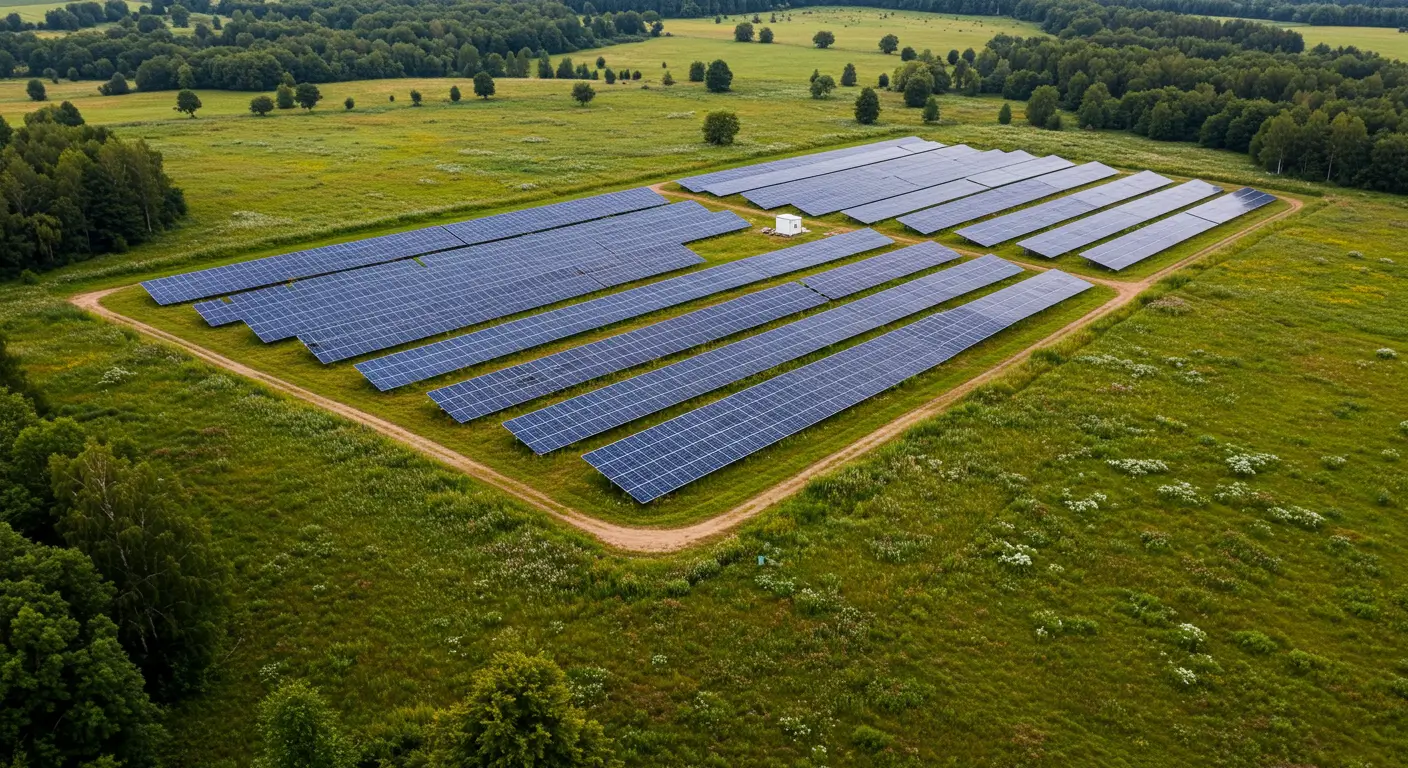
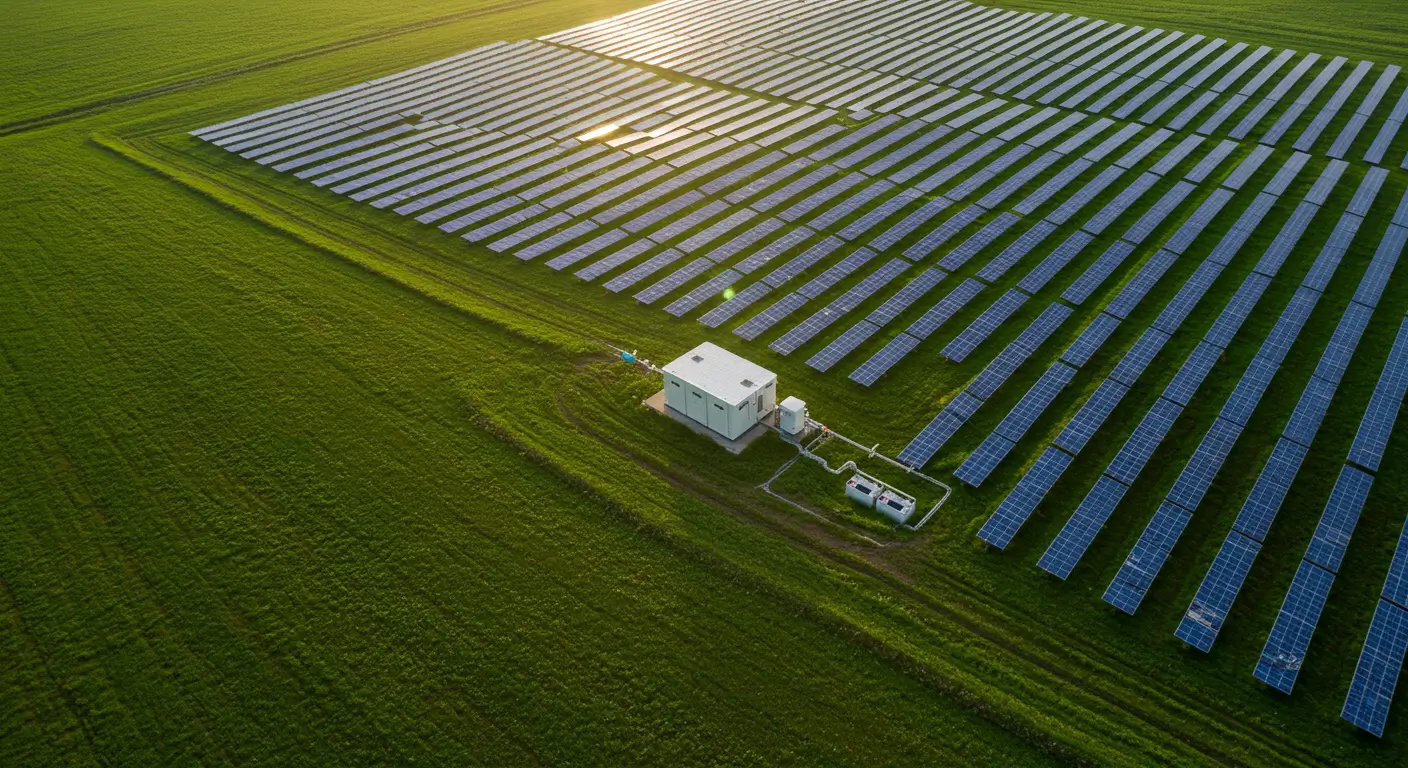
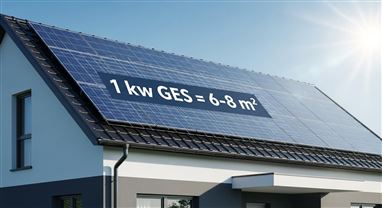
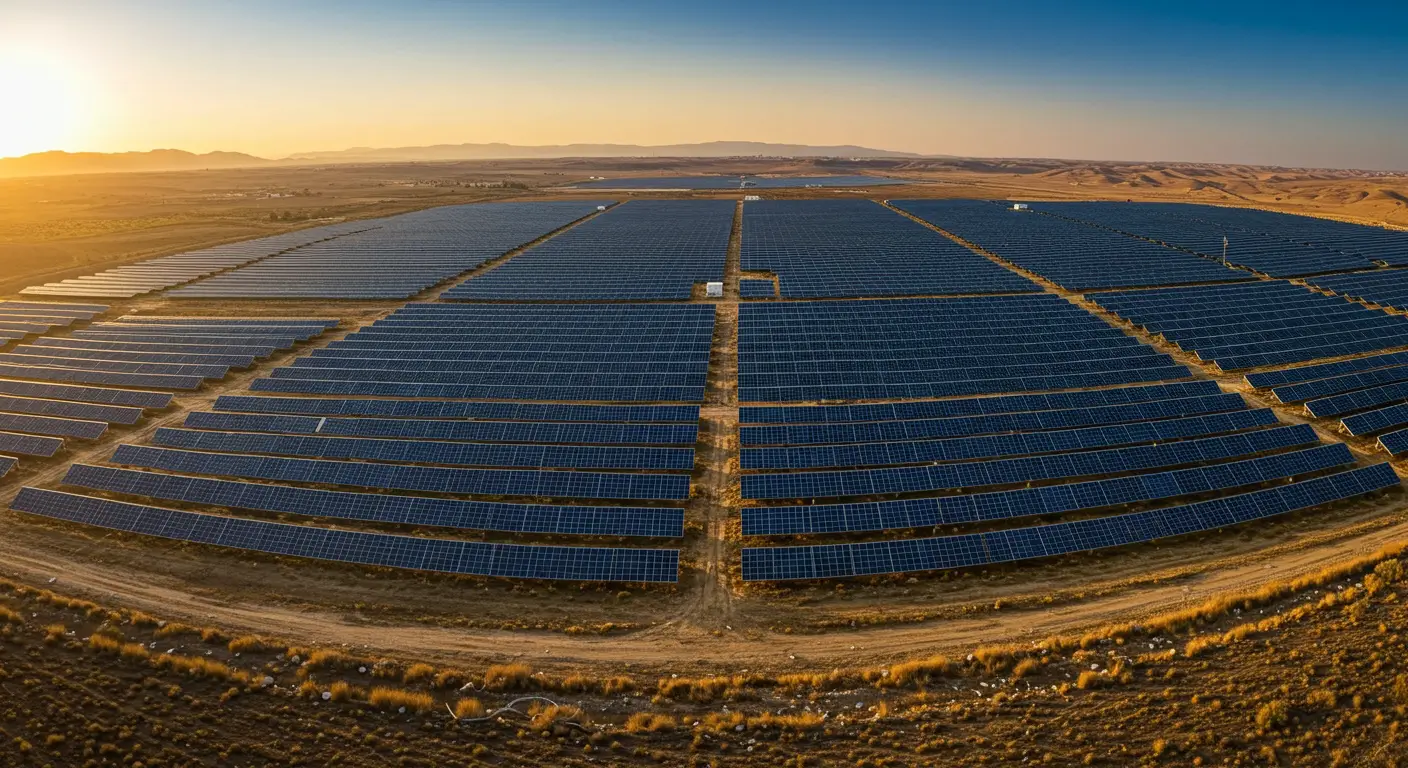
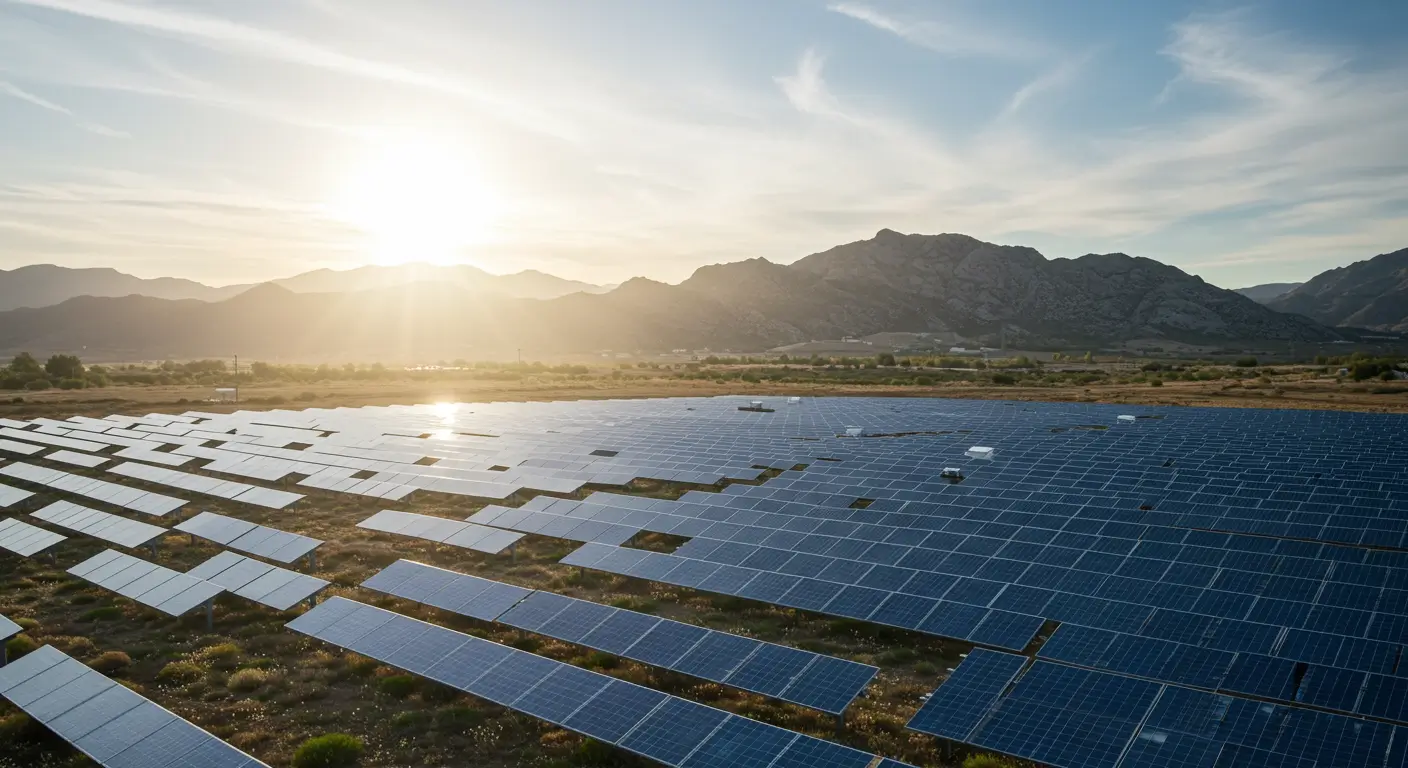
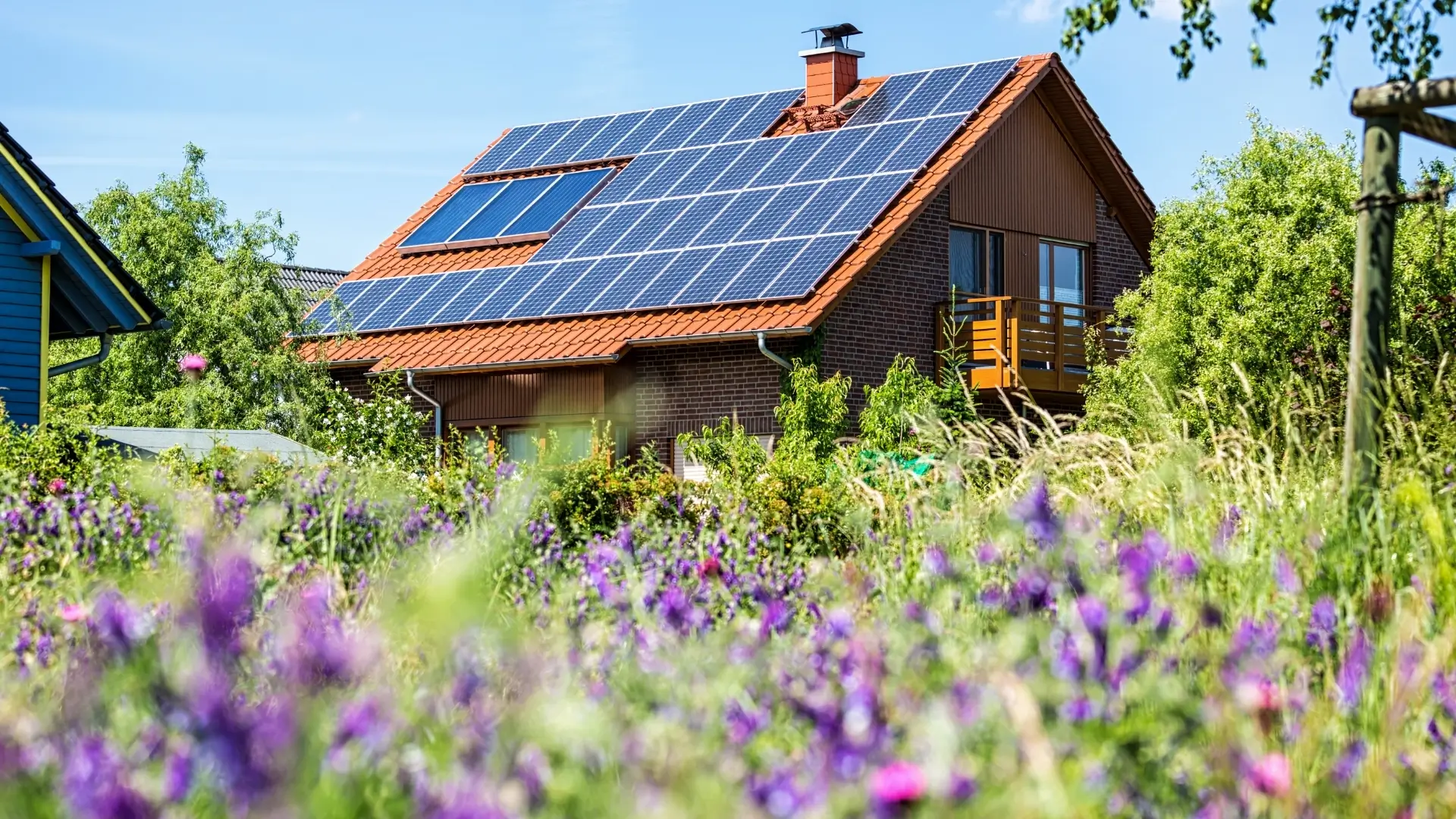
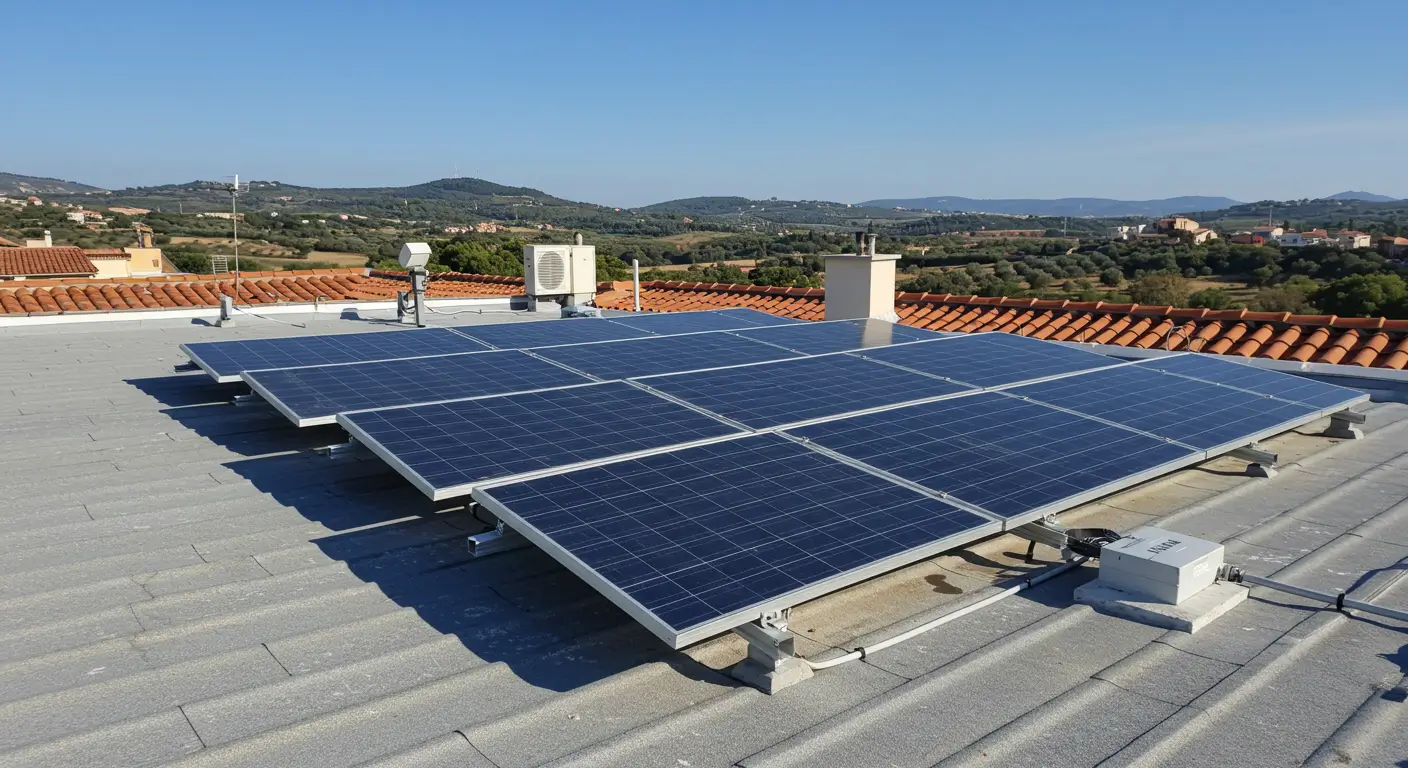
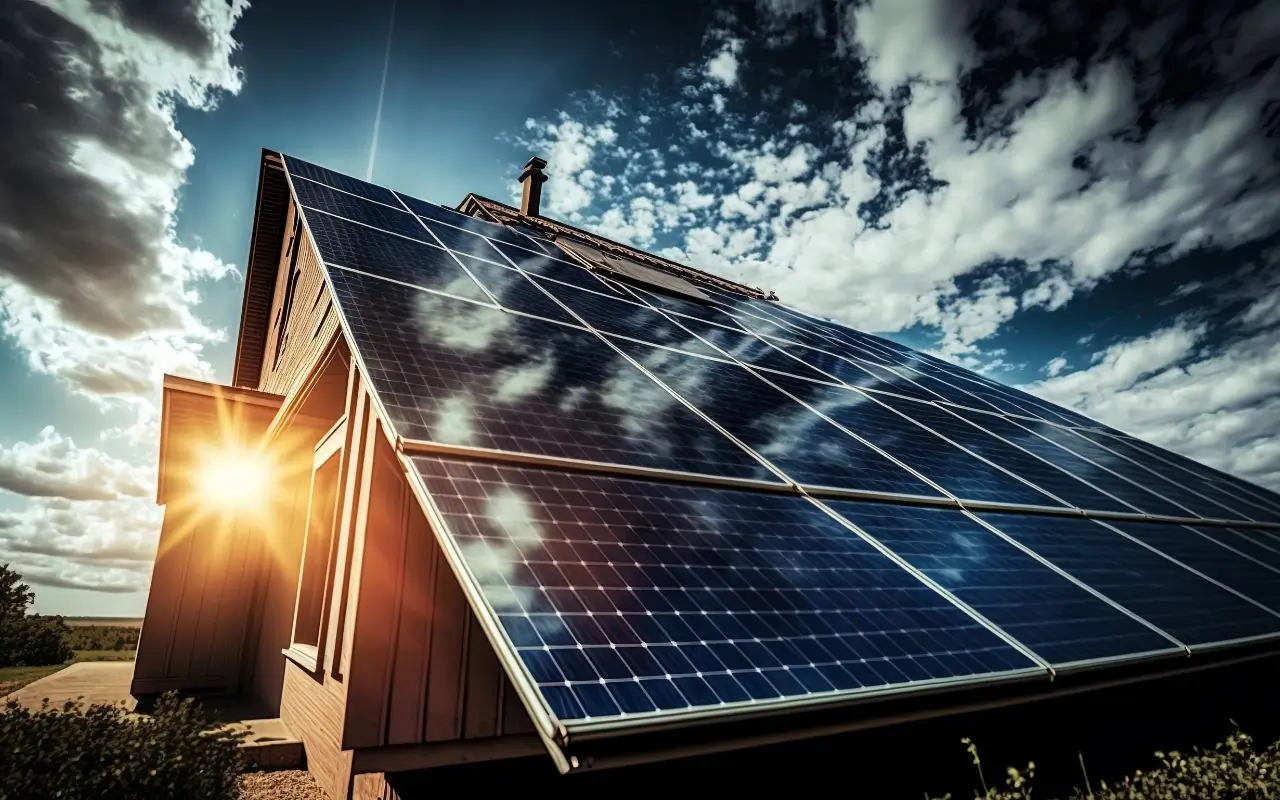
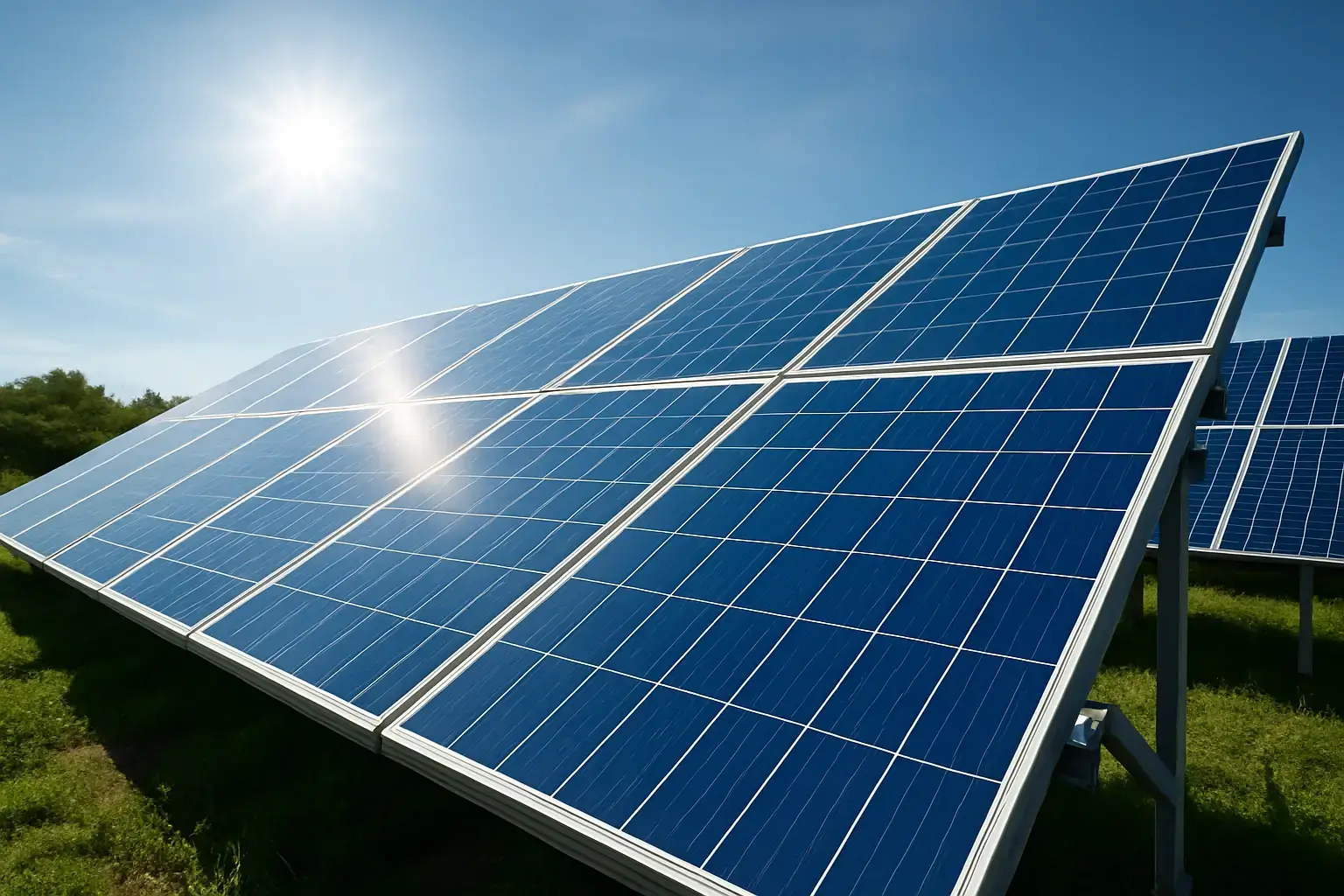
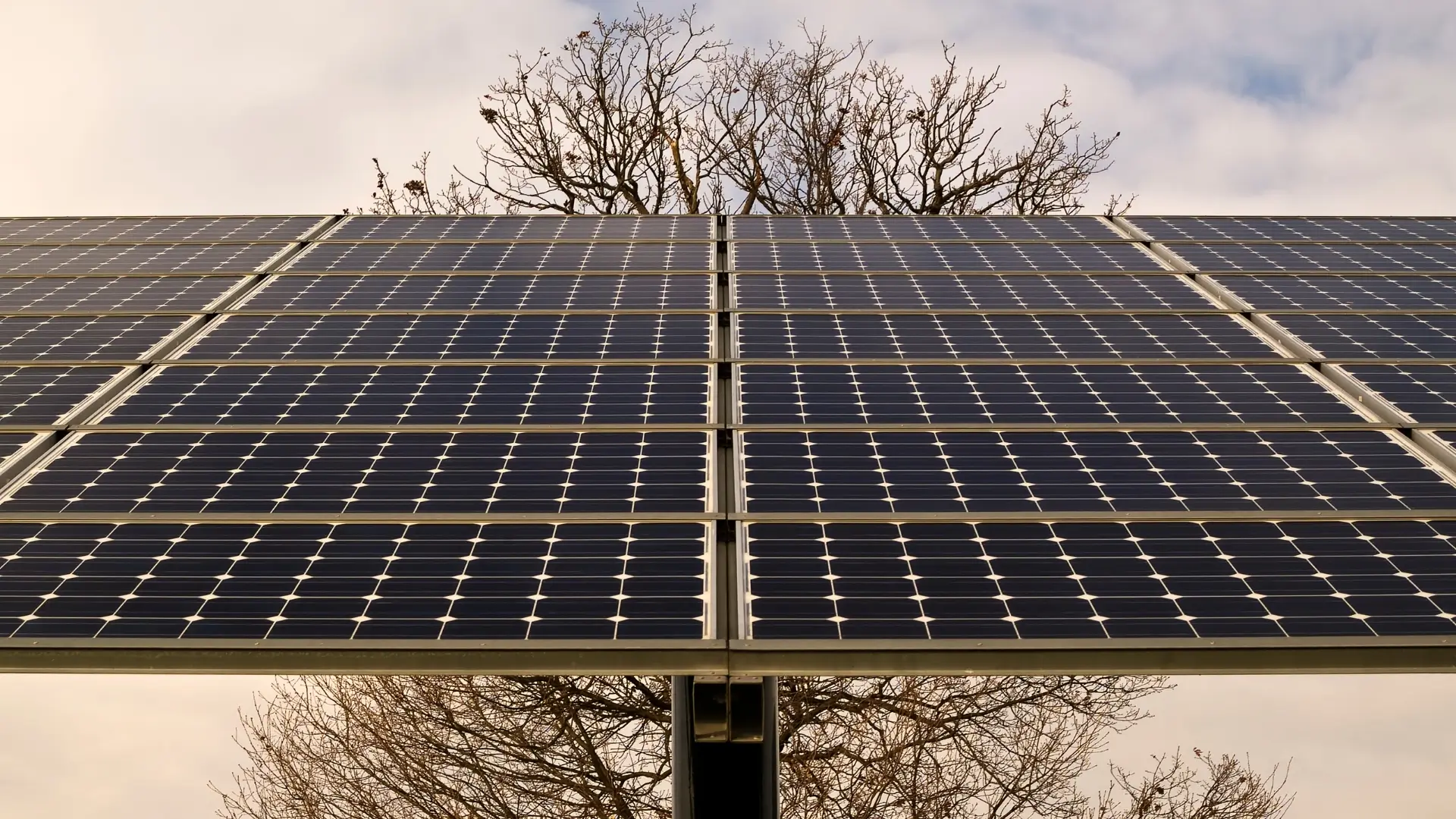
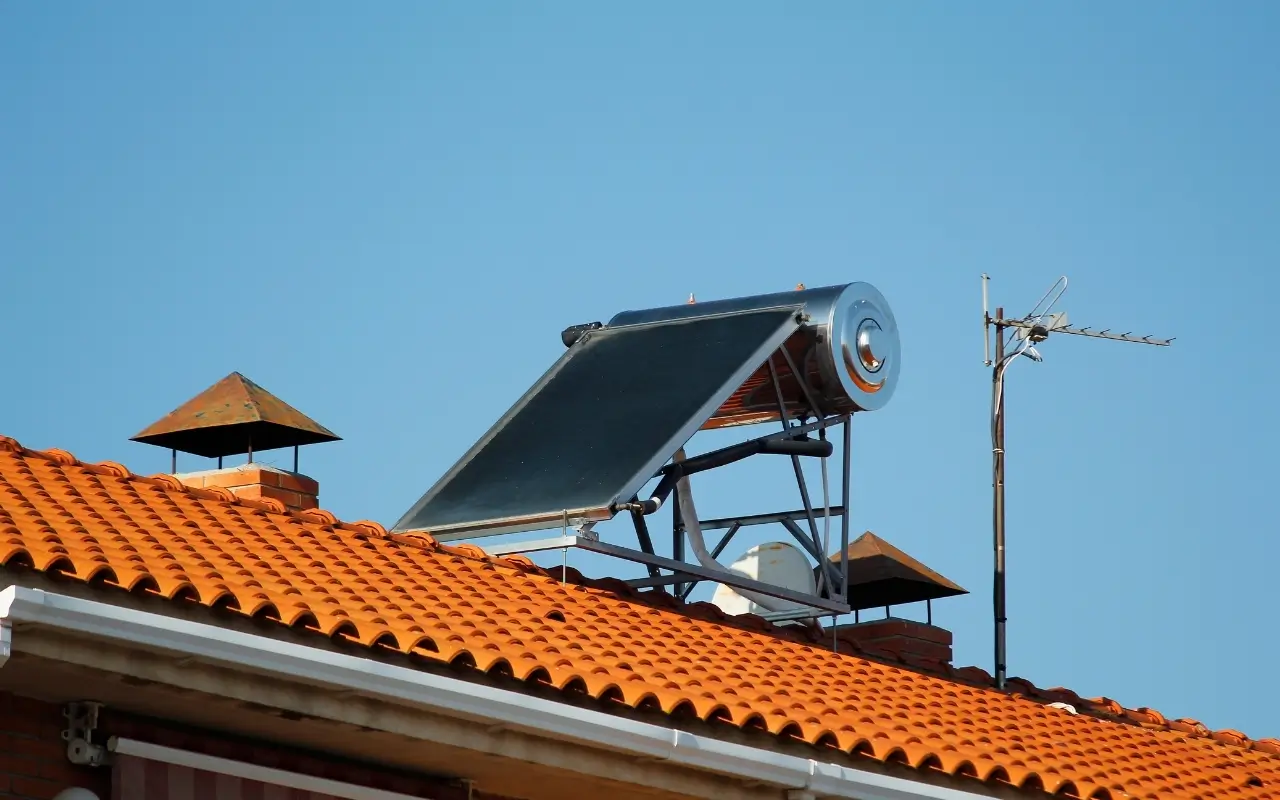
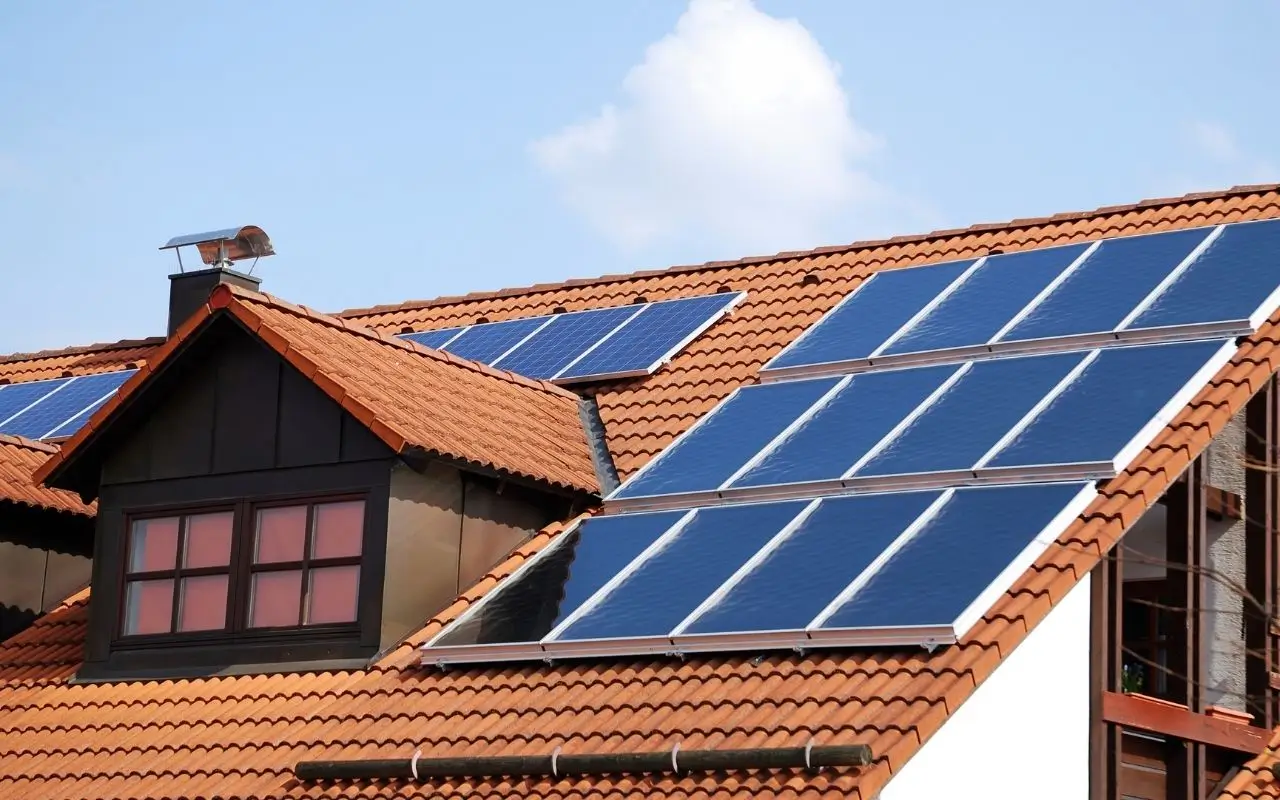
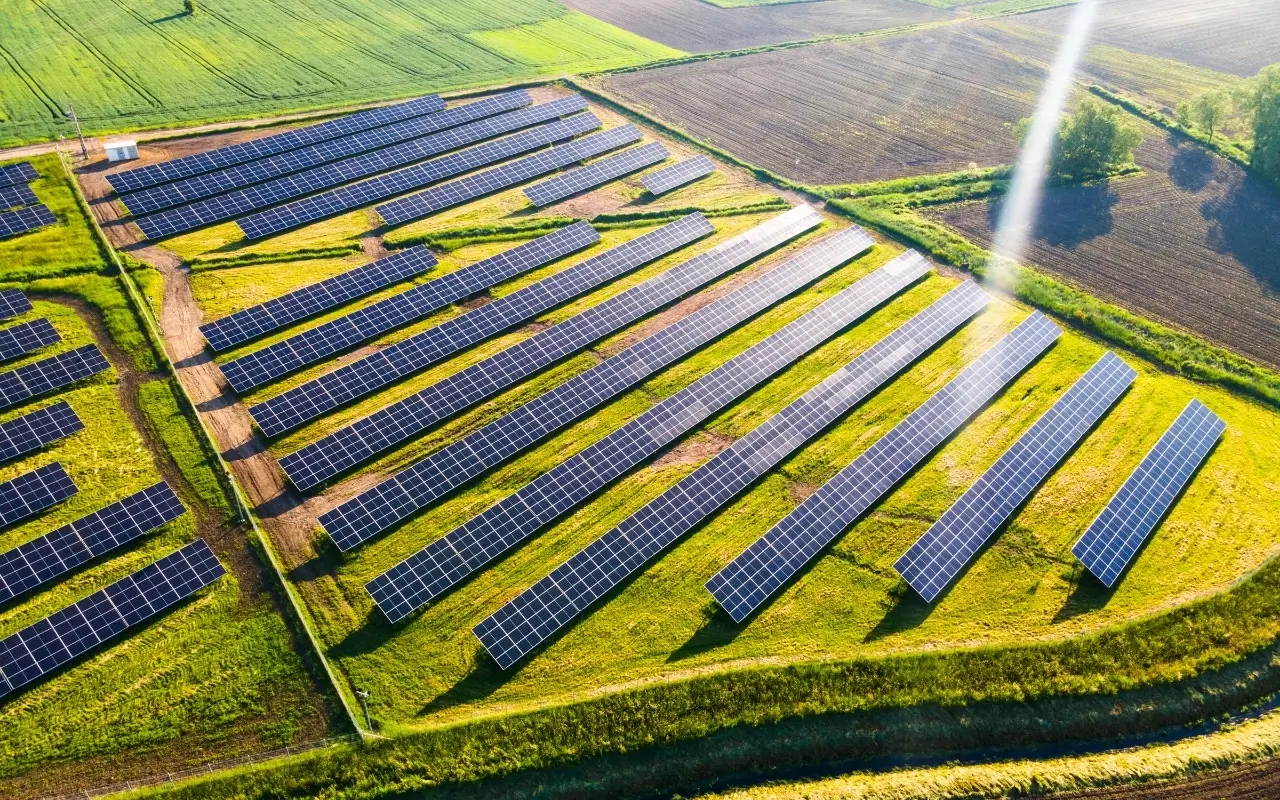
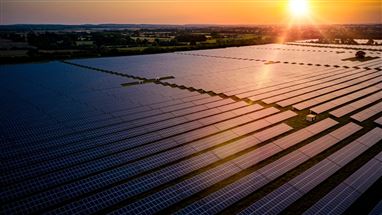
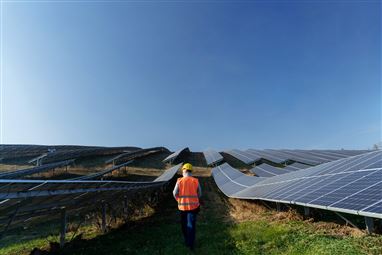
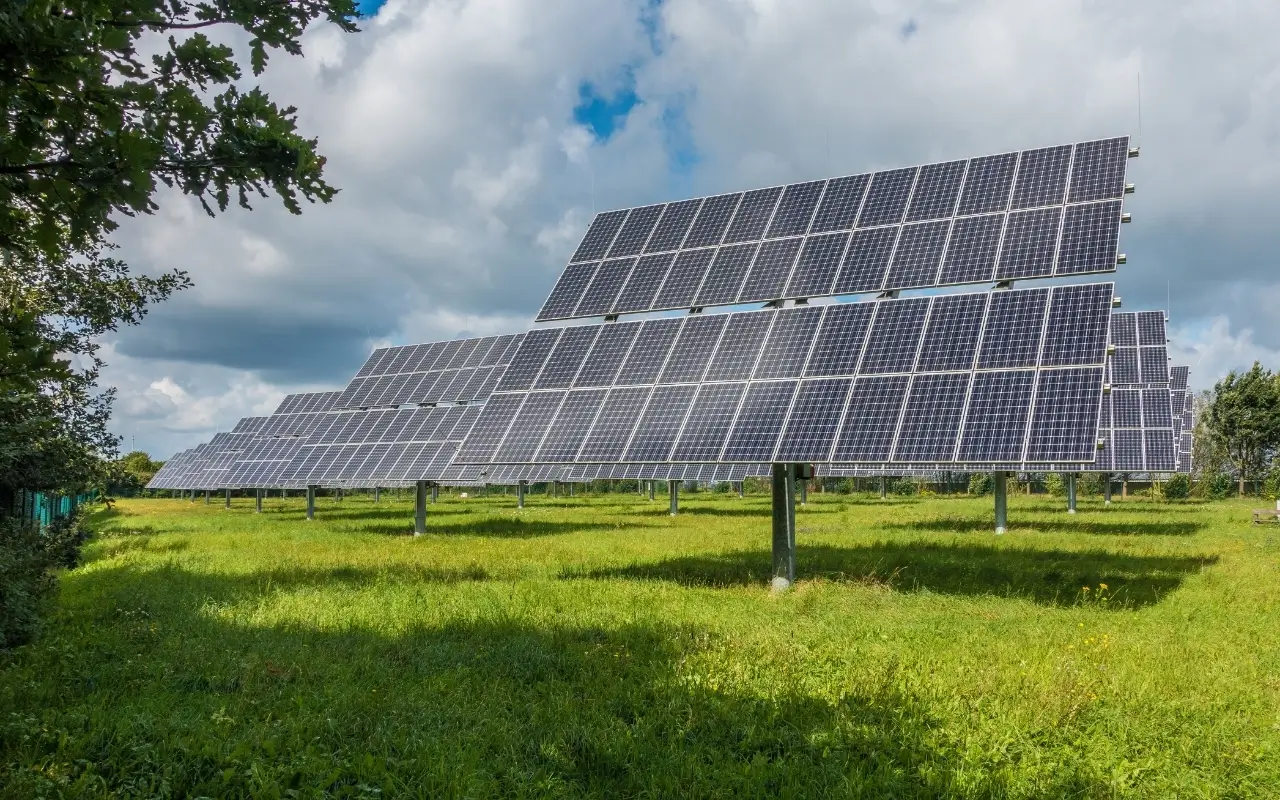
In solar power plants, keeping panels fixed means that a significant portion of the light received throughout the day is wasted. Solar tracker systems move the panels according to the position of the sun precisely to prevent this loss. There are two main types on the market: single-axis and dual-axis. The difference between them is based on how many directions the panel can move in and, accordingly, how much efficiency it provides.
While single-axis systems usually rotate the panel in an east-west direction, dual-axis systems move on both the horizontal and vertical axes. Even this one-sentence difference directly affects cost, installation, and production figures. Before making an investment decision, it is necessary to clearly see how these two systems work and which one fits your project.
What Does a Solar Tracker System Do?
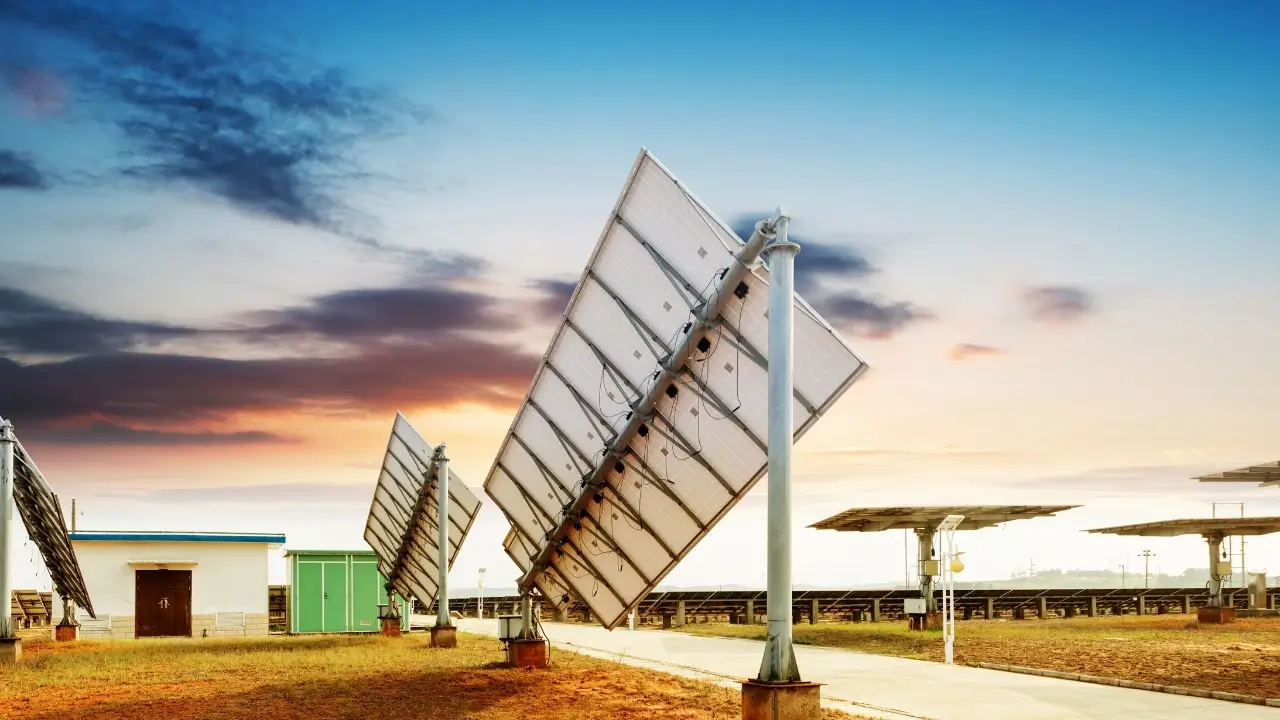
A solar tracker is a mechanical mechanism that directs panels according to the movement of the sun in the sky. In fixed-mounted systems, the panel angle is set once and does not change throughout the day. In this case, in the early morning and late afternoon, the light cannot reach the panel at a perpendicular angle, so production decreases.
A tracking system, on the other hand, keeps the panel facing the sun throughout the day. As a result, the same panel produces significantly more electricity in the same region compared with a fixed system. Especially in plants built on large areas, this difference is reflected in annual production as serious figures.
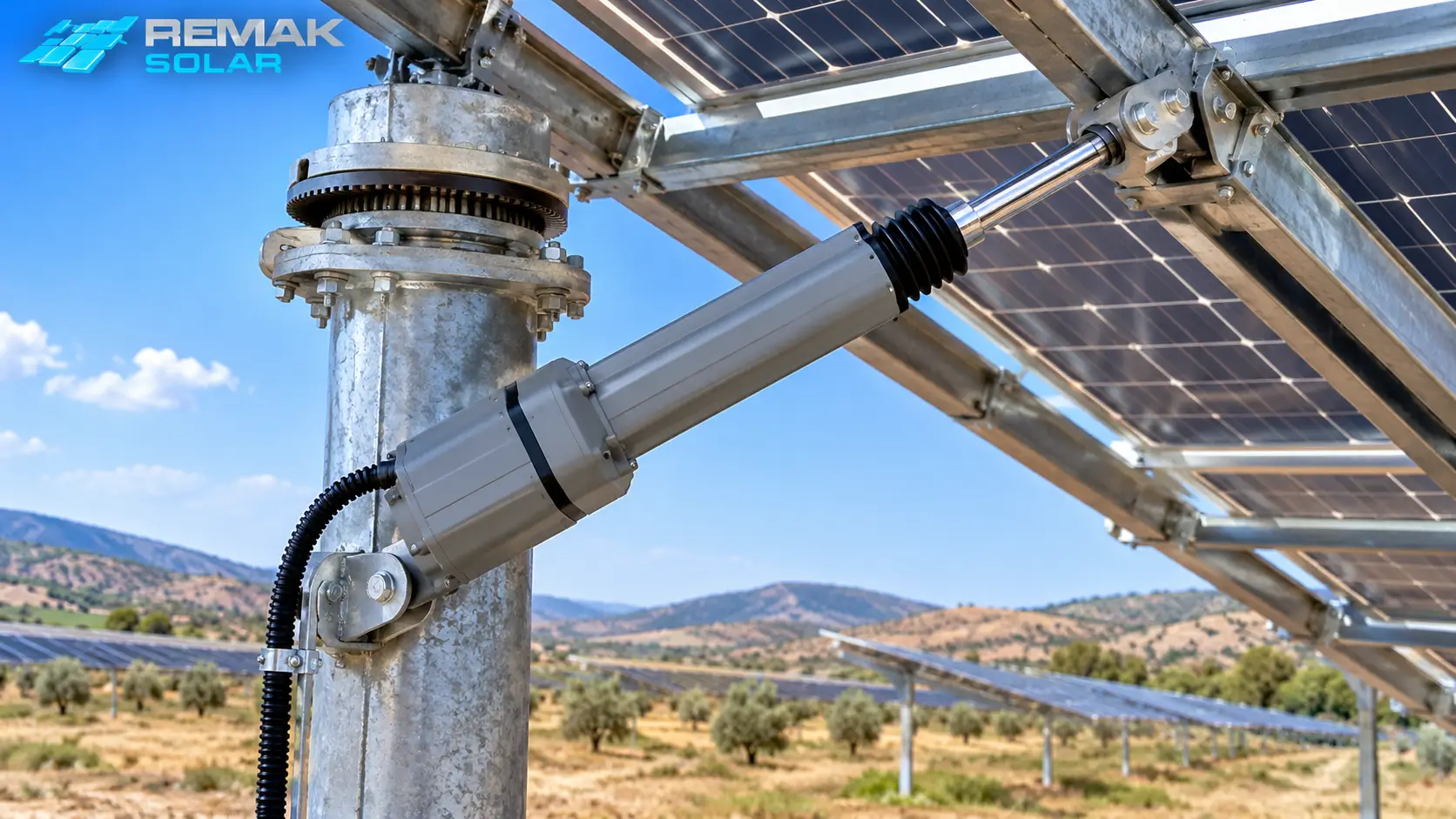
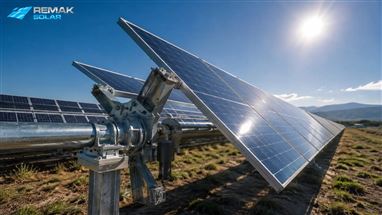
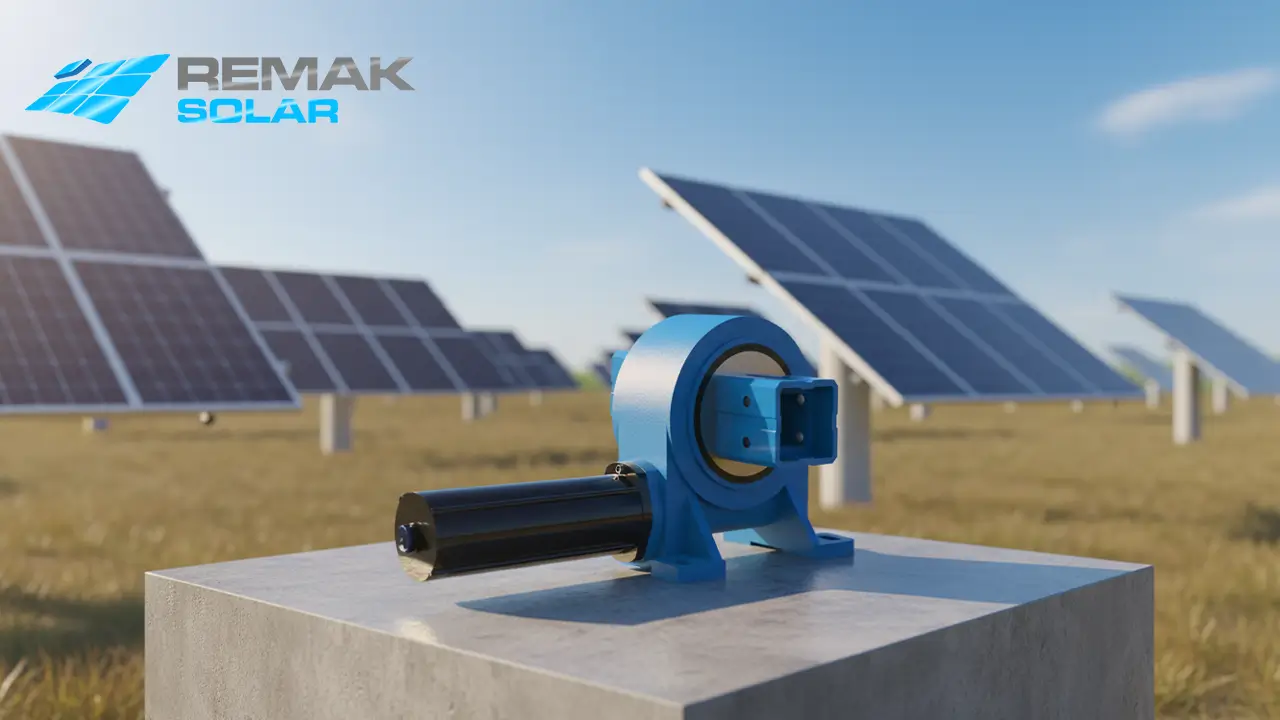
The system is based on three main components: the motor that provides movement, the control unit that determines direction, and the movable structure that carries the panels. The distinction between single-axis and dual-axis is exactly about how many directions this movement occurs in. The coordinated operation of these components directly determines the system’s field performance.
How Does a Single-Axis Solar Tracker Work?
Single-axis systems usually rotate the panels around a single axis in an east-west direction. When the sun rises in the east in the morning, the panels begin facing that direction and move westward as the day progresses. In this way, light reaches the panel at a nearly perpendicular angle for most of the day.
The strongest aspect of this system is its simplicity. Since it moves in only one direction, its mechanical structure consists of fewer parts. This makes both installation and maintenance easier and reduces the possibility of failure. In the long term, operating costs remain close to fixed systems, while production becomes much higher.
Single-axis solutions deliver highly efficient results especially in regions with long sunshine duration and flat land. They are among the most preferred models in medium- and large-scale plants because they successfully establish the balance between cost and efficiency.
In short, single-axis systems offer a logical starting point for investors who aim for high returns with minimal complexity.
How Does a Dual-Axis Solar Tracker Work?
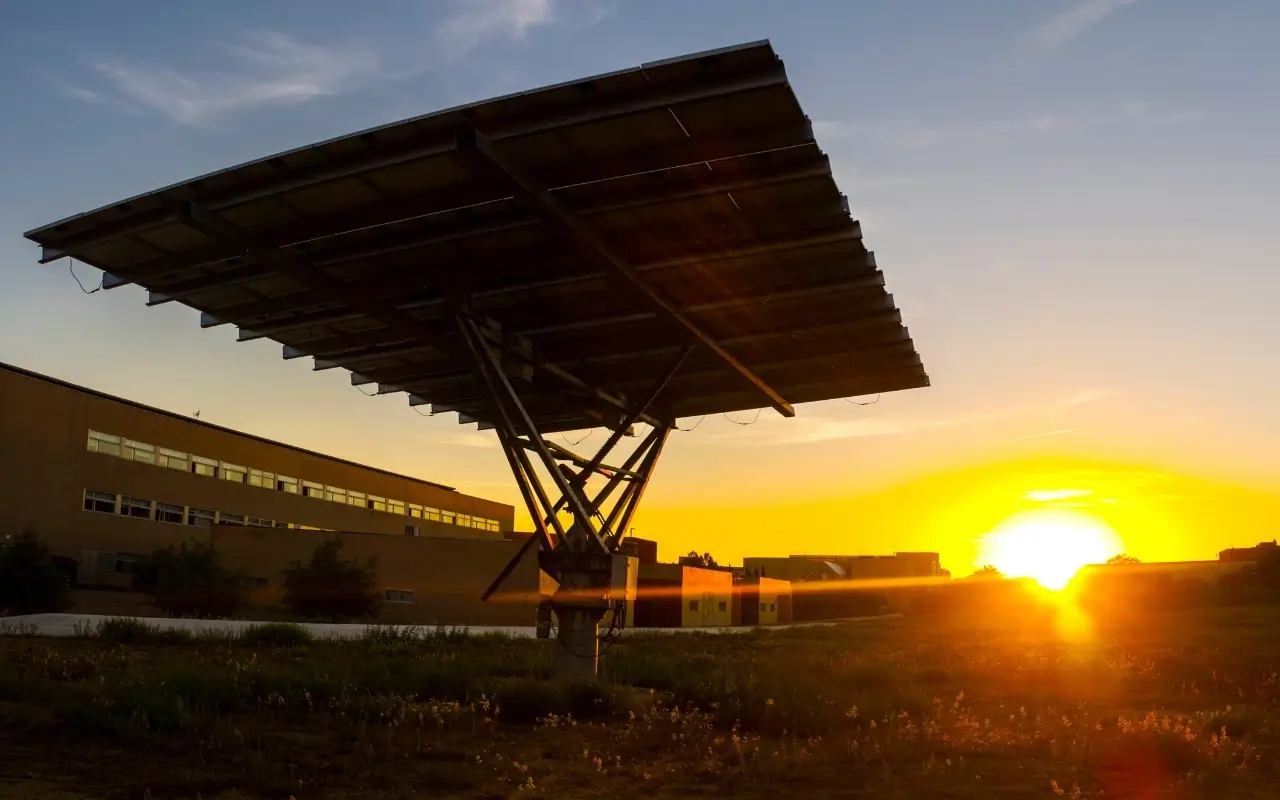
In dual-axis systems, movement is not limited to a single direction. The panels rotate on both the east-west and north-south axes. In other words, the system tracks both the sun’s horizontal movement during the day and the elevation angle that changes with the seasons. As a result, the panel faces the sun almost at a perfect perpendicular angle throughout the day.
This additional movement capability provides a serious increase in production. Since the position of the sun changes throughout the year, dual-axis systems capture the low winter sun and the high summer sun with equal success. In this way, they collect a significant portion of the light that fixed or single-axis systems miss.
Of course, this advanced structure has a cost. Because it moves in two directions, it requires more mechanical parts, stronger motors, and more detailed control software. This increases the initial investment amount and also makes maintenance processes somewhat more demanding.
Dual-axis systems stand out in projects where space is limited and obtaining maximum efficiency from every square meter is a priority.
Key Differences Between the Two Systems
When you put the two systems side by side, it becomes much clearer where the distinction begins. The following points summarize the issues most commonly considered when making a decision:
- Direction of movement: Single-axis systems rotate in one direction, usually on the east-west axis. Dual-axis systems move on both the horizontal and vertical axes.
- Efficiency: Dual-axis systems generally provide higher production. Single-axis systems still offer a significant gain compared with fixed panels.
- Cost: Single-axis solutions are more affordable. Initial cost is higher in dual-axis systems.
- Maintenance: Single-axis systems with fewer parts are easier to maintain. Dual-axis systems require more attention.
- Land use: Dual-axis systems provide an advantage in narrow areas. On large lands, single-axis systems stand out in terms of cost.
These differences alone do not make one system definitively superior to the other. The right choice depends on the region where the project is located, the size of the land, and the investor’s budget. In one project, a single-axis system may be the smartest choice, while in another project, the additional efficiency provided by a dual-axis system can close the cost difference in a short time.
Comparison in Terms of Efficiency
Efficiency is the main factor that determines most investors’ decisions. Compared with a fixed system, single-axis tracking systems provide a significant increase in production. Dual-axis systems add a little more on top of this increase because they track the sun both horizontally and vertically.
However, how meaningful this additional efficiency will be depends largely on geography. In regions close to the equator, where the sun comes at a high angle throughout the year, the extra gain provided by a dual-axis system may remain more limited. By contrast, in regions where the sun angle changes greatly with the seasons, this difference becomes much more pronounced.
Another important point is shading. While moving systems track the light throughout the day, panels must be placed at correct intervals so that they do not shade each other. In a well-planned site, both systems can turn their theoretical efficiency into real production.
Cost and Return on Investment
How much a system produces is important, but so is how quickly it pays for itself. Since single-axis systems require a lower investment, they generally provide a faster return. This advantage becomes particularly prominent in projects with limited initial installation budgets.
In dual-axis systems, the initial cost is higher because they require more mechanical components and a more advanced control infrastructure. Nevertheless, the additional energy they produce can largely compensate for this difference in the long term. This return is felt more quickly especially where electricity is expensive or space is limited.
Maintenance costs must also be included in the calculation. Maintenance expenses remain low in single-axis systems with fewer parts, while this item is slightly higher in dual-axis systems. When making a decision, it is much more accurate to look not only at the initial installation price but also at the total cost that will occur throughout the system’s lifetime.
Which System Is Suitable for Which Project?
The right choice depends largely on the characteristics of the project. The following situations make it easier to see which system may be more suitable for you:
- If you have wide and flat land: Single-axis systems offer a balanced solution in terms of both cost and efficiency.
- If your space is limited: Dual-axis systems are advantageous because they produce more energy from the same square meter.
- If your budget is limited: Single-axis systems allow you to start with a more affordable initial cost
- If maximum production is the priority: Dual-axis systems aim for the highest return by tracking the sun in the most efficient way.
- If your maintenance capacity is limited: Thanks to their simple structure, single-axis systems require less effort.
These points serve as a roadmap, but it is useful to examine the actual site conditions before making the final decision. Even in the same region, land slope, wind conditions, and panel type can change the preferred choice.
What Should You Consider for the Right Choice?
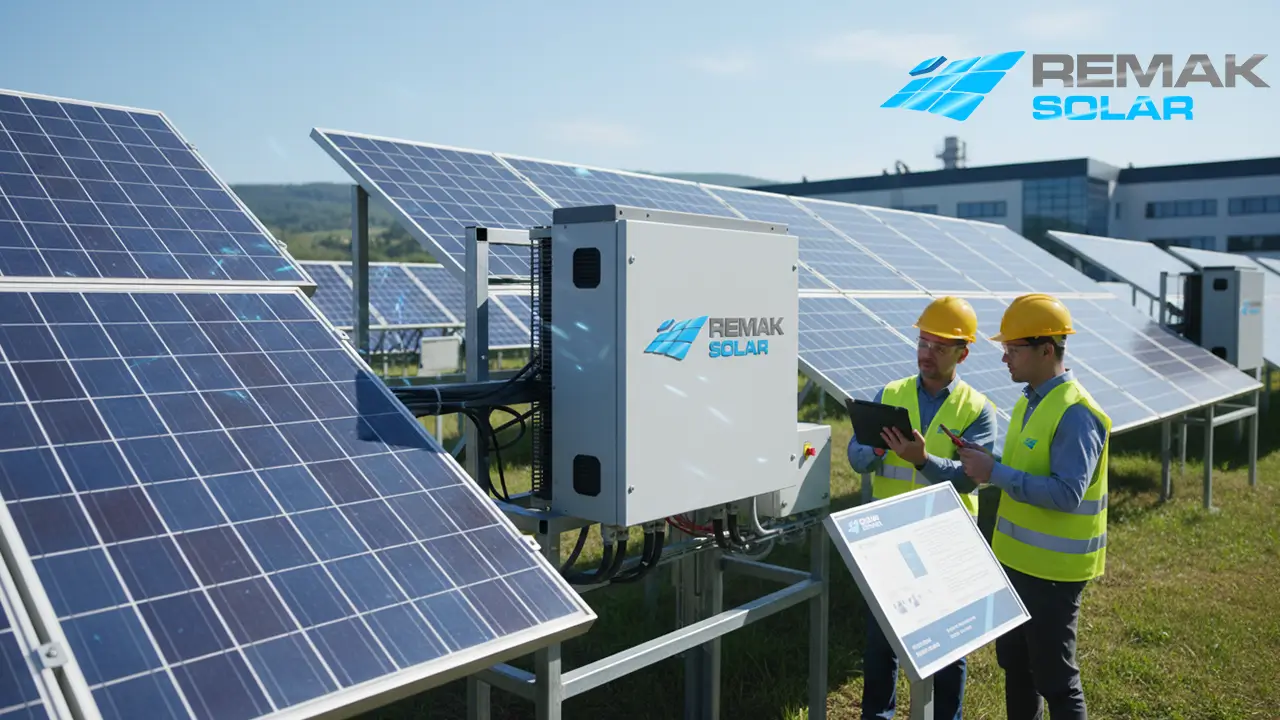
Reducing system selection only to efficiency figures can be misleading. The region’s sunshine duration, the ground structure of the land, and wind loads directly affect the field performance of the system you choose. Therefore, a site survey and feasibility study must be carried out before the decision.
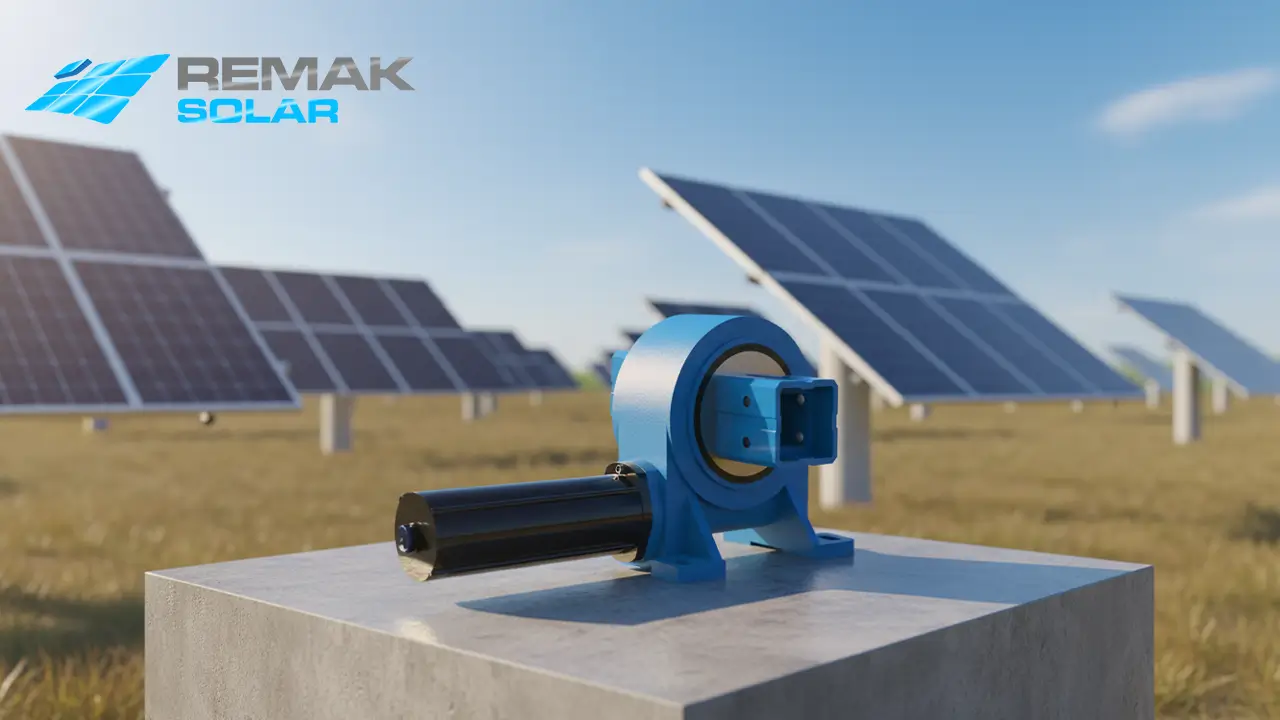
The quality of the materials used is just as decisive as the system type. Motor power, the durability of the structure, and the strength of bearing components extend the system’s lifetime. In moving systems, the quality of load-bearing connection points is critical for trouble-free operation over many years.
Finally, working with a manufacturer that has strong installation and after-sales support is at least as important as system selection. Even a well-designed system can lose efficiency due to incorrect installation.
In summary, the difference between single-axis and dual-axis solar trackers is actually a difference in needs and priorities. Single-axis systems stand out for those looking for a budget-friendly and practical solution, while dual-axis systems stand out for those who want maximum efficiency from every square meter. When the right analysis is made, both systems return value to your investment for many years.
Are You Looking for the Right Solar Energy Solution for Your Project?
Get a free site survey and quote from our expert team for solar tracking systems and fixed panel installations tailored to your land, factory, or roof.
Single- and Dual-Axis Systems FAQ
How does a single-axis solar tracker work?
In single-axis systems, panels usually rotate around a single axis in an east-west direction. The panels face the morning sun from the east and move westward as the day progresses, trying to receive light at a nearly perpendicular angle throughout the day. Thanks to their simple structure, maintenance and installation costs are low.
How efficient is a dual-axis solar tracking system?
Because dual-axis systems move on both the horizontal (east-west) and vertical (north-south) axes, they keep the panel perpendicular to the sun throughout the day. Since they also track seasonal solar elevation, they collect the light missed by fixed and single-axis systems and provide the highest energy production.
Which tracking system should I choose?
If you have wide and flat land, single-axis systems are the ideal solution in terms of cost and efficiency balance. However, if your installation area is limited and you need to produce maximum energy per square meter, you should prefer dual-axis systems despite their higher initial cost.
Do Comment