

Other Blog
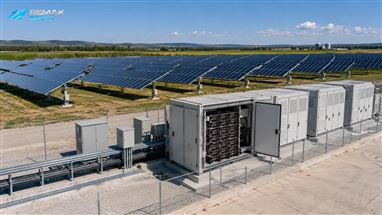
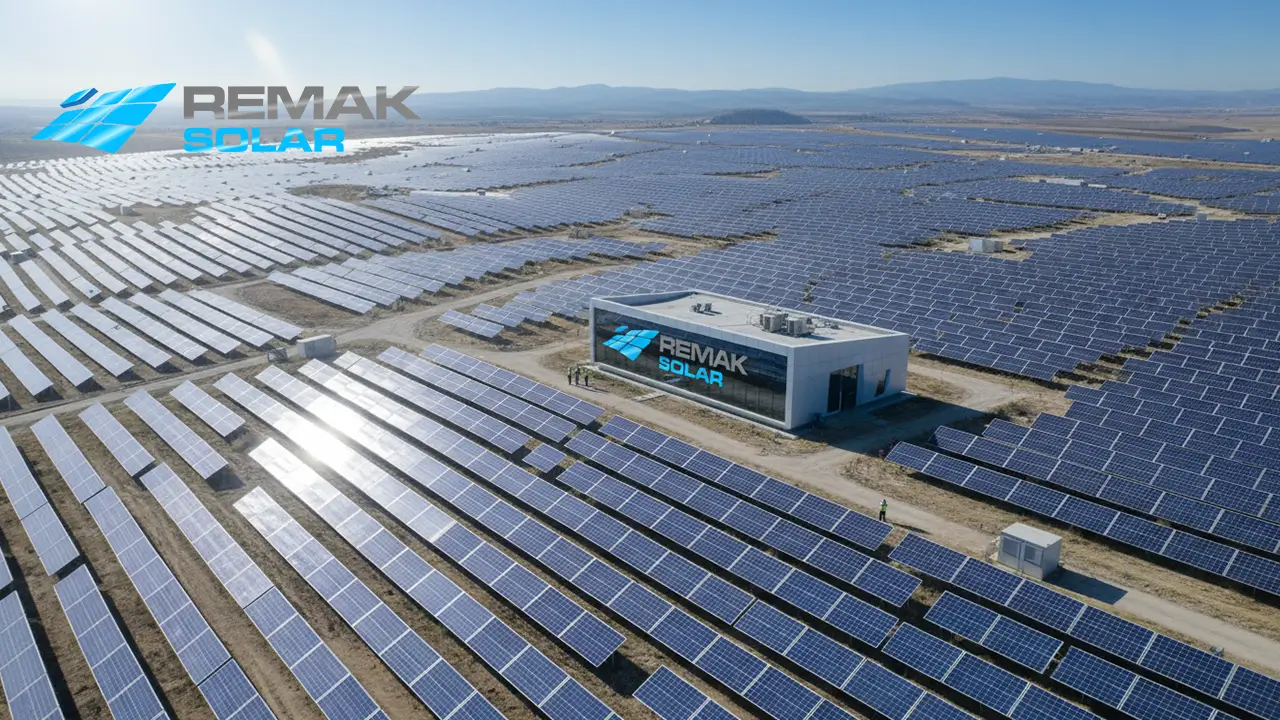

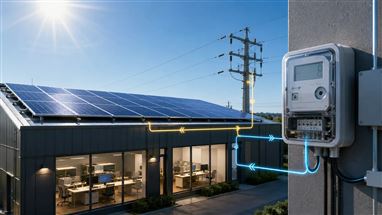

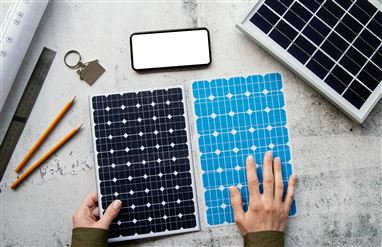
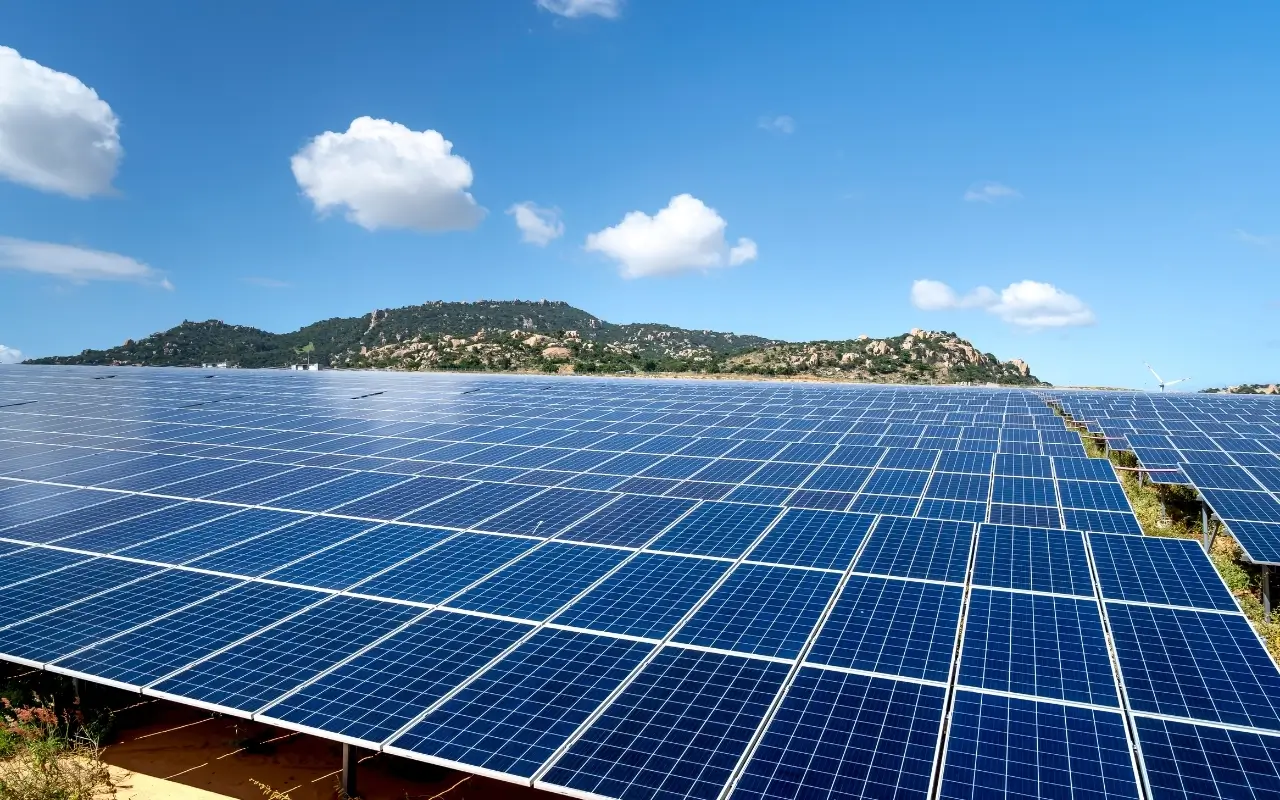
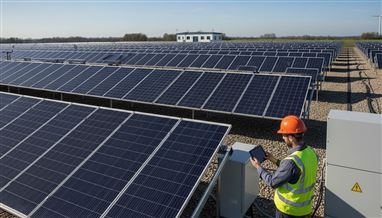
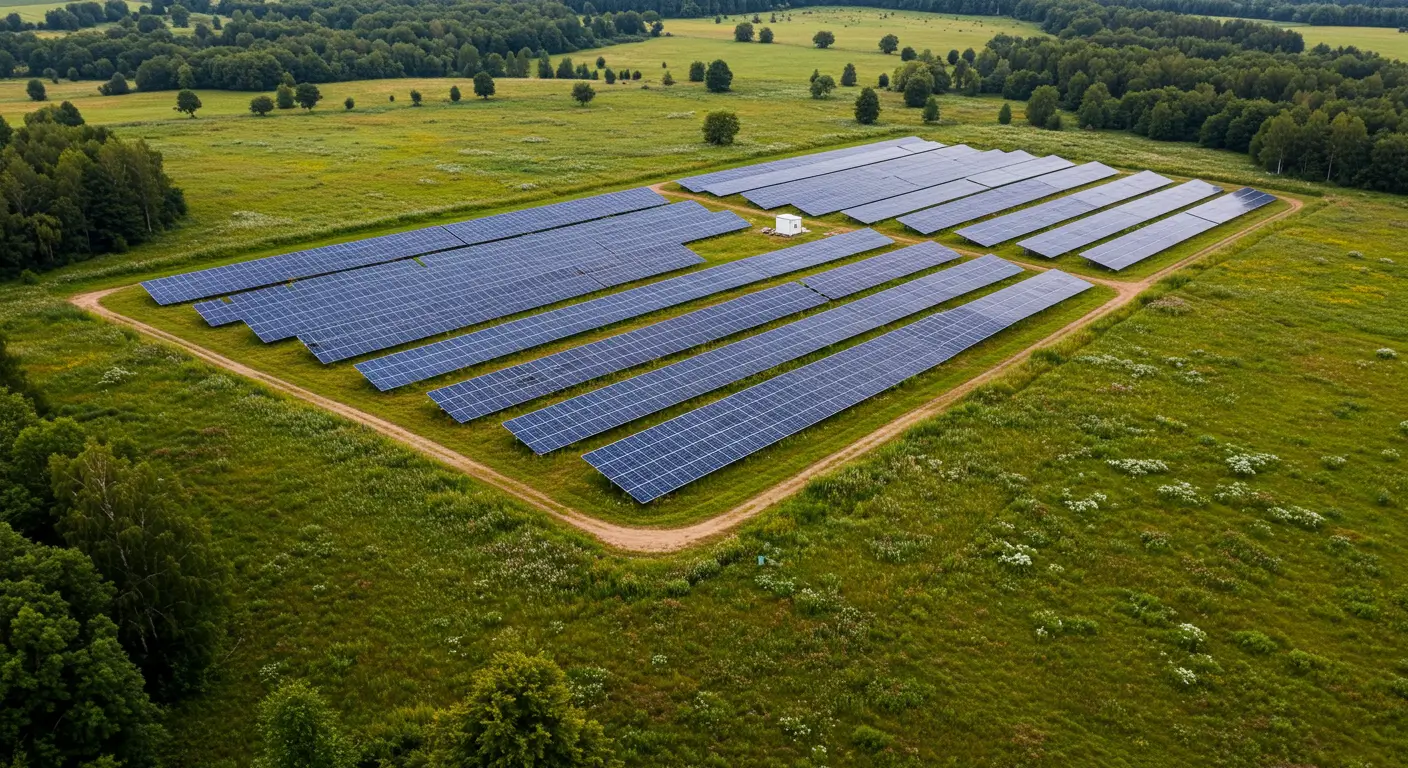
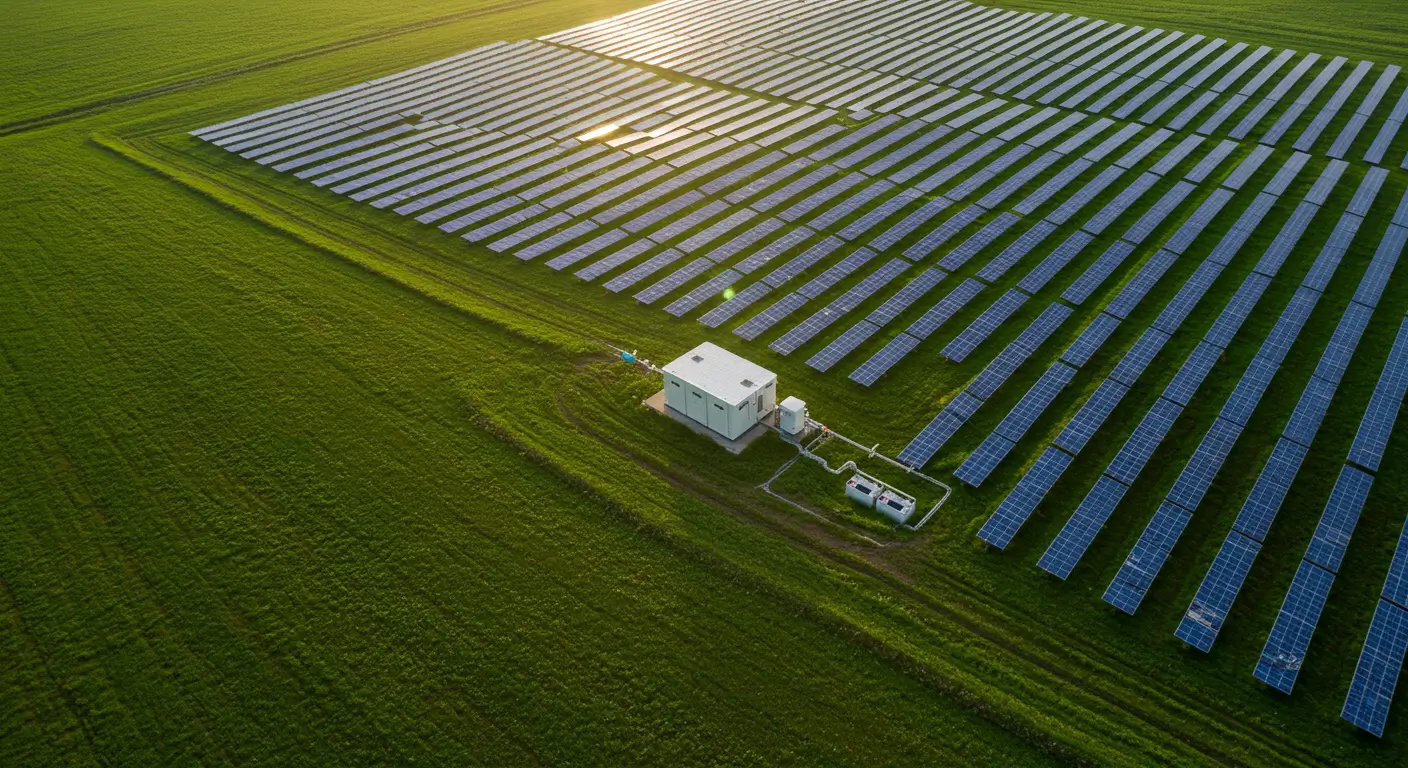
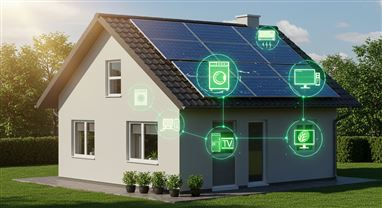
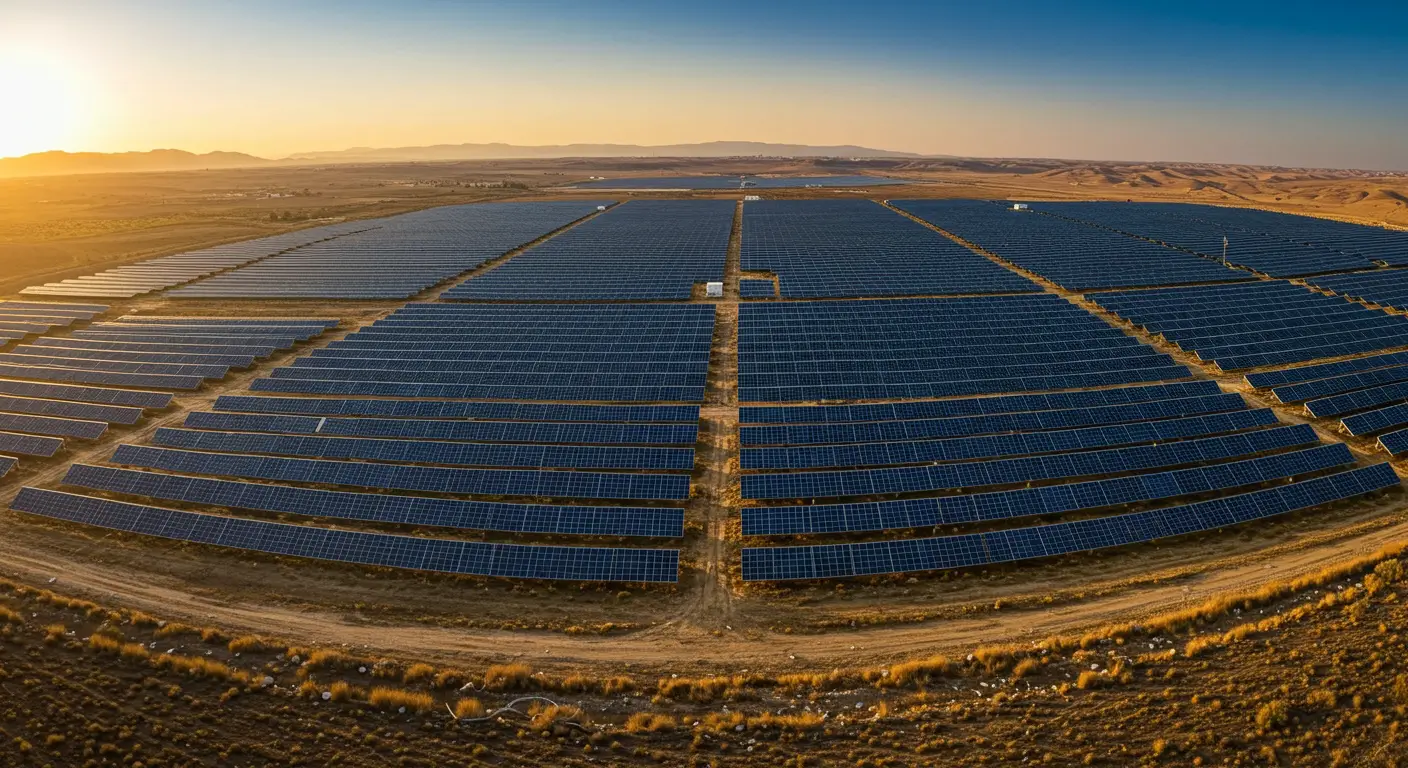
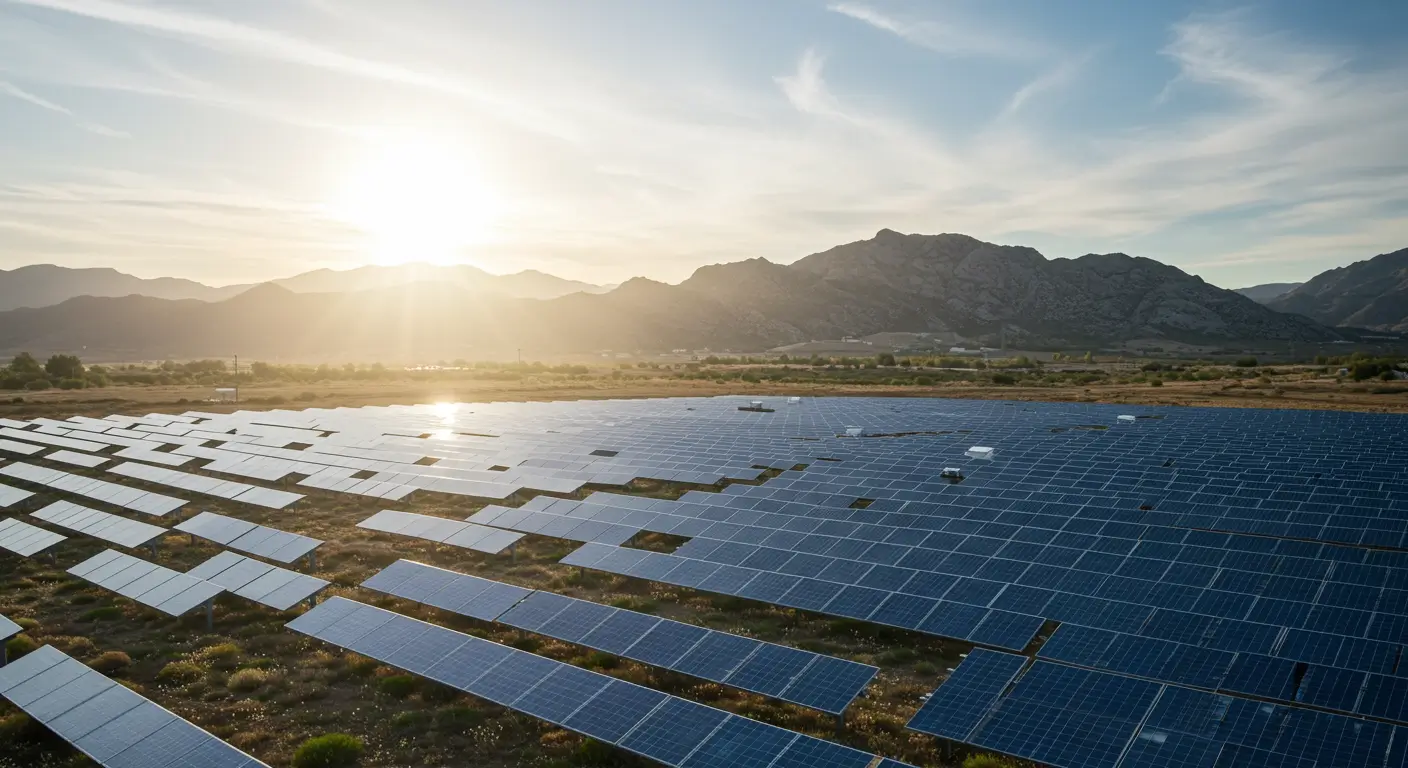
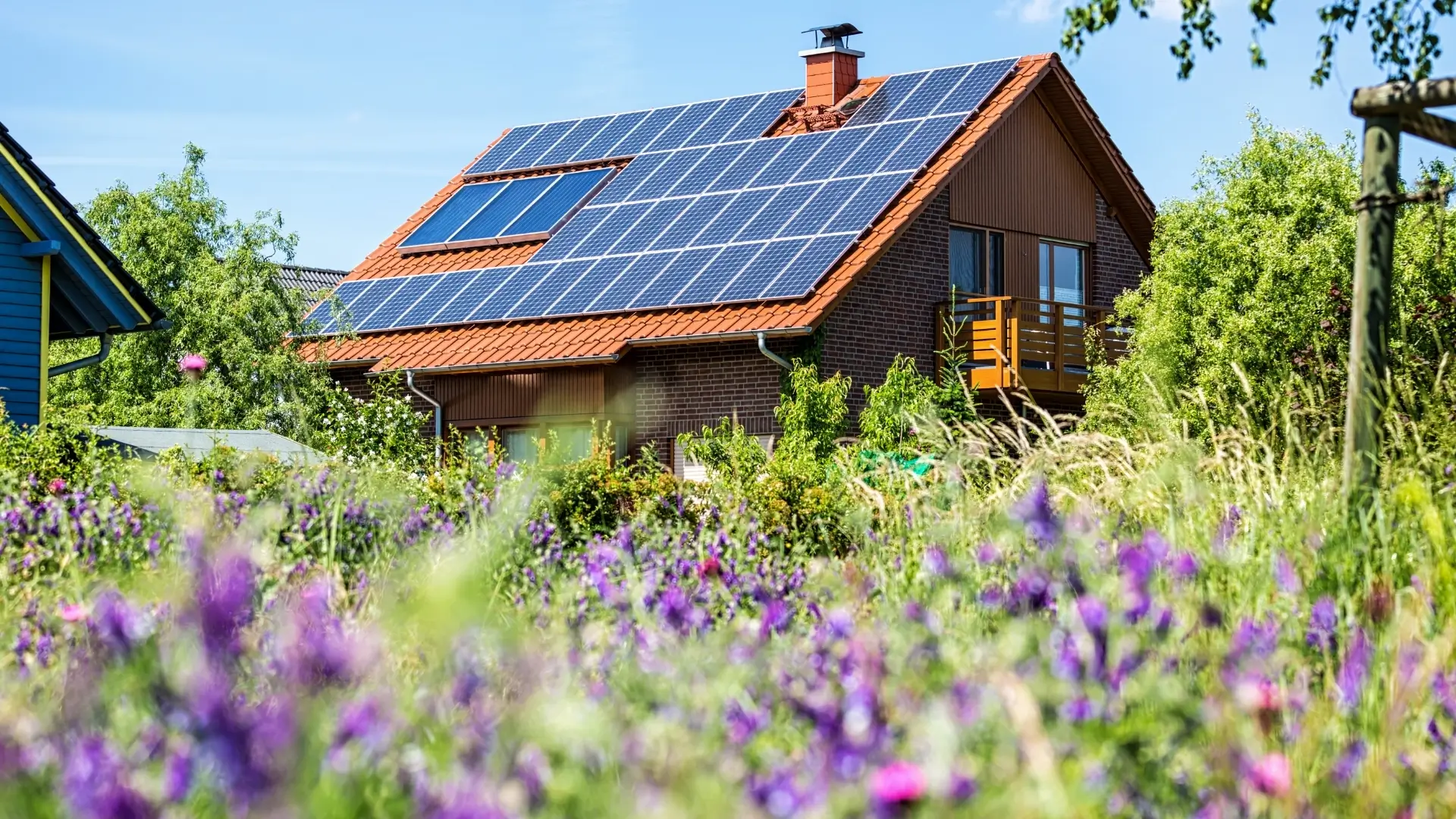
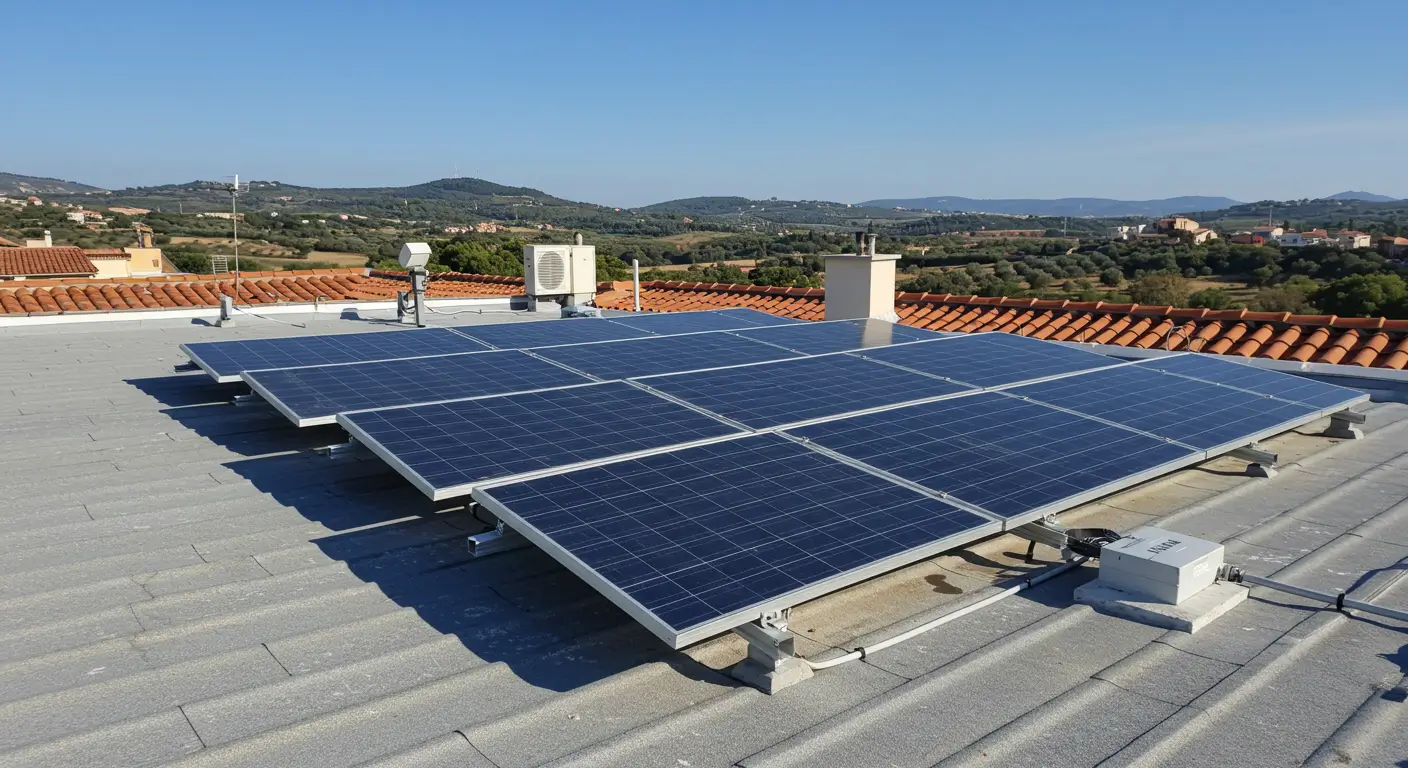


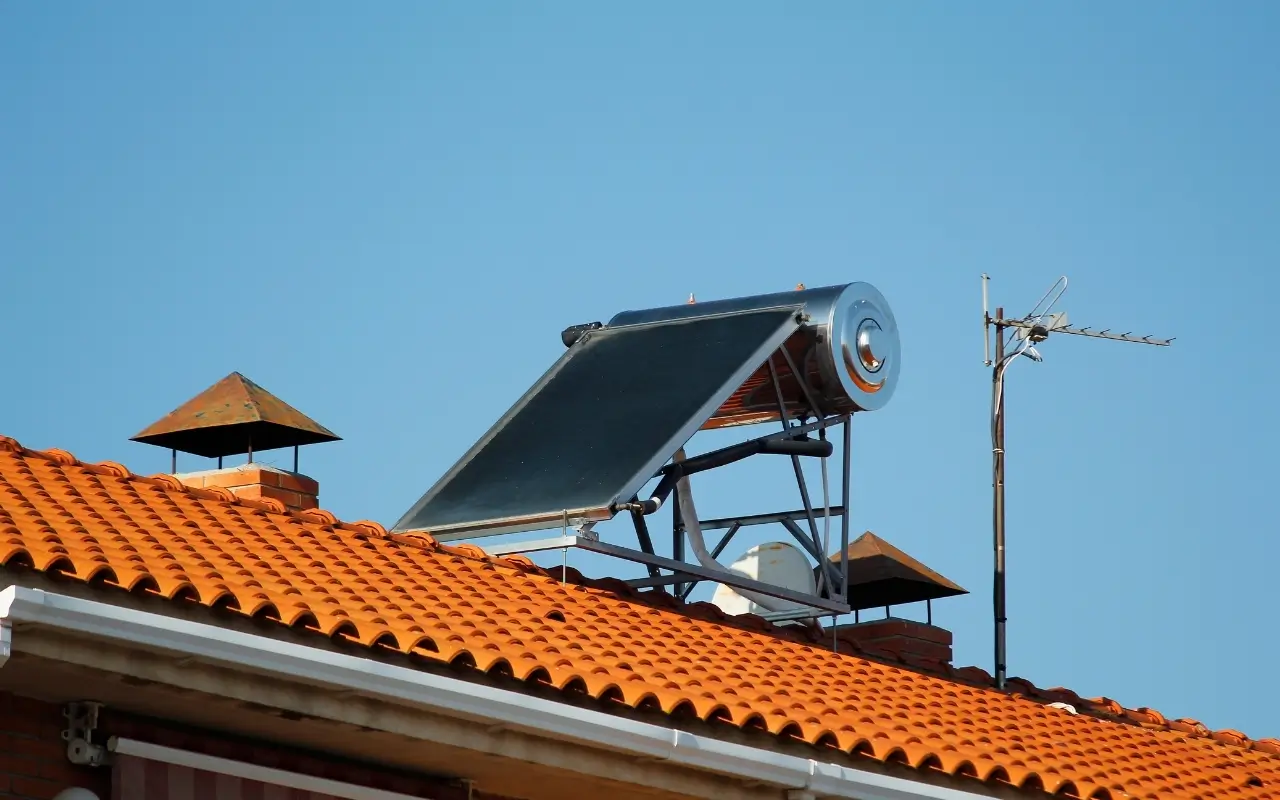
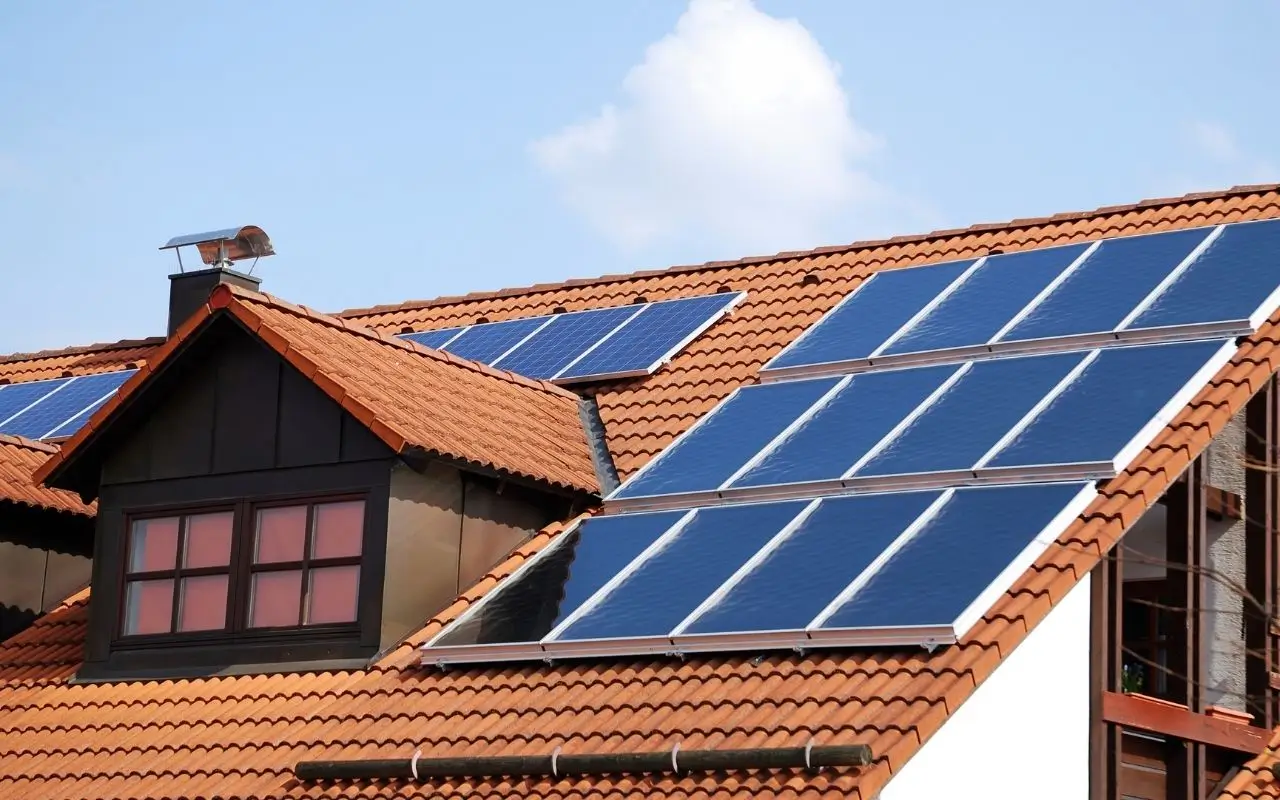
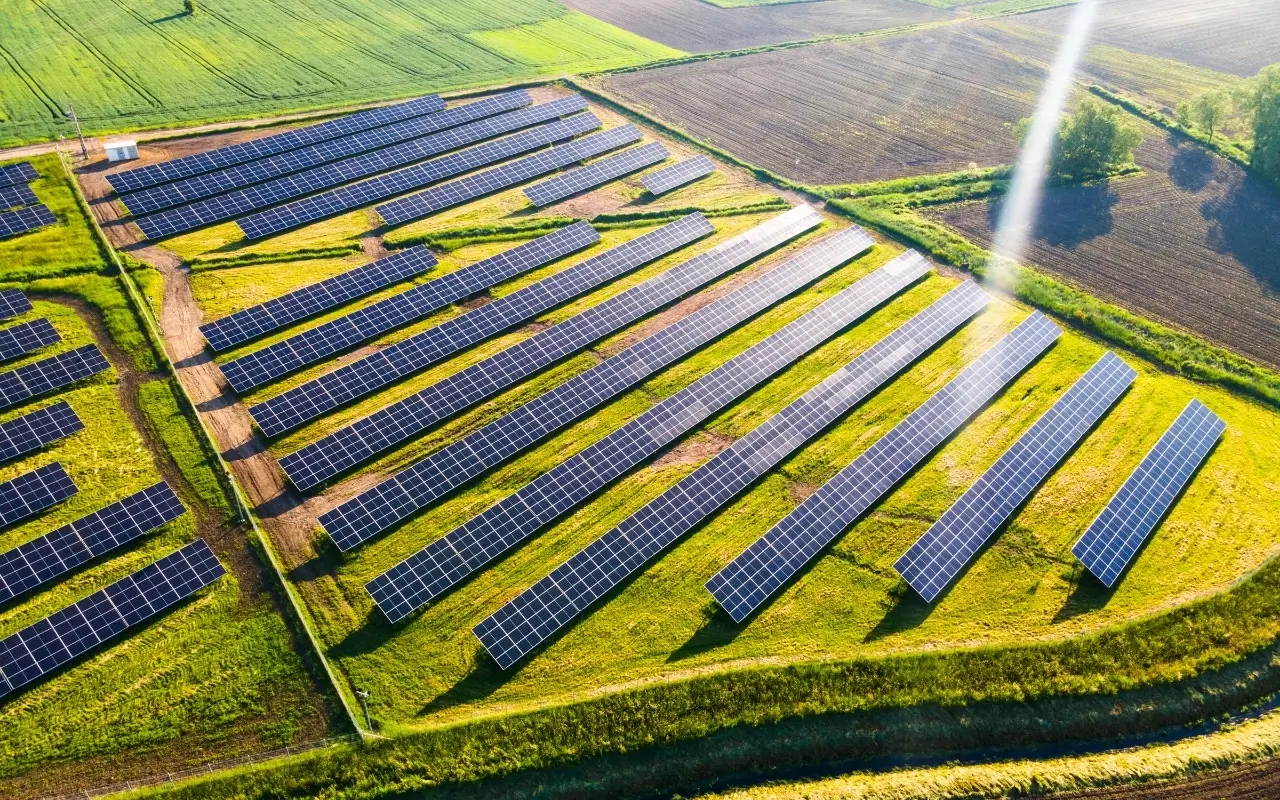
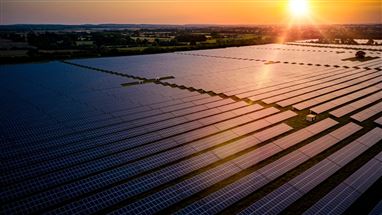
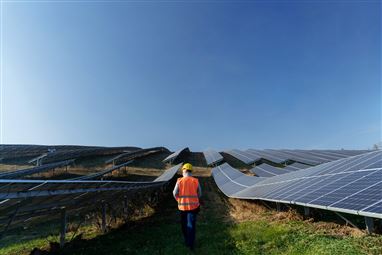
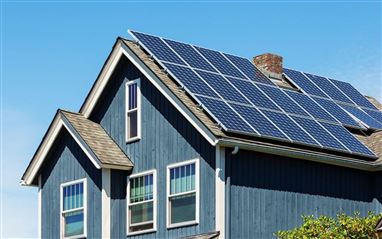
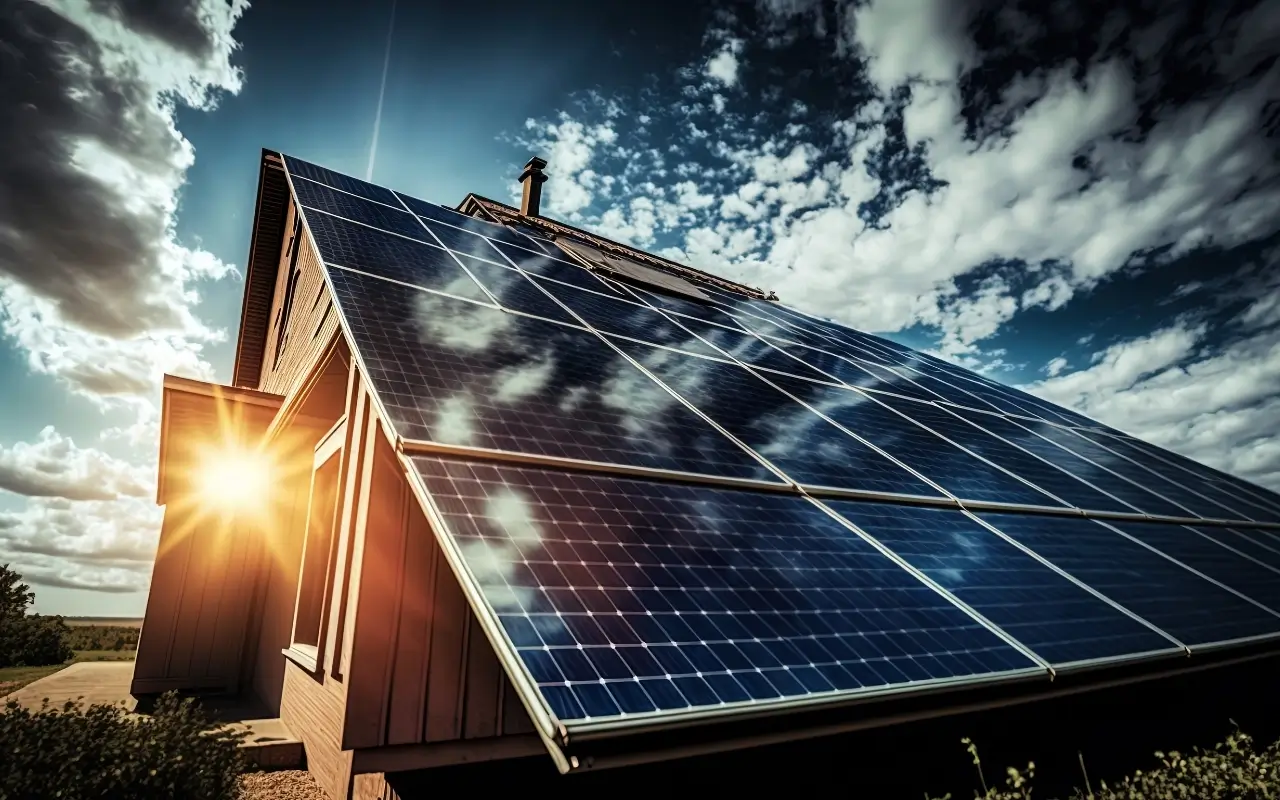
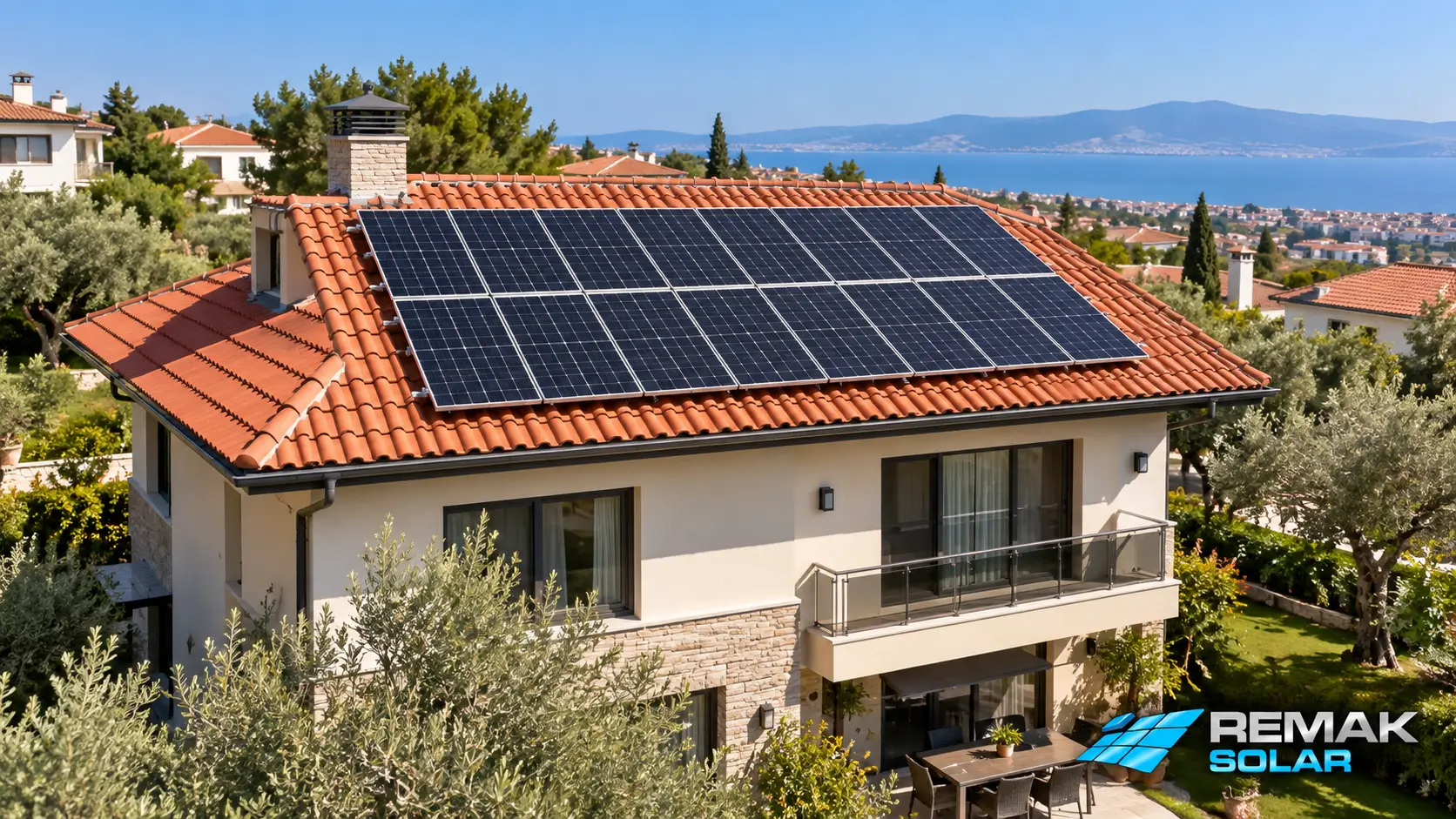
As of 2026, the installation cost of a grid-connected 10 kW solar power system without batteries generally ranges between TRY 250,000 and TRY 500,000 according to published market prices. Depending on the province where it is installed, such a system produces approximately 10,600 to 16,200 kWh of electricity per year. The national average in Turkey is around 14,200 kWh annually, corresponding to an average of approximately 1,180 kWh per month.
The reason for such a wide price range is what is included in the quotation, the equipment used, and the structure of the roof. Location has the greatest impact on production. Below, you can find what makes up the installation cost, expected production by province, how many years the investment may take to pay for itself, and what you should consider before applying.
Why Do 10 kW Solar Power System Prices Vary So Much?
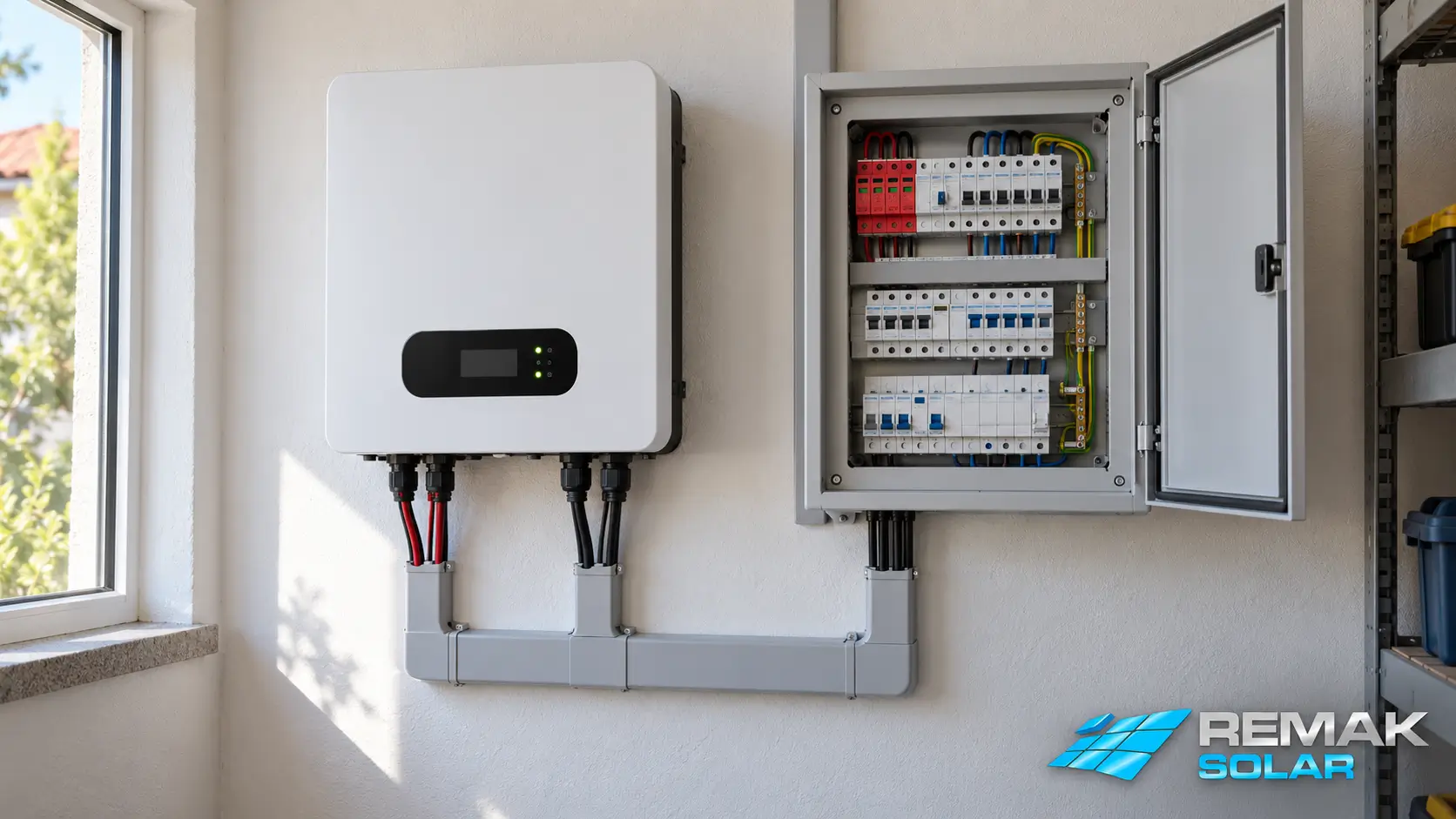
It is not unusual to see a price difference of up to two times between two quotations for systems with the same power rating. The main reasons for this difference are:
- Scope: Some quotations include only the panels, inverter, and installation. Others are turnkey prices that also include project design, distribution company applications, metering, and commissioning procedures.
- VAT: Whether the quoted price includes or excludes VAT directly affects the comparison.
- Exchange rate: Since a significant portion of panels and inverters are imported, prices are linked to foreign exchange rates. This is why quotations obtained several months apart may differ.
- Equipment: Panel technology, inverter brand, and warranty periods significantly affect the cost.
- Battery: In hybrid systems with energy storage, the total cost increases significantly.
The most practical way to compare different quotations is to divide the total price by the installed capacity to calculate the cost per kWp. The range above corresponds to approximately TRY 25,000–50,000 per kWp for a 10 kWp system. As a current example, industry data published in September 2026 indicates that 10 kWp systems for high-consumption villas cost between TRY 280,000 and TRY 380,000.
For a broader overview of solar energy costs for homes, you can read our article on the cost of a solar energy system for a detached house.
What Components Make Up the Cost of a 10 kW Solar Power System?
In market quotations, the total budget is generally distributed as shown below. The percentages are approximate and vary depending on roof type and equipment selection.
| Item | Share of Total Cost | Factor Affecting Price |
|---|---|---|
| Solar panels | 35–45% | Brand, cell technology, warranty period |
| Inverter | 15–25% | Grid-connected or hybrid configuration, brand |
| Mounting structure | 10–15% | Tile, trapezoidal sheet, flat roof, or ground installation |
| Cables, electrical panel, and protection | 8–10% | Cable length, protection components |
| Labour | 10–15% | Roof access, scaffolding requirements |
| Project, permits, and connection | 3–15% | Distribution company procedures, meter |
The two items with the largest shares in the table are the panels and inverter. We explain what you should consider when selecting an inverter in detail in our article on how to choose a solar panel inverter.
How Much Electricity Does a 10 kW Solar Power System Produce Per Year?
The values below are based on province-level specific production data compiled from the European Commission Joint Research Centre's PVGIS tool. The calculation assumes a south-facing fixed system with a 30° tilt and 14% system losses. The figures have been rounded for an installed capacity of 10 kWp.
| Province | Annual Production (kWh) | Monthly Average (kWh) |
|---|---|---|
| Antalya | 16,200 | 1,350 |
| Izmir | 15,900 | 1,330 |
| Şanlıurfa | 15,800 | 1,320 |
| Konya | 15,600 | 1,300 |
| Ankara | 14,700 | 1,230 |
| Istanbul | 13,800 | 1,150 |
| Trabzon | 10,600 | 880 |
| Turkey Average | 14,200 | 1,180 |
The table also shows what level of consumption a 10 kW system is suitable for. In most regions, this capacity is appropriate for detached houses, villas, and small businesses consuming around 1,000–1,300 kWh of electricity per month. If your consumption is significantly lower than this, a smaller system may provide a faster return on investment.
When requesting a quotation, it is also important to clarify what the term "10 kW" refers to. The total panel capacity (kWp) and inverter output power (kW) are not always the same. The main value determining production is the total power of the panels. To see an estimated result based on your own electricity bill and province, you can use our solar energy calculator.
How Many Years Does a 10 kW Solar Power System Take to Pay for Itself?
Two factors determine the payback period: the amount of electricity generated by the system and the financial value of each kWh you produce. The latter depends on the unit price you pay for the electricity you consume yourself and how surplus production is compensated. The general rule is that every kWh you consume directly is more valuable than each kWh exported to the grid.
There is also an important threshold for residential subscribers. Under an Energy Market Regulatory Authority (EPDK) decision, from 2026 onward residential customers consuming more than 4,000 kWh annually are transferred to the last resort supply tariff. Since the unit price under this tariff is higher, every kWh produced by a solar power system becomes more valuable for a high-consumption household. Most homes requiring a 10 kW system are above this threshold.
The table below shows the simple payback period for a system producing 14,200 kWh annually under Turkey's average conditions and installed for TRY 350,000, based on different electricity values per kWh:
| Value per kWh | Annual Saving (TRY) | Payback Period |
|---|---|---|
| 2.50 TRY | 35,500 | Approximately 9.9 years |
| 3.50 TRY | 49,700 | Approximately 7.0 years |
| 4.50 TRY | 63,900 | Approximately 5.5 years |
This calculation has intentionally been kept simple. In reality, other factors also affect the payback period:
- As electricity prices rise over the years, annual savings increase and the payback period shortens.
- Panels gradually lose a small amount of power each year, slowly reducing production.
- A possible inverter replacement during the system's lifetime may create an additional cost.
To make your own calculation, use the current unit price shown on your electricity bill. For more details, see our article on the solar energy payback period.
What Should You Consider Before Applying?
With the regulations introduced in 2026, the rules governing netting and the sale of surplus electricity in unlicensed generation changed, and certain exceptions were introduced for residential subscribers. These rules directly affect the size and financial return of the system. Before signing a quotation, we recommend clarifying the following points:
- Installable capacity: Confirm with your distribution company the maximum capacity you can install based on your subscription type and contracted connection capacity.
- Netting method: Find out whether your production and consumption will be netted monthly or hourly. Under hourly netting, users with high daytime consumption have an advantage. We explain this topic in our article on hourly netting.
- Surplus electricity price: Ask at what price surplus electricity will be valued and size the system accordingly. A system significantly larger than your consumption may not deliver the expected return.
- Roof suitability: Make sure the roof can safely support the load of a system consisting of approximately 18–19 panels.
For the general framework of unlicensed generation, you can read our article on unlicensed electricity generation.
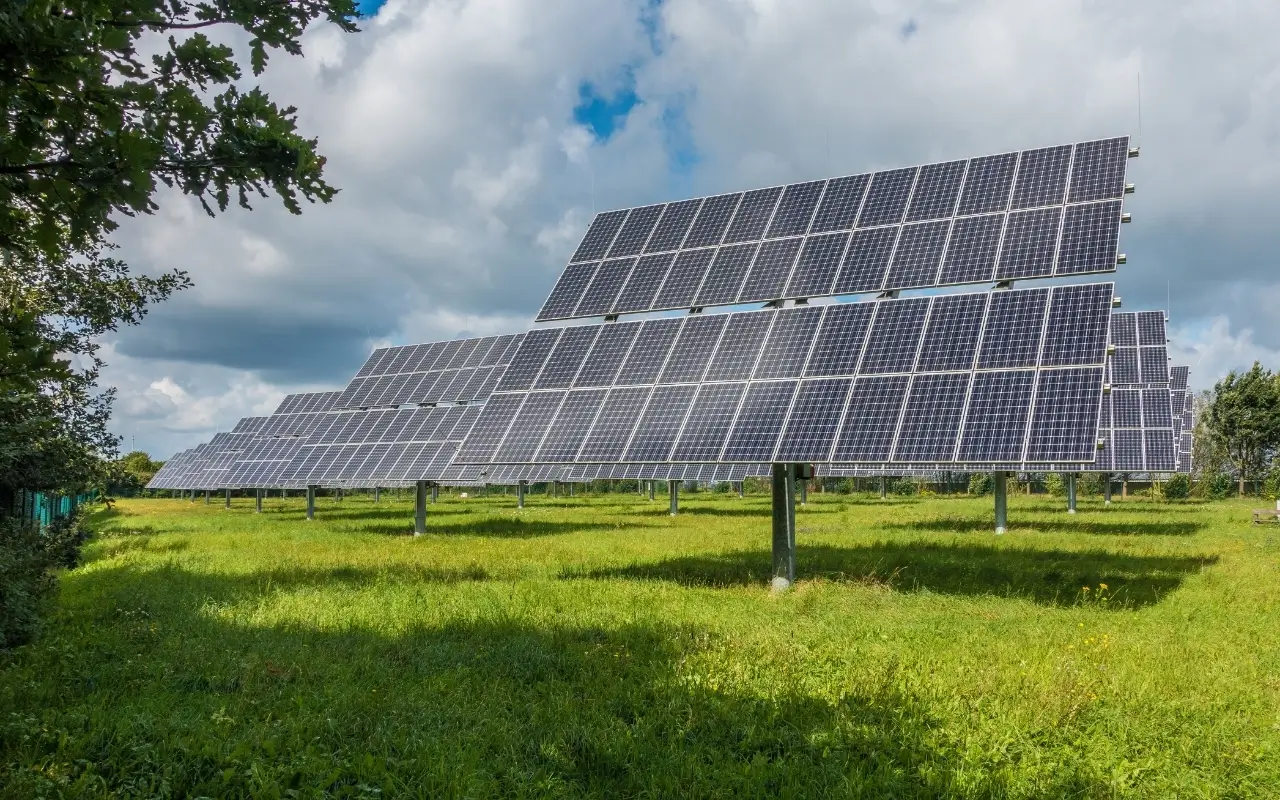
Does a Tracking System Make Sense for a Ground-Mounted 10 kW System?
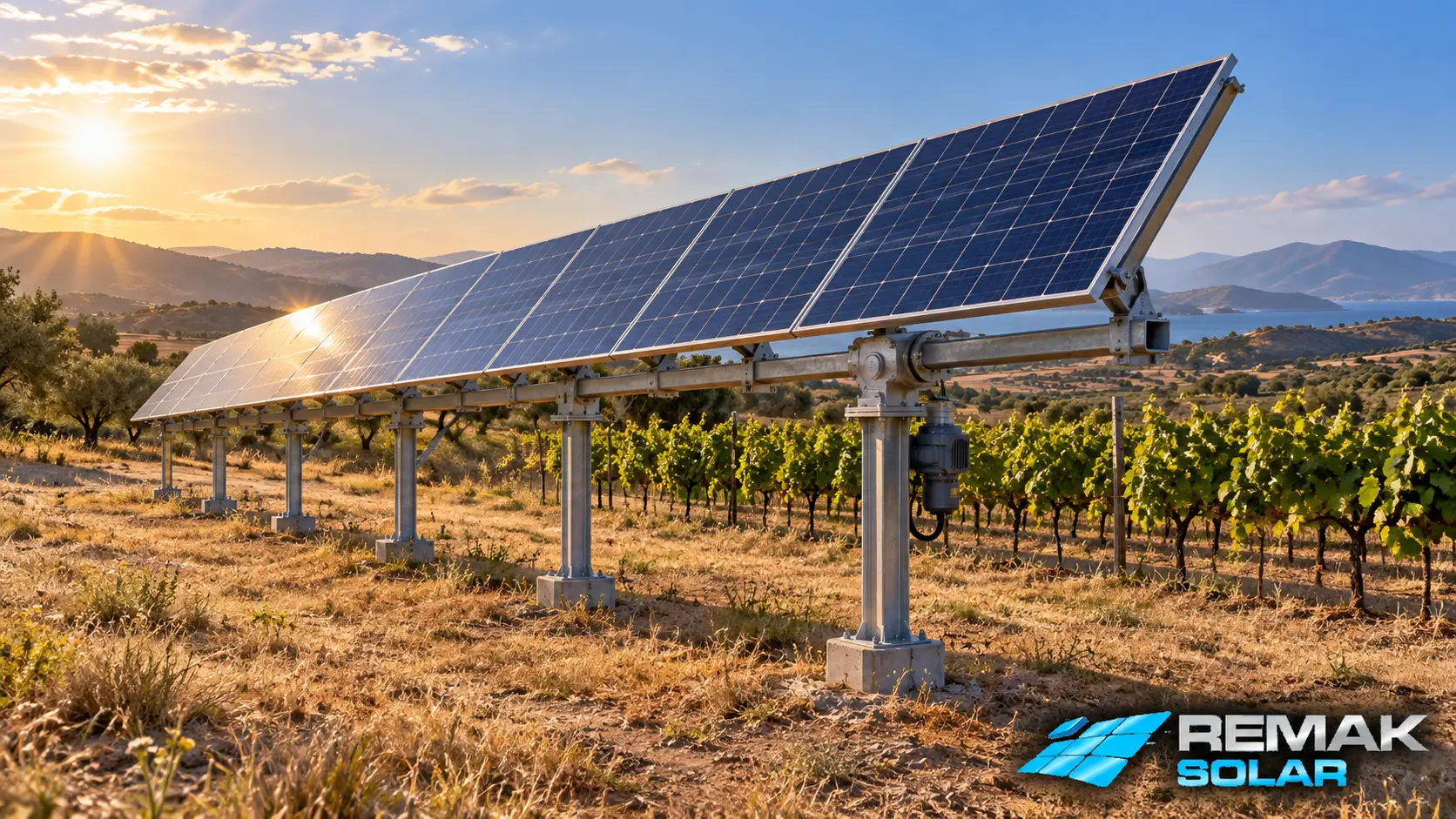
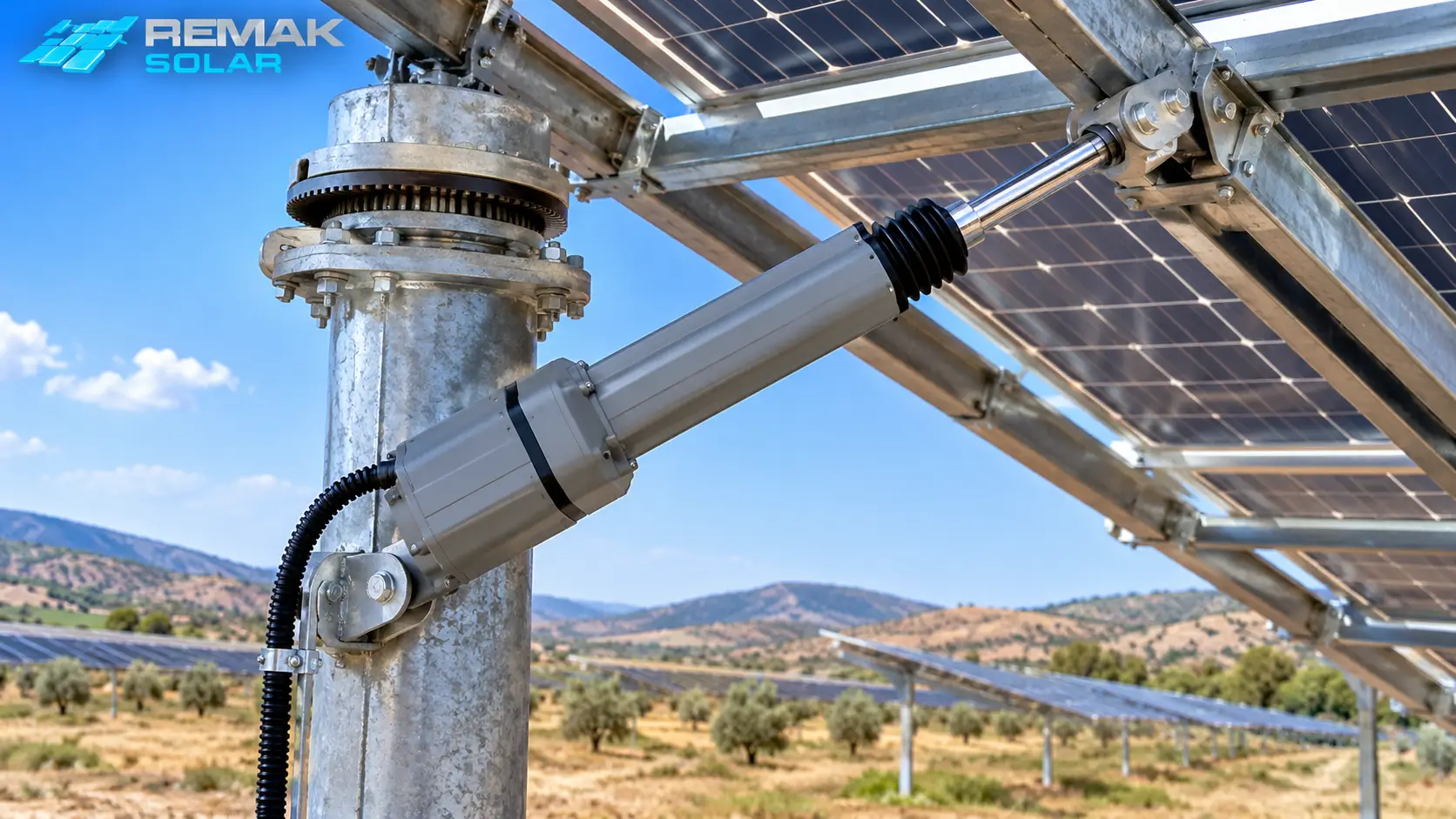
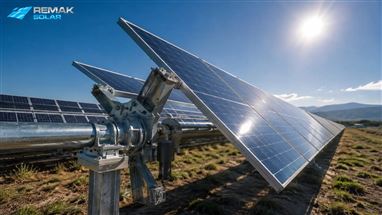
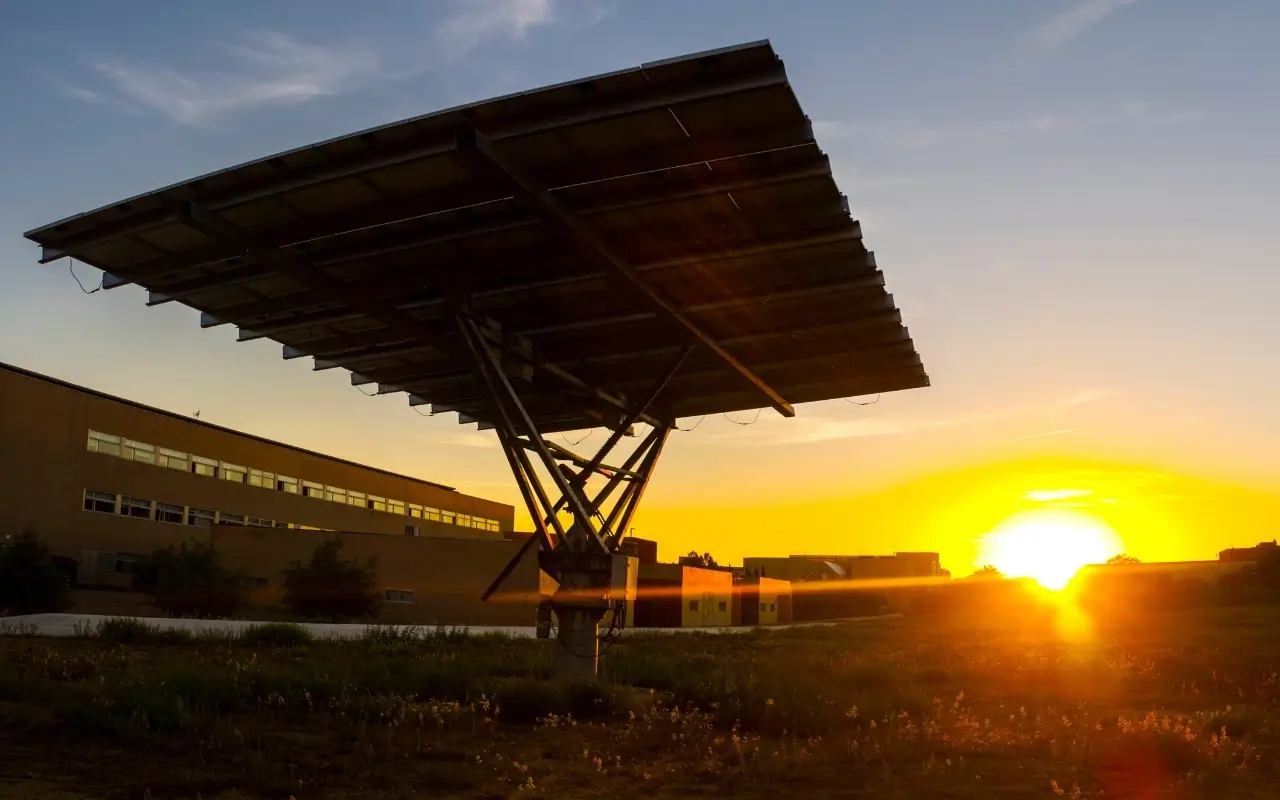
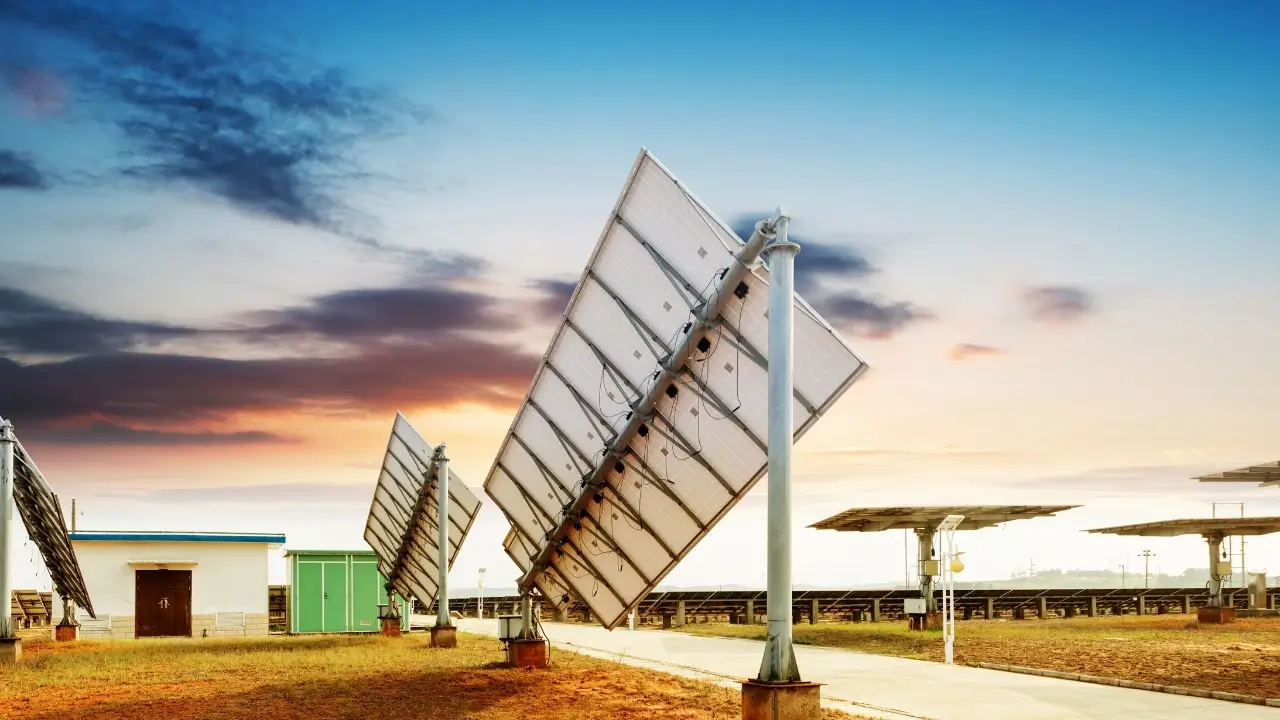
Rooftop systems are generally installed with fixed mounting. For systems installed on land, such as agricultural land or at a country house, a solar tracking system may also be considered. Single-axis tracking systems generally increase annual production by 15–25% compared with fixed-tilt systems. Under Turkey's average conditions, this could increase the annual production of a 10 kWp system to approximately 16,300–17,750 kWh.
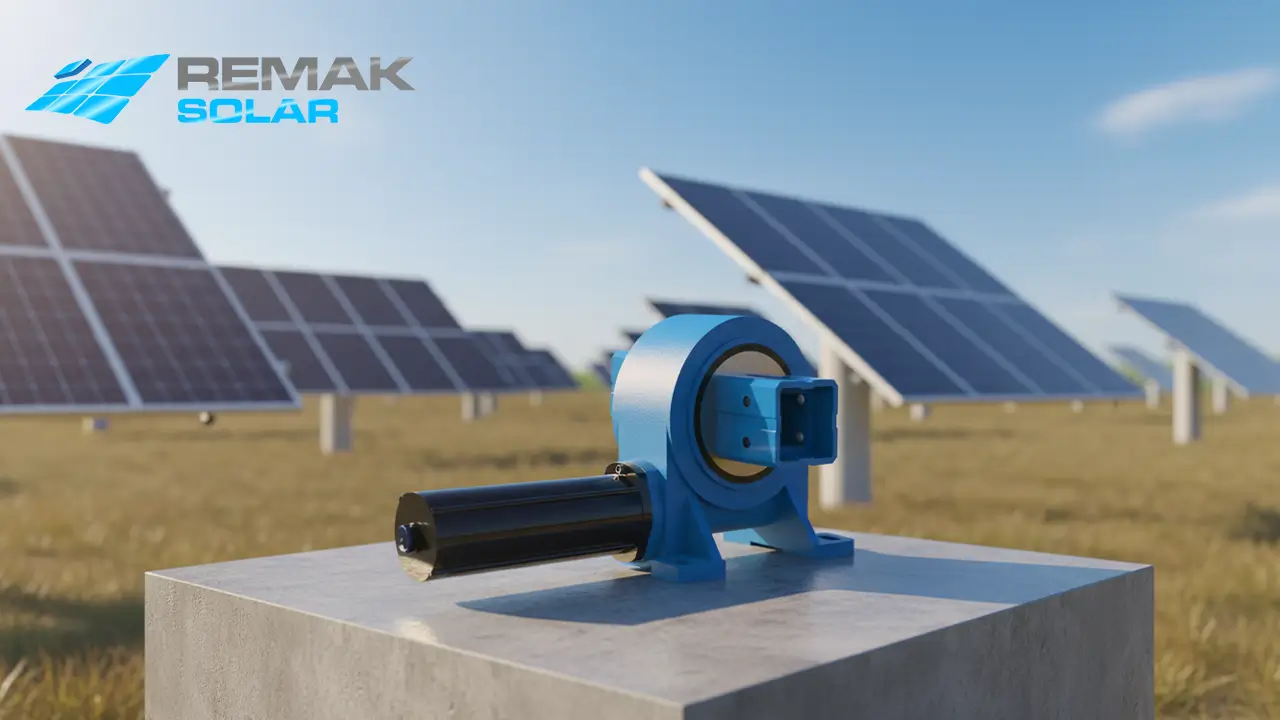
However, for a relatively small 10 kW installation, the additional investment and maintenance requirements of the tracking mechanism should be evaluated together with the extra production it provides. Tracking systems become easier to amortise as system scale increases. You can learn how the system works on our solar tracking system page and compare the different types in our article on the difference between single-axis and dual-axis solar trackers.
Frequently Asked Questions About 10 kW Solar Power Systems
How many panels are required for a 10 kW solar power system?
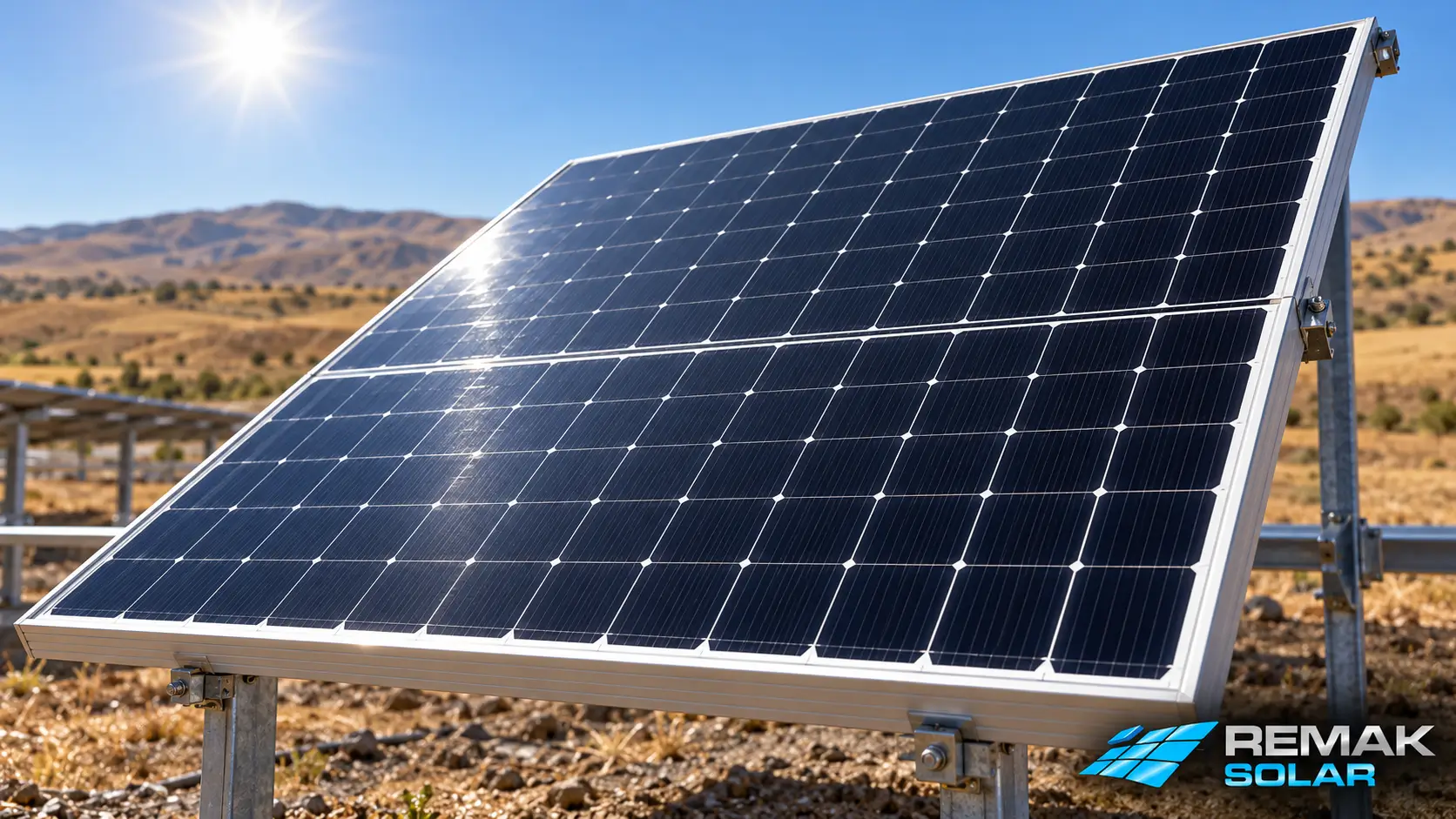
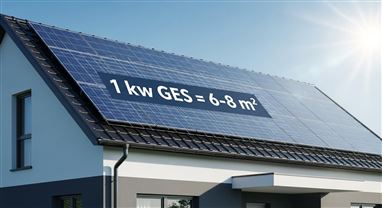
The number of panels depends on the power rating of the panels used. With 550 W panels, 18 panels provide 9.9 kWp and 19 panels provide 10.45 kWp. With 450 W panels, 22–23 panels are required, while approximately 17 panels are needed with 600 W panels. The net surface area of 19 units of 550 W panels is approximately 49 m². To calculate the required area including installation spacing, see our article on how many m² are required for a 1 kW solar power system.
How much does a 10 kW solar power system produce in summer and winter?
Production varies significantly by season. According to PVGIS data, a 10 kWp system in Antalya produces approximately 1,650 kWh in July and around 960 kWh in January. The difference is even greater in northern regions. Therefore, for homes with high winter electricity consumption, monthly production distribution should be considered alongside the annual total.
Is a battery required for a 10 kW system?
A battery is not mandatory in a grid-connected system. A battery is added to continue operating during power outages or to use energy generated during the day in the evening. However, it significantly increases the total cost. Therefore, whether a battery should be included depends on your consumption profile and netting conditions. For information on a commonly used battery technology, see our article on LiFePO4 batteries.
What permits are required to install a 10 kW solar power system?
For a grid-connected system, an application is submitted to the distribution company. Project approval is then obtained, a connection agreement is signed, and commissioning procedures are completed after installation. The duration of the process and the required documents may vary depending on the distribution company. For turnkey quotations, always ask whether these steps are included in the quoted price.
Are there maintenance costs after installation?
Solar energy systems have low operating expenses, but they are not zero. In dusty regions, regular cleaning of the panels helps maintain production. In addition, inverter warranty periods are generally shorter than the 25-year performance warranties of the panels. Including the cost of one inverter replacement over the system's lifetime is a realistic approach.
Do Comment