
Other Blog
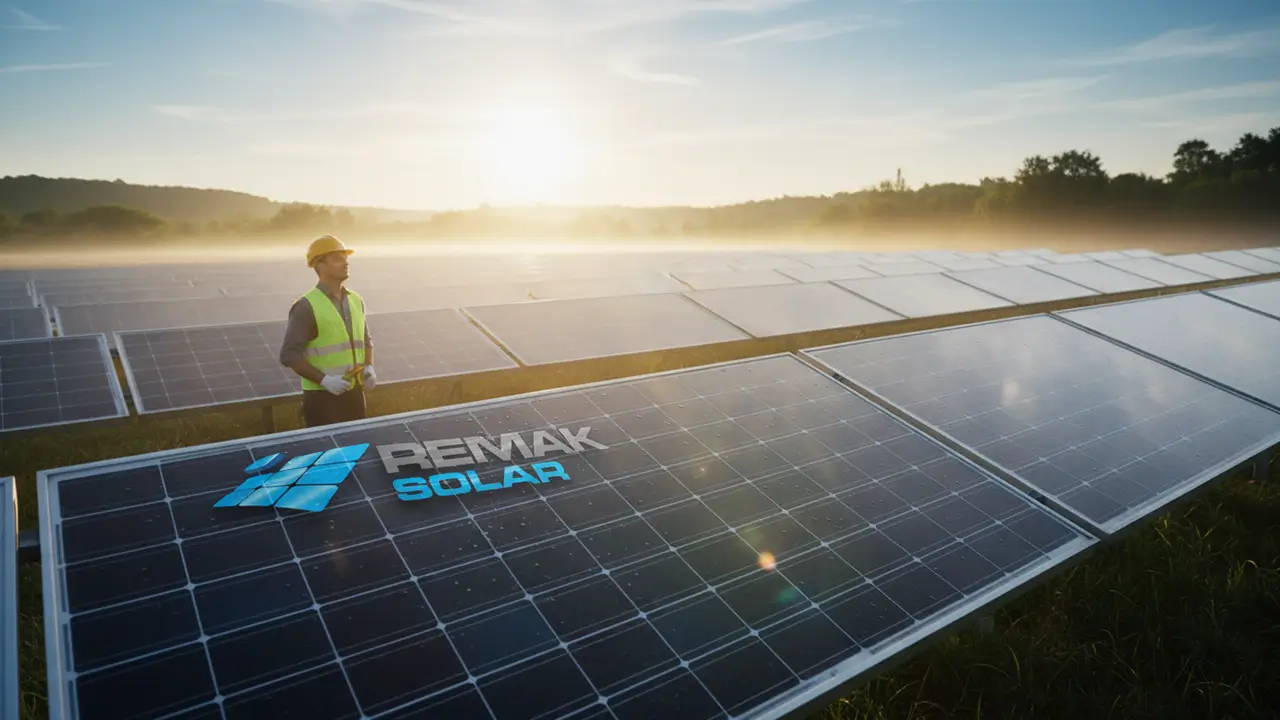

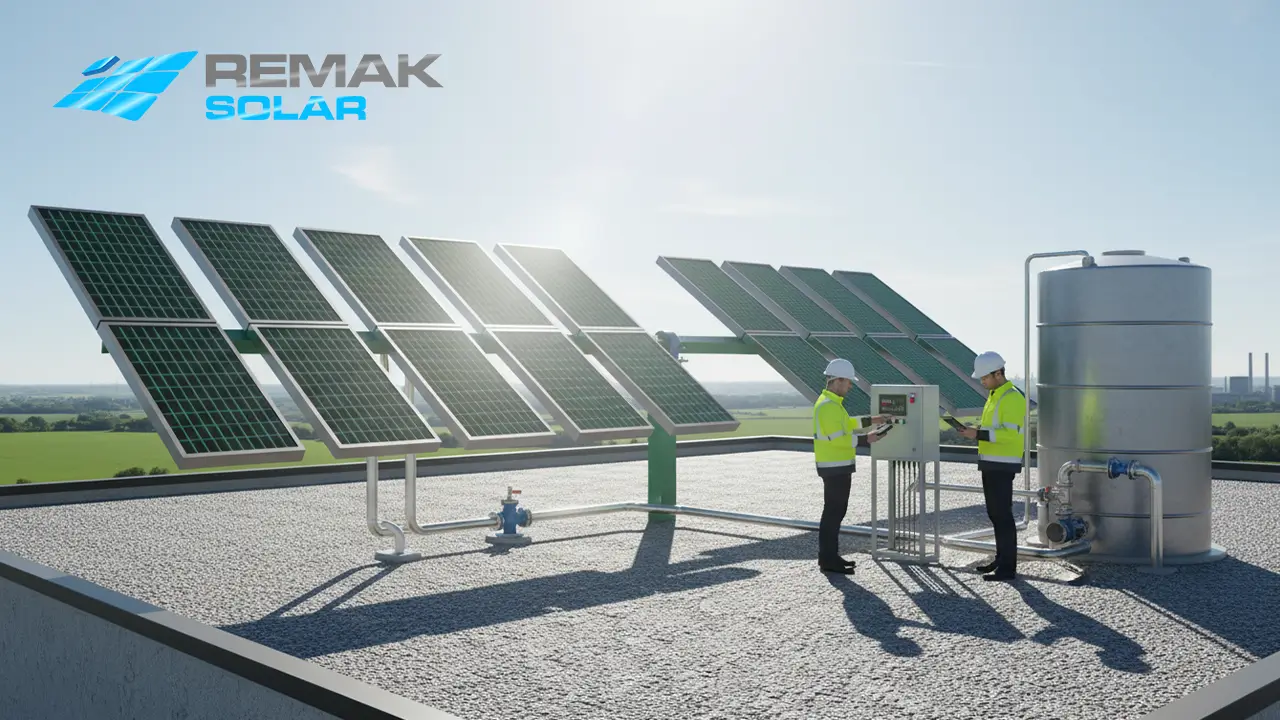
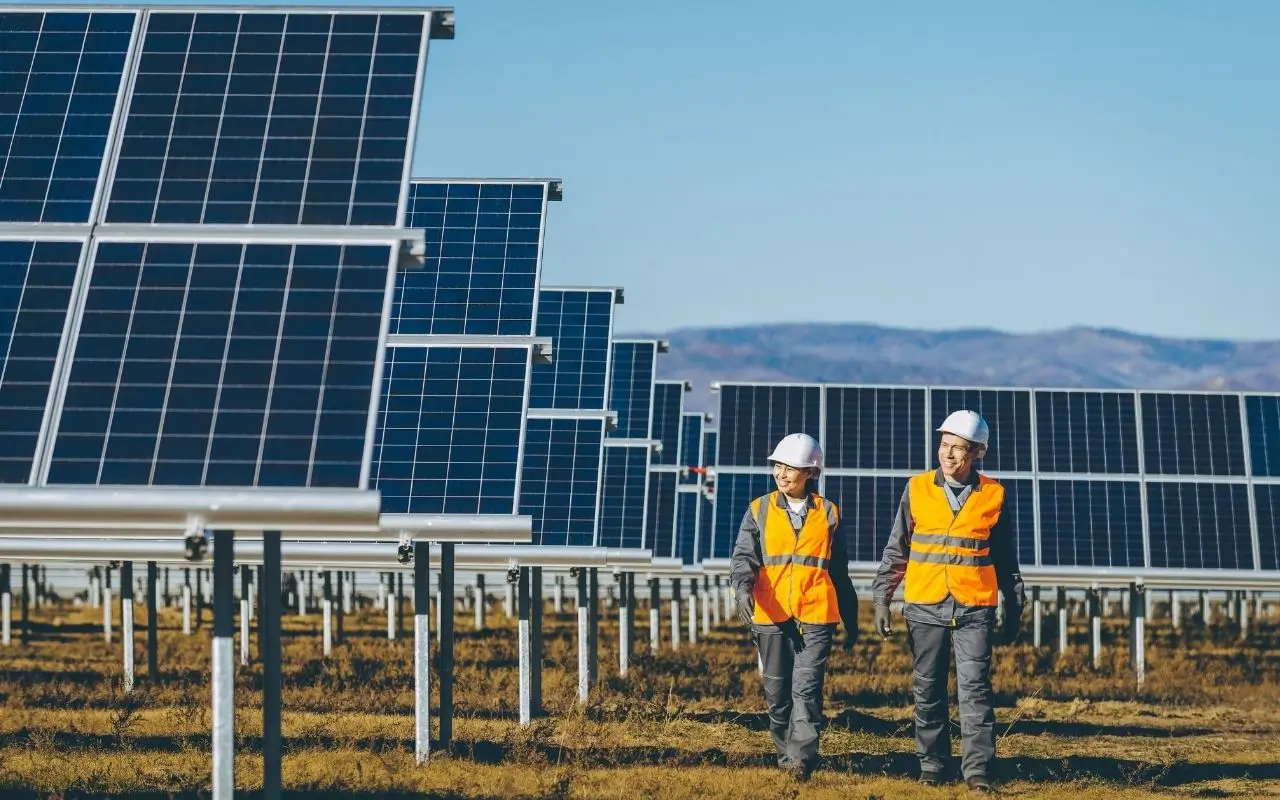

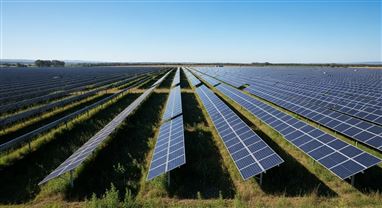
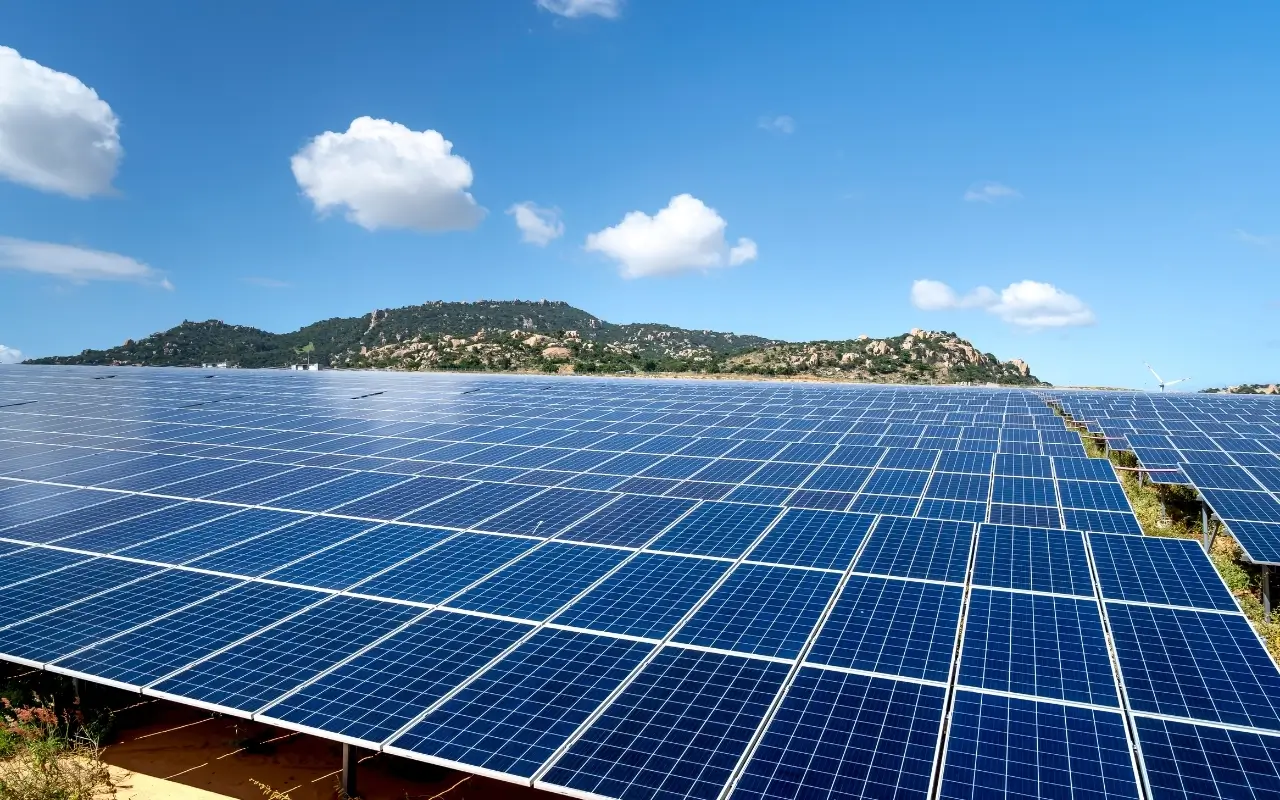
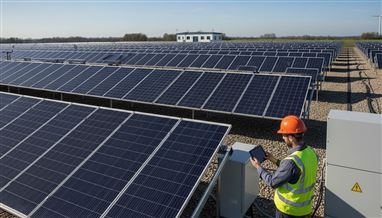
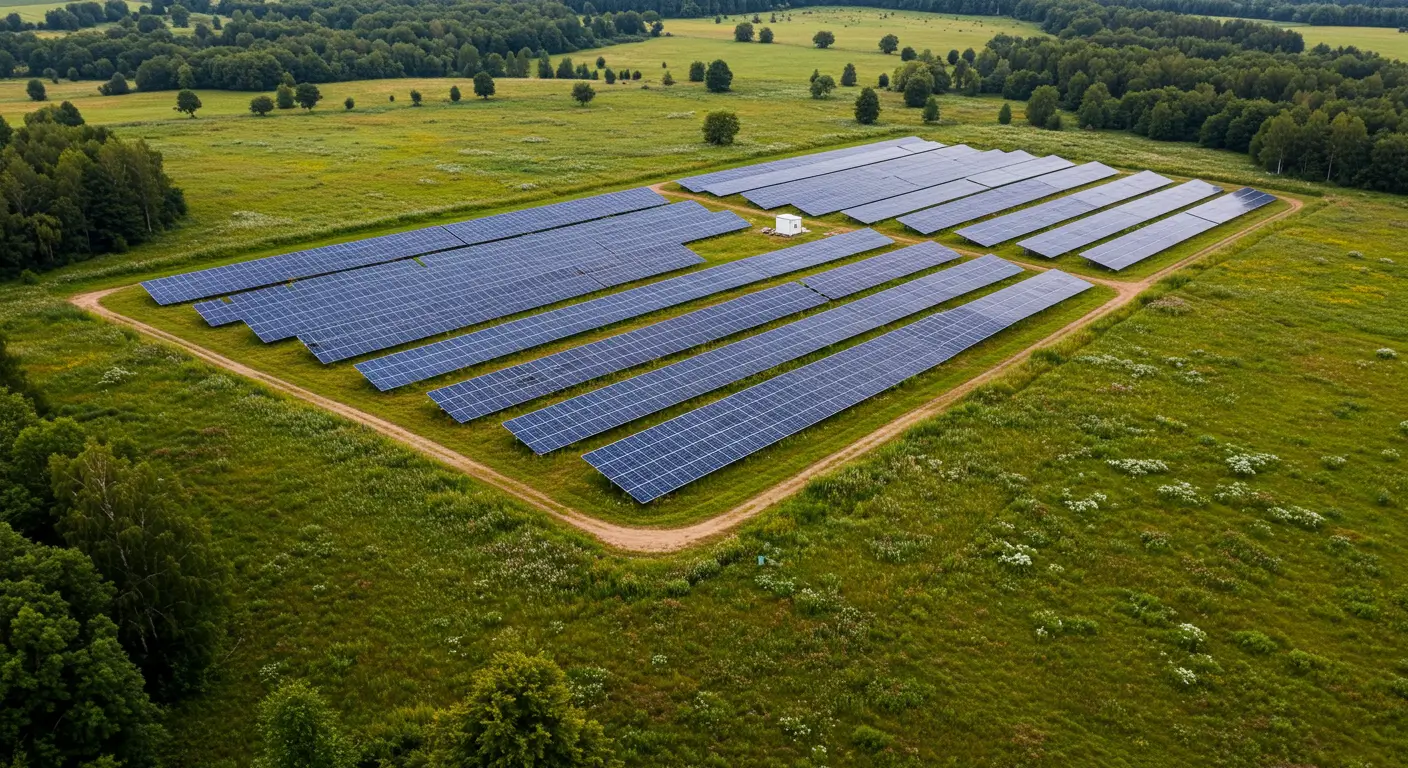
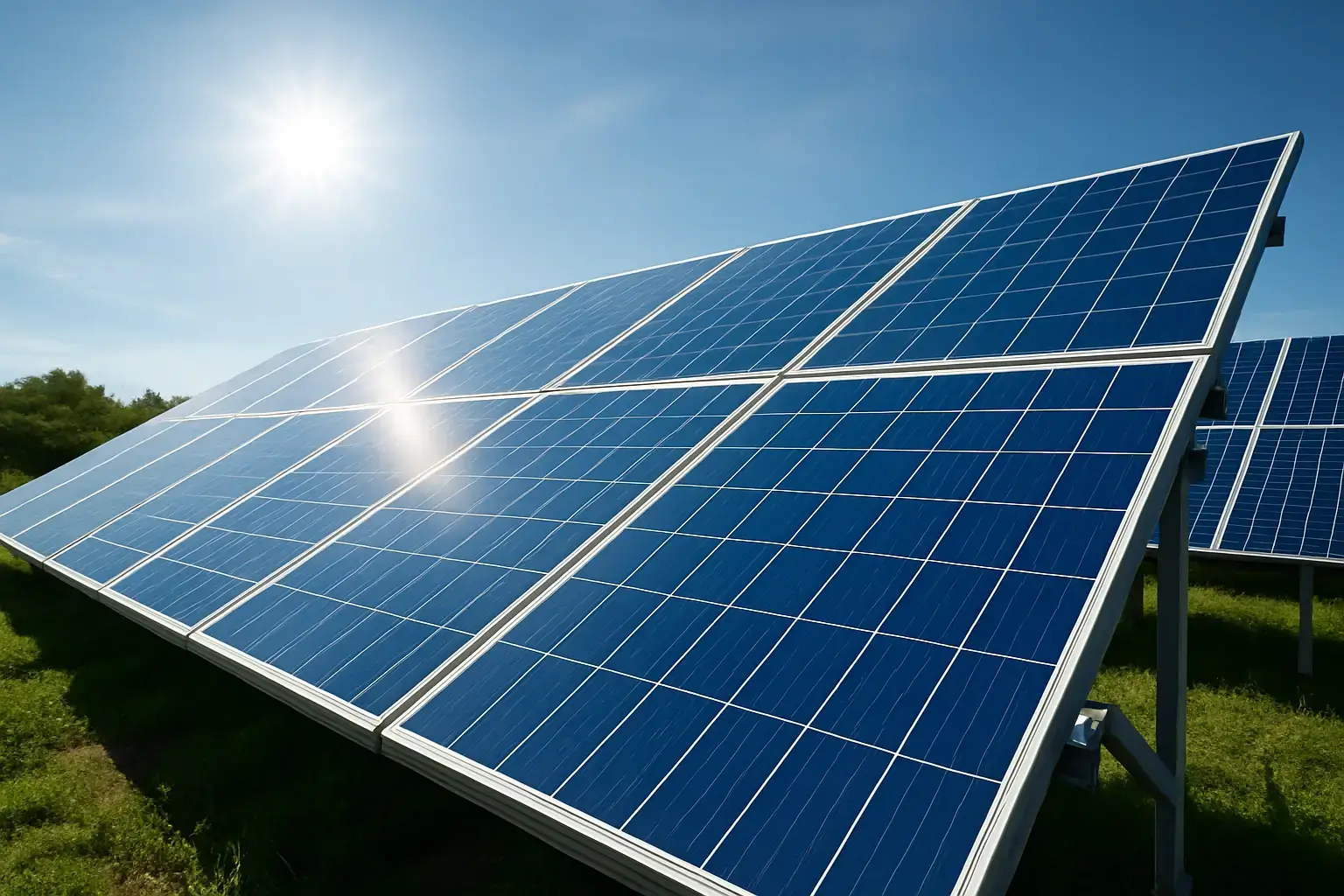
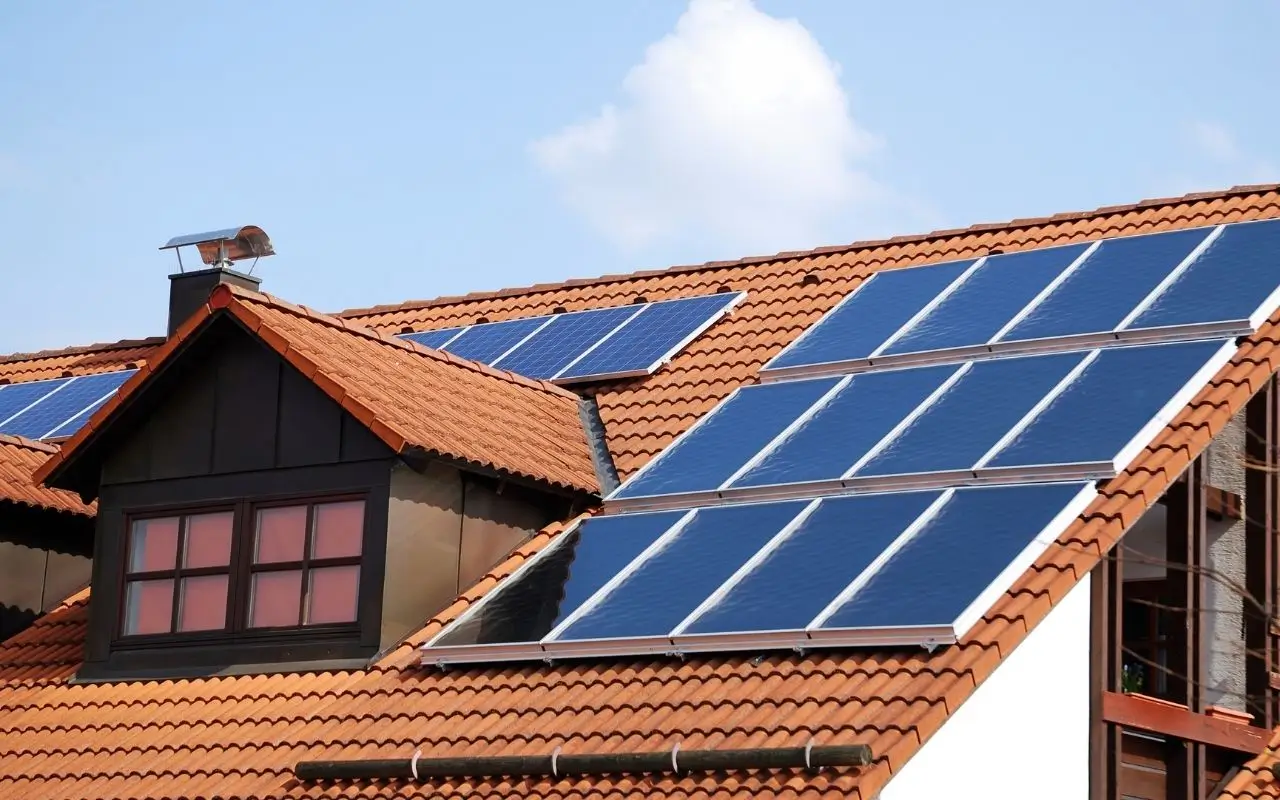
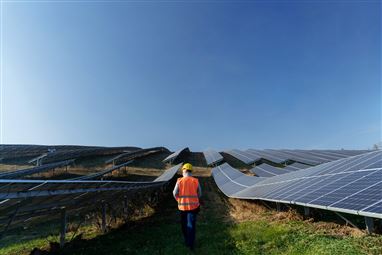
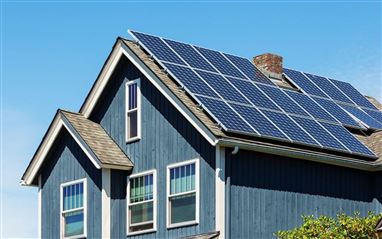
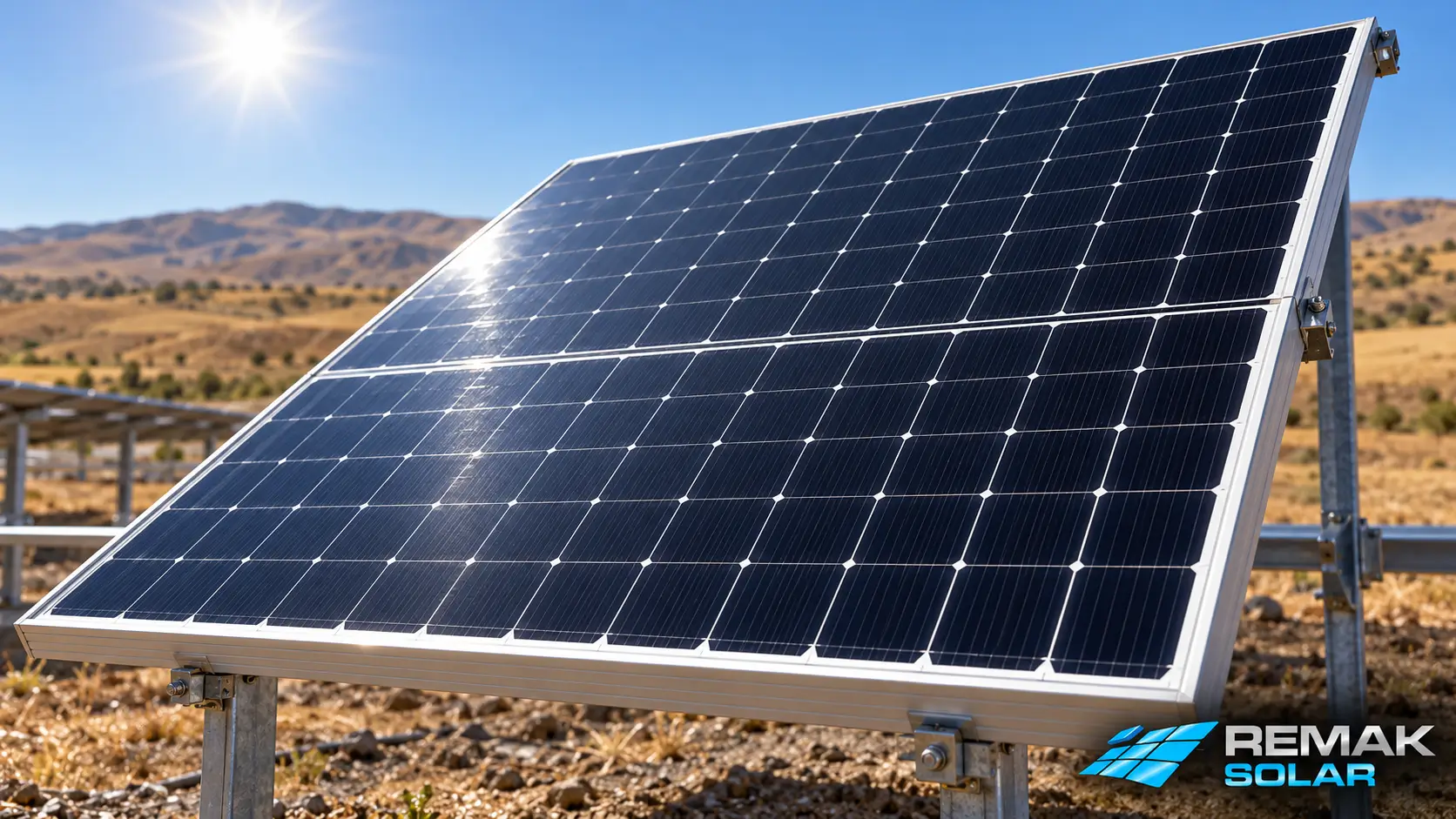
A single 550 W solar panel installed at the correct angle and facing south in Turkey produces approximately 580 to 890 kWh of electricity per year. The national average is around 780 kWh. This means an average of 2.1 kWh per day and approximately 65 kWh per month. Daily production approaches 3 kWh in summer, while it can fall to around 1.5 kWh in winter.
The location where the panel is installed is the main factor determining the difference. The same panel produces approximately 50% more electricity on the Mediterranean and Aegean coasts than in the Eastern Black Sea region. Below, you can find out why the rated 550 W output is not achieved exactly under real-world conditions, how production is calculated, expected figures by province, and how much additional production can be achieved with a solar tracking system.
What Does the 550 W Rating on the Panel Mean?
The 550 W shown on the label is the maximum power the panel can deliver under standard test conditions (STC). These conditions are defined in a laboratory: 1,000 W of solar irradiance per square metre and a cell temperature of 25 °C. In other words, 550 W is not an amount of energy produced but an instantaneous power rating. The amount of electricity produced by the panel over time is measured in kWh (kilowatt-hours).
These conditions rarely occur together in real-world operation. Solar irradiance is high around midday in summer, but the panel also heats up. In crystalline silicon panels, power decreases by approximately 0.35% for every degree above 25 °C. When the cell temperature reaches 60 °C, a 550 W panel operates at around 480 W even under optimum sunlight. Under NOCT values stated in manufacturers' data sheets, which are closer to real operating conditions, 550 W panels typically deliver around 410–435 W.
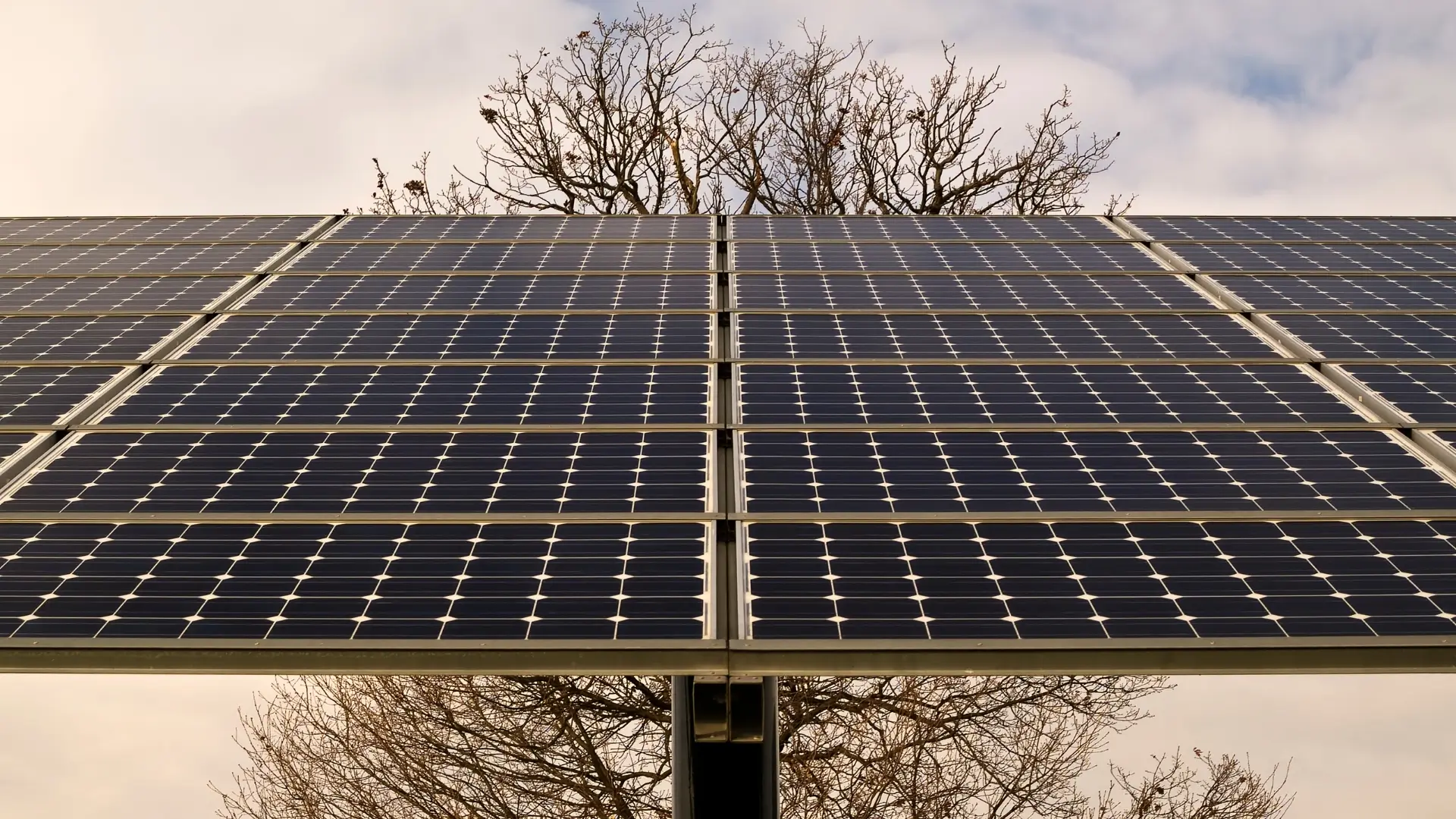
Most 550 W class panels currently available on the market use a 144 half-cell monocrystalline structure. According to an example manufacturer data sheet, these panels measure 2279 × 1134 mm, have an efficiency of around 21%, and weigh more than 28 kg. If you would like to compare them with older, lower-power panels, you can also read our article on the output of a 230 W solar panel.
How Is the Daily Output of a 550 W Panel Calculated?
For a realistic estimate, you need three values: panel power, peak sun hours in your region, and system losses.
Daily production (kWh) = Panel power (kW) × Peak sun hours × Performance ratio
Peak sun hours indicate how many hours of full-power solar radiation at 1,000 W per square metre the total solar energy received by the panel throughout the day corresponds to. The performance ratio combines losses caused by temperature, cables, the inverter, and soiling into a single coefficient. Calculations for well-installed systems generally use a value between 0.75 and 0.85.
For a location with 5 peak sun hours, the calculation is: 0.55 kW × 5 hours × 0.80 = 2.2 kWh/day. This corresponds to approximately 800 kWh per year. If you would like to see the calculation steps in more detail, you can review our solar energy calculation guide.
The Most Common Mistake: Multiplying by Sunshine Duration
According to the Turkey Solar Energy Potential Atlas (GEPA), the average daily sunshine duration in Turkey is 7.5 hours. Average solar energy received by a horizontal surface is 4.18 kWh/m² per day. In many calculations, 550 W is multiplied directly by 7.5 hours, resulting in a figure above 4 kWh per day.
However, sunshine duration only refers to the period during which the sun is visible. In the morning and evening, irradiance is far below full power. The value that should be used in calculations is peak sun hours, which for a tilted panel in Turkey varies roughly between 3 and 5 hours depending on the region. Calculating based on sunshine duration can therefore overestimate actual production by almost two times.
Annual Output of a 550 W Panel by Province
The figures below are based on province-level specific production data compiled using the European Commission Joint Research Centre's PVGIS tool. The calculation assumes a south-facing fixed system with a 30° tilt and 14% system losses. The figures are for a single 550 W panel and have been rounded.
| Province | Annual Production (kWh) | Monthly Average (kWh) |
|---|---|---|
| Antalya | 890 | 74 |
| Izmir | 870 | 73 |
| Şanlıurfa | 870 | 72 |
| Konya | 860 | 72 |
| Ankara | 810 | 67 |
| Istanbul | 760 | 63 |
| Trabzon | 580 | 49 |
| Turkey Average | 780 | 65 |
When examined month by month, the seasonal difference becomes clearer. In Antalya, a 550 W panel produces approximately 91 kWh in July (2.9 kWh per day) and approximately 53 kWh in January (1.7 kWh per day). If your goal is to cover your electricity consumption during winter, you should plan according to the months when production falls rather than according to the annual average.
For a more precise result for your own location, you can enter your coordinates into PVGIS. Alternatively, you can select a panel power of 550 W in our solar energy calculator to see estimated production and the number of panels required based on your electricity bill.
Main Factors Affecting Production
Even two panels of the same power installed in the same province can generate different amounts of electricity. The main factors that cause this difference are:
- Orientation and tilt: In Turkey, south is the most efficient orientation for fixed systems. Panels facing east or west experience annual production losses, and the tilt angle should also be adjusted according to your latitude. For more details, see our article on how to position a solar panel.
- Shading: Even if a chimney, tree, or the panel row in front shades only a small part of the panel, production can fall more than expected. Half-cell design limits this loss but does not eliminate it completely.
- Temperature: Panel power decreases as the panel heats up. Installations with rear ventilation operate at lower temperatures than systems mounted close to the surface.
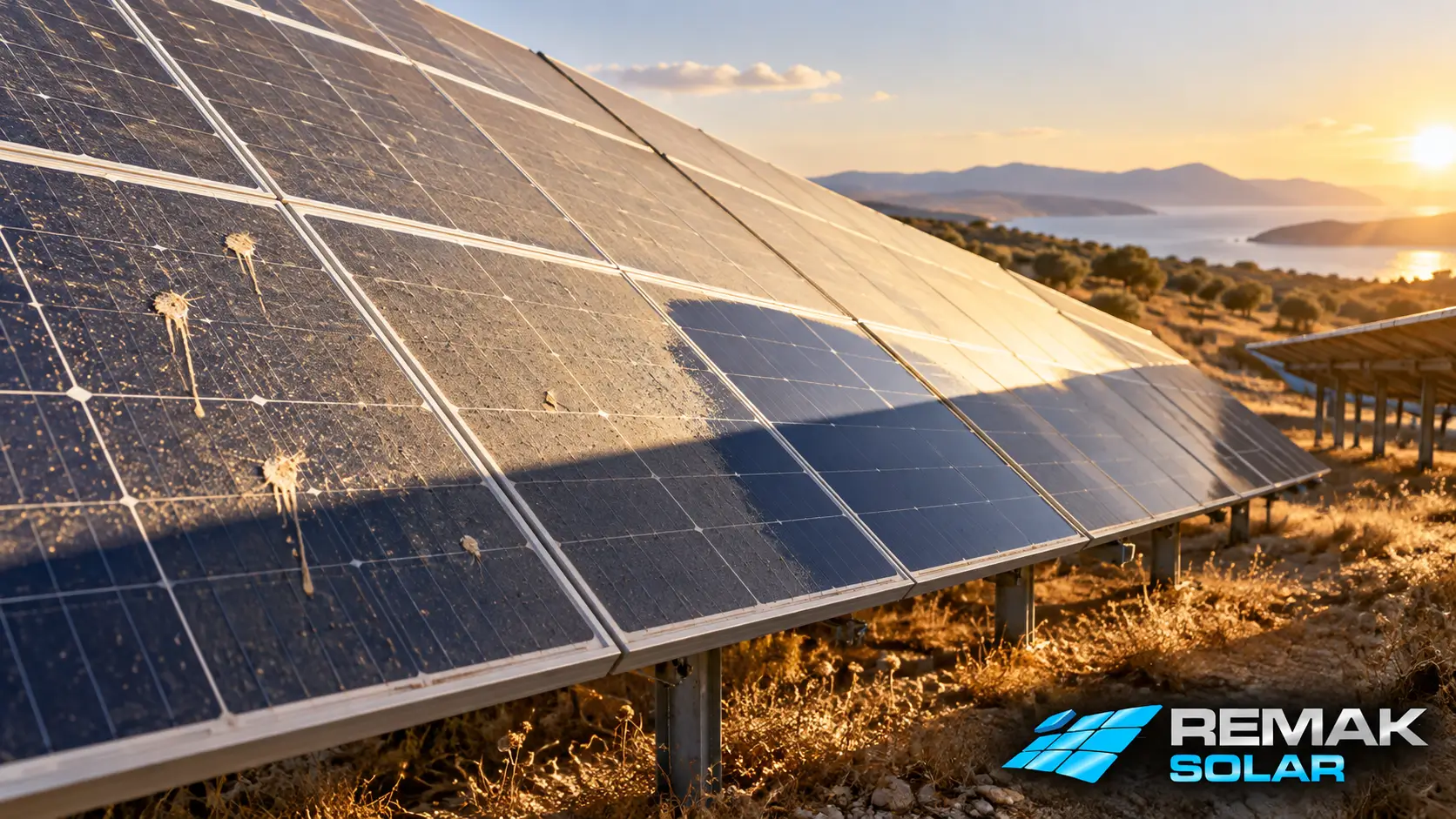
- Soiling: Dust, pollen, and bird droppings prevent light from reaching the cells. In regions with little rainfall and high levels of dust, regular cleaning has a direct impact on production.
- Ageing: Panels lose a small amount of power every year. Many manufacturers guarantee approximately 85% of the initial power at the end of the 25th year. We have covered this topic in detail in our article on solar panel lifespan.
How Much Does a 550 W Panel Produce with a Solar Tracking System?
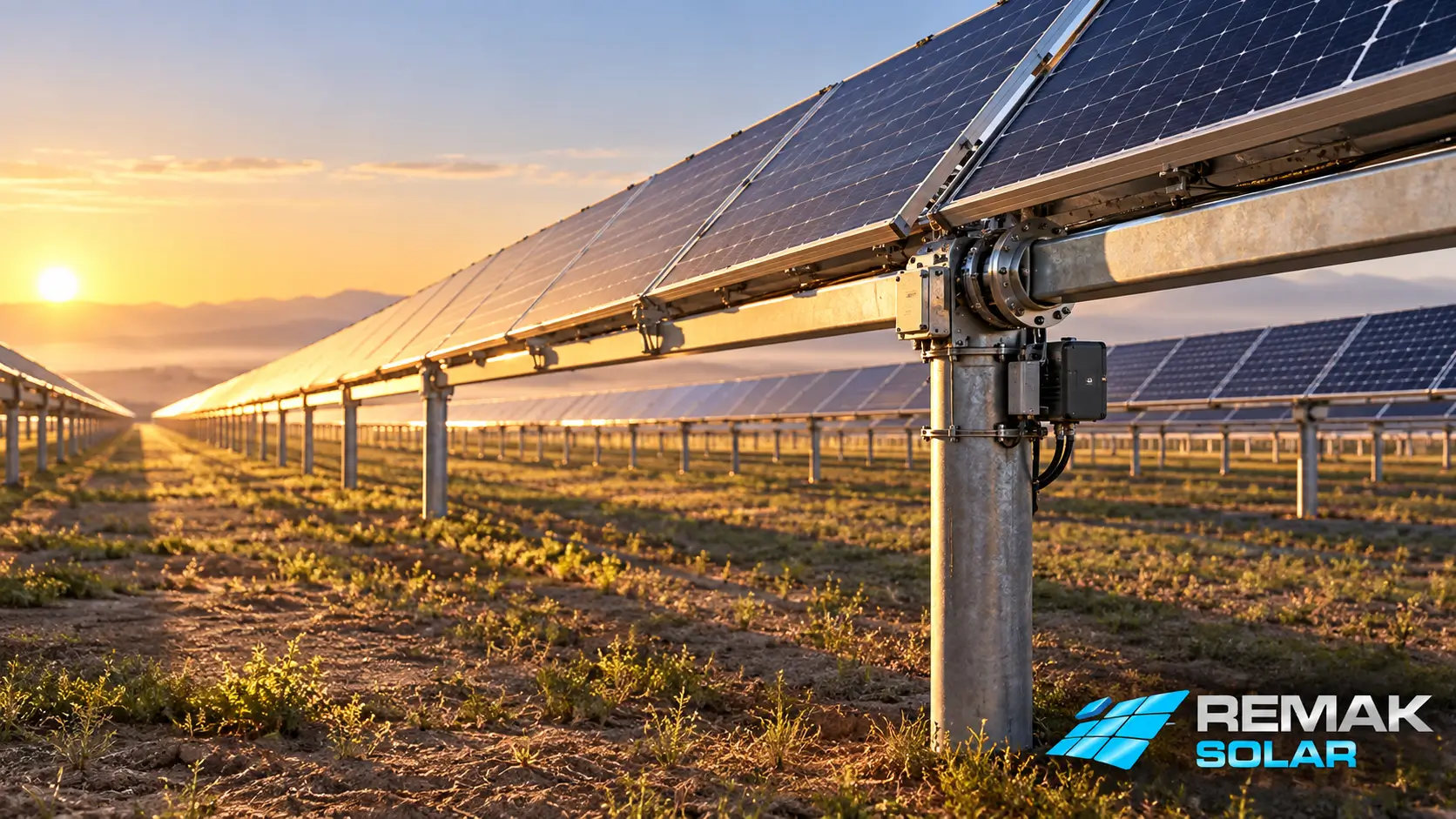
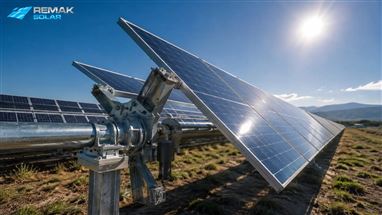
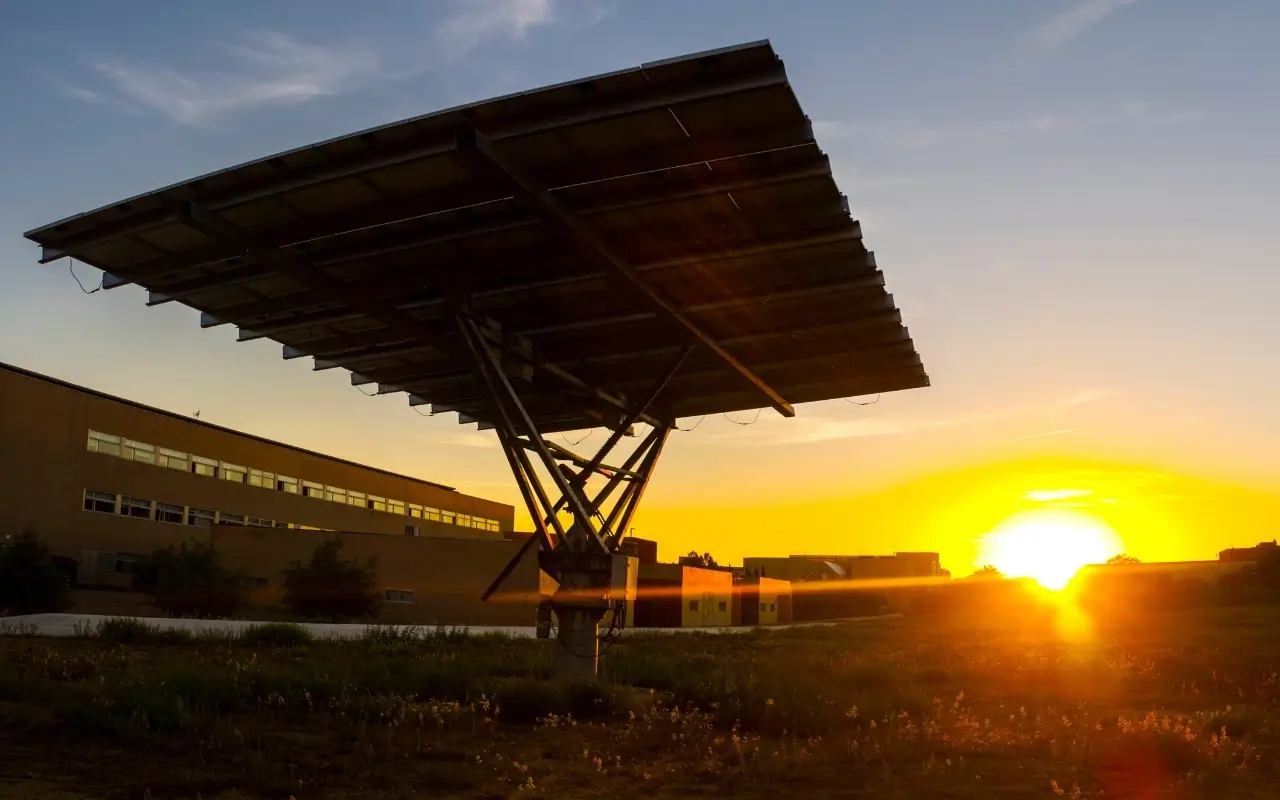
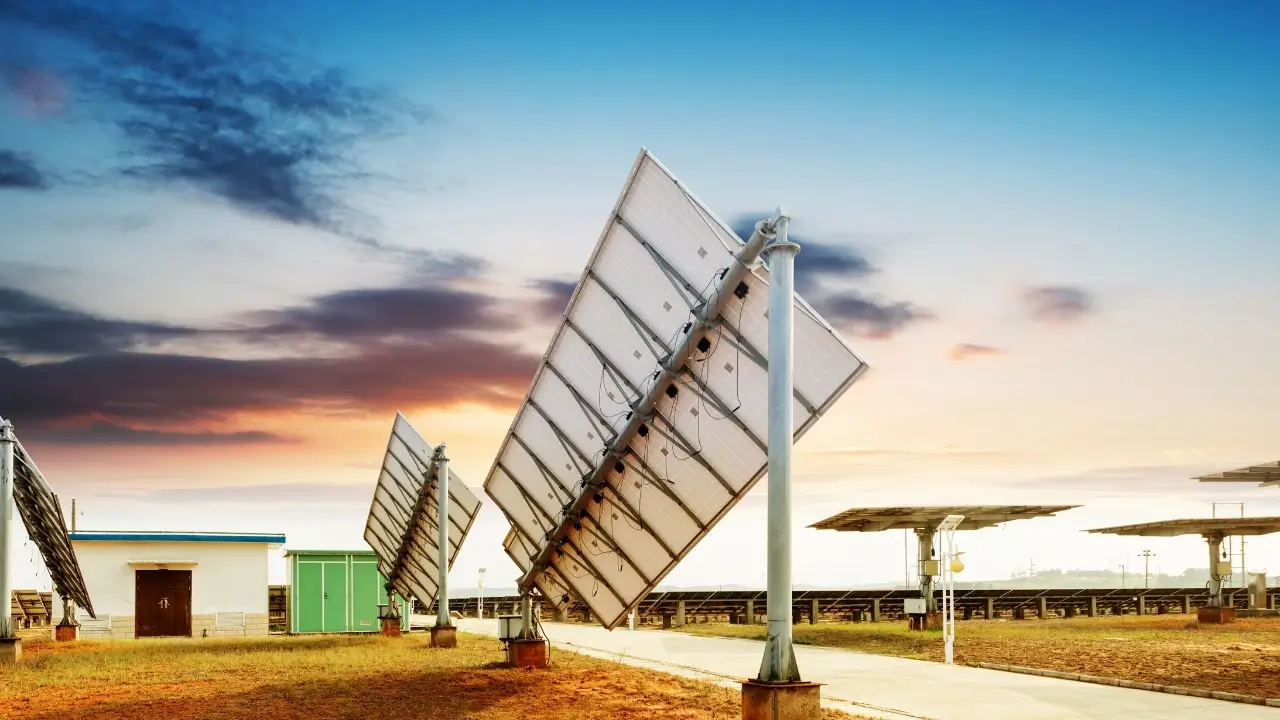
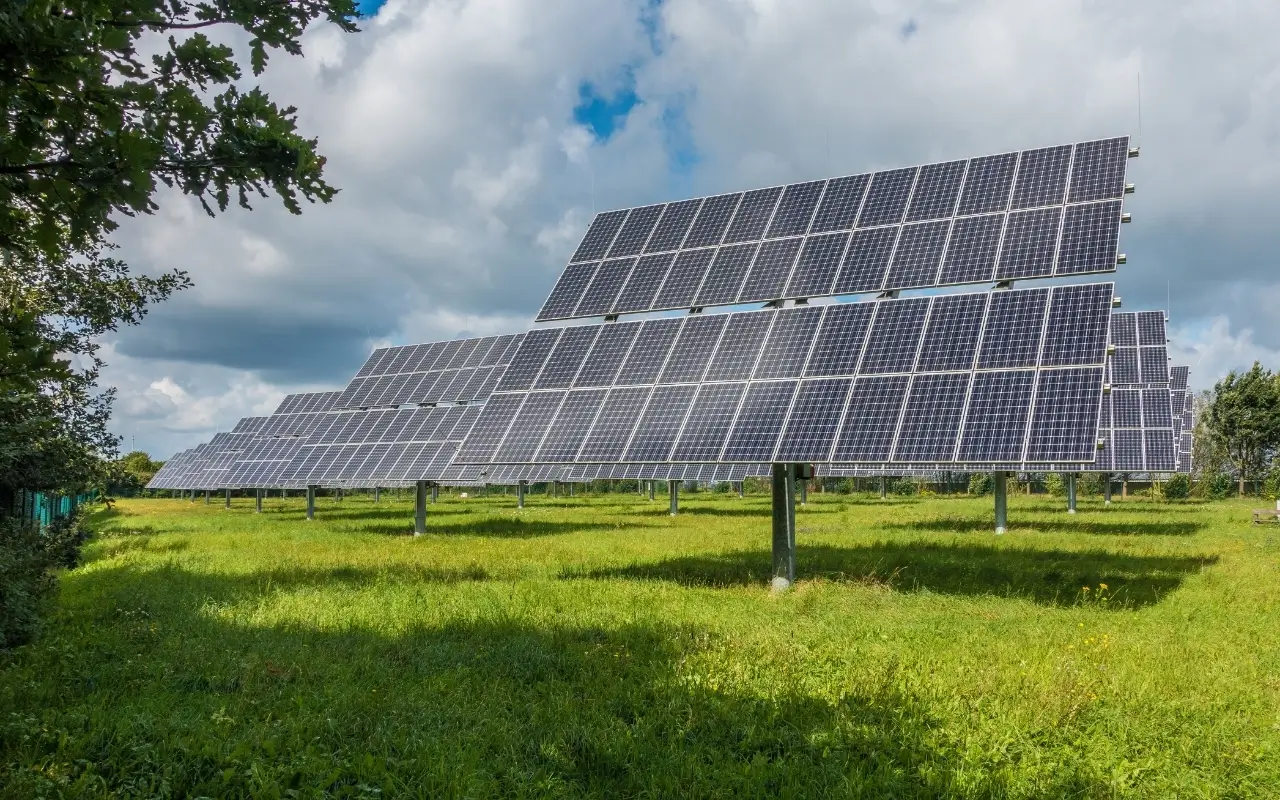
A fixed panel faces the sun directly only during certain hours of the day. Solar tracking systems rotate the panel toward the sun throughout the day, increasing production especially during morning and evening hours. A study by the U.S. National Renewable Energy Laboratory (NREL) states that single-axis tracking systems can provide an energy gain of 15–25% compared with fixed-tilt systems.
Applying this percentage to the table above gives the following results:
- A 550 W panel producing 780 kWh per year at the Turkey average could produce approximately 900–975 kWh with a single-axis tracking system.
- In a region such as Konya with high solar irradiance and large available land areas, this figure could rise to approximately 990–1,070 kWh.
The actual gain varies depending on latitude, row spacing, tracking software that prevents shading, and wind conditions at the site.
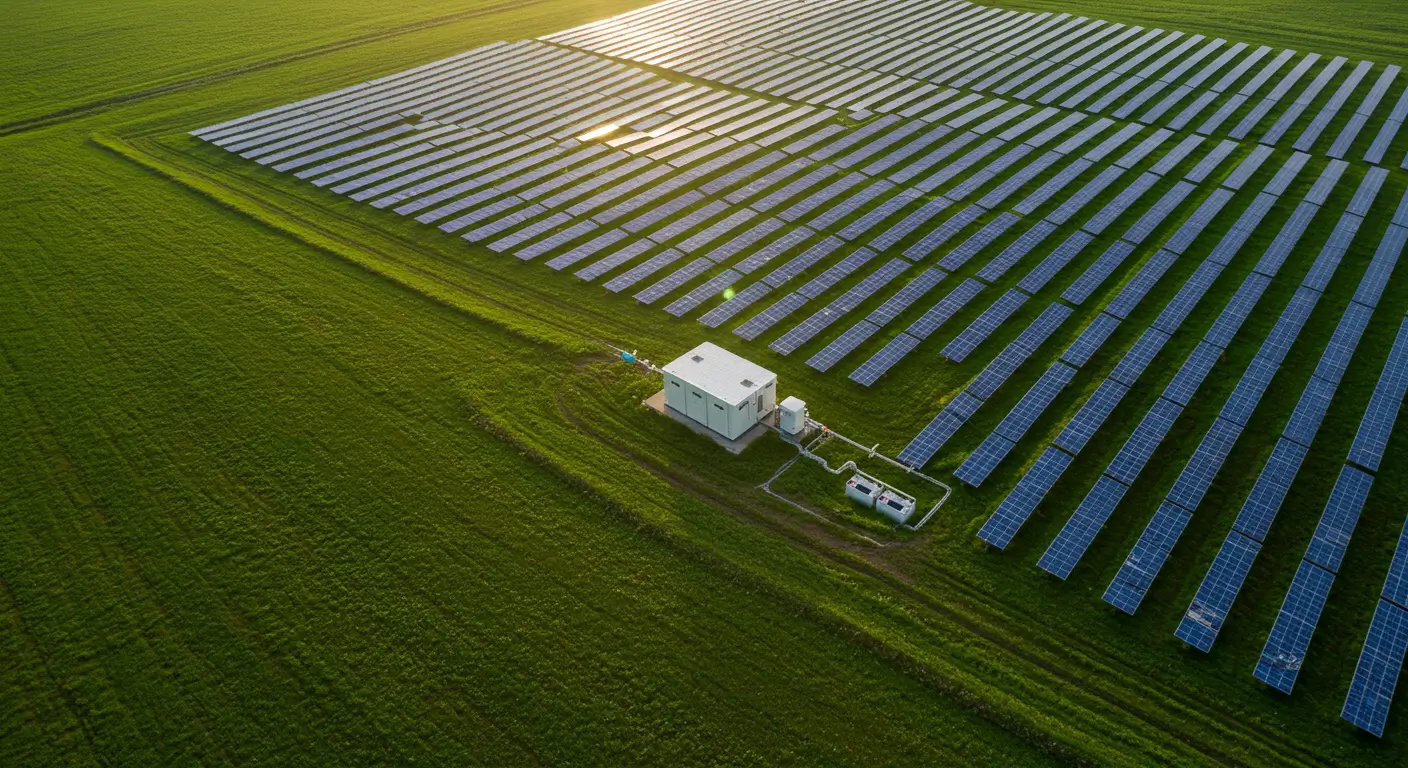
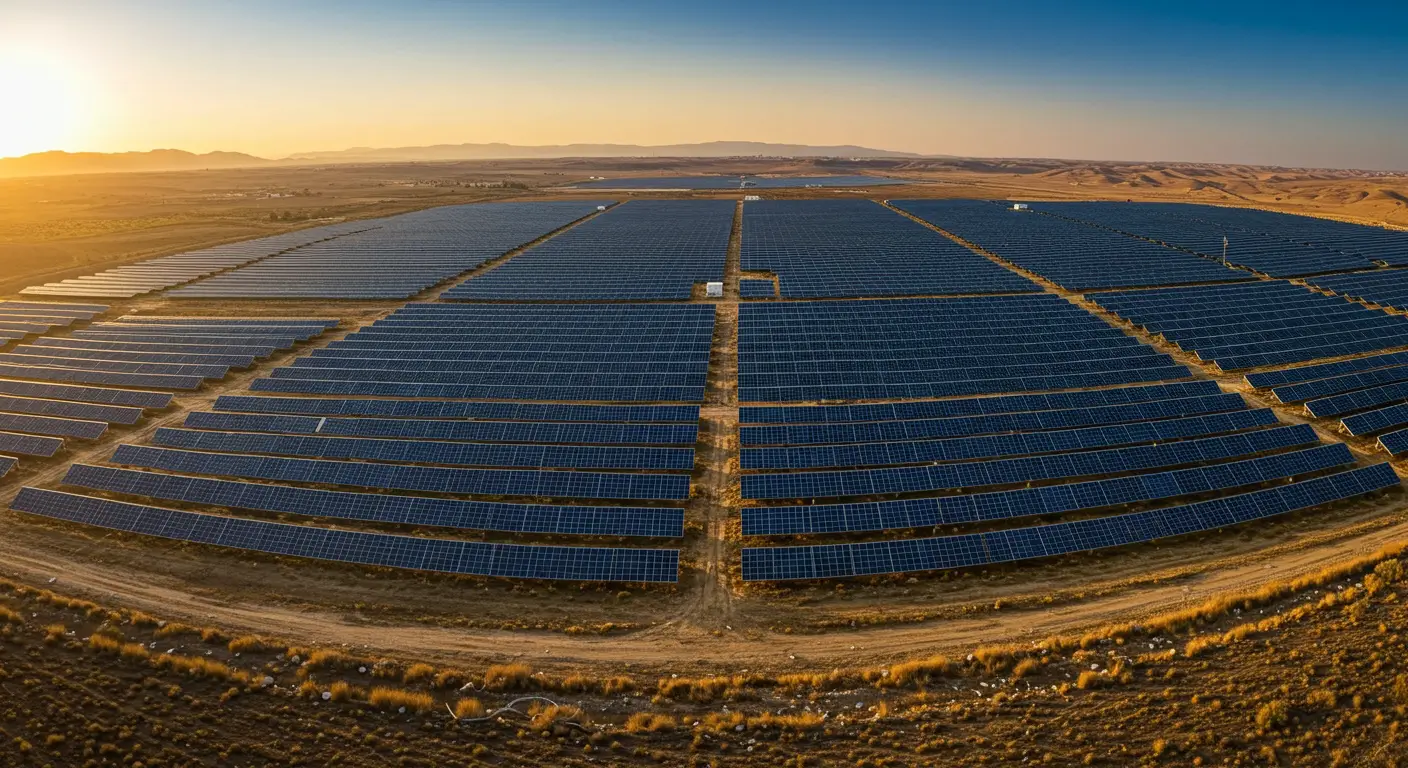
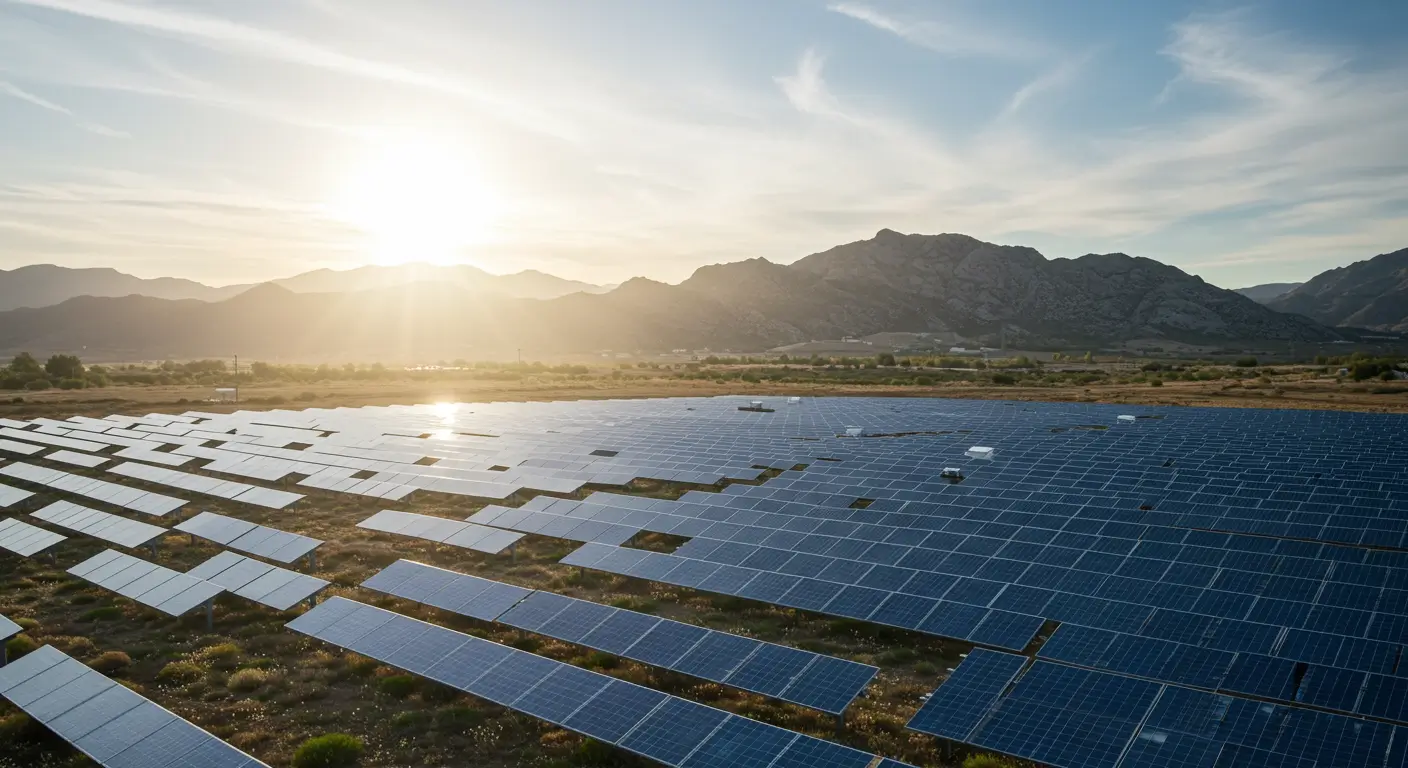
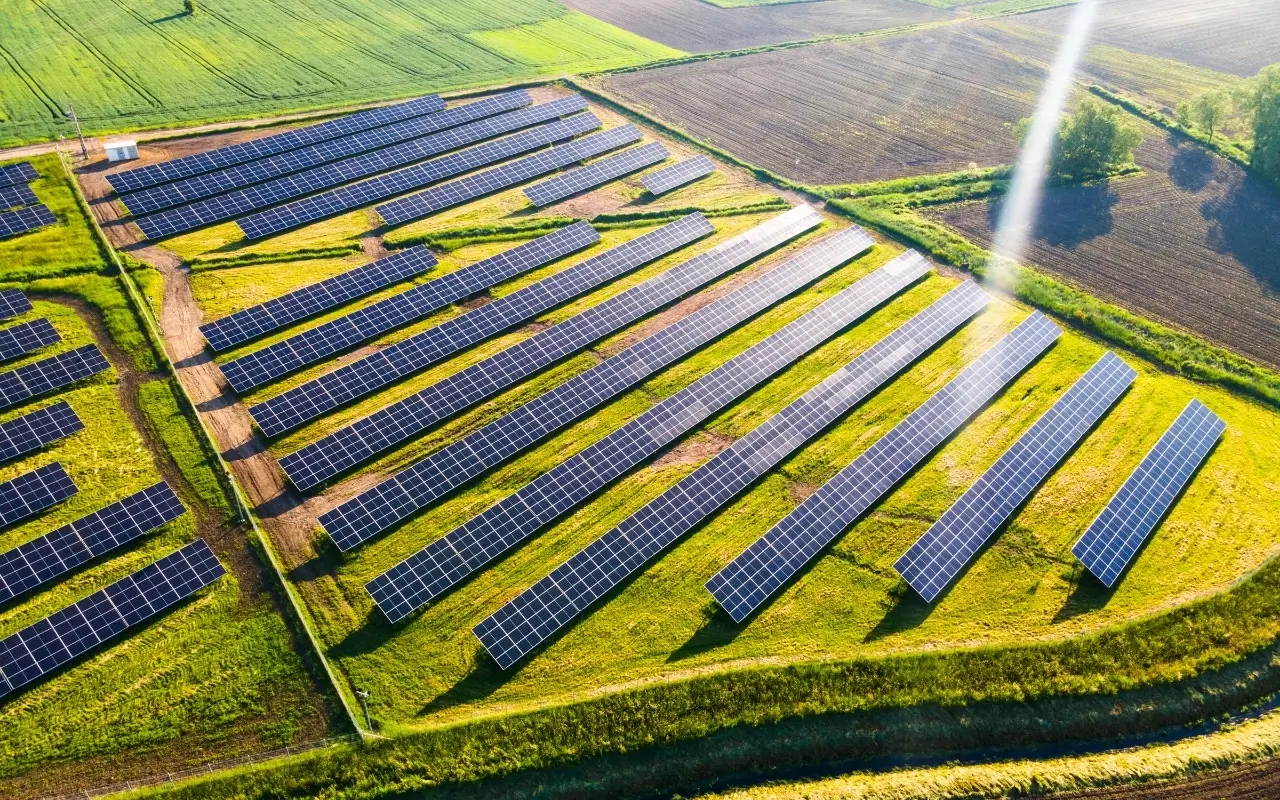
Tracking systems are more relevant for utility-scale ground-mounted solar power plants than for individual panels. An additional annual production of approximately 120–195 kWh per panel can make a significant difference to total generation at a site containing thousands of panels.
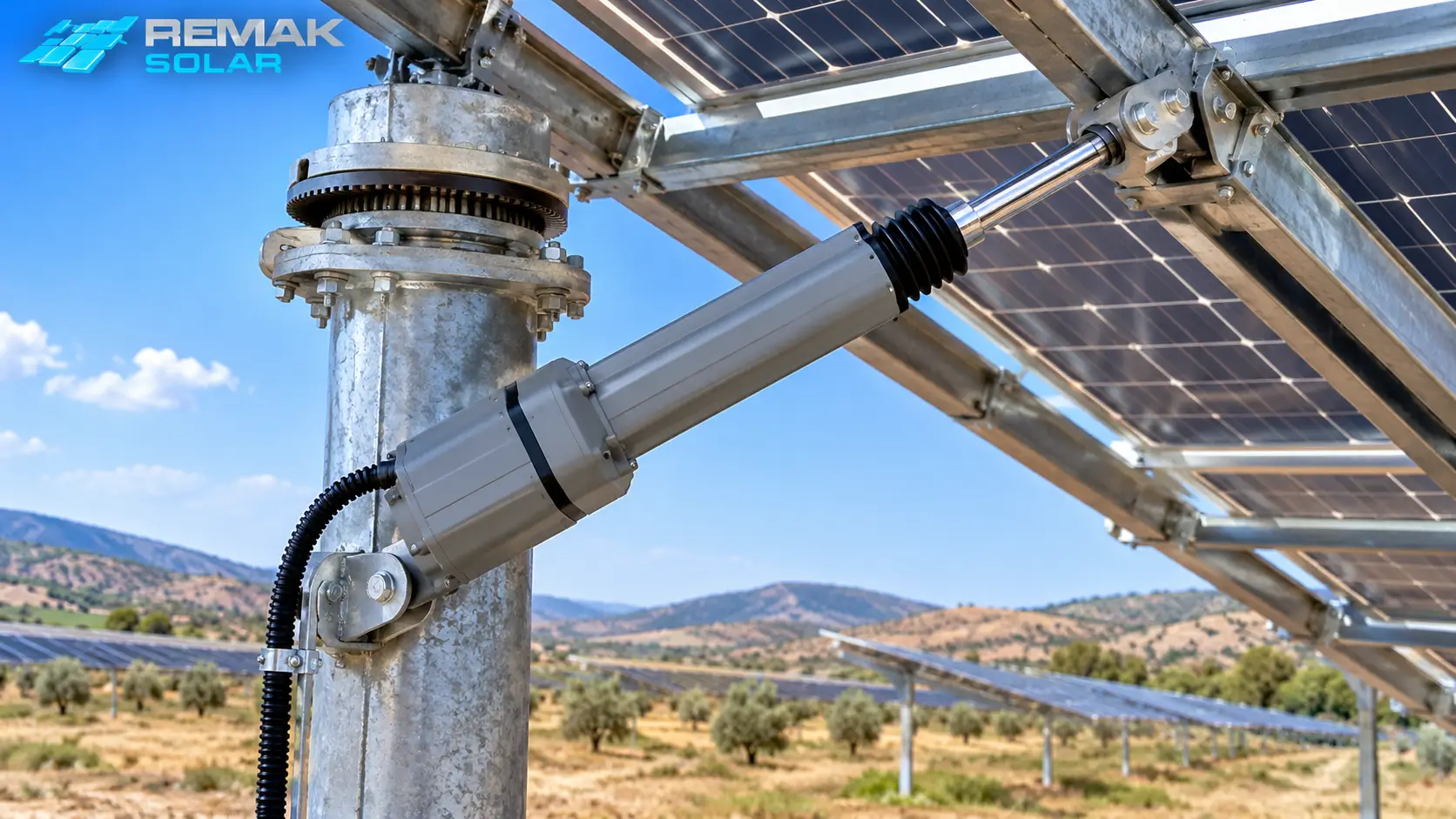
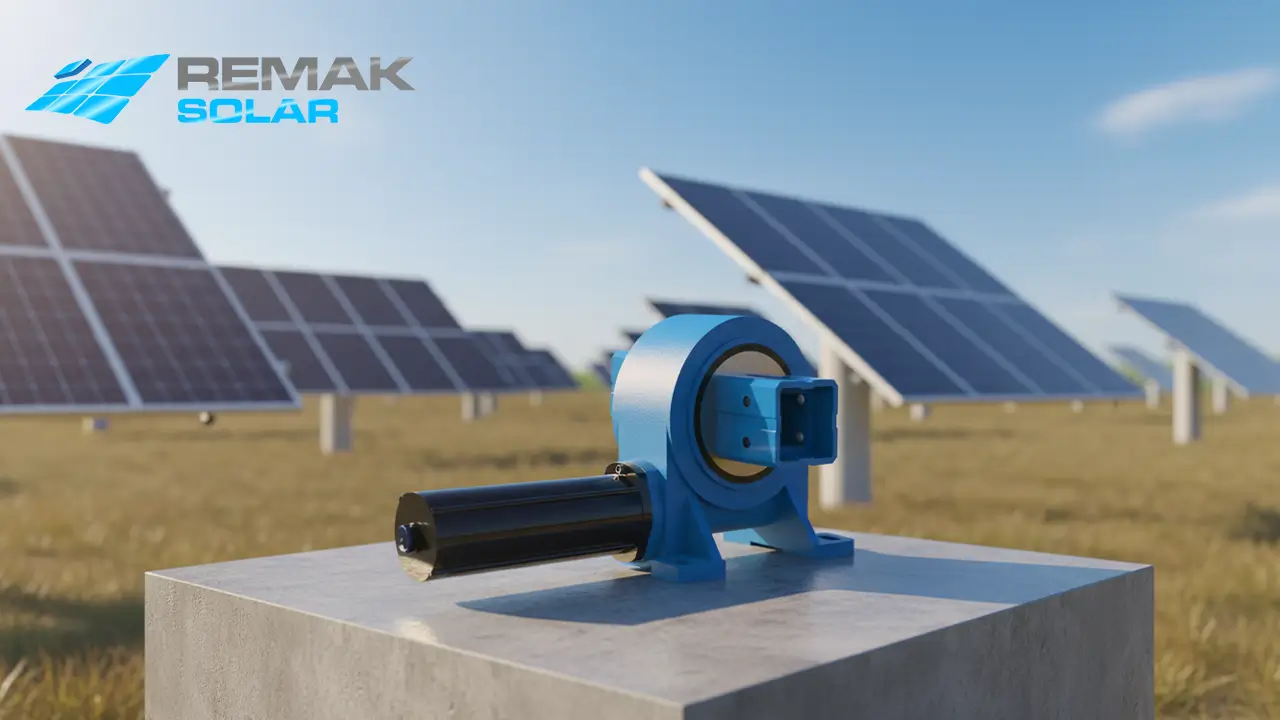
Because 550 W class panels are large and heavy, wind loads must be carefully calculated when selecting the support profile and gearbox. For example, our ST7 single-axis solar tracker gearbox connects directly to 120x120 profiles. It also features a mechanical stop that prevents panels from exceeding a specified angle under severe weather conditions.
You can find the differences between the two systems in our article on the difference between single-axis and dual-axis solar trackers, and learn about how the system works in general on our solar tracking system page.
How Many 550 W Panels Are Needed for a Home or Project?
To determine the number of panels, simply divide your annual electricity consumption by the annual output of one panel in your province. For example, a home in Izmir using 300 kWh of electricity per month consumes approximately 3,600 kWh per year. Since 3,600 kWh ÷ 870 kWh ≈ 4.1, this consumption can be covered by 4–5 units of 550 W panels (approximately 2.2–2.75 kWp).
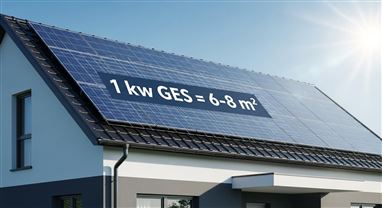
The same principle applies to larger systems. For a 10 kWp system, 18 panels (9.9 kWp) or 19 panels (10.45 kWp) can be used. The net area occupied by 18 panels is approximately 46.5 m². The required area increases when maintenance paths and row spacing are included. For details about area calculations, see our article on how many m² are required for a 1 kW solar power system.
If you are considering using a tracking system for your ground-mounted project, you can review our solar tracker products and contact our team through our contact page for technical questions.
Are You Looking for the Right Solar Energy Solution for Your Project?
Get a free site assessment and quotation from our expert team for solar tracking systems and fixed-panel installations tailored to your land, factory, or roof.
Frequently Asked Questions About 550 W Solar Panels
How many kWh does a 550 W panel produce per hour?
The theoretical upper limit is 0.55 kWh per hour, and this value is valid only under standard test conditions. In real-world conditions, even around midday in summer, production generally remains around 0.40–0.48 kWh per hour and is much lower in the morning and evening. Therefore, it is more accurate to evaluate production based on daily and annual totals rather than hourly values.
Does a 550 W panel generate electricity in cloudy weather and in winter?
Yes, but it produces less. In cloudy weather, the panel makes use of diffuse light. In winter, production decreases because days are shorter and the sun is lower in the sky. In the Antalya example, production in January is approximately 60% of production in July. For details, see our article on whether solar panels work without direct sunlight.
What are the voltage and current of a 550 W panel?
According to manufacturers' data sheets, 144-cell 550 W panels have a voltage of approximately 41–43 V and a current of approximately 13 A at the maximum power point. Open-circuit voltage is around 50 V. These values are not directly compatible with a 12 V battery. In off-grid systems, an MPPT-type charge controller is required to use the panel efficiently. We discussed this topic in our article explaining the difference between MPPT and PWM.
Is a 550 W panel suitable for a residential roof?
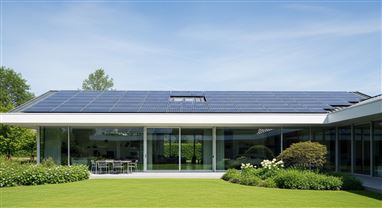
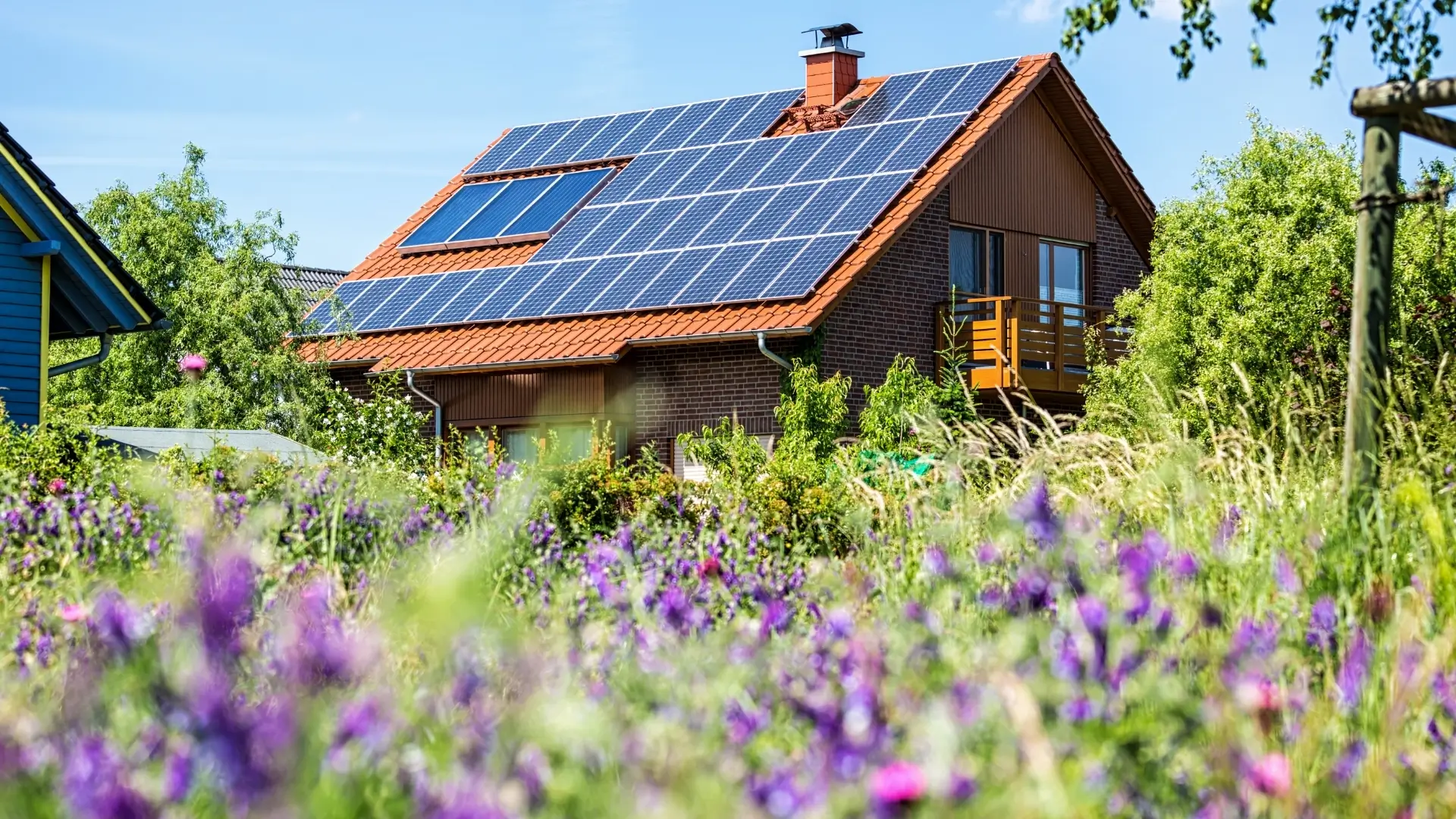
It can be used, but it is not suitable for every roof. At approximately 2.3 metres long and weighing 28–32 kg, these panels require more careful planning for handling, installation, and wind loads on residential roofs. Shorter panels may make more efficient use of space on small or fragmented roofs. For this reason, 550 W panels are more commonly preferred for commercial rooftops and ground-mounted solar power plants.
What can a single 550 W panel power?
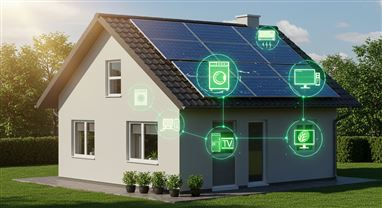
A single panel producing approximately 2.1 kWh per day under Turkey's average conditions can cover small loads such as lighting, a modem, phone charging, and laptop charging. For example, a 10 W LED bulb consumes only 0.1 kWh when operated for 10 hours. For appliances such as refrigerators or air conditioners, the consumption shown on the appliance's energy label should be compared with the panel's daily production. Also remember that a battery is required for night-time use. We examined what a larger system can power in our article on what a 5.5 kW solar panel system can power.
Do Comment