
Other Blog
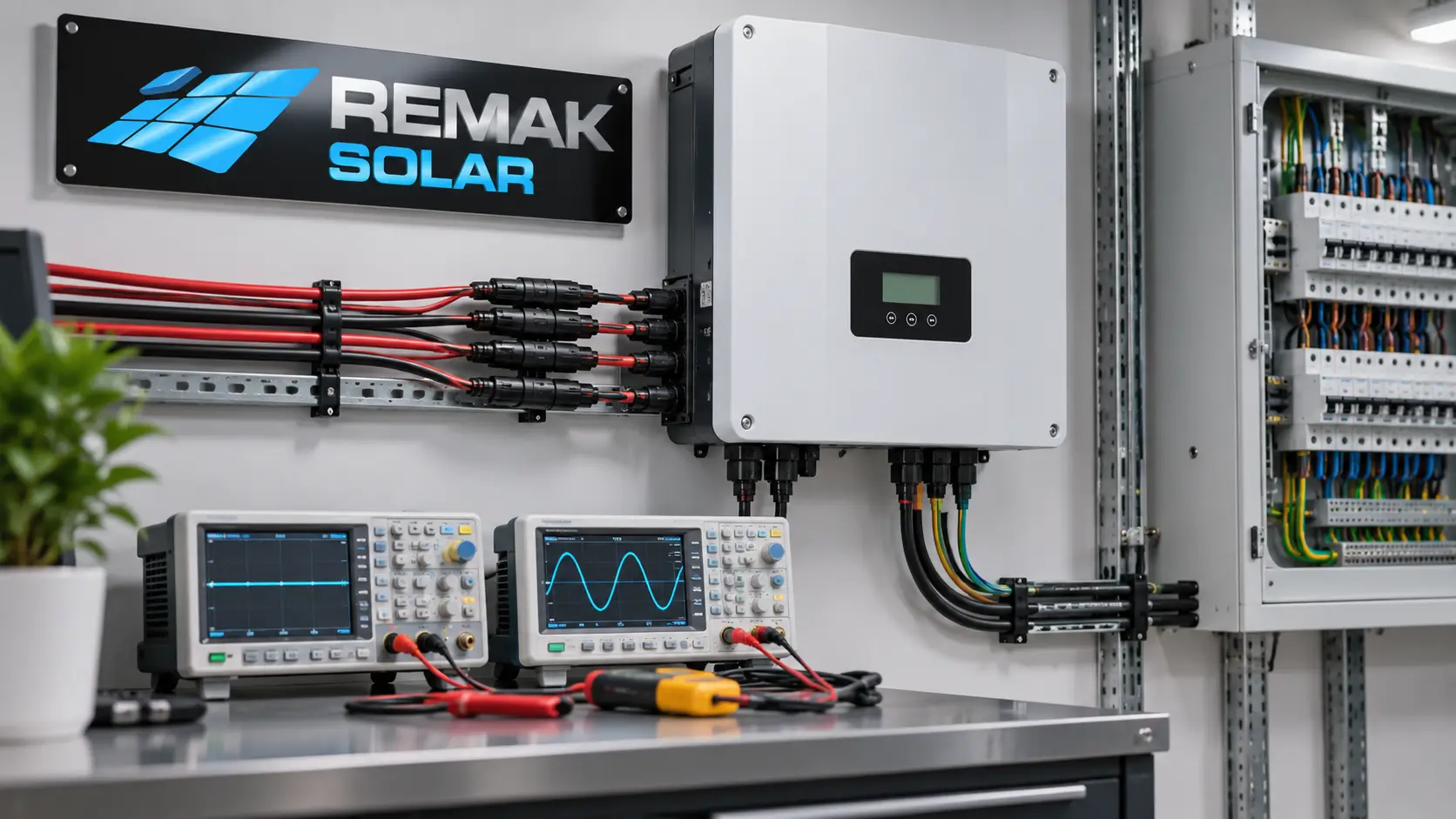
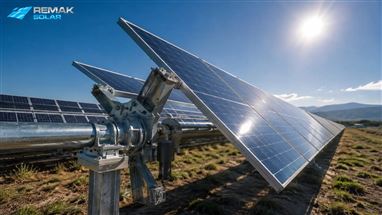
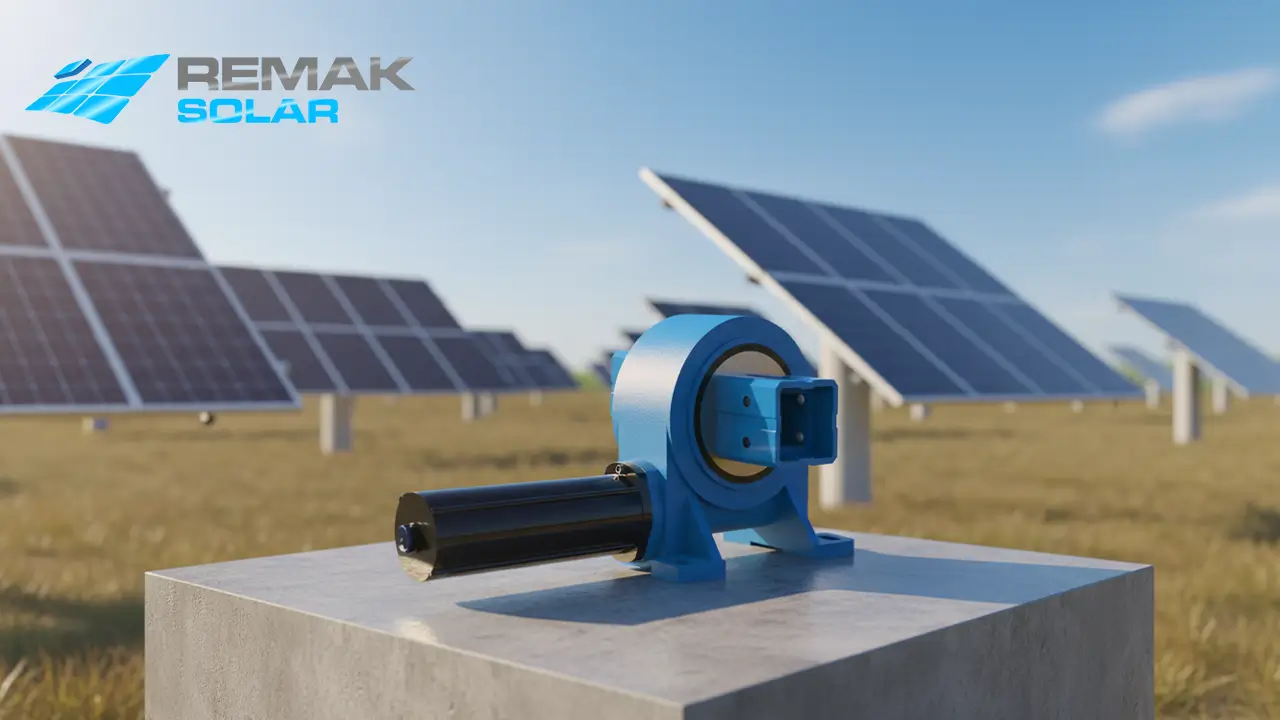
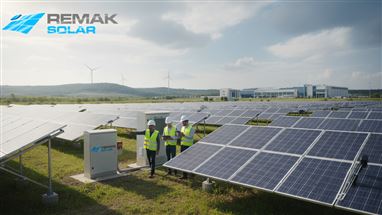
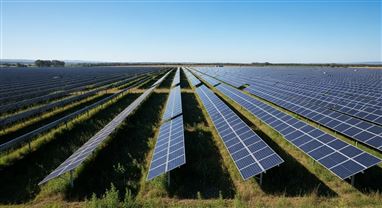
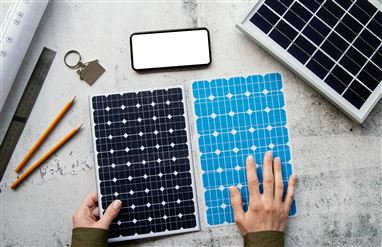
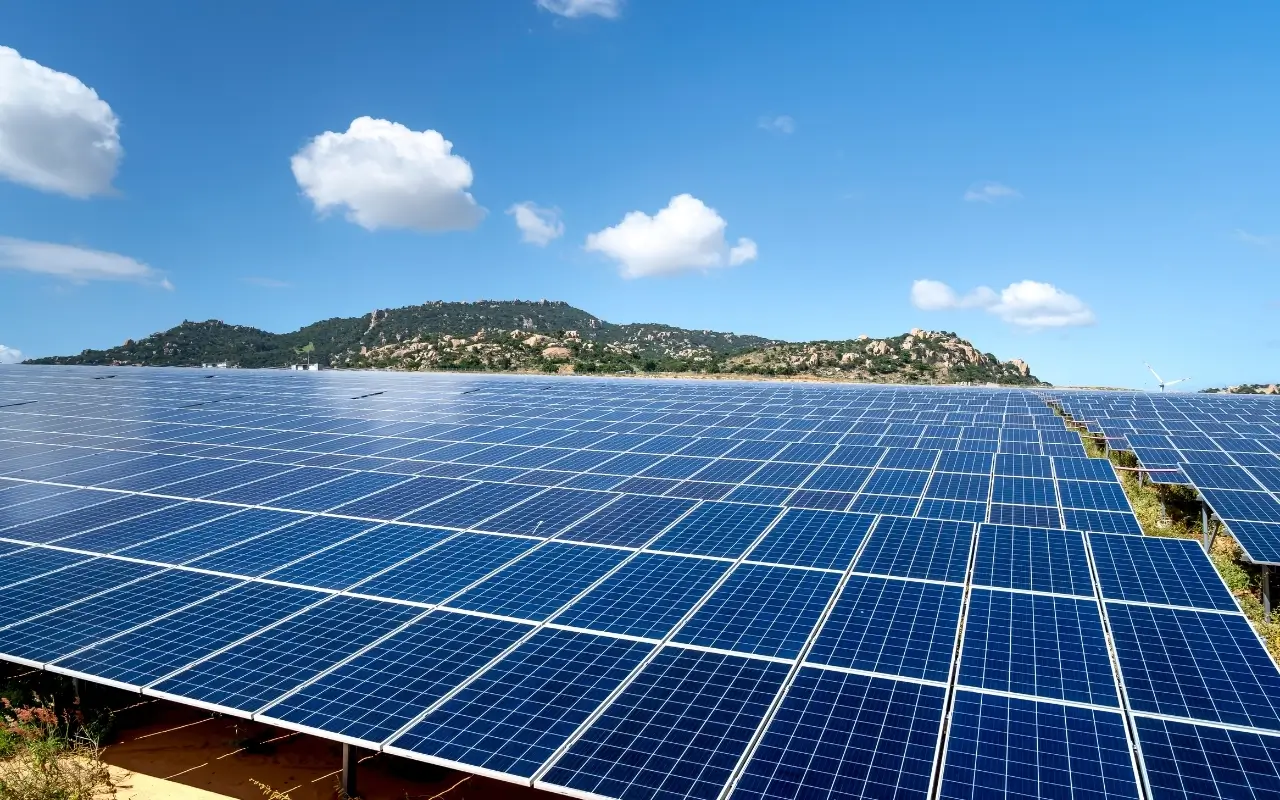
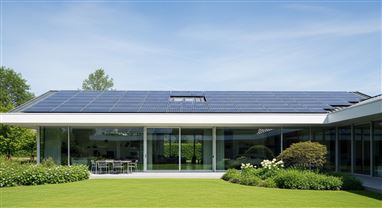
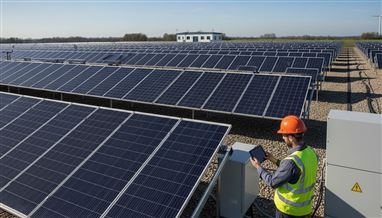
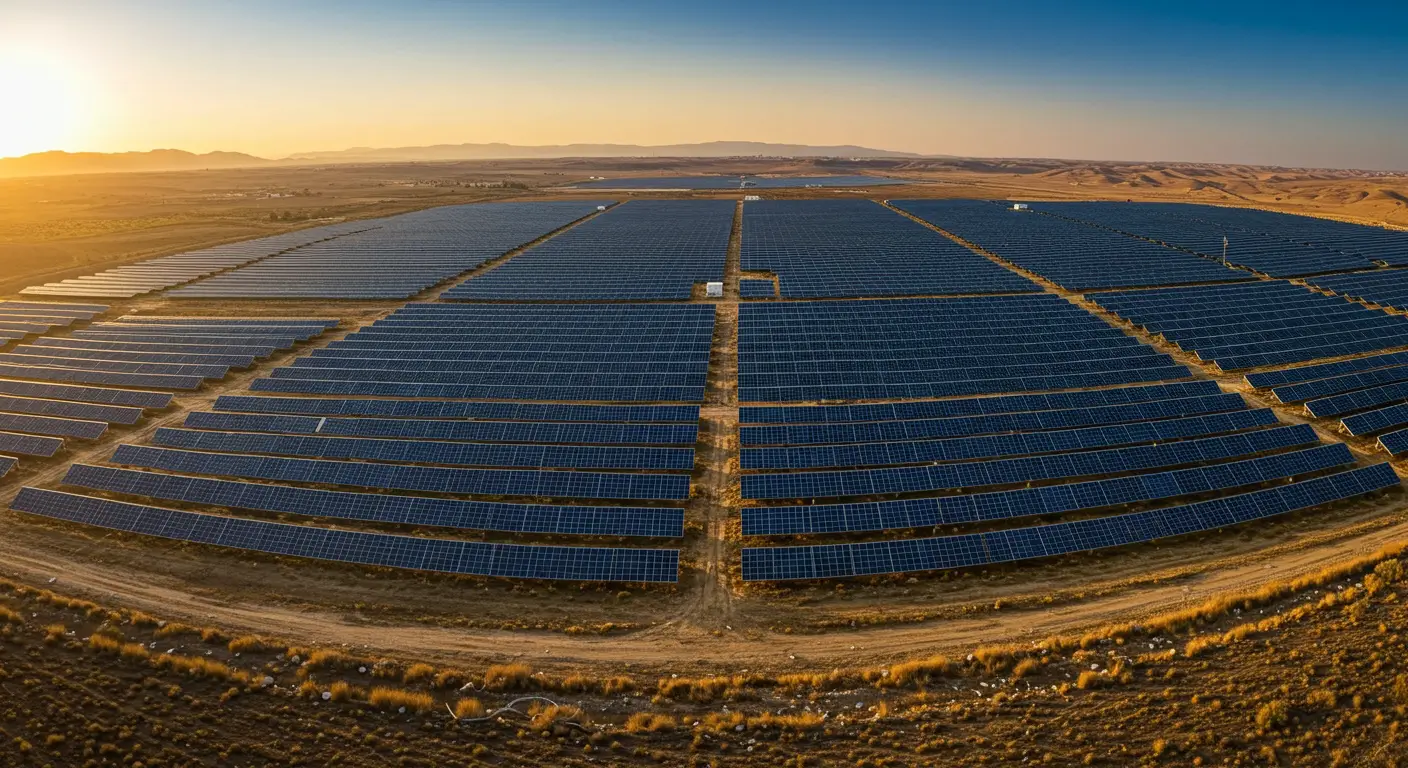
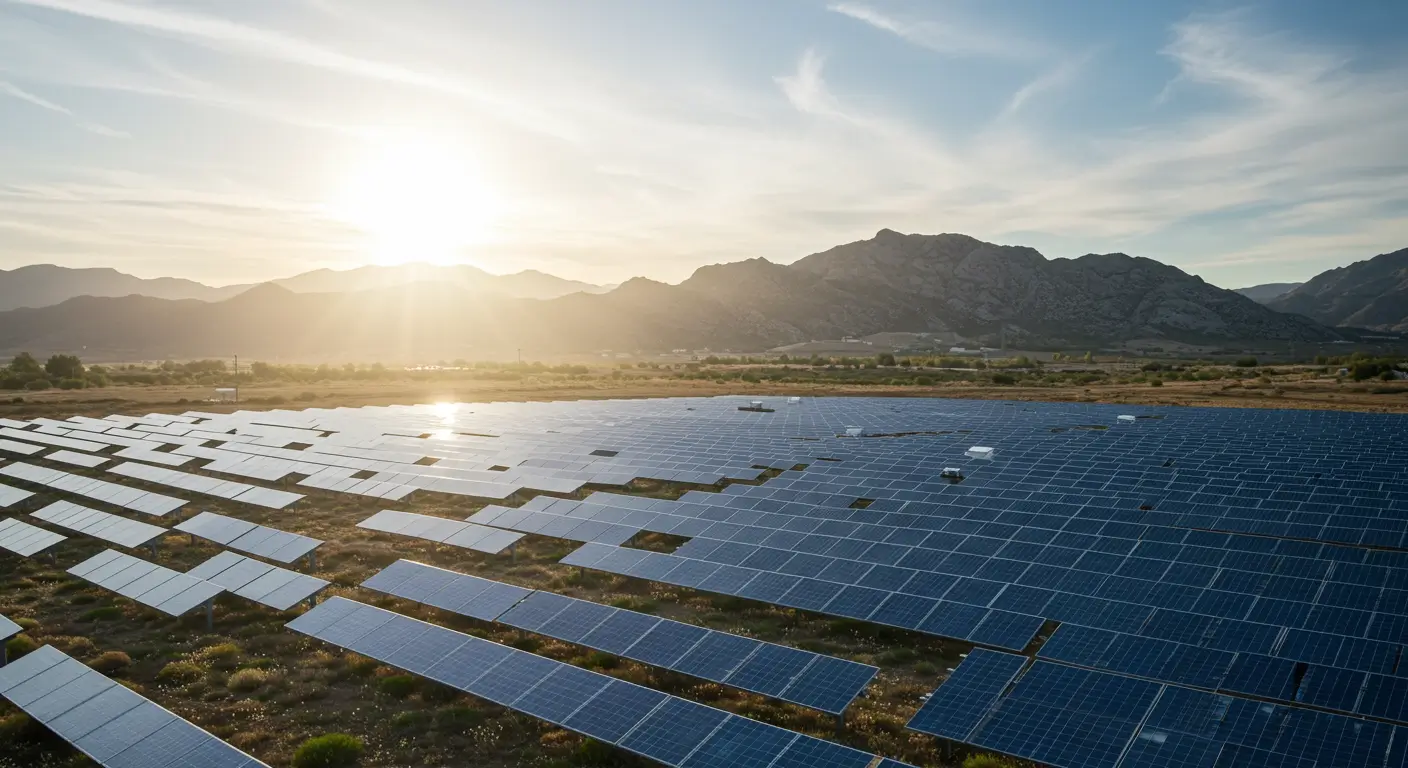
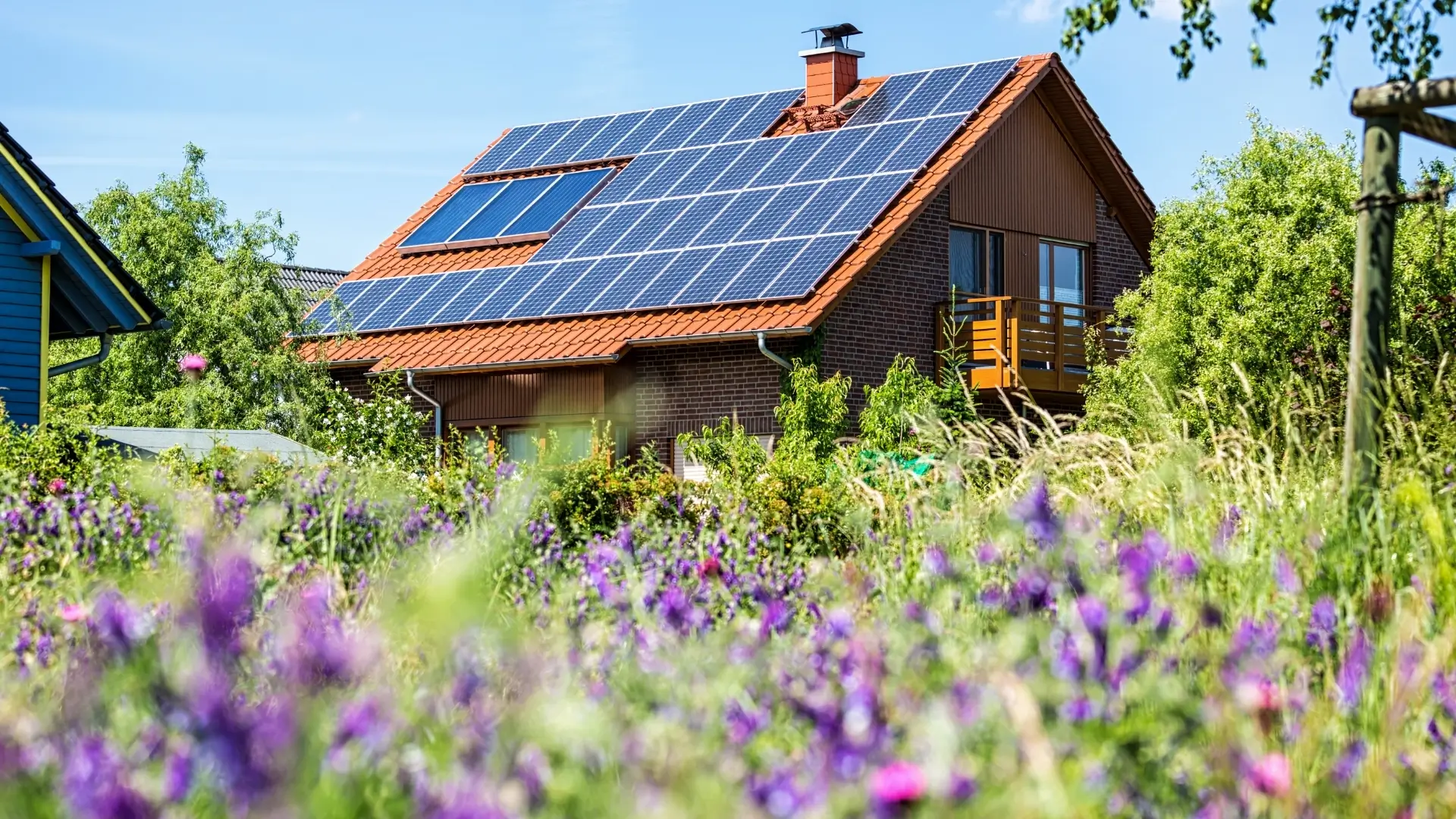
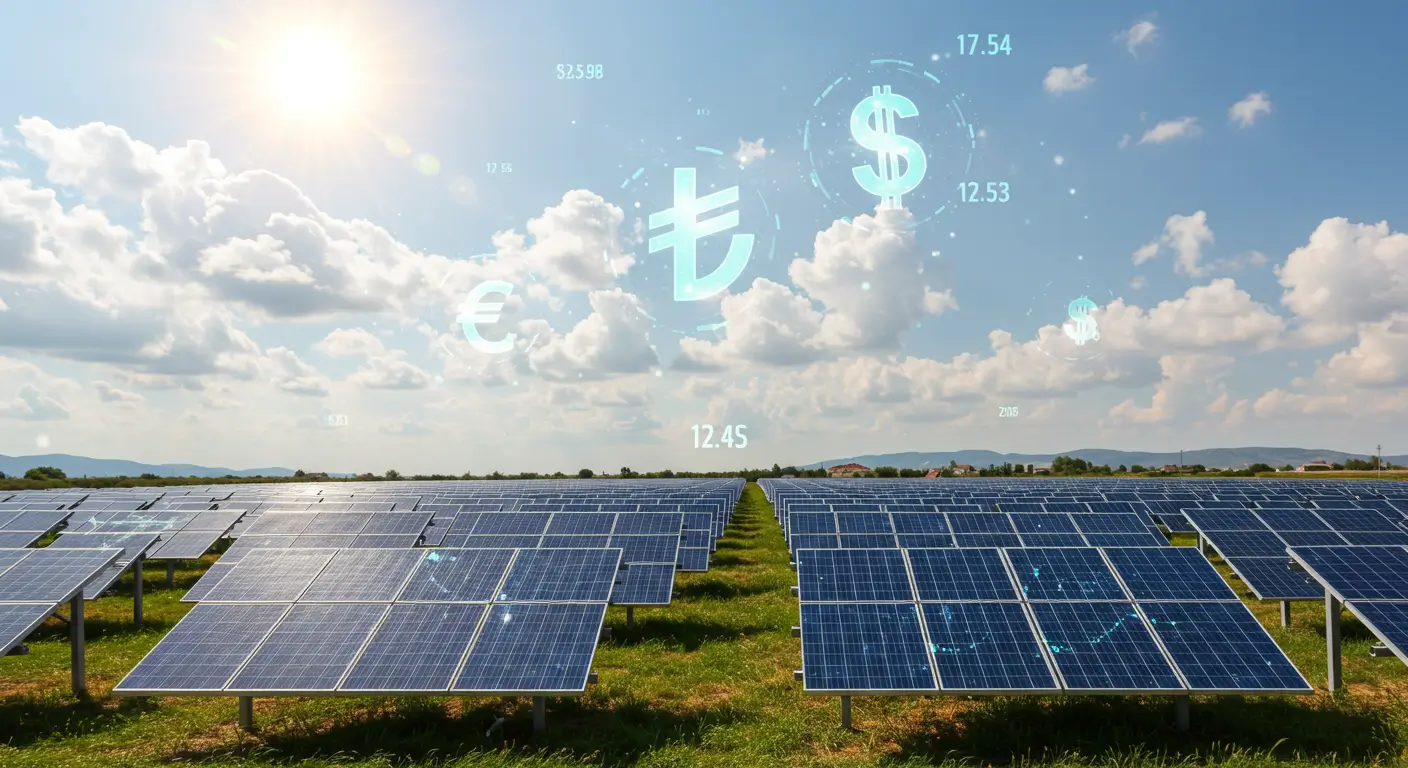
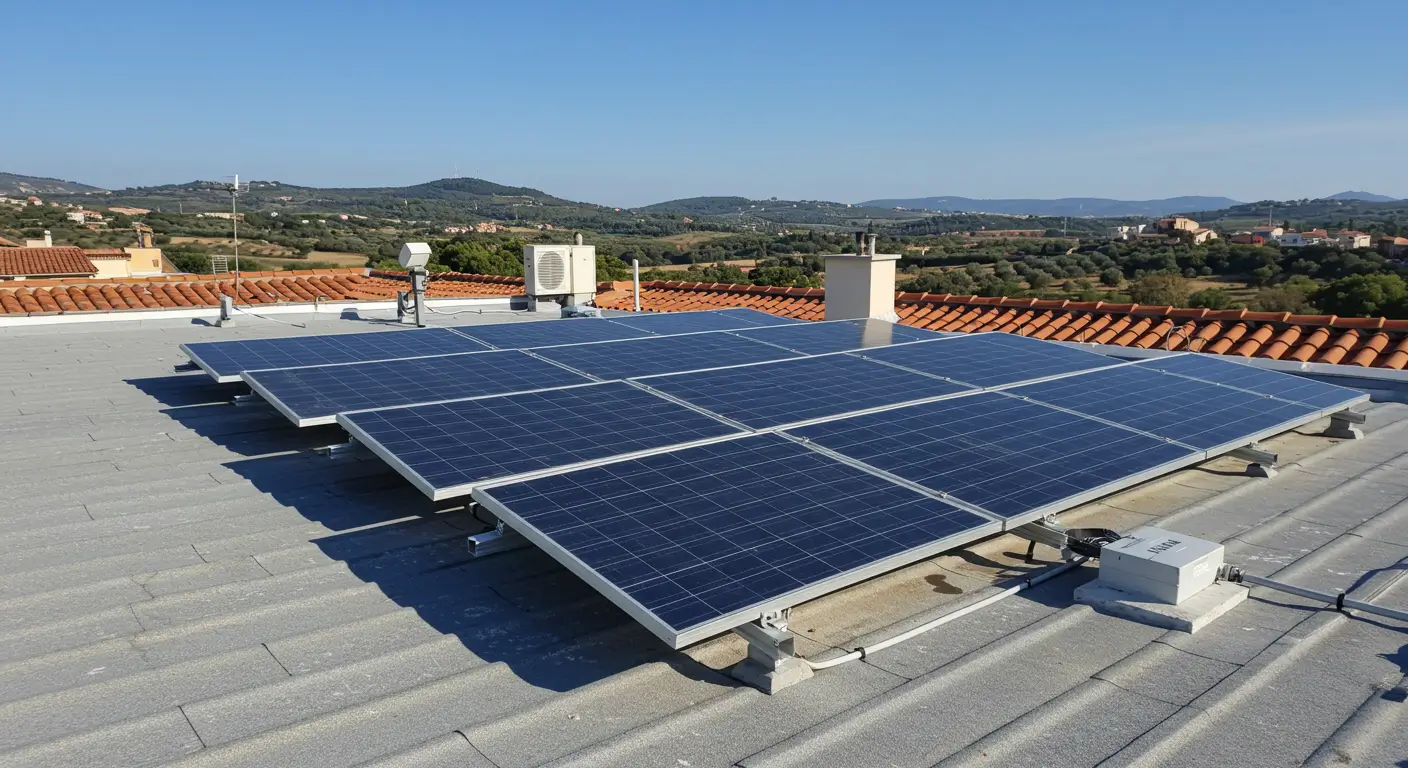
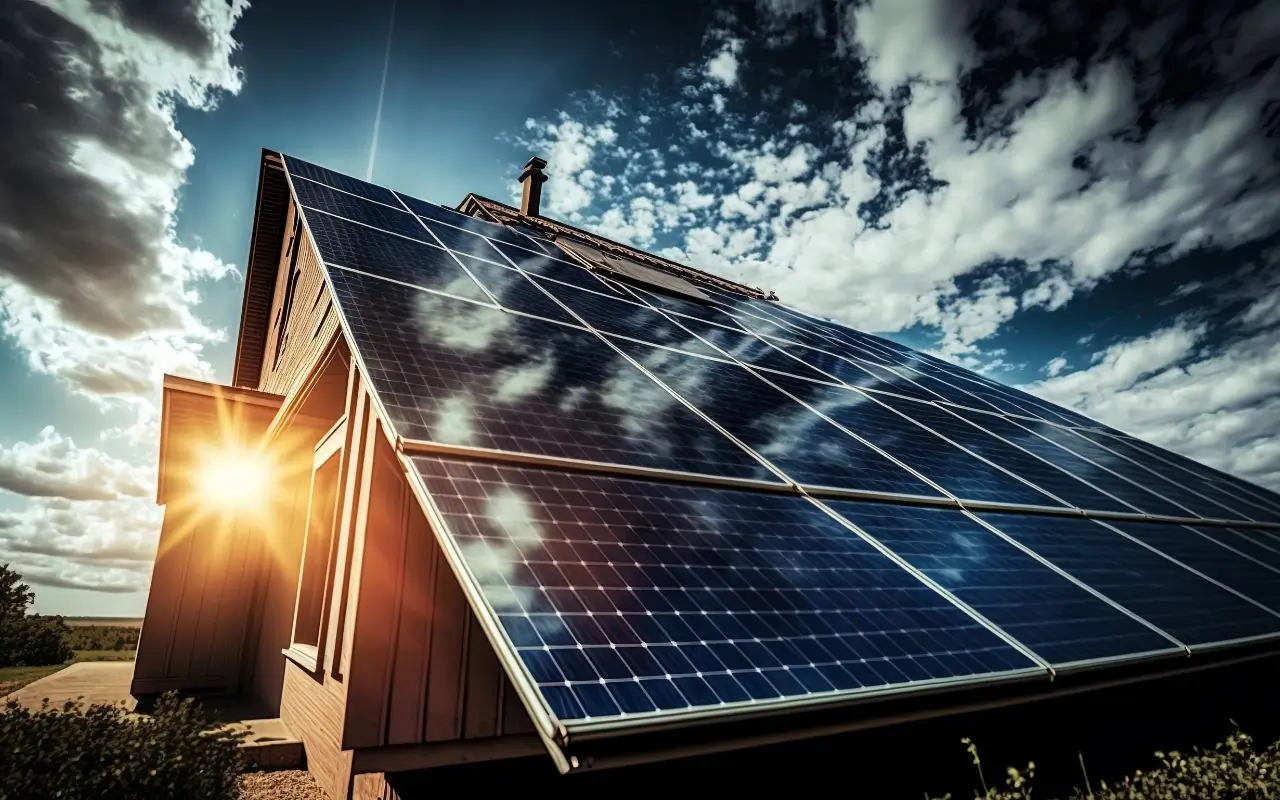
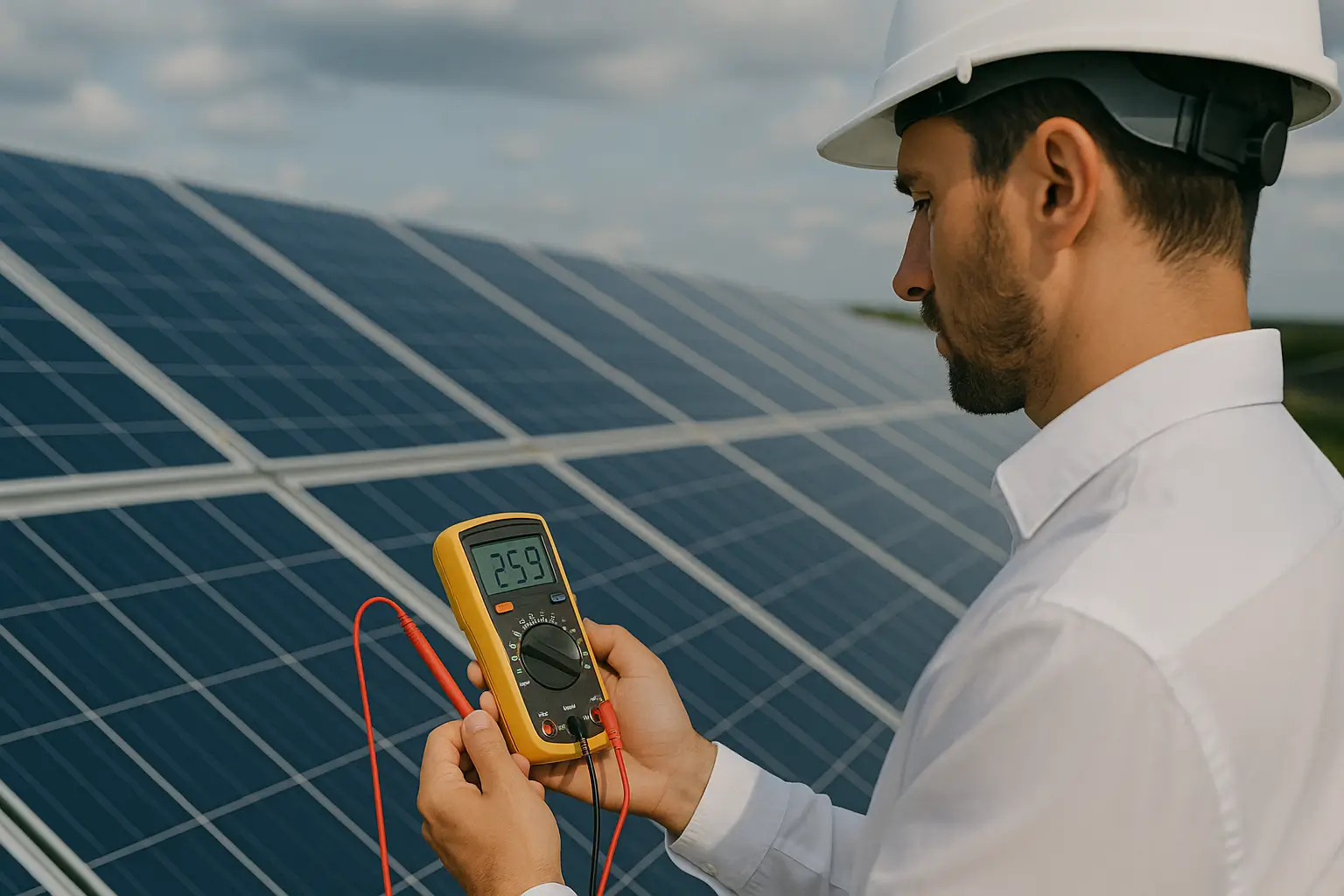
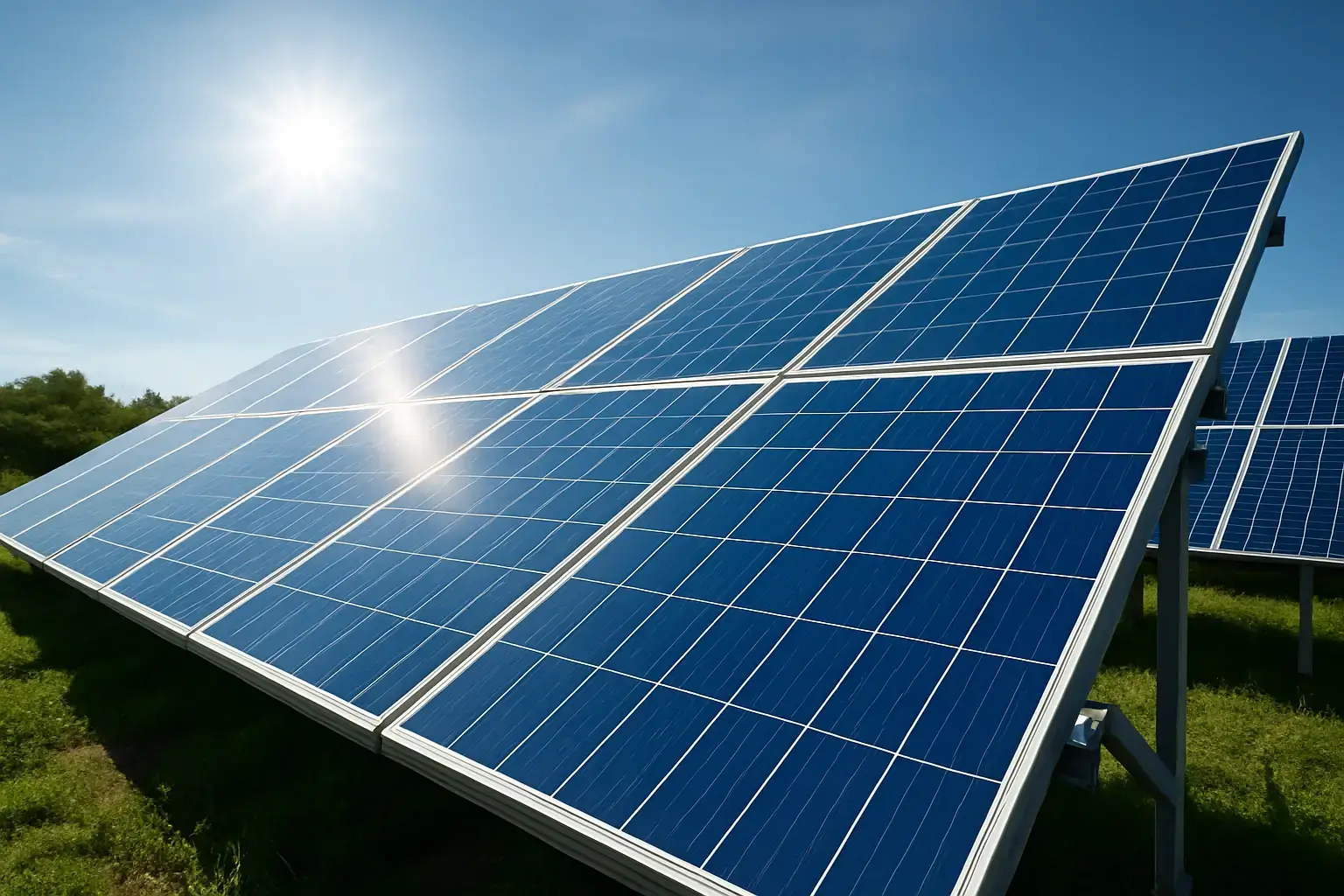
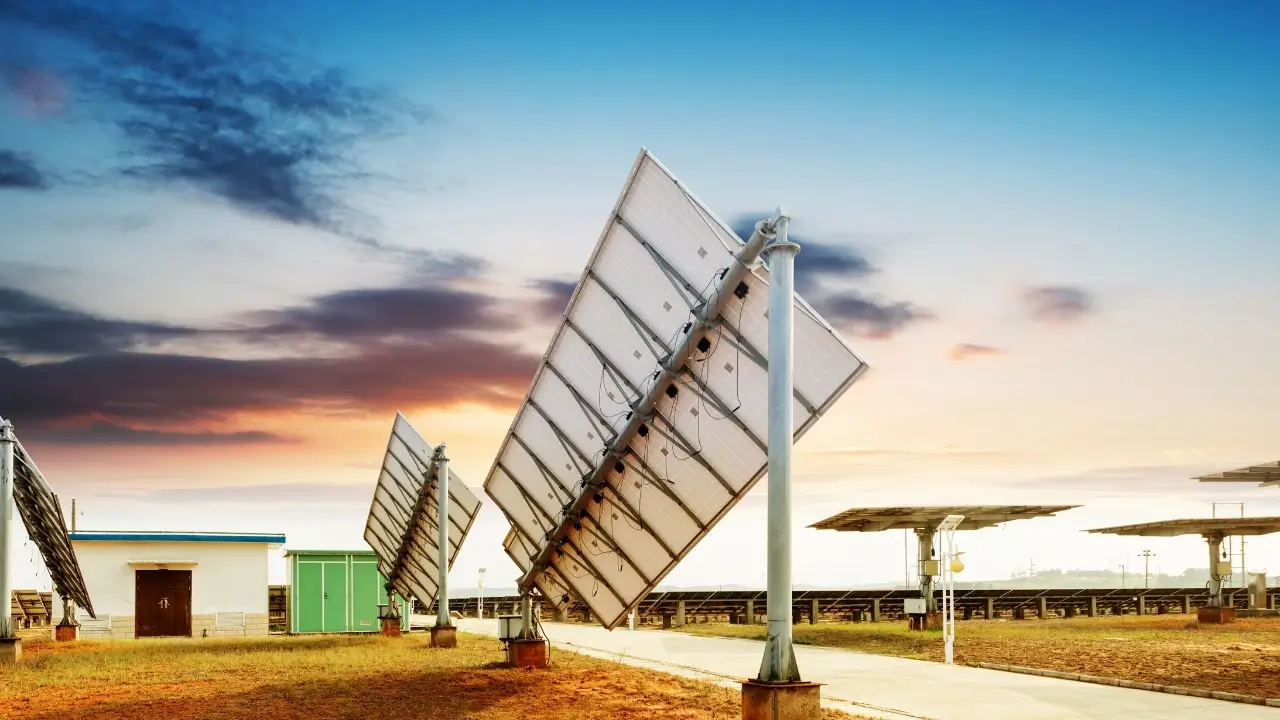
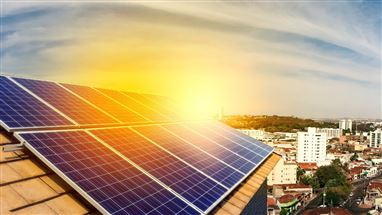
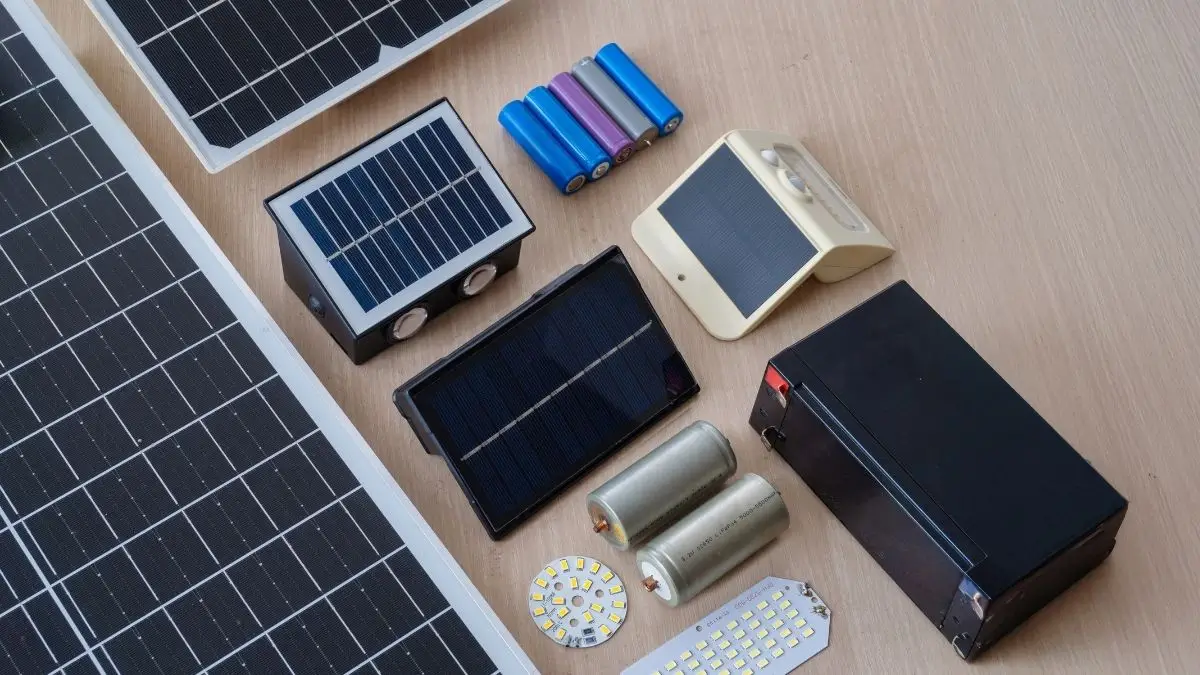
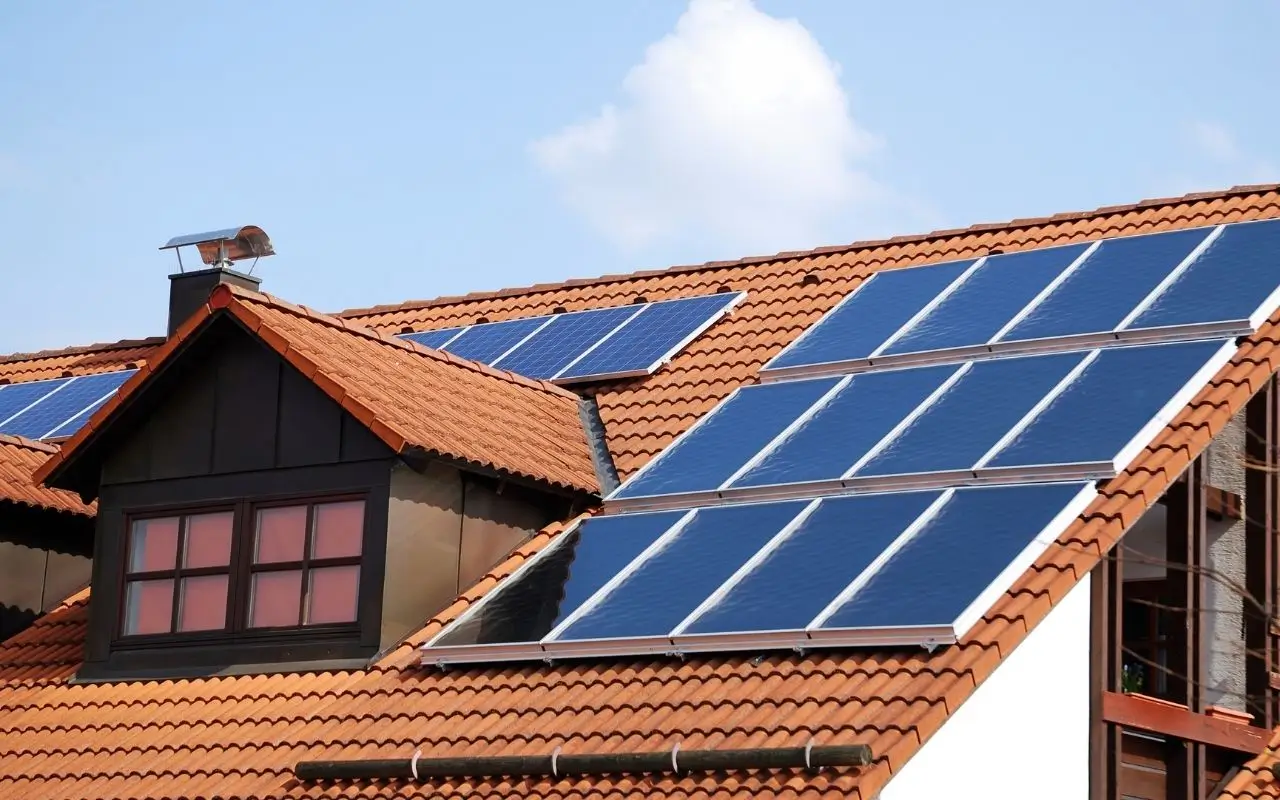
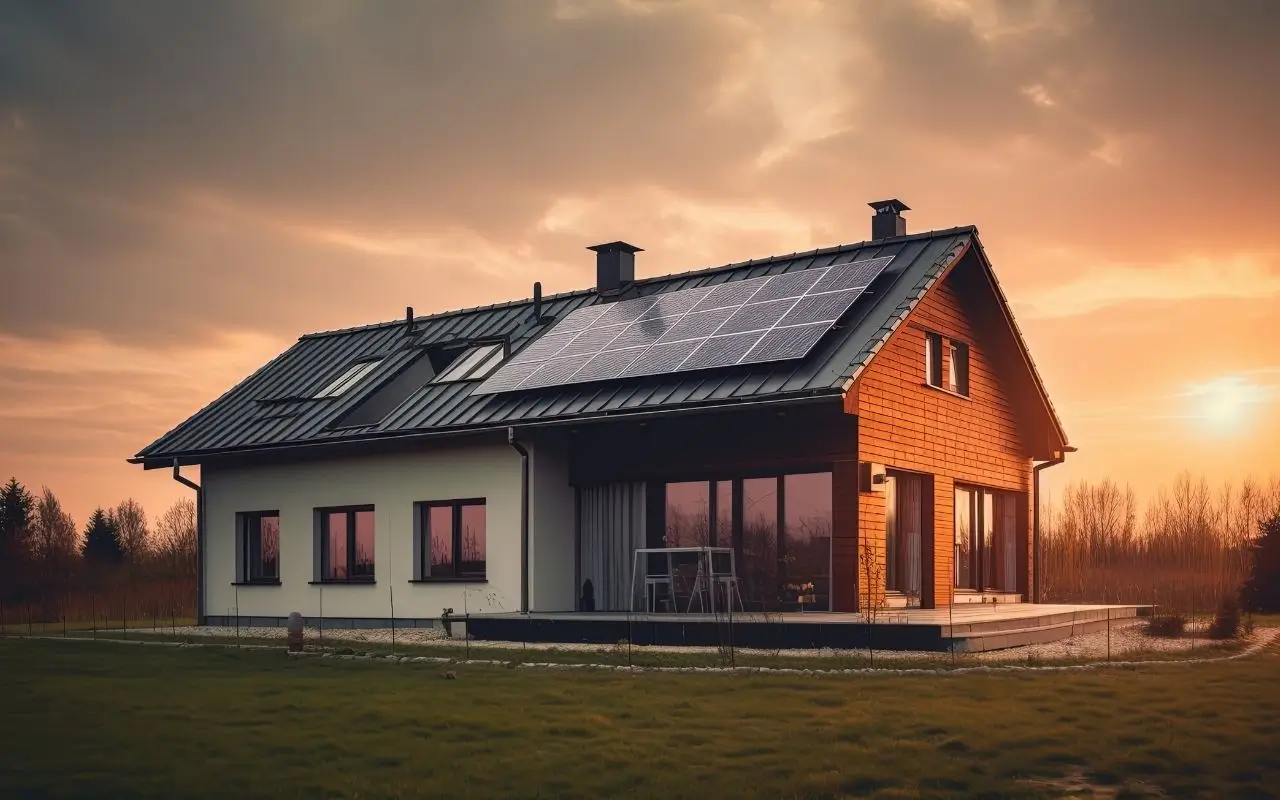
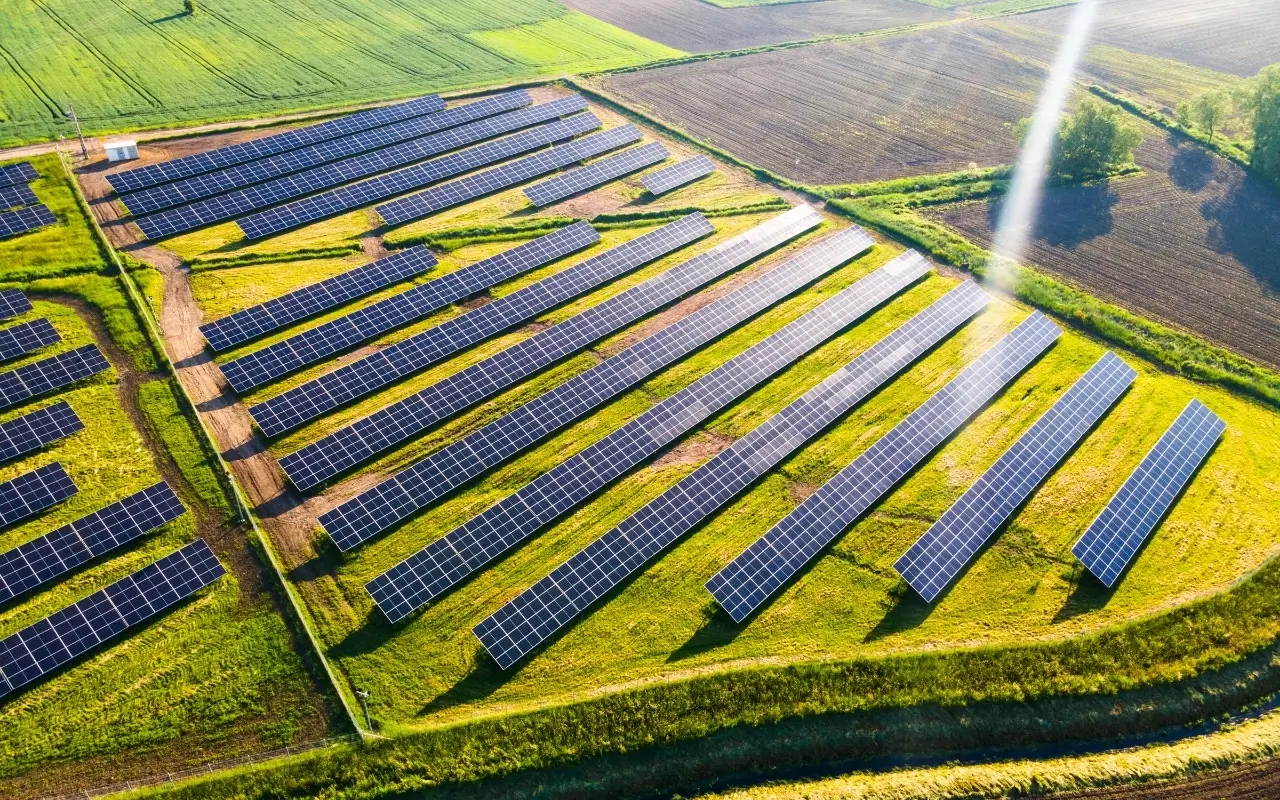
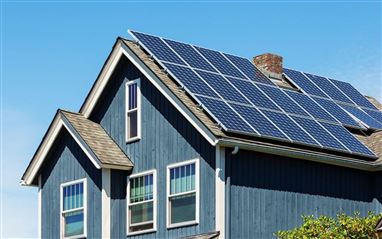
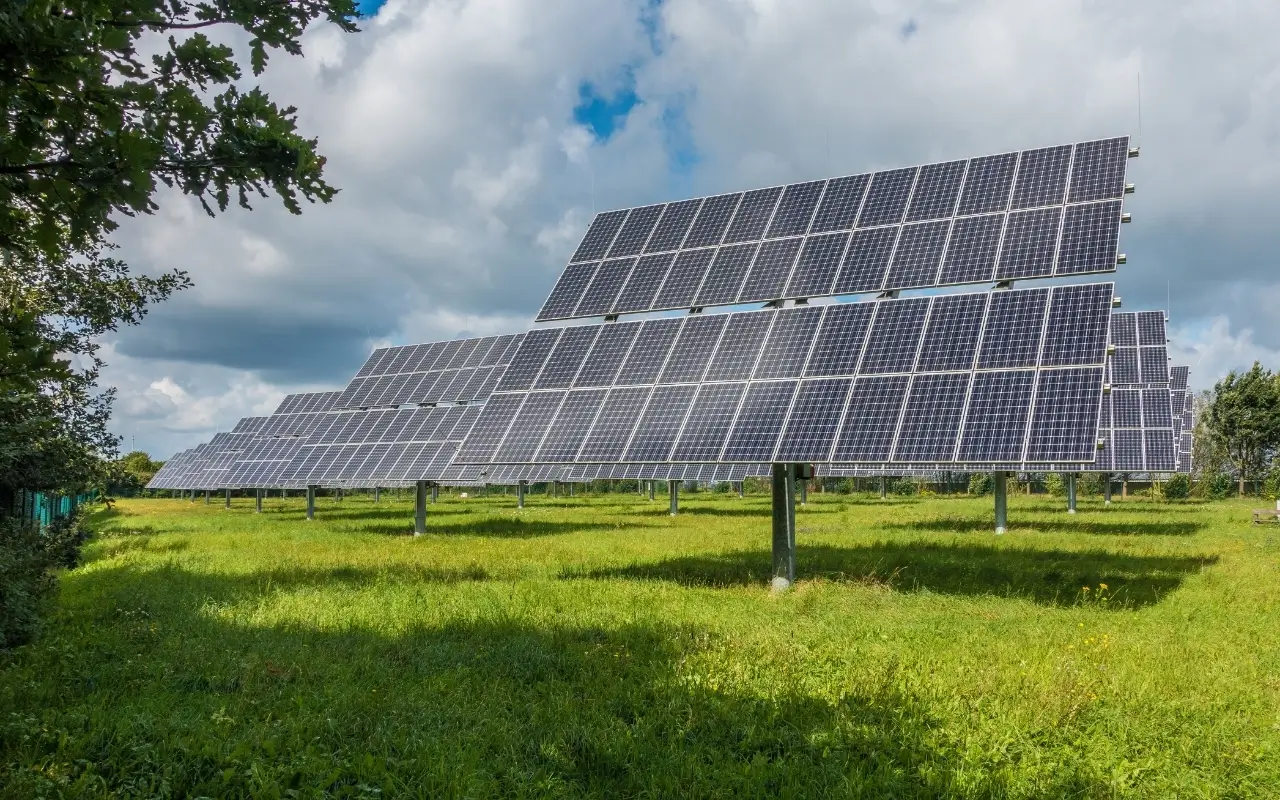
The cost of a solar energy system for a detached house generally varies depending on the panel capacity used, the inverter type, and the storage option; however, for a mid-sized installation it can start at approximately between seventeen thousand and thirty-five thousand TRY and may increase upward. When a system with storage is preferred, the cost can rise severalfold, turning it into a more comprehensive investment. Although the figure may seem high at first glance, the long-term reduction in electricity bills makes this investment attractive.
The factors that affect the price the most during installation are panel efficiency and inverter quality. The roof structure of the house, shading conditions, and annual consumption volume are important for accurate system design. Therefore, a professional site survey both reveals the savings potential and helps prevent unnecessary expenses.
A solar energy system does not only offer a cost advantage. It creates a safer setup against power outages and has a very low environmental impact. Especially considering rising energy prices, it becomes a sustainable, self-payback solution for owners of detached houses.
Which Factors Determine the Cost of Solar Energy System Installation?
The elements that make up the total budget of a solar energy system are shaped by the quality of the equipment used and the home’s needs profile. Panel efficiency, inverter capacity, cabling quality, the supporting structures used in installation, and the physical condition of the roof directly affect the cost. For this reason, the technical assessment carried out before the project begins both ensures the right equipment selection and prevents unnecessary costs.
Key factors that affect the cost
- Panel efficiency and brand
- Inverter type and capacity
- Whether or not a storage unit is used
- Roof pitch, covering, and additional materials required for installation
- Workmanship quality and the scope of the installation duration
- The current condition of the electrical installation and additional requirements
- Climate conditions of the installation region
- Engineering studies conducted for the survey and project design
When each of these details is planned correctly, long-term performance is achieved. Choosing high-quality equipment may look like a slightly higher cost at the beginning, but over the years it reduces failure risk and preserves efficiency. A robust installation both increases energy savings and keeps the system’s maintenance needs to a minimum.
How Many kW of Solar Panels Are Needed for a Detached House?
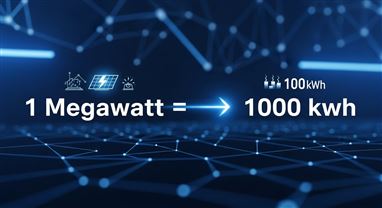
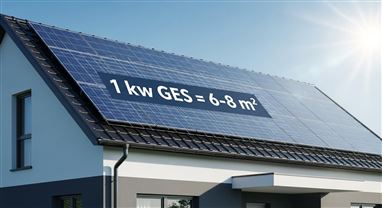
When determining solar panel capacity in a detached house, annual consumption, lifestyle habits, and roof area are taken into account. The monthly usage of an average household is generally in the range of five hundred to one thousand kilowatt-hours. To meet a need at this level, an installation of six to ten kilowatts is often sufficient. Electric heating systems, intensive device usage, or large living spaces may increase this requirement. Carefully reviewing consumption data provides a significant advantage for accurate calculations.
A panel layout suitable for the roof, shading conditions, and panel selection play an important role in determining capacity. High-efficiency panels offer higher production in a smaller area, providing a more flexible solution. In addition, the region’s sunshine duration also affects total production potential. For this reason, when choosing capacity, both lifestyle and physical conditions should be considered, and an installation should be planned to meet long-term needs.
How Is the Most Accurate Solar Energy System Calculated According to Electricity Consumption?
A proper calculation based on electricity consumption both protects the budget and contributes to the system operating smoothly for many years. As a first step, monthly consumption values are taken from the last year’s bills and an average figure is determined. This average clearly shows how much the system needs to produce. With daily usage habits also taken into account, the target capacity is finalized and an appropriate panel power is selected accordingly.
During the calculation stage, the region’s sunshine duration, roof pitch, and orientation are also evaluated. In regions with high sunshine duration, the same capacity can be achieved with a smaller system, whereas areas with lower irradiation require more powerful panels. If roof conditions are not ideal, high-efficiency models are preferred so that losses are reduced to a minimum. This approach both increases installation efficiency and maintains production balance.
In the final stage, technical details such as inverter capacity, cabling quality, and the possibility of storage needs are taken into account. Selecting these components correctly strengthens system stability and improves production performance. When consumption data and physical conditions are reviewed together through a professional site survey, the most suitable solar energy system for the house can be determined with ease. In this way, the user obtains a long-lasting, economical solution that delivers real performance.
How Long Is the Payback Period of a Solar Energy System?
When calculating the payback period, the installation cost and annual production capacity are evaluated together first. The reduction in the bill provided by the produced energy forms the basis of this period. For most homes, under average conditions, the payback period varies between four and seven years. As the quality of the equipment increases, this period becomes more predictable.
Rising electricity unit prices are the most important factor that shortens the payback period. This is because the increase in consumption costs raises the savings delivered by the system. Roof conditions that provide a consistent production flow and correct capacity determination also positively affect the speed of return. Therefore, technical planning before installation is highly valuable.
In systems with an added storage unit, the payback period may be slightly longer. However, the advantage of being able to use energy even in periods with low sunshine makes this investment more functional. From the perspective of both comfort and energy independence, long-term benefits become more prominent.
Modern systems with low maintenance needs support the payback process. Regular cleaning helps preserve panel efficiency. With this approach, maximized production is obtained from the system and the total investment pays for itself in a shorter time. Considering the future of energy costs, the payback period becomes slightly more attractive each year.
The Impact of Government Support and Incentives on Prices
Incentives provided by the government significantly ease the total cost of solar energy systems. Especially in individual installations, tax reductions, suitable loan options, and periodic municipal support make the initial investment more accessible. These advantages accelerate the decision-making process for homeowners who want to install the system and positively affect the payback period.
In some regions, low-interest energy loans and regulations that simplify application processes make cost planning clearer. This approach both reduces the investment burden and directs users toward a more efficient energy model. As support increases, solar energy becomes not only an environmental preference but also a strong economic option.
Common Mistakes in Solar Panel Installation for Detached Houses
Mistakes seen in solar panel installations for detached houses reduce system efficiency and also lead to unnecessary expenses. Incorrect capacity selection, failing to properly analyze roof conditions, and overlooking equipment quality weaken the process. When adequate technical assessment is not conducted before installation, both production capacity decreases and problems arise in long-term use.
Common mistakes
- Incorrect assessment of roof orientation and shading conditions
- Choosing a capacity that does not match usage needs
- Preferring a low-quality inverter or panel
- Leaving the supporting structure weak during installation
- Overlooking the condition of the existing electrical installation
- Selecting equipment without a professional site survey
- Failing to account for maintenance needs
To avoid these mistakes, every step of the installation process should be planned carefully. A proper site survey conducted by an expert team both keeps costs under control and ensures the system operates stably for many years. When a design suitable for the home’s needs is created, a solar energy system becomes a much more efficient and sustainable investment.
Frequently Asked Questions
1. Approximately how much budget should I allocate to install a solar energy system?
For most detached houses, starter packages begin at approximately TRY 17,000 – TRY 35,000. This figure varies depending on factors such as:
- The average monthly electricity consumption in the home,
- The roof type, size, and installation difficulty,
- The selected panel and inverter brands,
- Whether a storage (battery) unit is added
The net price becomes clear after a site survey and consumption analysis; in this way, unnecessary spending is avoided.
2. Which factor affects the price the most?
In general, panel efficiency and inverter quality have the greatest impact on total cost. Because:
- High-efficiency panels generate more energy from the same roof area.
- A high-quality inverter keeps the system stable and efficient for many years.
Cheaper but low-quality equipment may seem attractive at first, but over time it can increase total cost due to production losses and repair expenses.
3. Is a storage unit necessary?
A storage (battery) unit is not mandatory. In grid-tied systems, electricity produced during the day is consumed directly, and any excess can be fed into the grid. However:
- In regions where power outages are frequent,
- If there are devices that must operate even during outages,
- In rural areas or for users who want greater energy independence
a storage unit provides significant convenience. Adding a battery increases total cost, but maintaining power in your home even during outages offers substantial comfort.
4. What portion of the total cost does the installation fee represent?
The installation fee typically ranges between 10% and 20% of the total cost. The main factors that determine this rate include:
- The roof pitch and covering type (tile, sandwich panel, membrane, etc.),
- Difficulty of roof access and occupational safety requirements,
- Cable distances and inverter location,
- Additional arrangements needed in the electrical panel
On flat, easily accessible roofs, the installation share is lower, while on difficult and risky surfaces the cost ratio increases because the labor time is longer.
5. If I install a small system, can I increase capacity later?
Yes, capacity expansion is possible with proper project planning. For this:
- The inverter power should be selected to also accommodate panels that may be added later,
- The mounting structure and cable sizes should be planned to allow for expansion,
- The project and permits should be prepared according to the potential final capacity
Providing the information “I want to expand in the future” before installation both prevents unnecessary expenses and ensures the system can be expanded smoothly.
6. Do solar panel prices change constantly?
Yes, solar panel and inverter prices change from time to time depending on factors such as exchange rates, raw material costs, and global demand. Therefore:
- The validity period of offers is generally limited to 15–30 days.
- If you wait too long, a new price quote may be required for the same system.
After needs analysis and receiving a quote, if conditions are suitable, deciding without waiting too long provides advantages in terms of both stock availability and price.
7. Is it sensible to use second-hand panels to reduce cost?
In general, it is not recommended. With second-hand panels:
- Invisible microcracks in cells and performance loss are common,
- Manufacturer warranty is either unavailable or limited for most products,
- The actual power output may be lower than the value stated on the label.
Although it may reduce the budget at first, in the long term it can lead to higher costs and dissatisfaction due to production losses and potential failures. New, warrantied products are safer for long-lasting systems.
8. I live in a region with limited sunlight—will the cost still be the same?
The system installation cost may not remain exactly the same. In regions with limited sunlight or frequent shading:
- To cover the same consumption, higher-efficiency panels may be required.
- To reduce shading impact, optimizers or different connection solutions may be needed.
- If roof space is limited, premium products that produce more energy per unit area may be preferred.
These choices may increase the initial installation cost slightly, but they help optimize energy production throughout the year and keep the investment’s payback period at a reasonable level.
9. Does government support really reduce the cost noticeably?
Although available support and incentives vary by period, low-interest loans, tax advantages, and grant programs in some regions can noticeably reduce the initial cost. In particular:
- Long-term financing options for residences reduce the upfront burden.
- Being able to sell produced energy to the grid under certain conditions shortens the payback period.
Since incentives change over time, it is important to check current regulations and application requirements before making an investment decision.
10. Will a solar energy system really put me in profit in the long run?
Considering the pace of electricity price increases, a properly designed solar energy system pays for itself within a few years for most users. After that:
- Your monthly electricity bill decreases significantly,
- Your dependence on the grid and price increases is reduced,
- You add an eco-friendly, value-enhancing infrastructure to your home.
Given that panels can have a lifespan of 20–25 years, you continue saving with nearly free energy in the long term, which makes the system a financially sensible investment.
Do Comment