


Other Blog
























































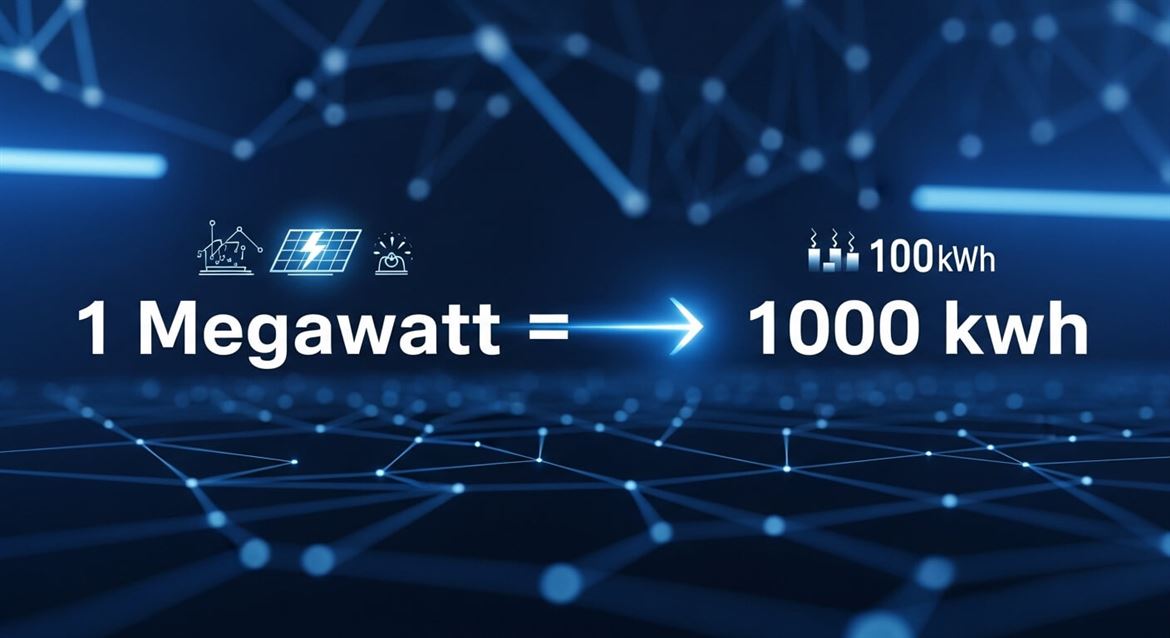
The energy equivalent of 1 megawatt of power operating for one hour is 1,000 kWh. In other words, if a system operates at 1 megawatt for one hour, it is considered to have produced a total of 1,000 kWh of energy. This basic conversion is used to obtain quick and clear results in energy calculations.
In everyday life, we encounter the term kWh more frequently when trying to understand electricity consumption. In large-scale energy generation facilities, however, the power level is generally expressed in megawatts. Thanks to the relationship between these two units, more accurate analyses can be made on both the generation and consumption sides.
This conversion is very practical for those who want to interpret energy costs or calculate the operating time of a device. Especially when examining high-capacity structures such as industrial machinery, solar power systems and wind turbines, knowing the kWh equivalent of the megawatt value provides a much clearer perspective.
The Difference Between Megawatt and Kilowatt-hour
While a megawatt expresses power, a kilowatt-hour indicates the amount of energy consumed or produced. These two concepts are evaluated together to understand how a given power level is converted into energy over time. For example, the value of a system in megawatts indicates its instantaneous capacity, whereas kilowatt-hours show the total amount of energy that this capacity produces over a certain period of time.
Energy generation facilities generally use the megawatt unit to present capacity, while consumption calculations on the user side are mostly made in kilowatt-hours. This relationship between the two is critically important, especially in energy planning, cost determination and efficiency analyses. When interpreted correctly, it allows technical processes to be understood more clearly and supports more controlled energy management.
Use of Megawatts in Large-Scale Energy Systems
In large-scale energy infrastructures, the megawatt is a fundamental unit that clearly expresses installed capacity. This unit is preferred when determining generation capacity, because it provides a practical reference for comparing the performance of power plants or large-scale technological facilities. Megawatt values play a critical role especially in planning electricity supply, helping to determine whether regional demand can be met.
In investments based on different resources such as wind, solar, hydroelectric and thermal power plants, the megawatt level indicates how much power the systems can deliver. With this value, both investors and technical teams can interpret the limits of the existing infrastructure more accurately. It also helps to calculate clearly the capacity needed to meet regional demand when new projects are being developed.
To reach the right decisions in energy management, changes in megawatt levels need to be monitored regularly. Factors such as technological upgrades, generation efficiency and infrastructure improvements can increase or limit capacity. For this reason, evaluations based on megawatts form a reliable and guiding basis in strategic planning processes.
Megawatt Calculations for Household and Industrial Consumption
In household calculations, the megawatt value is mostly used to make sense of total consumption. Although the power levels of devices in daily use are indicated in kilowatts, converting large datasets to megawatts offers practicality. Especially when comparing energy costs, this conversion helps to see consumption trends more clearly and provides a solid basis for long-term planning.
On the industrial side, megawatt calculations play a far more decisive role. This value is critically important for understanding the capacity required by factories, production lines and high-power machinery. With accurate calculations, businesses can both direct their infrastructure investments efficiently and establish a more controlled structure for energy management. This approach strengthens cost balance while maintaining production continuity.
How to Interpret Megawatt Values in Solar and Wind Energy
In solar- and wind-based generation systems, the megawatt value clearly indicates the capacity that the installed system can provide. As the number of panels or turbines increases, this value rises and the facility’s ability to meet high demand grows. Expressing installed capacity in megawatts provides a strong reference for both performance evaluation and investment planning.
In solar energy, the megawatt level is interpreted together with panel efficiency and irradiation intensity. When two plants with the same capacity are installed in different regions, their generation outcomes may differ. Therefore, when examining the capacity value, geographical conditions, maintenance processes and panel technologies are taken into account. This makes it possible to calculate the real production potential of the installed capacity more accurately.
On the wind side, the megawatt value is evaluated together with turbine rotor diameter, tower height and wind regime. As capacity grows, the plant produces a more stable generation profile and the security of energy supply increases. Therefore, the megawatt level is regarded not only as a technical indicator, but also as an important metric that determines the long-term efficiency of an investment.
The Importance of Megawatts in Energy Cost Calculations
Megawatt values provide a strong reference for correctly interpreting energy costs. Clearly defining generation capacity brings both investment decisions and budget planning to a healthier point. This approach increases the accuracy of cost calculations in large projects.
Knowing the power level that plants can provide plays a critical role in calculating unit energy costs. As capacity increases, production volume grows and cost distribution reaches a more balanced structure. In this way, the payback period of the investment can be calculated more realistically.
Accurately determining the megawatt level is a key factor that affects the long-term performance of the energy infrastructure. Especially during periods of high demand, clearly understanding the capacity limits directly improves cost management. This leads to more predictable outcomes for both producers and consumers.
In energy facilities based on different resources, megawatt-based analyses reveal which technology delivers more economical results. The cost structures of solar, wind, hydroelectric or thermal systems become clearer through this type of evaluation. This helps in selecting the right strategies.
Megawatt data are a powerful guide in shaping energy policies. Accurately calculating regional supply capacity helps keep costs at sustainable levels. For this reason, megawatt-based evaluations are considered indispensable from both a technical and economic perspective.
Points to Consider When Converting Megawatts to kWh
Grasping the basic principle correctly when converting megawatts to kWh increases the clarity of the calculation. The relationship between megawatts, which represent power, and kWh, which represent the energy equivalent of one hour of operation, is fixed, and this conversion has an important place in both technical and economic evaluations. Especially in capacity planning, generation analysis and consumption forecasting, applying the conversion correctly strengthens the reliability of the process.
Key points to consider
- Not forgetting that megawatts express power, while kWh expresses the amount of energy
- Applying correctly that 1 megawatt corresponds to 1,000 kWh in the conversion
- Taking into account the effect of the time variable in the calculation
- Considering generation efficiency in different energy sources
- Ensuring that the capacity value is consistent with actual measurements before conversion
When these points are taken into consideration, more reliable results are obtained in both generation- and consumption-oriented analyses. Correct conversion strengthens the technical basis of energy projects while also increasing the accuracy of cost calculations. This approach provides a reliable foundation for long-term planning and makes the decision-making process more controlled.
Frequently Asked Questions About Megawatts and kWh
1. What exactly does a megawatt represent?
A megawatt is a unit of power that shows the instantaneous capacity of an energy system. It makes it easy to understand how much power plants or large machines can generate or consume.
2. Why is kWh more commonly used in daily consumption?
Because kWh expresses the amount of energy consumed or produced over a certain period of time, it provides a more understandable reference in billing and usage analyses.
3. How many kWh is 1 megawatt?
The energy equivalent of 1 megawatt operating for one hour is 1,000 kWh. This conversion is considered fundamental in energy calculations.
4. Is a household’s consumption measured in megawatts?
In daily use, megawatts are not needed for homes. However, converting to megawatts can make some analyses easier when making large-scale comparisons.
5. What does a power plant’s megawatt capacity mean?
This value indicates how much power a plant can generate when operating at full capacity. It is one of the key criteria in capacity planning.
6. Why is the megawatt value important in solar energy?
Because it defines the installed capacity, it helps to understand the potential generation level of a solar power plant. It is interpreted together with panel efficiency and irradiation capacity.
7. What does the megawatt level of wind turbines represent?
It explains the maximum power capacity that turbines can extract from the wind. When evaluated together with the number of turbines and the wind regime, the real generation capacity can be understood.
8. What is the most fundamental difference between megawatts and kWh?
Megawatt is power, while kWh shows the amount of energy produced or consumed over a certain period. They are two complementary concepts.
9. Why are these two units used together when calculating energy costs?
Knowing the power reveals capacity, and knowing the kWh value reveals total generation or consumption. Using both together provides more accurate results in cost calculations.
10. What should be considered to avoid confusion when converting megawatts to kWh?
It is sufficient to remember that the conversion is always fixed. The most accurate approach is to keep in mind that 1 megawatt equals 1,000 kWh and perform the calculation together with the time factor.
Do Comment